
Amplifying Innovation: The Ultimate qPCR User’s Guide
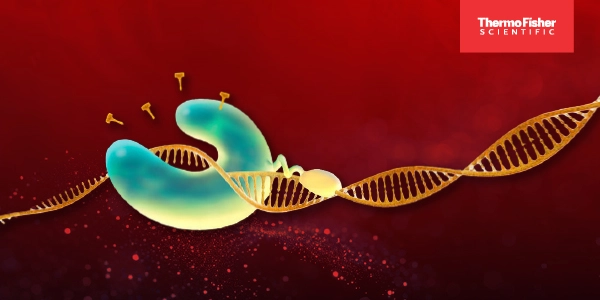
Real-Time PCR (qPCR), endpoint PCR, and dPCR – how to choose, when to combine, and why it matters for modern molecular research
This guide walks through:
- qPCR basics: How real-time fluorescence tracking enables fast, reproducible quantification across a wide dynamic range
- Endpoint PCR: Fundamentals and where the technique shines for qualitative detection
- dPCR explained: How partitioning into thousands of micro-reactions enables absolute quantification without standard curves, supporting low-abundance/rare targets and other challenging analysis.
- Smarter PCR method decisions: When to stay with qPCR versus when to transition to dPCR for higher sensitivity or absolute quantification.
- Better inputs/better results: How sample preparation quality (especially RNA purity/integrity and reverse transcription performance) directly impacts downstream PCR reliability—particularly for quantitative applications.
The guide includes a clear method-transition framework tailored to gene expression analysis.
Ready to align your PCR method to your research question—and get more confidence from every run? Download the guide.
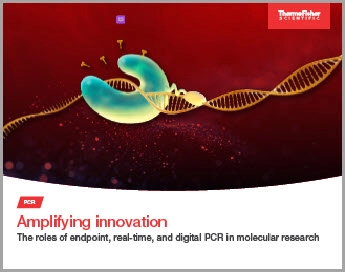
DOWNLOAD THIS FREE GUIDE TO LEARN MORE
Become a member and enjoy exclusive benefits
Create an account now for exclusive benefits, personalized recommendations, and seamless order tracking. Elevate your lab experience today!