
Ultrapure Water for PFAS Testing: Eliminating Contamination at the Source
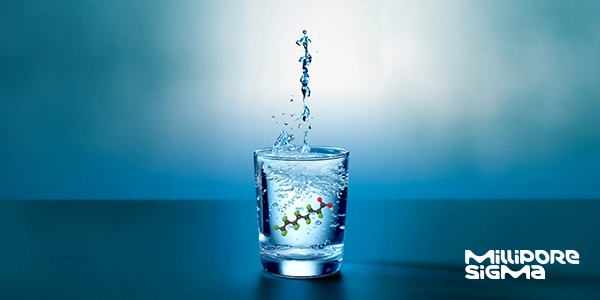
Ensure Confidence in Every PFAS Result
PFAS analysis demands extreme sensitivity—and even trace contamination can compromise your data. From solvents to system components, background PFAS can originate from multiple sources within the lab workflow.
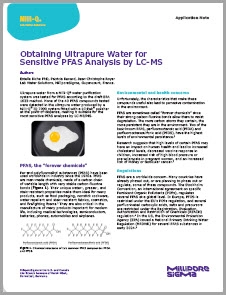
This Application Note explores how ultrapure water quality directly impacts PFAS detection by LC-MS/MS—and how to eliminate one of the most overlooked sources of analytical interference.
What You’ll Learn Inside
- Why reagent water is a critical variable in PFAS workflows
- Common sources of PFAS contamination in LC-MS/MS systems
- How ultrapure water impacts detection limits
- Key system components required to achieve PFAS-free water, even if PFAS are present in the lab's tap water
- Real-world validation using EPA Draft Method 1633
Get the Data Behind PFAS-Free Water
If your lab is performing PFAS analysis—or planning to—this application note provides the validation data and system insights needed to reduce contamination risk and improve confidence in your results.

DOWNLOAD THIS APPLICATION NOTE
Become a member and enjoy exclusive benefits
Create an account now for exclusive benefits, personalized recommendations, and seamless order tracking. Elevate your lab experience today!