
2026 Pittcon: Driving Discovery, Progress, and Collaborative Science

Written By: Damon Anderson, PhD
Published: Mar 16, 2026
The annual Pittcon Conference and Exhibition took place in San Antonio Texas March 7-11, 2026.
The event showcased a wave of new
laboratory instrumentation designed to improve analytical sensitivity, increase
throughput, and simplify workflows across genomics, materials science,
environmental testing, and industrial quality control. Exhibitors
introduced systems that combine automation, high-performance detection, and
digital connectivity to help laboratories generate reliable data while reducing
operator workload.
Here is a closer look at some of the new technologies and what they bring to modern laboratory workflows.
Shimadzu MultiNA II Microchip Electrophoresis System
Rapid DNA and RNA Size Analysis for Genomics Workflows
 The MultiNA II MCE-301 Microchip Electrophoresis System
is designed for fast and sensitive DNA and RNA analysis, supporting
applications such as next-generation sequencing (NGS), genome editing research,
and RNA quality assessment.
Key specifications and capabilities include:
- Sample capacity: Up to 96 samples per removable rack
- Additional sample loading: Up to 120 samples can be added during an analysis run
- Detection sensitivity: Down to 5 pg/µL using the DNA-HS12000 high-sensitivity kit
- Data visualization: Gel images and electropherograms with size prediction guides
- Automated dilution: Ensures samples fall within the quantitation range
The system automatically calculates RNA Integrity Index (RII) values to assess RNA degradation, with results showing strong correlation with other industry platforms.
What it enables in the lab: For genomics labs handling large sample sets, the MultiNA II simplifies electrophoresis workflows through automated sample preparation, intuitive software analysis, and flexible sample management. Researchers performing NGS library QC or genome editing screening can evaluate fragment sizes and concentrations quickly, improving turnaround times for sequencing workflows.
Shimadzu ALTRACE Energy Dispersive X-ray Fluorescence Spectrometer
Trace Element Analysis Without Sample Digestion
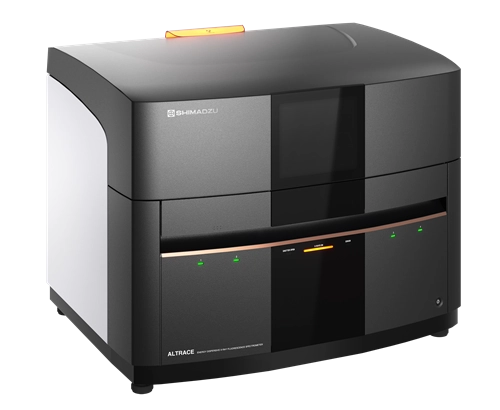 Shimadzu also introduced the ALTRACE Energy Dispersive
X-ray Fluorescence (EDXRF) Spectrometer, built to deliver high-sensitivity
elemental analysis across a wide concentration range.
Key specifications include:
- X-ray source: 65 kV high-energy X-ray tube
- Detection range: Elements from sodium (Na) to uranium (U)
- Detection sensitivity: Sub-ppm level trace detection
- Autosampler capacity: 48 positions
- Primary filters: Six filters (eight types) automatically exchanged by the system
The ALTRACE system analyzes liquids, powders, and solids with minimal sample preparation, eliminating chemical digestion steps often required in ICP or atomic absorption workflows.
Applications
- Heavy metals screening in food products
- Environmental monitoring and contamination studies
- Mining and geological analysis
- Chemical and materials testing
For laboratories needing rapid elemental screening with reduced operational complexity, the ability to analyze samples directly can significantly shorten analysis times while lowering reagent and labor costs.
Shimadzu TOC-1000e S Online Analyzer
Continuous Monitoring of Ultrapure Water for Semiconductor Manufacturing
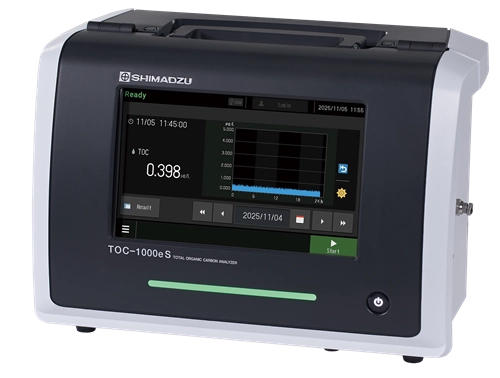 As semiconductor fabrication moves toward increasingly
smaller feature sizes, trace contamination in ultrapure water can disrupt
production. The TOC-1000e S Online Total Organic Carbon Analyzer was
developed to address these challenges with real-time monitoring capabilities.
Key specifications include:
- Oxidation technology: Excimer lamp with Active-Path™ configuration
- Target contaminants: Hard-to-oxidize compounds such as urea
- Weight: Approximately 3 kg
- Installation options: Benchtop, wall-mounted, or pipe-mounted
- Data export: USB, CSV, PDF, and network connectivity
The analyzer continuously measures TOC levels using a simplified flow path and conductivity detection to identify contamination events quickly.
Benefits for semiconductor labs: Real-time TOC monitoring helps manufacturers maintain strict water purity standards, reducing the risk of process defects and improving yield in advanced fabrication environments.
Shimadzu i-Series LC-2070 / LC-2080 Integrated HPLC Systems
Smart Automation and AI-Driven Data Processing
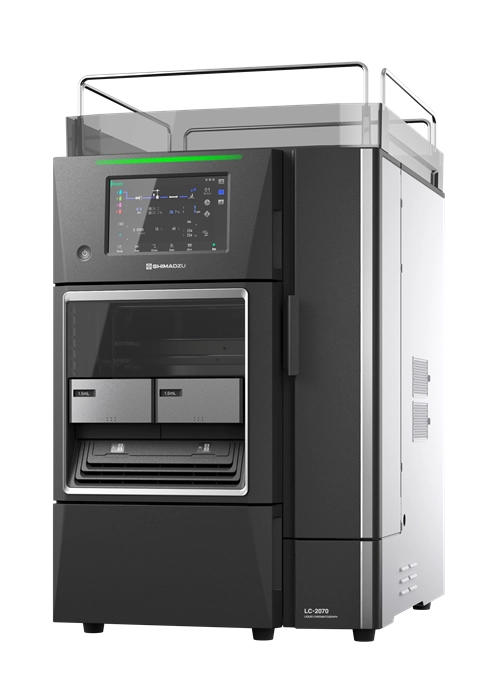 The LC-2070 and LC-2080 represent the latest
generation of Shimadzu’s integrated HPLC platforms, combining robust
chromatography performance with automated diagnostics and AI-assisted data
analysis.
Key specifications include:
- Integrated HPLC design: Compact tabletop configuration
- Automation tools: Bubble detection, self-diagnostics, predictive maintenance
- Peak analysis: Peakintelligence™ AI algorithm
- Column management: Integrated Column Management Platform (iCMP)
- User interface: Full-color LCD touchscreen
Peakintelligence reduces manual chromatogram correction by approximately 75%, improving both productivity and data consistency.
Typical applications
- Pharmaceutical quality control
- Environmental analysis
- Food safety testing
- Chemical R&D
With remote access through LabSolutions software, labs can monitor and control instruments from smart devices, enabling more flexible workflows.
Waters ARES-G3 Rheometer
Faster Rheological Measurements for Advanced Materials Research
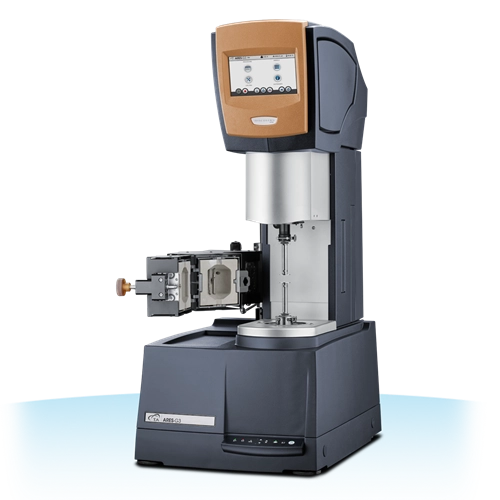 Waters introduced the ARES-G3 Rheometer, a
next-generation platform designed for high-speed rheological measurements in
polymer, coatings, and materials research.
Key performance metrics include:
- Data acquisition rate: Up to 25,000 data points per second
- Testing speed: Standard tests up to 80% faster
- Software integration: Fast Frequency Chirps within TRIOS™ software
- Method compatibility: Compatible with ARES-G2 fixtures and methods
These capabilities allow researchers to capture rapid structural changes in curing or degrading materials that conventional rheometers may miss.
Applications
- Polymer and composite material development
- Coatings and adhesives research
- Process simulation for industrial materials
By dramatically shortening test times while maintaining high data resolution, the system helps materials labs accelerate formulation development and characterization.
Rigaku NEX QC II Series Benchtop XRF Analyzers
Fast Elemental Screening for Industrial QC
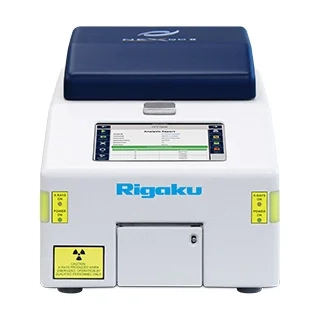 Rigaku’s NEX QC II Series is designed for routine
elemental analysis in manufacturing environments.
Key specifications include:
- Technology: Energy dispersive XRF (EDXRF)
- Element range: Sodium (Na) to uranium (U)
- Detector: Graphene window silicon drift detector (SDD) on QC II+ model
- Interface: Touchscreen with embedded printer
- Form factor: Compact, fanless design
The instruments support analysis of solids, liquids, powders, and thin films, making them suitable for both laboratory and production floor quality control.
Typical uses
- Sulfur analysis in fuels
- Metal contamination detection
- Coating thickness monitoring
- Recycling and materials recovery analysis
Systec DX- and VX-Series Laboratory Autoclaves
Digitally Connected Sterilization Systems
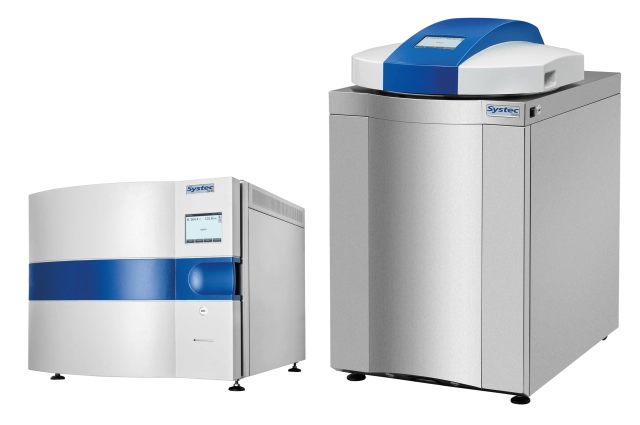 Systec introduced the next generation of laboratory
autoclaves designed to deliver faster sterilization cycles and improved digital
traceability.
Core specifications include:
- Operating range: Up to 140 °C at 4 bar (optional 150 °C at 5 bar)
- Capacity ranges: DX-Series: 25–200 L and VX-Series: 40–150 L
- Sensors: Up to five PT-100 temperature sensors
- User management: Up to 100 users or user groups
The autoclaves are built with AISI 304 stainless steel frames and AISI 316L pressure vessels, ensuring corrosion resistance and long service life.
Optional features
- Vacuum systems for air removal
- Radial cooling fans
- Steam-air sterilization for pressure-sensitive materials
- Ultracooler technology to reduce cooling time by up to 90%
These systems also support FDA 21 CFR Part 11 compliance, including AuditTrail tracking and tamper-proof data signatures.
The Takeaway for Lab Buyers
The newest analytical platforms unveiled at Pittcon 2026 highlight several ongoing trends in laboratory instrumentation:
- Automation and AI-assisted analysis to reduce manual work
- Higher sensitivity detection for trace analysis and genomics workflows
- Compact footprints and energy efficiency for modern laboratories
- Digital connectivity and compliance support for regulated environments
For labs evaluating upgrades or new capabilities—from genomic analysis and chromatography to materials characterization and industrial QC—these instruments offer new options to improve throughput, data quality, and operational efficiency.
Nov 04, 2026
Product News
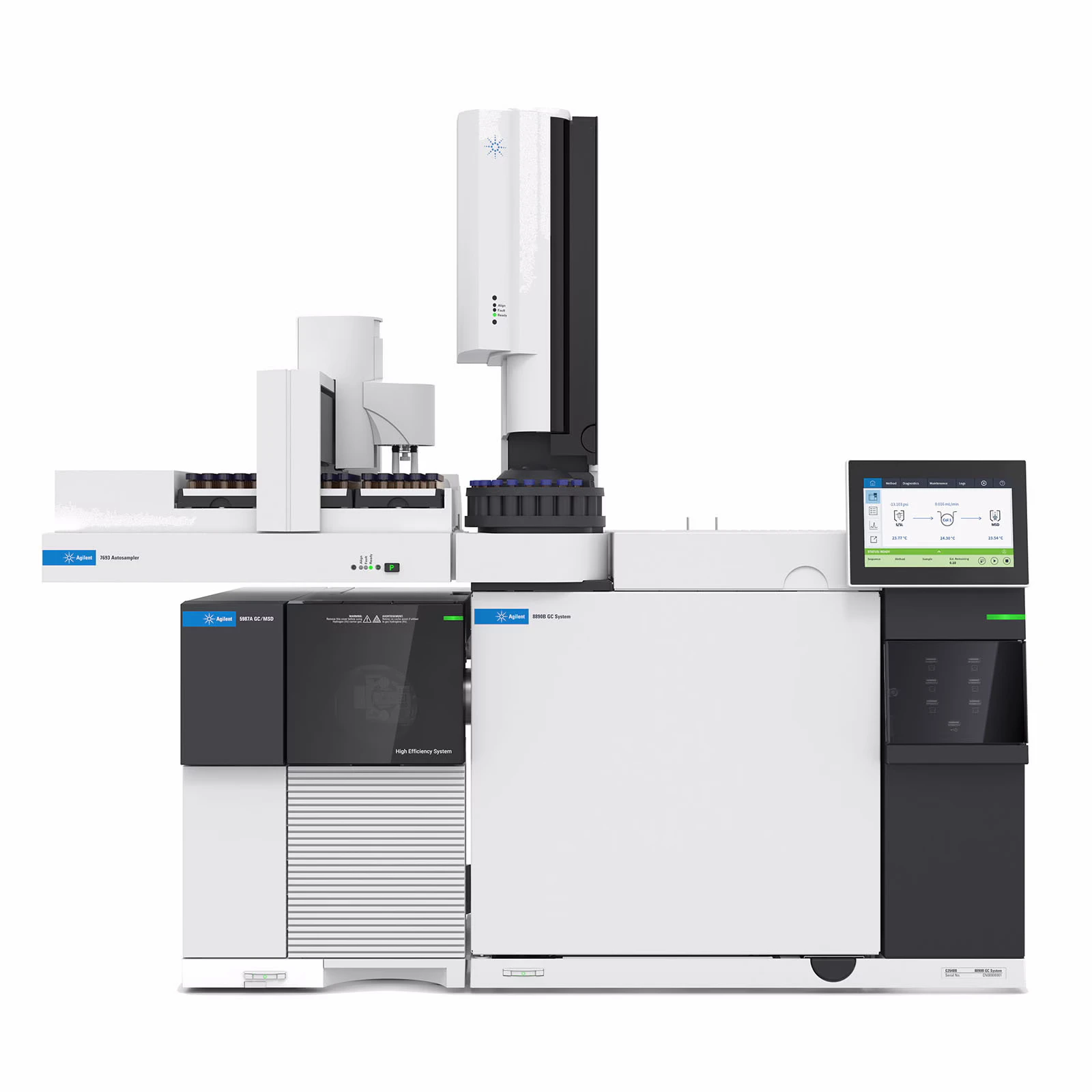
Agilent 5987A MSD: Should 5977-Series Labs Upgrade?
A spec-by-spec look at whether the 5987A’s 25% faster scanning, 10× dynamic range gain, and built-in GC Assist intelligence justify moving off the 5977 series — with LabX used-market context for current 5977A and 5977B owners.
Nov 02, 2026
Product News
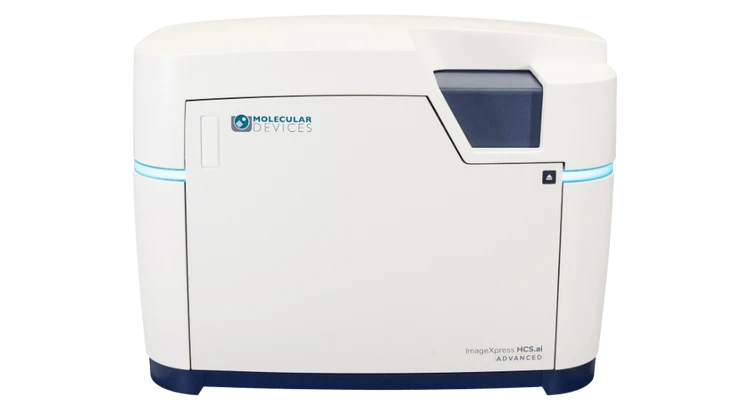
ImageXpress HCS.ai Advanced Duo: Dual-Camera HCS Upgrade for Drug Discovery Labs
Molecular Devices has launched the ImageXpress HCS.ai Advanced Duo, a dual-camera high-content screening system that adds simultaneous image acquisition and integrated screening analytics to the existing HCS.ai Advanced platform — this article breaks down what changes for buyers already operating in the category and whether the upgrade is warranted.
Oct 27, 2026
Product News
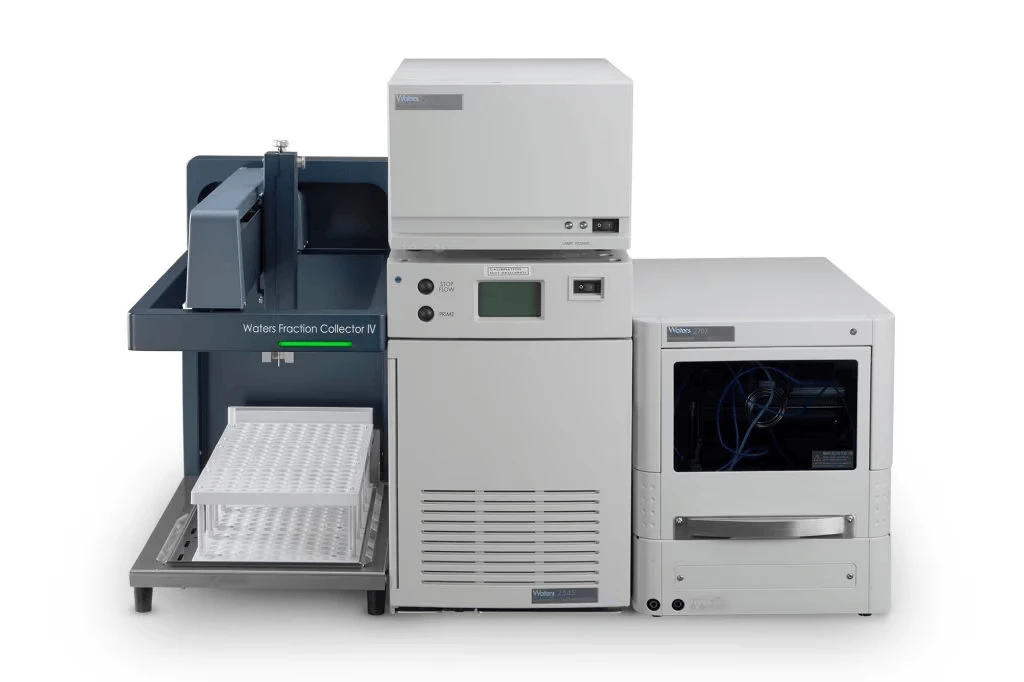
Waters Fraction Collector IV: More Capacity, More Formats for Prep LC Labs
Waters has launched the Fraction Collector IV, upgrading prep-scale purification with 50% more collection capacity, flow rates to 300 mL/min, and native control through Empower, MassLynx, and ChromScope software — here’s what buyers in pharma, biotech, and CRO labs need to evaluate before purchasing.
Oct 20, 2026
Product News
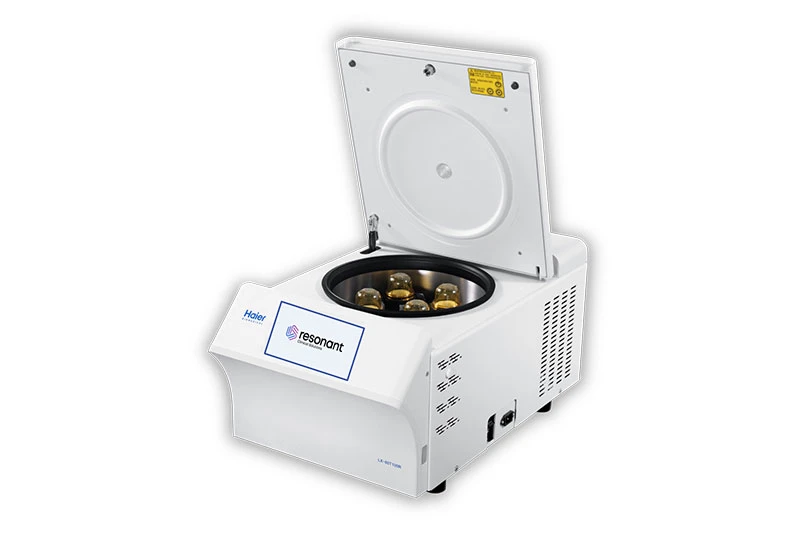
LX-60T100R Refrigerated Benchtop Centrifuge: F-Gas Compliance for Clinical Trials
A new hydrocarbon-cooled benchtop centrifuge purpose-built for clinical trial sample processing arrives with a GWP of ~3, 5-minute pre-cooling, and exclusive distribution through Resonant Clinical Solutions — giving procurement teams an F-gas-ready option well ahead of the 2028 EU regulatory deadline.
Oct 16, 2026
Product News
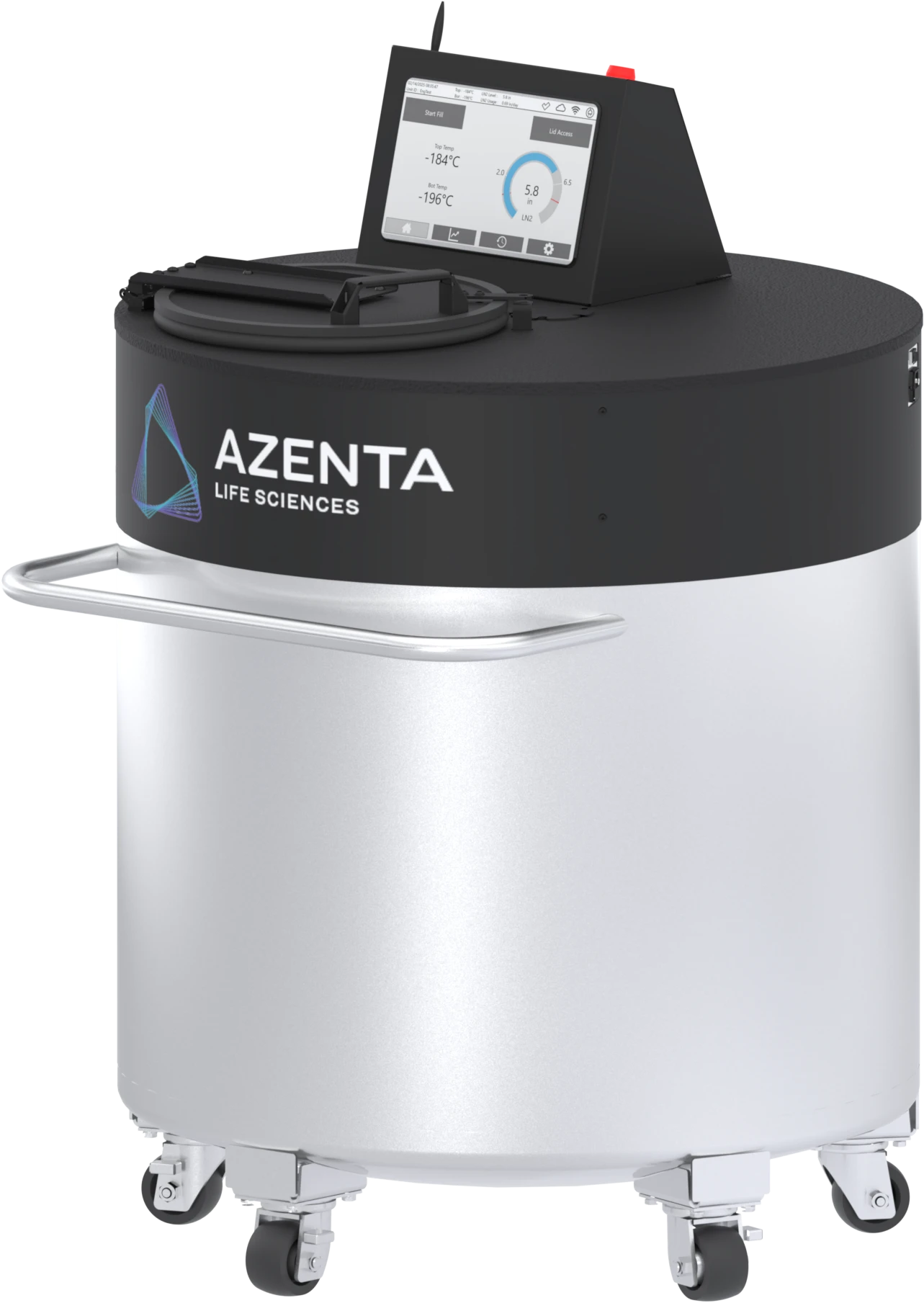
CryoArc Vita-76: Azenta’s High-Density Cryogenic Storage for IVF Clinics
Azenta Life Sciences has launched the CryoArc Vita-76, a cryogenic storage system that consolidates up to seven traditional dewars into a single footprint — this article covers specifications, how it compares in the clinical IVF storage market, and what fertility clinic buyers should evaluate before purchasing.
Sep 30, 2026
Product News
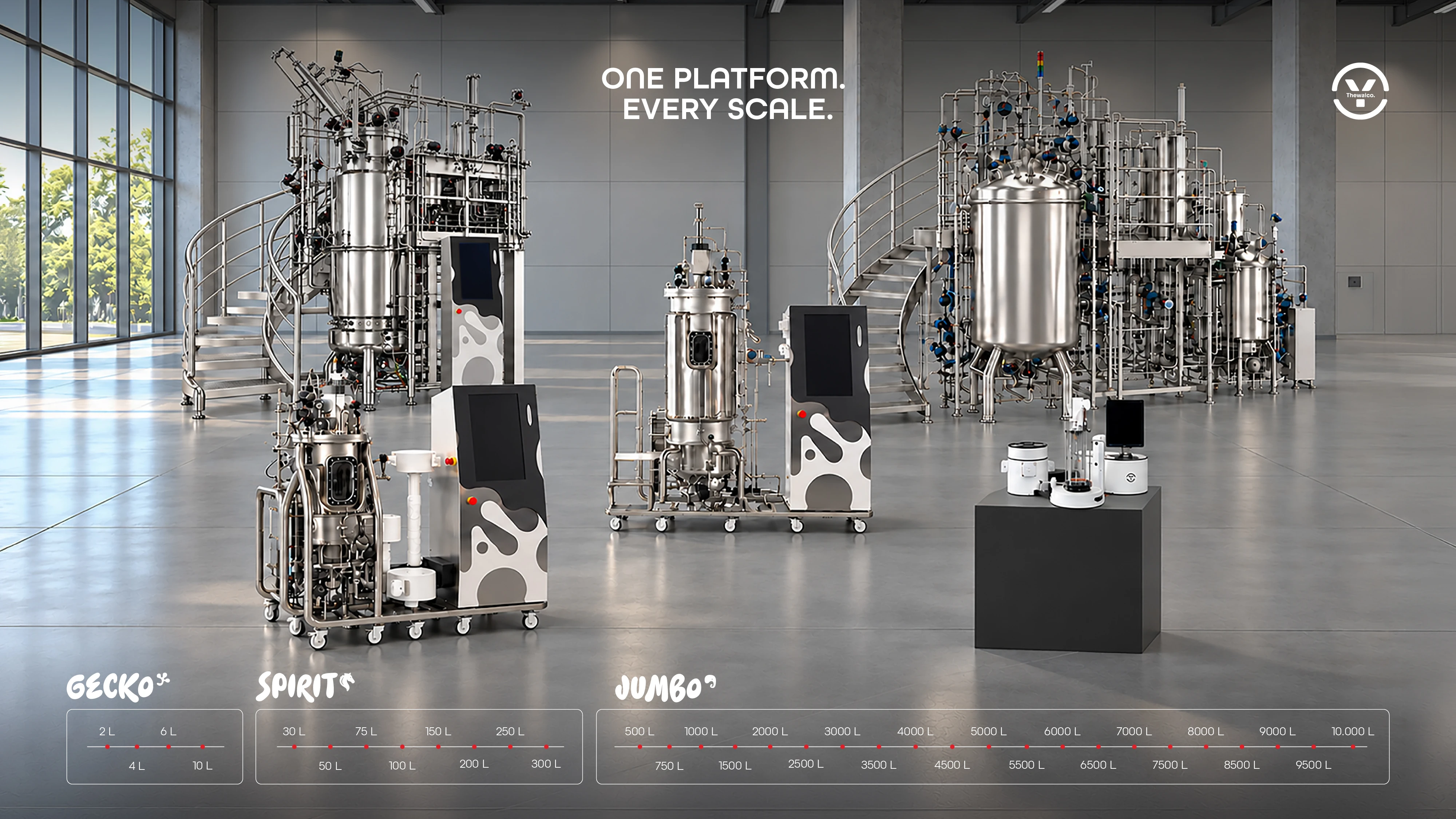
Thewaico Launches Integrated Bioreactor Platform to Solve Biomanufacturing Scale-Up
A new bioprocess company has emerged with three connected bioreactor platforms — spanning 2 L to 10,000+ L — and an AI-assisted control layer intended to eliminate the re-engineering step that derails most scale-up projects, alongside a direct-to-web pricing configurator.
Sep 28, 2026
Product News
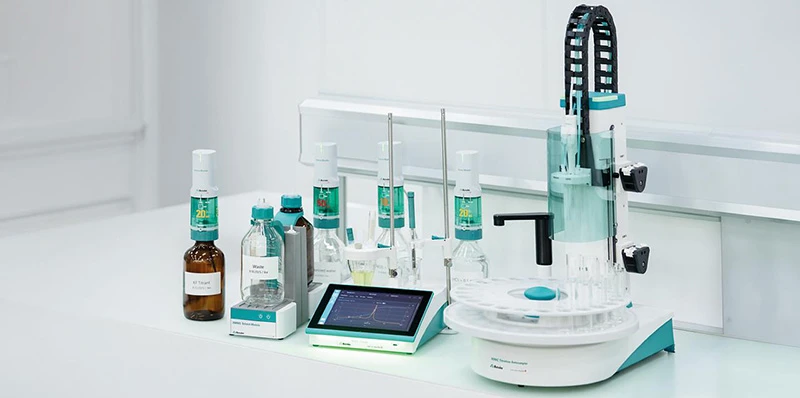
Metrohm USA Launches IONIC Titrator With Built-In Cloud Access
Metrohm USA's new IONIC Titrator pairs a 10-inch touchscreen with direct cloud connectivity, letting labs monitor and share titration data without a PC; here's how it's specced, priced, and positioned for buyers comparing standalone titrators.
Sep 23, 2026
Product News
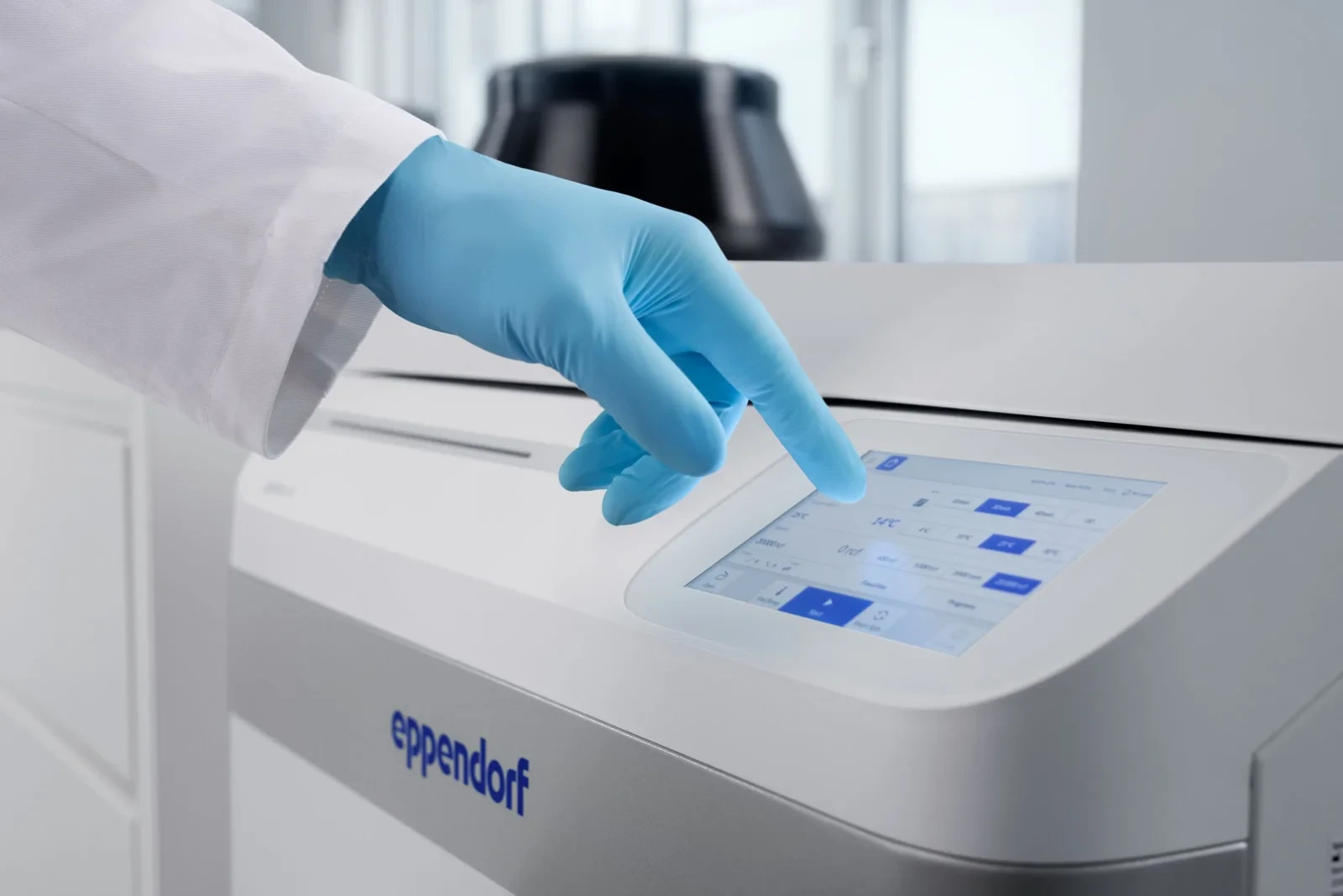
Eppendorf Introduces the SpinPro 8 R High-Speed Floor Centrifuge
Eppendorf's SpinPro 8 R floor-standing centrifuge launches with 6 L capacity, 35-rotor compatibility, CO₂-based refrigerant (GWP = 1), and AuditSafe documentation for pharma and biotech labs evaluating their next large-volume separation system.
Sep 22, 2026
Product News
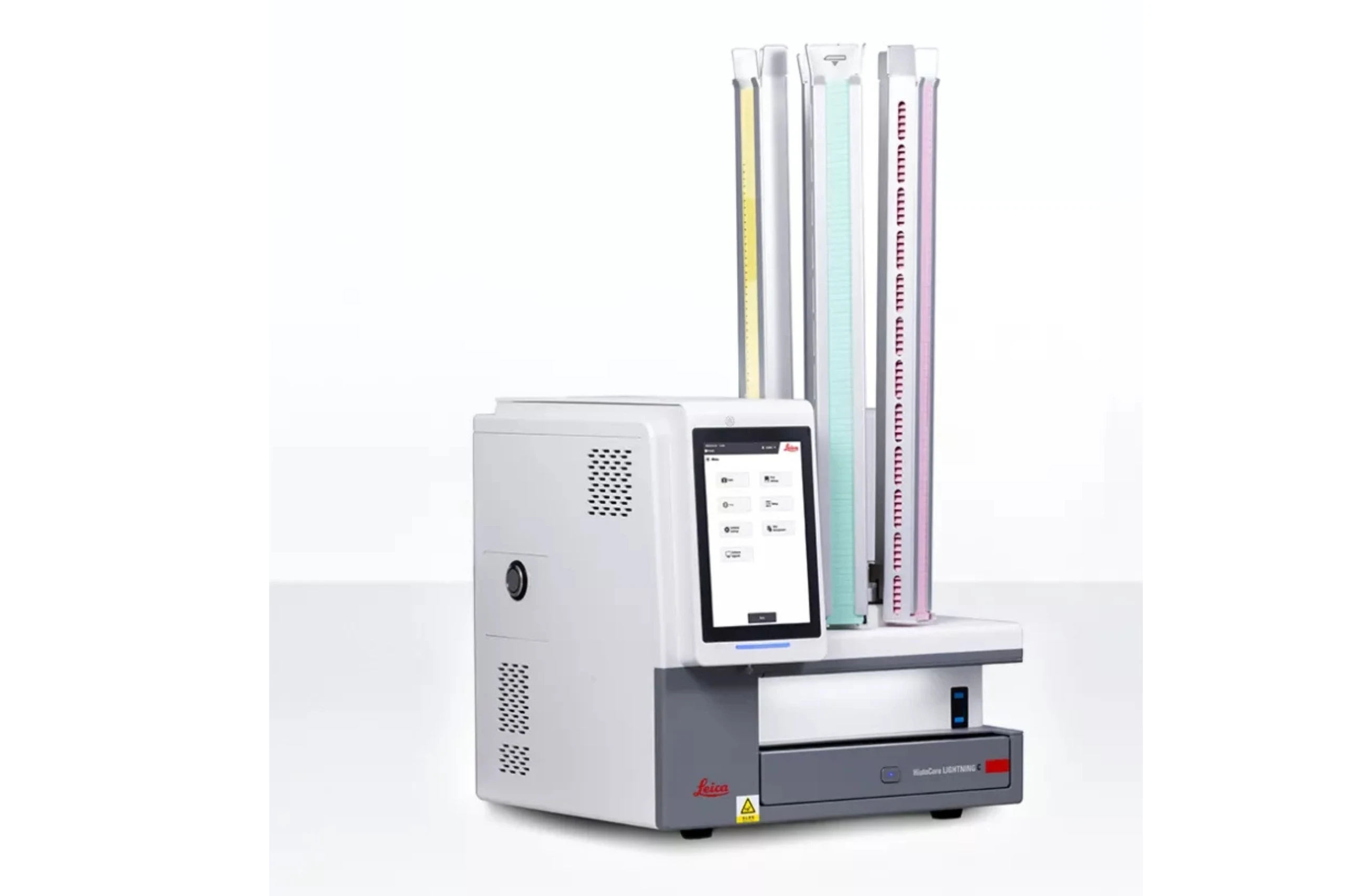
Leica Biosystems HistoCore LIGHTNING C Laser Cassette Printer: Speed and Traceability for High-Volume Histology Labs
Leica Biosystems' ink-free UV laser cassette printer delivers 2.5-second-per-cassette printing with 600-cassette capacity and LIS integration — what pathology lab buyers need to know before evaluating this system against their workflow needs and total cost of ownership.

Sep 17, 2026
Product News
Yamato Scientific America moves into life sciences with multi-technology partnership portfolio
Yamato Scientific America is entering the life sciences market through technology partnerships covering live-cell imaging, circulating tumor cell enrichment, and single-cell isolation — here is what buyers should evaluate before engaging.