
Thewaico Launches Integrated Bioreactor Platform to Solve Biomanufacturing Scale-Up

Written By: Sharon Dong
Published: Sep 30, 2026
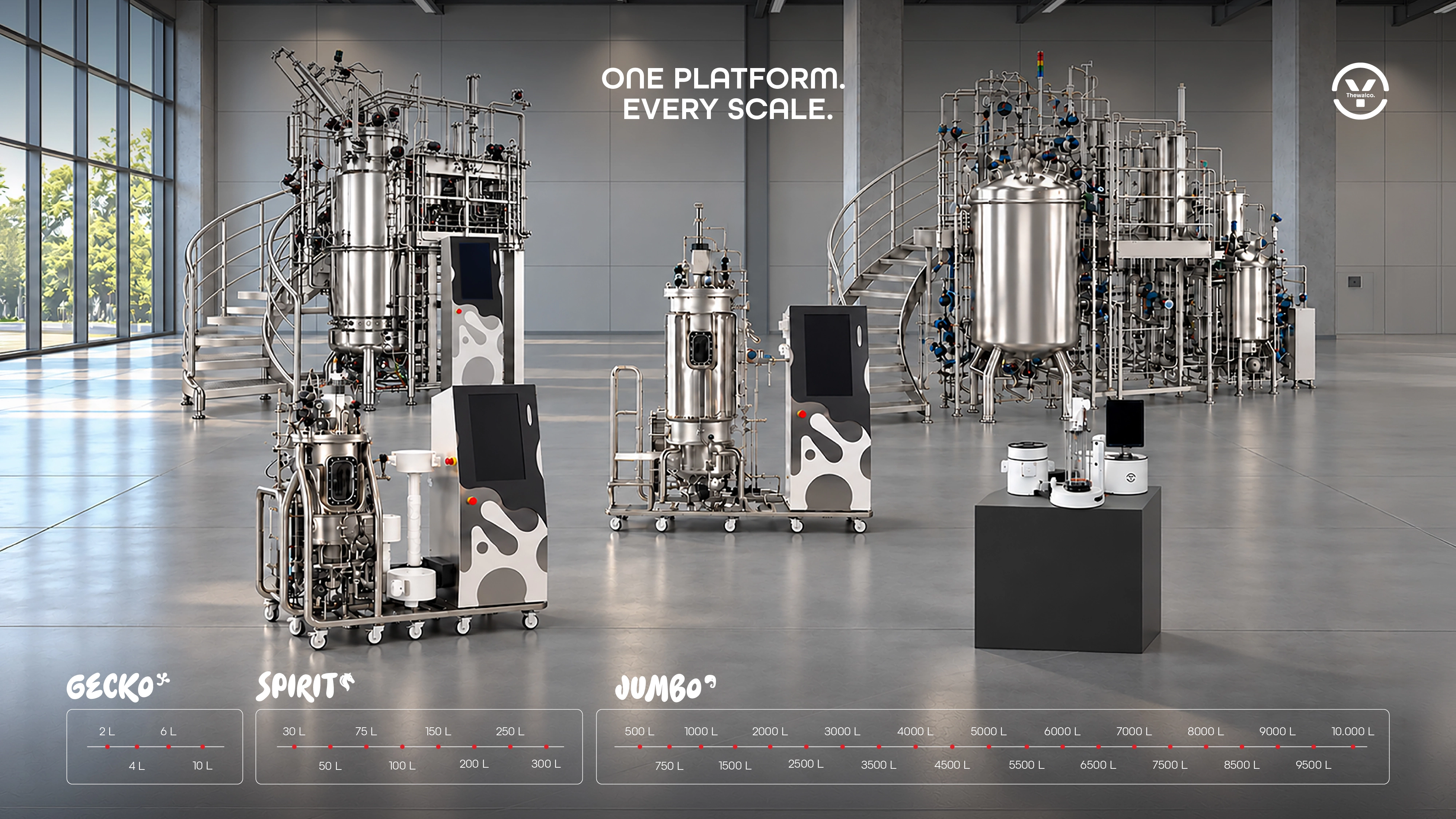
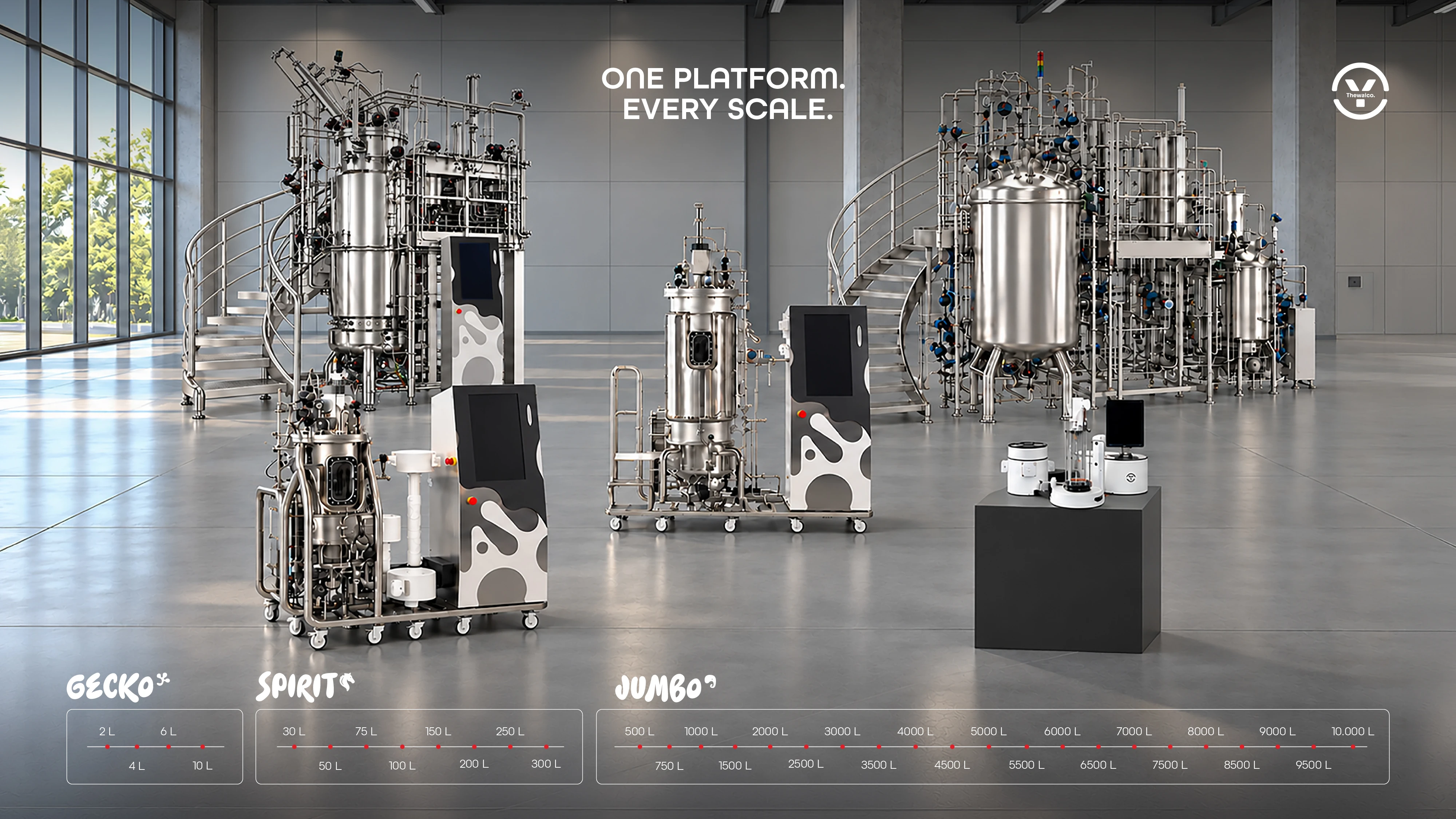
Thewaico has emerged from stealth with three bioreactor platforms – GECKO, SPIRIT, and JUMBO – plus an AI-assisted control software called STRYPES that runs across all three. The company targets one of biomanufacturing's most expensive failure points: processes that work at benchtop scale but require substantial re-engineering at pilot or production volumes.
Buyers evaluating bioprocess capital equipment will find the platform's central claim centers on one key point: a shared control software and modular hardware lineage from 2 L to industrial volumes. The company says this removes the need to restart process development at each scale transition.
Biomanufacturing Scale-Up: The Numbers Behind the Problem
The economic cost of failed scale-up shapes purchasing decisions across the biomanufacturing sector. Analysts at Boston Consulting Group and Synonym (now Roebling) attribute an estimated $8–12 billion in destroyed synthetic biology capital over the past 15 years significantly to the lab-to-manufacturing transition. Innovation Endeavors places current global operating bioreactor capacity at approximately 61 million liters, with only about 10 million liters unreserved, against projected food-sector demand of up to 10 billion liters by 2030.
Thewaico's three platforms cover the following volume ranges and core capabilities:
- GECKO – benchtop: 2 L to 10 L; up to 32 units managed from one software environment; two available aspect ratios.
- SPIRIT – pilot: Eight nominal volumes from 30 L to 300 L; clean-in-place/sterilize-in-place (CIP/SIP) capable; modular skid design.
- JUMBO – production: Extends the same modular architecture to industrial scale; Thewaico has not published specific volume increments for this platform.
- STRYPES – software: Runs across all three platforms; includes configurable workflow management, 21 CFR Part 11-aligned audit trails (the FDA regulation governing electronic records and signatures), and programmable logic controller (PLC)-level reliability.
Buyer's note: Thewaico launches today with no public install base, third-party performance data, or long-term service record available for evaluation. Buyers considering early-access participation should ask directly about reference sites, warranty terms, and regional support infrastructure before committing capital to a first-generation platform.
Matteo Brognoli, co-founder and CEO of Thewaico, described the problem his company is built to address: "For years, the industry has concentrated its innovation on the biology while leaving the equipment largely unchanged. Across 25 years in this sector, we have repeatedly seen strong science stall on the scale-up curve because the system a team develops bears little architectural relationship to the system they must produce in. Thewaico was built to close that gap. Scale-up should be a predictable engineering decision, not a source of risk." The bioprocess literature documents this scale-up attrition widely; whether a shared control layer and modular hardware lineage can resolve it consistently under real process conditions is the key question for early evaluators.
Robert Dubuc, president of Thewaico USA, pointed to procurement friction as a second problem the platform addresses: "Capital equipment procurement in this industry has long been characterized by opaque pricing and protracted quotation timelines. Process development teams are working against compressed timelines and need clarity on specification and cost at the point of evaluation. We built a transparent digital configurator to move as fast as companies need." Multi-week or multi-month quote cycles are common across the category, making a real-time configurator a departure from established practice. Before committing, buyers should confirm whether initial configurator pricing holds after final engineering review.
Does a Unified Platform Actually Change Scale-Up Economics?
The following criteria reflect how Thewaico's specifications and commercial model compare with established norms in the bioreactor market.
- Architectural continuity: Labs moving from benchtop to pilot or production commonly work across systems from separate vendors, each running distinct control software, requiring re-validation of process parameters at each volume step. Thewaico offers one software environment and one design lineage across GECKO, SPIRIT, and JUMBO.
- Pricing transparency: Thewaico's self-serve configurator lets buyers select vessel geometry, impeller design, sparger strategy, and control architecture online, returning a technical datasheet and price directly. Though this is an uncommon model in this category, buyers should verify whether output pricing is binding or indicative for complex configurations.
- Regulatory readiness: STRYPES's 21 CFR Part 11-aligned audit trails and PLC-level reliability sit at the level regulated biopharma buyers typically expect as a baseline. Some entry-tier instruments in the broader benchtop category omit this level of audit-trail infrastructure, which distinguishes STRYPES for regulated buyers, though not necessarily versus other GMP-oriented platforms.
- Parallel experimentation scale: Up to 32 benchtop units run from a single software environment, a higher parallel-unit count than comparable platforms in this category typically support; exact figures vary by vendor and configuration.
Track record: Thewaico is an early-stage company, and the service infrastructure and install base that come with longer-tenured vendors are still being built out. Buyers should confirm regional support coverage and warranty terms directly with the company before purchasing.
Bioreactor Platform Fit by Lab Type and Workflow
Each segment of the bioprocess development market presents distinct purchasing criteria for a platform like this one.
Academic and core facility labs
GECKO's compact footprint and parallel-unit management suit core facilities running multiple small-volume projects concurrently. Budget-constrained buyers in this segment should weigh the unified software environment against the absence of a long-term service record.
Biopharmaceutical process development groups
SPIRIT's CIP/SIP capability and Part 11-aligned audit trails address the two features most commonly required for GMP-adjacent pilot work. Teams evaluating SPIRIT should specifically request audit-trail validation documentation and data-integrity evidence from Thewaico before relying on STRYPES for regulated submissions.
Alternative protein and industrial biotechnology producers
JUMBO targets the bioreactor capacity gap in food-sector and precision fermentation markets, where demand projections far exceed current unreserved global capacity. Procurement teams in this segment should request concrete throughput, uptime, and utility-consumption data for their target organism, since launch materials describe architecture rather than published field benchmarks.
Contract development and manufacturing organizations (CDMOs)
Shared control software across all three scales could reduce version-control and retraining overhead at each technology transfer handoff. CDMOs should confirm multi-client data segregation protocols and the availability of a validation support package within STRYPES before adopting it as a client-facing system.
Regulated-workflow notice: Buyers planning to use STRYPES for FDA-regulated biologics or drug-substance manufacturing should request full validation documentation before purchase. This includes installation, operational, and performance qualification (IQ/OQ/PQ) support, data-integrity architecture, and audit-trail immutability evidence. "Aligned" claims in early-stage vendor materials are not equivalent to a completed, third-party-audited Part 11 validation package.
A New Bioreactor Platform Enters a Market Where Capacity and Scale-Up Are Critical
A New Bioreactor Platform Enters a Market Where Capacity and Scale-Up Are Critical
This article draws on a Thewaico press release dated September 30, 2026 and was created with the assistance of Generative AI and has undergone editorial review before publishing. LabX's editorial policy can be found here.
Nov 04, 2026
Product News
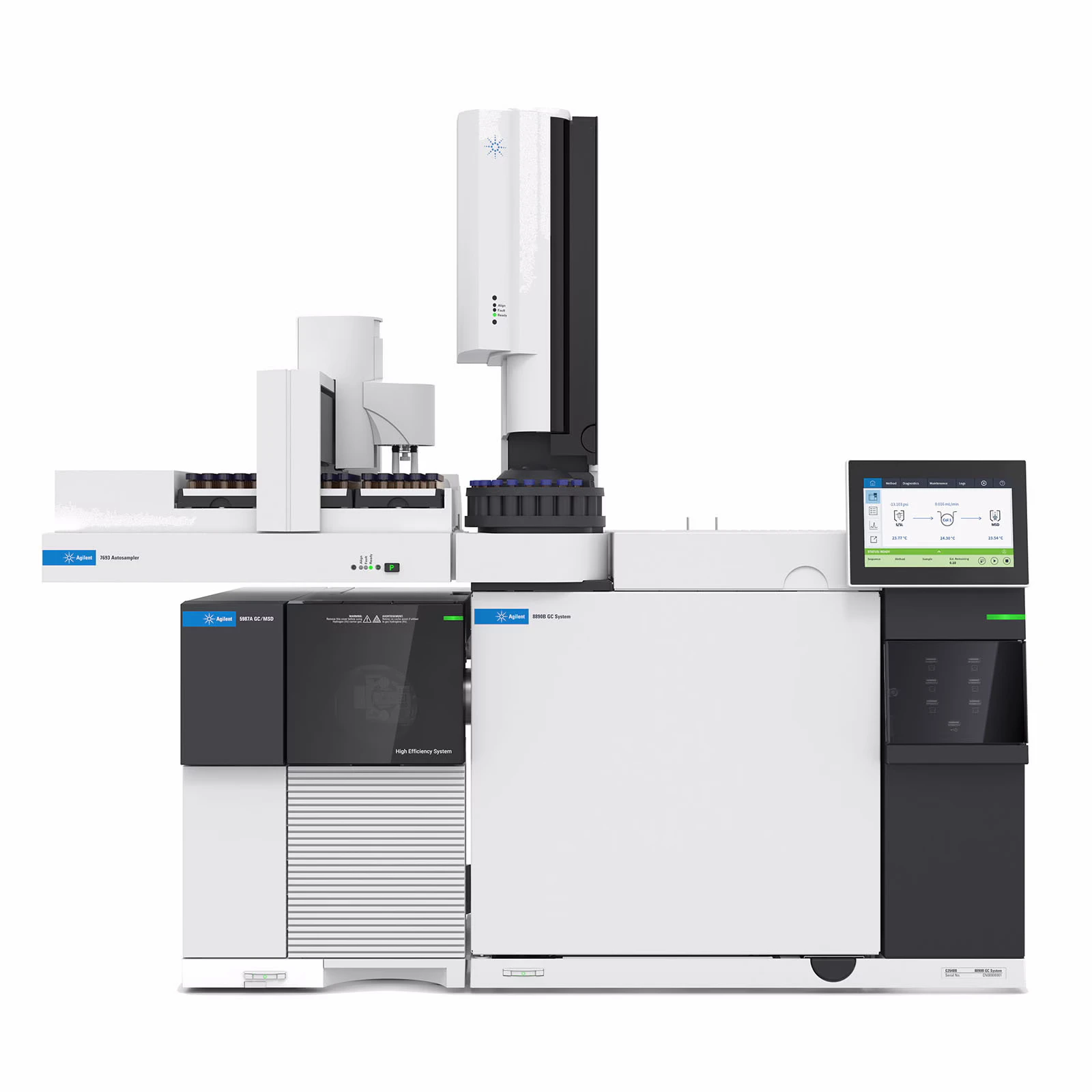
Agilent 5987A MSD: Should 5977-Series Labs Upgrade?
A spec-by-spec look at whether the 5987A’s 25% faster scanning, 10× dynamic range gain, and built-in GC Assist intelligence justify moving off the 5977 series — with LabX used-market context for current 5977A and 5977B owners.
Nov 02, 2026
Product News
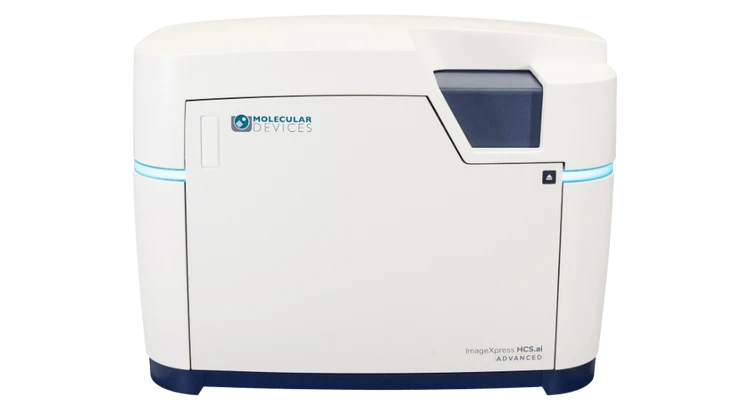
ImageXpress HCS.ai Advanced Duo: Dual-Camera HCS Upgrade for Drug Discovery Labs
Molecular Devices has launched the ImageXpress HCS.ai Advanced Duo, a dual-camera high-content screening system that adds simultaneous image acquisition and integrated screening analytics to the existing HCS.ai Advanced platform — this article breaks down what changes for buyers already operating in the category and whether the upgrade is warranted.
Oct 27, 2026
Product News
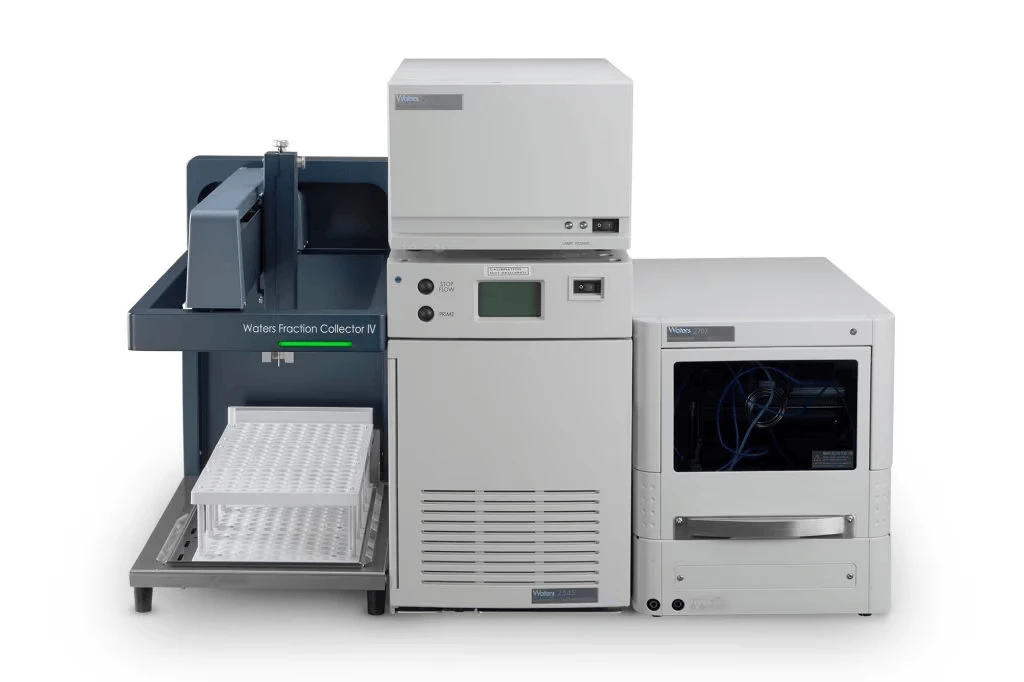
Waters Fraction Collector IV: More Capacity, More Formats for Prep LC Labs
Waters has launched the Fraction Collector IV, upgrading prep-scale purification with 50% more collection capacity, flow rates to 300 mL/min, and native control through Empower, MassLynx, and ChromScope software — here’s what buyers in pharma, biotech, and CRO labs need to evaluate before purchasing.
Oct 20, 2026
Product News
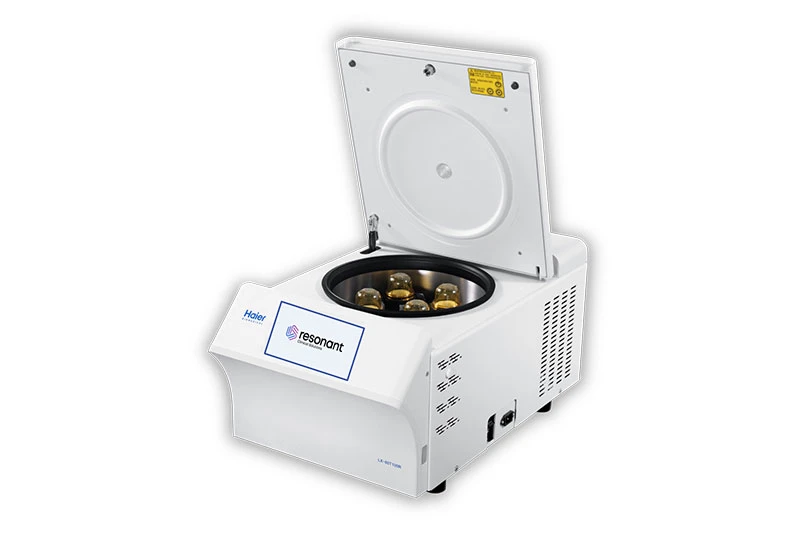
LX-60T100R Refrigerated Benchtop Centrifuge: F-Gas Compliance for Clinical Trials
A new hydrocarbon-cooled benchtop centrifuge purpose-built for clinical trial sample processing arrives with a GWP of ~3, 5-minute pre-cooling, and exclusive distribution through Resonant Clinical Solutions — giving procurement teams an F-gas-ready option well ahead of the 2028 EU regulatory deadline.
Oct 16, 2026
Product News
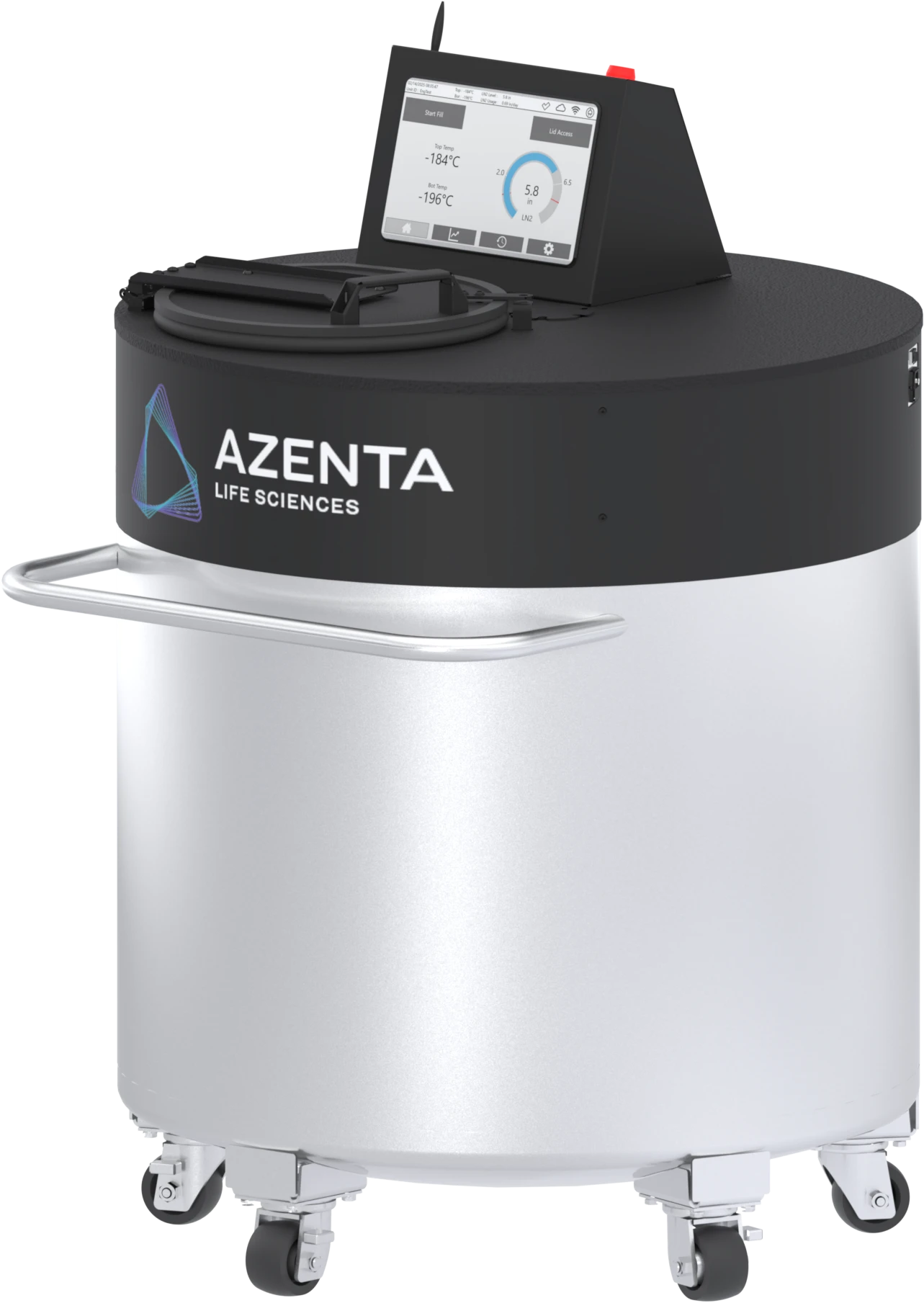
CryoArc Vita-76: Azenta’s High-Density Cryogenic Storage for IVF Clinics
Azenta Life Sciences has launched the CryoArc Vita-76, a cryogenic storage system that consolidates up to seven traditional dewars into a single footprint — this article covers specifications, how it compares in the clinical IVF storage market, and what fertility clinic buyers should evaluate before purchasing.
Sep 30, 2026
Product News
Thewaico Launches Integrated Bioreactor Platform to Solve Biomanufacturing Scale-Up
A new bioprocess company has emerged with three connected bioreactor platforms — spanning 2 L to 10,000+ L — and an AI-assisted control layer intended to eliminate the re-engineering step that derails most scale-up projects, alongside a direct-to-web pricing configurator.
Sep 28, 2026
Product News
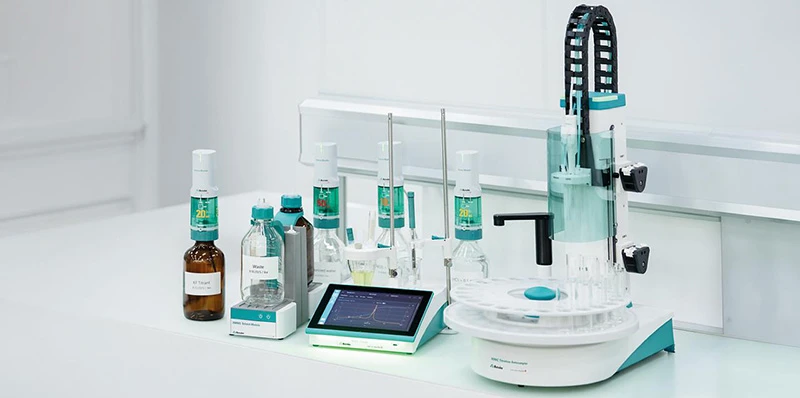
Metrohm USA Launches IONIC Titrator With Built-In Cloud Access
Metrohm USA's new IONIC Titrator pairs a 10-inch touchscreen with direct cloud connectivity, letting labs monitor and share titration data without a PC; here's how it's specced, priced, and positioned for buyers comparing standalone titrators.
Sep 23, 2026
Product News
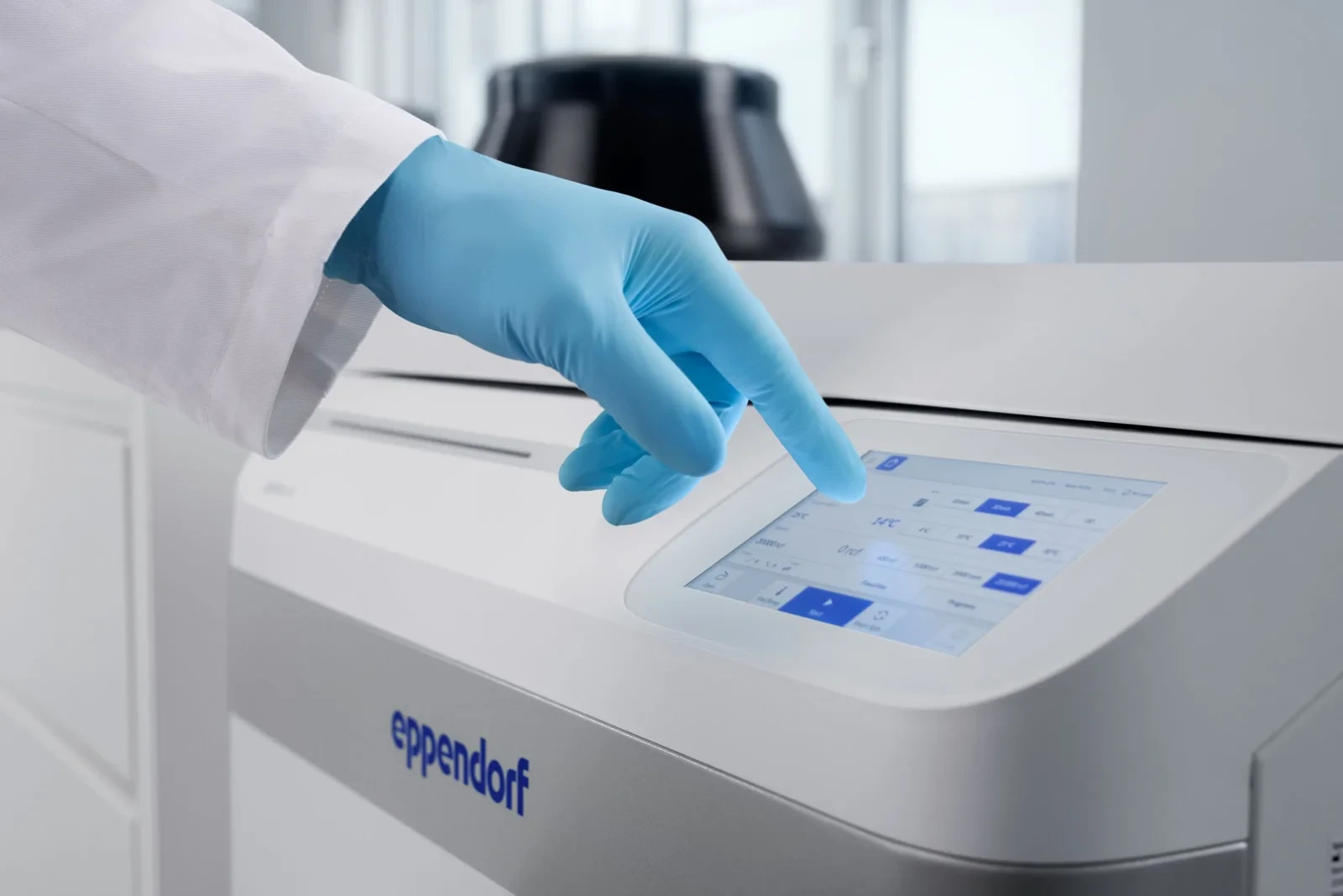
Eppendorf Introduces the SpinPro 8 R High-Speed Floor Centrifuge
Eppendorf's SpinPro 8 R floor-standing centrifuge launches with 6 L capacity, 35-rotor compatibility, CO₂-based refrigerant (GWP = 1), and AuditSafe documentation for pharma and biotech labs evaluating their next large-volume separation system.
Sep 22, 2026
Product News
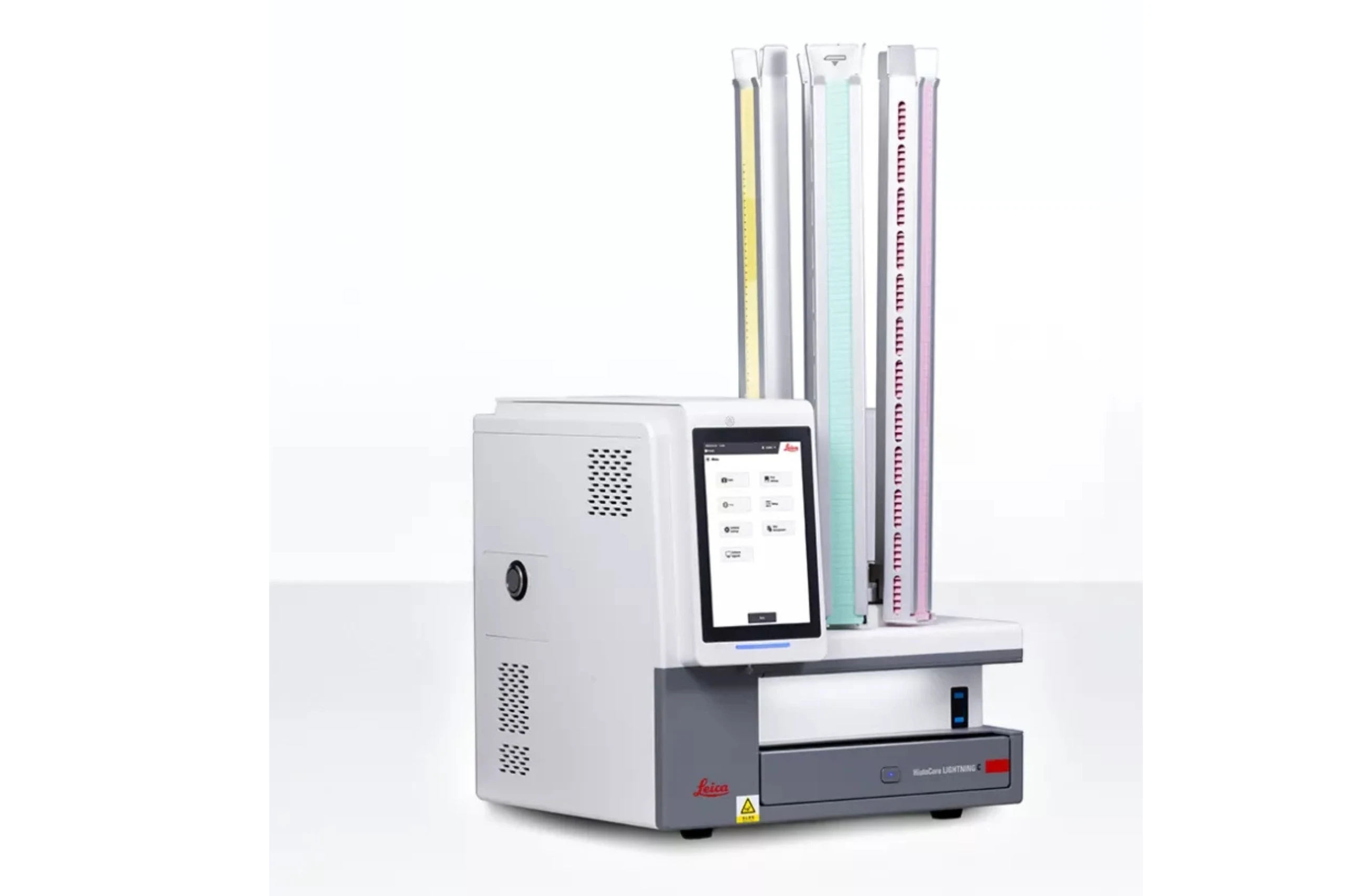
Leica Biosystems HistoCore LIGHTNING C Laser Cassette Printer: Speed and Traceability for High-Volume Histology Labs
Leica Biosystems' ink-free UV laser cassette printer delivers 2.5-second-per-cassette printing with 600-cassette capacity and LIS integration — what pathology lab buyers need to know before evaluating this system against their workflow needs and total cost of ownership.

Sep 17, 2026
Product News
Yamato Scientific America moves into life sciences with multi-technology partnership portfolio
Yamato Scientific America is entering the life sciences market through technology partnerships covering live-cell imaging, circulating tumor cell enrichment, and single-cell isolation — here is what buyers should evaluate before engaging.