
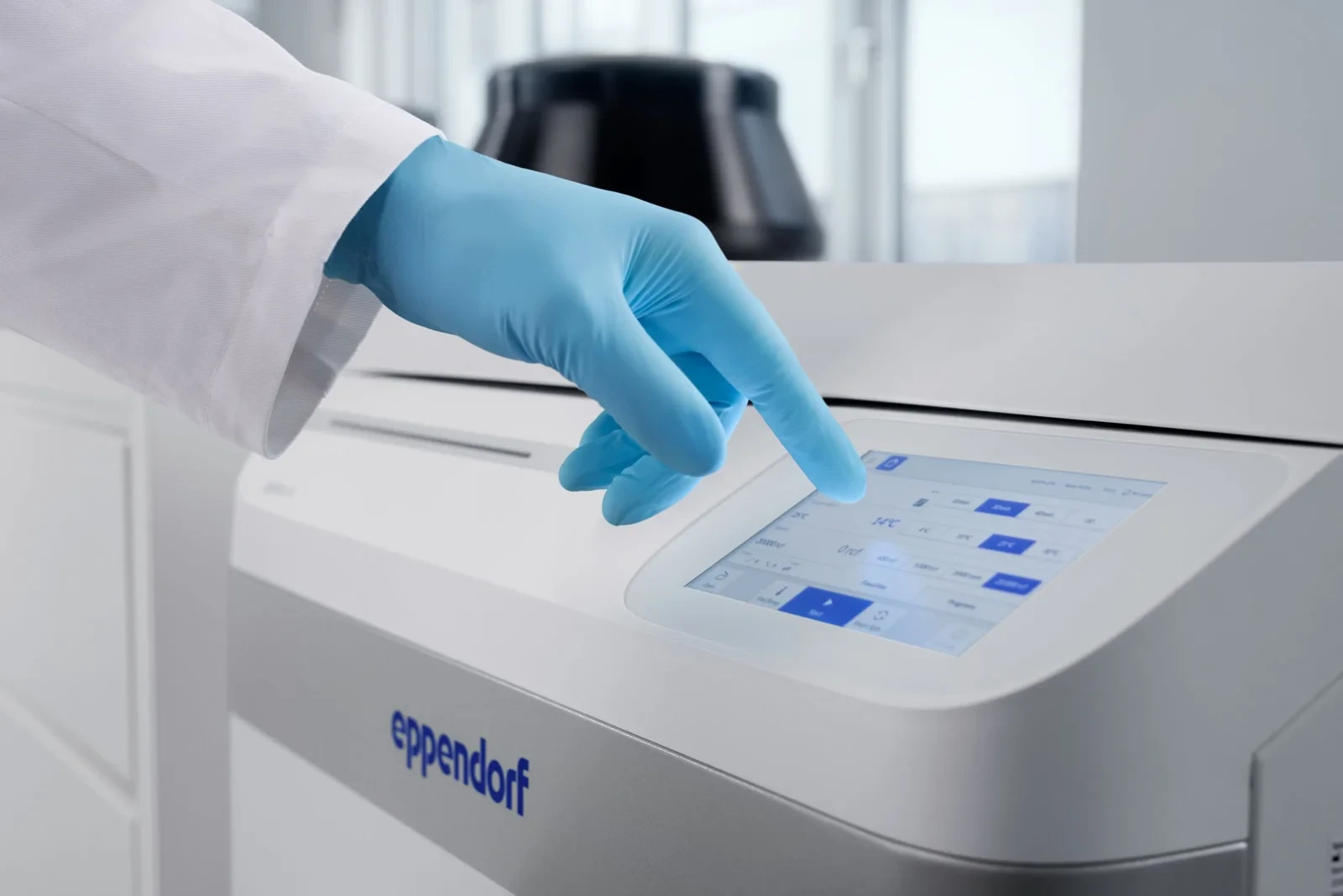
Eppendorf Introduces the SpinPro 8 R High-Speed Floor Centrifuge

Written By: Sharon Dong
Published: Sep 23, 2026
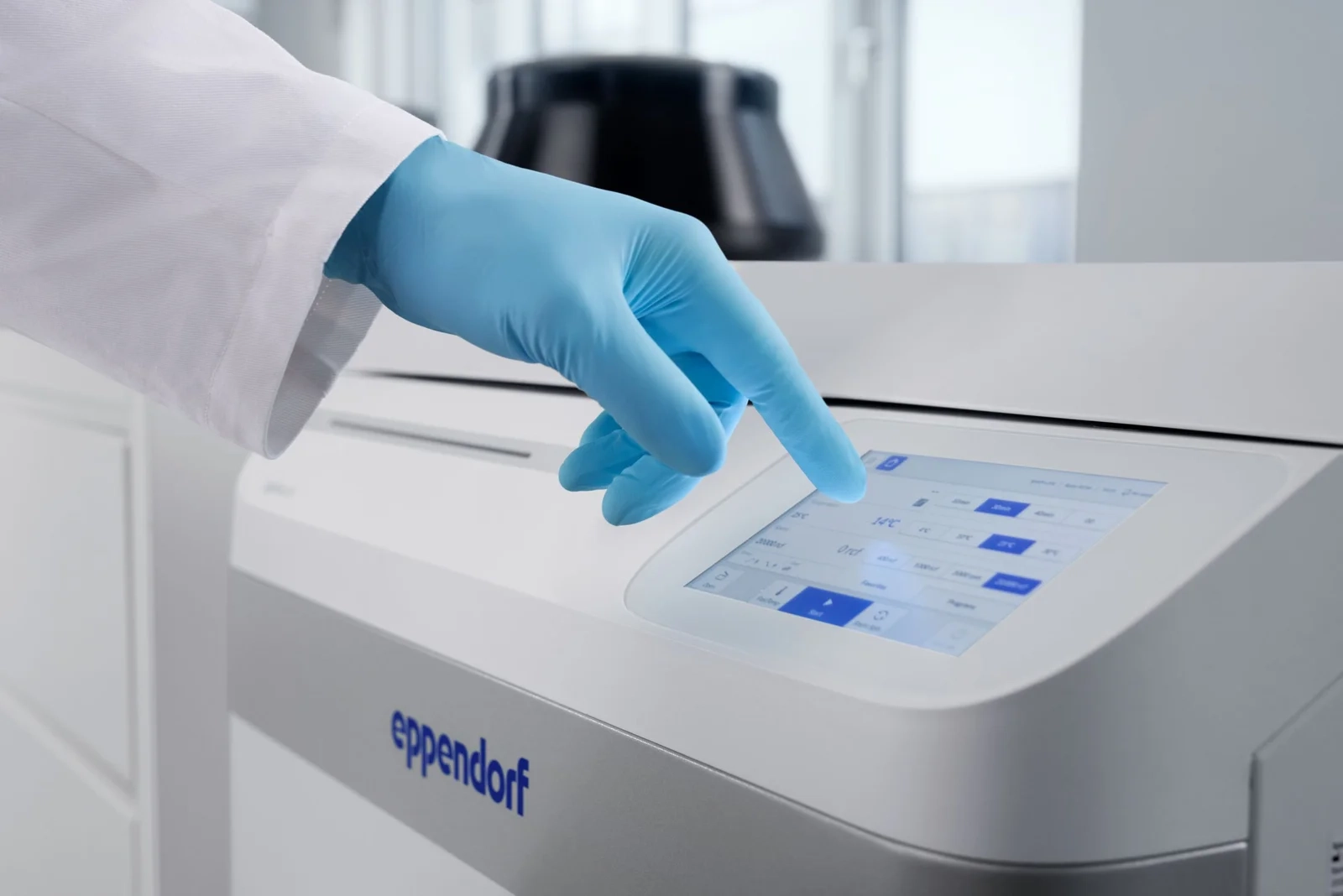
Eppendorf has launched the SpinPro 8 R, a refrigerated floor-standing high-speed centrifuge targeting biotechnology, pharmaceutical, and high-throughput academic laboratories running cell harvest, large-volume processing, and temperature-sensitive separation workflows. Available from the end of September 2026, it replaces the Centrifuge CR22N and retains compatibility with that model's existing rotor library, which matters to labs carrying validated CR22N-compatible protocols and consumables.
The SpinPro 8 R is the first floor-standing centrifuge Eppendorf has developed since integrating the himac centrifuge business acquired from Koki Holdings in 2020.
Buyer's note: The SpinPro 8 R is brand new and ships from end of September 2026. No independent reviews, long-term reliability data, or secondary market pricing exist yet. Plan for a standard capital equipment evaluation cycle and confirm rotor availability in your region before committing. Eppendorf has not published pricing for the SpinPro 8 R as of this article's publication date. Contact Eppendorf directly or request a quote through the LabX marketplace for current regional pricing.
SpinPro 8 R specs at a glance: 9 figures that matter to buyers
- Maximum capacity (4 × 1.5 L configuration): Six liters per run, sufficient for most cell-harvest batch sizes in bioprocessing scale-up labs.
- Maximum capacity (6 × 1 L configuration): Six liters via the R5A fixed-angle harvesting rotor, designed for labs standardizing on 1,000 mL Nalgene® bottles without revalidating protocols for triangular vessels.
- Rotor library: More than 30 CR22N-compatible rotors plus two new models; the addition protects labs that carry an existing CR22N rotor inventory.
- Swing-bucket rotor (R5SS3) top speed: 4,700 rpm / 4,830 × g. Adapter and bucket availability supports a range of vessel formats.
- Fixed-angle harvesting rotor (R5A) top speed: 5,300 rpm / 6,110 × g. Buyers should cross-reference against existing standard operating procedure (SOP) speed requirements before purchase.
- Temperature range: −20 °C to 40 °C, covering temperature-sensitive samples including primary cells and viral vectors.
- Refrigerant: R744 (CO₂) with a Global Warming Potential of 1 and Ozone Depletion Potential of 0, meeting current EU F-gas regulation requirements.
- Display: 7-inch touch display with 13 interface languages, suited to international core facilities and contract research organizations (CROs).
- LIMS connectivity: JSON-RPC protocol supports direct integration with laboratory information management systems (LIMS) and electronic laboratory notebooks in supporting configurations.
Does the SpinPro 8 R justify the switch from an established floor centrifuge?
The strongest case exists for labs where at least two of those pressure points are active. Labs running non-regulated workflows on existing HFC-free platforms will find fewer reasons to switch on specifications alone.
- Capacity and format flexibility: Instruments at this capacity tier generally offer 4–6 L with fixed-angle and swing-bucket rotor options. The R5A rotor's 6 × 1 L format serves labs running standardized 1 L bottle protocols without a second centrifuge.
- Refrigerant compliance: Most floor centrifuges in this price tier use HFC-based refrigerants with global warming potentials in the hundreds to thousands. With EU F-Gas Regulation 2024/573 targeting a 94.8% HFC reduction by 2030 from the 2015 baseline, and a full phase-out by 2050, refrigerant specification is now a legitimate procurement factor for European labs.
- Documentation readiness: Some configurations in this category require separate compliance software to achieve 21 CFR Part 11-supporting audit trails. The SpinPro 8 R includes AuditSafe Mode and traceable run records as standard, which can reduce software licensing costs for regulated labs.
- Connectivity: Many floor centrifuge platforms at this tier offer USB export or proprietary monitoring portals. The SpinPro 8 R supports JSON-RPC and VisioNize® integration, though labs should verify compatibility with their LIMS vendor before assuming out-of-the-box integration.
- Rotor backward compatibility: Retaining more than 30 CR22N-compatible rotors lowers the switching cost for labs with established rotor inventories. Confirm specific rotor and adapter compatibility with Eppendorf before finalizing any purchase.
SpinPro 8 R purchasing guidance by lab type and workflow
The SpinPro 8 R's fit varies by primary workflow pressure: throughput, compliance, sustainability, or total cost of ownership across the rotor estate.
Bioprocessing and upstream cell culture labs
Cell harvest at scale (bacterial, mammalian, or insect cell) is the primary use case. Dual-configuration capacity — 4 × 1.5 L or 6 × 1 L — cuts inter-run bottle handling. Labs with validated upstream processes should confirm rotor and protocol validation paths with Eppendorf, particularly where regulatory submissions require documented change control for equipment replacement.
Pharmaceutical and regulated QC labs
Regulated-workflow notice: Features described as "supporting" 21 CFR Part 11 compliance require formal validation to achieve regulatory standing in FDA-regulated environments. Buyers in GxP/GMP settings should obtain Eppendorf's qualification documentation, define a validation protocol, and confirm software version control commitments before finalizing a purchase order.
High-capacity academic and core facility labs
A 13-language interface, user management with favorites and programs, and onboard audit trail address shared-access challenges common in university core facilities. Labs holding existing rotors from the Centrifuge CR22N (Eppendorf's predecessor floor model) can benefit from backward compatibility, but should request a formal rotor compatibility matrix from Eppendorf to confirm fit for their specific vessel formats.
European labs with sustainability mandates
R744 is a legitimate match for labs operating under EU F-Gas Regulation 2024/573 or institutional sustainability procurement policies. The GWP = 1 / ODP = 0 specification is a documentable compliance point for environmental, social, and governance (ESG) reporting. Labs procuring on sustainability criteria should request Eppendorf's refrigerant lifecycle documentation alongside the standard product datasheet.
A consolidated answer to three converging procurement pressures
A consolidated answer to three converging procurement pressures
Dr. Tim Schommartz, Global Marketing Manager at Eppendorf Group, summarized the instrument's intent: "The SpinPro 8 R is about more than size and speed. It brings high-speed performance, rotor flexibility, easier day-to-day operation, sustainable CO₂ cooling and connectivity options together in one refrigerated floor-standing centrifuge." The combination of onboard documentation, R744 cooling, and broad rotor compatibility gives the SpinPro 8 R a credible position in the 6 L floor centrifuge category, particularly for labs managing compliance, sustainability, or rotor-estate costs.
The SpinPro 8 R is available from the end of September 2026, with a live launch webinar on 1 October 2026 available on demand thereafter. For pricing, regional availability, and rotor compatibility confirmation, visit eppendorf.com.
This article draws on an Eppendorf press release dated September 23, 2026 and was created with the assistance of Generative AI and has undergone editorial review before publishing. LabX's editorial policy can be found here.
Nov 04, 2026
Product News
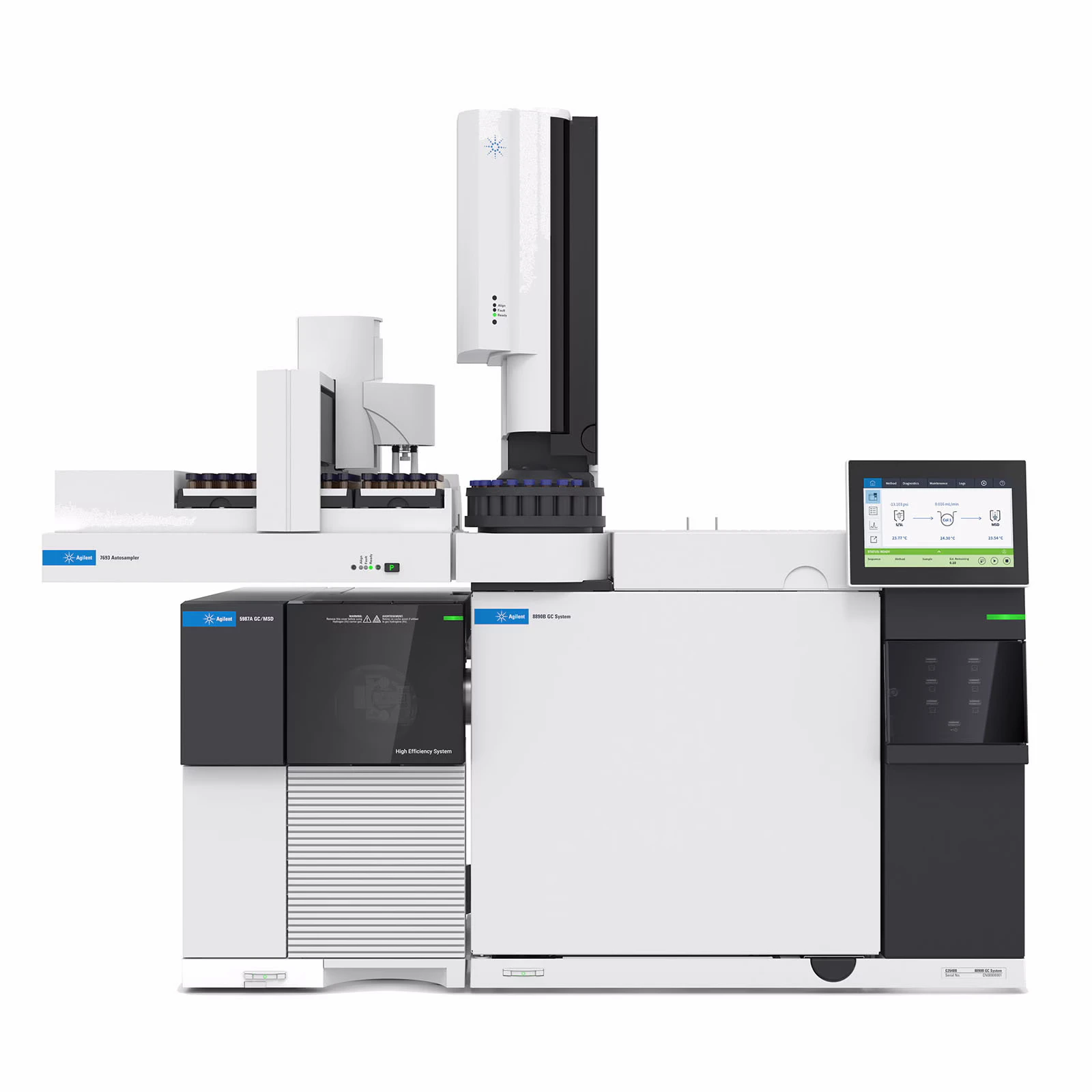
Agilent 5987A MSD: Should 5977-Series Labs Upgrade?
A spec-by-spec look at whether the 5987A’s 25% faster scanning, 10× dynamic range gain, and built-in GC Assist intelligence justify moving off the 5977 series — with LabX used-market context for current 5977A and 5977B owners.
Nov 02, 2026
Product News
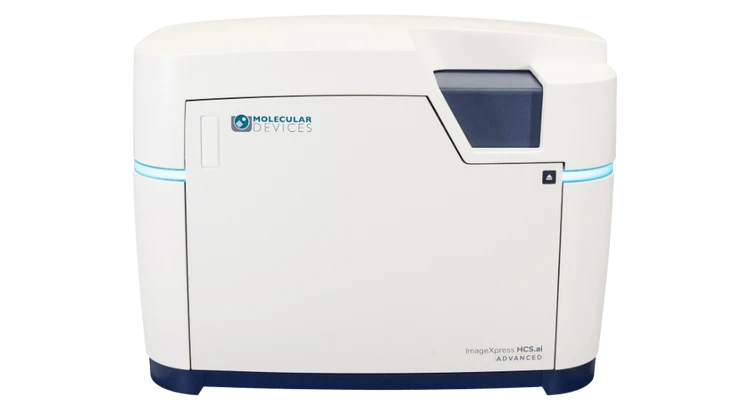
ImageXpress HCS.ai Advanced Duo: Dual-Camera HCS Upgrade for Drug Discovery Labs
Molecular Devices has launched the ImageXpress HCS.ai Advanced Duo, a dual-camera high-content screening system that adds simultaneous image acquisition and integrated screening analytics to the existing HCS.ai Advanced platform — this article breaks down what changes for buyers already operating in the category and whether the upgrade is warranted.
Oct 27, 2026
Product News
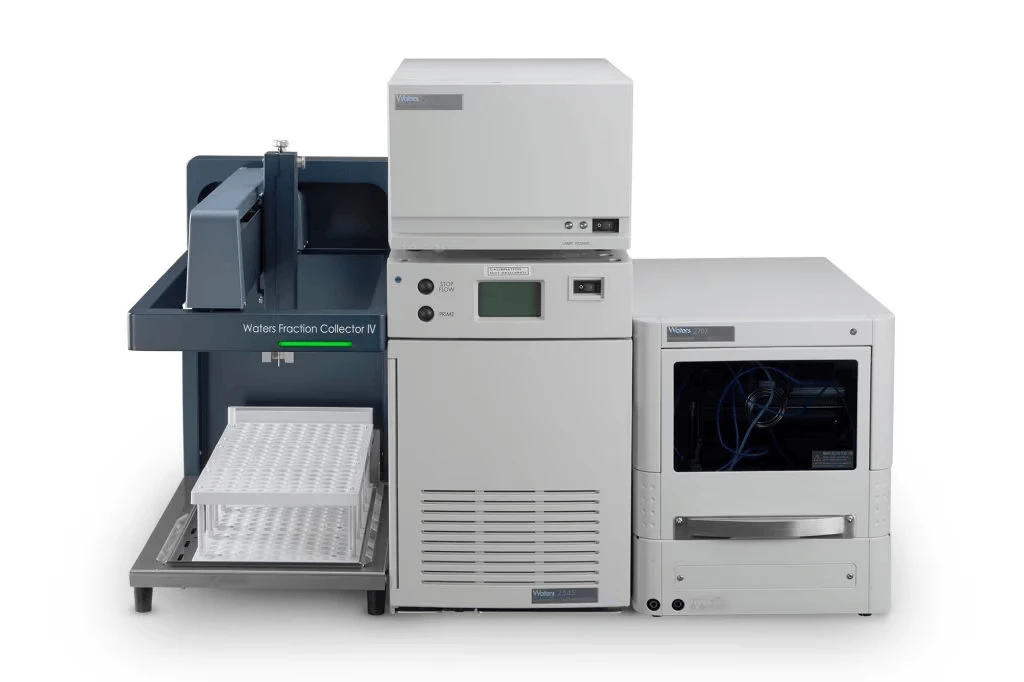
Waters Fraction Collector IV: More Capacity, More Formats for Prep LC Labs
Waters has launched the Fraction Collector IV, upgrading prep-scale purification with 50% more collection capacity, flow rates to 300 mL/min, and native control through Empower, MassLynx, and ChromScope software — here’s what buyers in pharma, biotech, and CRO labs need to evaluate before purchasing.
Oct 20, 2026
Product News
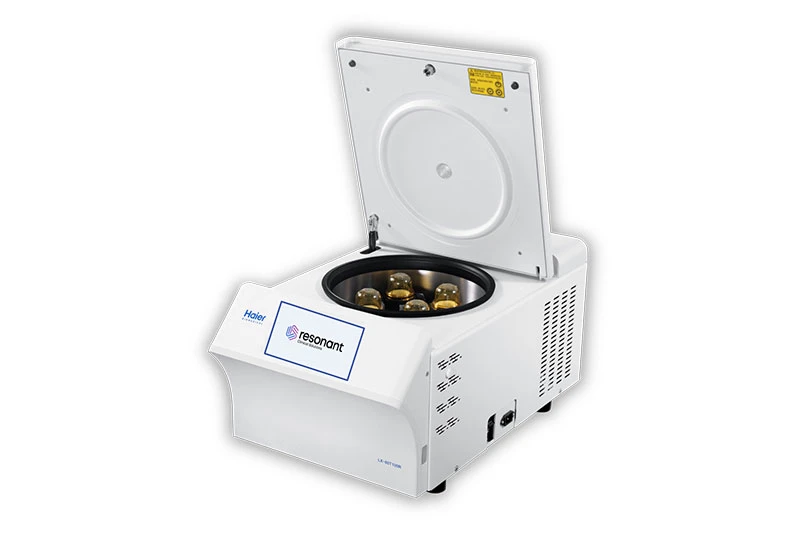
LX-60T100R Refrigerated Benchtop Centrifuge: F-Gas Compliance for Clinical Trials
A new hydrocarbon-cooled benchtop centrifuge purpose-built for clinical trial sample processing arrives with a GWP of ~3, 5-minute pre-cooling, and exclusive distribution through Resonant Clinical Solutions — giving procurement teams an F-gas-ready option well ahead of the 2028 EU regulatory deadline.
Oct 16, 2026
Product News
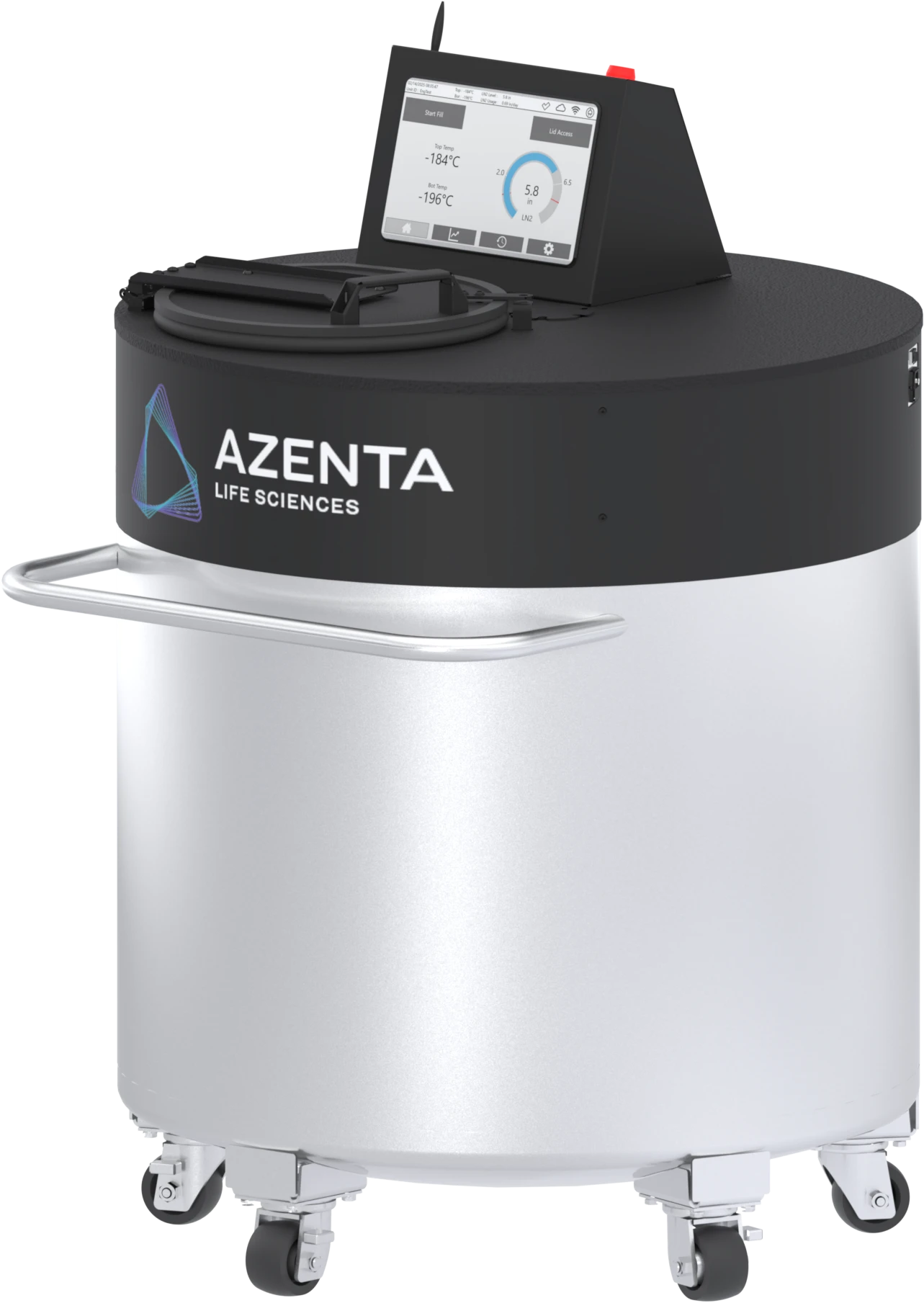
CryoArc Vita-76: Azenta’s High-Density Cryogenic Storage for IVF Clinics
Azenta Life Sciences has launched the CryoArc Vita-76, a cryogenic storage system that consolidates up to seven traditional dewars into a single footprint — this article covers specifications, how it compares in the clinical IVF storage market, and what fertility clinic buyers should evaluate before purchasing.
Sep 30, 2026
Product News
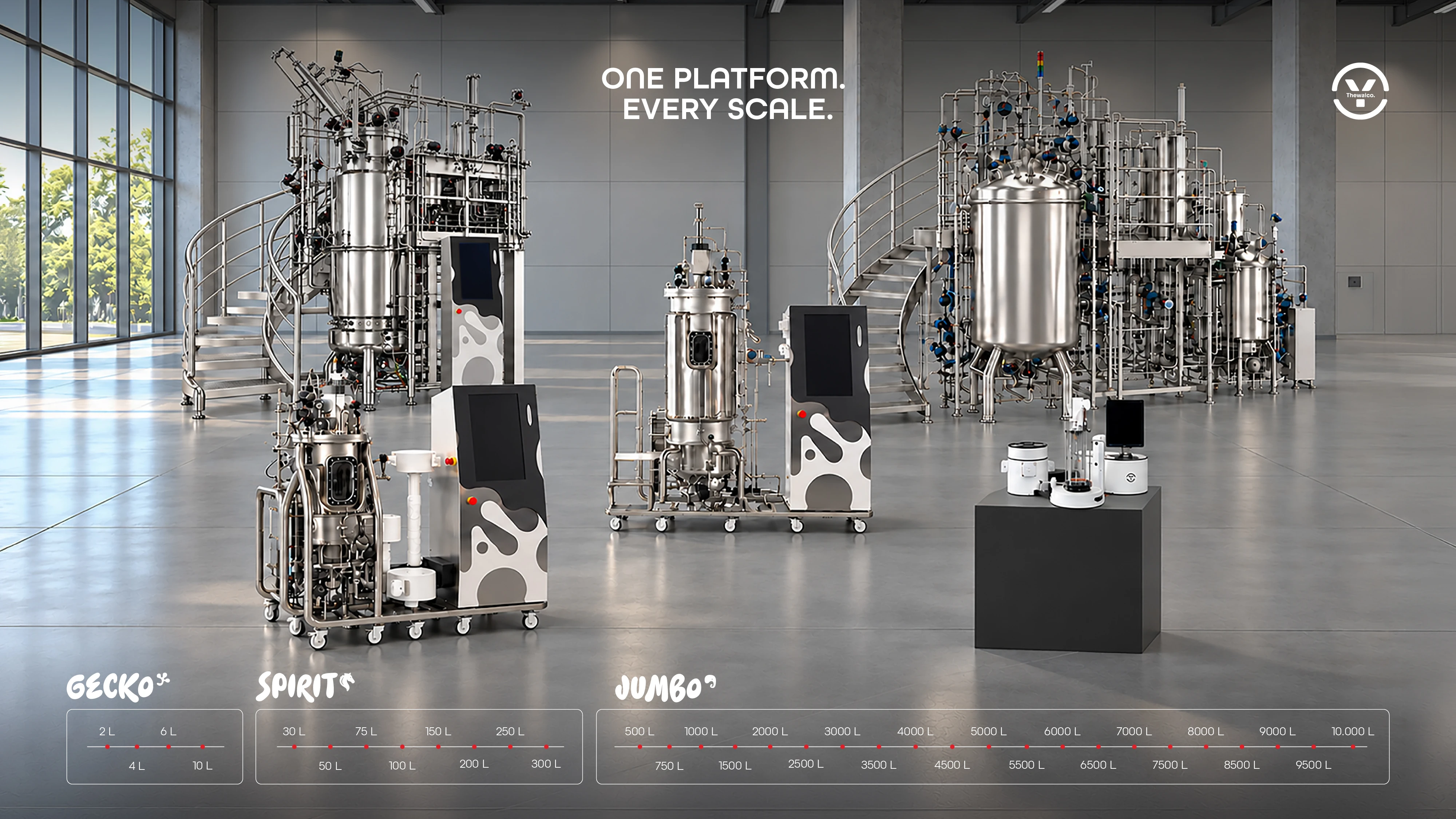
Thewaico Launches Integrated Bioreactor Platform to Solve Biomanufacturing Scale-Up
A new bioprocess company has emerged with three connected bioreactor platforms — spanning 2 L to 10,000+ L — and an AI-assisted control layer intended to eliminate the re-engineering step that derails most scale-up projects, alongside a direct-to-web pricing configurator.
Sep 28, 2026
Product News
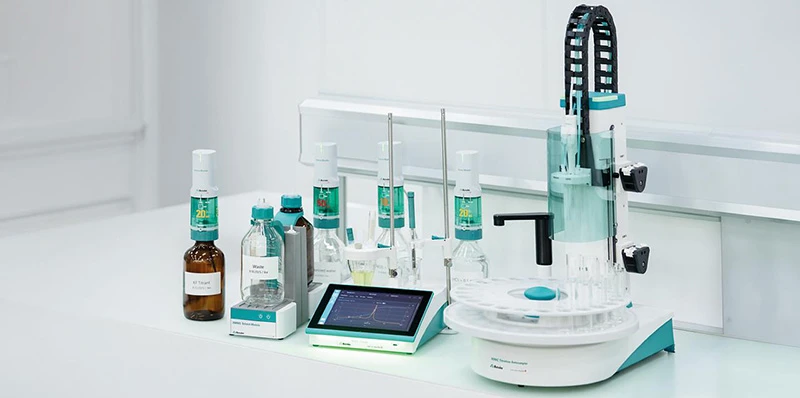
Metrohm USA Launches IONIC Titrator With Built-In Cloud Access
Metrohm USA's new IONIC Titrator pairs a 10-inch touchscreen with direct cloud connectivity, letting labs monitor and share titration data without a PC; here's how it's specced, priced, and positioned for buyers comparing standalone titrators.
Sep 23, 2026
Product News
Eppendorf Introduces the SpinPro 8 R High-Speed Floor Centrifuge
Eppendorf's SpinPro 8 R floor-standing centrifuge launches with 6 L capacity, 35-rotor compatibility, CO₂-based refrigerant (GWP = 1), and AuditSafe documentation for pharma and biotech labs evaluating their next large-volume separation system.
Sep 22, 2026
Product News
Leica Biosystems HistoCore LIGHTNING C Laser Cassette Printer: Speed and Traceability for High-Volume Histology Labs
Leica Biosystems' ink-free UV laser cassette printer delivers 2.5-second-per-cassette printing with 600-cassette capacity and LIS integration — what pathology lab buyers need to know before evaluating this system against their workflow needs and total cost of ownership.

Sep 17, 2026
Product News
Yamato Scientific America moves into life sciences with multi-technology partnership portfolio
Yamato Scientific America is entering the life sciences market through technology partnerships covering live-cell imaging, circulating tumor cell enrichment, and single-cell isolation — here is what buyers should evaluate before engaging.