
Yamato Scientific America moves into life sciences with multi-technology partnership portfolio

Written By: Sharon Dong
Published: Sep 17, 2026

Yamato Scientific America (YSA), a Silicon Valley-based subsidiary of Japan's Yamato
Scientific Co., Ltd., has expanded into the life sciences instrument market by
adding a curated portfolio of partner technologies alongside its established
range of laboratory equipment. The expansion brings three specialized research
platforms to YSA's US and Latin America customer
base, complementing the ovens, sterilizers, incubators, spray dryers, and
rotary evaporators the company has supplied for nearly four decades.
YSA's new portfolio spans three research categories: live-cell imaging, circulating tumor cell (CTC) enrichment, and single-cell isolation.
YSA brings these technologies to market through agreements with specialized manufacturers, providing sales, technical, and support resources to researchers across its US and Latin America network.
What Yamato Scientific America's life sciences entry means for buyers
Researchers gain access to three specialized instrument categories backed by YSA's established US sales and support network. YSA's existing infrastructure across the scientific community positions it to serve labs at multiple workflow stages, from routine cell monitoring through to oncology and single-cell research. Contact YSA to confirm service and training arrangements for the specific platforms you are evaluating.
YSA has supplied general laboratory equipment as a wholly owned US subsidiary of Japan's Yamato Scientific Co., Ltd. since 1989, operating in San Jose, California. The life sciences segment it is expanding into is sizable: multiple forecasters valued global live-cell imaging alone at USD 2.5–2.9 billion in 2024, projecting a compound annual growth rate (CAGR) of 7–9% through the early 2030s, driven by oncology research, drug discovery, and cell and gene therapy demand.
Buyer's note: For any multi-partner instrument portfolio, standard due diligence includes confirming application training availability, service response times, and warranty coverage for each platform. Contact YSA directly to understand how support is structured for the Celloger Series, Parsortix PR1, and isoPick/isoHub.
Celloger, Parsortix PR1, and isoPick: the three instruments explained
The three instruments target separate stages of a cell biology or oncology workflow: real-time culture monitoring, rare-cell enrichment from blood, and individual cell picking for genomic analysis.
Celloger Series: Live-Cell Imaging
Curiosis developed the Celloger Series as automated imaging systems built to operate inside standard CO₂ incubators.
- Models: Mini Plus, Nano, Pro, and Stack, varying in imaging capability and throughput
- Stage: Motorized XYZ across all models; compatible with vessel formats up to 96-well plates
- Imaging: Fluorescence in green and red channels on the Mini Plus and Pro
- Applications: Confluency monitoring, wound healing assays, cell migration, and proliferation analysis
Parsortix PR1: Circulating Tumor Cell (CTC) Enrichment
The Parsortix PR1 uses microfluidic separation based on cell size and deformability to pull CTCs from whole blood.
- Sample volume: 100 µl to 40 ml
- Cell output: Intact, viable cells compatible with downstream fluorescence in situ hybridization (FISH), quantitative polymerase chain reaction (qPCR), next-generation sequencing (NGS), whole-genome amplification (WGA), and immunohistochemistry
- Regulatory status: Research Use Only (RUO) in North America; not FDA-cleared for diagnostic use
isoPick and isoHub: Single-Cell Isolation
iotaSciences built the isoPick and isoHub as a paired platform using the company's proprietary GRID fluid-shaping technology.
- Isolation pressure: Below 0.5 psi, preserving viability in sensitive cell types such as human induced pluripotent stem cells (hiPSCs)
- Imaging: isoHub provides brightfield and optional four-channel fluorescence for verifying and documenting each isolated cell
- Applications: Single-cell genomics, WGA, and cell-line engineering for cell and gene therapy (CGT)
Atsushi Tsunomura, President and CEO of Yamato Scientific America, said “We have a long history of supporting laboratories with reliable scientific equipment, and we are excited to extend that experience into new research areas.” The expansion follows an established model in laboratory distribution, where a trusted supplier brings complementary technologies from specialist developers to a broader research network.
How these instruments sit in a competitive market
Each platform serves a distinct research need, with different technologies and configurations available to laboratories depending on their workflow requirements.
- Live-cell imaging (Celloger Series): Established incubator-compatible imagers from larger manufacturers typically pair wider objective ranges with integrated environmental control and direct manufacturer support. The Celloger series is designed for laboratories seeking automated, incubator-compatible cell monitoring without requiring a full confocal or high-content imaging setup.
- CTC enrichment (Parsortix PR1): The PR1's epitope-independent, size-and-deformability method distinguishes it from antibody-capture platforms. Labs with translational or eventual clinical ambitions should assess the regulatory pathway before committing, given its RUO status.
- Single-cell isolation (isoPick/isoHub): The automated picking segment also includes manual micromanipulators and FACS-based systems. The isoPick's sub-0.5 psi cell-handling pressure suits sensitive primary cells and stem cell lines; labs prioritizing high throughput or fluorescence-activated surface-marker sorting should compare FACS options.
Which lab types are best suited to this portfolio?
Fit depends on workflow stage, regulatory context, and the level of application support a lab requires from its supplier.
Academic and basic research labs
Cell biology, cancer biology, and developmental biology labs with routine imaging or liquid biopsy workloads are a strong fit. The Celloger's incubator-compatible footprint addresses a real need for labs that cannot justify confocal infrastructure for confluency tracking alone. Contact YSA to confirm academic pricing terms and application training availability before purchasing.
Pharmaceutical and biotech companies
Pharma and biotech teams running CTC translational research, single-cell genomics, or cell and gene therapy (CGT) programs carry higher qualification requirements than academic labs. The PR1's RUO status is the key regulatory checkpoint: any data intended for use in a regulated submission requires compliance review before instrument selection. CGT developers should confirm technical support arrangements for the isoPick with YSA at the time of evaluation.
Contract research organizations (CROs)
CROs adding the Parsortix PR1 to liquid biopsy service offerings should review client-facing disclosure obligations that apply to RUO instruments. For live-cell imaging, confirm that Celloger software exports are compatible with the laboratory information management system (LIMS) already in use.
Regulated-workflow notice: Confirm the RUO status of relevant instruments with your compliance team before procurement. Labs operating under Good Clinical Practice (GCP), Clinical Laboratory Improvement Amendments (CLIA), or equivalent frameworks require separate regulatory clearance before using any RUO instrument for clinical decision-making.
Next steps: sourcing live cell imaging and biotech instruments
This article draws on a Yamato Scientific America press release and was created with the assistance of Generative AI and has undergone editorial review before publishing. LabX's editorial policy can be found here.
Nov 04, 2026
Product News
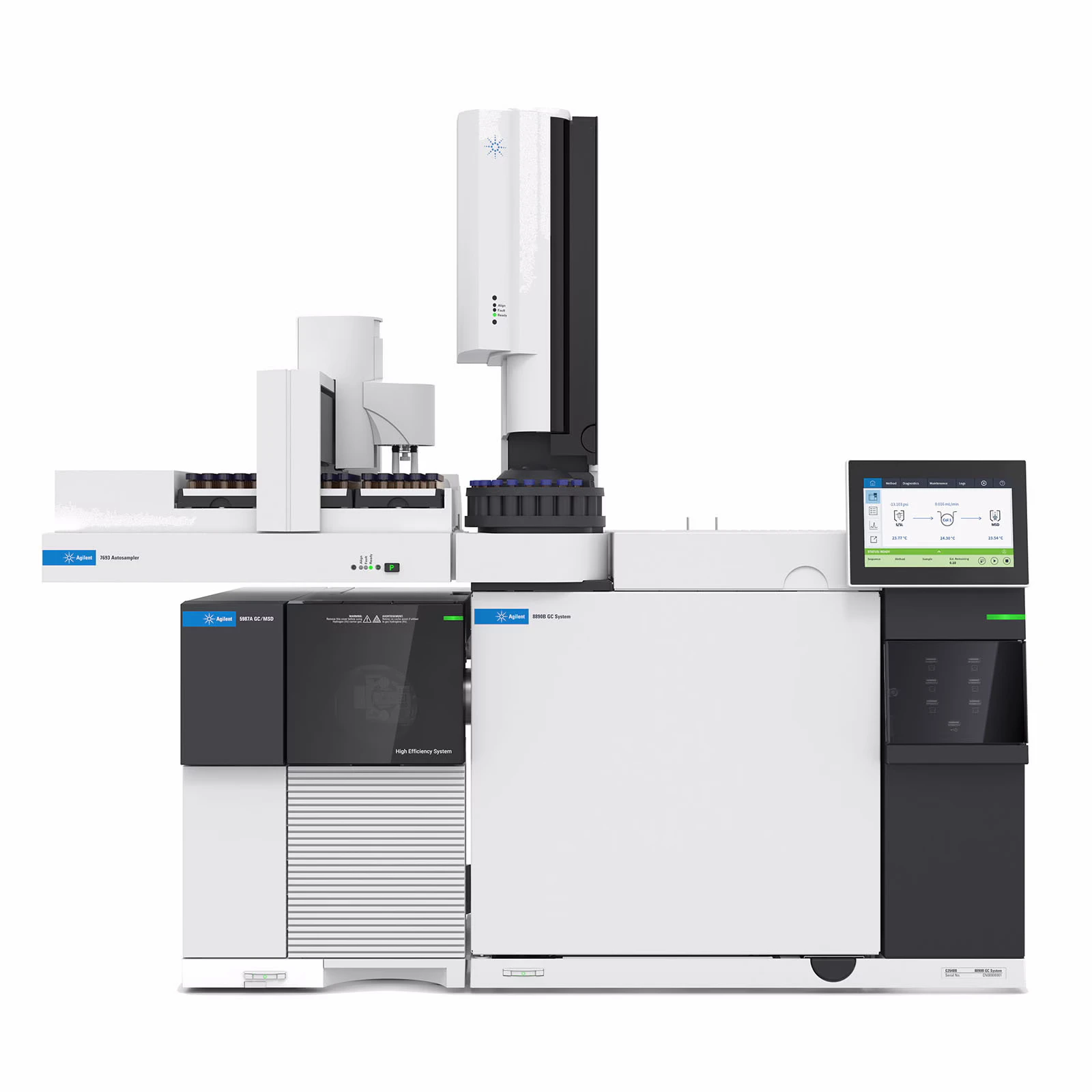
Agilent 5987A MSD: Should 5977-Series Labs Upgrade?
A spec-by-spec look at whether the 5987A’s 25% faster scanning, 10× dynamic range gain, and built-in GC Assist intelligence justify moving off the 5977 series — with LabX used-market context for current 5977A and 5977B owners.
Nov 02, 2026
Product News
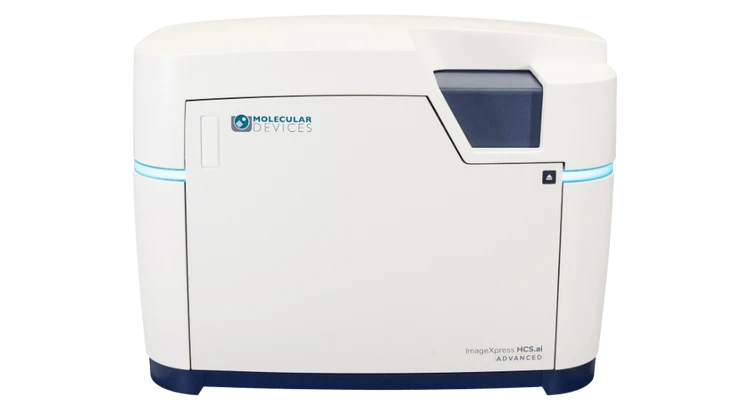
ImageXpress HCS.ai Advanced Duo: Dual-Camera HCS Upgrade for Drug Discovery Labs
Molecular Devices has launched the ImageXpress HCS.ai Advanced Duo, a dual-camera high-content screening system that adds simultaneous image acquisition and integrated screening analytics to the existing HCS.ai Advanced platform — this article breaks down what changes for buyers already operating in the category and whether the upgrade is warranted.
Oct 27, 2026
Product News
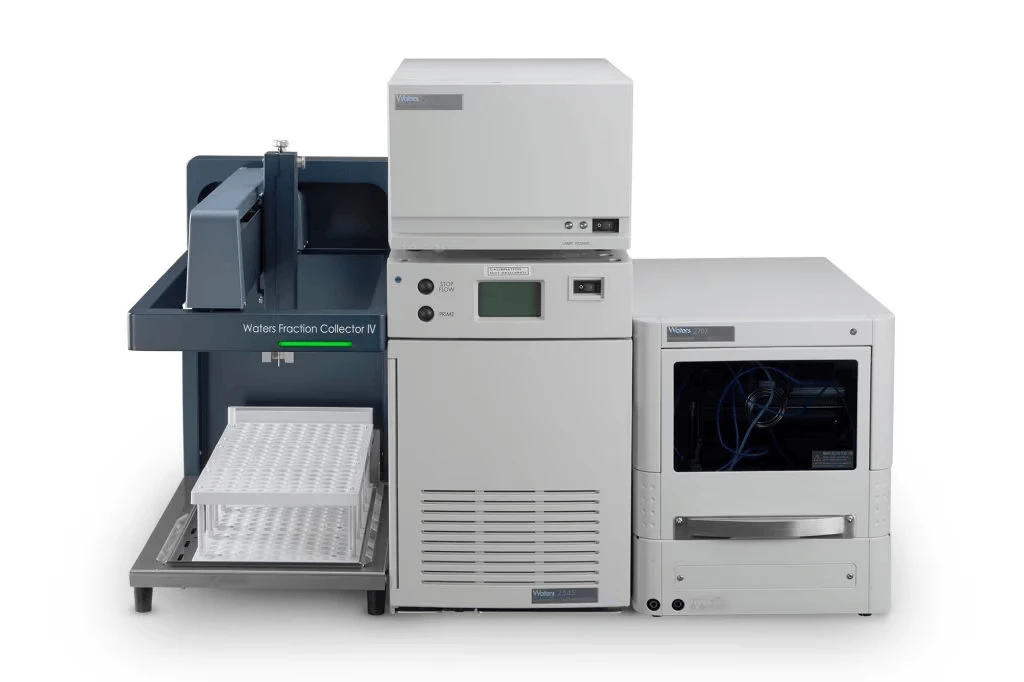
Waters Fraction Collector IV: More Capacity, More Formats for Prep LC Labs
Waters has launched the Fraction Collector IV, upgrading prep-scale purification with 50% more collection capacity, flow rates to 300 mL/min, and native control through Empower, MassLynx, and ChromScope software — here’s what buyers in pharma, biotech, and CRO labs need to evaluate before purchasing.
Oct 20, 2026
Product News
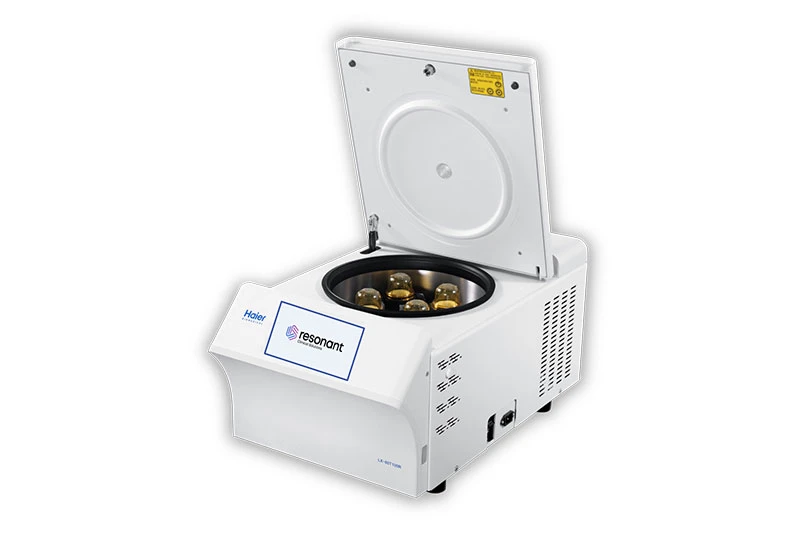
LX-60T100R Refrigerated Benchtop Centrifuge: F-Gas Compliance for Clinical Trials
A new hydrocarbon-cooled benchtop centrifuge purpose-built for clinical trial sample processing arrives with a GWP of ~3, 5-minute pre-cooling, and exclusive distribution through Resonant Clinical Solutions — giving procurement teams an F-gas-ready option well ahead of the 2028 EU regulatory deadline.
Oct 16, 2026
Product News
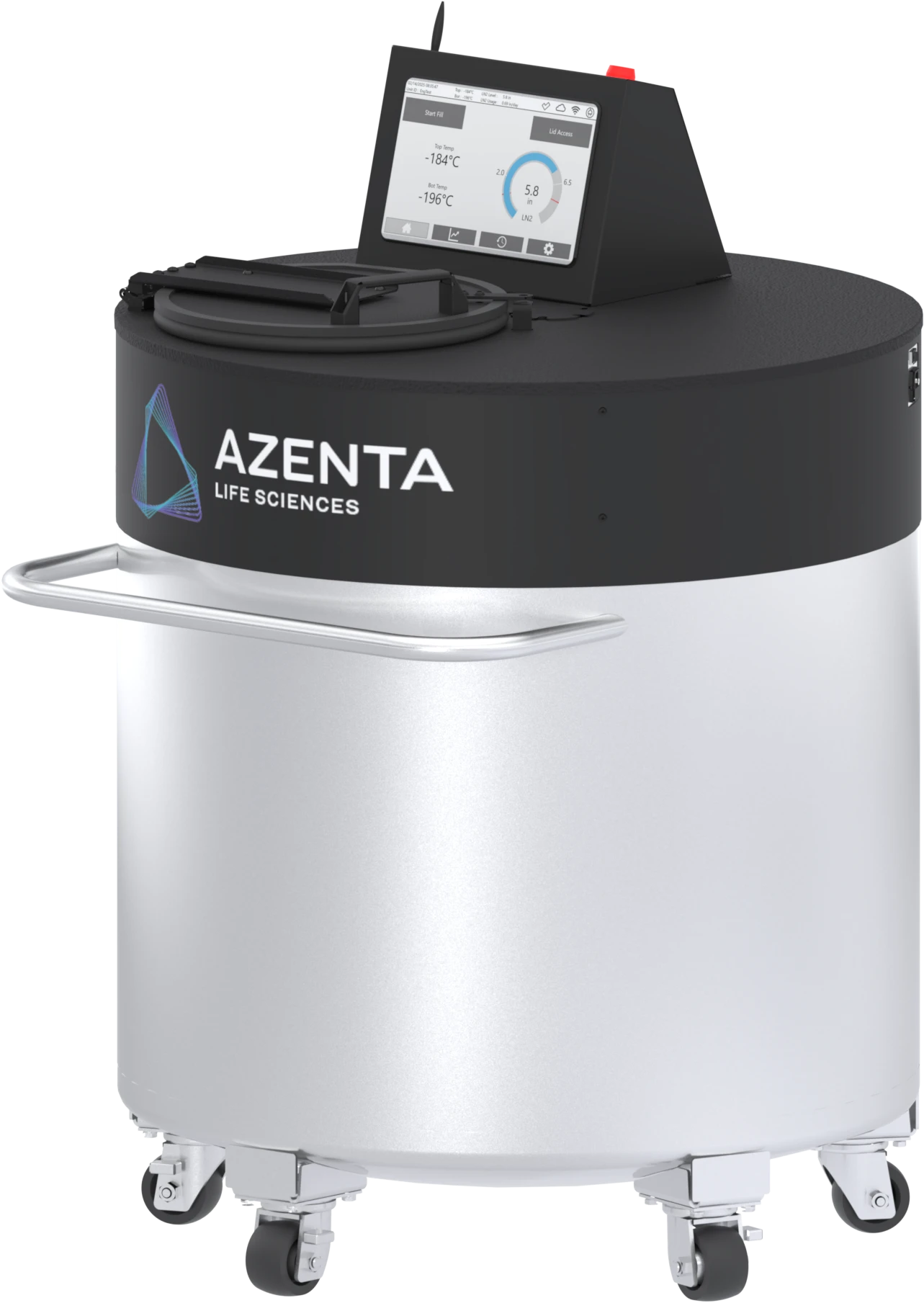
CryoArc Vita-76: Azenta’s High-Density Cryogenic Storage for IVF Clinics
Azenta Life Sciences has launched the CryoArc Vita-76, a cryogenic storage system that consolidates up to seven traditional dewars into a single footprint — this article covers specifications, how it compares in the clinical IVF storage market, and what fertility clinic buyers should evaluate before purchasing.
Sep 30, 2026
Product News
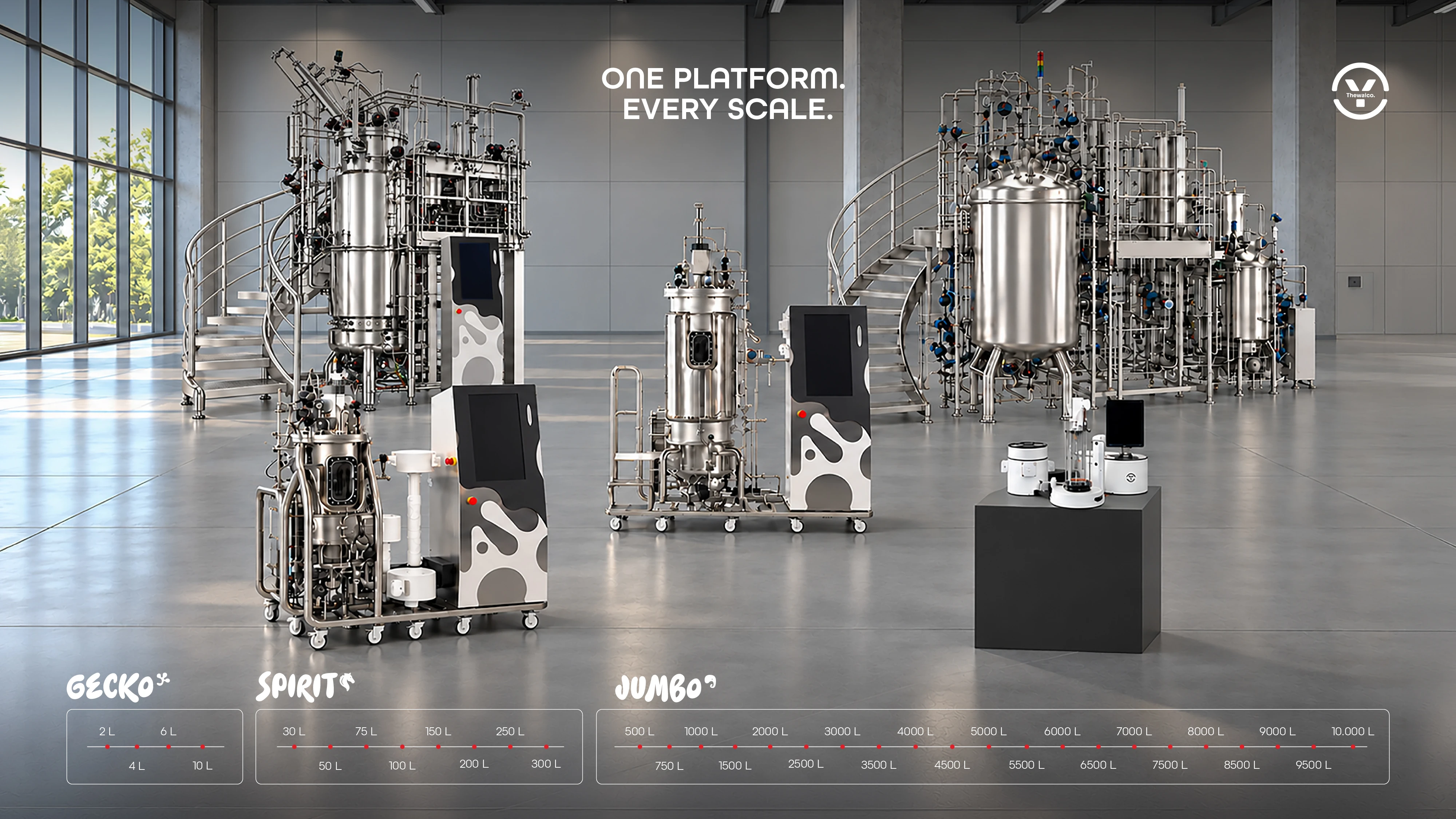
Thewaico Launches Integrated Bioreactor Platform to Solve Biomanufacturing Scale-Up
A new bioprocess company has emerged with three connected bioreactor platforms — spanning 2 L to 10,000+ L — and an AI-assisted control layer intended to eliminate the re-engineering step that derails most scale-up projects, alongside a direct-to-web pricing configurator.
Sep 28, 2026
Product News
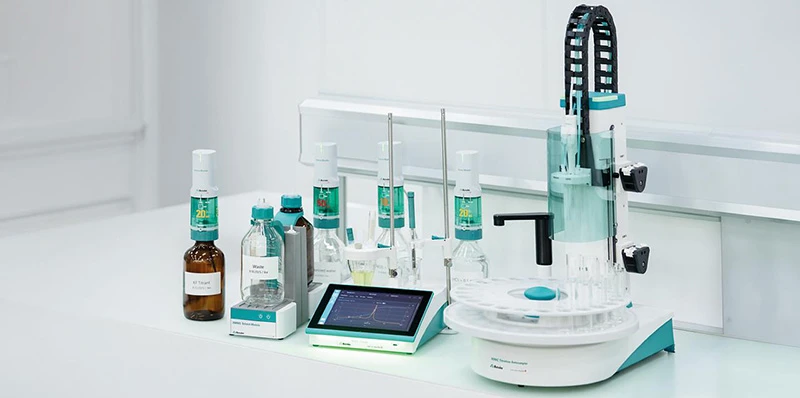
Metrohm USA Launches IONIC Titrator With Built-In Cloud Access
Metrohm USA's new IONIC Titrator pairs a 10-inch touchscreen with direct cloud connectivity, letting labs monitor and share titration data without a PC; here's how it's specced, priced, and positioned for buyers comparing standalone titrators.
Sep 23, 2026
Product News
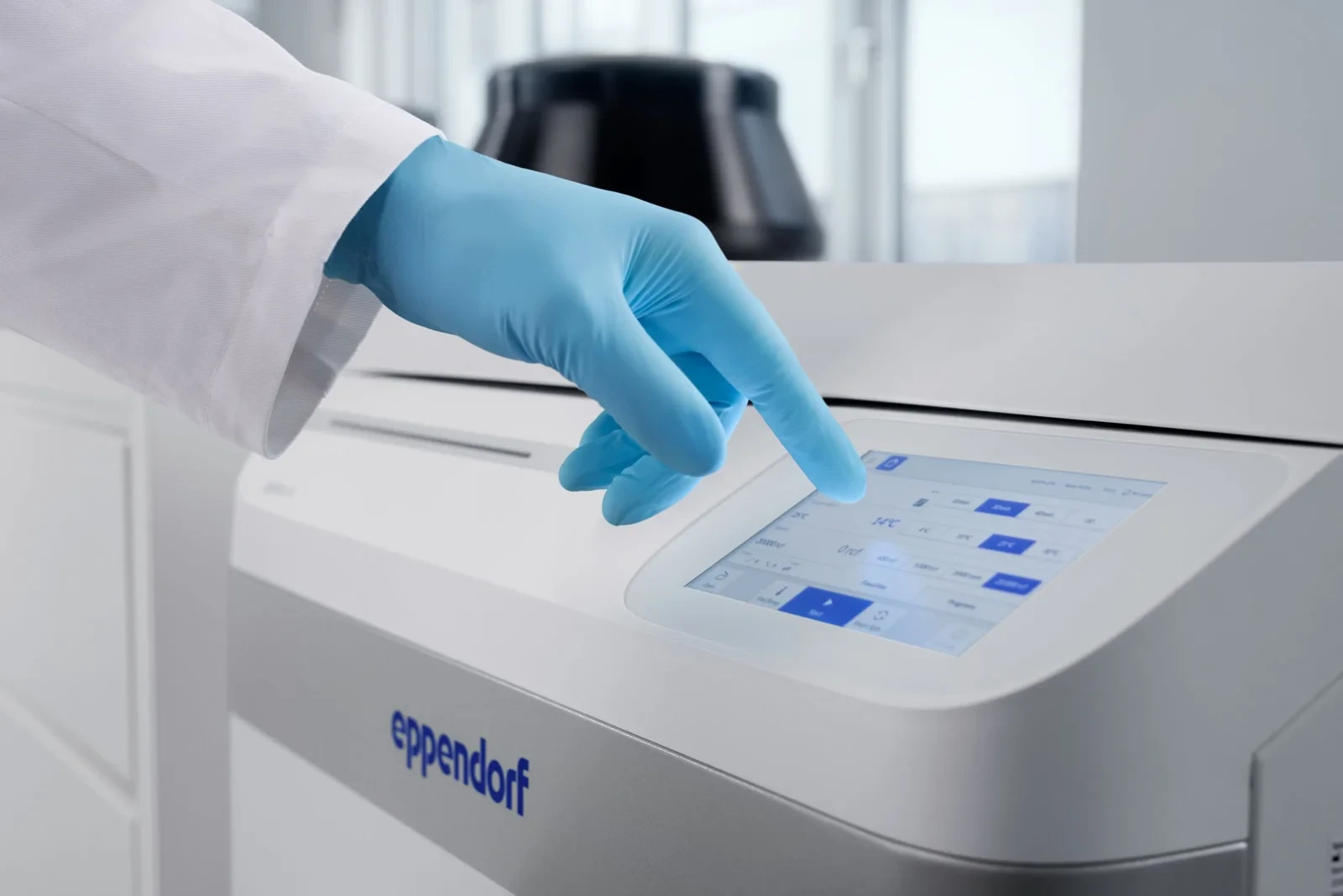
Eppendorf Introduces the SpinPro 8 R High-Speed Floor Centrifuge
Eppendorf's SpinPro 8 R floor-standing centrifuge launches with 6 L capacity, 35-rotor compatibility, CO₂-based refrigerant (GWP = 1), and AuditSafe documentation for pharma and biotech labs evaluating their next large-volume separation system.
Sep 22, 2026
Product News
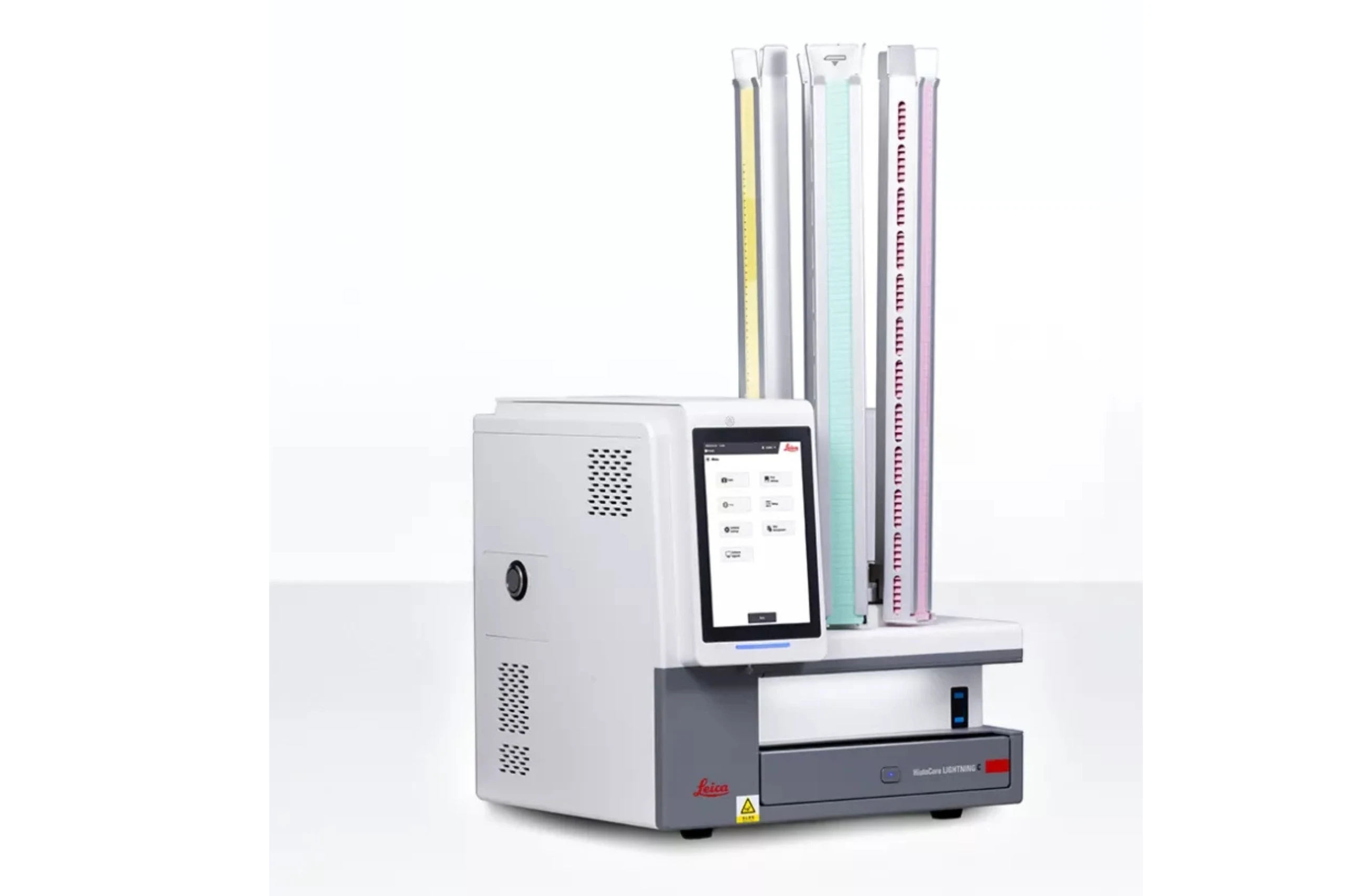
Leica Biosystems HistoCore LIGHTNING C Laser Cassette Printer: Speed and Traceability for High-Volume Histology Labs
Leica Biosystems' ink-free UV laser cassette printer delivers 2.5-second-per-cassette printing with 600-cassette capacity and LIS integration — what pathology lab buyers need to know before evaluating this system against their workflow needs and total cost of ownership.

Sep 17, 2026
Product News
Yamato Scientific America moves into life sciences with multi-technology partnership portfolio
Yamato Scientific America is entering the life sciences market through technology partnerships covering live-cell imaging, circulating tumor cell enrichment, and single-cell isolation — here is what buyers should evaluate before engaging.