
Amsbio Introduces Synthetic Cell Mimic Flow Cytometry Controls for Multi-Site Standardisation

Written By: Sharon Dong
Published: Aug 21, 2026
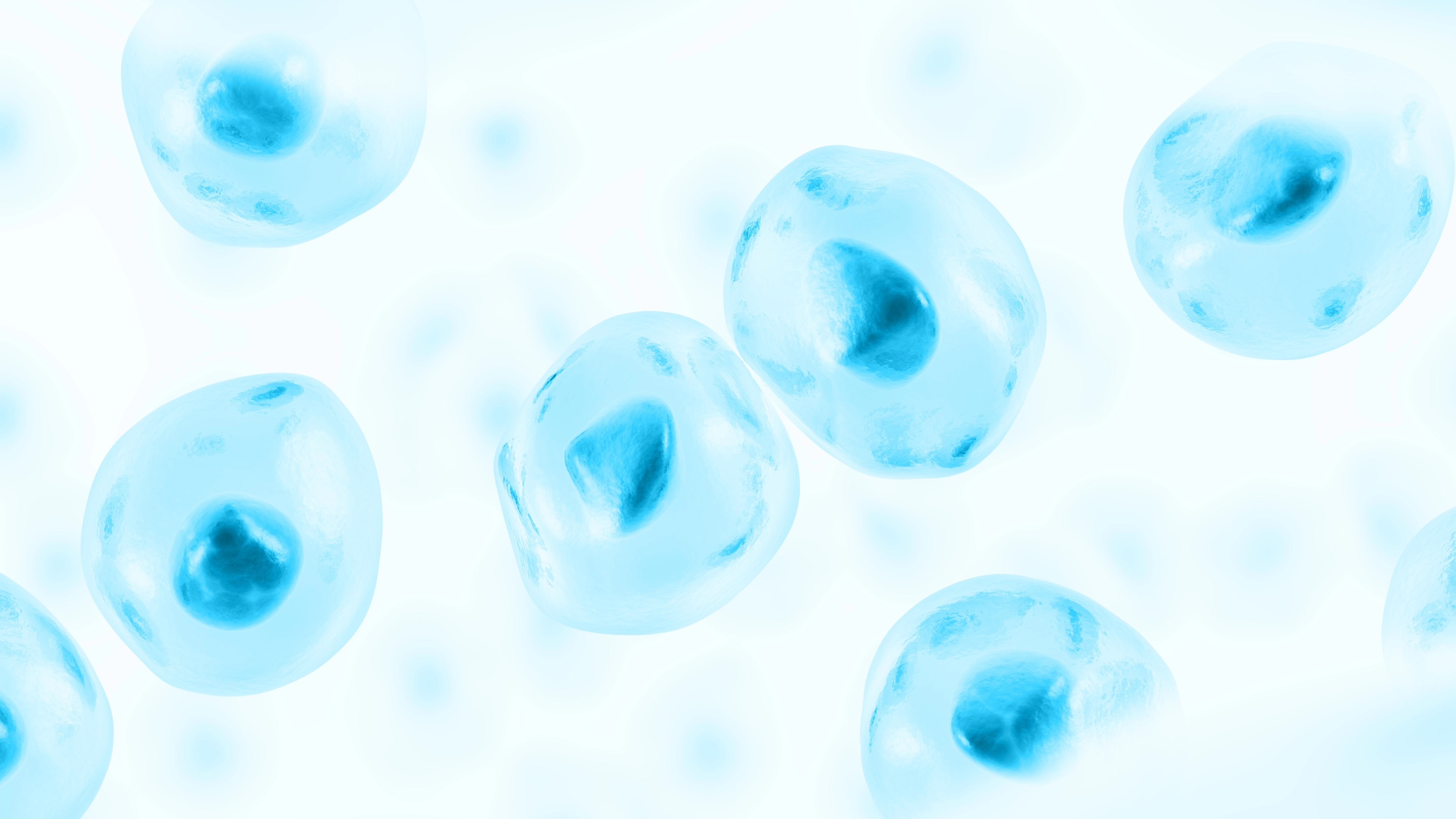
Amsbio has launched a range of synthetic cell mimic controls through its SlingshotBio supplier partnership, offering an alternative to donor-derived peripheral blood mononuclear cells (PBMCs), polystyrene beads, and cell lines used in flow cytometry quality control programs. The controls are available in off-the-shelf and customizable configurations, designed for consistent lot-to-lot performance with reported coefficients of variation (CVs) as low as 0.1%, an extended shelf life, and no cell culture requirements. The value proposition is standardization across instruments, operators, and sites; labs considering a switch will want to verify fit against their specific platform and workflows before committing.
Four figures frame the decision
- Lot-to-lot CV as low as 0.1% (vendor-stated): Reported as the headline consistency figure across manufacturing batches. Independent third-party validation data has not been published at launch.
- Customizable biomarker, protein, and fluorescent label loading (vendor-stated, custom lead times not published): The range can be configured to include rare or proprietary markers not readily available through PBMC donations or standard bead kits. Minimum order quantities and turnaround times for custom builds have not been disclosed.
- Extended shelf life, no culture maintenance required (vendor-stated, per-configuration figures not published): The mimics ship ready to use and do not require passaging or cryorecovery. Exact shelf life figures by configuration are not included in the launch materials.
- Cross-platform compatibility across spectral and conventional cytometers (vendor-stated): The controls are designed to replicate biology-like forward scatter (FSC), side scatter (SSC), and surface marker behavior across platform types without rescaling or panel re-optimization. Instrument-specific data has not been published.
Buyer's note: The figures above reflect vendor-reported specifications at launch. Before selecting a control material, request instrument-specific data matched to your cytometer model and run a side-by-side comparison with your current controls in your own lab. Pricing is not listed publicly, so contact Amsbio directly for a quote based on your configuration.
How synthetic cell mimics compare in the flow cytometry controls category
The main alternatives in this category are donor PBMCs, polystyrene bead kits, and continuous cell lines. PBMCs are biologically relevant but introduce lot-to-lot variability across donors, require biosafety handling, and are difficult to source with rare antigens. Polystyrene beads offer good stability but have different scatter properties from cells, which can limit their use in compensation for complex panels. Cell lines are a closer biological match but require active culture, can drift phenotypically over passage, and carry their own batch variability.
- Lot consistency: PBMCs vary by donor; polystyrene beads are stable but not cell-like; synthetic mimics are designed for sub-0.1% CV, which would be a meaningful improvement for multi-site studies if confirmed on your platform.
- Biohazard classification: PBMCs require biosafety level 2 (BSL-2) handling and donor screening; polystyrene beads and synthetic mimics generally do not, which simplifies logistics and shipping.
- Biology-like scatter profile: Polystyrene beads differ from cells in scatter behavior; PBMCs remain the reference; synthetic mimics are engineered to replicate FSC/SSC characteristics, though confirmation on specific instruments is recommended before switching.
- Rare biomarker access: Standard PBMC lots and bead kits may not reliably provide low-frequency antigen expression; synthetic mimics offer configurable biomarker loading, subject to minimum order and lead time terms not yet published.
- Shelf life and logistics: PBMCs degrade quickly even when cryopreserved; cell lines require active culture; synthetic mimics are designed for extended ready-to-use stability, with per-configuration shelf life data to be confirmed with the supplier.
- Pricing: List pricing has not been published. Costs in this category vary widely by format and configuration -- request a like-for-like quote covering the specific markers and volumes you would actually use.
Purchasing considerations by lab type
Biopharma QC and cell therapy manufacturing
Cell therapy manufacturing typically involves tight lot-release and cross-site comparability requirements, where PBMC variability can create challenges. A synthetic control with a defined, traceable specification addresses that directly. Labs in this segment should ask for qualification data specific to their cytometer platform and release assay before integrating new controls into a validated method.
Clinical diagnostics and regulated immunophenotyping
Clinical labs running CD4 counting, lymphocyte subset analysis, or minimal residual disease (MRD) panels benefit from controls that perform consistently across extended runs and multiple instruments. Removing the biosafety burden of donor-derived materials is an operational advantage. Any switch from an existing validated control will require a bridging study under most quality frameworks, so that time and cost should be factored into any evaluation.
Regulated-workflow notice: Flow cytometry assays used in clinical reporting or cell therapy lot release are subject to quality management requirements that typically mandate control material validation before use. Switching control suppliers or formats requires a documented change-control process. Confirm intended use, validation requirements, and applicable frameworks -- including Clinical Laboratory Improvement Amendments (CLIA), College of American Pathologists (CAP), ISO 15189, or GxP -- with your quality team before initiating a supplier evaluation.
Contract research organizations and academic research centers
Contract research organizations (CROs) running multi-client panels benefit from controls that remain stable across long studies without the logistics of PBMC sourcing. Academic centers conducting longitudinal immunology work gain from materials that compare cleanly across time points. The customization option is particularly relevant here: a CRO supporting a client-specific biomarker assay may need a control carrying an antigen not available in commercial PBMC or bead formats.
What to do before committing budget
Request instrument-specific performance data from Amsbio's SlingshotBio product page and ask for a written quote that itemizes per-configuration pricing, custom lead times, and minimum order quantities before assuming the cost of switching is favorable. If your lab operates under a regulated framework, confirm the change-control scope with your quality team in writing before starting any evaluation. For standardization and reporting guidance relevant to control material selection, the ISAC Data Standards pages cover flow cytometry file standards and MIFlowCyt reporting requirements. Synthetic cell mimics earn their place where PBMC variability or biosafety handling is the primary operational constraint; for labs where existing validated controls are performing, the switching cost and re-validation burden should be part of the calculation from the start.
Nov 04, 2026
Product News
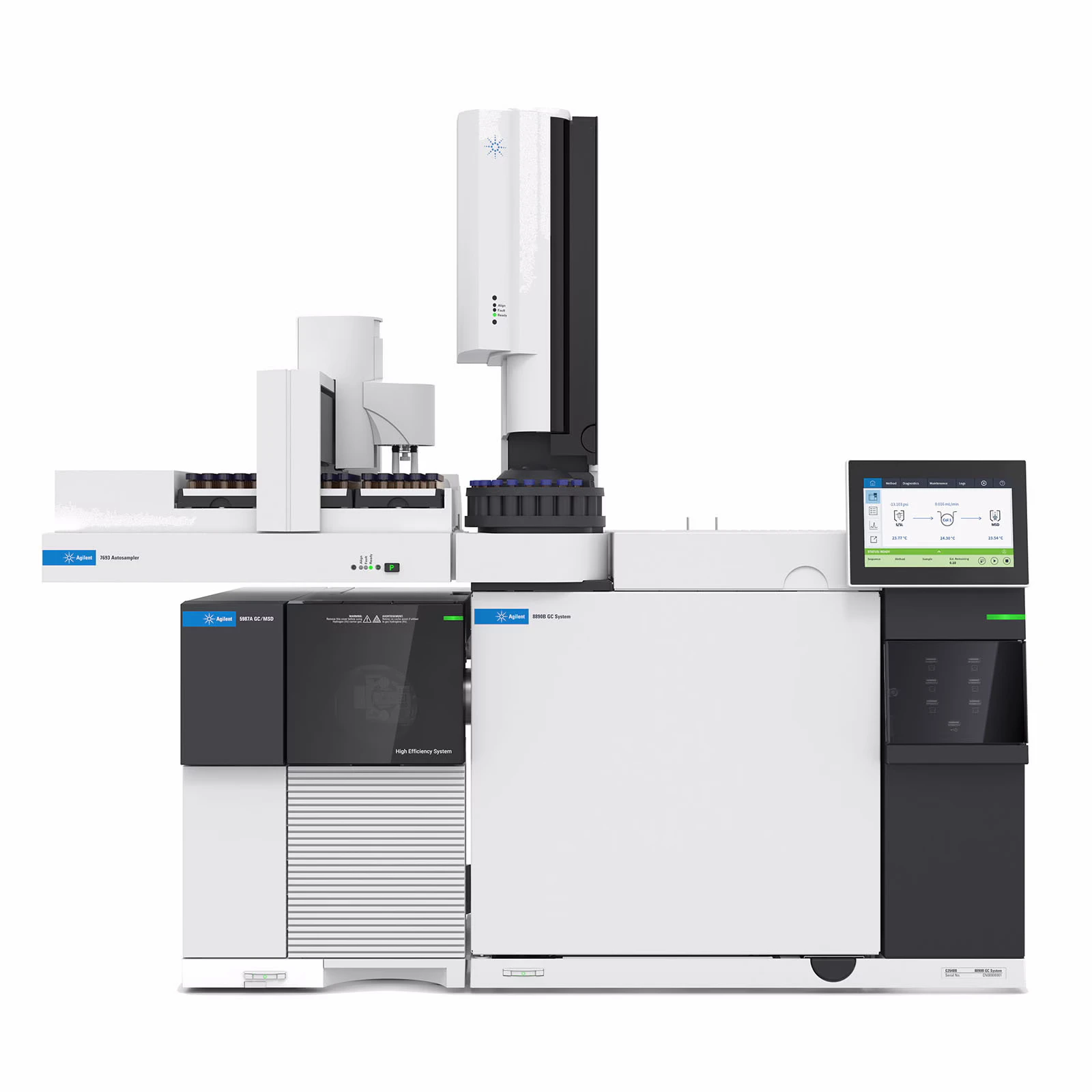
Agilent 5987A MSD: Should 5977-Series Labs Upgrade?
A spec-by-spec look at whether the 5987A’s 25% faster scanning, 10× dynamic range gain, and built-in GC Assist intelligence justify moving off the 5977 series — with LabX used-market context for current 5977A and 5977B owners.
Nov 02, 2026
Product News
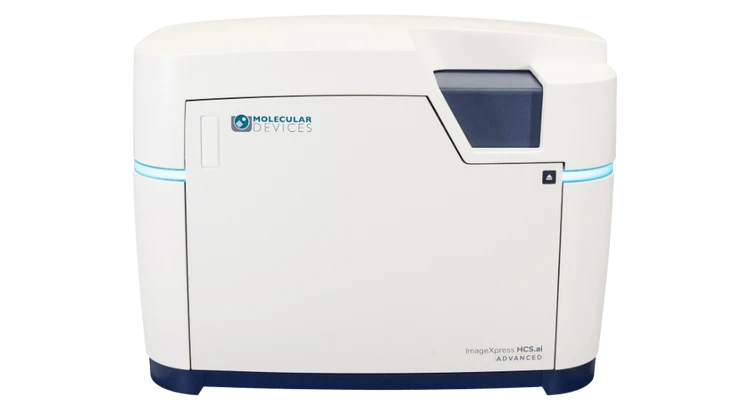
ImageXpress HCS.ai Advanced Duo: Dual-Camera HCS Upgrade for Drug Discovery Labs
Molecular Devices has launched the ImageXpress HCS.ai Advanced Duo, a dual-camera high-content screening system that adds simultaneous image acquisition and integrated screening analytics to the existing HCS.ai Advanced platform — this article breaks down what changes for buyers already operating in the category and whether the upgrade is warranted.
Oct 27, 2026
Product News
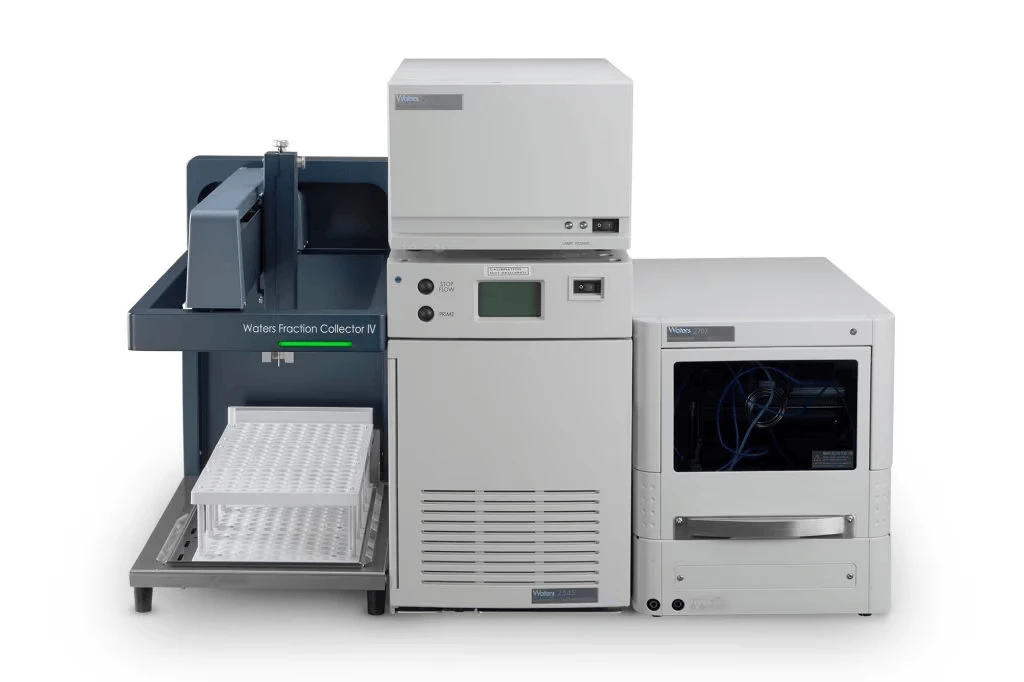
Waters Fraction Collector IV: More Capacity, More Formats for Prep LC Labs
Waters has launched the Fraction Collector IV, upgrading prep-scale purification with 50% more collection capacity, flow rates to 300 mL/min, and native control through Empower, MassLynx, and ChromScope software — here’s what buyers in pharma, biotech, and CRO labs need to evaluate before purchasing.
Oct 20, 2026
Product News
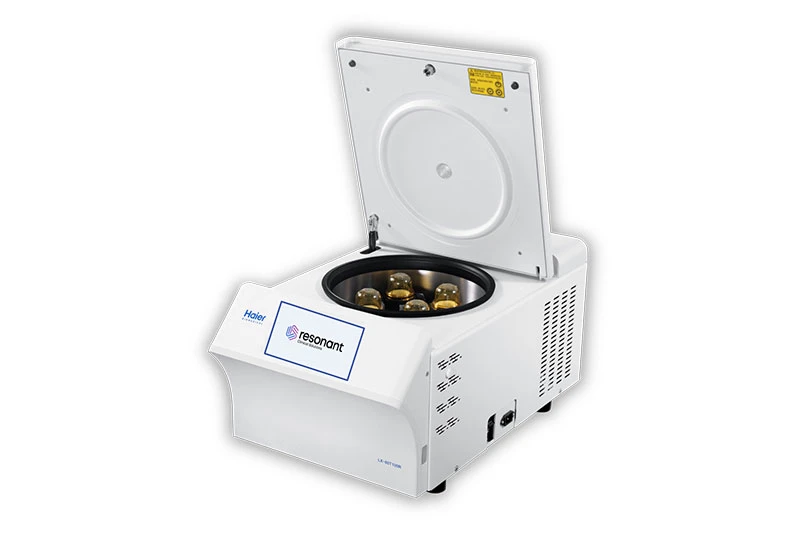
LX-60T100R Refrigerated Benchtop Centrifuge: F-Gas Compliance for Clinical Trials
A new hydrocarbon-cooled benchtop centrifuge purpose-built for clinical trial sample processing arrives with a GWP of ~3, 5-minute pre-cooling, and exclusive distribution through Resonant Clinical Solutions — giving procurement teams an F-gas-ready option well ahead of the 2028 EU regulatory deadline.
Oct 16, 2026
Product News
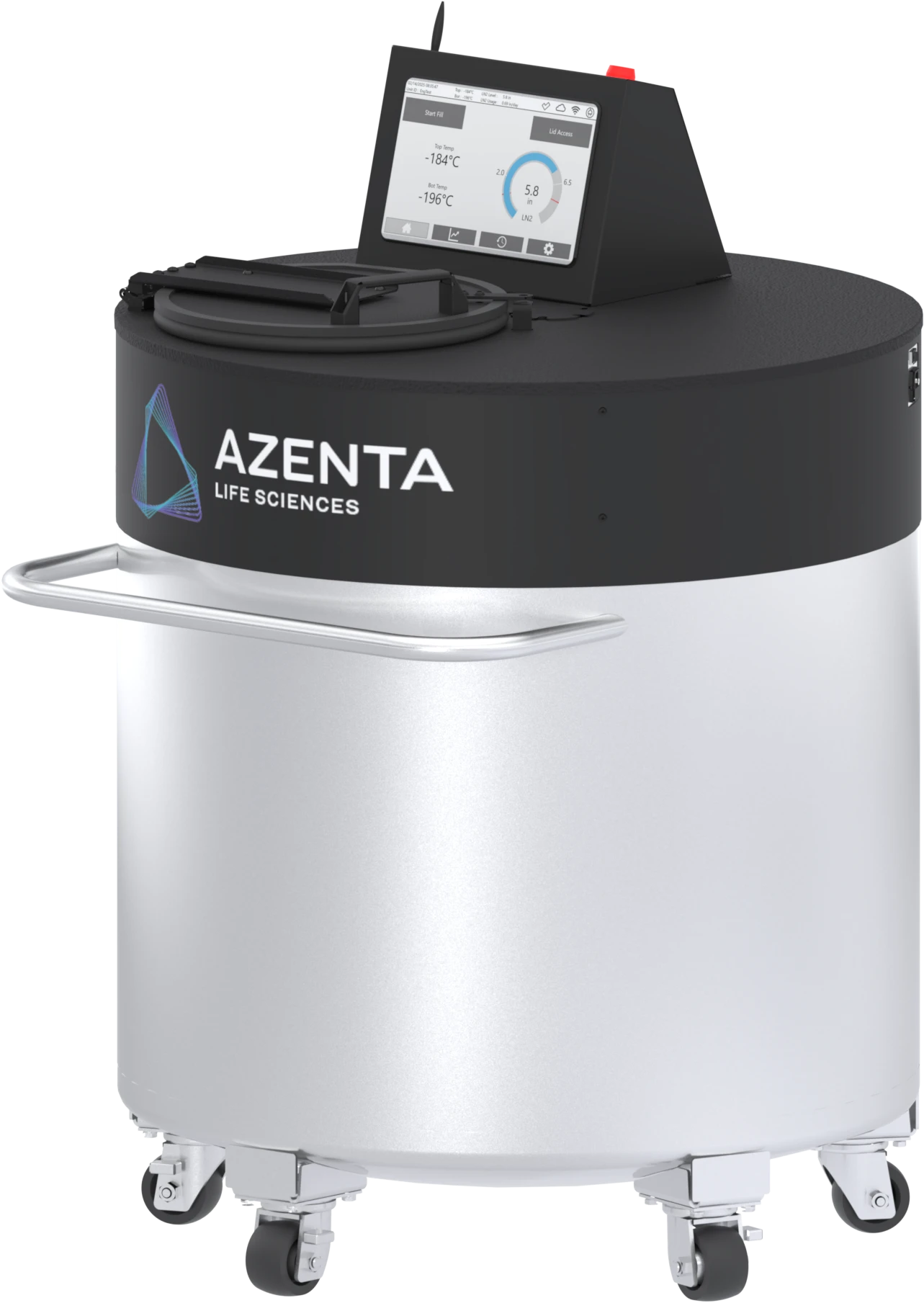
CryoArc Vita-76: Azenta’s High-Density Cryogenic Storage for IVF Clinics
Azenta Life Sciences has launched the CryoArc Vita-76, a cryogenic storage system that consolidates up to seven traditional dewars into a single footprint — this article covers specifications, how it compares in the clinical IVF storage market, and what fertility clinic buyers should evaluate before purchasing.
Sep 30, 2026
Product News
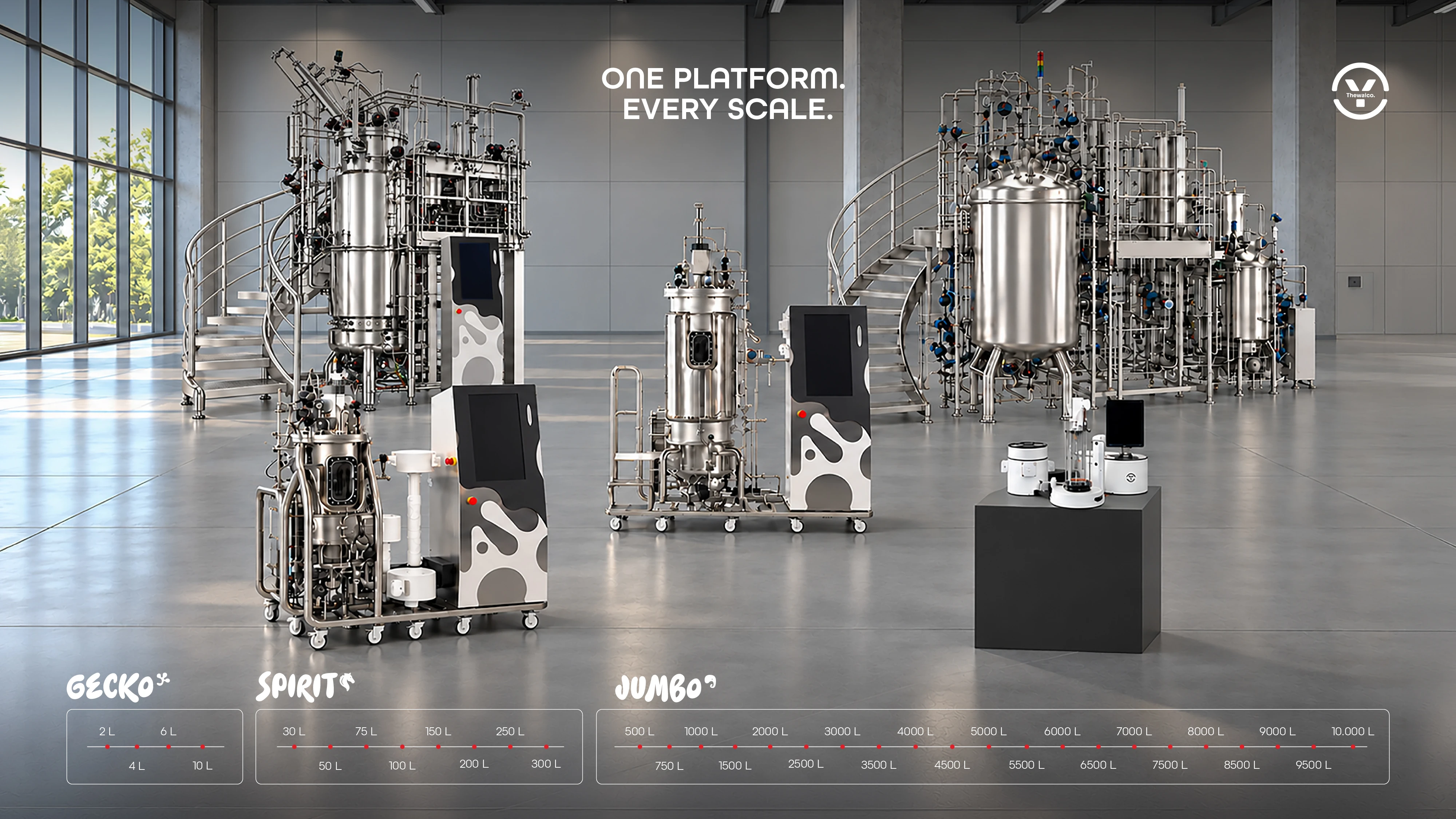
Thewaico Launches Integrated Bioreactor Platform to Solve Biomanufacturing Scale-Up
A new bioprocess company has emerged with three connected bioreactor platforms — spanning 2 L to 10,000+ L — and an AI-assisted control layer intended to eliminate the re-engineering step that derails most scale-up projects, alongside a direct-to-web pricing configurator.
Sep 28, 2026
Product News
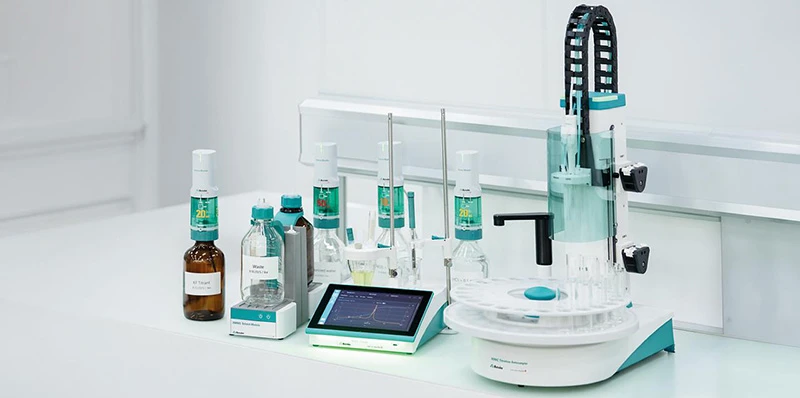
Metrohm USA Launches IONIC Titrator With Built-In Cloud Access
Metrohm USA's new IONIC Titrator pairs a 10-inch touchscreen with direct cloud connectivity, letting labs monitor and share titration data without a PC; here's how it's specced, priced, and positioned for buyers comparing standalone titrators.
Sep 23, 2026
Product News
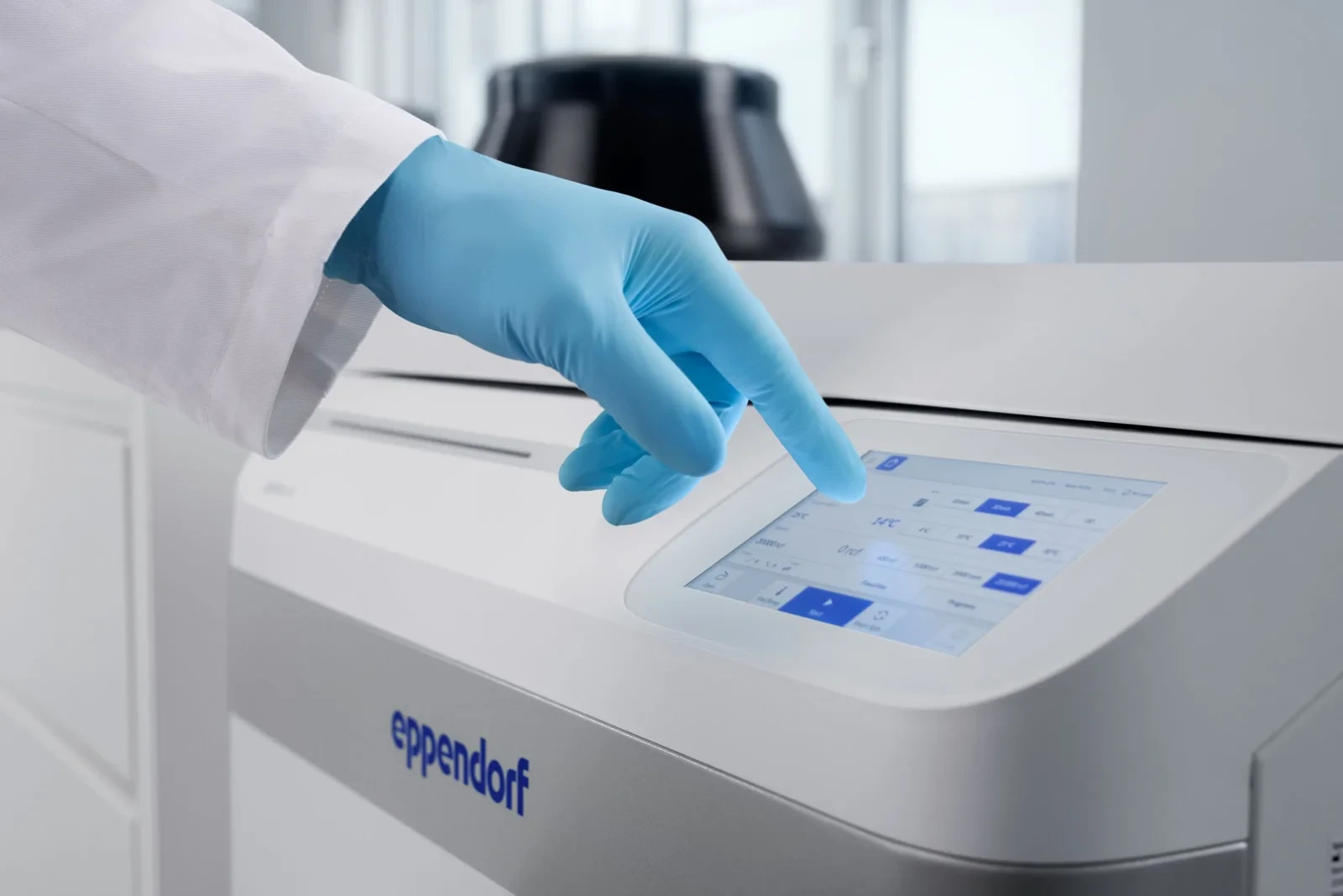
Eppendorf Introduces the SpinPro 8 R High-Speed Floor Centrifuge
Eppendorf's SpinPro 8 R floor-standing centrifuge launches with 6 L capacity, 35-rotor compatibility, CO₂-based refrigerant (GWP = 1), and AuditSafe documentation for pharma and biotech labs evaluating their next large-volume separation system.
Sep 22, 2026
Product News
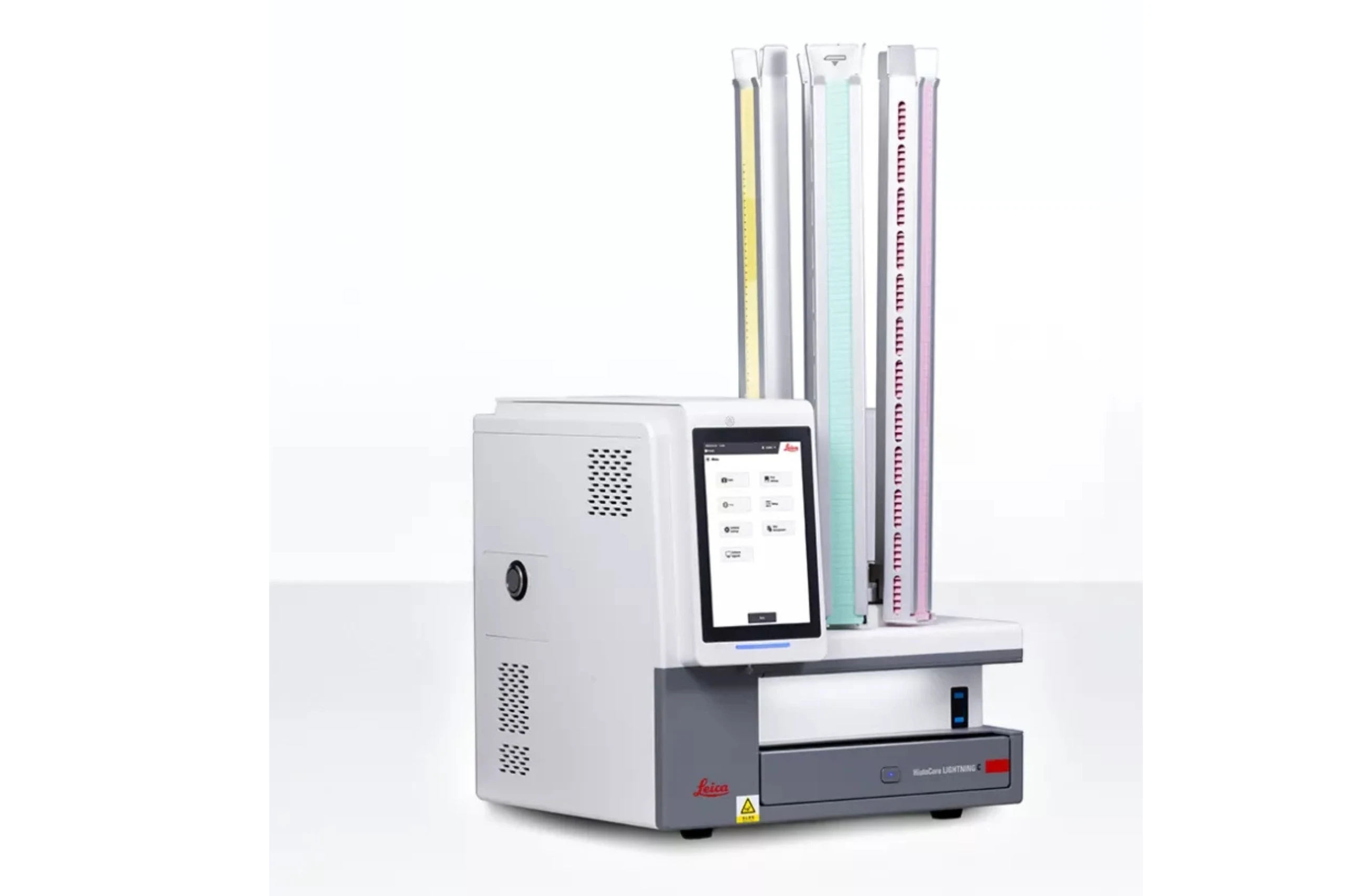
Leica Biosystems HistoCore LIGHTNING C Laser Cassette Printer: Speed and Traceability for High-Volume Histology Labs
Leica Biosystems' ink-free UV laser cassette printer delivers 2.5-second-per-cassette printing with 600-cassette capacity and LIS integration — what pathology lab buyers need to know before evaluating this system against their workflow needs and total cost of ownership.

Sep 17, 2026
Product News
Yamato Scientific America moves into life sciences with multi-technology partnership portfolio
Yamato Scientific America is entering the life sciences market through technology partnerships covering live-cell imaging, circulating tumor cell enrichment, and single-cell isolation — here is what buyers should evaluate before engaging.