
Biotech Fluidics Launches SPEedy™ to Eliminate the Vacuum Manifold from Solid Phase Extraction

Written By: Sharon Dong
Published: Aug 21, 2026
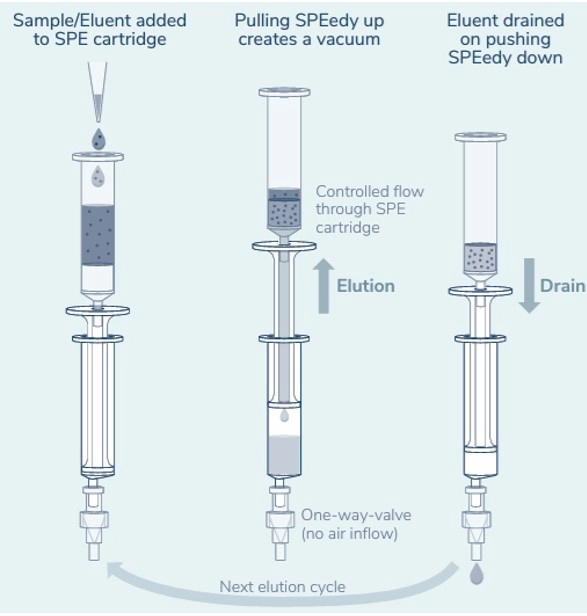
Four figures frame the decision
- SPEedy™ 10: single SKU at launch, 10 mL working volume, PP construction (vendor-stated, single SKU at launch): Other volumes and working diameters can be produced to order by direct arrangement with Biotech Fluidics, but none are listed as standard SKUs at launch.
- Compatible with any adsorption chemistry and eluent composition (vendor-stated, not independently verified): Biotech Fluidics claims universal chemistry compatibility, but confirm your specific solvents against PP construction, particularly with halogenated or otherwise aggressive eluents.
- Swedish patent SE547146.C2, global applications pending (commercial status, patent grant confirmed in one jurisdiction only): Biotech Fluidics holds a Swedish patent on the device mechanism; the company has not confirmed international coverage in major markets including the US.
- No list price published (commercial status, price requires direct inquiry): Biotech Fluidics routes ordering through direct contact and has not disclosed any price or tier structure publicly at launch.
Buyer's note: The four points above establish what is commercially real right now: a single-sample, 10 mL PP device available by direct inquiry only. They do not show how the device performs against vacuum manifolds in practice, because Biotech Fluidics has not published recovery rates, reproducibility data, or head-to-head throughput comparisons in peer-reviewed literature at launch. Request a demo unit on your own matrix and eluent combination, and get a written quote before committing budget.
How SPEedy™ compares in the manual SPE device category
Two mature hardware formats have served manual solid phase extraction for decades: vacuum manifolds connected to a house line or dedicated pump, and positive-pressure manifolds supplied by compressed gas or a benchtop pump. Both are bench-fixed, depend on infrastructure outside the cartridge, and share a common flow path across positions that labs must clean between sample sets. Thermo Scientific, Waters, and Phenomenex supply widely stocked, regulatory-method-validated manifold systems across a range from modest entry-level kits to substantially higher-priced precision platforms. SPEedy™ removes the manifold, the pump, and the shared flow path in a single step, though processing drops to one sample at a time.
- Vacuum dependency: Traditional manifolds need an external vacuum source, such as a house line or a dedicated diaphragm pump. SPEedy™ needs neither, removing both the infrastructure cost and the flow variability that inconsistent vacuum pressure introduces.
- Sample throughput: Multi-position manifolds process 12 or more samples simultaneously; SPEedy™ at launch processes one sample per device. This is a hard constraint for any batch workflow.
- Cross-contamination risk: Shared vacuum manifolds route samples through a common chamber and shared tubing paths, creating a cross-contamination route that requires careful cleaning between sample sets. SPEedy™ gives each sample its own flow path, reducing that risk by design.
- Method validation status: EPA SW-846 Method 3535A, AOAC International (AOAC), and International Council for Harmonisation (ICH) methods document vacuum and positive-pressure manifold SPE. SPEedy™ carries no published validation data against those reference methods at launch, so labs running validated procedures must re-validate or demonstrate equivalence before switching.
- Portability and field use: Traditional manifolds are bench-fixed and tied to a vacuum source. SPEedy™ needs no external utilities, which opens it to field sampling and resource-limited settings that manifold setups cannot practically serve.
- Sorbent format flexibility: Standard vacuum manifolds accept a broad range of cartridge types via luer fittings. Biotech Fluidics states SPEedy™ is adaptable to almost any SPE format, but the commercial range at launch covers only the 10 mL PP configuration; other formats are available on request only.
Purchasing considerations by lab type
SPEedy™ fits best where vacuum infrastructure is unavailable or inconvenient and sample counts are low. Any lab running SPE in batches will find the single-sample limit a hard constraint with the current device.
Environmental and field-sampling labs
Field labs conducting solid phase extraction for water sampling, soil eluate cleanup, or on-site food testing have few practical options beyond hauling a vacuum pump into the field or switching to dispersive SPE formats. SPEedy™ needs no gas supply and no power source, and packs into a standard sample kit. Field methods typically require validation against specific EPA or AOAC procedures, and no independent testing of SPEedy™ against those standards exists yet, so confirm with your quality team or regulatory authority before adopting it in a regulated field method.
Regulated-workflow notice: SPE underpins many regulated analytical procedures, including EPA water quality methods, AOAC food safety methods, and ICH M10 bioanalytical method validation guidance, and SPEedy™ does not appear in any of those reference methods at launch. Labs operating under good practice (GxP), ISO 17025, Clinical Laboratory Improvement Amendments (CLIA), or EPA compliance must validate SPEedy™ or demonstrate equivalence against their current validated procedure before adoption; re-validation scope depends on your quality system and regulatory framework. Confirm the required approach with your quality team or regulatory authority before procurement.
Academic, teaching, and small-batch research labs
Research groups handling varied, low-volume sample sets will find SPEedy™ worth evaluating when the overhead of setting up and cleaning a vacuum manifold outweighs the batch size. The chemistry-agnostic design suits exploratory work where sorbent and eluent selection is still in flux. Request a quote, compare it against a basic manifold kit from your usual distributor, and check cartridge compatibility with your current sorbents before committing.
High-throughput clinical, pharmaceutical, and food testing labs
Any lab processing more than a handful of SPE samples per batch will find the current single-sample SPEedy™ insufficient to replace an established vacuum manifold workflow. The motorized parallel version is the configuration that could change that calculation, but Biotech Fluidics has not published a specification or release timeline for it. Monitor product announcements rather than committing budget to the current device for batch work; if it has a role in this segment today, it is as a supplemental tool for occasional single-sample needs.
What to confirm before you buy
Contact Biotech Fluidics directly for a per-unit price, ask whether evaluation units are available, and request a written quote before assuming the cost is comparable to a traditional manifold setup. If your SPE work sits inside a validated method, get written guidance from your quality team on re-validation scope before you order. SPEedy™ earns its place in labs where vacuum dependency and setup overhead are the real bottleneck and sample counts are low enough to make single-sample processing acceptable; for batch-processing labs, the current device is not the right fit. Browse sample preparation equipment on LabX to compare the broader SPE device and accessory landscape before approaching a vendor for quotes.
Nov 19, 2026
Product News
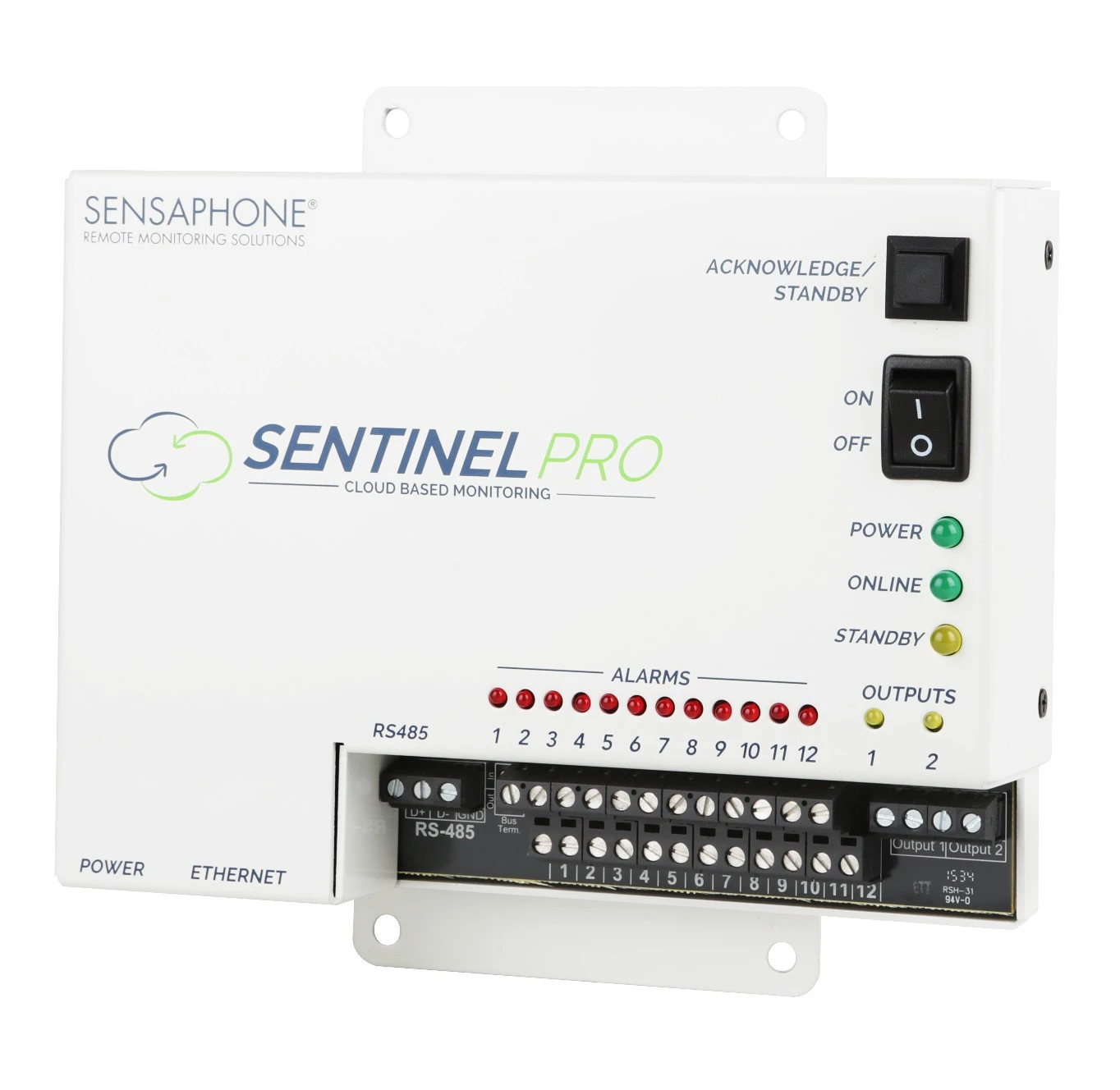
Sensaphone Sentinel and Sentinel PRO: What Buyers Need to Know About Moving Beyond Manual Temperature Logs
Sensaphone’s Sentinel and Sentinel PRO compared for regulated labs: what the 24/7 logging covers, which specifications and documents to confirm before an audit, and how pricing sits against LabX’s temperature monitoring category.
Nov 04, 2026
Product News
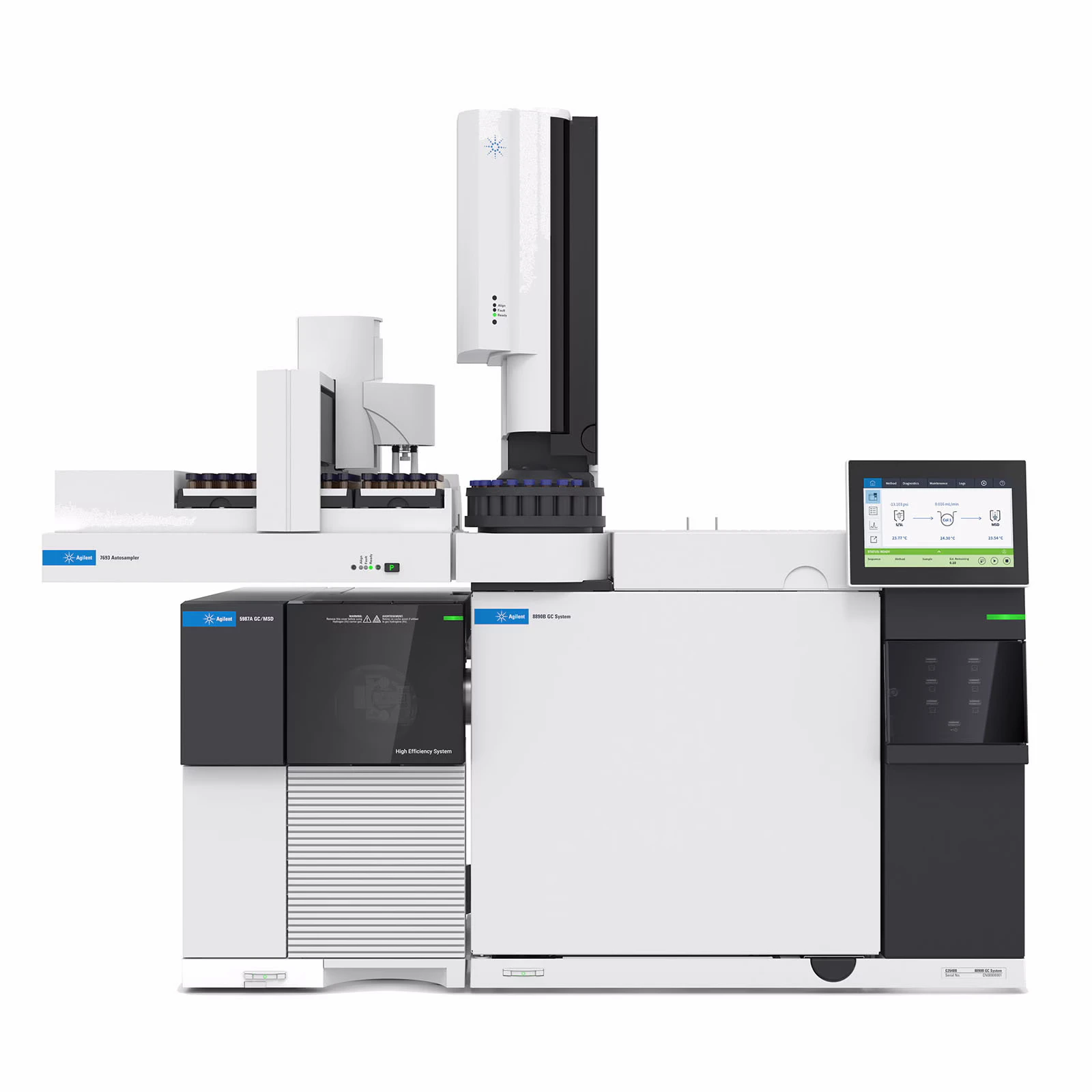
Agilent 5987A MSD: Should 5977-Series Labs Upgrade?
A spec-by-spec look at whether the 5987A’s 25% faster scanning, 10× dynamic range gain, and built-in GC Assist intelligence justify moving off the 5977 series — with LabX used-market context for current 5977A and 5977B owners.
Nov 02, 2026
Product News
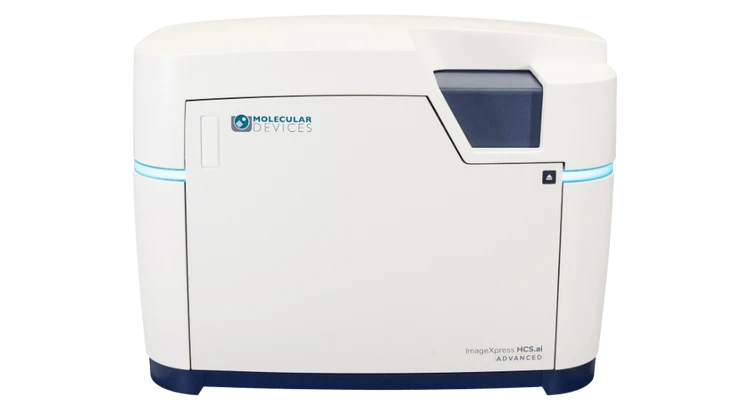
ImageXpress HCS.ai Advanced Duo: Dual-Camera HCS Upgrade for Drug Discovery Labs
Molecular Devices has launched the ImageXpress HCS.ai Advanced Duo, a dual-camera high-content screening system that adds simultaneous image acquisition and integrated screening analytics to the existing HCS.ai Advanced platform — this article breaks down what changes for buyers already operating in the category and whether the upgrade is warranted.
Oct 27, 2026
Product News
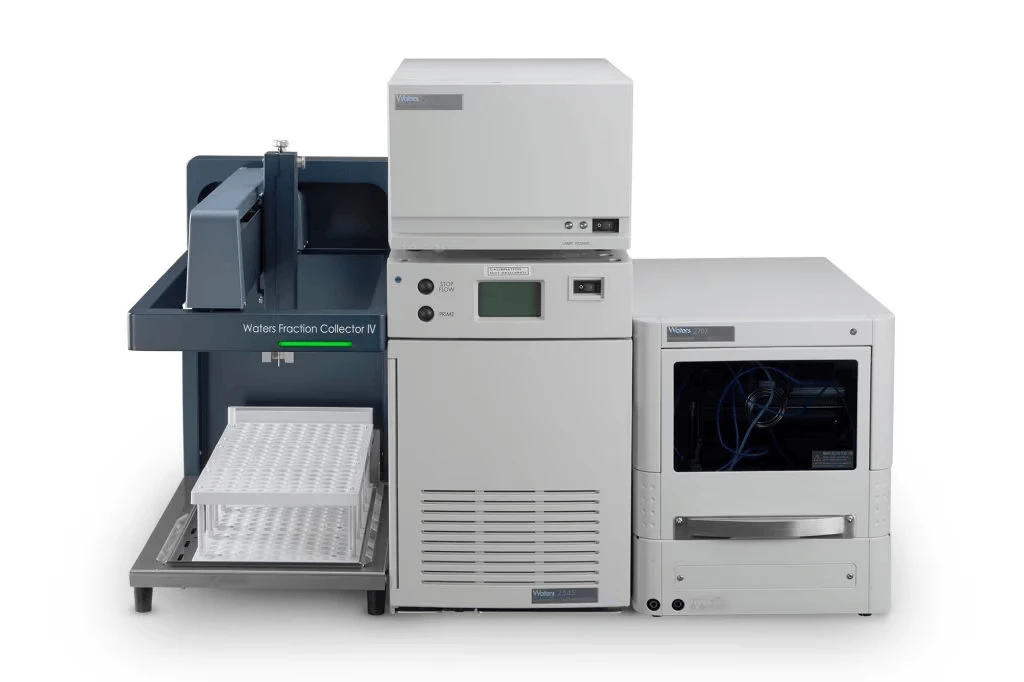
Waters Fraction Collector IV: More Capacity, More Formats for Prep LC Labs
Waters has launched the Fraction Collector IV, upgrading prep-scale purification with 50% more collection capacity, flow rates to 300 mL/min, and native control through Empower, MassLynx, and ChromScope software — here’s what buyers in pharma, biotech, and CRO labs need to evaluate before purchasing.
Oct 20, 2026
Product News
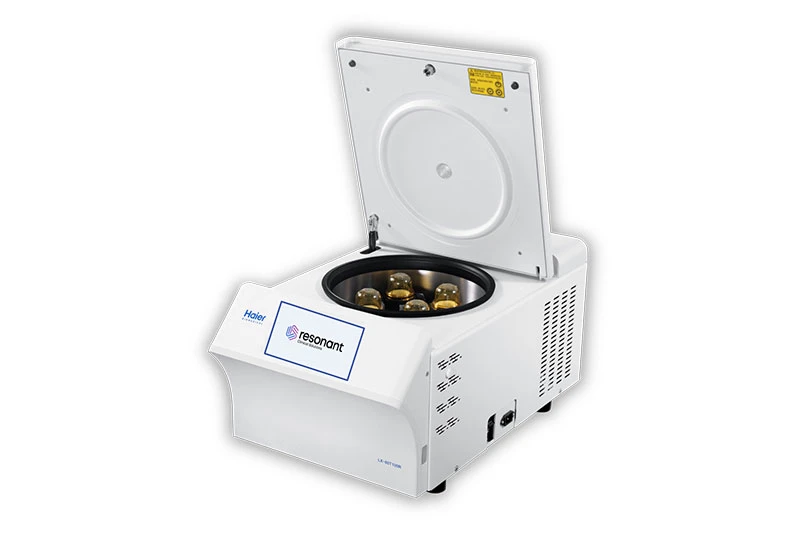
LX-60T100R Refrigerated Benchtop Centrifuge: F-Gas Compliance for Clinical Trials
A new hydrocarbon-cooled benchtop centrifuge purpose-built for clinical trial sample processing arrives with a GWP of ~3, 5-minute pre-cooling, and exclusive distribution through Resonant Clinical Solutions — giving procurement teams an F-gas-ready option well ahead of the 2028 EU regulatory deadline.
Oct 16, 2026
Product News
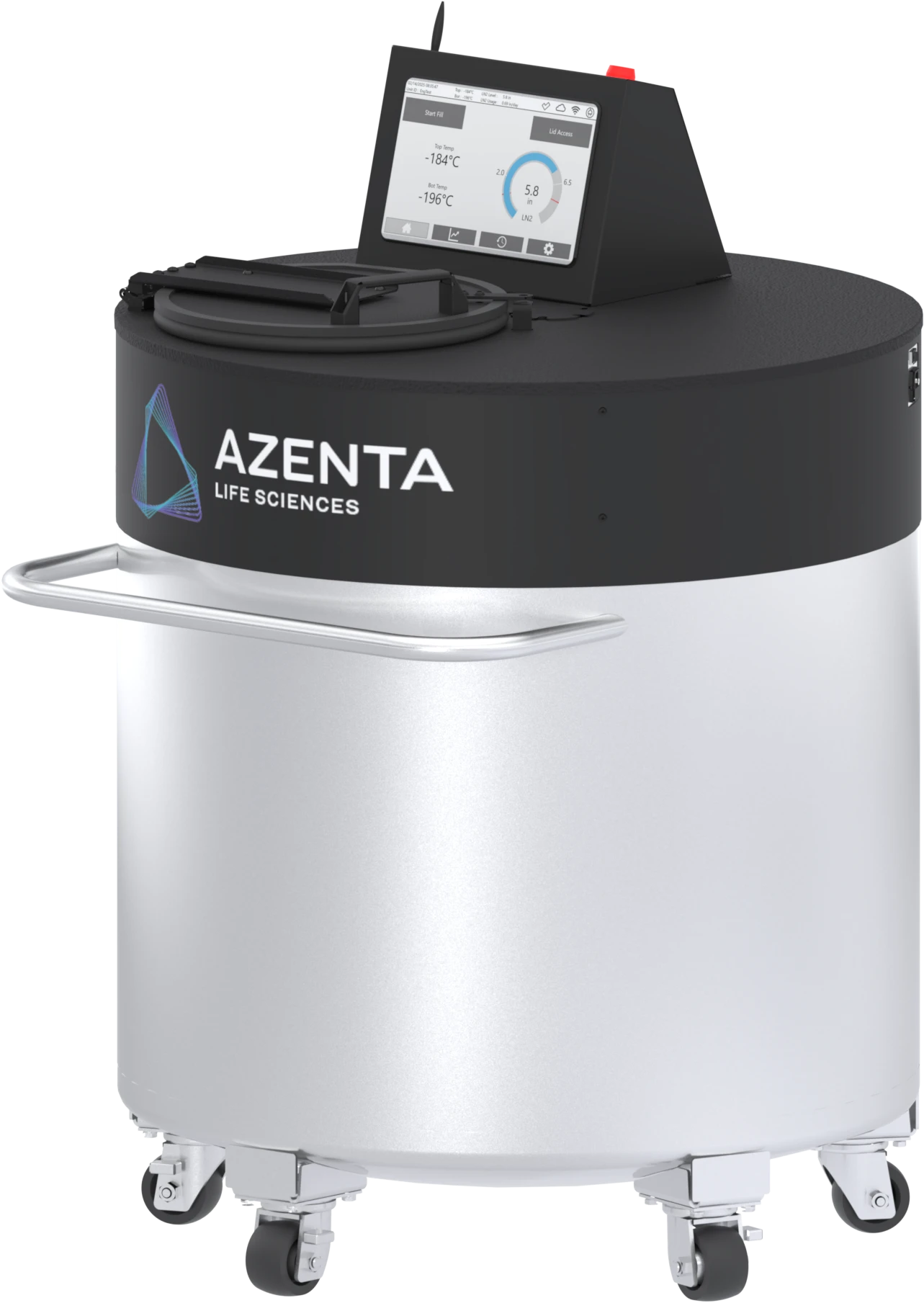
CryoArc Vita-76: Azenta’s High-Density Cryogenic Storage for IVF Clinics
Azenta Life Sciences has launched the CryoArc Vita-76, a cryogenic storage system that consolidates up to seven traditional dewars into a single footprint — this article covers specifications, how it compares in the clinical IVF storage market, and what fertility clinic buyers should evaluate before purchasing.
Sep 30, 2026
Product News
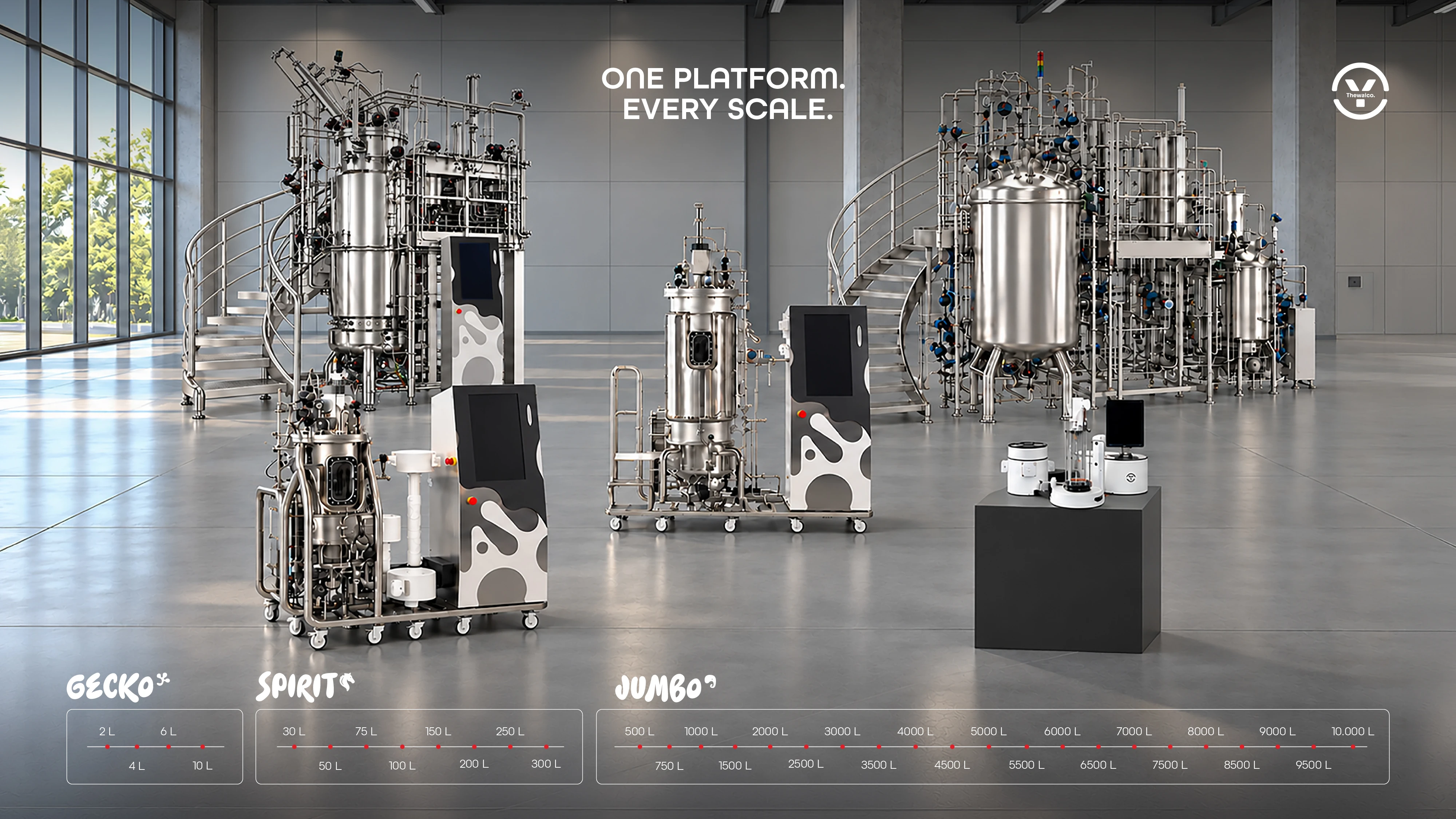
Thewaico Launches Integrated Bioreactor Platform to Solve Biomanufacturing Scale-Up
A new bioprocess company has emerged with three connected bioreactor platforms — spanning 2 L to 10,000+ L — and an AI-assisted control layer intended to eliminate the re-engineering step that derails most scale-up projects, alongside a direct-to-web pricing configurator.
Sep 28, 2026
Product News
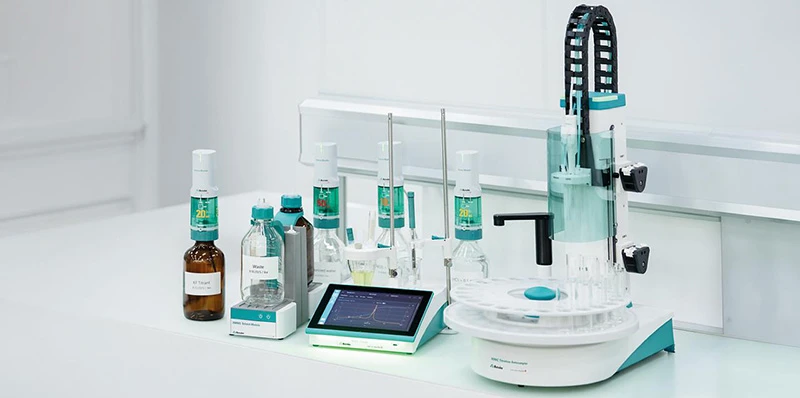
Metrohm USA Launches IONIC Titrator With Built-In Cloud Access
Metrohm USA's new IONIC Titrator pairs a 10-inch touchscreen with direct cloud connectivity, letting labs monitor and share titration data without a PC; here's how it's specced, priced, and positioned for buyers comparing standalone titrators.
Sep 23, 2026
Product News
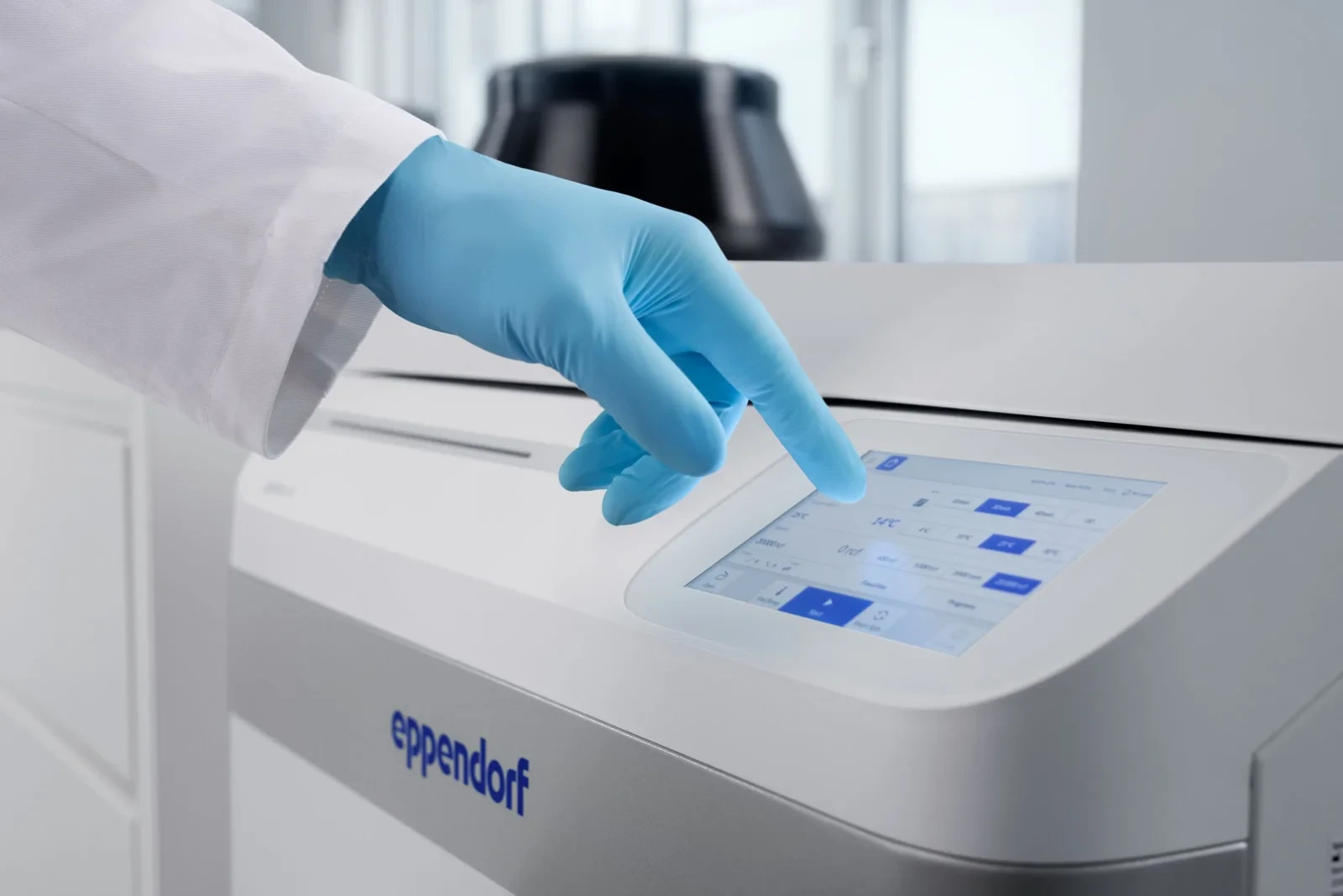
Eppendorf Introduces the SpinPro 8 R High-Speed Floor Centrifuge
Eppendorf's SpinPro 8 R floor-standing centrifuge launches with 6 L capacity, 35-rotor compatibility, CO₂-based refrigerant (GWP = 1), and AuditSafe documentation for pharma and biotech labs evaluating their next large-volume separation system.
Sep 22, 2026
Product News
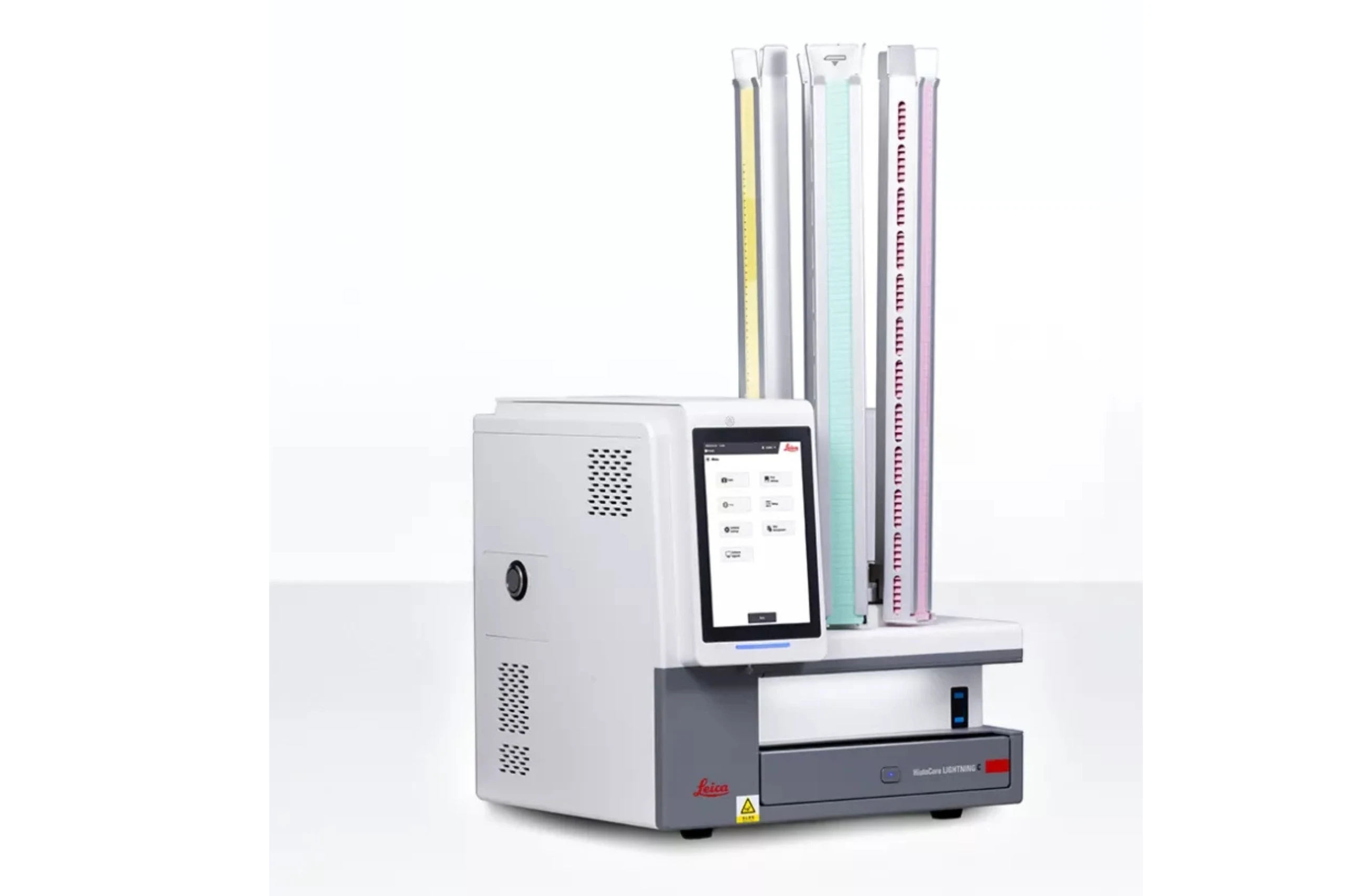
Leica Biosystems HistoCore LIGHTNING C Laser Cassette Printer: Speed and Traceability for High-Volume Histology Labs
Leica Biosystems' ink-free UV laser cassette printer delivers 2.5-second-per-cassette printing with 600-cassette capacity and LIS integration — what pathology lab buyers need to know before evaluating this system against their workflow needs and total cost of ownership.