
Sensaphone Sentinel and Sentinel PRO: What Buyers Need to Know About Moving Beyond Manual Temperature Logs

Written By: Sharon Dong
Published: Nov 19, 2026
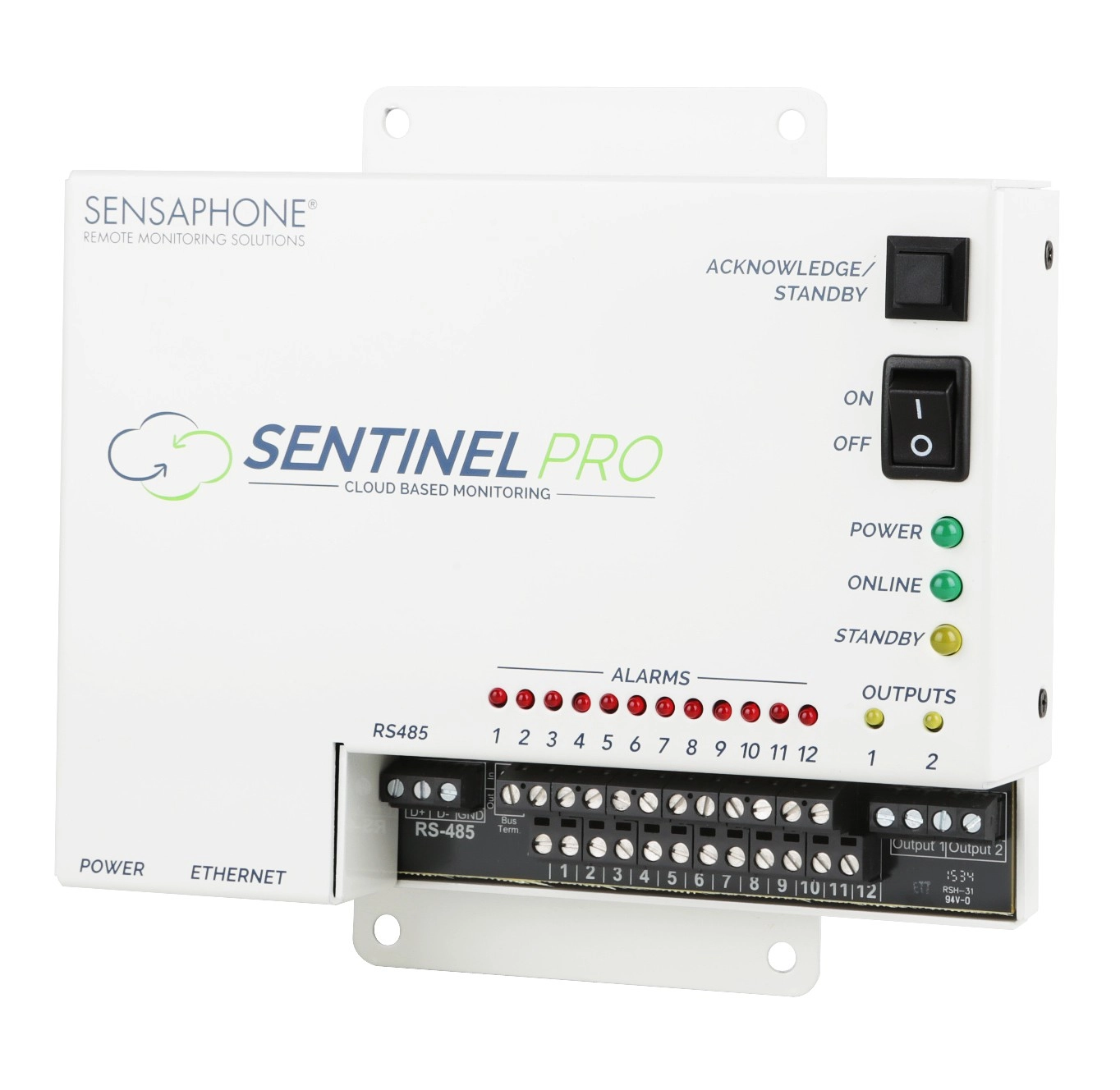
Sensaphone is positioning its cloud-based Sentinel and Sentinel PRO systems for pharmaceutical facilities, laboratories and healthcare providers that must document environmental conditions around the clock. Both log readings automatically and alert staff by phone, text or email when a reading exceeds a limit.
Automated records could ease audit preparation for labs that still keep handwritten logs or weigh new and used temperature monitors. Sampling interval and validation documentation will shape that decision most.
Four figures frame Sensaphone's announcement
- Inputs (Sentinel): Monitors up to 12 external sensors.
- Backup (Sentinel and Sentinel PRO): An eight-hour rechargeable battery keeps monitoring and alerting through a power outage.
- Integration (Sentinel PRO): Connects with programmable logic controllers (PLCs) and building automation systems, and polls up to 64 Modbus registers (an industrial communication protocol).
- Calibration (optional sensors): Sensaphone offers temperature sensors with National Institute of Standards and Technology (NIST)-traceable calibration certificates.
Buyer's note: Sensaphone's press release omits pricing, subscription cost and sensor accuracy. Request all three in writing, plus each probe's calibration certificate and recalibration interval.
Does cloud logging replace manual temperature logs?
Cloud logging removes the transcription step of manual logs, but it does not validate a system for regulated use. The Sentinel and Sentinel PRO store readings automatically, and their alarm histories give investigators a record to examine deviations and document corrective actions.
Sentinel PRO trades finer logging for integration
- Logging interval: The Sentinel PRO samples every 5 minutes to 24 hours, while the Sentinel samples every 1 minute to 24 hours.
- Starting price: Sensaphone's online store lists the Sentinel from $615 and the Sentinel PRO from $1,299, depending on enclosure and power options.
- Subscription: Sensaphone sells both models with a cloud subscription, and the press release states no cost.
Specifications: range, storage, connectivity and warranty
Both models share a sensing range, cloud data storage, two network options and one warranty term.
- Temperature sensing range: -109°F to 168°F (-85°C to 76°C).
- Storage: Unlimited samples on Sensaphone servers.
- Connectivity: Ethernet or optional cellular.
- Warranty: Two years.
Where Sentinel systems fit in the temperature monitoring category
Price, compliance depth and deployment style set the Sentinel line apart from other temperature monitors.
- Price tier: Sensaphone's listed hardware prices sit at or below the low end of the $1,000–$15,000 range LabX cites for new systems, before subscription costs.
- Compliance depth: Platforms built around regulated workflows often add electronic-signature controls and qualification documentation. Sensaphone's Sentinel materials describe an audit trail of user data activities but mention no validation package.
- Deployment: Wired inputs with Ethernet or cellular links suit fixed installations. Wireless-sensor systems may fit labs where cabling many freezers is impractical.
Purchasing considerations by lab type
Pharmaceutical and other regulated labs
Documentation, not hardware, is the main hurdle for regulated labs. Sensaphone's Sentinel materials describe an audit trail of user data activities, edits and deletions, and the company offers calibration certificates for its temperature sensors.
A written request to Sensaphone should cover four items before purchase.
- Validation: Ask whether installation and operational qualification documents exist, since the materials reviewed mention none.
- Electronic records: Ask how the audit trail records edits and deletions.
- Calibration: Request each probe's certificate and recalibration interval.
- Logging interval: Match the interval to your monitoring procedure; the Sentinel PRO's minimum is 5 minutes.
Regulated-workflow notice: Sensaphone says its systems help personnel maintain compliance documentation and prepare for audits. Before using a Sentinel or Sentinel PRO in a good practice (GxP) process, confirm audit-trail, electronic-record and qualification documentation with the vendor and your quality assurance (QA) group.
Clinical and hospital labs
Clinical storage depends on staying online through outages and reaching the right person quickly. Both models include an eight-hour rechargeable battery backup and power failure monitoring, and Sensaphone says alerts can reach an unlimited number of people by phone, text or email.
Four checks matter most before deployment.
- Outage coverage: Eight hours handles short interruptions, so confirm generator or on-call coverage for longer ones.
- Ultra-low freezers: Pair the system with Sensaphone's ultra-low temperature sensor to monitor down to -85°C.
- Network access: Choose the cellular model where storage areas lack reliable wired connections.
- Alarm escalation: Confirm the settings match your on-call policy.
Research and academic labs
Research labs usually need dependable freezer and room monitoring without industrial controls. The standard Sentinel covers that need with a one-minute minimum logging interval.
Three practical differences guide the choice between models.
- Scale: One Sensaphone account can manage multiple units as a lab adds freezers.
- Relay outputs: The Sentinel has one low-voltage relay output and the Sentinel PRO has two, for alarm switching.
- Integration: Choose the PRO when monitored equipment reports through Modbus or PLC controls.
Sentinel and Sentinel PRO takeaways for regulated labs
The Sentinel suits most freezer and room monitoring, while the Sentinel PRO adds controller integration at a five-minute minimum logging interval. Regulated labs should confirm validation, subscription and calibration details in writing, starting with Sensaphone's full product line. Because LabX has no Sentinel PRO listings yet, new purchase is the only route.
This article draws on a Sensaphone press release dated November 19, 2026 and was created with the assistance of Generative AI. It has undergone editorial review before publishing. LabX's editorial policy can be found here.
Nov 19, 2026
Product News
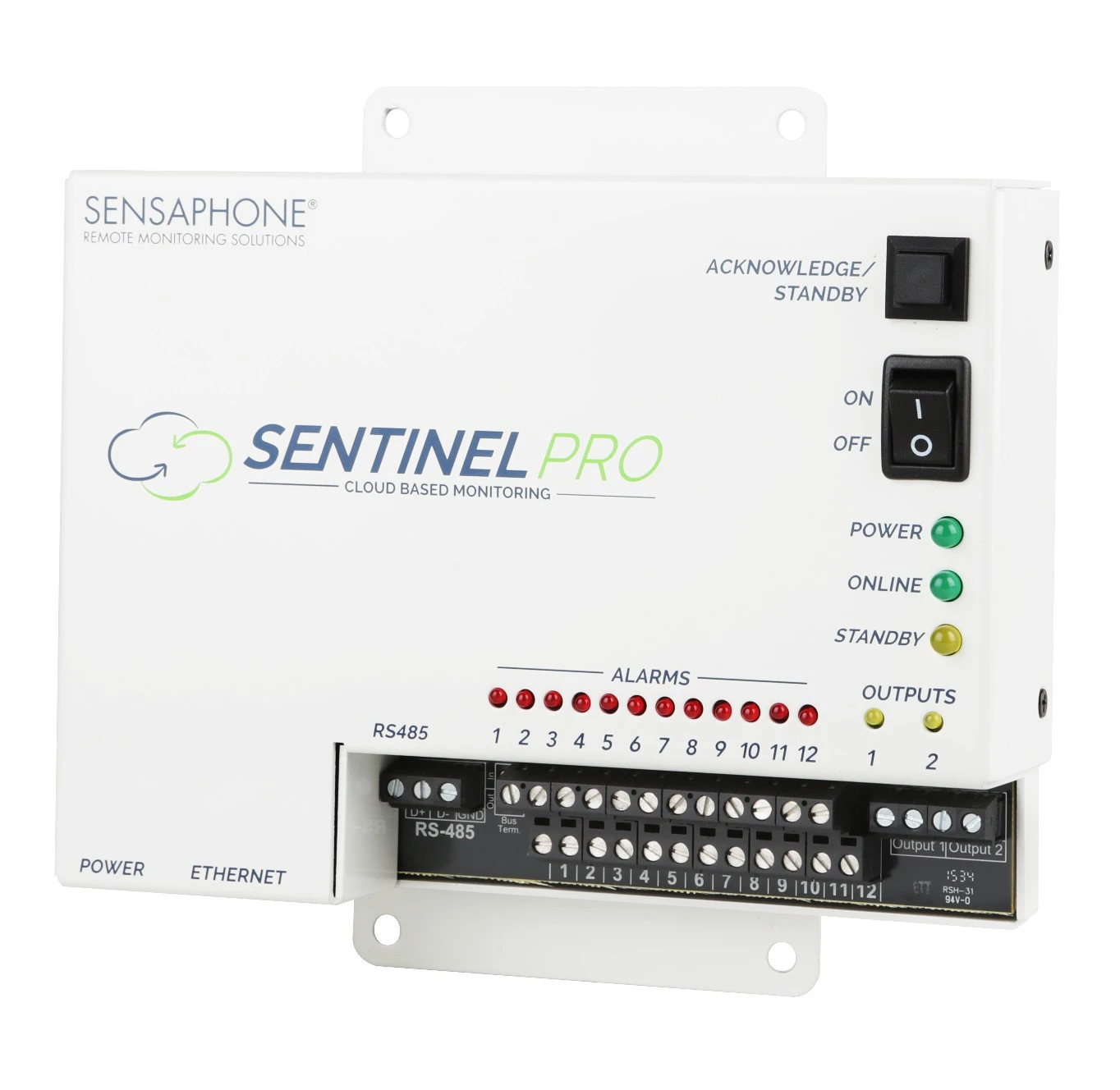
Sensaphone Sentinel and Sentinel PRO: What Buyers Need to Know About Moving Beyond Manual Temperature Logs
Sensaphone’s Sentinel and Sentinel PRO compared for regulated labs: what the 24/7 logging covers, which specifications and documents to confirm before an audit, and how pricing sits against LabX’s temperature monitoring category.
Nov 04, 2026
Product News
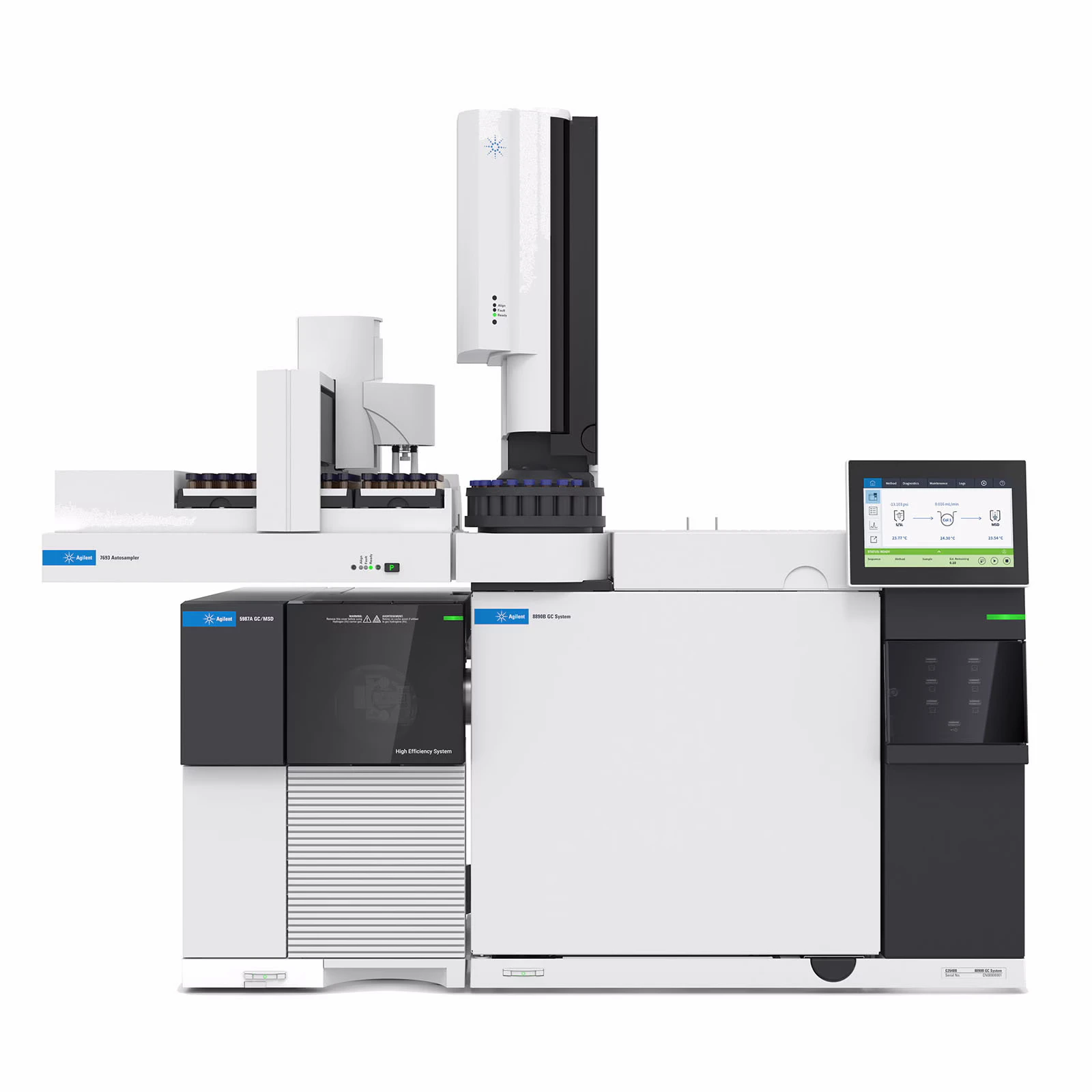
Agilent 5987A MSD: Should 5977-Series Labs Upgrade?
A spec-by-spec look at whether the 5987A’s 25% faster scanning, 10× dynamic range gain, and built-in GC Assist intelligence justify moving off the 5977 series — with LabX used-market context for current 5977A and 5977B owners.
Nov 02, 2026
Product News
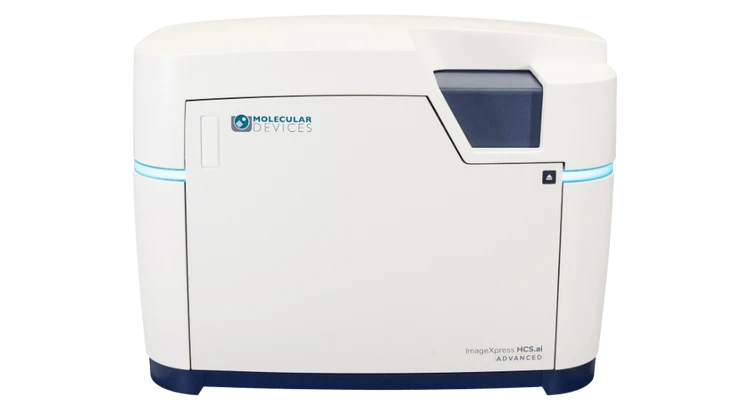
ImageXpress HCS.ai Advanced Duo: Dual-Camera HCS Upgrade for Drug Discovery Labs
Molecular Devices has launched the ImageXpress HCS.ai Advanced Duo, a dual-camera high-content screening system that adds simultaneous image acquisition and integrated screening analytics to the existing HCS.ai Advanced platform — this article breaks down what changes for buyers already operating in the category and whether the upgrade is warranted.
Oct 27, 2026
Product News
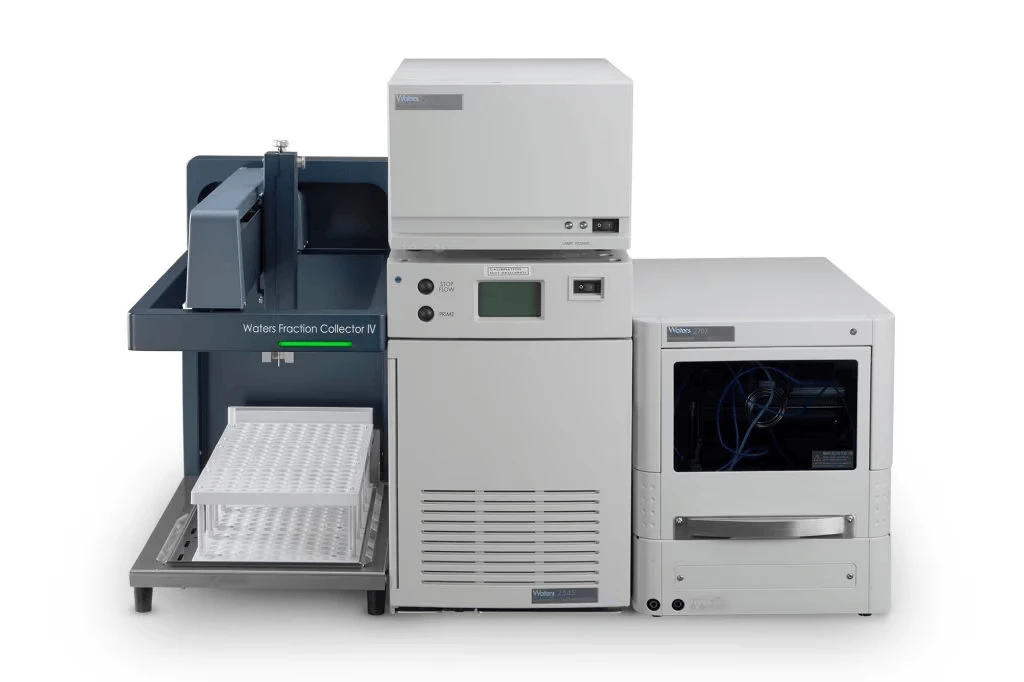
Waters Fraction Collector IV: More Capacity, More Formats for Prep LC Labs
Waters has launched the Fraction Collector IV, upgrading prep-scale purification with 50% more collection capacity, flow rates to 300 mL/min, and native control through Empower, MassLynx, and ChromScope software — here’s what buyers in pharma, biotech, and CRO labs need to evaluate before purchasing.
Oct 20, 2026
Product News
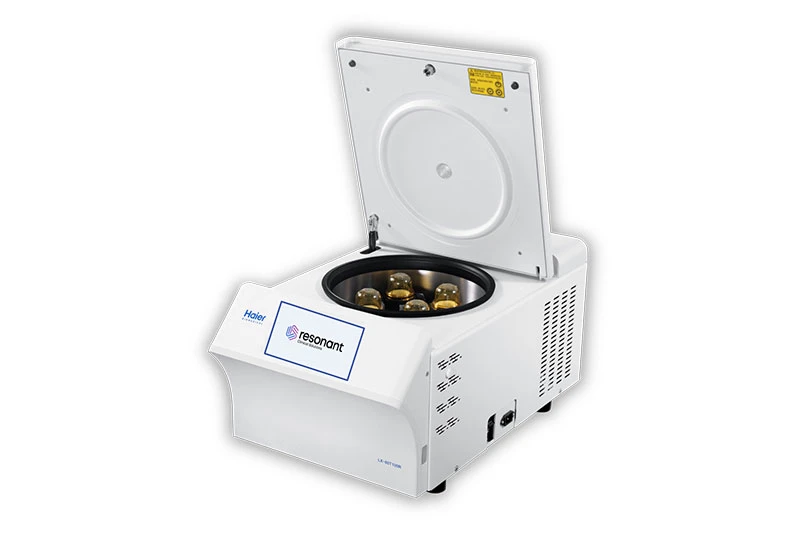
LX-60T100R Refrigerated Benchtop Centrifuge: F-Gas Compliance for Clinical Trials
A new hydrocarbon-cooled benchtop centrifuge purpose-built for clinical trial sample processing arrives with a GWP of ~3, 5-minute pre-cooling, and exclusive distribution through Resonant Clinical Solutions — giving procurement teams an F-gas-ready option well ahead of the 2028 EU regulatory deadline.
Oct 16, 2026
Product News
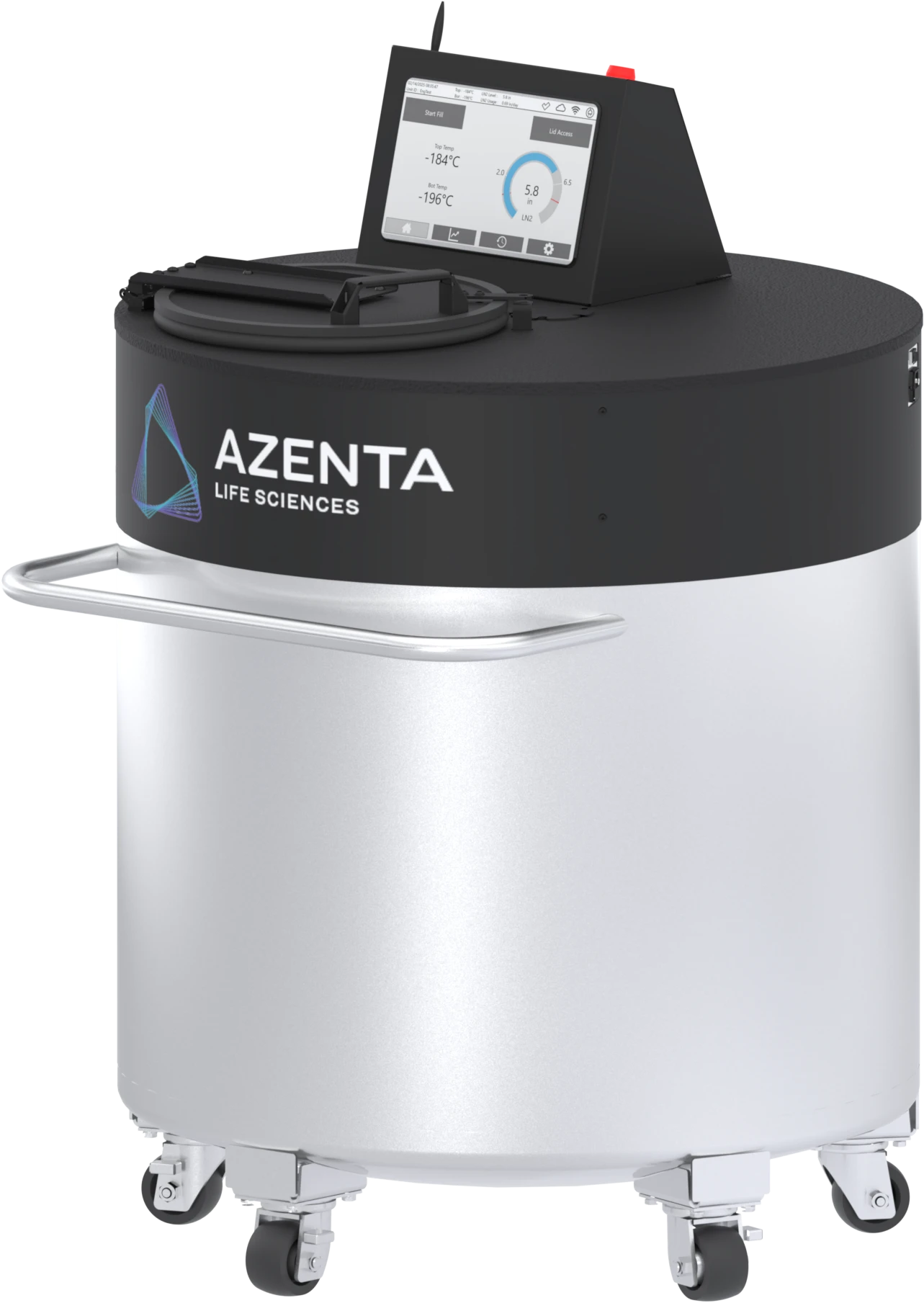
CryoArc Vita-76: Azenta’s High-Density Cryogenic Storage for IVF Clinics
Azenta Life Sciences has launched the CryoArc Vita-76, a cryogenic storage system that consolidates up to seven traditional dewars into a single footprint — this article covers specifications, how it compares in the clinical IVF storage market, and what fertility clinic buyers should evaluate before purchasing.
Sep 30, 2026
Product News
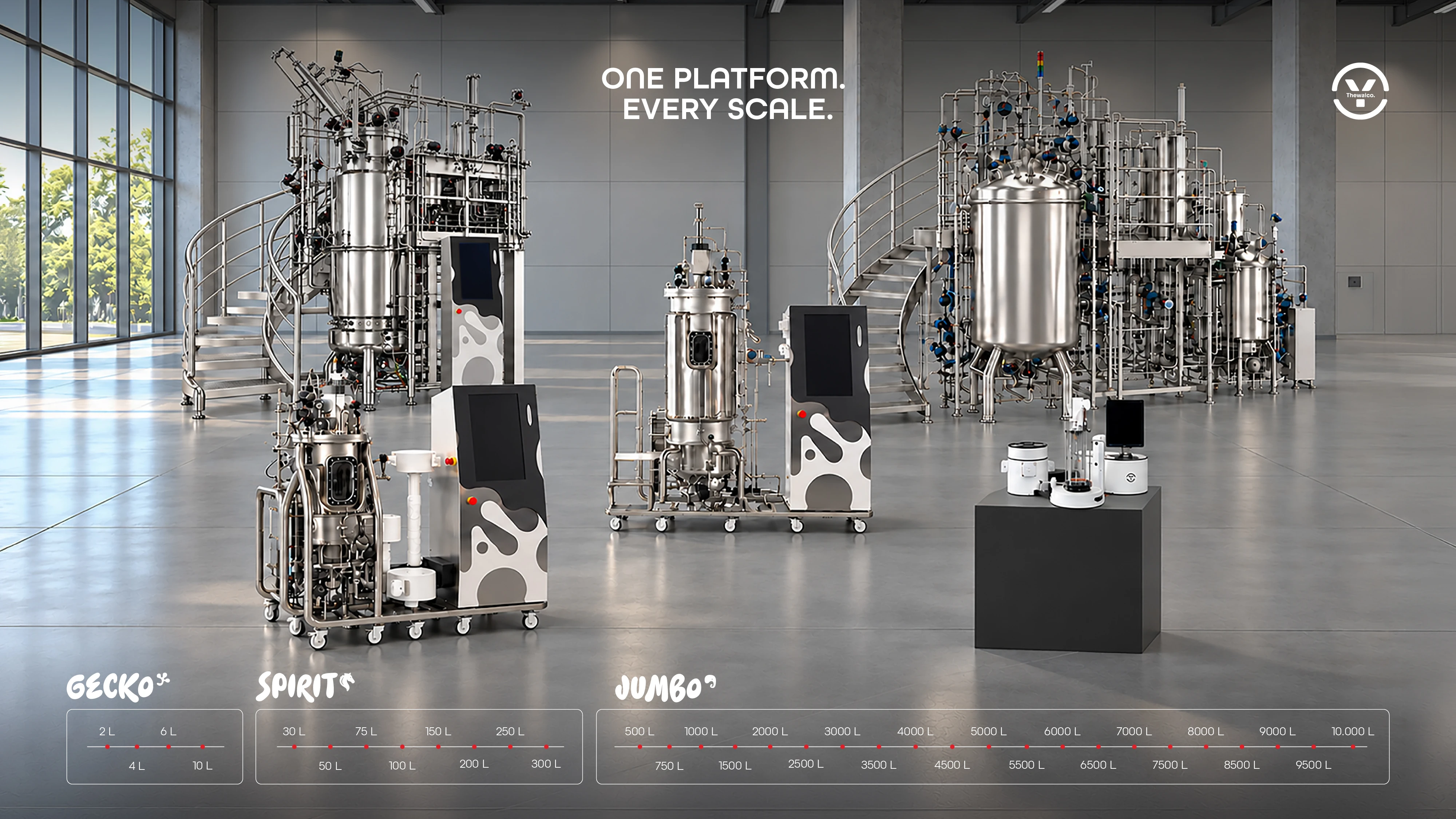
Thewaico Launches Integrated Bioreactor Platform to Solve Biomanufacturing Scale-Up
A new bioprocess company has emerged with three connected bioreactor platforms — spanning 2 L to 10,000+ L — and an AI-assisted control layer intended to eliminate the re-engineering step that derails most scale-up projects, alongside a direct-to-web pricing configurator.
Sep 28, 2026
Product News
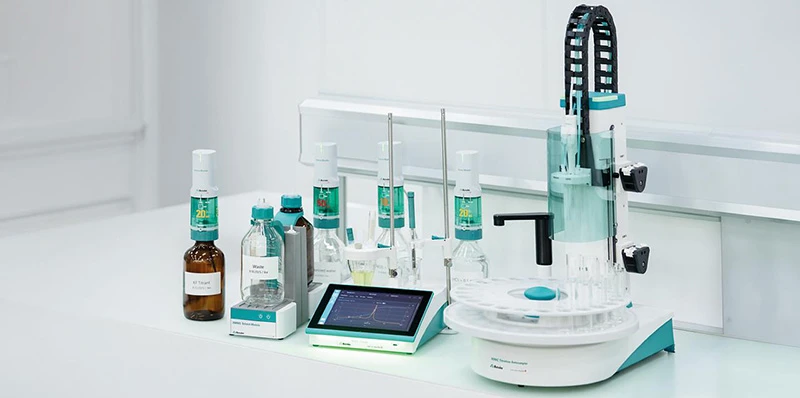
Metrohm USA Launches IONIC Titrator With Built-In Cloud Access
Metrohm USA's new IONIC Titrator pairs a 10-inch touchscreen with direct cloud connectivity, letting labs monitor and share titration data without a PC; here's how it's specced, priced, and positioned for buyers comparing standalone titrators.
Sep 23, 2026
Product News
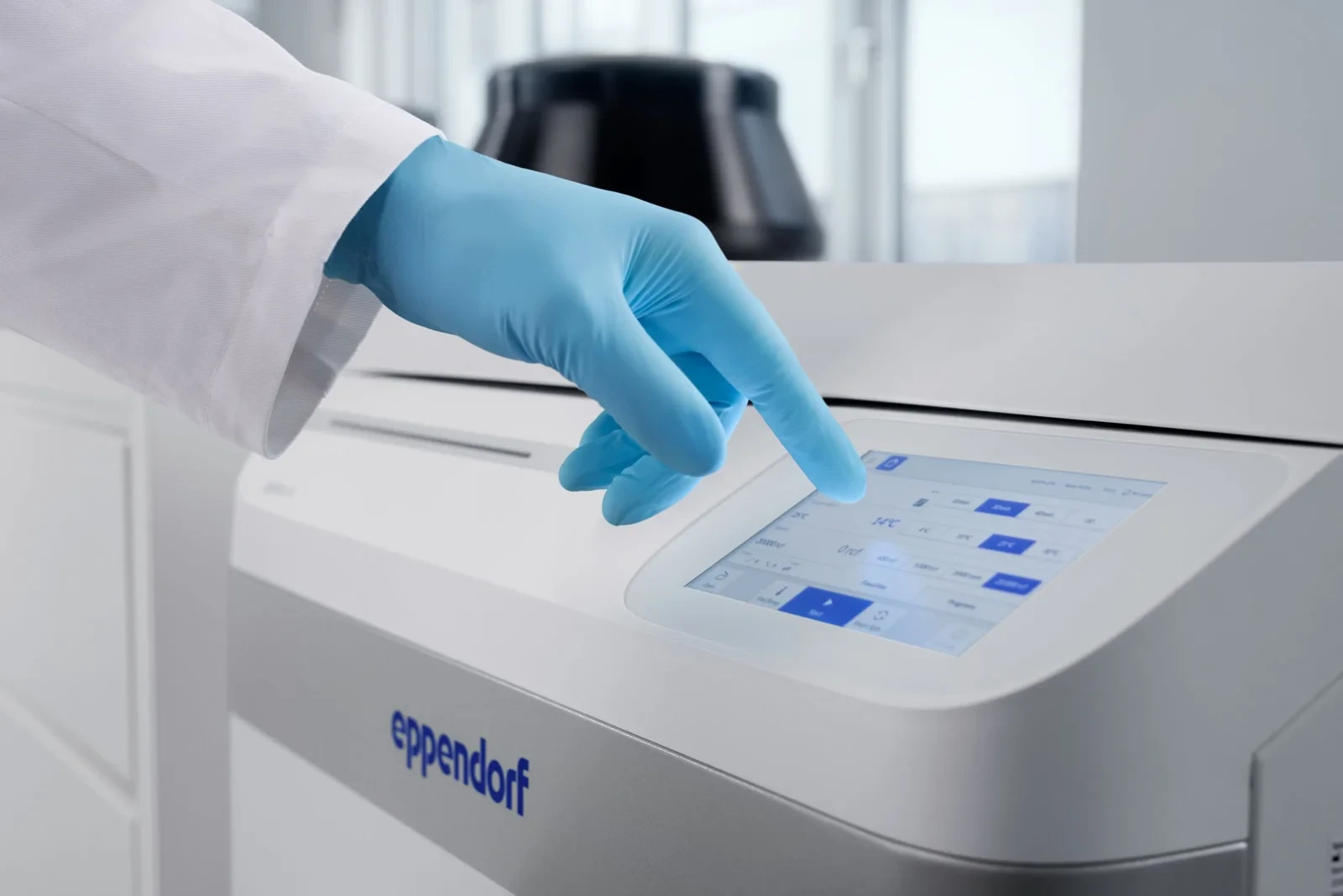
Eppendorf Introduces the SpinPro 8 R High-Speed Floor Centrifuge
Eppendorf's SpinPro 8 R floor-standing centrifuge launches with 6 L capacity, 35-rotor compatibility, CO₂-based refrigerant (GWP = 1), and AuditSafe documentation for pharma and biotech labs evaluating their next large-volume separation system.
Sep 22, 2026
Product News
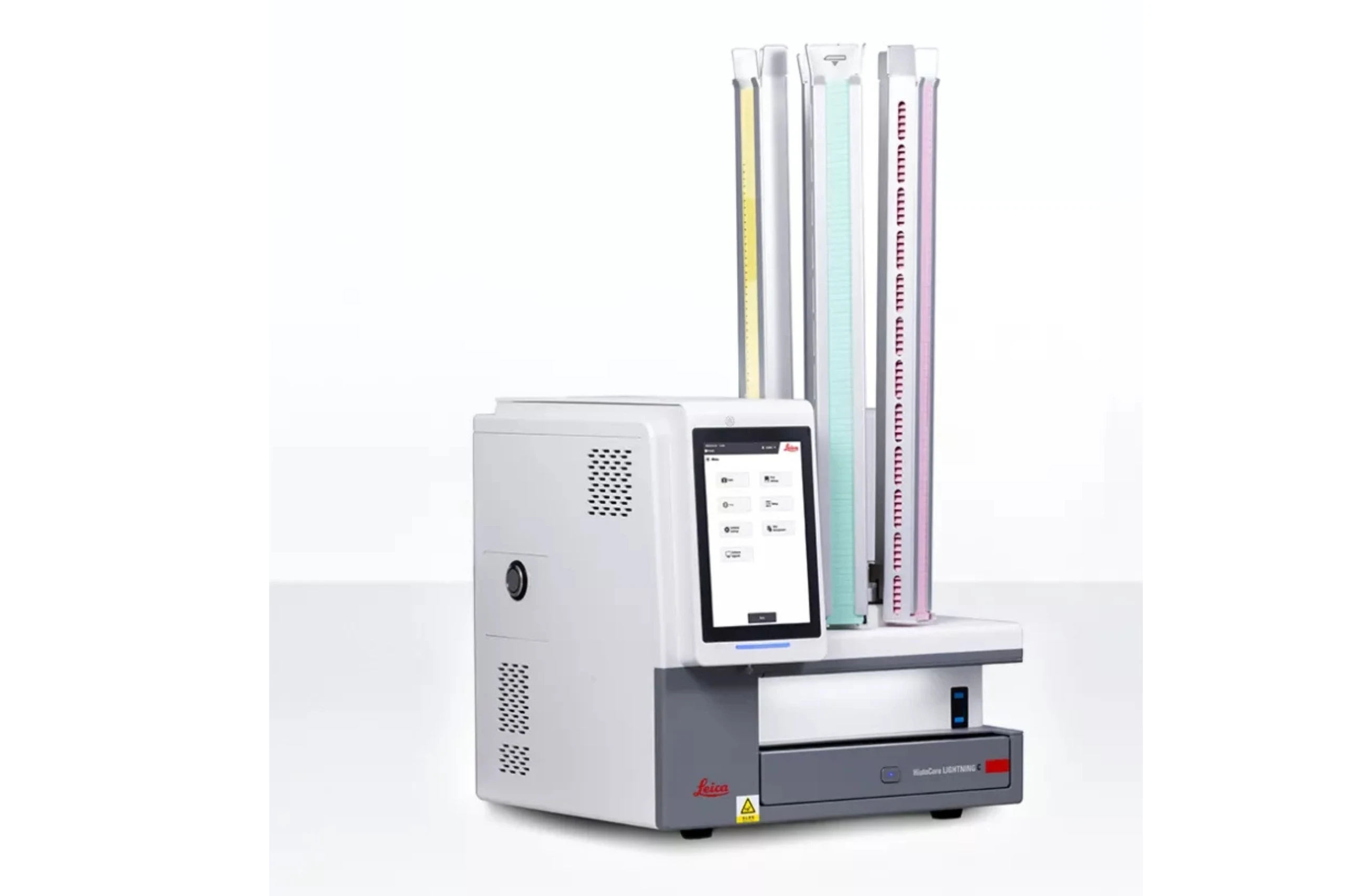
Leica Biosystems HistoCore LIGHTNING C Laser Cassette Printer: Speed and Traceability for High-Volume Histology Labs
Leica Biosystems' ink-free UV laser cassette printer delivers 2.5-second-per-cassette printing with 600-cassette capacity and LIS integration — what pathology lab buyers need to know before evaluating this system against their workflow needs and total cost of ownership.