
Biotech Fluidics Overhauls the DEGASi® Platform With Fifth-Gen Pumps, Error Detection, and a Fully Fluorine-Free Option

Written By: Sharon Dong
Published: Sep 11, 2026
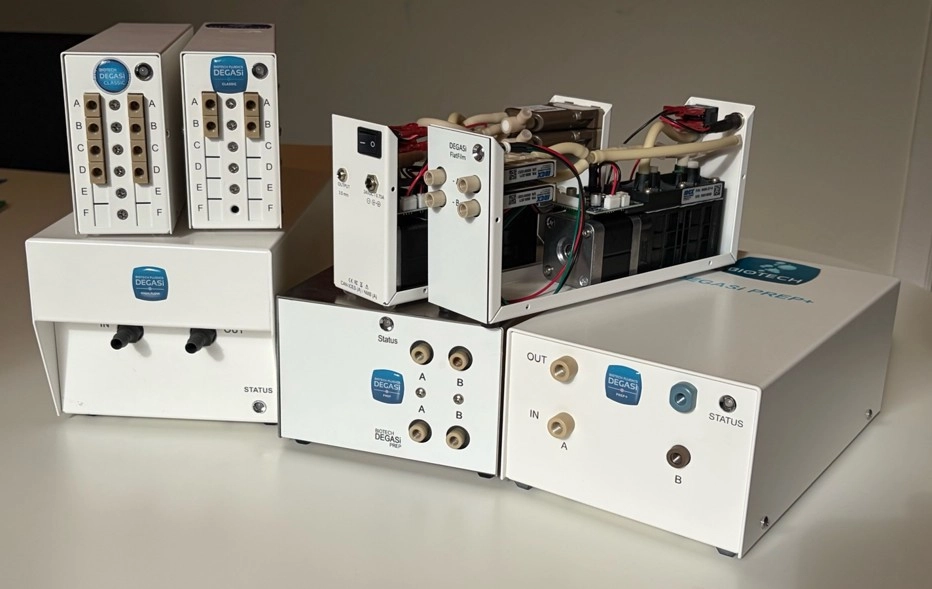
Biotech Fluidics has replaced its entire DEGASi® stand-alone inline degasser range with a new generation, the DEGASi® NG, which incorporates fifth-generation StabiliX™ vacuum pumps and a redesigned Degasser Vacuum Controller (DVC) across the platform. The rollout simultaneously retires several legacy product lines, including the entire DEGASi® Integration series and the DEGASi® BioCompact, and merges the DEGASi® Plus series directly into the NG family with all product numbers retained.
The timing is not incidental. With the European Chemicals Agency (ECHA) moving its Registration, Evaluation, Authorisation and Restriction of Chemicals (REACH) PFAS restriction proposal toward a final committee opinion expected by end of 2026, labs buying or specifying degassing hardware now face a credible near-term obligation to audit fluorinated materials in their flow paths. The DEGASi® LifeSci NG, built around a silicone membrane with no fluorinated wetted materials anywhere in the flow path, is Biotech Fluidics' direct answer to that procurement pressure.
6 figures frame the DEGASi® NG platform decision
- Flow rate coverage (full platform range): 25 µL/min to 1 L/min across the DEGASi® NG family, accommodating applications from nano-LC to preparative-scale work.
- Service life improvement: Approximately 30% longer than prior-generation units, attributable to the fifth-generation StabiliX™ pump design and closed-loop vacuum regulation.
- PFAS reduction (FlatFilm NG vs. tubular degassers): One-tenth the PFAS content of conventional tubular membrane designs, per Biotech Fluidics' published specifications.
- PFAS content (LifeSci NG): Zero wetted fluorinated materials; silicone membrane throughout the flow path, exclusively for aqueous solutions at neutral pH.
- Acoustic profile: Reduced relative to prior-generation units; the StabiliX™ pump is specifically cited for quieter operation, particularly relevant for open-plan labs and instrument-dense benches.
- Models at launch: Six optimized configurations covering analytical, life science, gel permeation chromatography (GPC)/organic solvent, flat-film, preparative, and semi-preparative workflows.
Buyer's note: Existing DEGASi® Plus users will find the transition largely transparent, as Biotech Fluidics has retained external housing dimensions and all product numbers from the Plus series. Labs upgrading individual modules in a multi-instrument environment should confirm firmware and DVC compatibility with their current host system software before ordering, since the standardized error control output is a new electrical interface that older software may not be configured to receive.
How DEGASi® NG compares in the inline degasser category
The stand-alone inline degasser market divides broadly into two tiers: vacuum degassers bundled as proprietary modules within major high-performance liquid chromatography (HPLC) system platforms, and independent specialist units designed for original equipment manufacturer (OEM) integration or retrofit into any system brand. Biotech Fluidics occupies the specialist tier.
- System independence: Degassers built into major HPLC platform stacks are optimized for single-vendor workflows and typically require vendor service contracts. The DEGASi® NG is designed as a brand-agnostic standalone unit, giving labs the flexibility to upgrade degassing hardware without replacing or requalifying the broader HPLC system, a consideration that matters most for multi-vendor labs and instrument developers building custom systems.
- Error signaling: Established platforms in this category have historically relied on operator inspection or pump vacuum alarms for fault detection. The DEGASi® NG standardizes an automated error control output across all models, a hardware-level signal to host software rather than a visual indicator alone, which meaningfully reduces the risk of analytical runs proceeding on a failing degasser. Labs running unattended overnight sequences should weight this feature heavily.
- PFAS materials in the wetted path: Many inline degassers currently in service use fluorinated membrane tubing as the primary degassing element. The FlatFilm NG reduces this to one-tenth of conventional levels, while the LifeSci NG eliminates wetted fluorinated materials entirely. Instruments at the entry tier of the market typically do not offer either alternative. For labs in the EU operating under evolving REACH procurement guidance, this distinction is increasingly material to sourcing decisions.
- Acoustic performance and bench footprint: The NG platform retains the slim housing (230 × 56 × 107 mm) from the Plus series. Competing units at comparable flow rates frequently occupy larger footprints, and the compact form factor is a practical advantage in high-density instrument benches and stack configurations.
- OEM and custom integration: Biotech Fluidics offers open-frame OEM variants alongside the stand-alone units. Labs specifying degassers for instrument development programs, where physical and electrical integration constraints are more stringent, will find more configuration options here than with systems designed exclusively for benchtop laboratory use.
Purchasing considerations by lab type
Pharmaceutical QC and regulated GMP labs
The standardized error control output is a compliance-relevant feature for labs operating under Good Manufacturing Practice (GMP) or Good Laboratory Practice (GLP) frameworks. A degasser that silently underperforms introduces an undetected variable into validated methods. Procurement teams should evaluate whether current data acquisition software can log the error output signal and consider whether the NG platform's fault detection reduces the frequency of required system suitability checks. The LifeSci NG's completely fluorine-free wetted path may also simplify ESG and chemical inventory reporting where PFAS disclosure is becoming a procurement requirement.
Regulated-workflow notice: The DEGASi® NG platform has not been independently claimed as IVD-compliant or FDA 21 CFR Part 11-validated by the manufacturer in publicly available documentation. Labs in regulated environments should request a Declaration of Conformity, full material safety data for wetted components, and clarification on change control documentation before replacing a currently validated degasser with any NG model.
Life science and biotech instrument developers
The DEGASi® Analytic NG replaces the discontinued BioCompact with an improved degassing control system and the same metal-free, biocompatible flow path. Instrument developers integrating degassing into surface plasmon resonance (SPR), liquid handling, or microfluidic platforms should assess the open-frame OEM configuration for electrical and spatial fit. The closed-loop DVC with advanced leak detection also reduces field service risk for instruments deployed outside a controlled lab environment.
Environmental and food testing labs
These labs increasingly face institutional sustainability reporting requirements alongside growing PFAS contamination concerns in sample matrices. The DEGASi® LifeSci NG eliminates any fluorinated wetted material from the flow path entirely and is rated for aqueous solutions at 3–20 mL/min per channel, making it a direct candidate for labs running method development for PFAS in water, food, or biological matrices. Note that it is designed exclusively for neutral aqueous solutions and is not compatible with organic solvents at higher concentrations or pH conditions outside the neutral range.
Academic research and multi-instrument core facilities
The DEGASi® Plus product number continuity means existing purchase orders, laboratory information management system (LIMS) records, and calibration logs do not require immediate revision. Core facilities managing inventory across multiple HPLC systems from different vendors will find the NG platform's brand-agnostic design continues to serve mixed-instrument environments well. The ~30% service life extension reduces maintenance call frequency, an operational benefit in cost-recovery environments where instrument downtime has a direct revenue impact.
Evaluate the DEGASi® NG before your next service cycle
If your current degasser is approaching the end of its service life, or if your procurement team is beginning to flag PFAS-containing components in the instrument supply chain, the DEGASi® NG platform warrants evaluation before your next purchase decision. Contact Biotech Fluidics directly for model selection guidance based on your specific flow rates and solvent chemistry. Full product details and the complete NG range are available at biotechfluidics.com.
This article draws on a Biotech Fluidics press release dated September 6, 2026 and was created with the assistance of Generative AI and has undergone editorial review before publishing. LabX's editorial policy can be found here.
Nov 04, 2026
Product News
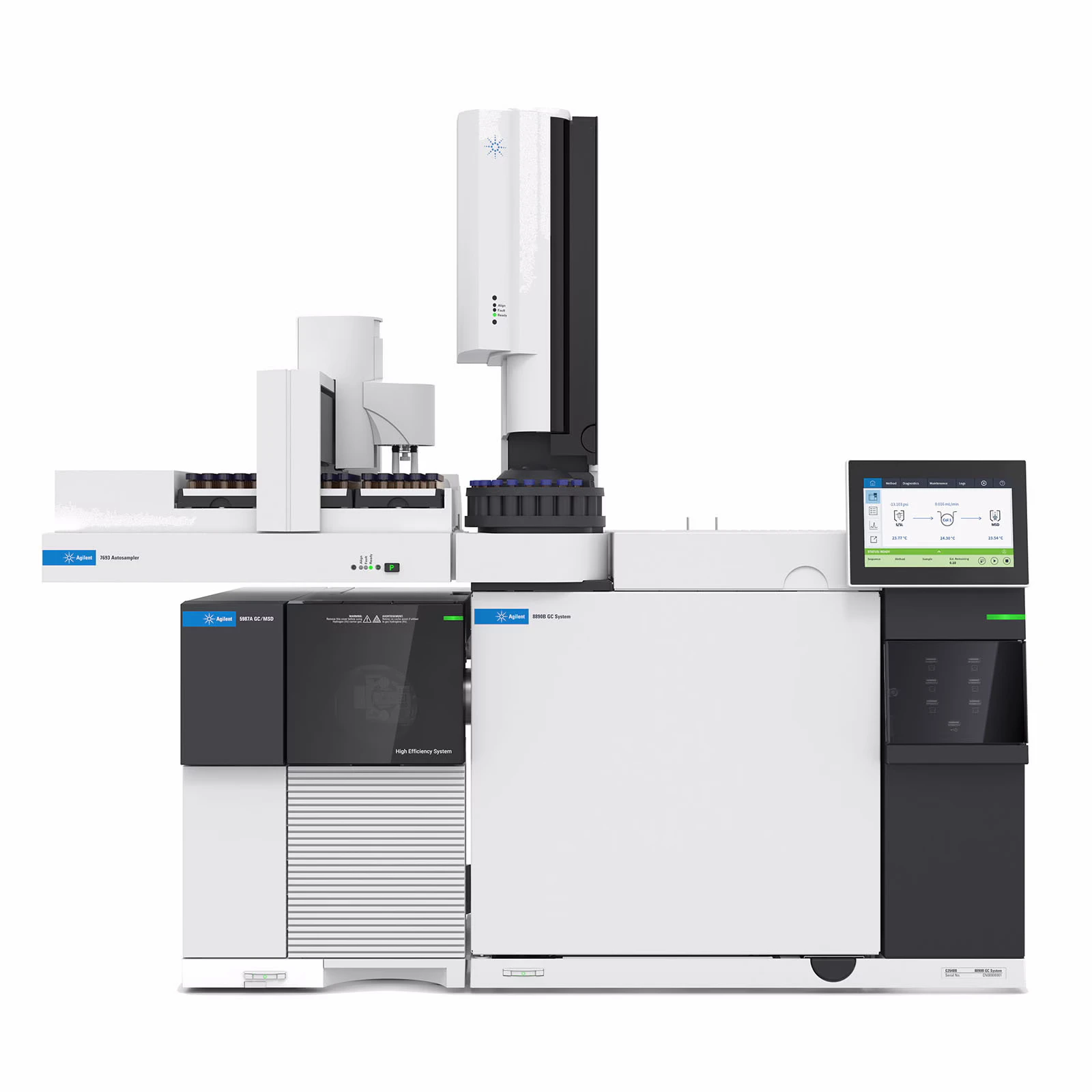
Agilent 5987A MSD: Should 5977-Series Labs Upgrade?
A spec-by-spec look at whether the 5987A’s 25% faster scanning, 10× dynamic range gain, and built-in GC Assist intelligence justify moving off the 5977 series — with LabX used-market context for current 5977A and 5977B owners.
Nov 02, 2026
Product News
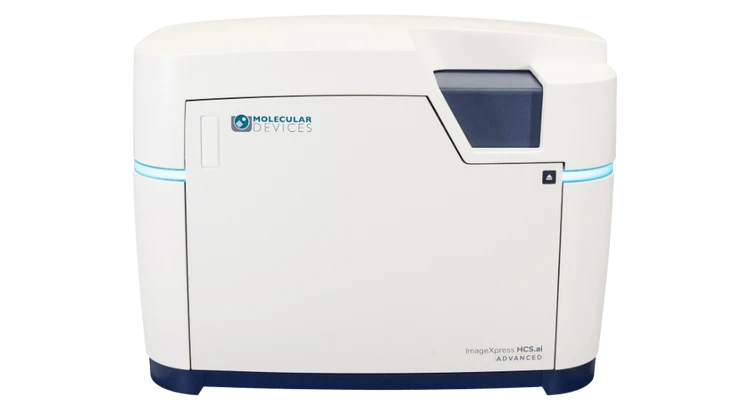
ImageXpress HCS.ai Advanced Duo: Dual-Camera HCS Upgrade for Drug Discovery Labs
Molecular Devices has launched the ImageXpress HCS.ai Advanced Duo, a dual-camera high-content screening system that adds simultaneous image acquisition and integrated screening analytics to the existing HCS.ai Advanced platform — this article breaks down what changes for buyers already operating in the category and whether the upgrade is warranted.
Oct 27, 2026
Product News
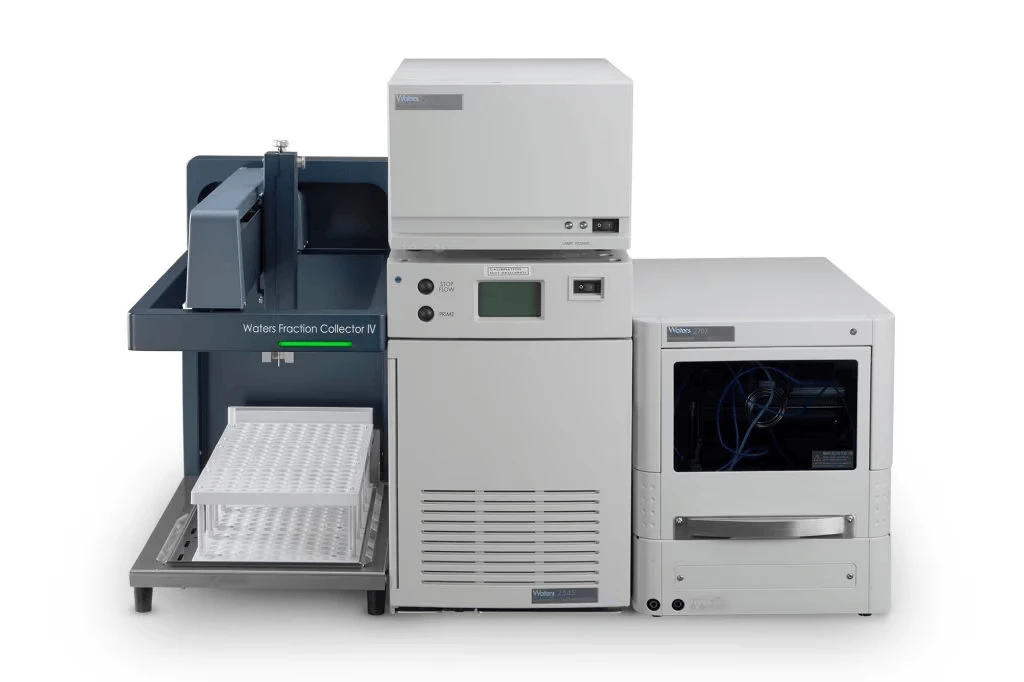
Waters Fraction Collector IV: More Capacity, More Formats for Prep LC Labs
Waters has launched the Fraction Collector IV, upgrading prep-scale purification with 50% more collection capacity, flow rates to 300 mL/min, and native control through Empower, MassLynx, and ChromScope software — here’s what buyers in pharma, biotech, and CRO labs need to evaluate before purchasing.
Oct 20, 2026
Product News
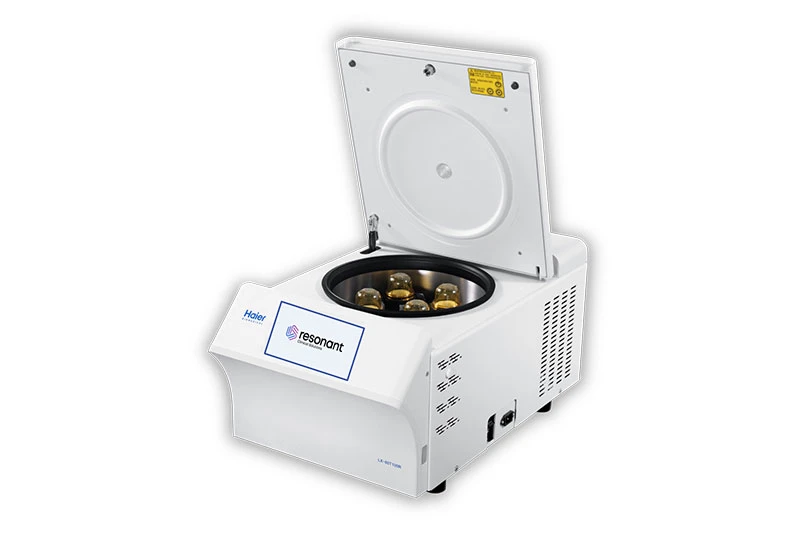
LX-60T100R Refrigerated Benchtop Centrifuge: F-Gas Compliance for Clinical Trials
A new hydrocarbon-cooled benchtop centrifuge purpose-built for clinical trial sample processing arrives with a GWP of ~3, 5-minute pre-cooling, and exclusive distribution through Resonant Clinical Solutions — giving procurement teams an F-gas-ready option well ahead of the 2028 EU regulatory deadline.
Oct 16, 2026
Product News
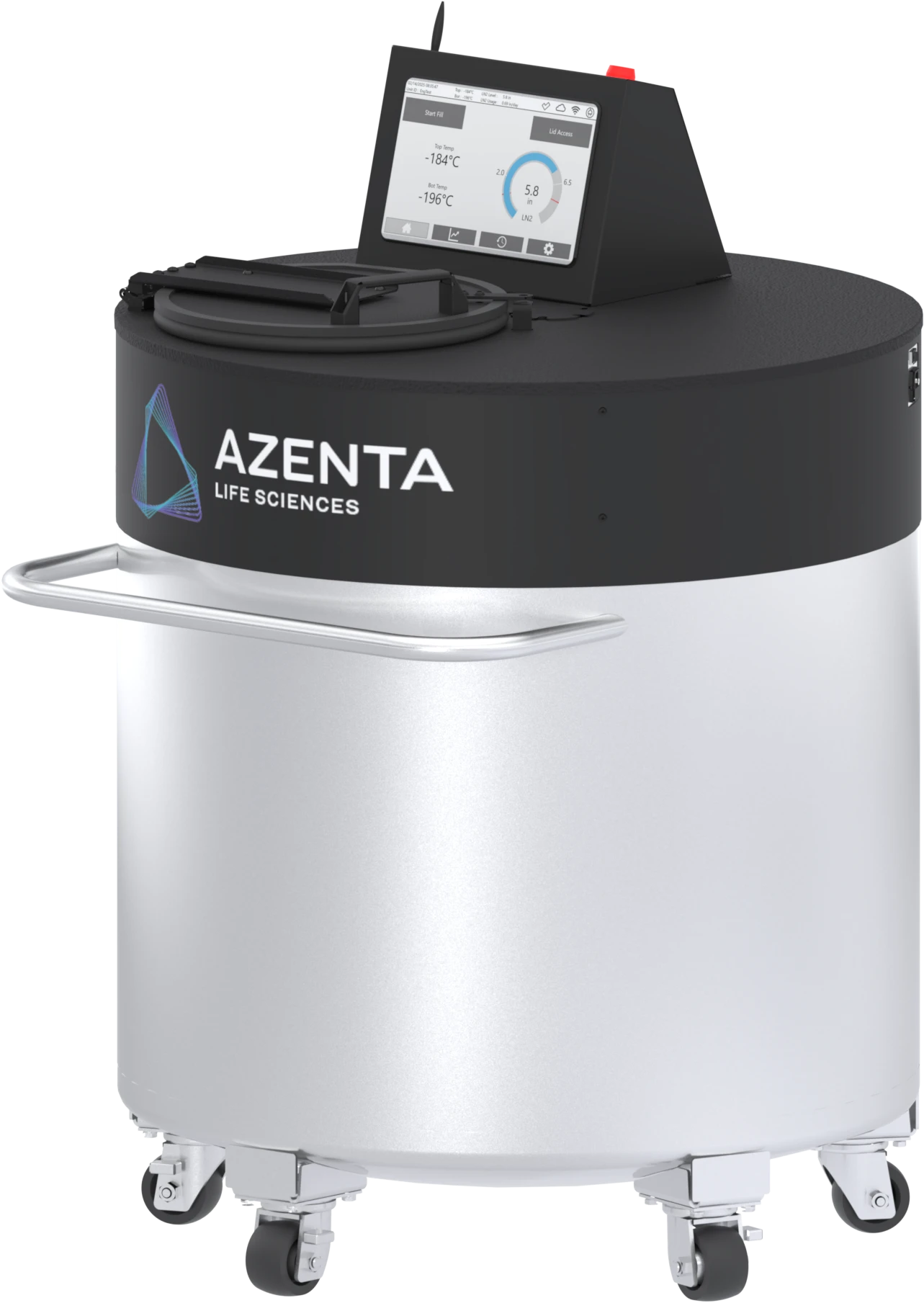
CryoArc Vita-76: Azenta’s High-Density Cryogenic Storage for IVF Clinics
Azenta Life Sciences has launched the CryoArc Vita-76, a cryogenic storage system that consolidates up to seven traditional dewars into a single footprint — this article covers specifications, how it compares in the clinical IVF storage market, and what fertility clinic buyers should evaluate before purchasing.
Sep 30, 2026
Product News
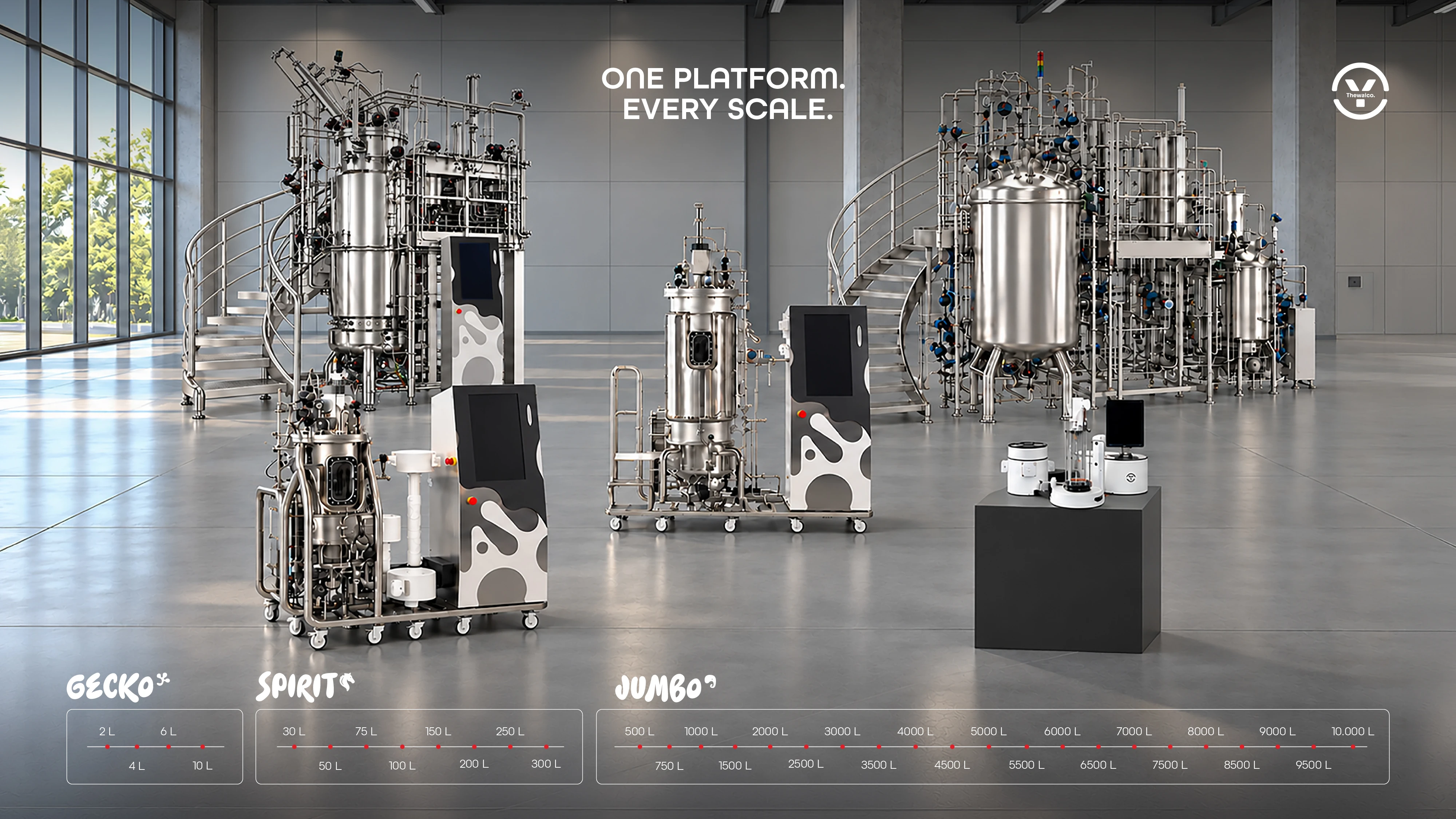
Thewaico Launches Integrated Bioreactor Platform to Solve Biomanufacturing Scale-Up
A new bioprocess company has emerged with three connected bioreactor platforms — spanning 2 L to 10,000+ L — and an AI-assisted control layer intended to eliminate the re-engineering step that derails most scale-up projects, alongside a direct-to-web pricing configurator.
Sep 28, 2026
Product News
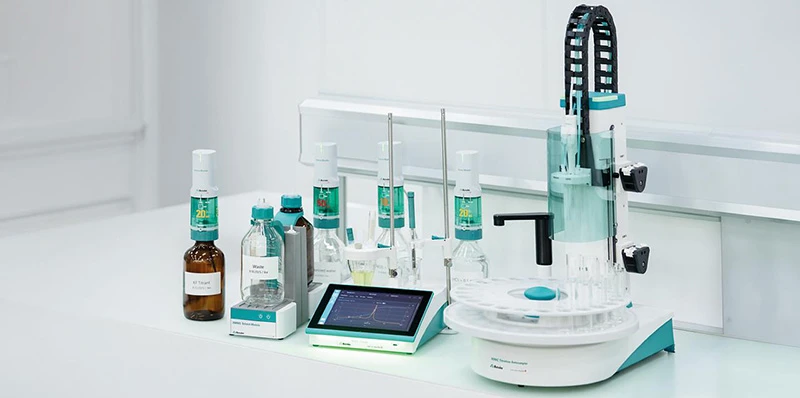
Metrohm USA Launches IONIC Titrator With Built-In Cloud Access
Metrohm USA's new IONIC Titrator pairs a 10-inch touchscreen with direct cloud connectivity, letting labs monitor and share titration data without a PC; here's how it's specced, priced, and positioned for buyers comparing standalone titrators.
Sep 23, 2026
Product News
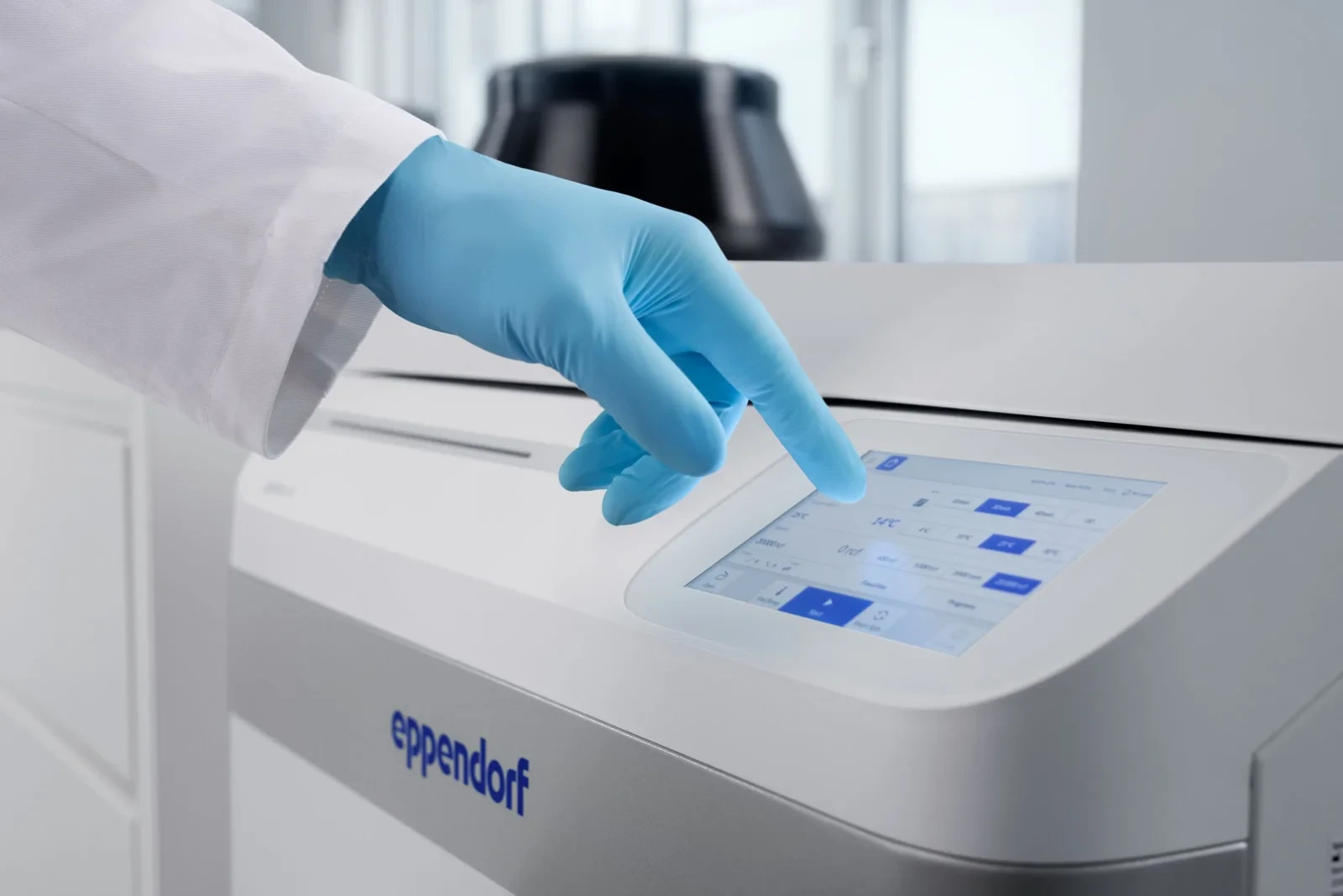
Eppendorf Introduces the SpinPro 8 R High-Speed Floor Centrifuge
Eppendorf's SpinPro 8 R floor-standing centrifuge launches with 6 L capacity, 35-rotor compatibility, CO₂-based refrigerant (GWP = 1), and AuditSafe documentation for pharma and biotech labs evaluating their next large-volume separation system.
Sep 22, 2026
Product News
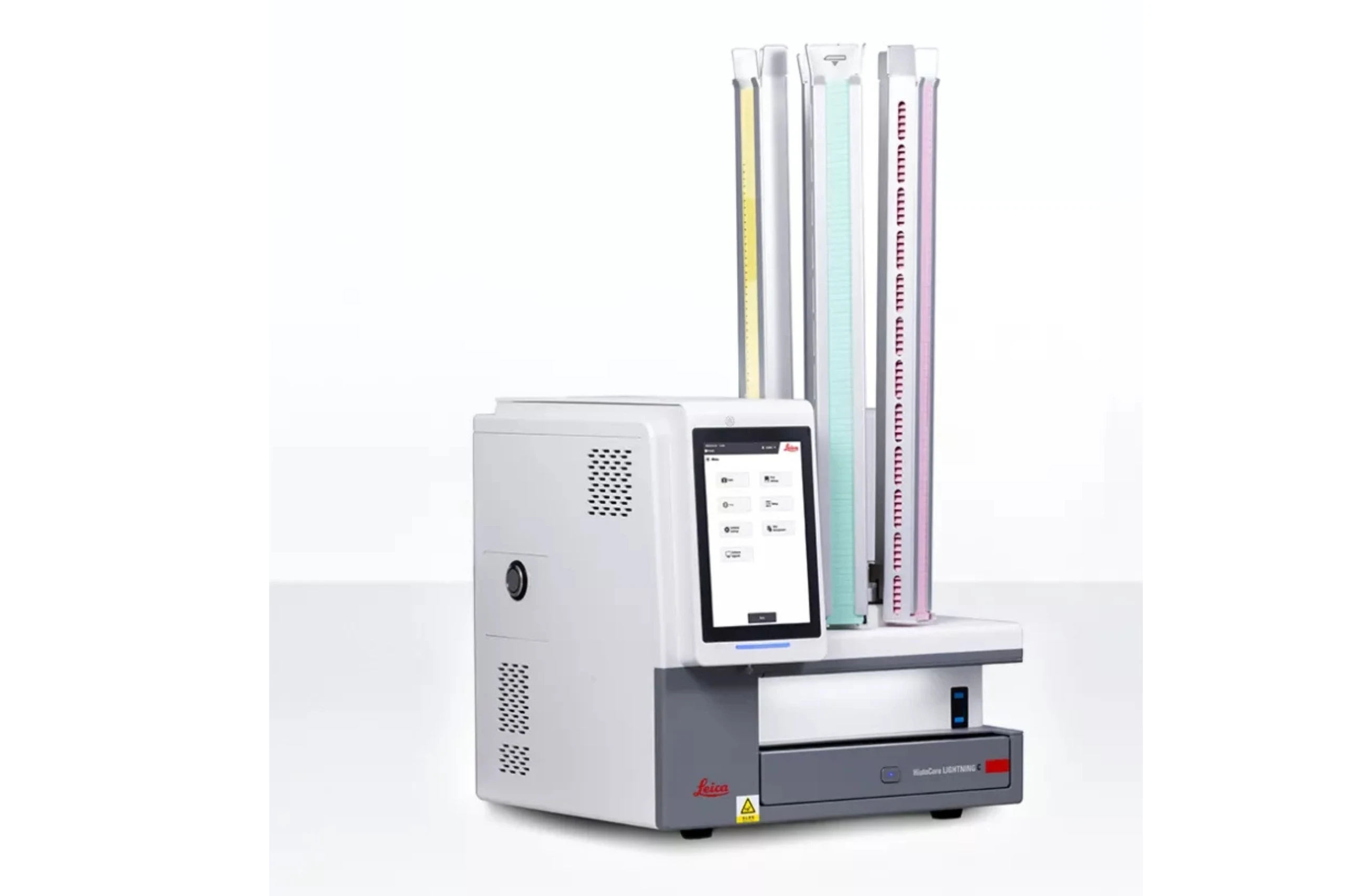
Leica Biosystems HistoCore LIGHTNING C Laser Cassette Printer: Speed and Traceability for High-Volume Histology Labs
Leica Biosystems' ink-free UV laser cassette printer delivers 2.5-second-per-cassette printing with 600-cassette capacity and LIS integration — what pathology lab buyers need to know before evaluating this system against their workflow needs and total cost of ownership.

Sep 17, 2026
Product News
Yamato Scientific America moves into life sciences with multi-technology partnership portfolio
Yamato Scientific America is entering the life sciences market through technology partnerships covering live-cell imaging, circulating tumor cell enrichment, and single-cell isolation — here is what buyers should evaluate before engaging.