
Expanding Applications of Droplet Digital™ PCR

Written By: Damon Anderson, PhD
Published: May 21, 2026
Expanding Applications of Droplet Digital™ PCR
Droplet Digital™ PCR (ddPCR™) has become a transformative technology in modern molecular biology, diagnostics, and therapeutic development. The continued growth of ddPCR applications is driven by several core performance advantages:
- Absolute quantification without standard curves
- Ultra-sensitive rare target detection
- Strong reproducibility
- Improved inhibitor tolerance
- High precision for low-copy-number targets
- Reliable endpoint PCR analysis
Rare Mutation Detection and Liquid Biopsy
One of the most widely adopted applications of ddPCR, rare mutation detection, is often difficult to detect using traditional qPCR methods, due to their low prevalence and varying abundance. Common ddPCR applications include:
- Liquid biopsy analysis
- Minimal residual disease (MRD) monitoring
- Cancer mutation tracking
- Therapy response monitoring
- Longitudinal biomarker studies
Because ddPCR technology offers strong sensitivity and precise absolute quantification, it is especially valuable for tracking known mutations over time.
Copy Number Variation (CNV) Analysis
Copy number variation analysis is another major application of ddPCR technology. Systems can be used to measure gene amplifications and deletions with high precision across a wide range of workflows, including:
- Cancer genomics
- Inherited disease research
- Cell line characterization
- Genetic disorder studies
- Transgene quantification
Unlike relative quantification methods, ddPCR delivers direct molecular counts, helping reduce variability and improving confidence in low-level copy number differences.
Viral Load and Viral Titer Quantification
The technology is widely used for viral quantification in both research and biopharmaceutical environments. Major ddPCR viral analysis applications include:
- Viral load testing
- Vaccine development
- Lentiviral vector quantification
- AAV viral titer analysis
- Infectious disease research
- Gene therapy manufacturing support
Systems are particularly useful when working with low-titer or inhibitor-heavy samples.
Cell and Gene Therapy Applications
Cell and gene therapy development has become one of the fastest-growing application areas for ddPCR systems. Laboratories working in advanced therapeutics use ddPCR for:
- Vector copy number determination
- Residual plasmid detection
- CAR-T characterization
- Genome editing verification
- Transgene quantification
- Batch consistency monitoring
These workflows demand highly reproducible quantification and reliable assay performance across studies and manufacturing lots.
Gene Expression Analysis
Gene expression studies often require precise quantification of low-abundance RNA transcripts. ddPCR technology is increasingly being used for:
- RNA sequencing validation
- Biomarker analysis
- Low-expression transcript quantification
- Focused gene expression studies
- Targeted molecular assays
Because ddPCR workflows provide strong reproducibility and endpoint quantification, they are particularly valuable when small expression differences are biologically meaningful.
SNP Genotyping and Molecular Profiling
Probe-based ddPCR assays can discriminate between closely related nucleic acid sequences, making the technology useful for:
- SNP genotyping
- Allelic discrimination
- Pharmacogenomics research
- Mutation confirmation
- Molecular profiling studies
The high specificity allows laboratories to confidently differentiate single nucleotide variations within complex samples.
CRISPR and Gene Editing Validation
As CRISPR and genome engineering workflows continue to expand, ddPCR has emerged as an important orthogonal validation tool. Common gene editing applications include:
- Knock-in verification
- Knock-out quantification
- CRISPR edit confirmation
- Off-target assessment
- Genome editing efficiency analysis
Laboratories use ddPCR alongside next-generation sequencing (NGS) workflows for validation and quantification purposes.
Take a deeper look at Droplet Digital PCR technology and key aspects to consider when implementing ddPCR in your laboratory.
Nov 04, 2026
Product News
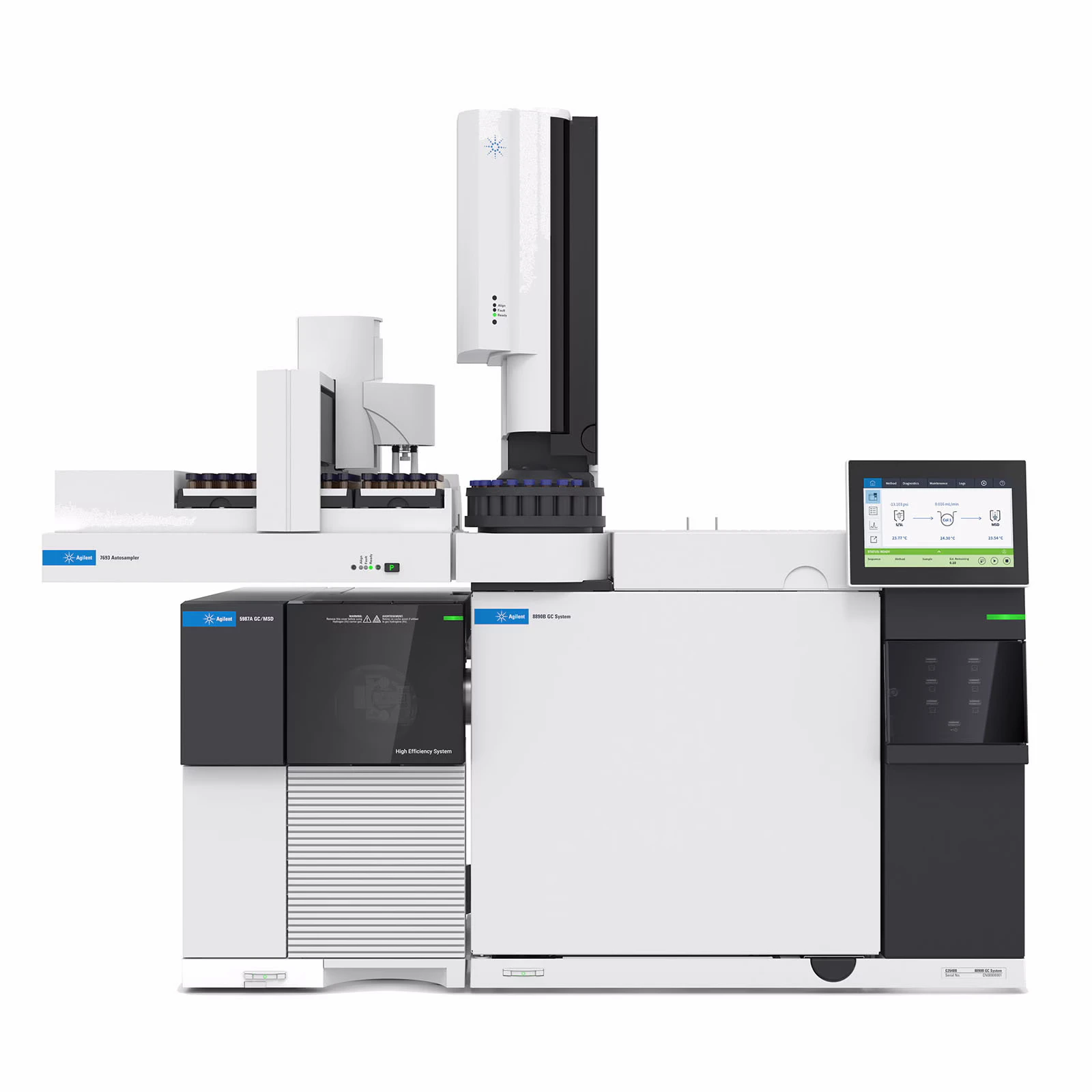
Agilent 5987A MSD: Should 5977-Series Labs Upgrade?
A spec-by-spec look at whether the 5987A’s 25% faster scanning, 10× dynamic range gain, and built-in GC Assist intelligence justify moving off the 5977 series — with LabX used-market context for current 5977A and 5977B owners.
Nov 02, 2026
Product News
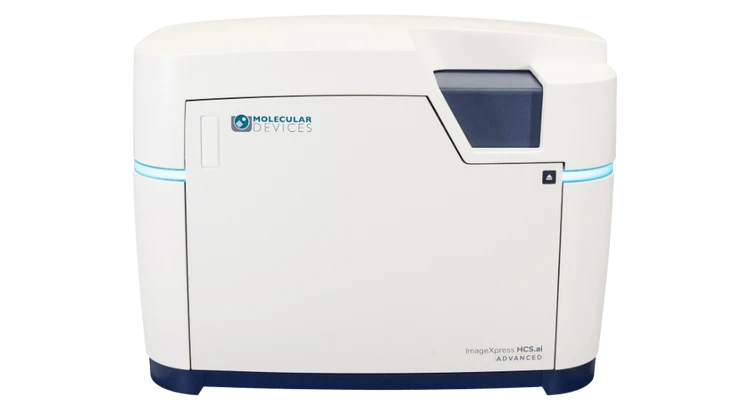
ImageXpress HCS.ai Advanced Duo: Dual-Camera HCS Upgrade for Drug Discovery Labs
Molecular Devices has launched the ImageXpress HCS.ai Advanced Duo, a dual-camera high-content screening system that adds simultaneous image acquisition and integrated screening analytics to the existing HCS.ai Advanced platform — this article breaks down what changes for buyers already operating in the category and whether the upgrade is warranted.
Oct 27, 2026
Product News
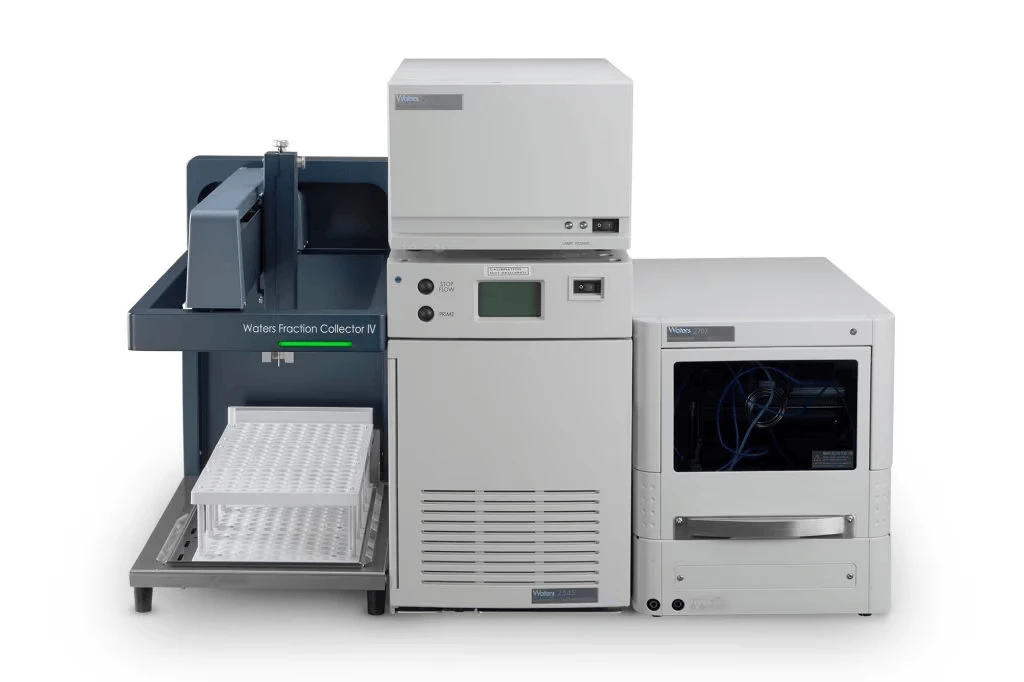
Waters Fraction Collector IV: More Capacity, More Formats for Prep LC Labs
Waters has launched the Fraction Collector IV, upgrading prep-scale purification with 50% more collection capacity, flow rates to 300 mL/min, and native control through Empower, MassLynx, and ChromScope software — here’s what buyers in pharma, biotech, and CRO labs need to evaluate before purchasing.
Oct 20, 2026
Product News
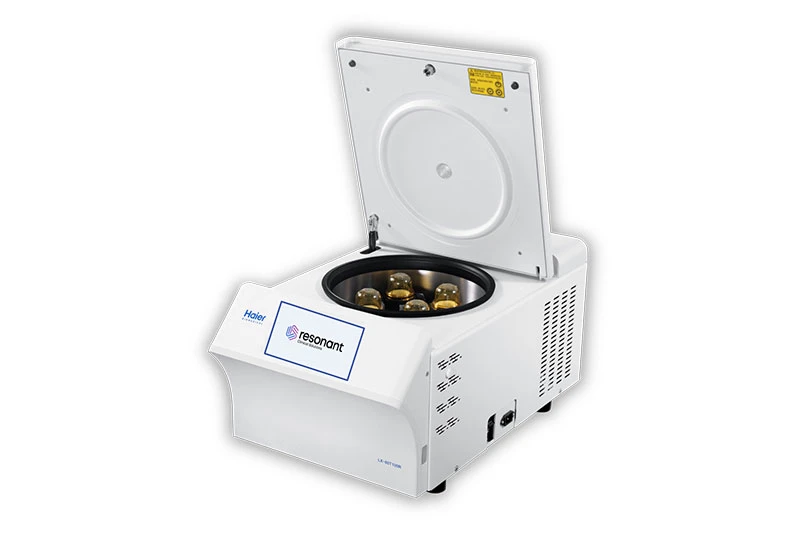
LX-60T100R Refrigerated Benchtop Centrifuge: F-Gas Compliance for Clinical Trials
A new hydrocarbon-cooled benchtop centrifuge purpose-built for clinical trial sample processing arrives with a GWP of ~3, 5-minute pre-cooling, and exclusive distribution through Resonant Clinical Solutions — giving procurement teams an F-gas-ready option well ahead of the 2028 EU regulatory deadline.
Oct 16, 2026
Product News
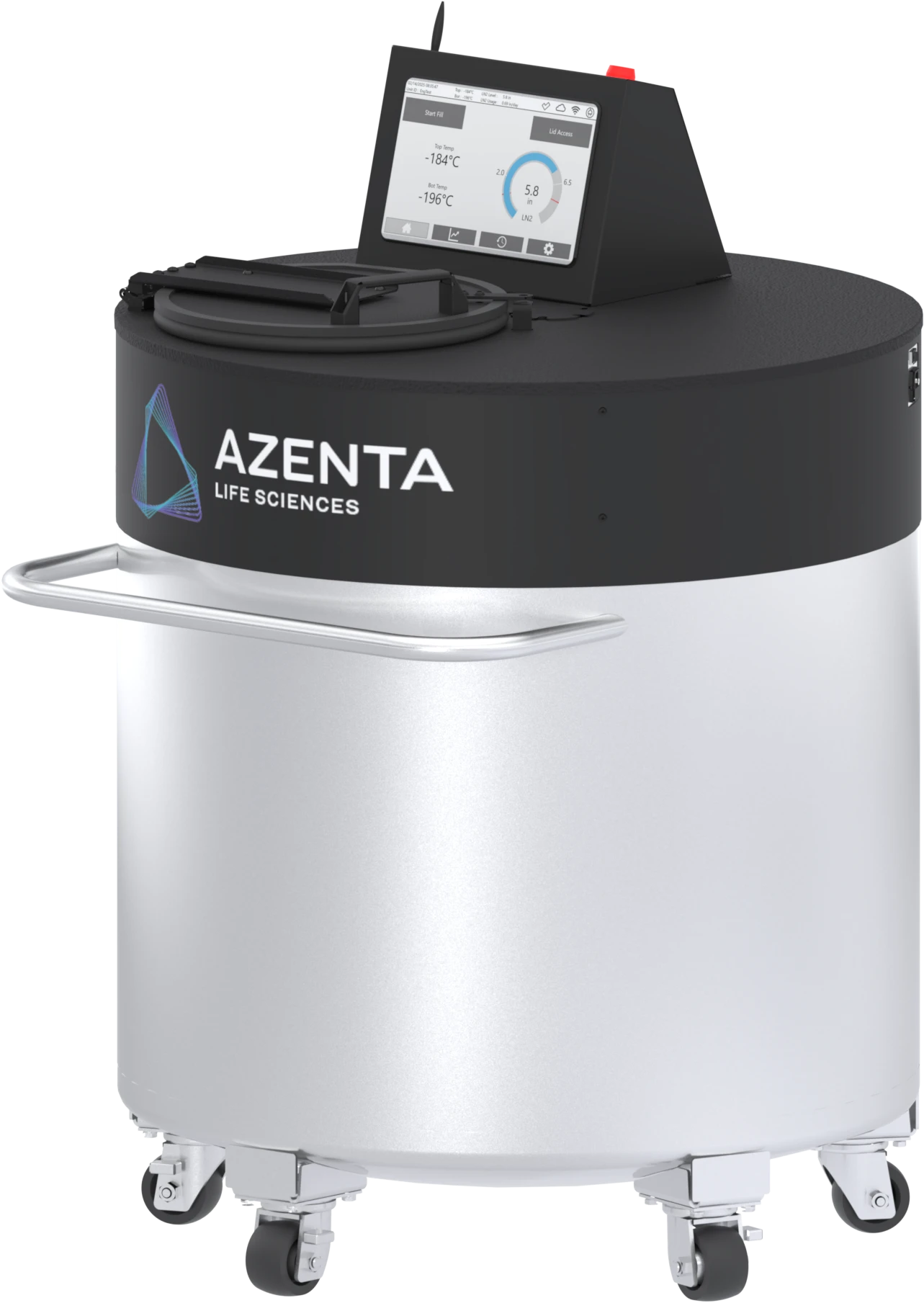
CryoArc Vita-76: Azenta’s High-Density Cryogenic Storage for IVF Clinics
Azenta Life Sciences has launched the CryoArc Vita-76, a cryogenic storage system that consolidates up to seven traditional dewars into a single footprint — this article covers specifications, how it compares in the clinical IVF storage market, and what fertility clinic buyers should evaluate before purchasing.
Sep 30, 2026
Product News
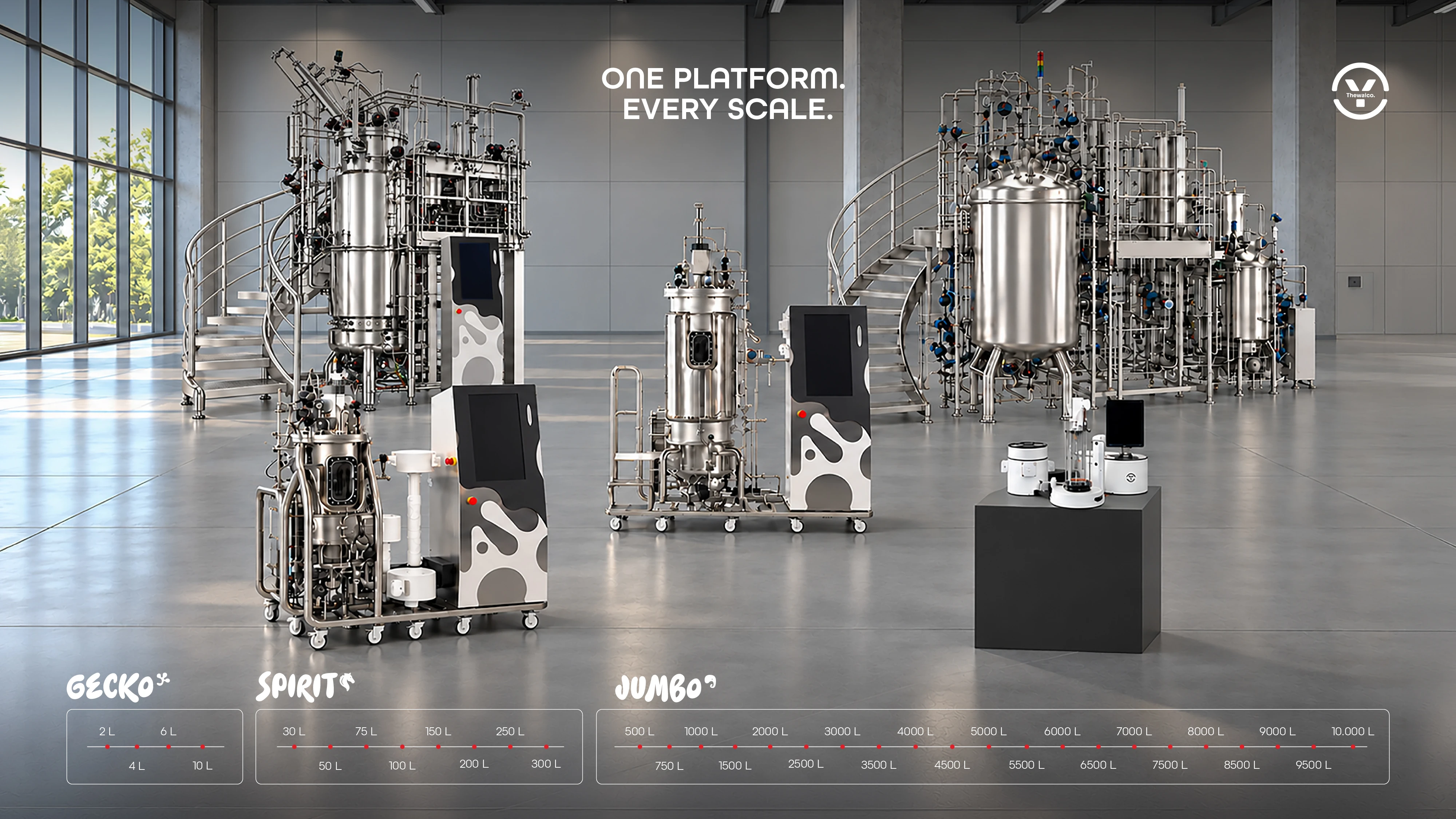
Thewaico Launches Integrated Bioreactor Platform to Solve Biomanufacturing Scale-Up
A new bioprocess company has emerged with three connected bioreactor platforms — spanning 2 L to 10,000+ L — and an AI-assisted control layer intended to eliminate the re-engineering step that derails most scale-up projects, alongside a direct-to-web pricing configurator.
Sep 28, 2026
Product News
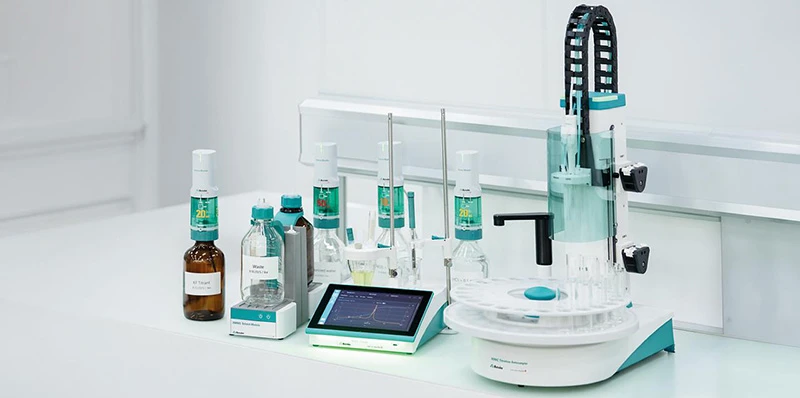
Metrohm USA Launches IONIC Titrator With Built-In Cloud Access
Metrohm USA's new IONIC Titrator pairs a 10-inch touchscreen with direct cloud connectivity, letting labs monitor and share titration data without a PC; here's how it's specced, priced, and positioned for buyers comparing standalone titrators.
Sep 23, 2026
Product News
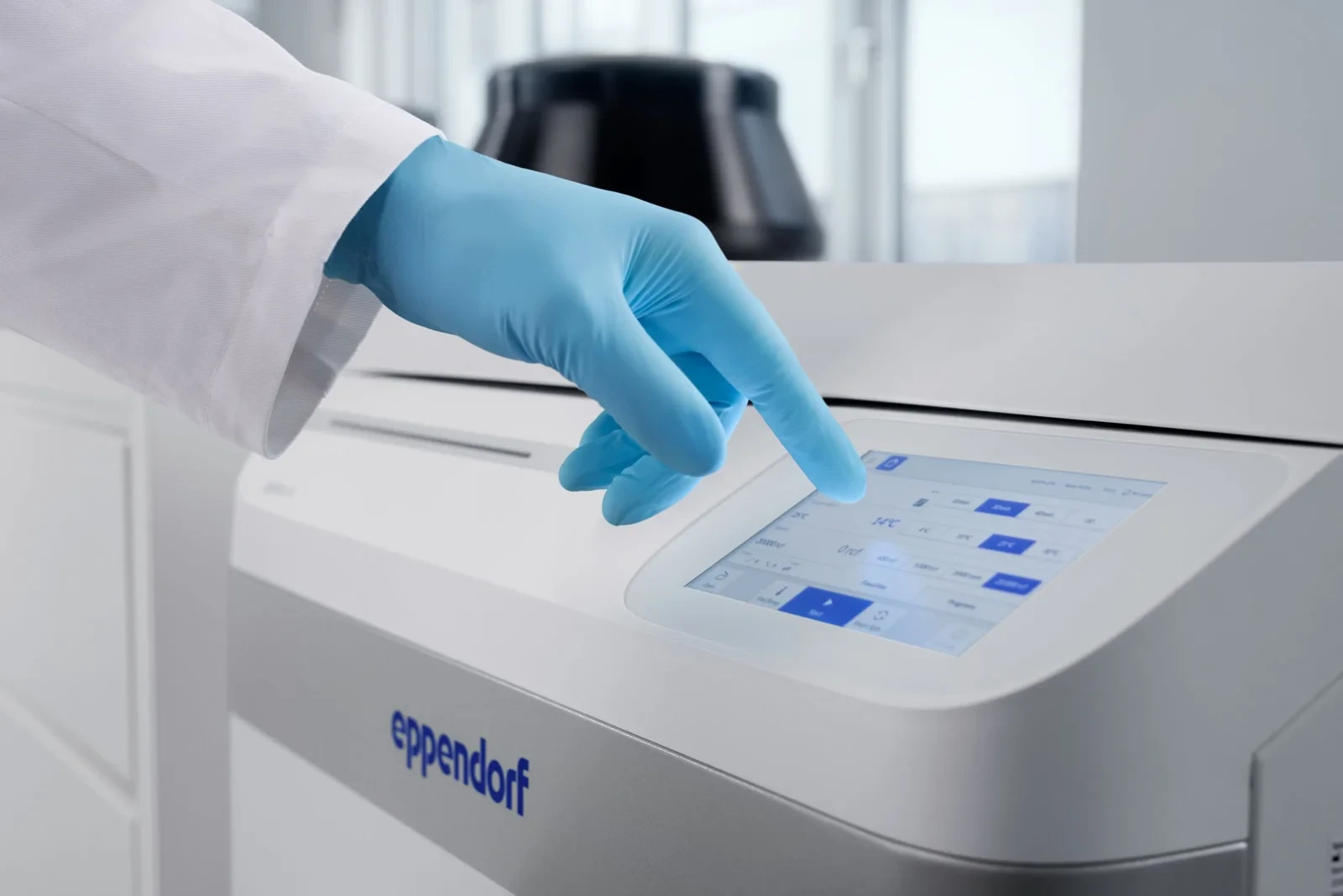
Eppendorf Introduces the SpinPro 8 R High-Speed Floor Centrifuge
Eppendorf's SpinPro 8 R floor-standing centrifuge launches with 6 L capacity, 35-rotor compatibility, CO₂-based refrigerant (GWP = 1), and AuditSafe documentation for pharma and biotech labs evaluating their next large-volume separation system.
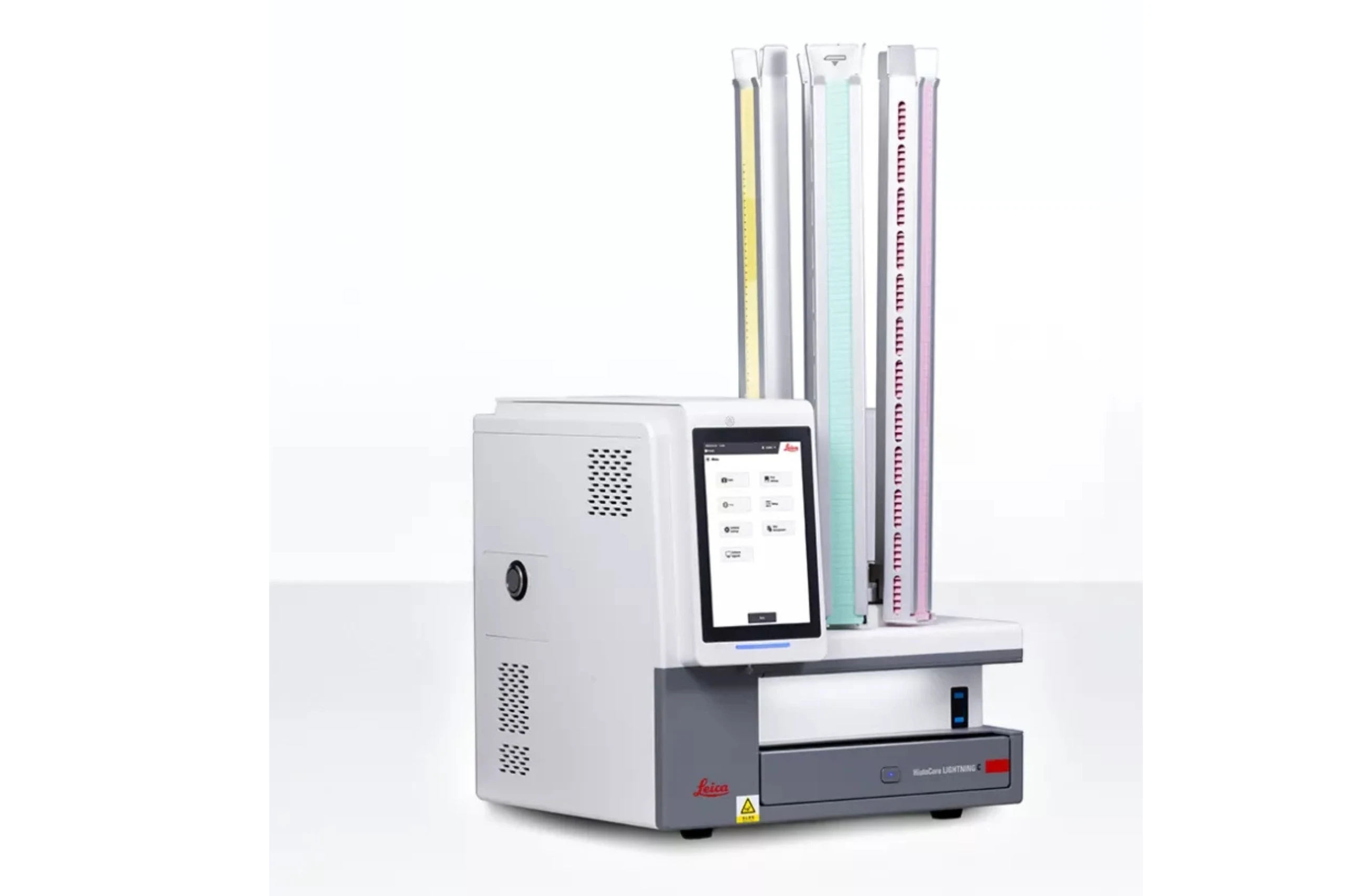
Sep 22, 2026
Product News
Leica Biosystems HistoCore LIGHTNING C Laser Cassette Printer: Speed and Traceability for High-Volume Histology Labs
Leica Biosystems' ink-free UV laser cassette printer delivers 2.5-second-per-cassette printing with 600-cassette capacity and LIS integration — what pathology lab buyers need to know before evaluating this system against their workflow needs and total cost of ownership.

Sep 17, 2026
Product News
Yamato Scientific America moves into life sciences with multi-technology partnership portfolio
Yamato Scientific America is entering the life sciences market through technology partnerships covering live-cell imaging, circulating tumor cell enrichment, and single-cell isolation — here is what buyers should evaluate before engaging.