
From Instruments to Workflows: What Actually Changes When AI Comes to the Lab

Written By: LabX.com
Published: May 28, 2026
Gunther Lenz, VP & GM, Productivity Solutions Division, Agilent Technologies shares thought provoking insight into the increasing implementation of AI in the laboratory and where technology is headed next.

By Gunther Lenz, VP & GM, Productivity Solutions Division, Agilent Technologies
For years, labs and medtech have lagged other industries by 10 to 15 years in adopting software, data, and automation. That gap is rapidly closing, driven by AI, cloud technologies, open standards, and a new generation of scientists who expect the lab experience to match the ease and integration of their broader digital lives.
For decades, analytical labs were built around the instrument. Workflows, data systems, and people all adapted to the constraints and interfaces of each box on the bench. That model delivered great science, but it also produced silos — data locked in vendor-specific formats, workflows that stopped at every instrument boundary, and scientists stitching tools together instead of asking new questions.
That model is ending. The modern lab is reoriented around the workflow rather than the instrument. We see this shift occurring along two independent axes. One is analytical automation — how much of the interpretation, decision support, and review is handled by the software. The other is physical automation — how much of the sample handling, prep, and movement is performed by the robotics. Labs advance along each axis at their own pace, and the two do not need to progress in lockstep.
At one end of the spectrum is the operator-driven lab, where the scientist is the system that holds everything together. At the other is the autonomous lab, where software agents execute the work and scientists govern it rather than perform it. Most labs fall somewhere in between — highly AI‑assisted analytically in one area, operating lights‑out physically in another, but rarely both at once. In my conversations with lab leaders, the question is no longer whether to begin. That journey is already underway. The real conversation is about pace.
The first wave of “SMART” features, and what comes next
The first wave of AI in the lab was useful, but deliberately modest. Machine learning was embedded into individual instruments to eliminate specific, time‑consuming tasks: automated peak integration, maintenance alerts that trigger before a column fails. Each of these capabilities paid for itself in saved hours, and customers consistently told us so.
That wave is now hitting a ceiling. The most time-consuming pain points in the lab no longer live inside individual instruments, they live between them. Sample-to-result orchestration. Method development and transfer, which can stretch into weeks. Real-time data review. Compliance and audit-trail work in regulated environments. Predictive fleet operations across multi-site organizations.The pattern is consistent. AI is moving up the stack — from helping an instrument run better to helping the lab run better.
Where data management has to go next
Modern instruments generate far more data than any scientist can manually inspect. A single high-resolution LC/MS run can generate hundreds of megabytes, or several gigabytes, depending on acquisition mode. Multiply that across dozens of instruments and multiple sites, and data volume alone quickly outpaces any human review process. But volume is only one of four problems, and it is not the hardest one.
Lab data today is high-volume, fragmented, stripped of context, and unreachable. Fragmentation looks like an FTIR result in one instrument folder, an HPLC result in another vendor’s CDS, and formulation history buried in ELN entries nobody searches. Loss of context looks like a number that leaves the instrument without the method version, calibration state, sample lineage, or operator that gave it meaning. A measurement without that context is just a digit. Unreachability looks like the inability to ask, what do we know about lot 4471 across all four sites in the last 18 months, and get an answer without three emails and a week.
The destination is lab data that is findable, accessible, interoperable, and reusable, regardless of which vendor generated it. The industry refers to these as the FAIR principles, supported by a growing set of open standards, including Allotrope’s data format, the Pistoia Alliance’s work on chemistry and method data, and SiLA for instrument communication. Agilent has been a member of the Allotrope Partner Network since 2015, and in 2018 we shipped the first commercial product to support the Allotrope Data Format. We have been moving alongside the industry from the start.
Three things have to be true for a lab to get there. First, data must live in open, vendor-neutral formats, so it isn’t trapped behind proprietary parsers. Second, context has to travel with the measurement — method, calibration state, sample lineage, instrument condition — so the number itself is never the sole unit of value. Third, there must be a queryable layer across instruments and sites, so the question, what do we know, has an answer the scientist can get without help.
When those conditions are in place, downstream value unlocks quickly. AI assistance on individual measurements. Agentic orchestration across workflows. Audit-ready compliance evidence assembled as work happens. Cross-site analytics. Knowledge that does not walk out the door when a senior scientist retires. The plumbing comes first; any intelligence on top is only as good as what it has to work with.Barriers to data management and integration today
Three barriers surface consistently in customer conversations. The first is format fragmentation. Every instrument vendor, and historically every product line within a vendor, has shipped its own proprietary data format. Bridging those formats has been left to the customer, relying on translation layers that are expensive to maintain and brittle to upgrade. The second barrier is workflow handoff. Even when the data moves, the surrounding context — sample, method version, operator, calibration — is often lost or has to be re-entered manually. Scientists end up acting as human routing layers between systems that should be communicated directly.
Change management is the third barrier, and the one most often underestimated. In regulated QC labs operating validated GxP workflows, new capabilities cannot simply be dropped in; interoperability must be introduced carefully and incrementally, without triggering constant revalidation. Discovery labs face a different constraint altogether: methods change frequently, and integration layers must adapt to that pace rather than freezing workflows in place.
Open standards and vendor-neutral formats are not a philosophical preference. They are the only sustainable way to solve this at scale.
How AI is driving instrument integration
AI fundamentally reshapes the integration challenge in ways earlier waves of middleware never could. Traditional integration was imperative. A human had to specify, in advance, which instrument talked to which system, in what order, with what data mapping. Every new workflow was a custom project.
AI makes integration declarative. The scientist expresses intent — run this multi-step LC/MS workflow for compound X with purity verification. The system translates that into orchestration across the lab: scheduling the instruments, sequencing the prep, selecting method parameters, monitoring telemetry, and routing data downstream. When something drifts, it either corrects within validated bounds automatically or surfaces an exception with enough context and traceability that a human can decide.
That is what agentic AI actually means in the lab. Not a chatbot bolted to an instrument. Rather, a set of cooperating agents that handle scheduling, monitoring, exception management, and reporting, with the scientist supervising rather than operating. The instruments do not have to get more complex; the connective layer above them gets smarter. That is what turns a roomful of instruments into an ecosystem designed around intent, oversight, and trust.
Advantages and the measurable impact
Integration produces compounding benefits, not additive ones. Once instruments, data, and workflows live on a common platform, every new capability plugs into the existing fabric. A new instrument, a new method, a new compliance requirement — none of them trigger a new custom integration.
The measurable impact shows up in four places labs actually track.
- Turnaround time. Sample-to-decision cycles shorten because handoffs disappear and exceptions surface earlier.
- Throughput per scientist. Hours that used to go into transcription, data wrangling, and instrument babysitting come back as time for science.
- First-time-right rate. Automated method checks and AI-assisted review cut reruns.
- Uptime and utilization. Telemetry-driven predictive maintenance keeps fleets running, and multi-site organizations can rebalance load between regions.
On real-world examples
The early examples are in the field. In chromatography, machine-learning peak integration has meaningfully cut data-review time; analysts focus on the small set of chromatograms the model flags as ambiguous or out of pattern. In LC/MS purification, mass-directed fraction collection integrated end-to-end with the data system has moved what were once multi-day workflows closer to single-shift execution. In multi-instrument fleets running OpenLab CDS, centralized management and remote diagnostics have moved service from reactive to predictive.
The next class is emerging now: labs orchestrating sample prep, separation, detection, and review as a single intent-driven process, where the scientist sets the goal in the morning and reviews annotated, compliance-ready results in the afternoon. The customers piloting this span the range — pharma discovery and QC, biotech, chemicals, food, environmental, academic research — all under the same productivity pressure, even though the bottleneck looks different in each and the path to relief is not identical.
Closing
The instrument will always matter. Measurement quality is the foundation everything else sits on. But the competitive frontier has moved up the stack — to the workflow, the data, and the AI that connects them. Labs that organize around that frontier, with open standards, vendor-neutral data, and AI woven into the workflow rather than bolted onto an instrument, will set the productivity bar for the next decade without sacrificing scientific rigor or compliance.
That is the future we are building, alongside our customers.
Author Bio: Gunther Lenz is Vice President and General Manager of Agilent’s Productivity Solutions Division, where he leads the company’s global lab informatics and automation software business. He oversees a worldwide organization delivering data, workflow, and automation solutions used by laboratories across research, quality, and regulated environments.
Prior to Agilent, Gunther led large‑scale digital and enterprise transformation initiatives at BD, IBM Watson Health, and Google Cloud. He is a four‑time Microsoft MVP for Solution Architecture.

Nov 24, 2026
Product News
Sentinel Buys GSI Group Holdings: What Lab Buyers Should Know
Private equity firm Sentinel took over the parent of Globe Scientific, AmScope, and Euromex. See which supply questions to ask and where used stock sits.
Nov 19, 2026
Product News
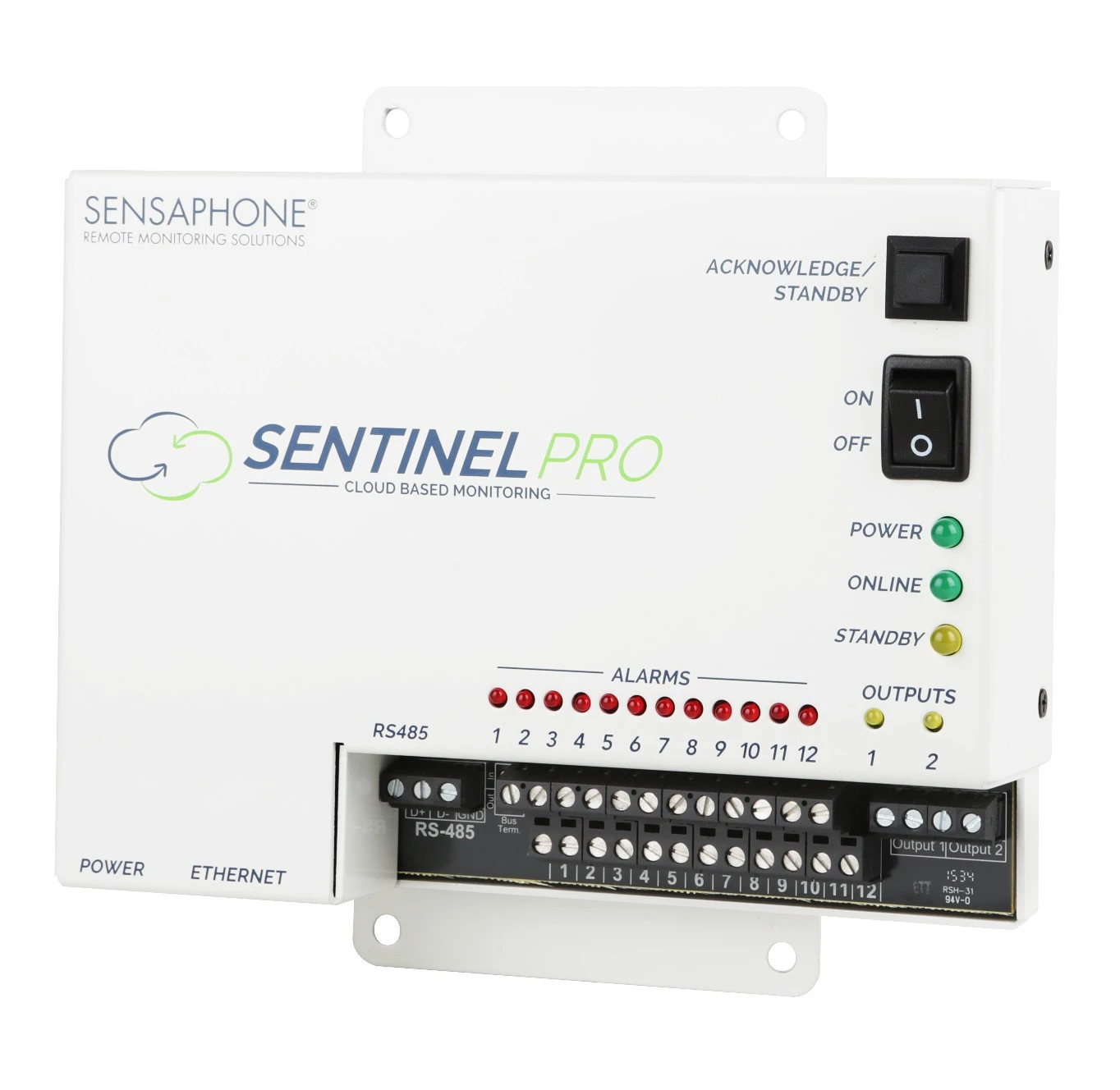
Sensaphone Sentinel and Sentinel PRO: What Buyers Need to Know About Moving Beyond Manual Temperature Logs
Sensaphone’s Sentinel and Sentinel PRO compared for regulated labs: what the 24/7 logging covers, which specifications and documents to confirm before an audit, and how pricing sits against LabX’s temperature monitoring category.
Nov 04, 2026
Product News
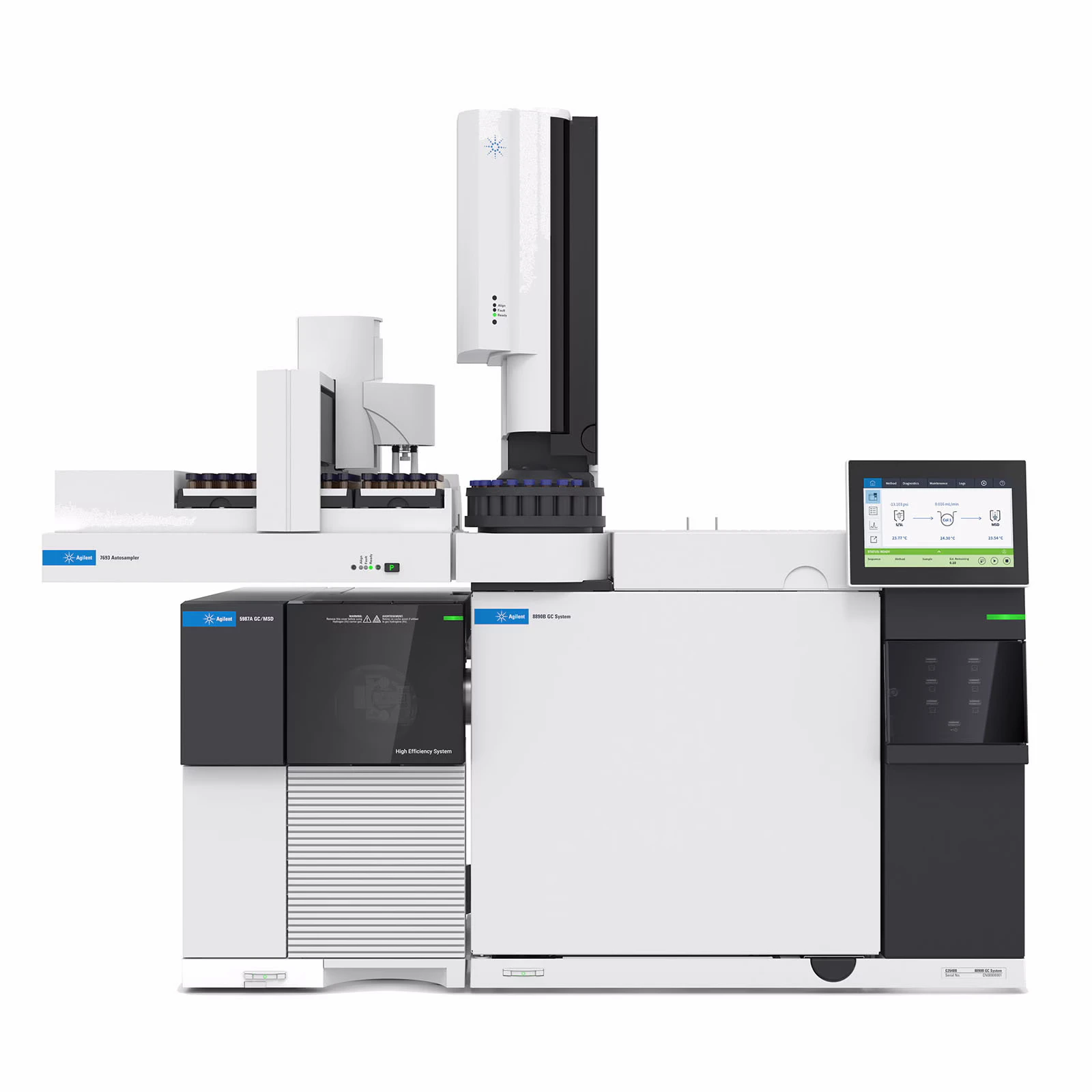
Agilent 5987A MSD: Should 5977-Series Labs Upgrade?
A spec-by-spec look at whether the 5987A’s 25% faster scanning, 10× dynamic range gain, and built-in GC Assist intelligence justify moving off the 5977 series — with LabX used-market context for current 5977A and 5977B owners.
Nov 02, 2026
Product News
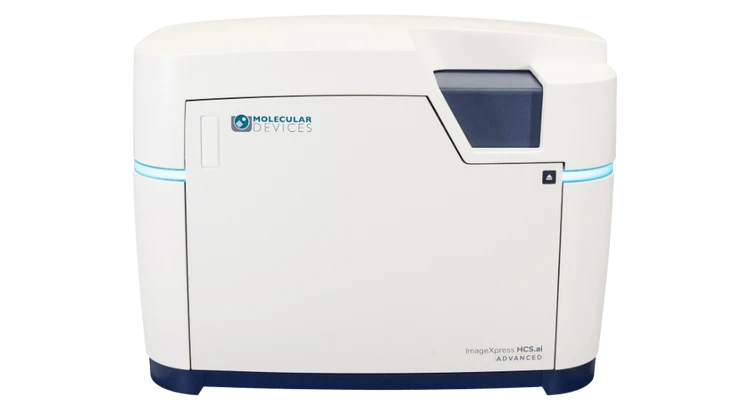
ImageXpress HCS.ai Advanced Duo: Dual-Camera HCS Upgrade for Drug Discovery Labs
Molecular Devices has launched the ImageXpress HCS.ai Advanced Duo, a dual-camera high-content screening system that adds simultaneous image acquisition and integrated screening analytics to the existing HCS.ai Advanced platform — this article breaks down what changes for buyers already operating in the category and whether the upgrade is warranted.
Oct 27, 2026
Product News
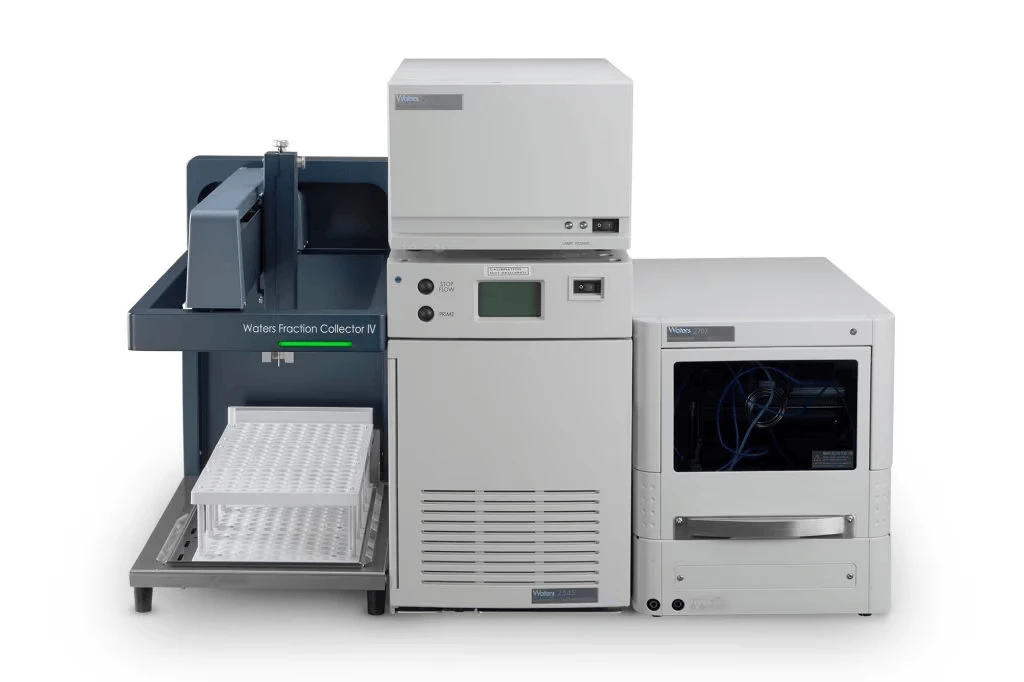
Waters Fraction Collector IV: More Capacity, More Formats for Prep LC Labs
Waters has launched the Fraction Collector IV, upgrading prep-scale purification with 50% more collection capacity, flow rates to 300 mL/min, and native control through Empower, MassLynx, and ChromScope software — here’s what buyers in pharma, biotech, and CRO labs need to evaluate before purchasing.
Oct 20, 2026
Product News
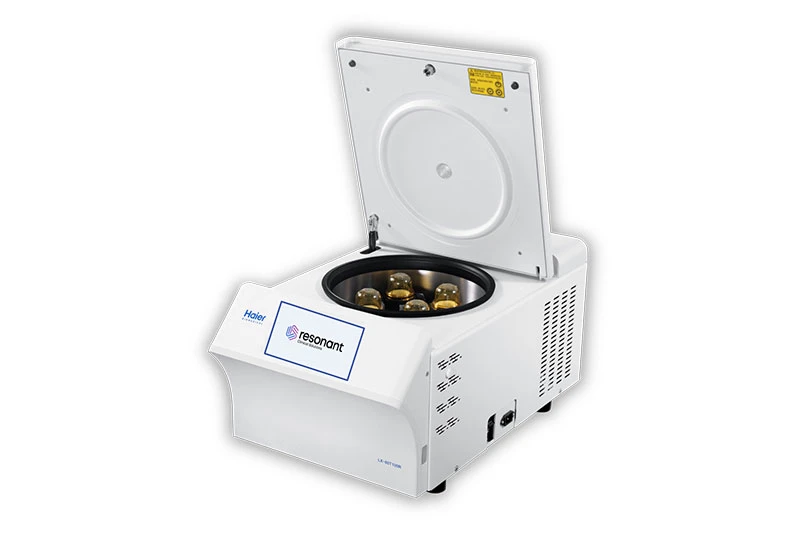
LX-60T100R Refrigerated Benchtop Centrifuge: F-Gas Compliance for Clinical Trials
A new hydrocarbon-cooled benchtop centrifuge purpose-built for clinical trial sample processing arrives with a GWP of ~3, 5-minute pre-cooling, and exclusive distribution through Resonant Clinical Solutions — giving procurement teams an F-gas-ready option well ahead of the 2028 EU regulatory deadline.
Oct 16, 2026
Product News
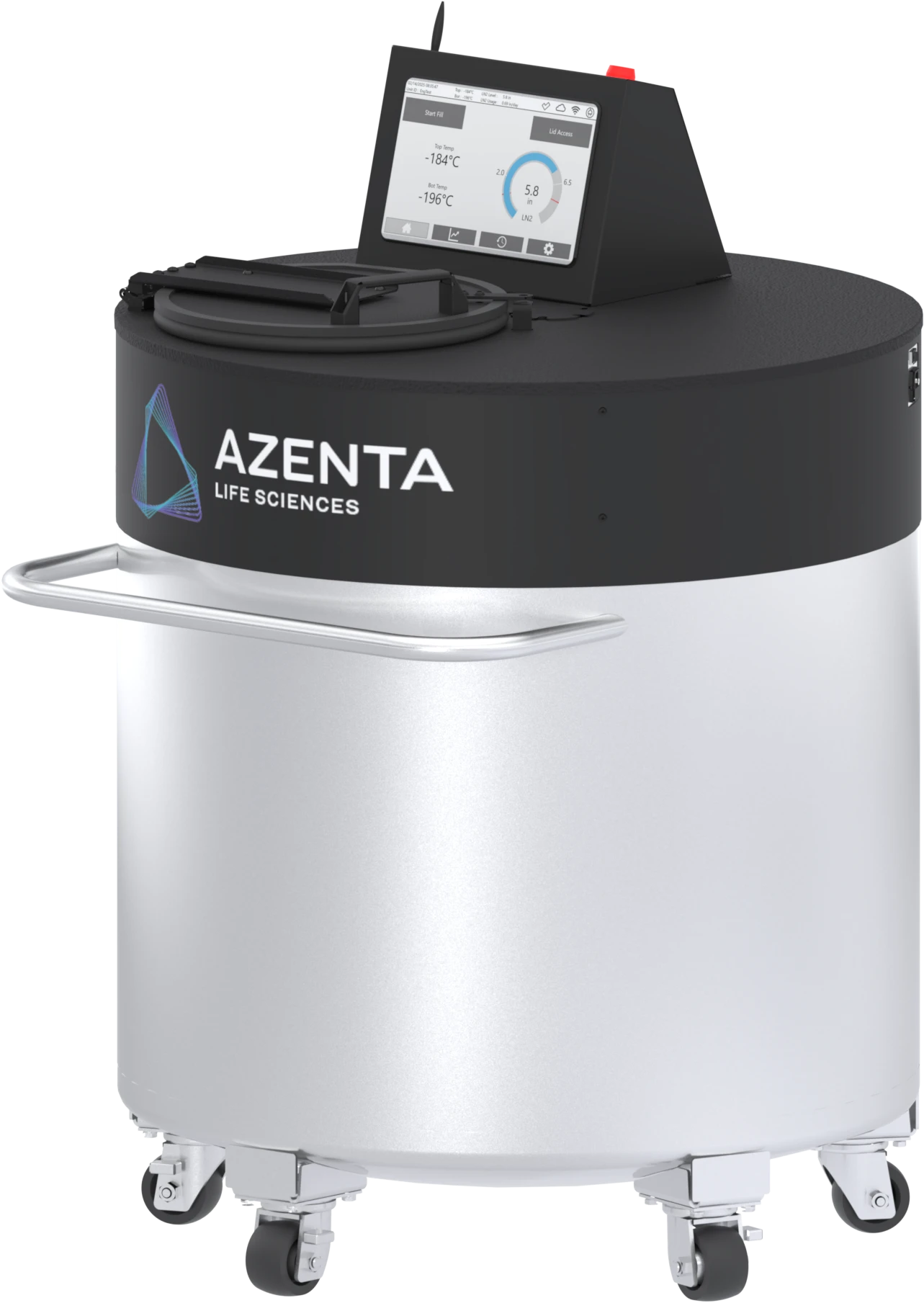
CryoArc Vita-76: Azenta’s High-Density Cryogenic Storage for IVF Clinics
Azenta Life Sciences has launched the CryoArc Vita-76, a cryogenic storage system that consolidates up to seven traditional dewars into a single footprint — this article covers specifications, how it compares in the clinical IVF storage market, and what fertility clinic buyers should evaluate before purchasing.
Sep 30, 2026
Product News
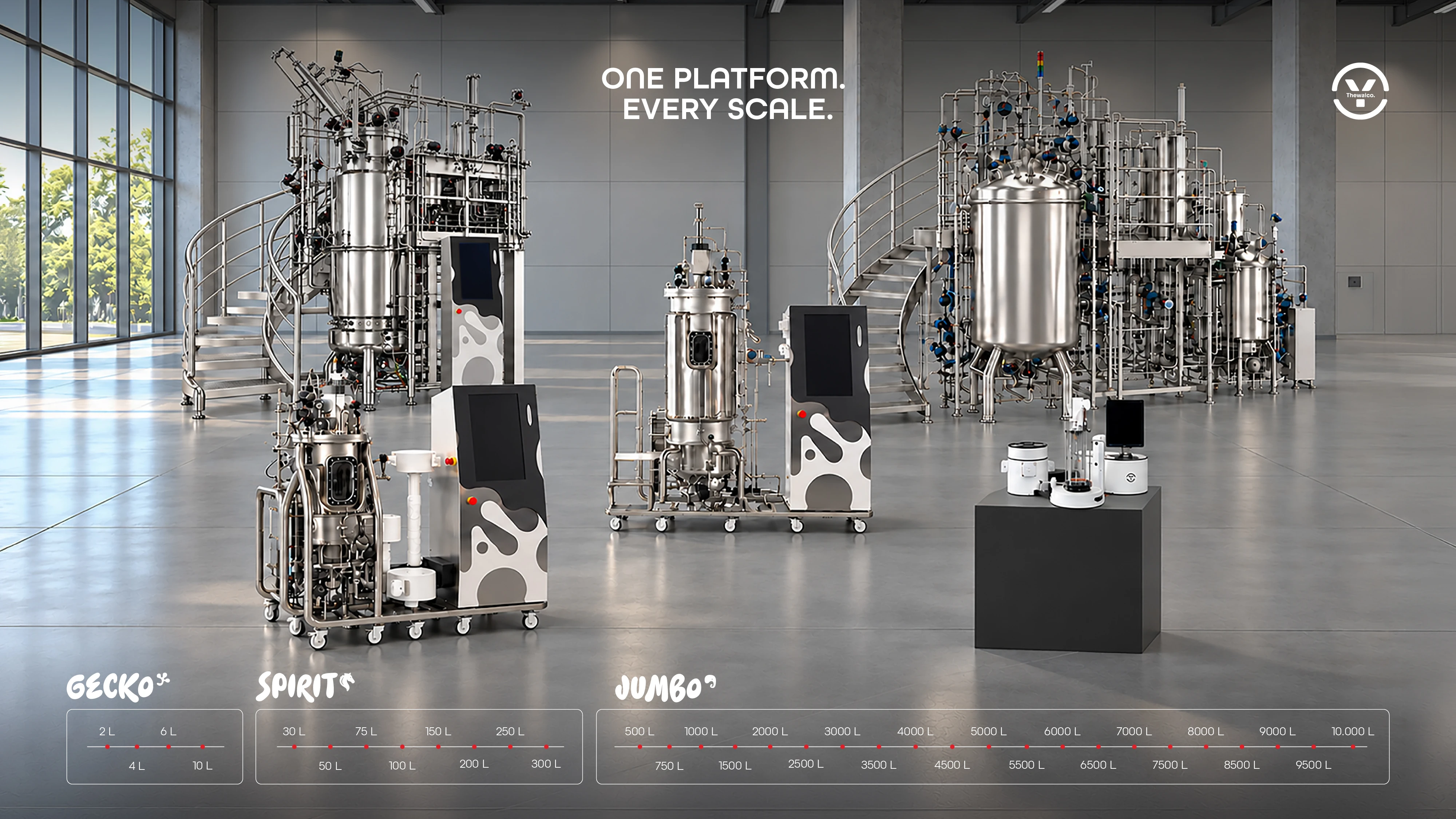
Thewaico Launches Integrated Bioreactor Platform to Solve Biomanufacturing Scale-Up
A new bioprocess company has emerged with three connected bioreactor platforms — spanning 2 L to 10,000+ L — and an AI-assisted control layer intended to eliminate the re-engineering step that derails most scale-up projects, alongside a direct-to-web pricing configurator.
Sep 28, 2026
Product News
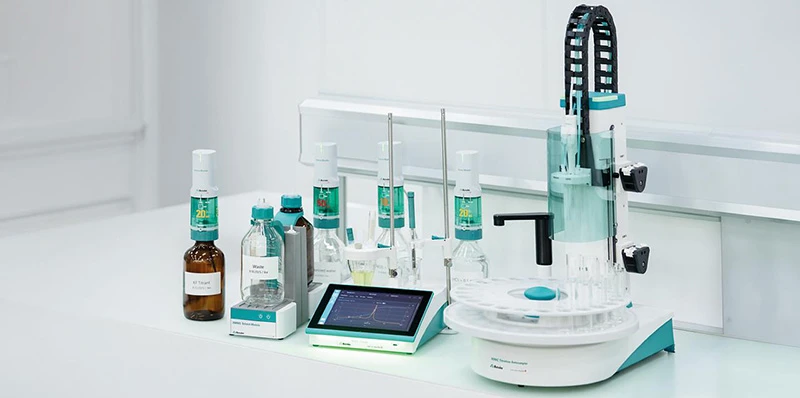
Metrohm USA Launches IONIC Titrator With Built-In Cloud Access
Metrohm USA's new IONIC Titrator pairs a 10-inch touchscreen with direct cloud connectivity, letting labs monitor and share titration data without a PC; here's how it's specced, priced, and positioned for buyers comparing standalone titrators.
Sep 23, 2026
Product News
Eppendorf Introduces the SpinPro 8 R High-Speed Floor Centrifuge
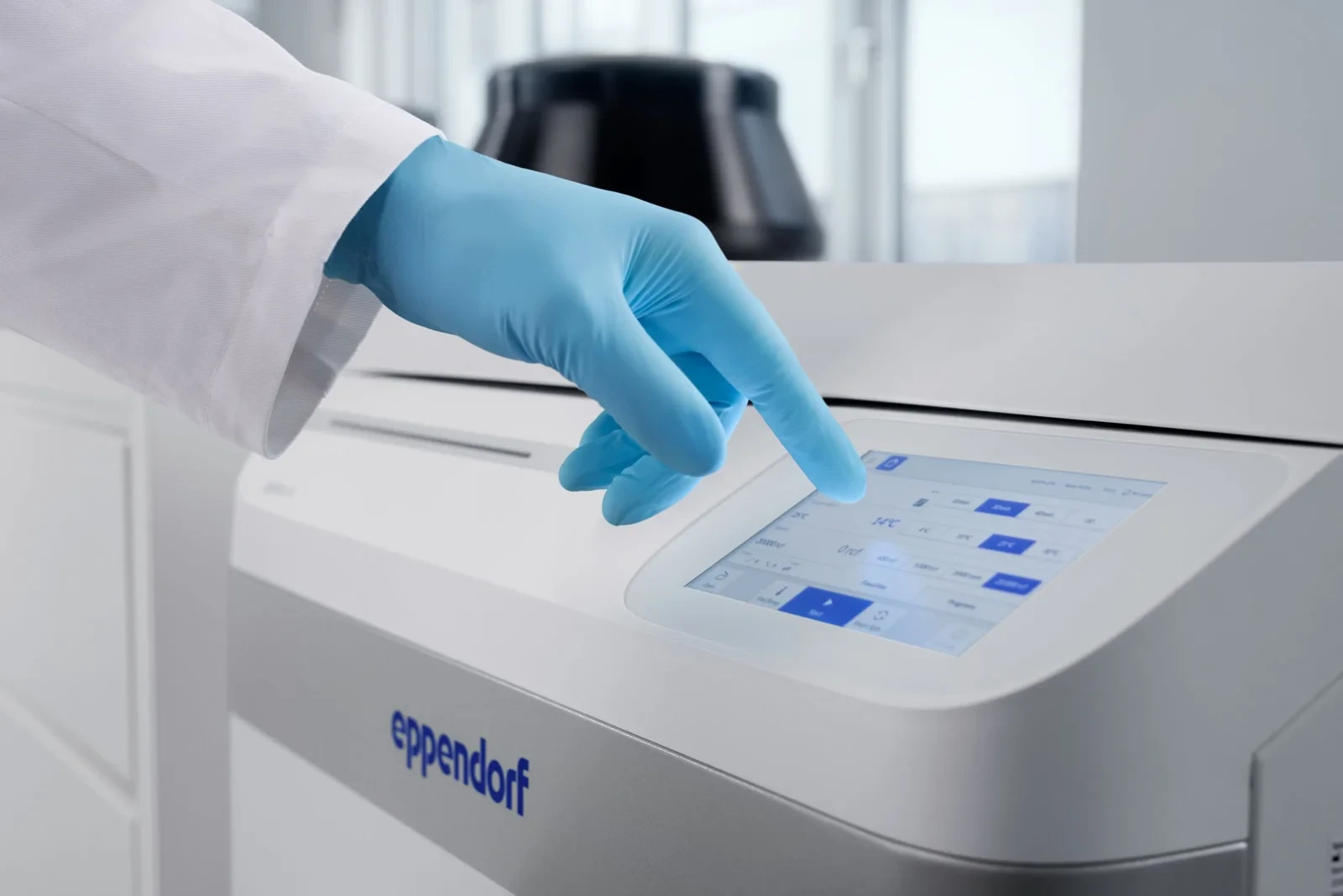
Eppendorf's SpinPro 8 R floor-standing centrifuge launches with 6 L capacity, 35-rotor compatibility, CO₂-based refrigerant (GWP = 1), and AuditSafe documentation for pharma and biotech labs evaluating their next large-volume separation system.