
Malvern Panalytical Launches Zetasizer Core, the First Instrument to Combine DLS, SLS, and DSF on a Standard Well Plate

Written By: Sharon Dong
Published: Sep 14, 2026
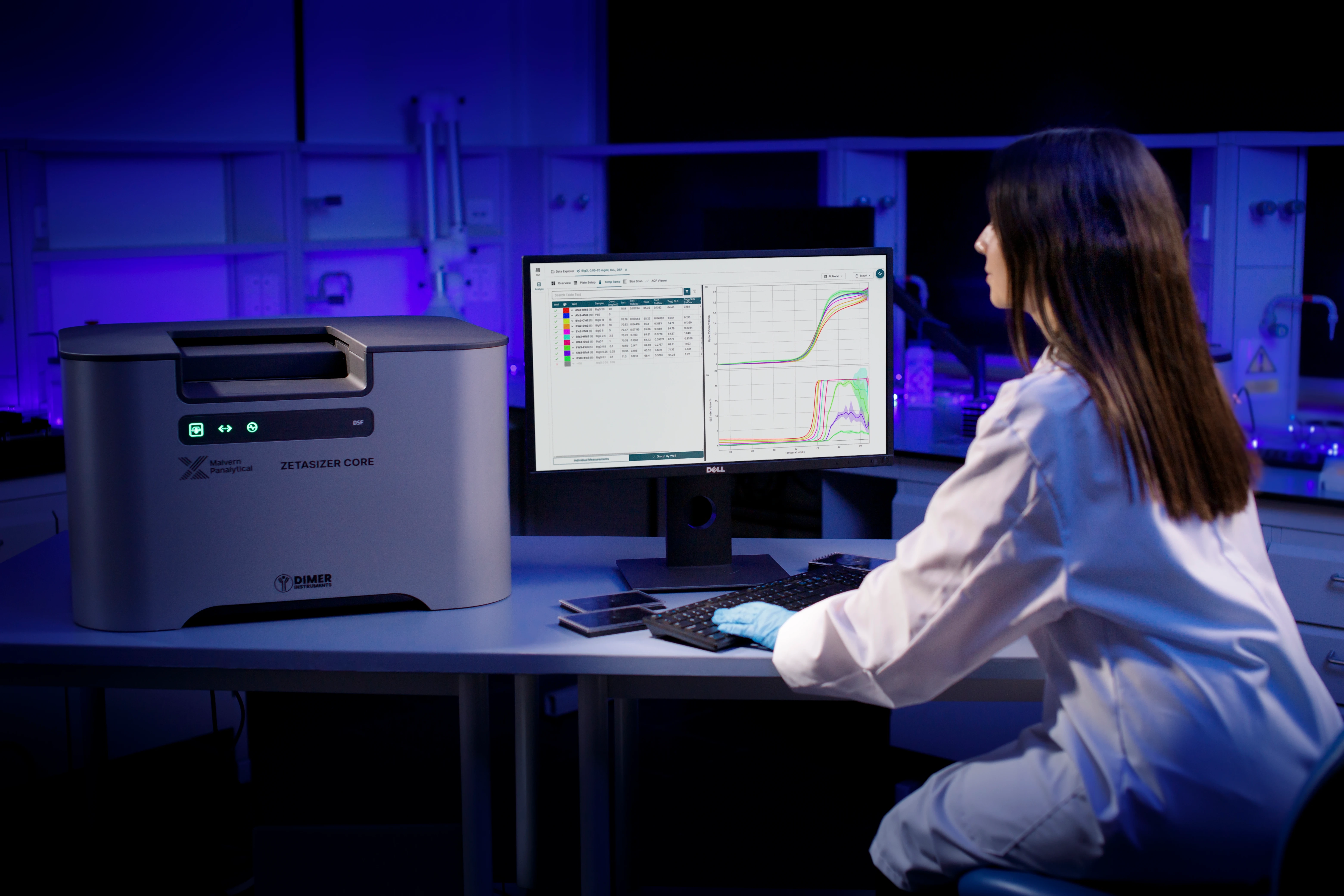
Malvern Panalytical launched the Zetasizer Core: the first instrument to measure Dynamic Light Scattering (DLS), Static Light Scattering (SLS), and intrinsic Differential Scanning Fluorimetry (DSF) simultaneously on a single standard microwell plate. Formulation teams running early-stage biologics discovery typically operate three separate instruments to assess structural stability, colloidal behavior, and aggregation, then spend additional time correlating data across runs that used different conditions. The Zetasizer Core addresses that bottleneck directly.
Christian Sauber, President of Malvern Panalytical, described the instrument as “the first instrument to simultaneously measure three indicators of physical instability – structural, colloidal and aggregation behavior – on a single standard microwell plate,” adding that it allows formulation teams to “make more informed decisions earlier in the process, based on more accurate and more comprehensive data.” Buyers should ask Malvern Panalytical’s application team for comparative data against multi-instrument workflows during any demonstration.
Co-developed with Dimer Instruments, the Zetasizer Core accepts standard 96, 384, and 1536 well plate formats and integrates with existing liquid-handling robotics and laboratory information management system (LIMS) infrastructure without instrument-specific consumables. Malvern Panalytical has not published list pricing; procurement teams will need to request a direct quotation. The instrument ships from January 1, 2027.
Key specs buyers should know before requesting a quote
- Plate formats (96, 384, 1536 wells): Standard industry formats run without proprietary consumables, preserving existing plate infrastructure investments.
- Throughput (up to 192 samples per run): Achieved at a 1 ℃/min thermal ramp; Malvern Panalytical states this is twice the per-run capacity of existing custom sample holder instruments, which top out at around 96 samples.
- Measurement modalities (3 simultaneous): DLS, SLS, and DSF run on the same sample under identical conditions, removing the need to correlate results across separate experiments.
- Ship date (January 1, 2027): Labs with Q1 capital equipment cycles should build lead time into demonstration planning.
- Software continuity (30+ years of Zetasizer heritage, per Malvern Panalytical): The Zetasizer Core carries forward the DLS algorithms and adaptive correlation from the Zetasizer Advance range, reducing revalidation work for existing users moving from discovery into quality control.
Buyer’s note: Malvern Panalytical has not published pricing for the Zetasizer Core; multi-modal high-throughput stability screening platforms in this category typically sit at the upper end of capital equipment budgets. Request a formal quotation that itemizes software licensing, service agreements, and 21 CFR Part 11 compliance status before finalizing. No peer-reviewed validation data exists yet for this instrument, so prospective buyers should negotiate a funded evaluation using their own sample types before committing.
What sets the Zetasizer Core apart from other plate-based stability instruments?
No current plate-based stability screening instrument combines DLS, SLS, and DSF in a single run on a standard well plate, based on publicly available product information as of this article’s publication date. Buyers should independently verify this claim against the current competitive landscape before purchase, given how rapidly this category evolves.
Standard consumables vs. proprietary holders: Several established platforms in this space require sample transfer into instrument-specific holders or capillary chips, introducing an extra preparation step and a potential source of measurement variability. The Zetasizer Core accepts standard 96, 384, and 1536 well plates directly, which suits labs running automated liquid-handling systems and simplifies multi-client workflows for contract organizations.
Throughput ceiling: At up to 192 samples per run on a 1536-well plate, the Zetasizer Core exceeds the per-run capacity of custom-holder instruments optimized for a single modality. Microfluidic differential scanning calorimetry platforms designed for ultra-high-throughput thermal screening occupy a distinct workflow niche and serve different throughput and precision trade-offs.
Data correlation across modalities: Running DLS, SLS, and DSF sequentially on separate instruments introduces inter-run variability, including differences in temperature equilibration, sample handling, and environmental conditions. John Stenson, Product Manager at Malvern Panalytical, said running three measurements simultaneously “reduces the chance of data discrepancies, narrowing the margin for error.” Buyers should request intra-assay and inter-instrument precision data for their specific sample types before purchase.
Regulatory readiness: The launch announcement contains no reference to 21 CFR Part 11 compliance, GMP-readiness, or audit trail functionality. Labs in regulated environments must confirm these capabilities directly with Malvern Panalytical before initiating procurement.
Regulated-workflow notice: The Zetasizer Core launch announcement references no 21 CFR Part 11 compliance, GMP-readiness, or audit trail functionality. Buyers in regulated pharmaceutical environments, including Investigational New Drug (IND)-stage biologics teams and quality control (QC) laboratories, must confirm compliance capabilities with Malvern Panalytical before initiating procurement. Intended use in biologics discovery workflows is not a reliable indicator of regulatory compliance status.
Which lab types does the Zetasizer Core suit?
The Zetasizer Core targets biologics discovery, formulation development, and quality control across pharmaceutical, biotechnology, contract development and manufacturing organization (CDMO), and academic settings. Fit varies by throughput need, existing infrastructure, and regulatory context.
Pharmaceutical and large biotech formulation teams
High-volume early-stage formulation labs gain the most from consolidating DLS, SLS, and DSF into a single run: fewer inter-run variables, faster candidate triage, and a smaller correlation burden across data sets. Teams operating under 21 CFR Part 11 requirements need to clarify compliance status with Malvern Panalytical before purchase.
Contract development and manufacturing organizations
CDMOs handling multiple client programs benefit from standard plate compatibility, which cuts the reconfiguration time associated with instrument-specific consumables and keeps LIMS integration consistent across projects. Buyers should verify that the Zetasizer Core’s thermal ramp rate and minimum working volumes match their high-concentration or viscous formulation workflows before committing.
Academic and government research laboratories
Low working volumes and 384-well format compatibility make the Zetasizer Core accessible for early-stage hit identification where sample availability is limited. Dr. Viacheslav Trush, Head of High-Throughput Screening & Assay Development at Translation & Innovation Hub, UK, described the instrument’s DSF performance at low protein concentrations as “a major advantage when working with difficult constructs or early-stage targets” and called the 384-well format “genuinely high-throughput screening (HTS)-compatible.” Academic buyers should confirm whether service contracts and software licensing appear separately in the quoted price.
Smaller biotech discovery teams
Teams working on small-molecule/protein or DNA/protein interaction studies can use the Zetasizer Core as a single platform covering stability screening tasks that would otherwise require two or three instruments. Shared algorithms with the Zetasizer Advance range mean the platform grows with a program as it moves toward formulation and QC stages.
Next steps for buyers evaluating the Zetasizer Core
Prospective buyers can request a demonstration from Malvern Panalytical before the January 2027 ship date; labs should use that window to run their own sample types, including challenging constructs and high-concentration formulations, under production-representative conditions. Teams currently comparing particle size and stability instruments should request a formal quotation that confirms pricing, 21 CFR Part 11 status, and LIMS compatibility. Find full portfolio information at malvernpanalytical.com.
This article draws on a Malvern Panalytical press release dated September 15, 2026 and was created with the assistance of Generative AI and has undergone editorial review before publishing. LabX’s editorial policy can be found here.

Nov 24, 2026
Product News
Sentinel Buys GSI Group Holdings: What Lab Buyers Should Know
Private equity firm Sentinel took over the parent of Globe Scientific, AmScope, and Euromex. See which supply questions to ask and where used stock sits.
Nov 19, 2026
Product News
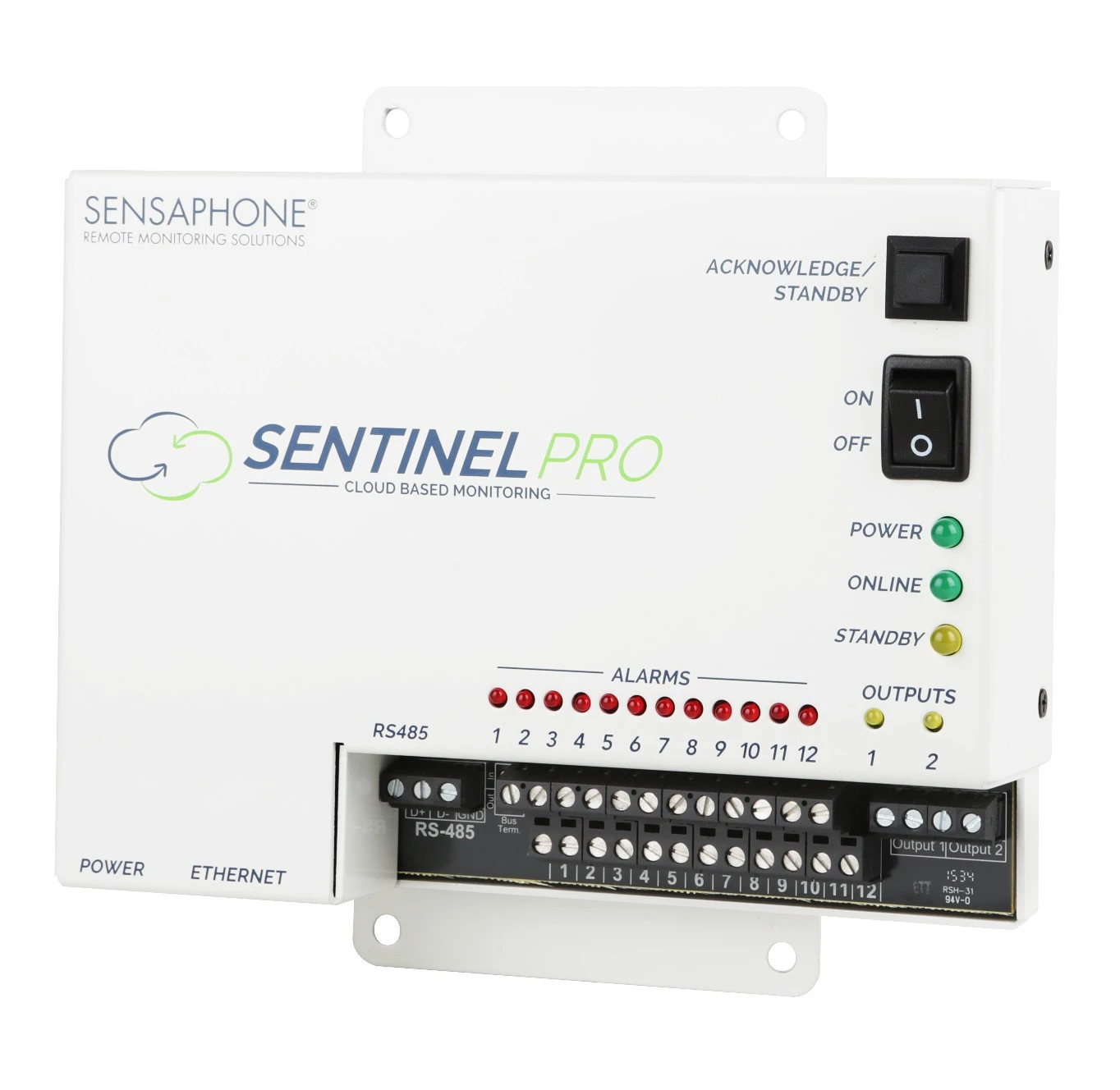
Sensaphone Sentinel and Sentinel PRO: What Buyers Need to Know About Moving Beyond Manual Temperature Logs
Sensaphone’s Sentinel and Sentinel PRO compared for regulated labs: what the 24/7 logging covers, which specifications and documents to confirm before an audit, and how pricing sits against LabX’s temperature monitoring category.
Nov 04, 2026
Product News
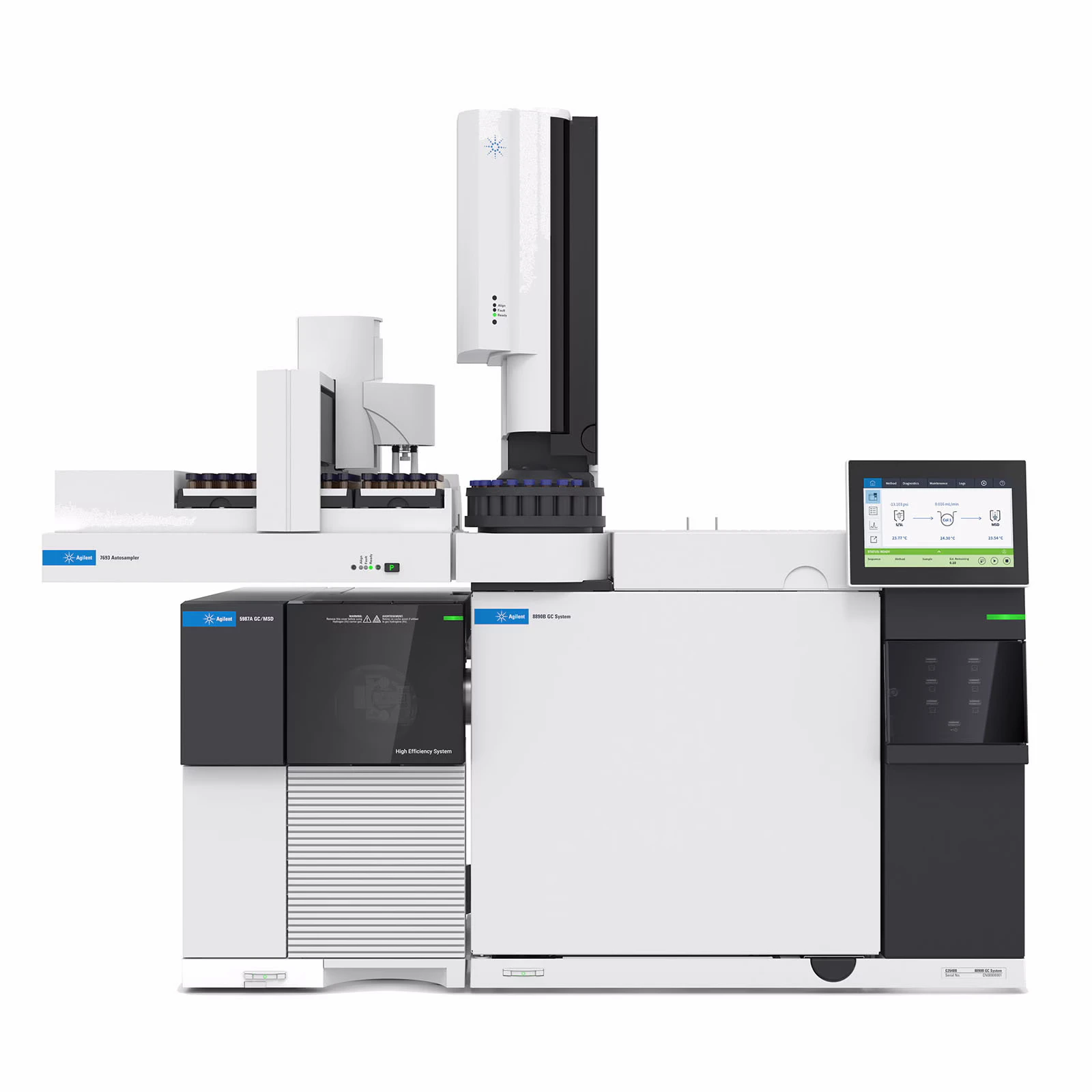
Agilent 5987A MSD: Should 5977-Series Labs Upgrade?
A spec-by-spec look at whether the 5987A’s 25% faster scanning, 10× dynamic range gain, and built-in GC Assist intelligence justify moving off the 5977 series — with LabX used-market context for current 5977A and 5977B owners.
Nov 02, 2026
Product News
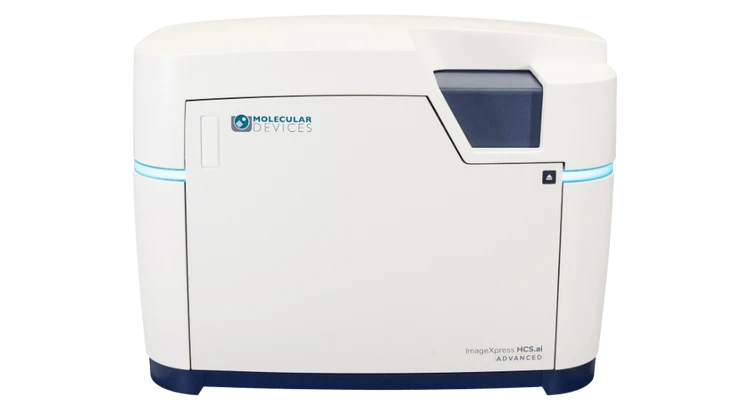
ImageXpress HCS.ai Advanced Duo: Dual-Camera HCS Upgrade for Drug Discovery Labs
Molecular Devices has launched the ImageXpress HCS.ai Advanced Duo, a dual-camera high-content screening system that adds simultaneous image acquisition and integrated screening analytics to the existing HCS.ai Advanced platform — this article breaks down what changes for buyers already operating in the category and whether the upgrade is warranted.
Oct 27, 2026
Product News
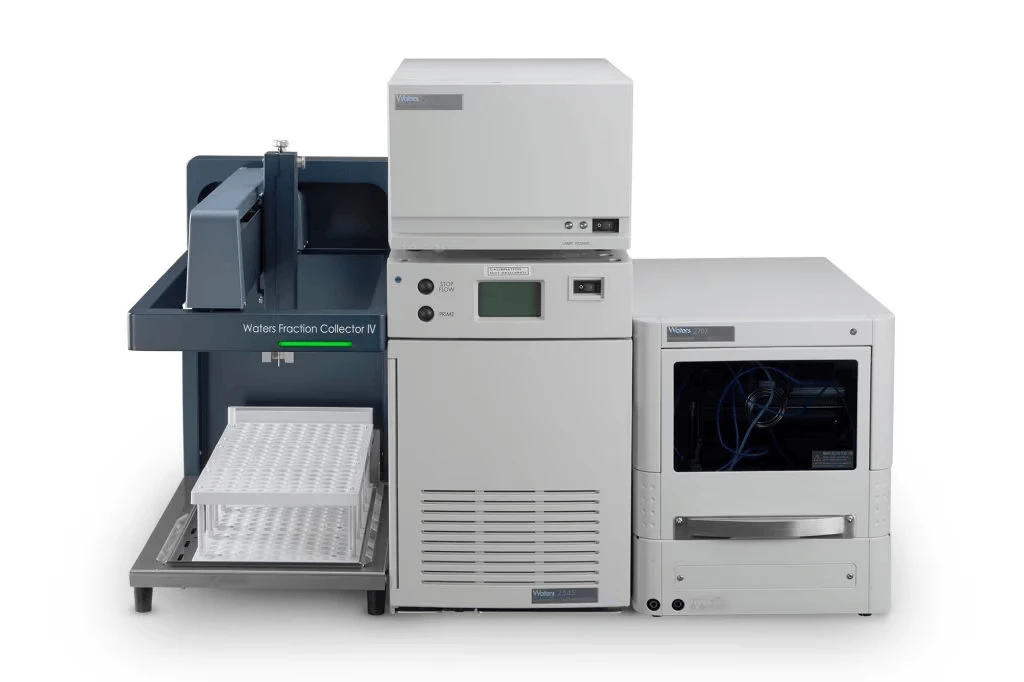
Waters Fraction Collector IV: More Capacity, More Formats for Prep LC Labs
Waters has launched the Fraction Collector IV, upgrading prep-scale purification with 50% more collection capacity, flow rates to 300 mL/min, and native control through Empower, MassLynx, and ChromScope software — here’s what buyers in pharma, biotech, and CRO labs need to evaluate before purchasing.
Oct 20, 2026
Product News
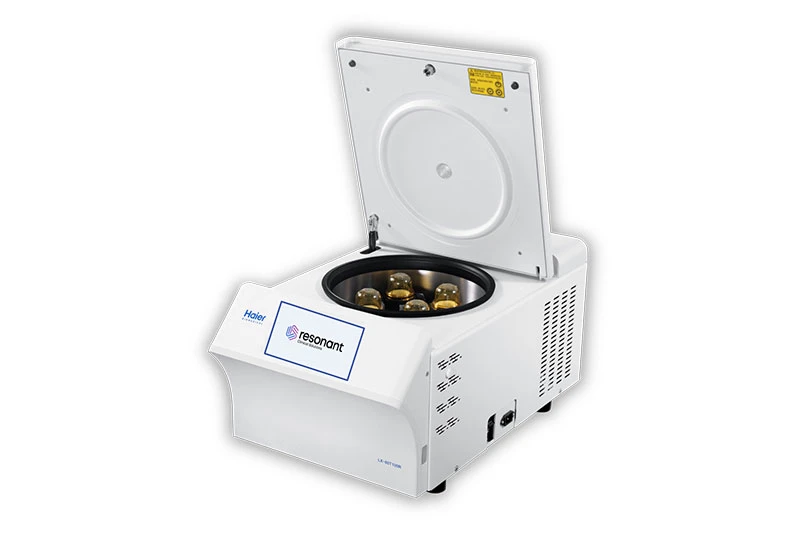
LX-60T100R Refrigerated Benchtop Centrifuge: F-Gas Compliance for Clinical Trials
A new hydrocarbon-cooled benchtop centrifuge purpose-built for clinical trial sample processing arrives with a GWP of ~3, 5-minute pre-cooling, and exclusive distribution through Resonant Clinical Solutions — giving procurement teams an F-gas-ready option well ahead of the 2028 EU regulatory deadline.
Oct 16, 2026
Product News
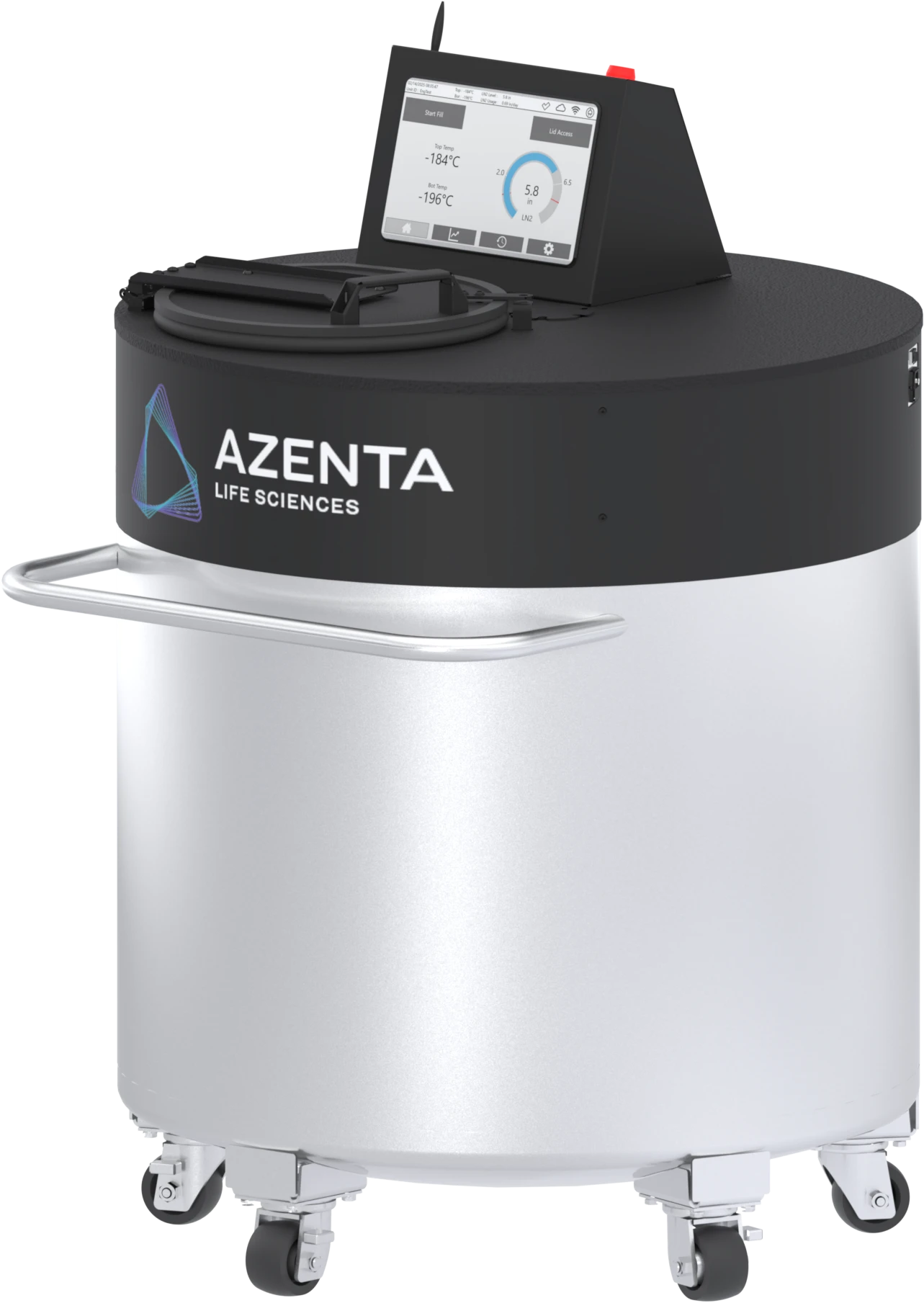
CryoArc Vita-76: Azenta’s High-Density Cryogenic Storage for IVF Clinics
Azenta Life Sciences has launched the CryoArc Vita-76, a cryogenic storage system that consolidates up to seven traditional dewars into a single footprint — this article covers specifications, how it compares in the clinical IVF storage market, and what fertility clinic buyers should evaluate before purchasing.
Sep 30, 2026
Product News
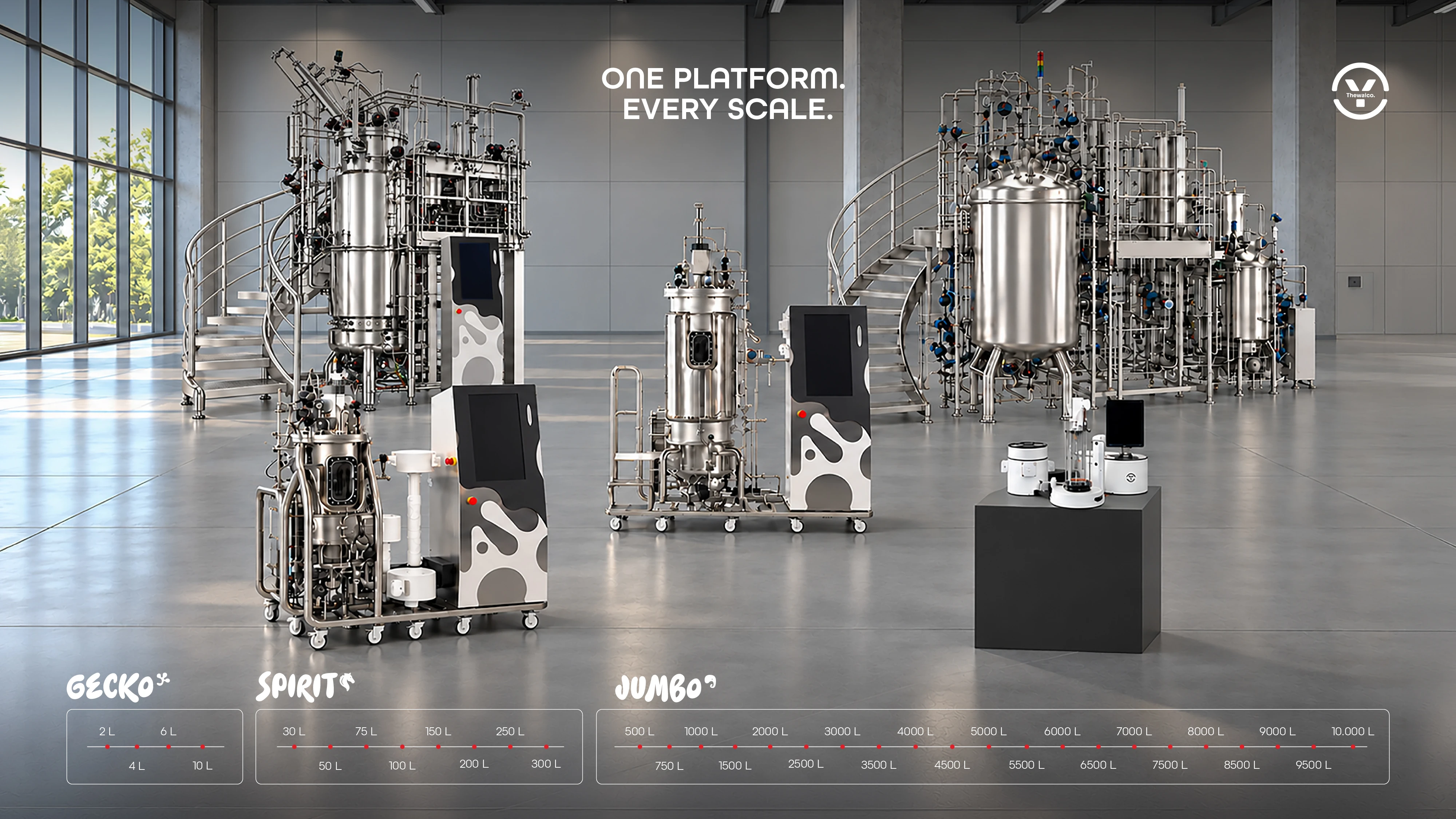
Thewaico Launches Integrated Bioreactor Platform to Solve Biomanufacturing Scale-Up
A new bioprocess company has emerged with three connected bioreactor platforms — spanning 2 L to 10,000+ L — and an AI-assisted control layer intended to eliminate the re-engineering step that derails most scale-up projects, alongside a direct-to-web pricing configurator.
Sep 28, 2026
Product News
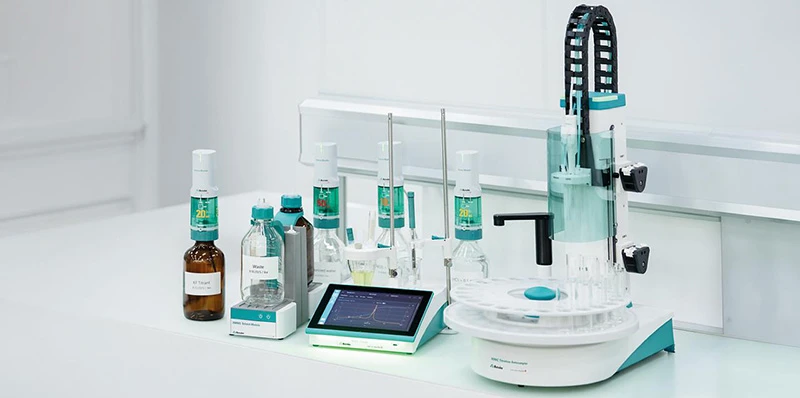
Metrohm USA Launches IONIC Titrator With Built-In Cloud Access
Metrohm USA's new IONIC Titrator pairs a 10-inch touchscreen with direct cloud connectivity, letting labs monitor and share titration data without a PC; here's how it's specced, priced, and positioned for buyers comparing standalone titrators.
Sep 23, 2026
Product News
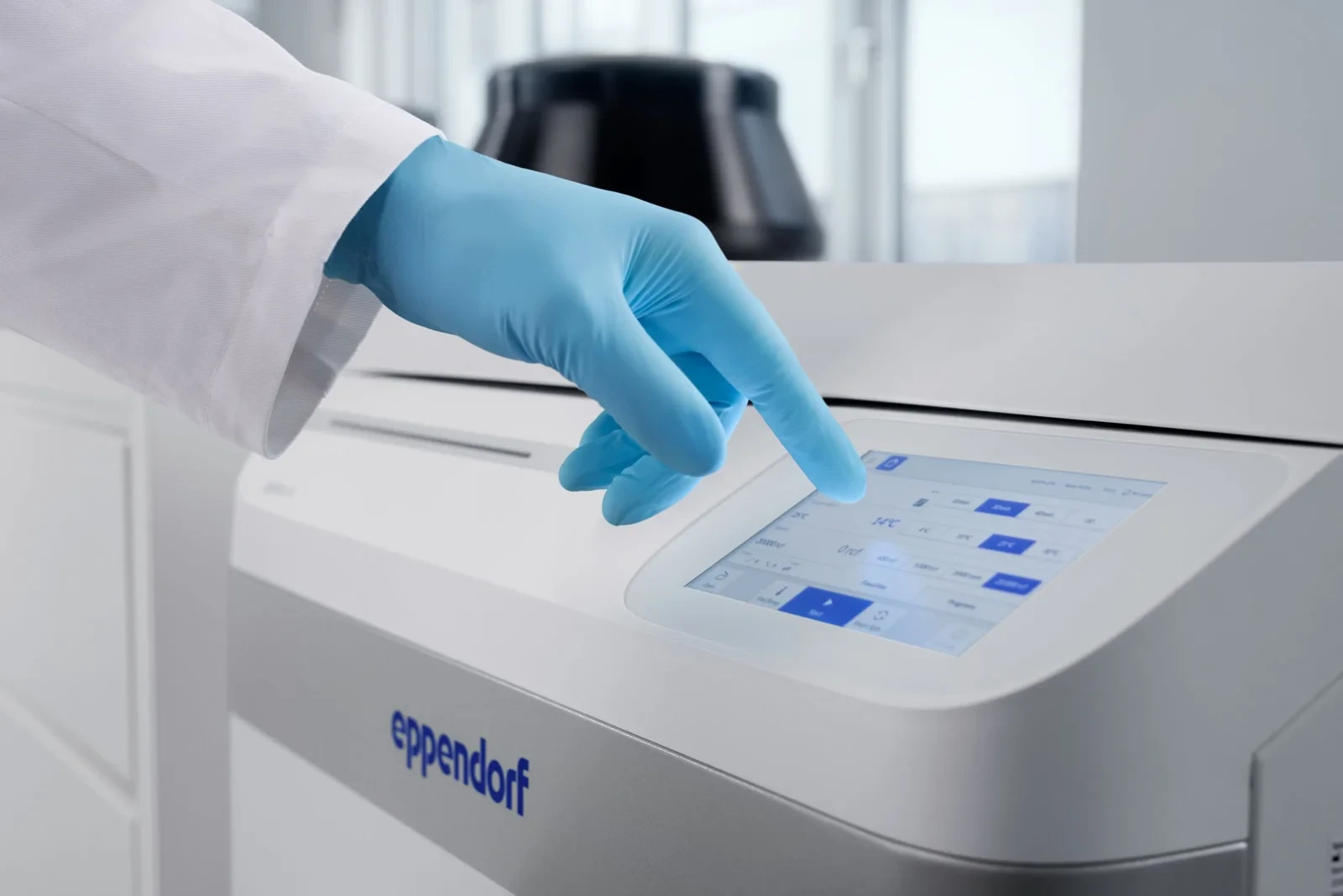
Eppendorf Introduces the SpinPro 8 R High-Speed Floor Centrifuge
Eppendorf's SpinPro 8 R floor-standing centrifuge launches with 6 L capacity, 35-rotor compatibility, CO₂-based refrigerant (GWP = 1), and AuditSafe documentation for pharma and biotech labs evaluating their next large-volume separation system.