
Phenomenex Endrix Long Life LC Columns: What Buyers Should Weigh

Written By: Craig Bradley
Published: Jun 19, 2026
Phenomenex used ASMS 2026 to launch Endrix Long Life LC, a reversed-phase HPLC column line built around new, proprietary column hardware designed to keep columns performing longer in the kind of samples that usually cut their life short. The aim is direct: more instrument uptime, higher throughput, and a better return on the column budget by reducing how often columns need replacing. In a category where durability is easy to claim and hard to evidence, Phenomenex backs the launch with a specific, comparator-named lifetime result, which is what makes it worth a closer look. Endrix builds on media that buyers already know. Phenomenex positions it as the next step beyond its Kinetex core-shell and Luna Omega fully porous lines, so the separation chemistry is familiar and the advance sits in the hardware that houses it. That continuity is a practical advantage: it keeps method transfer straightforward while adding the durability gain on top. Column consumables are a recurring spend, and in high-matrix labs frequent column changes are a recurring source of downtime. Endrix targets that pain directly, building extended durability onto the established Kinetex and Luna Omega chemistries so labs gain longevity without giving up familiar separations. Buyers in regulated environments should still factor in that any column switch can be a revalidation trigger, which mostly shapes where Endrix fits first rather than whether it is worth adopting. Buyer's note: The up-to-50% gain is a strong, well-defined result, drawn from a Phenomenex study on a hydrolyzed-urine LC-MS/MS toxicology panel against standard Kinetex Biphenyl, which is a genuinely demanding matrix to hold up in. As with any "up to" figure, the gain you see will scale with how close your matrix, sample prep, and method are to those conditions. Labs running similar dirty-matrix work are best placed to see the full benefit, and Phenomenex can supply application data for matrices closer to your own. In the company's own benchmarking, three Endrix Kinetex columns and three standard Kinetex columns ran through a hydrolyzed urine toxicology panel, and the standard columns lost resolution and developed asymmetric peaks well before the Endrix columns did. Testing against its own prior product is a useful way to show the gain, because it isolates the hardware change as the variable. The result speaks most directly to labs doing similar high-matrix LC-MS/MS, which is exactly where Endrix is aimed. Phenomenex frames the value as reduced downtime, higher throughput, and a better return on the column spend, helped by dropping guard columns from the workflow. Eric Lavold, Vice President for Product Management and Strategy at Phenomenex, tied the launch to workload pressure on labs. Reversed-phase column buying comes down to selectivity, particle and pore characteristics, pressure tolerance, and lifetime in the matrix you actually run. Endrix does not change the first set: it reuses Kinetex core-shell and Luna Omega fully porous chemistries, so selectivity and efficiency should track those established lines rather than introduce a new separation. The differentiation is concentrated in hardware durability and matrix tolerance. Against the broader category, column lifetime is the spec that is hardest to compare cleanly, because vendors rarely publish it on the same matrix or injection protocol. Competing long-life and "high-load" column lines from other major suppliers quote durability gains that vary by platform and are typically measured on each vendor's own method, so cross-brand numbers are best read as directional. By that standard Endrix stands out for being unusually specific, naming both the comparator column and the application behind its figure, which gives buyers more to work with than a generic durability claim. Endrix also removes guard columns from the LC-MS/MS workflows Phenomenex describes, which is a concrete, practical win. Guard columns are a small recurring cost and an extra fitting in the flow path, so dropping them simplifies the consumable stack and takes out one potential leak or dead-volume point. The benefit is tied to Endrix's minimal-cleanup design, so it lands most fully for labs running the high-matrix work it was built for. A few practical points that typically separate column lines in this segment: This is the segment the launch evidence speaks to most directly, since the benchmark used a hydrolyzed urine LC-MS/MS panel. Labs running high-volume, dirty-matrix screening stand to gain the most from fewer column changes and the dropped guard column. If your panels resemble the test conditions, ask for the application note and request a trial column against your live method. For development groups already standardized on Kinetex or Luna Omega, Endrix is a low-friction durability upgrade because the chemistry carries straight over. New method development is the natural entry point, where the longevity gain comes with no revalidation overhead. For validated QC methods, adoption is still attractive where the downtime savings justify the change-control work, which is a familiar trade-off these teams already manage. These labs face complex matrices and high sample counts, which is where longer column life pays back fastest in both consumable spend and instrument uptime. That makes them a strong fit wherever the available Endrix chemistries and dimensions cover their established methods, so checking format availability is the main step before adopting. Regulated-workflow notice Switching a column in a validated GMP, GLP, or accredited method is rarely a drop-in change, even when the underlying chemistry is shared. New column hardware can shift back-pressure, peak shape, or retention enough to require partial or full method revalidation, and the documentation burden often offsets short-term durability gains. For US drug and biologics methods, weigh any change against FDA analytical procedures and methods validation expectations before adoption. Buyer's note: Because Endrix reuses existing Phenomenex chemistries, selectivity should closely track the Kinetex or Luna Omega column you already run, which is part of its appeal. A single comparison injection on your own method is a quick way to confirm retention and selectivity carry over as expected, so you adopt Endrix knowing it delivers both the familiar separation and the added longevity. For high-matrix LC-MS/MS labs, Endrix is a strong candidate for a trial: the dropped guard column and a specific, comparator-named lifetime gain give it real substance over generic durability marketing. The easiest entry points are new methods and non-regulated screening, where a column swap carries no revalidation penalty and the throughput and uptime benefits are simple to confirm in practice. From there, labs can extend it into more of their workflows as the results bear out. A short, sensible checklist makes adoption smooth: confirm the chemistry and dimension you need are among the launch formats, run a quick comparison injection to confirm the separation carries over, and plan any validated-method switch as the change-control exercise it is. You can compare current listings and pricing across new and used columns on the LabX HPLC columns marketplace, and weigh column durability against the cost of the instruments they run on in the LabX HPLC systems category. Phenomenex, a Danaher company since 2016 and a long-standing name in separation-science consumables, is showing Endrix at ASMS 2026 booth 802, with full specifications on its Endrix HPLC column page. For labs whose work sits near the launch evidence, that is the place to pull application data before scheduling a trial.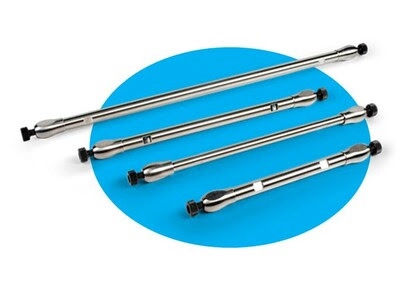
The numbers behind the launch
"Scientists are under constant pressure to deliver high-quality data while managing increasing sample complexity and tighter timelines. Endrix Long Life LC was developed to address these challenges directly by delivering exceptional durability and reliable performance over extended use."Eric Lavold, Vice President for Product Management and Strategy, Phenomenex
How Endrix compares on the specs that drive a column decision
Where Endrix fits, by lab type
Forensic and clinical toxicology labs
Pharmaceutical QC and method-development labs
Environmental and food testing labs
Putting Endrix to work
Nov 19, 2026
Product News
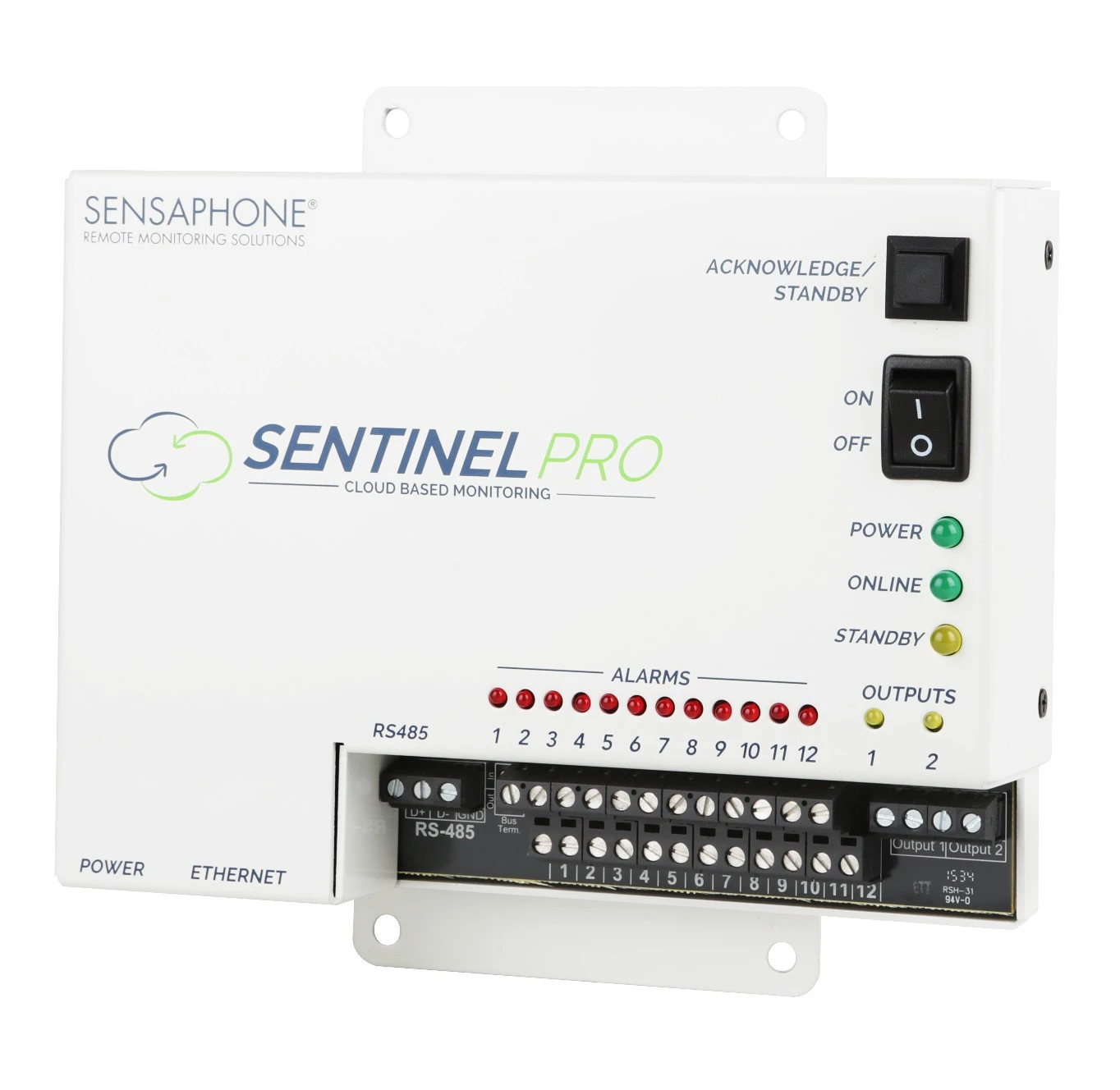
Sensaphone Sentinel and Sentinel PRO: What Buyers Need to Know About Moving Beyond Manual Temperature Logs
Sensaphone’s Sentinel and Sentinel PRO compared for regulated labs: what the 24/7 logging covers, which specifications and documents to confirm before an audit, and how pricing sits against LabX’s temperature monitoring category.
Nov 04, 2026
Product News
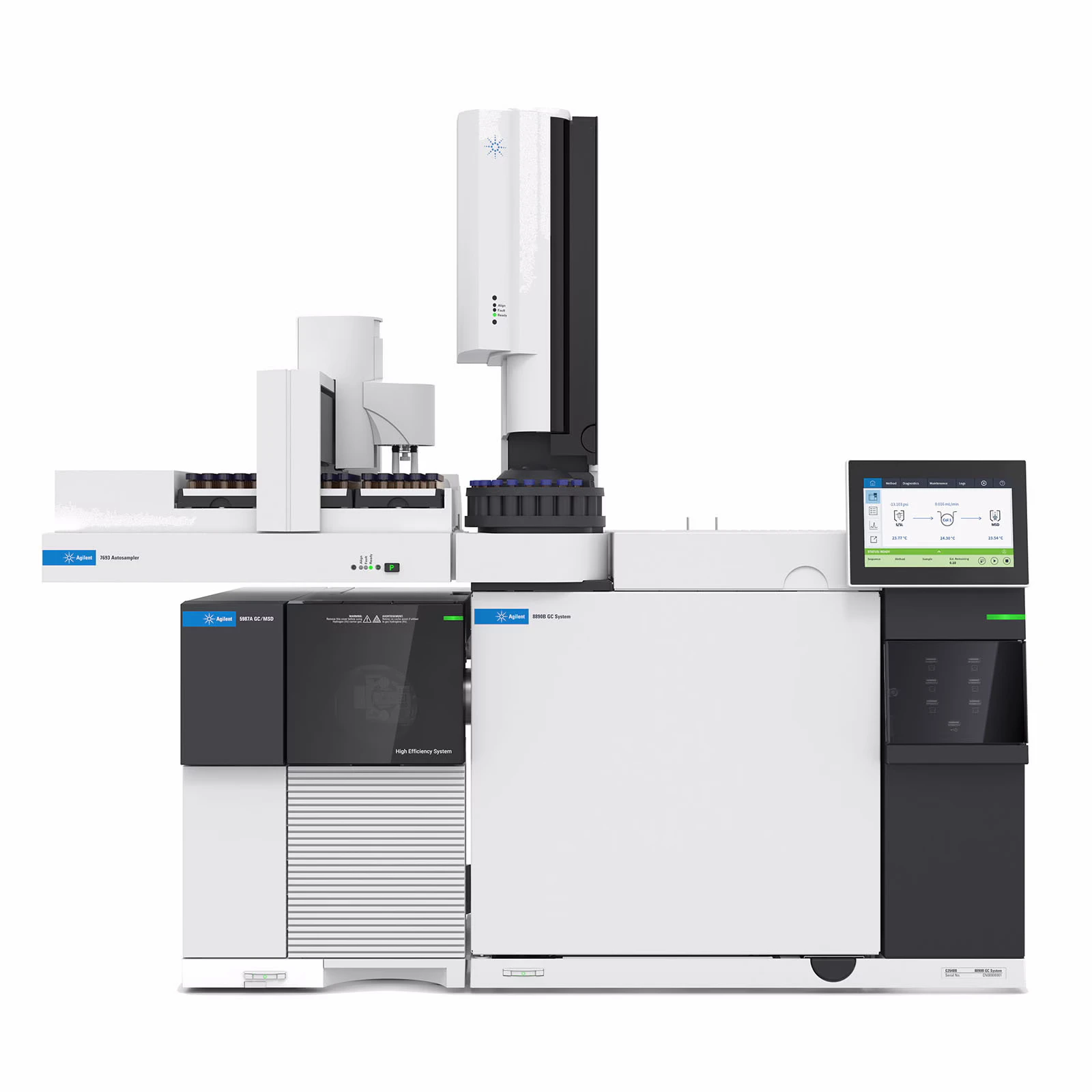
Agilent 5987A MSD: Should 5977-Series Labs Upgrade?
A spec-by-spec look at whether the 5987A’s 25% faster scanning, 10× dynamic range gain, and built-in GC Assist intelligence justify moving off the 5977 series — with LabX used-market context for current 5977A and 5977B owners.
Nov 02, 2026
Product News
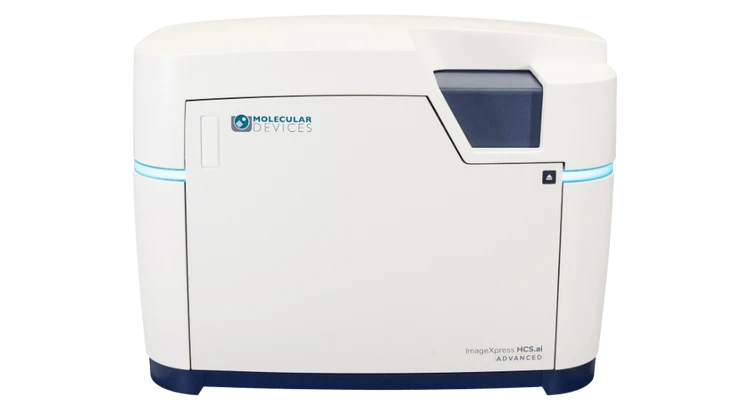
ImageXpress HCS.ai Advanced Duo: Dual-Camera HCS Upgrade for Drug Discovery Labs
Molecular Devices has launched the ImageXpress HCS.ai Advanced Duo, a dual-camera high-content screening system that adds simultaneous image acquisition and integrated screening analytics to the existing HCS.ai Advanced platform — this article breaks down what changes for buyers already operating in the category and whether the upgrade is warranted.
Oct 27, 2026
Product News
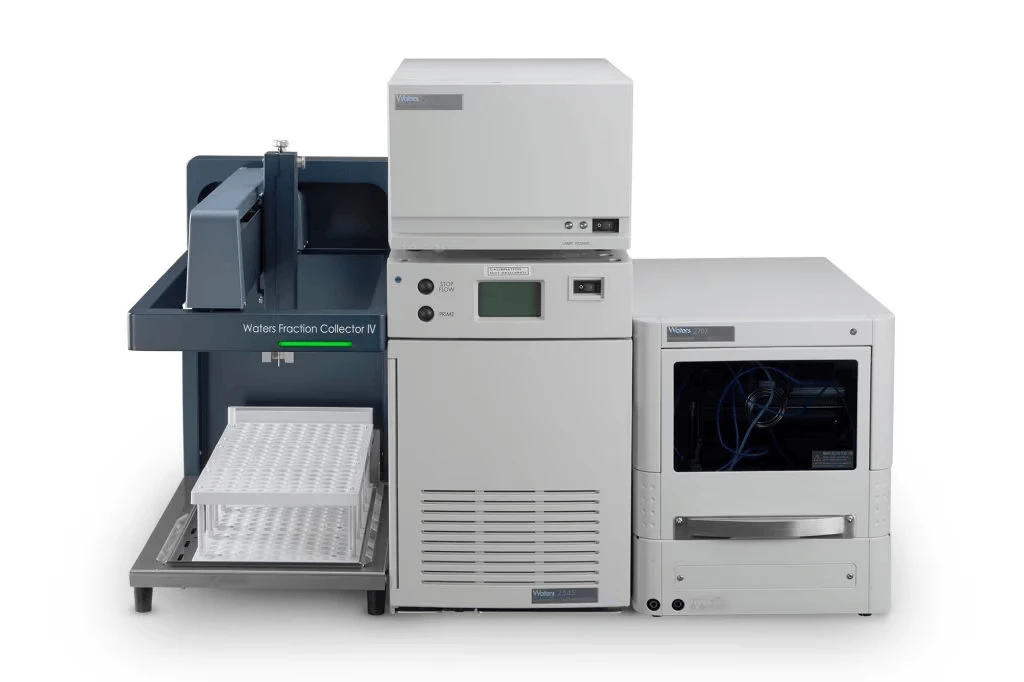
Waters Fraction Collector IV: More Capacity, More Formats for Prep LC Labs
Waters has launched the Fraction Collector IV, upgrading prep-scale purification with 50% more collection capacity, flow rates to 300 mL/min, and native control through Empower, MassLynx, and ChromScope software — here’s what buyers in pharma, biotech, and CRO labs need to evaluate before purchasing.
Oct 20, 2026
Product News
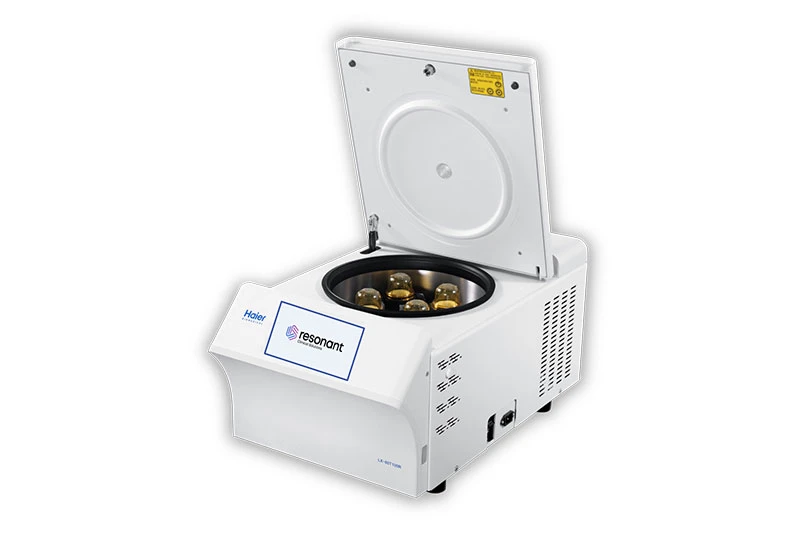
LX-60T100R Refrigerated Benchtop Centrifuge: F-Gas Compliance for Clinical Trials
A new hydrocarbon-cooled benchtop centrifuge purpose-built for clinical trial sample processing arrives with a GWP of ~3, 5-minute pre-cooling, and exclusive distribution through Resonant Clinical Solutions — giving procurement teams an F-gas-ready option well ahead of the 2028 EU regulatory deadline.
Oct 16, 2026
Product News
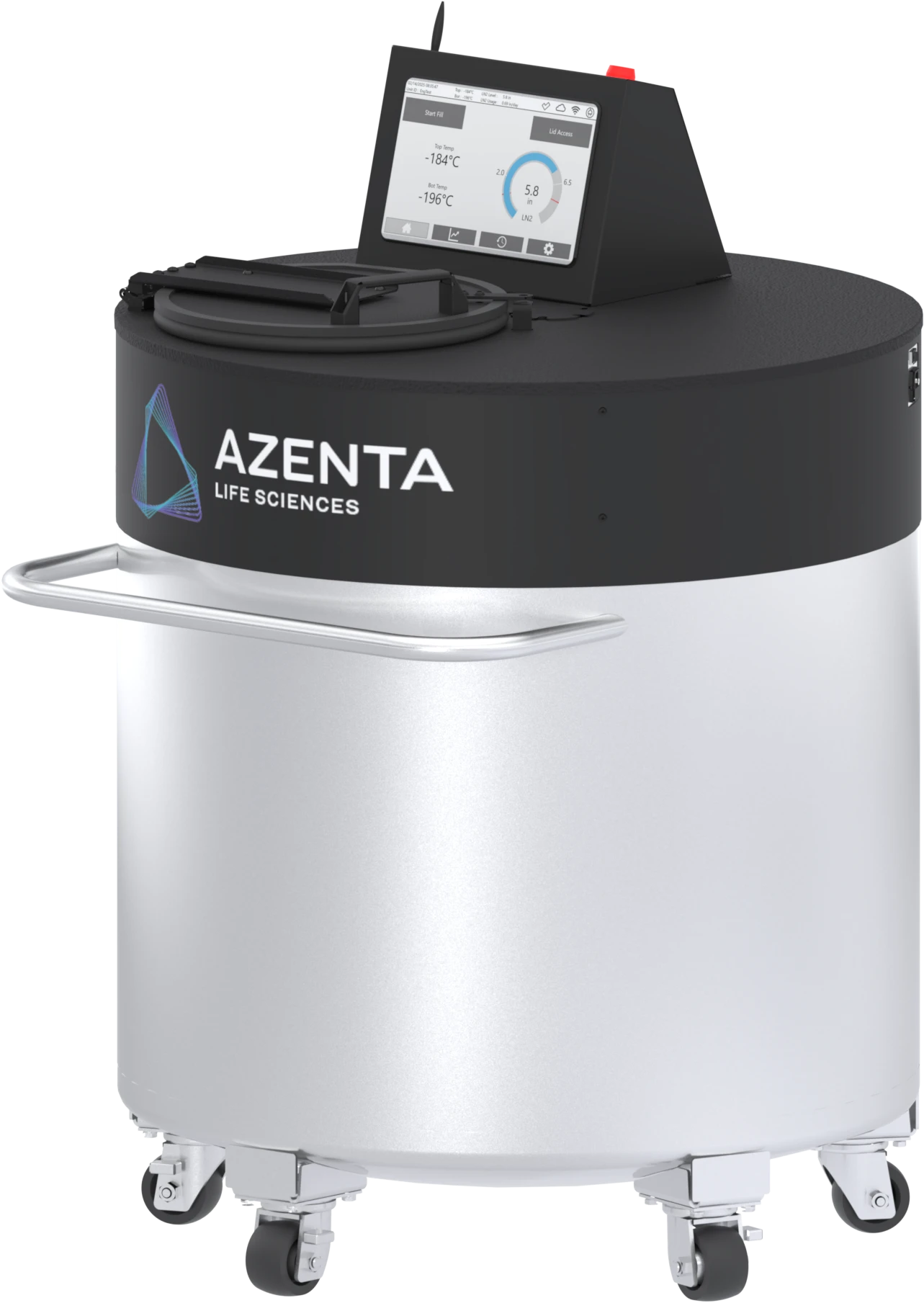
CryoArc Vita-76: Azenta’s High-Density Cryogenic Storage for IVF Clinics
Azenta Life Sciences has launched the CryoArc Vita-76, a cryogenic storage system that consolidates up to seven traditional dewars into a single footprint — this article covers specifications, how it compares in the clinical IVF storage market, and what fertility clinic buyers should evaluate before purchasing.
Sep 30, 2026
Product News
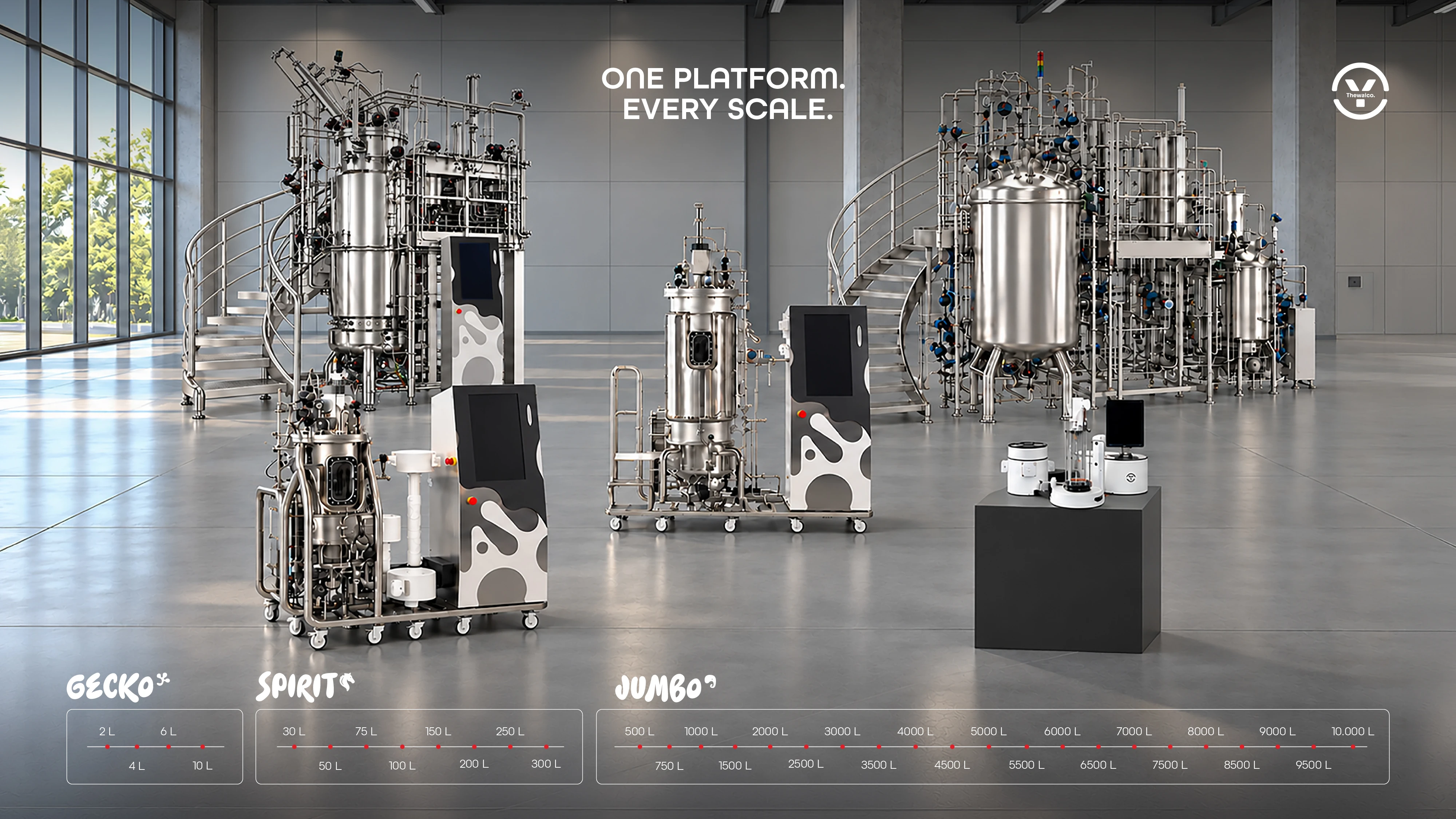
Thewaico Launches Integrated Bioreactor Platform to Solve Biomanufacturing Scale-Up
A new bioprocess company has emerged with three connected bioreactor platforms — spanning 2 L to 10,000+ L — and an AI-assisted control layer intended to eliminate the re-engineering step that derails most scale-up projects, alongside a direct-to-web pricing configurator.
Sep 28, 2026
Product News
Metrohm USA Launches IONIC Titrator With Built-In Cloud Access
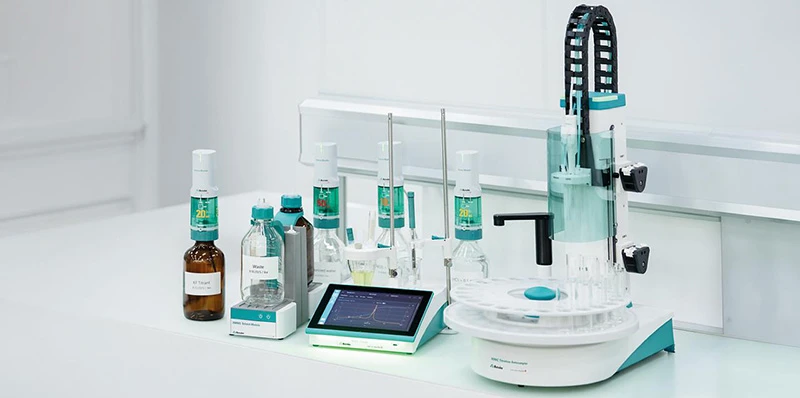
Metrohm USA's new IONIC Titrator pairs a 10-inch touchscreen with direct cloud connectivity, letting labs monitor and share titration data without a PC; here's how it's specced, priced, and positioned for buyers comparing standalone titrators.
Sep 23, 2026
Product News
Eppendorf Introduces the SpinPro 8 R High-Speed Floor Centrifuge
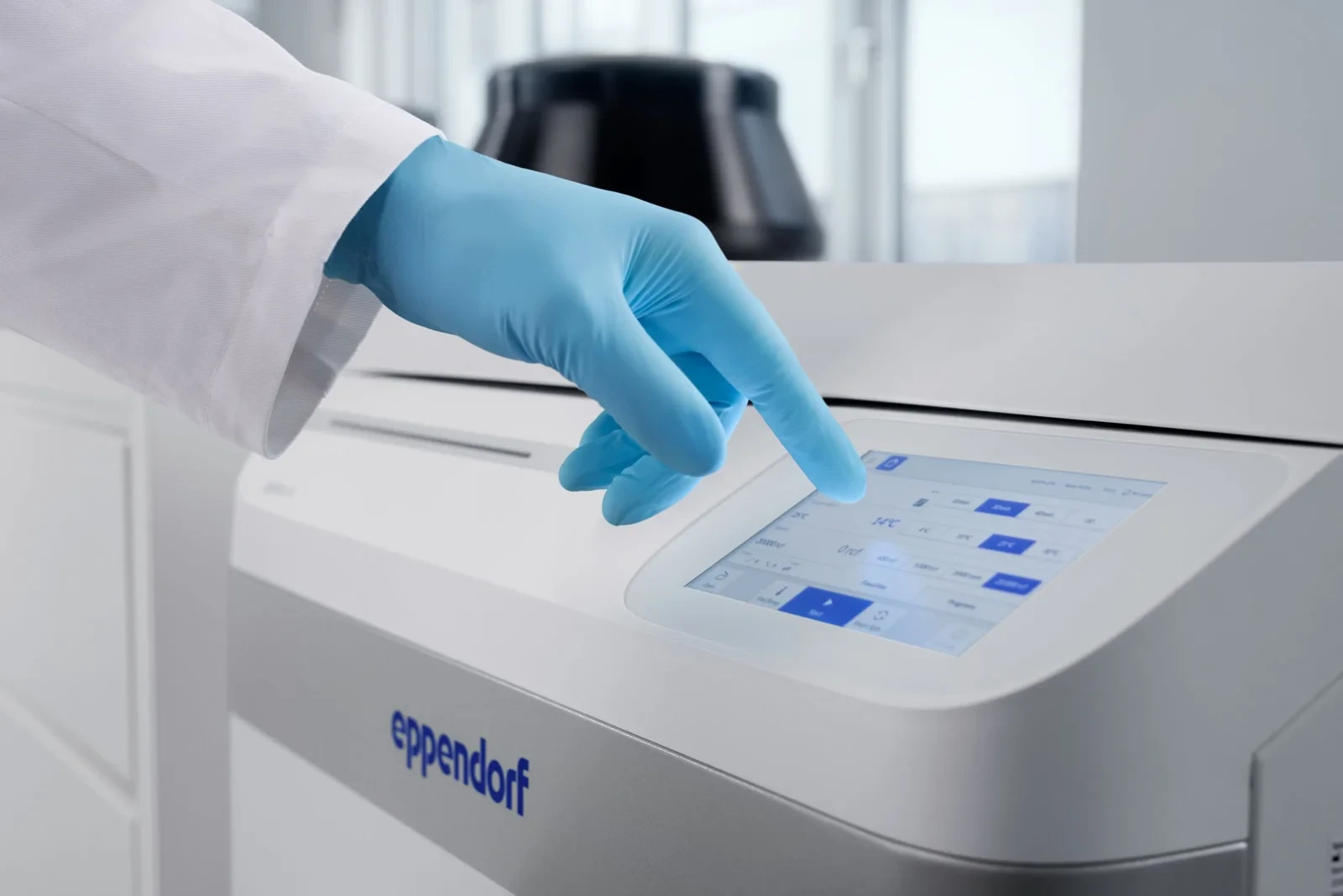
Eppendorf's SpinPro 8 R floor-standing centrifuge launches with 6 L capacity, 35-rotor compatibility, CO₂-based refrigerant (GWP = 1), and AuditSafe documentation for pharma and biotech labs evaluating their next large-volume separation system.
Sep 22, 2026
Product News
Leica Biosystems HistoCore LIGHTNING C Laser Cassette Printer: Speed and Traceability for High-Volume Histology Labs
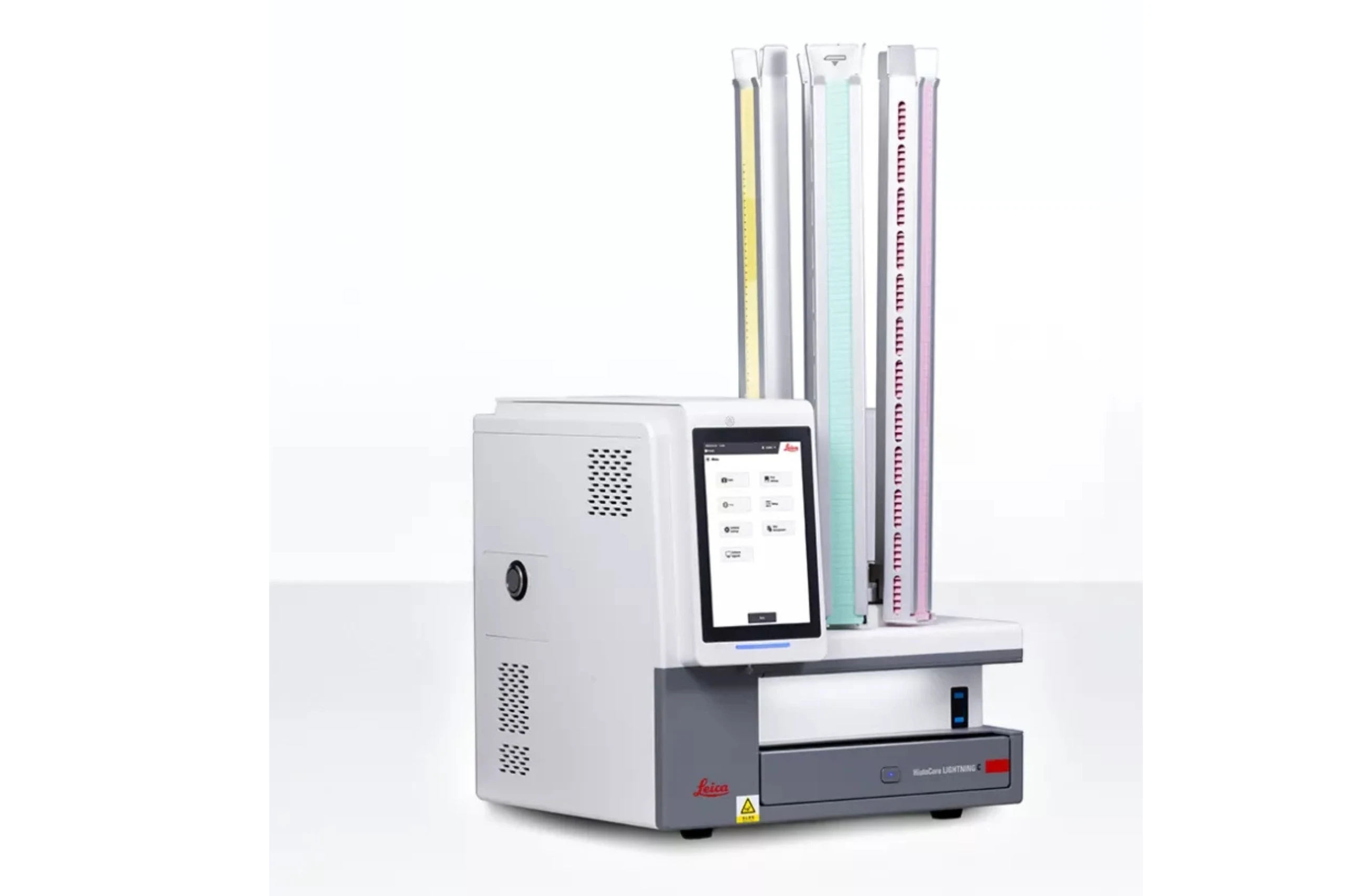
Leica Biosystems' ink-free UV laser cassette printer delivers 2.5-second-per-cassette printing with 600-cassette capacity and LIS integration — what pathology lab buyers need to know before evaluating this system against their workflow needs and total cost of ownership.