
Pipettes and Pipette Tips: Essential Applications in Scientific Research

Written By: Damon Anderson, PhD
Published: Apr 06, 2026
Supporting Accuracy, Reproducibility, and Workflow Efficiency One Tip at a Time
Pipettes and pipette tips are essential tools in modern laboratories, enabling precise liquid handling across a wide range of scientific applications. From molecular biology and cell culture to analytical chemistry and clinical diagnostics, pipetting is a foundational process that directly impacts data accuracy, reproducibility, and overall lab performance.
Understanding the essential applications of pipettes and pipette tips—and how proper selection influences results—is critical for improving workflow efficiency and ensuring reliable outcomes.
This article examines the key performance attributes of pipette and pipettes tips across a wide range of research applications, and what to look for in choosing the right solutions for your work.
Why Pipettes and Pipette Tips Matter in Scientific Research
Pipetting is more than simple liquid transfer. It plays a central role in:
- Maintaining experimental accuracy and precision
- Preventing contamination in sensitive workflows
- Supporting reproducibility across experiments and operators
- Enabling high-throughput and automated lab processes
Even small pipetting errors can lead to significant variability, especially in low-volume or high-sensitivity assays.
Molecular Biology Applications of Pipettes and Pipette Tips
Pipettes are indispensable in molecular biology workflows where microliter-level precision is required.
Common applications include:
- qPCR and RT-PCR setup
- DNA and RNA extraction and purification
- Next-generation sequencing (NGS) library preparation
- Enzyme reactions and reagent mixing
Accurate pipetting ensures proper reagent ratios, which directly affects amplification efficiency and sequencing quality.
Best practices:
- Use low-retention pipette tips to minimize sample loss
- Use filter tips to prevent aerosol contamination
- Select pipettes designed for low-volume accuracy
Cell Culture and Microbiology Pipetting Applications
In cell biology and microbiology, pipettes are critical for maintaining sterile conditions and protecting sample integrity.
Key uses:
- Cell seeding and passaging
- Media and reagent preparation
- Microbial culture handling
- Drug screening and toxicity assays
Tip selection matters:
- Sterile filter tips reduce contamination risk
- Wide-orifice tips protect fragile cells from shear stress
- Proper technique preserves cell viability and consistency
Analytical Chemistry and Sample Preparation
Pipettes are essential for quantitative workflows in analytical chemistry, where accuracy directly affects measurement reliability.
Common applications:
- Calibration standards and curve preparation
- Serial dilutions
- Chromatography sample prep (HPLC, GC)
- Spectroscopy assays
Why it matters:
Inconsistent pipetting introduces quantification errors, impacting analytical results and data integrity.
Recommended tools:
- Electronic pipettes for consistent volume delivery
- Multichannel pipettes for parallel sample handling
High-Throughput Screening and Plate-Based Assays
High-throughput laboratories rely on pipettes for speed, consistency, and scalability.
Typical applications:
- ELISA and immunoassays
- Drug discovery and compound screening
- Plate replication and reagent dispensing
- 96- and 384-well plate workflows
Optimization strategies:
- Use multichannel pipettes to increase throughput
- Use electronic pipettes to reduce operator variability
- Standardize workflows to improve reproducibility
Clinical and Diagnostic Pipetting Applications
In clinical laboratories, pipetting is directly linked to regulatory compliance and patient outcomes.
Common uses:
- Sample aliquoting
- Diagnostic assay preparation
- PCR-based molecular diagnostics
- Biomarker and immunoassay testing
Compliance considerations:
- Pipettes must be regularly calibrated and documented
- Workflows must meet GLP, GMP, and ISO standards
- Closed pipette systems improve reproducibility and traceability
Environmental and Food Testing Applications
Pipettes are widely used in environmental and food testing labs for accurate sample handling.
Applications include:
- Water and soil testing
- Contaminant and residue analysis
- Nutritional composition testing
- Microbial detection in food products
These workflows often involve complex matrices, requiring careful pipetting technique and appropriate tip selection to maintain accuracy.
Choosing the Right Pipette Tips for Each Application
Selecting the correct pipette tip is critical for achieving optimal performance.
Common pipette tip types and uses:
- Standard tips – routine liquid handling
- Low-retention tips – proteins, enzymes, viscous samples
- Filter tips – contamination-sensitive workflows
- Wide-orifice tips – fragile cells, high-viscosity liquids
- Extended-length tips – deep vessels and narrow tubes
Matching the tip to the application helps:
- Reduce variability
- Improve sample recovery
- Prevent contamination
- Enhance reproducibility
Pipetting Technique and Best Practices
Even with high-quality equipment, poor technique can compromise results.
Key best practices:
- Maintain consistent immersion depth
- Use smooth aspiration and dispensing
- Pre-wet tips for improved accuracy
- Calibrate pipettes regularly
- Standardize techniques across users
Operator consistency is especially important in shared lab environments and high-throughput workflows.
Sustainable Pipette Tip Solutions
Laboratories are increasingly adopting sustainable practices to reduce plastic waste from pipette tips.
Emerging solutions:
- Tip reload systems to reduce packaging
- Recycling programs for tips and racks
- Biobased or alternative materials
These approaches help reduce environmental impact without compromising performance.
Conclusion: The Critical Role of Pipettes in Scientific Workflows
Pipettes and pipette tips are fundamental to nearly every laboratory application, influencing accuracy, efficiency, and compliance across scientific disciplines.
By selecting the right pipetting tools, using appropriate tips, and following best practices, laboratories can:
- Improve data reliability
- Reduce variability and errors
- Increase workflow efficiency
- Support regulatory compliance
In modern research environments, pipetting is not just a routine task—it is a critical factor in producing high-quality, reproducible scientific results.
Explore the comprehensive resource below to learn more.
Nov 04, 2026
Product News
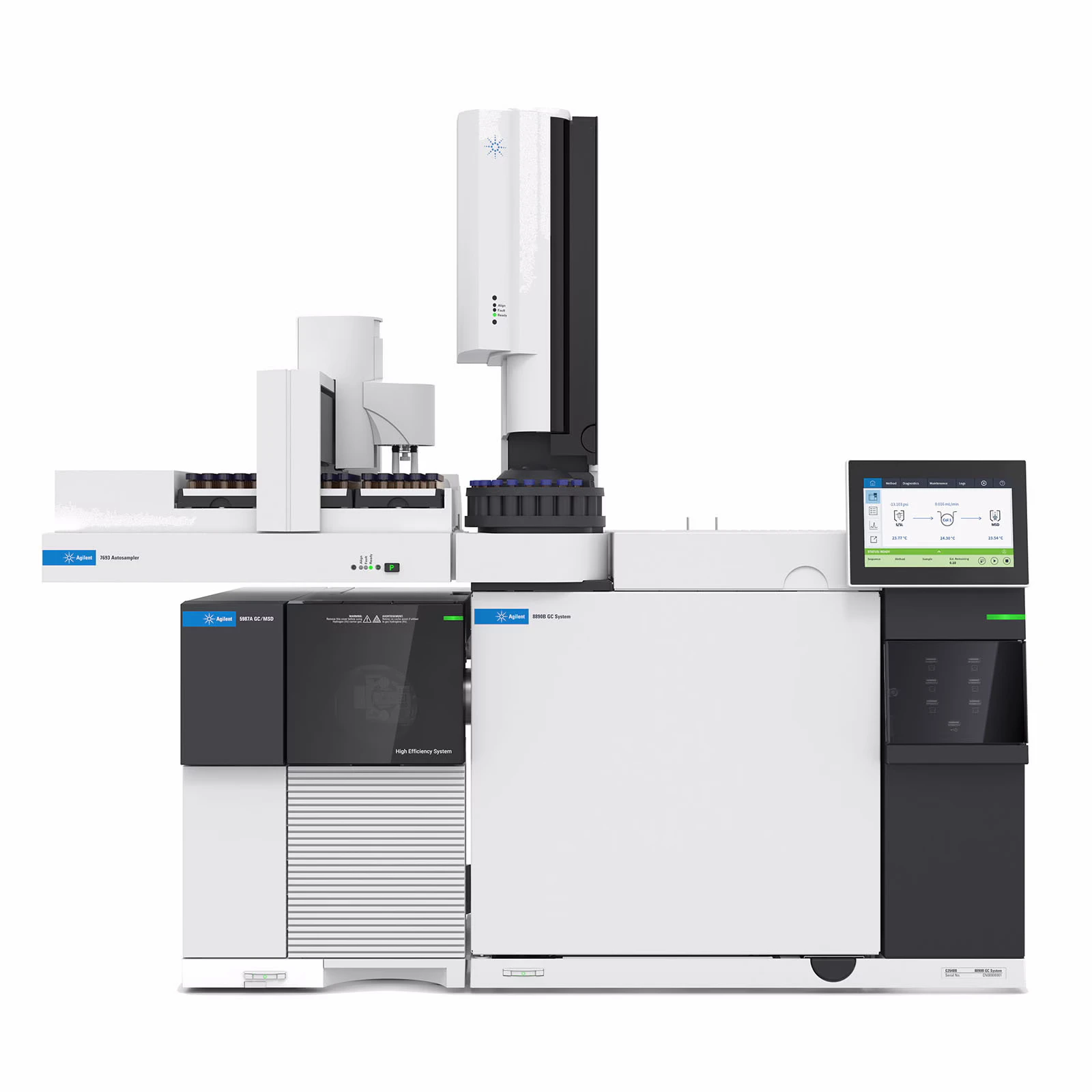
Agilent 5987A MSD: Should 5977-Series Labs Upgrade?
A spec-by-spec look at whether the 5987A’s 25% faster scanning, 10× dynamic range gain, and built-in GC Assist intelligence justify moving off the 5977 series — with LabX used-market context for current 5977A and 5977B owners.
Nov 02, 2026
Product News
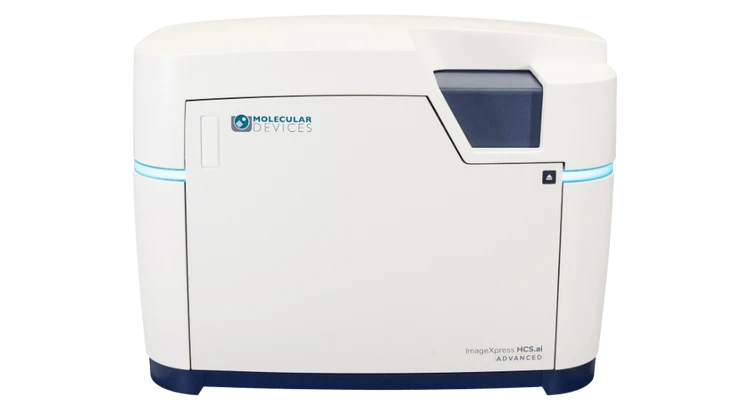
ImageXpress HCS.ai Advanced Duo: Dual-Camera HCS Upgrade for Drug Discovery Labs
Molecular Devices has launched the ImageXpress HCS.ai Advanced Duo, a dual-camera high-content screening system that adds simultaneous image acquisition and integrated screening analytics to the existing HCS.ai Advanced platform — this article breaks down what changes for buyers already operating in the category and whether the upgrade is warranted.
Oct 27, 2026
Product News
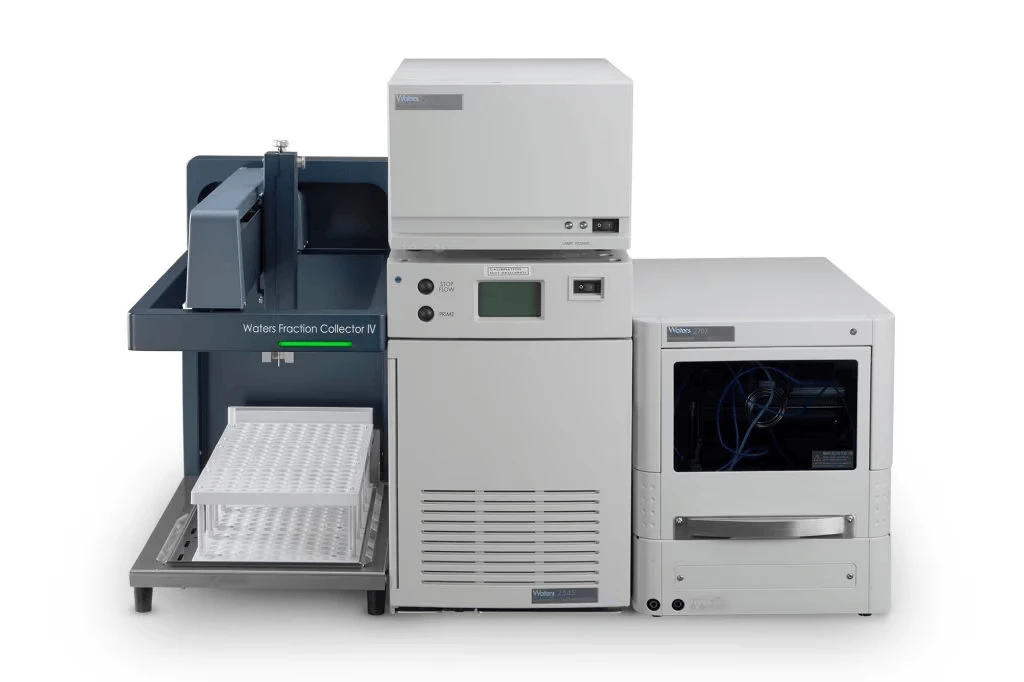
Waters Fraction Collector IV: More Capacity, More Formats for Prep LC Labs
Waters has launched the Fraction Collector IV, upgrading prep-scale purification with 50% more collection capacity, flow rates to 300 mL/min, and native control through Empower, MassLynx, and ChromScope software — here’s what buyers in pharma, biotech, and CRO labs need to evaluate before purchasing.
Oct 20, 2026
Product News
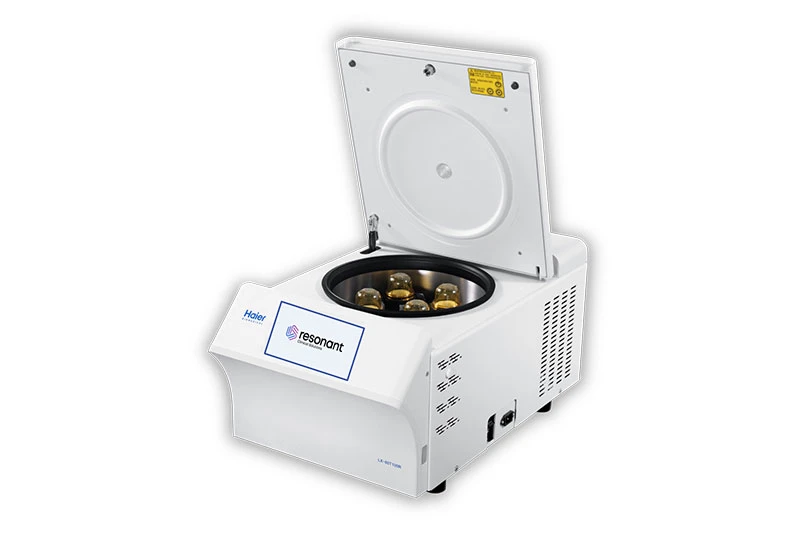
LX-60T100R Refrigerated Benchtop Centrifuge: F-Gas Compliance for Clinical Trials
A new hydrocarbon-cooled benchtop centrifuge purpose-built for clinical trial sample processing arrives with a GWP of ~3, 5-minute pre-cooling, and exclusive distribution through Resonant Clinical Solutions — giving procurement teams an F-gas-ready option well ahead of the 2028 EU regulatory deadline.
Oct 16, 2026
Product News
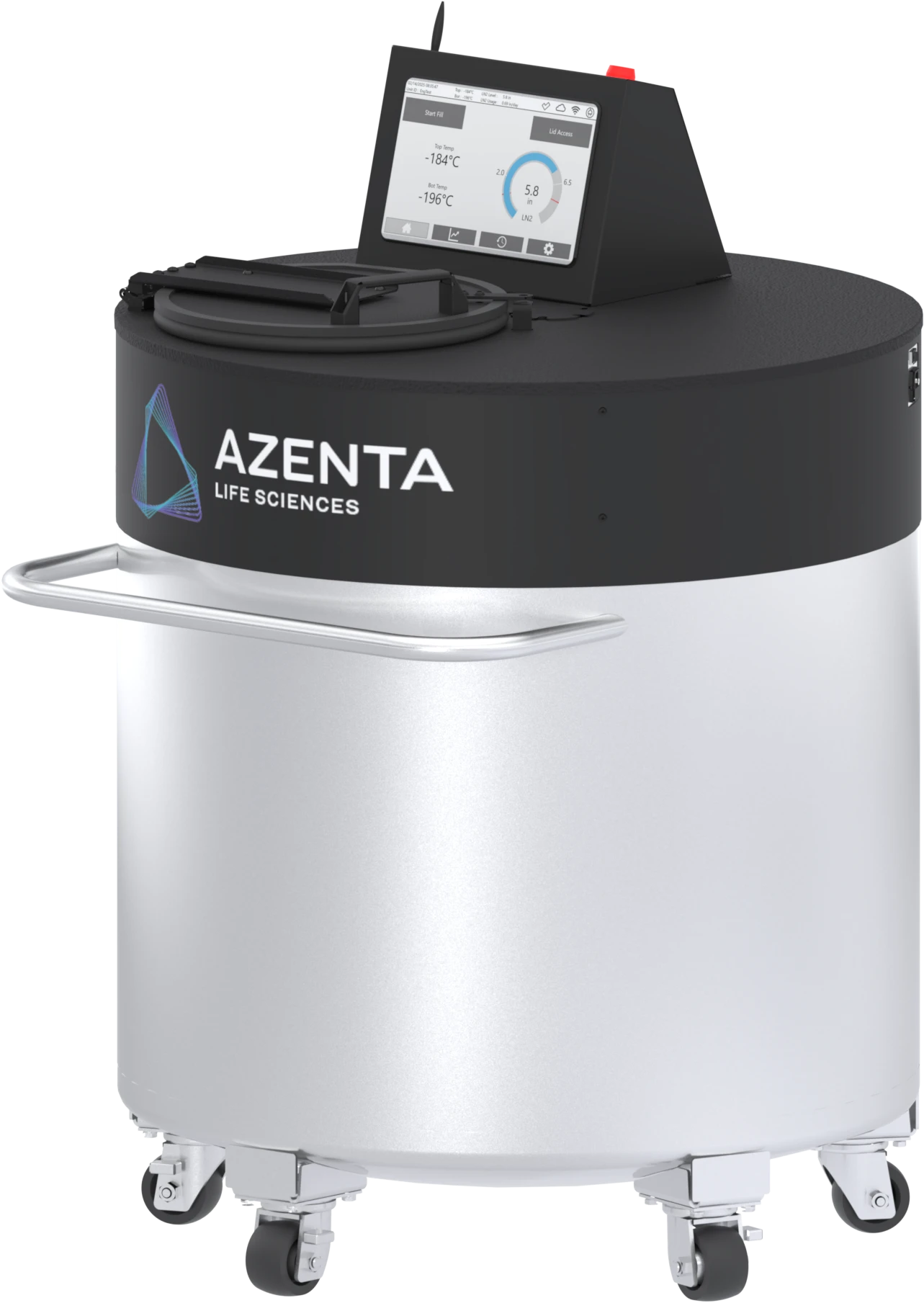
CryoArc Vita-76: Azenta’s High-Density Cryogenic Storage for IVF Clinics
Azenta Life Sciences has launched the CryoArc Vita-76, a cryogenic storage system that consolidates up to seven traditional dewars into a single footprint — this article covers specifications, how it compares in the clinical IVF storage market, and what fertility clinic buyers should evaluate before purchasing.
Sep 30, 2026
Product News
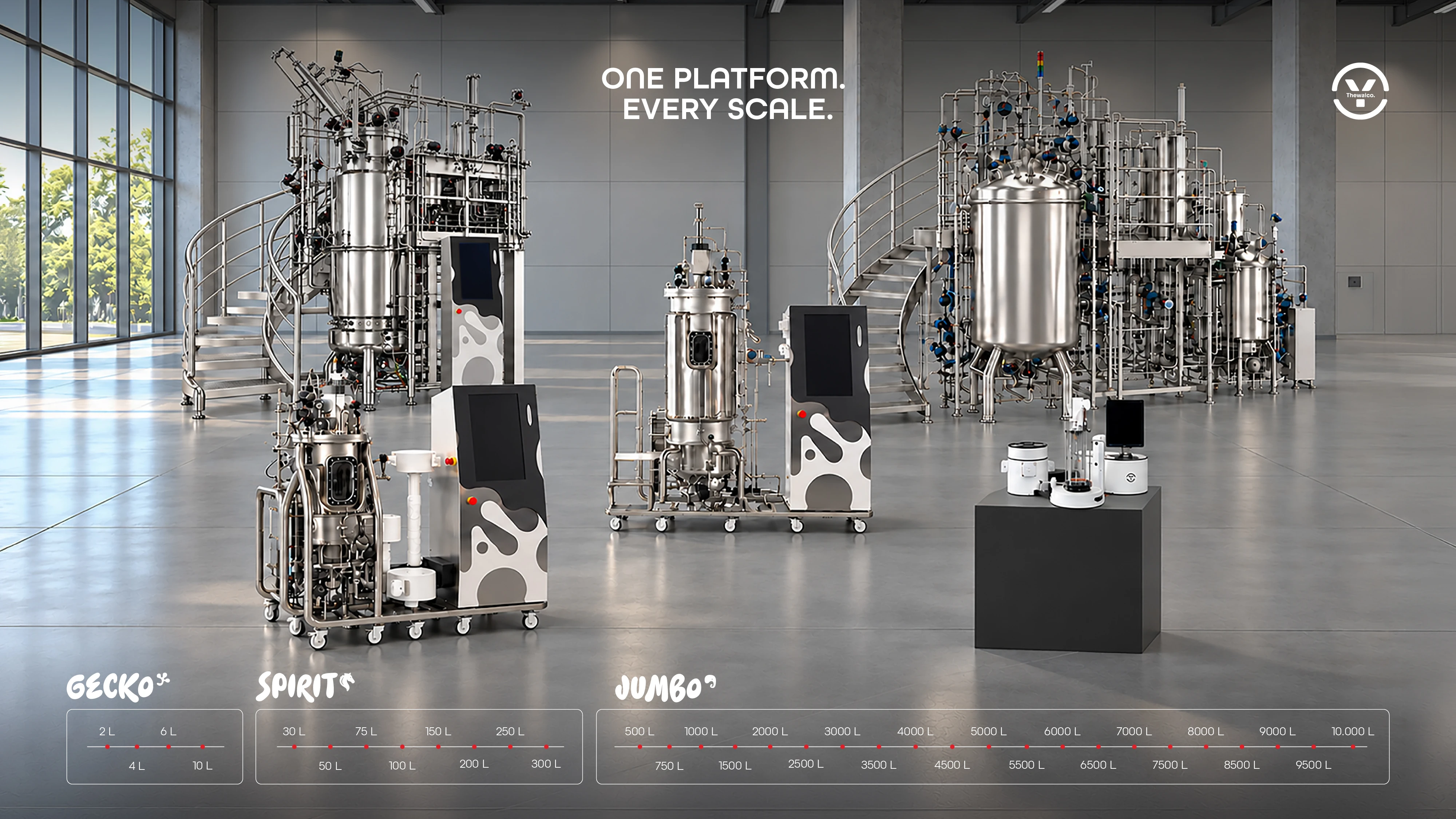
Thewaico Launches Integrated Bioreactor Platform to Solve Biomanufacturing Scale-Up
A new bioprocess company has emerged with three connected bioreactor platforms — spanning 2 L to 10,000+ L — and an AI-assisted control layer intended to eliminate the re-engineering step that derails most scale-up projects, alongside a direct-to-web pricing configurator.
Sep 28, 2026
Product News
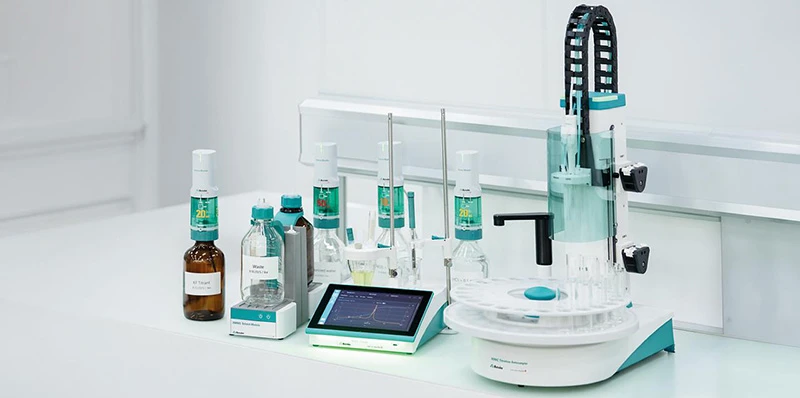
Metrohm USA Launches IONIC Titrator With Built-In Cloud Access
Metrohm USA's new IONIC Titrator pairs a 10-inch touchscreen with direct cloud connectivity, letting labs monitor and share titration data without a PC; here's how it's specced, priced, and positioned for buyers comparing standalone titrators.
Sep 23, 2026
Product News
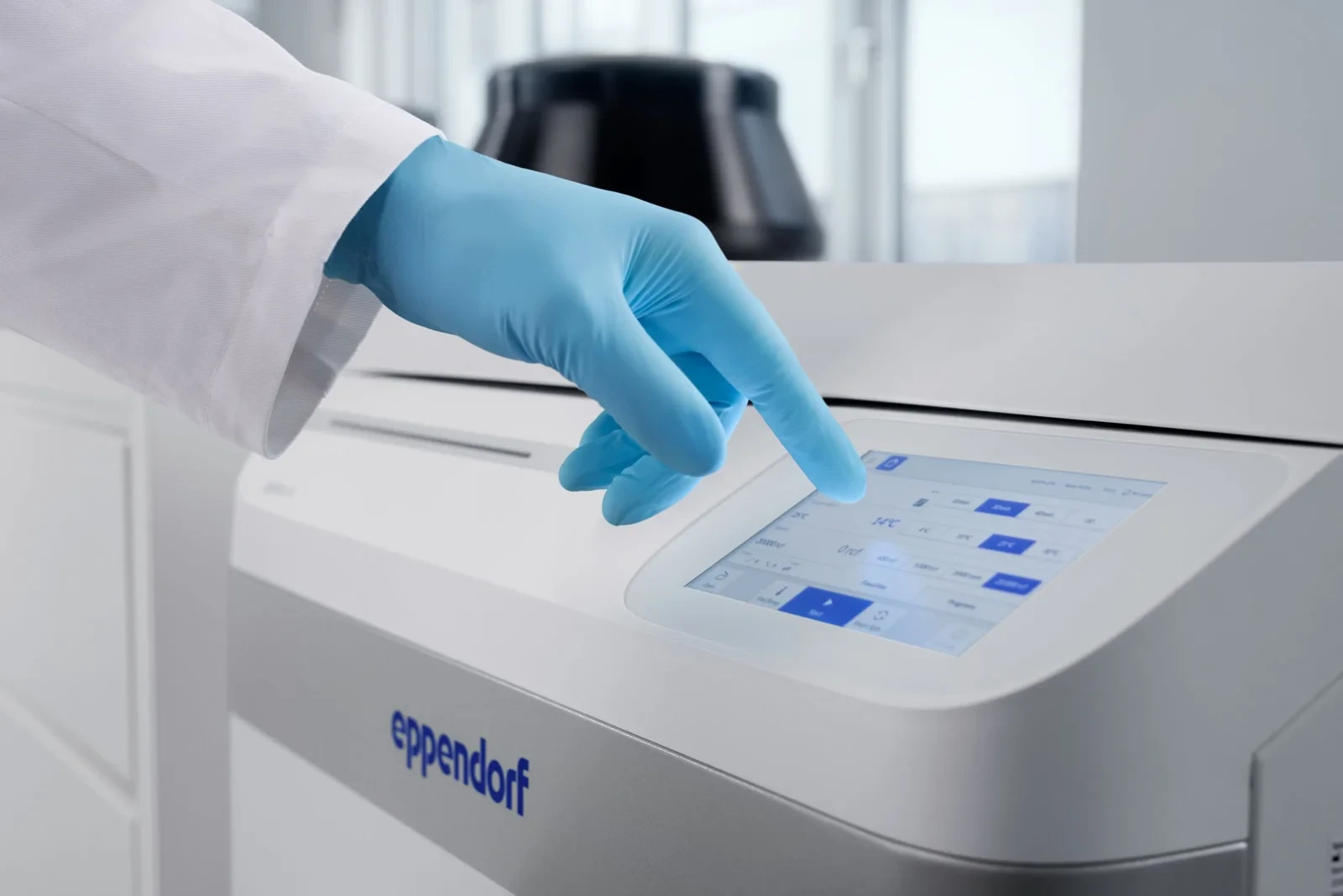
Eppendorf Introduces the SpinPro 8 R High-Speed Floor Centrifuge
Eppendorf's SpinPro 8 R floor-standing centrifuge launches with 6 L capacity, 35-rotor compatibility, CO₂-based refrigerant (GWP = 1), and AuditSafe documentation for pharma and biotech labs evaluating their next large-volume separation system.
Sep 22, 2026
Product News
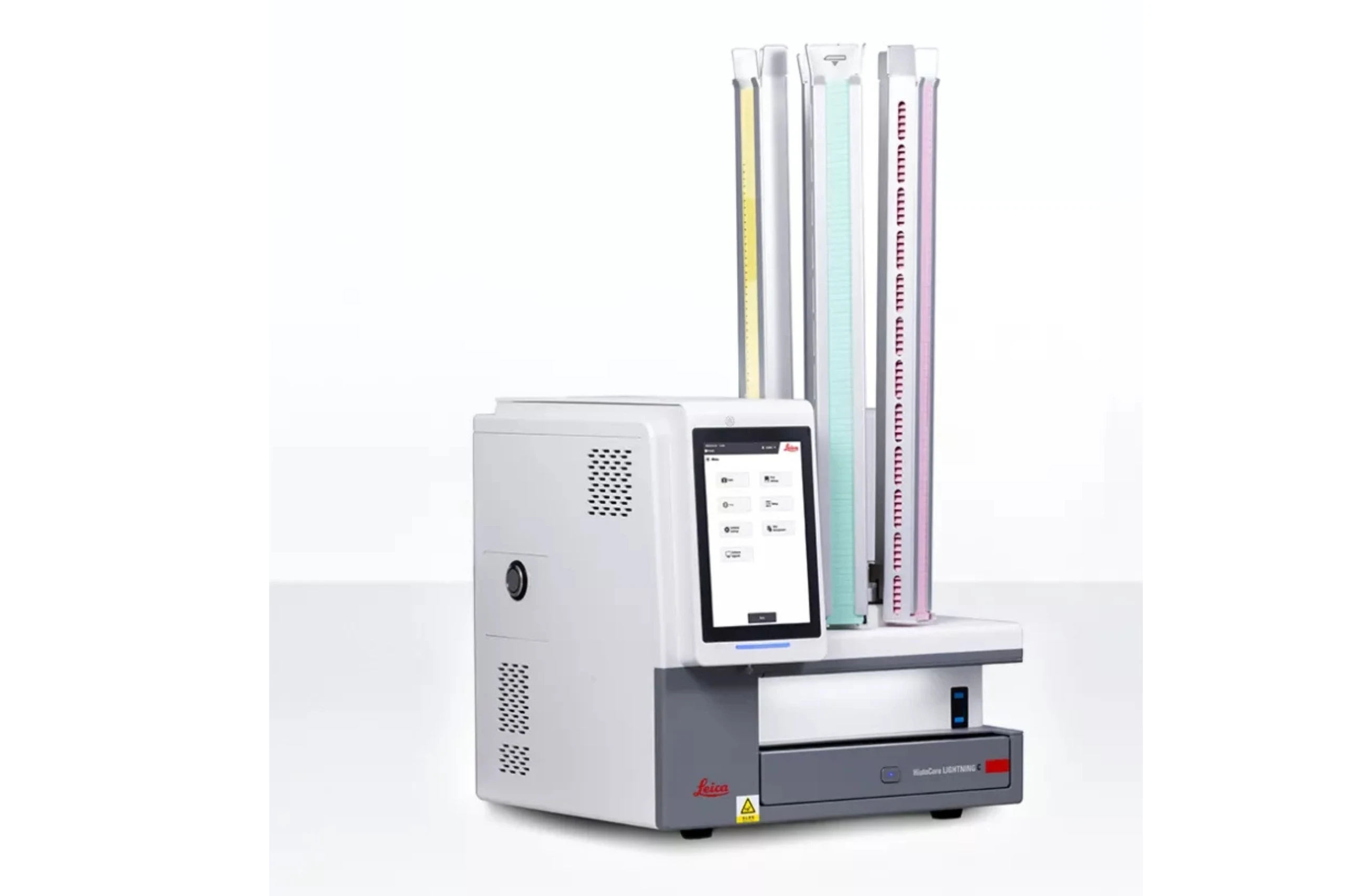
Leica Biosystems HistoCore LIGHTNING C Laser Cassette Printer: Speed and Traceability for High-Volume Histology Labs
Leica Biosystems' ink-free UV laser cassette printer delivers 2.5-second-per-cassette printing with 600-cassette capacity and LIS integration — what pathology lab buyers need to know before evaluating this system against their workflow needs and total cost of ownership.

Sep 17, 2026
Product News
Yamato Scientific America moves into life sciences with multi-technology partnership portfolio
Yamato Scientific America is entering the life sciences market through technology partnerships covering live-cell imaging, circulating tumor cell enrichment, and single-cell isolation — here is what buyers should evaluate before engaging.