
The Best Brightfield Microscopes of 2026

Written By: Craig Bradley
Published: Dec 23, 2025
For clinical diagnostics, pathology, and life science research, brightfield microscopes remain the fundamental imaging tool. While underlying optical principles have persisted for decades, the best brightfield microscopes of 2026 integrate advanced ergonomics, automated workflows, and AI-compatible hardware to meet the demands of modern laboratories. When selecting new equipment, laboratory professionals must weigh optical clarity and mechanical durability against emerging features like motorized stages and digital connectivity. Evaluated below are five standout models available in 2026, ranging from industry-standard workhorses to cutting-edge platforms released in the last eighteen months, ensuring facilities can identify the optimal instrument for their specific operational needs. Best Overall: Evident BX53 — The industry-standard upright microscope offering superior color reproduction and modular flexibility. Best On A Budget: Accu-Scope EXC-500 — A high-value clinical workhorse with excellent optics and a rackless stage design. Best For Speed / Throughput: Nikon Eclipse Ti2-I — A recently released, motorized inverted system designed for high-efficiency clinical workflows. Most Versatile: Echo Revolve — An innovative hybrid system that converts between upright and inverted configurations to suit diverse sample types. Best High-End Option: Evident IXplore IX85 — A newly launched, fully motorized platform built for advanced automation and future-proof expandability. Price Range: $16,000 – $26,000 (Dependent on objectives and configuration)
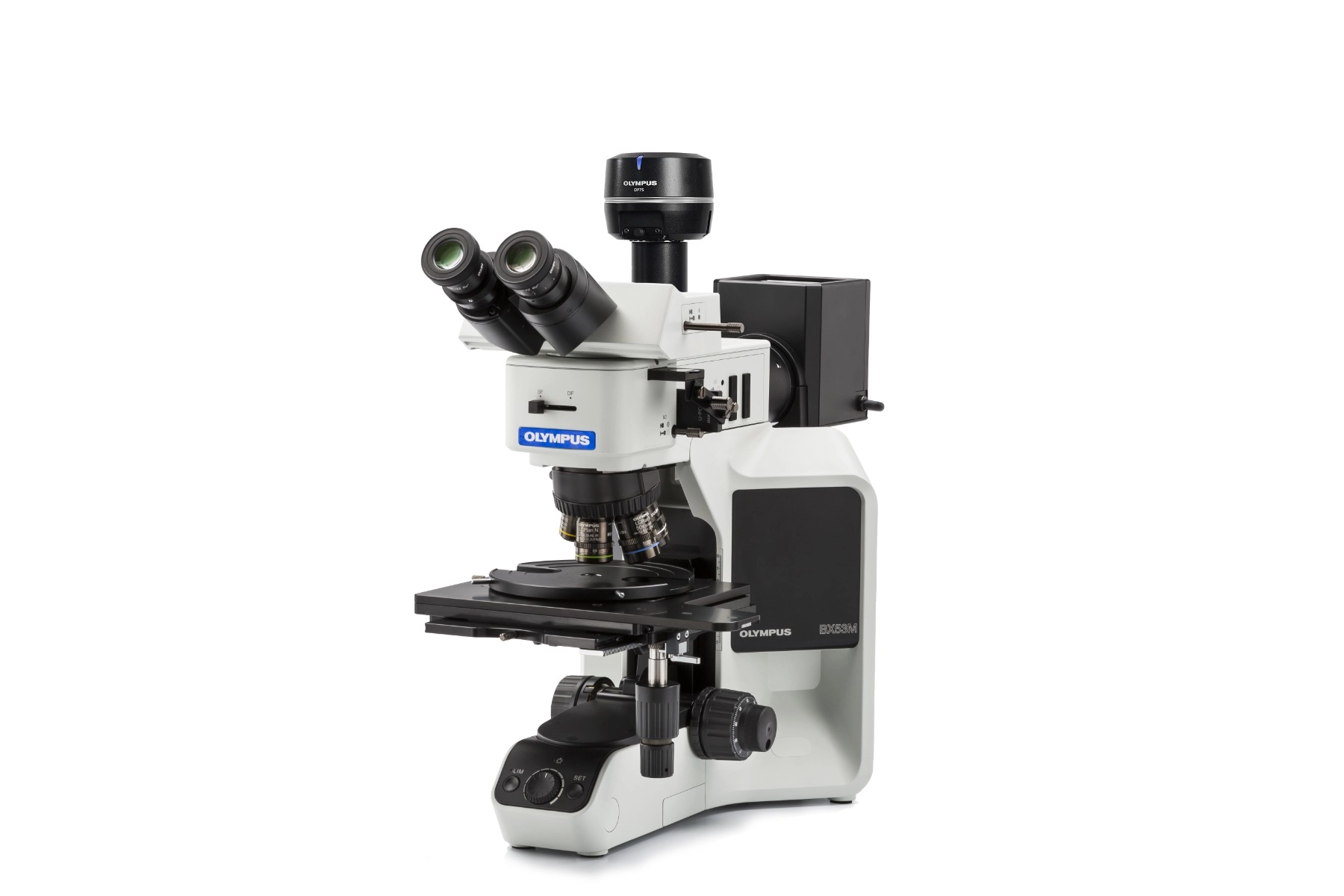
Best For: Best Overall The Evident BX53 continues to dominate the clinical and research landscape as the gold standard for upright brightfield microscopy. Renowned for its modularity, this system allows laboratories to start with a basic configuration and upgrade components as needs evolve. Mimicking the spectral characteristics of halogen light, the "True Color" LED illumination system ensures that pathologists and researchers see accurate stain colors—crucial for diagnostic confidence—without the heat or bulb-replacement frequency of traditional light sources. Optical System: UIS2 Infinity-Corrected Optics Illumination: High-intensity True Color LED (equivalent to 100W Halogen) Focus Control: Manual with option for motorized nosepiece and condenser Automation: Light Intensity Manager (LIM) automatically adjusts brightness per objective In high-volume pathology and cytology labs where optical fidelity and user comfort are paramount, the BX53 excels. Operators can adjust the height and tilt of the eyepieces via an ergonomic telescoping observation tube, significantly reducing neck strain during long screening sessions. Switching magnifications no longer requires manual brightness adjustments thanks to the Light Intensity Manager, which streamlines the workflow and reduces eye fatigue. Despite being a traditional frame, the system's robust build quality and compatibility with a vast range of objectives make it the most reliable choice for general clinical applications, histology, and hematology. Price Range: $3,000 – $5,500
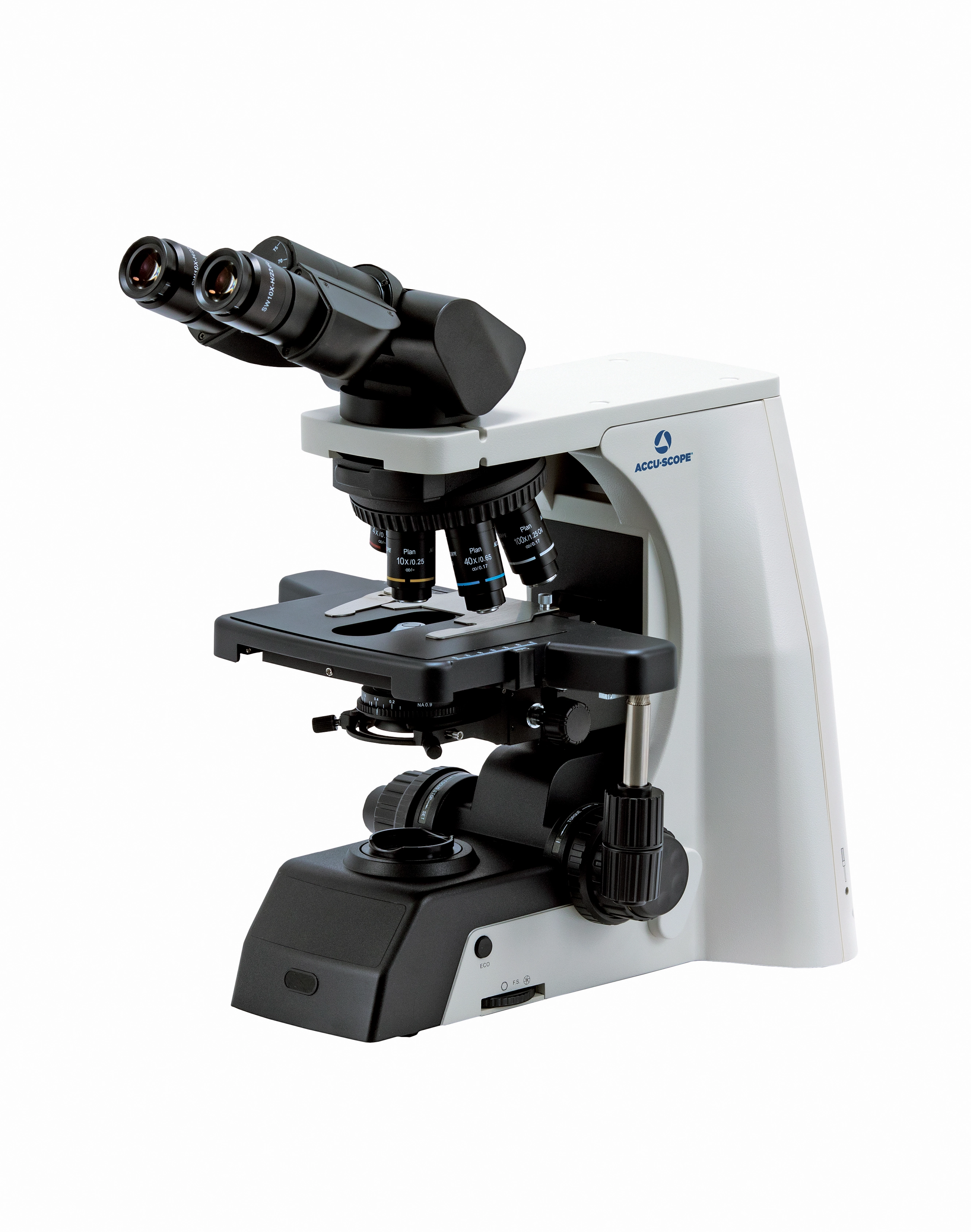
Best For: Best On A Budget For laboratories requiring reliable performance without the premium price tag of the major "Big Four" manufacturers, the Accu-Scope EXC-500 is the standout choice in 2026. Specific design elements for clinical environments allow it to deliver surprising optical quality and durability. Vibration is minimized by a heavy, stable frame, while the optical path provides flat, high-contrast images suitable for routine diagnostics. It represents an ideal balance of cost and performance for reference labs, educational institutions, and smaller diagnostic centers. Optical System: Infinity Corrected Plan Achromat or Plan Phase objectives Stage: Rackless mechanical stage (prevents injury and wear) Illumination: 3W LED with variable intensity control Observation Head: S Siedentopf type, 30° inclined, 360° rotatable Proving that budget constraints do not necessitate a compromise on clinical utility, the EXC-500 delivers exceptional value. A notable feature is the rackless stage design, which eliminates the protruding rack typically found on lower-cost models to maximize workspace and prevent accidental snags. Operationally, the microscope performs exceptionally well for urinalysis, differential white blood cell counts, and routine gram staining. Even without the advanced automation options of high-end research frames, a straightforward mechanical design ensures low maintenance costs and high uptime, making it a favorite for high-traffic routine workstations. Price Range: $35,000 – $55,000+
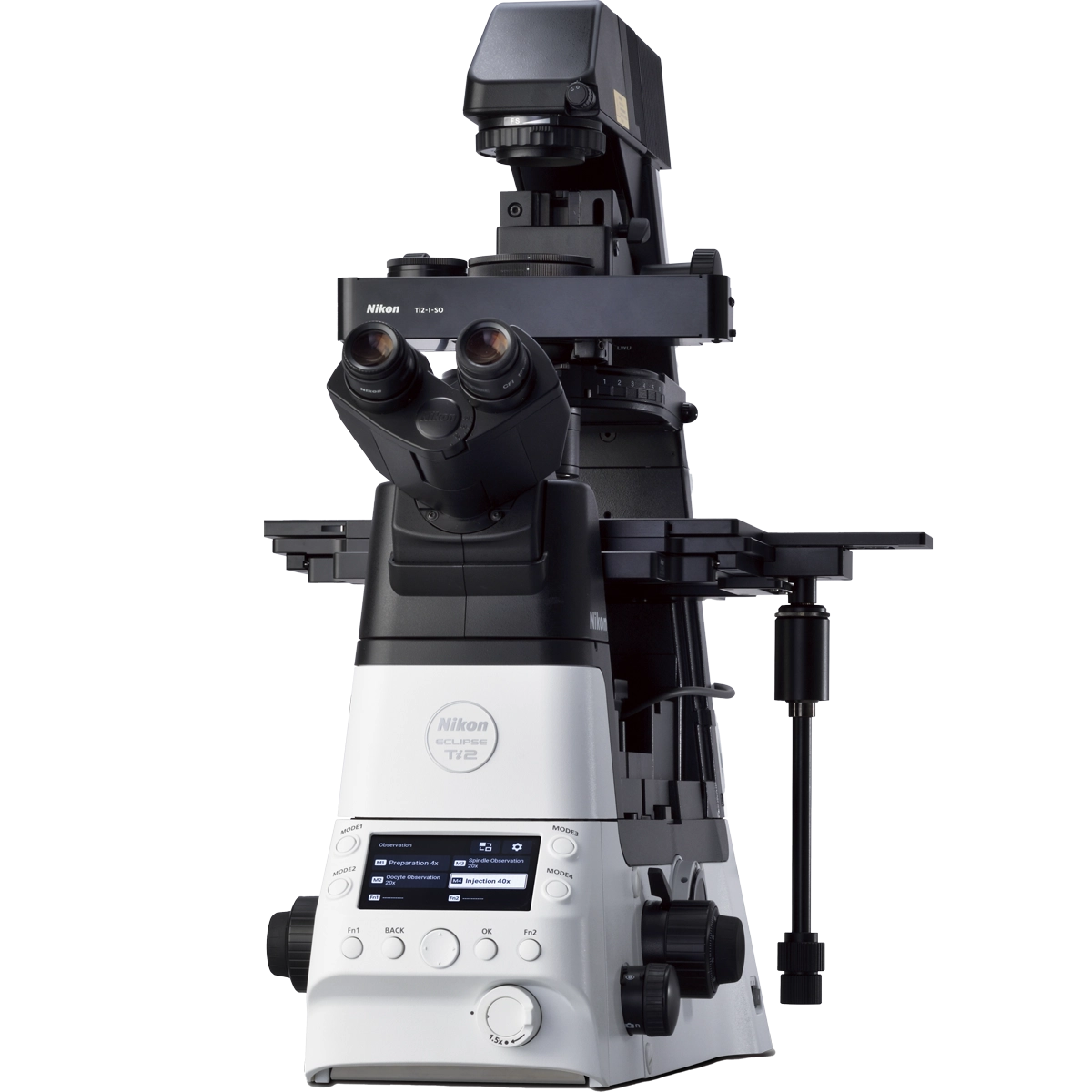
Best For: Best For Speed / Throughput Making its debut in mid-2024, the Nikon Eclipse Ti2-I is a specialized inverted microscope that brings high-throughput capabilities to clinical settings, particularly in reproductive medicine and cell culture analysis. Building on the success of the research-grade Ti2, this model streamlines complex manipulation tasks. Rapid, automated adjustments are made possible by fully motorized components, reducing the manual steps required between sample observations. This model represents the shift towards "smart" hardware capable of integrating with modern laboratory information systems. Frame Type: Inverted, motorized Release Date: July 2024 Automation: Intelligent hardware control for objectives and light path Display: Integrated status display on the front of the stand Stability: Drift-corrected focus system for long-term observation Engineering for the Ti2-I focuses on speed and precision in fast-paced environments like IVF clinics and high-volume cell culture facilities. Viewing specimens in petri dishes or well plates is facilitated by its inverted design, yet the system's brightfield and contrast capabilities truly distinguish it for routine checks. Sample scanning is accelerated by the motorized nosepiece and stage, while the ergonomic controller allows users to manipulate the system without diverting their eyes from the monitor or eyepieces. For labs prioritizing throughput and minimal handling time, this recent release offers a significant efficiency advantage over manual inverted systems. Price Range: $29,000 – $45,000
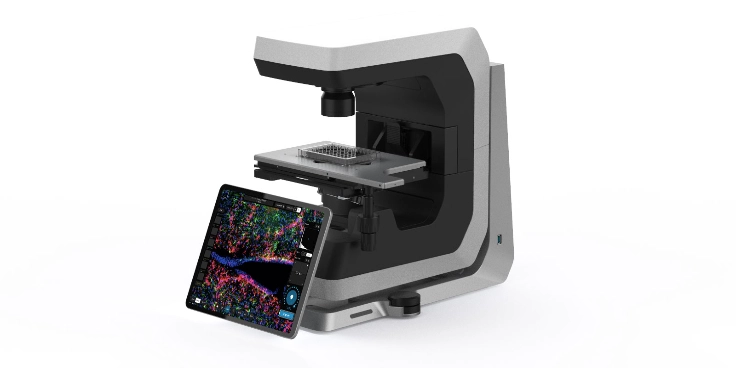
Best For: Most Versatile Challenging the traditional dichotomy between upright and inverted microscopes, the Echo Revolve combines both configurations into a single instrument. A unique pivoting stand allows the Revolve to be transformed from an upright microscope (for glass slides) to an inverted microscope (for live cells in flasks) in seconds. It replaces traditional eyepieces with a high-resolution iPad Pro interface, facilitating easy image capture, annotation, and sharing. This versatility makes it an invaluable asset for core facilities and labs with limited bench space. Configuration: Hybrid (Pivoting Upright/Inverted Stand) Display: Integrated 12.9-inch iPad Pro with Retina Display Camera: 12MP System integrated into the optical path Software: iOS-based app for control, capture, and cloud sharing Illumination: LED brightfield and fluorescence options For diverse research laboratories where sample types vary daily, the Revolve is particularly relevant. When in brightfield mode, the high-resolution digital display allows multiple users to view a specimen simultaneously, creating an excellent environment for training, collaboration, and tumor boards. Functions typically buried in complex software menus on traditional systems are simplified by the touch interface. Although purists may prefer optical eyepieces, equipment ROI and bench efficiency are maximized by the Revolve’s ability to handle tissue sections one moment and cell cultures the next without requiring two separate machines. Price Range: $45,000 – $70,000+
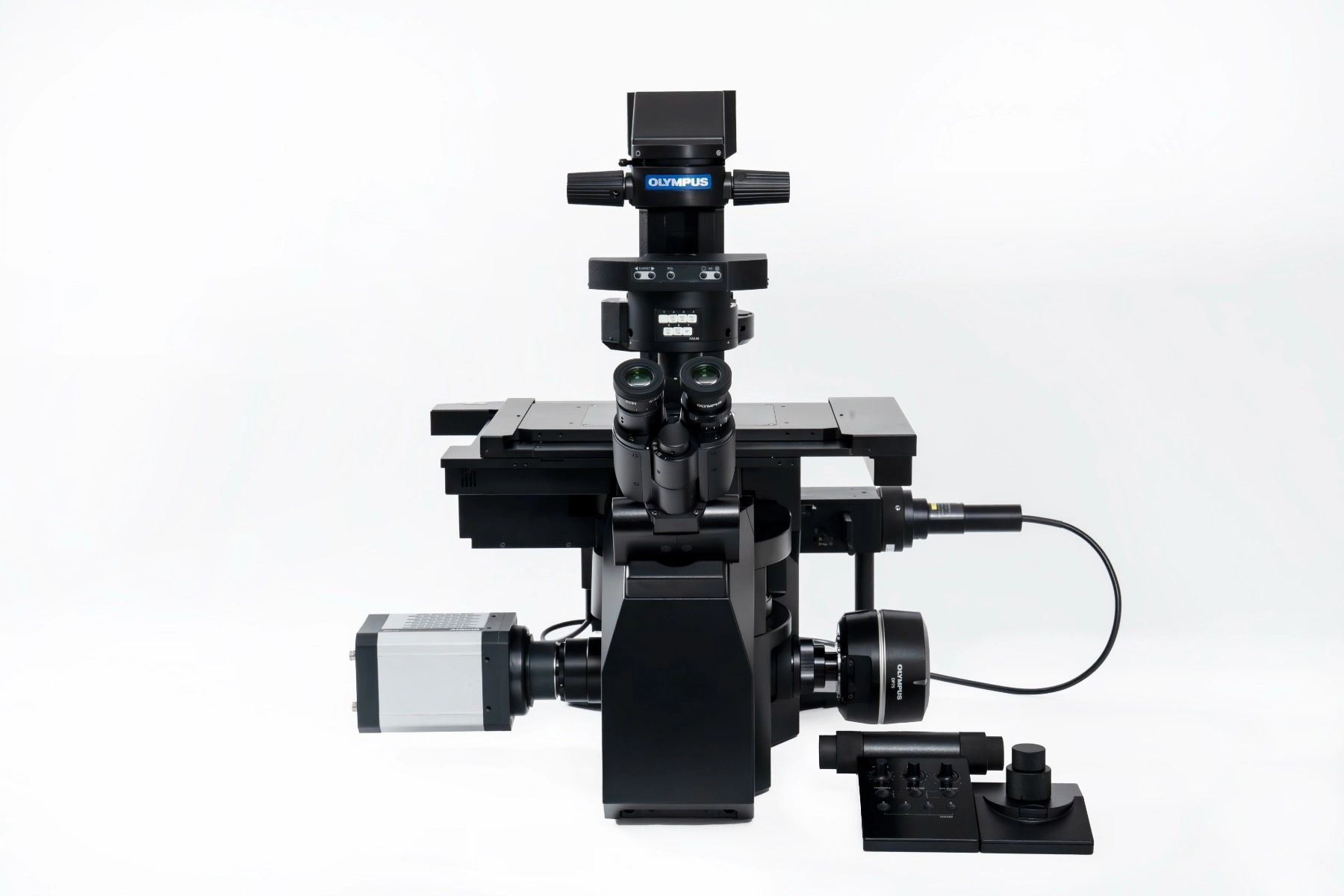
Best For: Best High-End Option Launched in late 2024, the Evident IXplore IX85 is the newest flagship platform designed for laboratories that demand the absolute peak of expandability and precision. While often outfitted for advanced fluorescence, its brightfield and phase contrast capabilities are engineered to research-grade perfection. Various stage inserts and micromanipulators integrate seamlessly thanks to the open-frame architecture. It is the most future-proof option on this list, capable of evolving from a high-end observation station to a fully automated imaging center. Release Date: November 2024 Design: Open deck, fully motorized platform Expansion: Dual-deck design supports multiple optical layers Control: Touch panel controller and advanced software integration Optics: Supports latest silicone immersion objectives Targeting high-end research applications and specialized clinical diagnostics where standard equipment falls short, the IXplore IX85 stands out. Ideally suited for time-lapse imaging and experiments requiring extreme vibration control, the system boasts massive stability and precise motorization. In a brightfield context, this stability translates to crystal-clear high-magnification imaging of minute cellular structures. Serving as a powerful hub for developmental biology, neurology, and advanced pathology, the platform offers a level of customization that allows lab managers to tailor the optical path specifically to their unique experimental protocols. Model Best For Key Features Typical Price Range Evident BX53 Best Overall True Color LED, Ergonomic/Modular Design, Light Intensity Manager $16,000 – $26,000 Accu-Scope EXC-500 Best On A Budget Rackless Stage, Heavy Cast Frame, Plan Achromat Optics $3,000 – $5,500 Nikon Eclipse Ti2-I Best For Speed Motorized Inverted Frame, Release 2024, Intelligent Hardware $35,000 – $55,000+ Echo Revolve Most Versatile Hybrid Upright/Inverted, iPad Interface, Touch Control $29,000 – $45,000 Evident IXplore IX85 Best High-End Open Deck Architecture, Release late 2024, Full Automation $45,000 – $70,000+ Selecting the right optical equipment for 2026 requires balancing immediate clinical needs with long-term operational goals. The Evident BX53 remains the steadfast choice for pure pathological reliability, while the Accu-Scope EXC-500 offers exceptional value for routine diagnostics. A clear industry shift toward automation and motorized workflows, however, is signaled by the introduction of the Evident IXplore IX85 and Nikon Eclipse Ti2-I, which reduce human error and increase throughput. By investing in modern brightfield microscopes that align with specific throughput requirements and sample types, laboratory professionals can ensure higher diagnostic accuracy and improved workflow efficiency for years to come. This article was created with the assistance of Generative AI and has undergone editorial review before publishing.
Quick Summary
Evident BX53 – Evident Scientific (formerly Olympus)
Key Specs
Performance & Applications
Accu-Scope EXC-500 – Accu-Scope
Key Specs
Performance & Applications
Nikon Eclipse Ti2-I – Nikon Instruments
Key Specs
Performance & Applications
Echo Revolve – BICO (Echo)
Key Specs
Performance & Applications
Evident IXplore IX85 – Evident Scientific
Key Specs
Performance & Applications
Comparison Table
Conclusion: Choosing the Best Brightfield Microscope

Nov 24, 2026
Product News
Sentinel Buys GSI Group Holdings: What Lab Buyers Should Know
Private equity firm Sentinel took over the parent of Globe Scientific, AmScope, and Euromex. See which supply questions to ask and where used stock sits.
Nov 19, 2026
Product News
Sensaphone Sentinel and Sentinel PRO: What Buyers Need to Know About Moving Beyond Manual Temperature Logs
Sensaphone’s Sentinel and Sentinel PRO compared for regulated labs: what the 24/7 logging covers, which specifications and documents to confirm before an audit, and how pricing sits against LabX’s temperature monitoring category.
Nov 04, 2026
Product News
Agilent 5987A MSD: Should 5977-Series Labs Upgrade?
A spec-by-spec look at whether the 5987A’s 25% faster scanning, 10× dynamic range gain, and built-in GC Assist intelligence justify moving off the 5977 series — with LabX used-market context for current 5977A and 5977B owners.
Nov 02, 2026
Product News
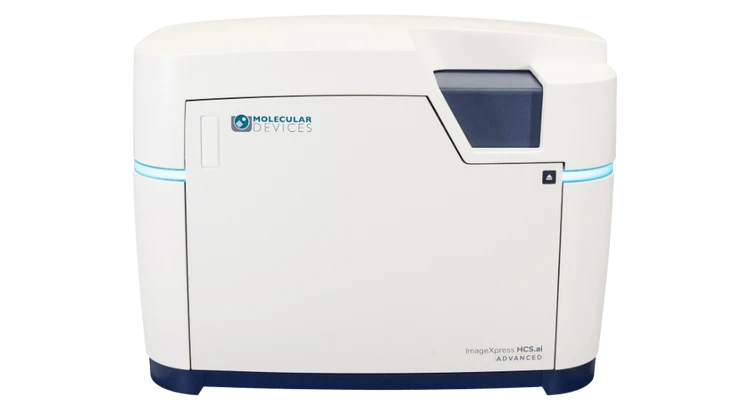
ImageXpress HCS.ai Advanced Duo: Dual-Camera HCS Upgrade for Drug Discovery Labs
Molecular Devices has launched the ImageXpress HCS.ai Advanced Duo, a dual-camera high-content screening system that adds simultaneous image acquisition and integrated screening analytics to the existing HCS.ai Advanced platform — this article breaks down what changes for buyers already operating in the category and whether the upgrade is warranted.
Oct 27, 2026
Product News
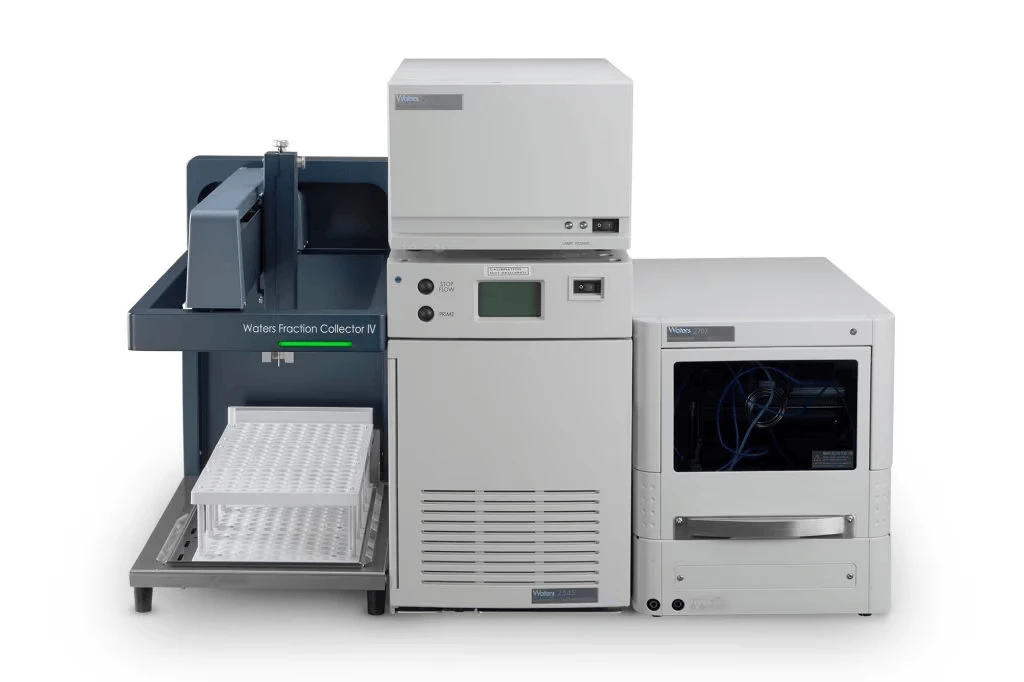
Waters Fraction Collector IV: More Capacity, More Formats for Prep LC Labs
Waters has launched the Fraction Collector IV, upgrading prep-scale purification with 50% more collection capacity, flow rates to 300 mL/min, and native control through Empower, MassLynx, and ChromScope software — here’s what buyers in pharma, biotech, and CRO labs need to evaluate before purchasing.
Oct 20, 2026
Product News
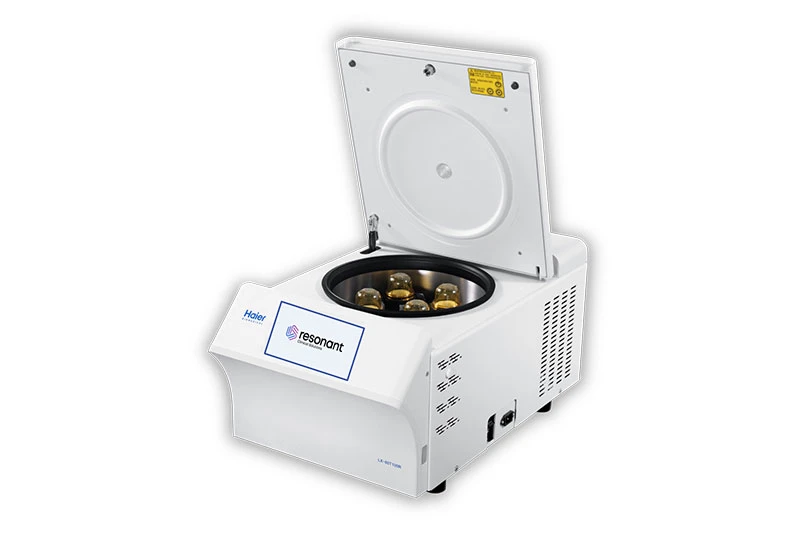
LX-60T100R Refrigerated Benchtop Centrifuge: F-Gas Compliance for Clinical Trials
A new hydrocarbon-cooled benchtop centrifuge purpose-built for clinical trial sample processing arrives with a GWP of ~3, 5-minute pre-cooling, and exclusive distribution through Resonant Clinical Solutions — giving procurement teams an F-gas-ready option well ahead of the 2028 EU regulatory deadline.
Oct 16, 2026
Product News
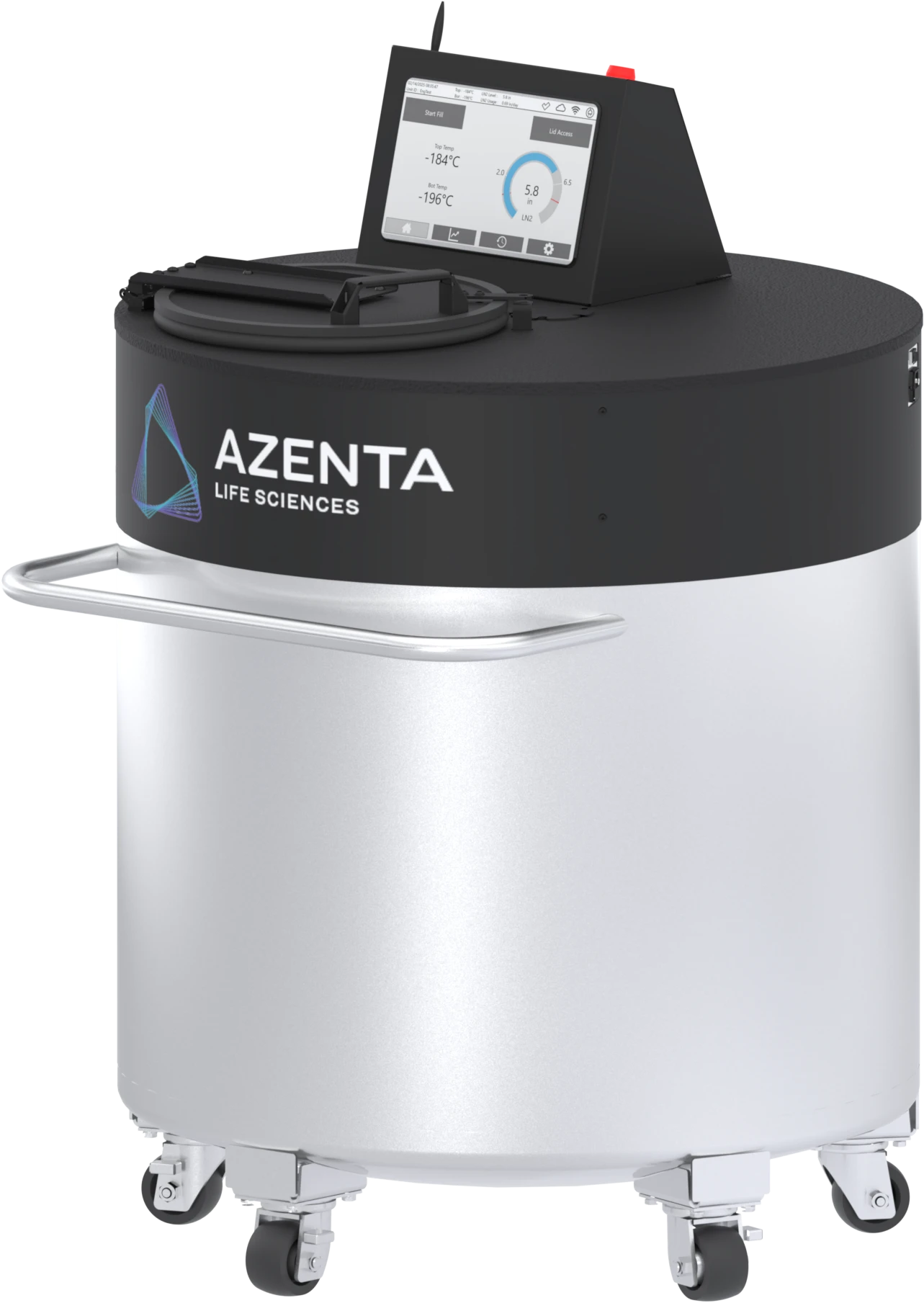
CryoArc Vita-76: Azenta’s High-Density Cryogenic Storage for IVF Clinics
Azenta Life Sciences has launched the CryoArc Vita-76, a cryogenic storage system that consolidates up to seven traditional dewars into a single footprint — this article covers specifications, how it compares in the clinical IVF storage market, and what fertility clinic buyers should evaluate before purchasing.
Sep 30, 2026
Product News
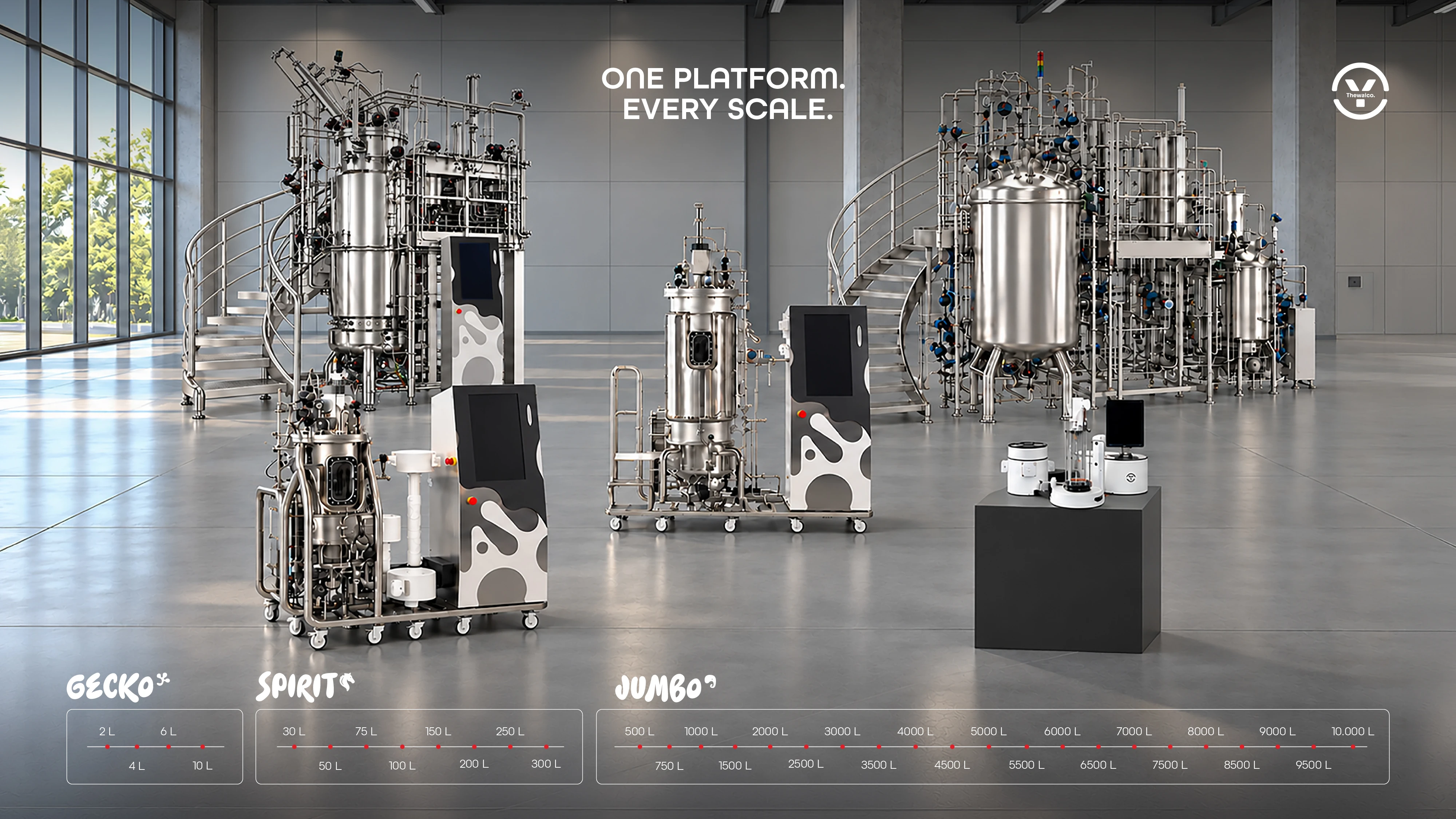
Thewaico Launches Integrated Bioreactor Platform to Solve Biomanufacturing Scale-Up
A new bioprocess company has emerged with three connected bioreactor platforms — spanning 2 L to 10,000+ L — and an AI-assisted control layer intended to eliminate the re-engineering step that derails most scale-up projects, alongside a direct-to-web pricing configurator.
Sep 28, 2026
Product News
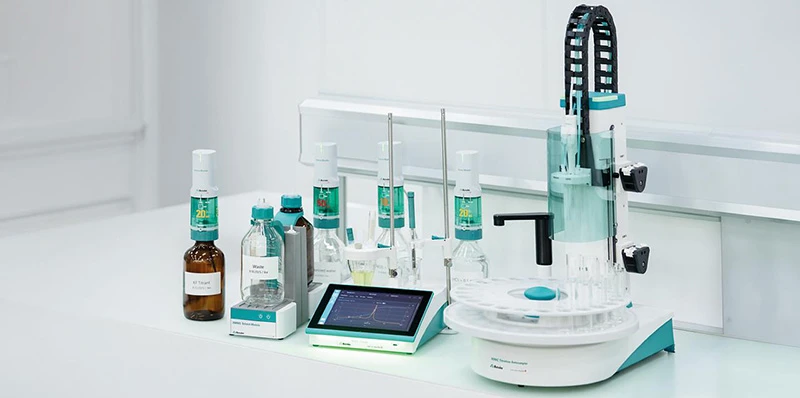
Metrohm USA Launches IONIC Titrator With Built-In Cloud Access
Metrohm USA's new IONIC Titrator pairs a 10-inch touchscreen with direct cloud connectivity, letting labs monitor and share titration data without a PC; here's how it's specced, priced, and positioned for buyers comparing standalone titrators.
Sep 23, 2026
Product News
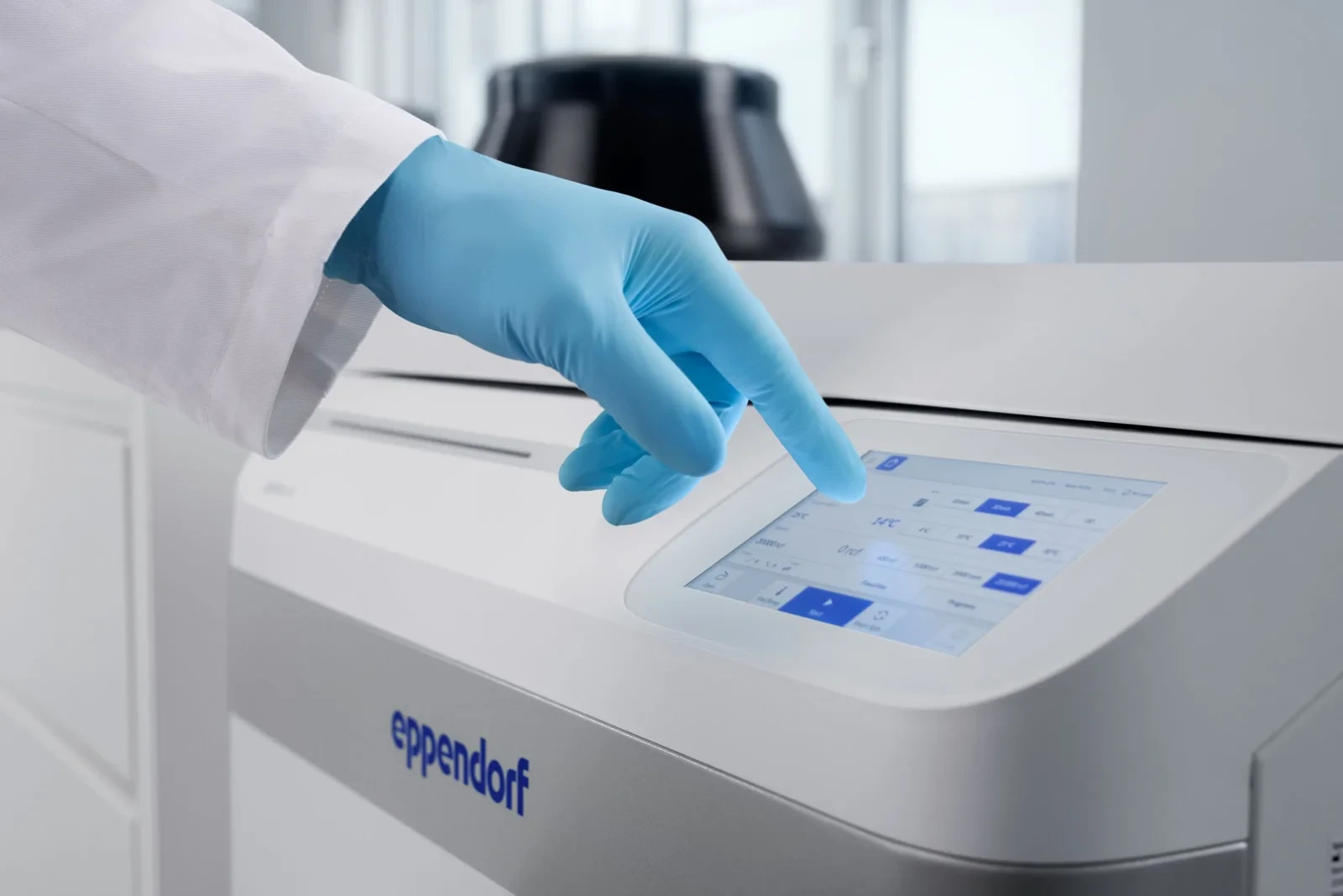
Eppendorf Introduces the SpinPro 8 R High-Speed Floor Centrifuge
Eppendorf's SpinPro 8 R floor-standing centrifuge launches with 6 L capacity, 35-rotor compatibility, CO₂-based refrigerant (GWP = 1), and AuditSafe documentation for pharma and biotech labs evaluating their next large-volume separation system.