
The Best Calorimeters of 2026

Written By: Craig Bradley
Updated: Jan 12, 2026

Precise thermal analysis remains a cornerstone of material science and chemical research, making the selection of high-performance calorimeters a critical decision for modern laboratory professionals. For 2026, manufacturers have introduced sophisticated models that integrate automation, enhanced connectivity, and superior sensitivity to meet the rigorous demands of fuel testing, pharmaceutical screening, and safety analysis. This guide evaluates the industry's leading equipment, ranging from robust oxygen bomb calorimeters for combustion testing to advanced differential scanning calorimeters (DSC) for thermal properties, ensuring facilities can identify the optimal instrument for their specific analytical requirements.
Quick summary
- Best overall: IKA C 6000 Global Standards. A versatile, multi-mode oxygen bomb calorimeter offering high automation and standards compliance.
- Best on a budget: Parr 1341 Plain Jacket Calorimeter. A reliable, low-cost option ideal for educational settings and low-volume testing.
- Best for speed and throughput: CAL3K-AP Automatic Oxygen Bomb Calorimeter. A fully automated, waterless system delivering more than 10 samples per hour with no chillers or plumbing.
- Best for rapid screening: TA Instruments RS-DSC. A 2024 release revolutionizing pharmaceutical stability testing with high-speed microfluidic analysis.
- Best high-end option: Mettler Toledo DSC 5+. A state-of-the-art thermal analyzer delivering unmatched resolution and sensitivity for complex materials.
IKA C 6000 Global Standards

Price range: $40,000 to $60,000 USD
Best for: Versatile combustion analysis
Primary category: Most versatile
The IKA C 6000 Global Standards stands out as a flagship model for laboratories requiring flexibility across multiple testing protocols. It is one of the few calorimeters that combine three distinct measuring modes (adiabatic, isoperibol, and dynamic) in a single device. This adaptability allows users to switch between methods to satisfy various international standards (DIN, ISO, ASTM) without changing hardware.
Key specs
- Measuring modes: Adiabatic, isoperibol, dynamic
- Max measurement range: 40,000 J
- Temperature resolution: 0.0001 K
- Analysis time: 7 to 22 minutes (depending on mode)
- Interface: RFID technology for sample identification
Performance and applications
The C 6000 excels in laboratories that handle a diverse array of sample types, from coal and waste management to solid biomass. Its spherical decomposition vessel improves heat transfer, resulting in shorter measurement times and higher precision. The integration of RFID technology simplifies sample tracking, reducing the risk of data entry errors in busy testing environments. This model is particularly relevant for commercial testing labs that must adhere to strict global compliance standards (GB, GOST, ASTM) simultaneously.
Parr 1341 Plain Jacket Calorimeter

Price range: $4,000 to $6,000 USD
Best for: Education and low-volume testing
Primary category: Best on a budget
For facilities where cost and simplicity are paramount, the Parr 1341 remains the industry standard for plain jacket calorimetry. It retains the fundamental design of a static jacket system, requiring manual operation but delivering reliable calorific measurements for combustible samples. Its design minimizes maintenance costs and eliminates the need for complex permanent connections, making it portable and easy to service.
Key specs
- Jacket type: Plain (static)
- Sample size: 0.6 to 1.2 g
- Precision: 0.3% RSD
- Tests per hour: 2
- Oxygen fill: Manual
Performance and applications
While it lacks the automation of high-end models, the Parr 1341 provides an excellent entry point for combustion analysis. It is widely used in university teaching laboratories and industrial settings with low sample throughput requirements. The instrument effectively measures the heat of combustion for solid and liquid fuels, offering a hands-on approach that is valuable for training students on the thermodynamic principles of calorimetry. Its robust construction ensures longevity even with frequent use by inexperienced operators.
CAL3K-AP Automatic Oxygen Bomb Calorimeter
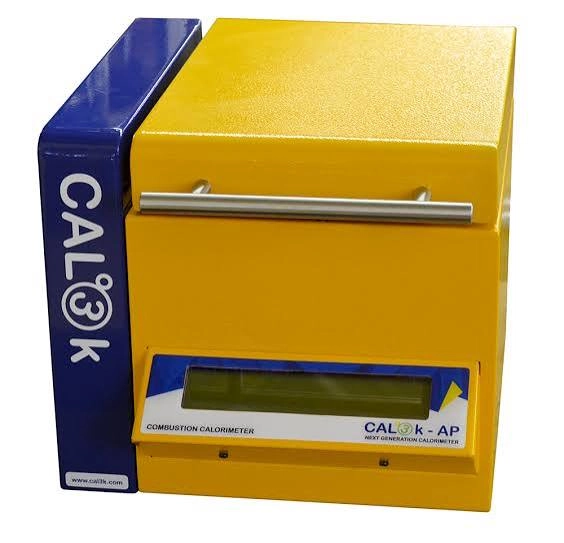
Price range: Quote-based (inquire with manufacturer)
Best for: High-throughput waterless combustion testing
Primary category: Best for speed and throughput
The CAL3K-AP from DDS Calorimeters is built for laboratories that need rapid calorific value determinations without the upkeep of a water-cooled system. It is the only oxygen bomb calorimeter in this guide to use a fully waterless, air-cooled dry method, removing the need for external chillers, plumbing, and routine water maintenance. Combined with automatic internal oxygen filling and an automatic lid, this lets a single operator cycle samples quickly while keeping hands-on time to a minimum.
Key specs
- Throughput: More than 10 samples per hour (one unit with three vessels and two coolers)
- Sample repeat speed: Approximately 4 to 6 minutes per sample
- Repeatability: 0.1% RSD
- Cooling: Air (waterless, no chillers or plumbing)
- Operation modes: Dynamic (isoperibol), isothermal, adiabatic, and experimental
- Automation: Automatic internal oxygen filling, automatic lid opening, and automatic de-gasification
- Standards: ASTM D240, ASTM D4809, ASTM D5865, ASTM E711, ISO 1928, DIN 51900
Performance and applications
Speed is the headline strength of the CAL3K-AP. With three vessels running in rotation, the system reaches more than ten determinations per hour while the air cooler resets each vessel between firings, so throughput never depends on a water supply or a benchtop full of tubing. Data is logged automatically and exports to Excel, SQL, or a LIMS, which suits quality-control environments that need a clear audit trail. The instrument covers a broad range of applications, including coal, fuels, cement, biomass, food and animal feed, waste analysis, and explosives research. Its low power draw and minimal consumables also make it one of the more economical systems to run over long shifts, provided it is housed in a clean, well-maintained laboratory.
TA Instruments RS-DSC

Price range: Inquire with manufacturer (premium)
Best for: Pharmaceutical screening
Primary category: Best for rapid screening (recent release: 2024)
Released in 2024, the TA Instruments RS-DSC (Rapid Screening Differential Scanning Calorimeter) represents a significant leap forward for the pharmaceutical industry. This instrument is designed to analyze biological drug stability and quality using disposable microfluidic chips. It addresses the critical need for speed in drug formulation, capable of running up to 24 simultaneous measurements.
Key specs
- Sample capacity: 24 simultaneous samples
- Sample volume: Low volume (under 15 µL)
- Technology: Microfluidic chip (MFC)
- Temperature range: Ambient to 100°C and above (application dependent)
- Automation: Integrated high-throughput platform
Performance and applications
The RS-DSC is specifically tailored for life sciences, enabling researchers to quickly assess the thermal stability of protein formulations and candidates. By utilizing microfluidic technology, it drastically reduces the sample volume required, which is crucial when working with expensive or scarce biological materials. This model allows for parallel processing, reducing weeks of testing into days. It is an essential tool for biopharma labs focused on accelerating the pipeline from discovery to clinical trials.
Mettler Toledo DSC 5+

Price range: Inquire with manufacturer (high-end)
Best for: Advanced material characterization
Primary category: Best high-end option (recent release)
The Mettler Toledo DSC 5+ sets a new benchmark for differential scanning calorimetry with its advanced sensor technology and modular design. Recently introduced to the market, it features the MultiSTAR sensor family, which offers an exceptional signal-to-noise ratio. This allows for the detection of the weakest thermal effects, making it indispensable for research involving complex polymers and novel materials.
Key specs
- Sensor: MultiSTAR (up to 136 thermocouples)
- Temperature range: -150°C to 700°C
- Resolution: Extremely high sensitivity for weak transitions
- Automation: Optional sample robot (up to 96 positions)
- Software: AIWizard for auto-evaluation
Performance and applications
This instrument is the preferred choice for R&D centers requiring the highest level of data fidelity. The DSC 5+ excels at separating overlapping thermal events, such as glass transitions and melting peaks in polymer blends. Its rugged endurance and automated sample handling options make it suitable for both academic research and industrial quality assurance. The integrated AI-driven software assists in interpreting complex curves, democratizing high-level thermal analysis for less experienced operators.
Shop the Mettler Toledo DSC 5+ on LabX
Comparison table
| Model | Best for | Key features | Typical price range |
|---|---|---|---|
| IKA C 6000 Global Standards | Versatile combustion analysis | 3 measuring modes (adiabatic, isoperibol, dynamic), RFID sample tracking | $40,000 to $60,000 |
| Parr 1341 Plain Jacket | Education and low volume | Static jacket, low maintenance, portable design | $4,000 to $6,000 |
| CAL3K-AP Automatic | Waterless high-throughput combustion | Waterless air cooling, automatic oxygen fill, 10+ samples per hour | Quote-based |
| TA Instruments RS-DSC | Pharma rapid screening | 24 simultaneous samples, microfluidic chips, low sample volume | Inquire |
| Mettler Toledo DSC 5+ | High-end material R&D | MultiSTAR sensor, AI evaluation, extreme sensitivity | Inquire |
Conclusion: Selecting the best calorimeter for your lab
Selecting the right calorimeter for 2026 requires balancing throughput needs with analytical precision. For standard combustion testing, the IKA C 6000 and the CAL3K-AP offer the best combination of automation and compliance, with the CAL3K-AP standing out for labs that want high throughput without the maintenance of a water-cooled system, while the Parr 1341 remains the champion of affordability. In the realm of thermal analysis, the recently released TA Instruments RS-DSC and Mettler Toledo DSC 5+ demonstrate how calorimeters are evolving to meet the specific high-speed and high-sensitivity demands of modern pharmaceutical and material science laboratories.
This article was created with the assistance of Generative AI and has undergone editorial review before publishing.
Nov 19, 2026
Product News
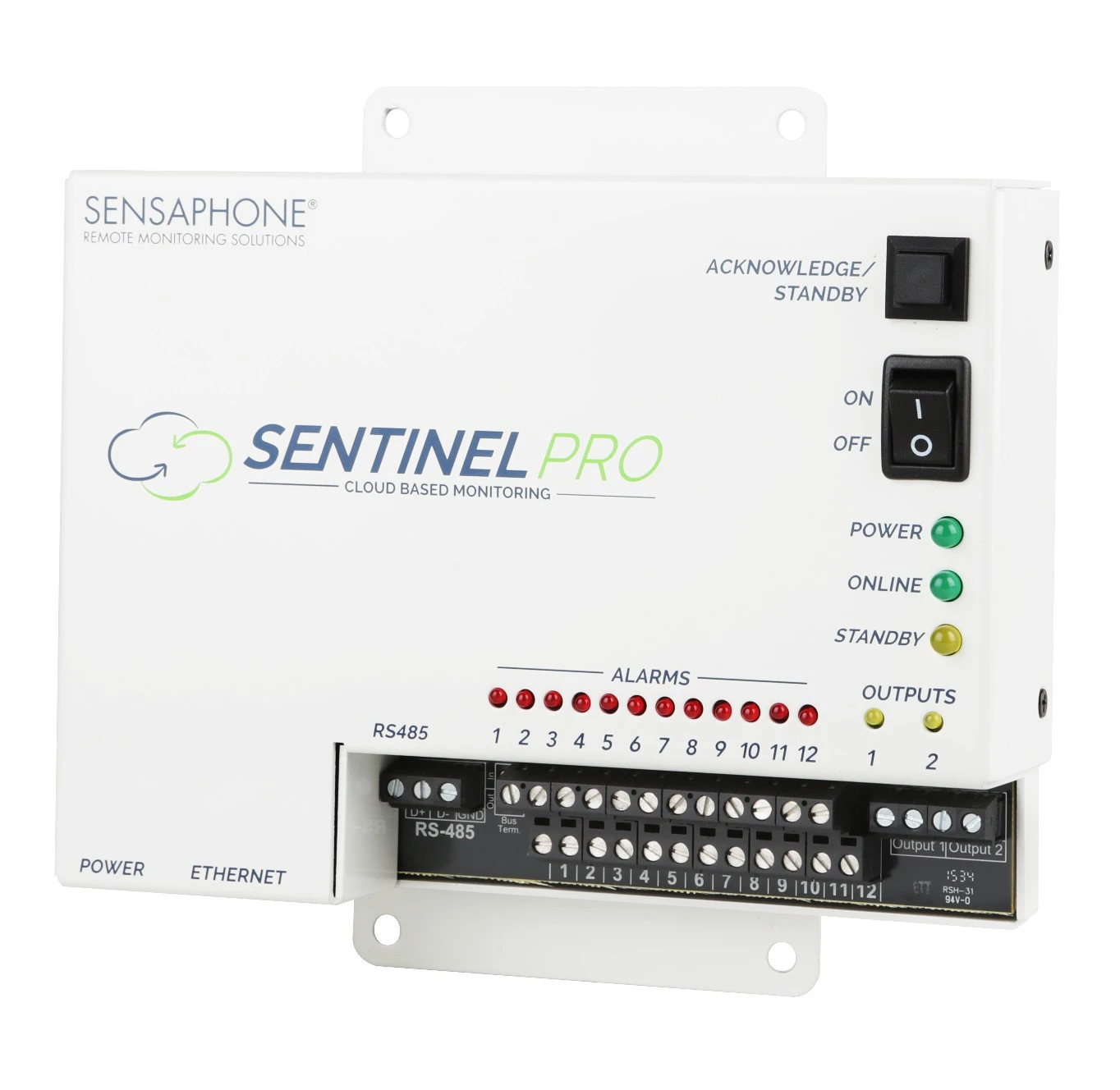
Sensaphone Sentinel and Sentinel PRO: What Buyers Need to Know About Moving Beyond Manual Temperature Logs
Sensaphone’s Sentinel and Sentinel PRO compared for regulated labs: what the 24/7 logging covers, which specifications and documents to confirm before an audit, and how pricing sits against LabX’s temperature monitoring category.
Nov 04, 2026
Product News
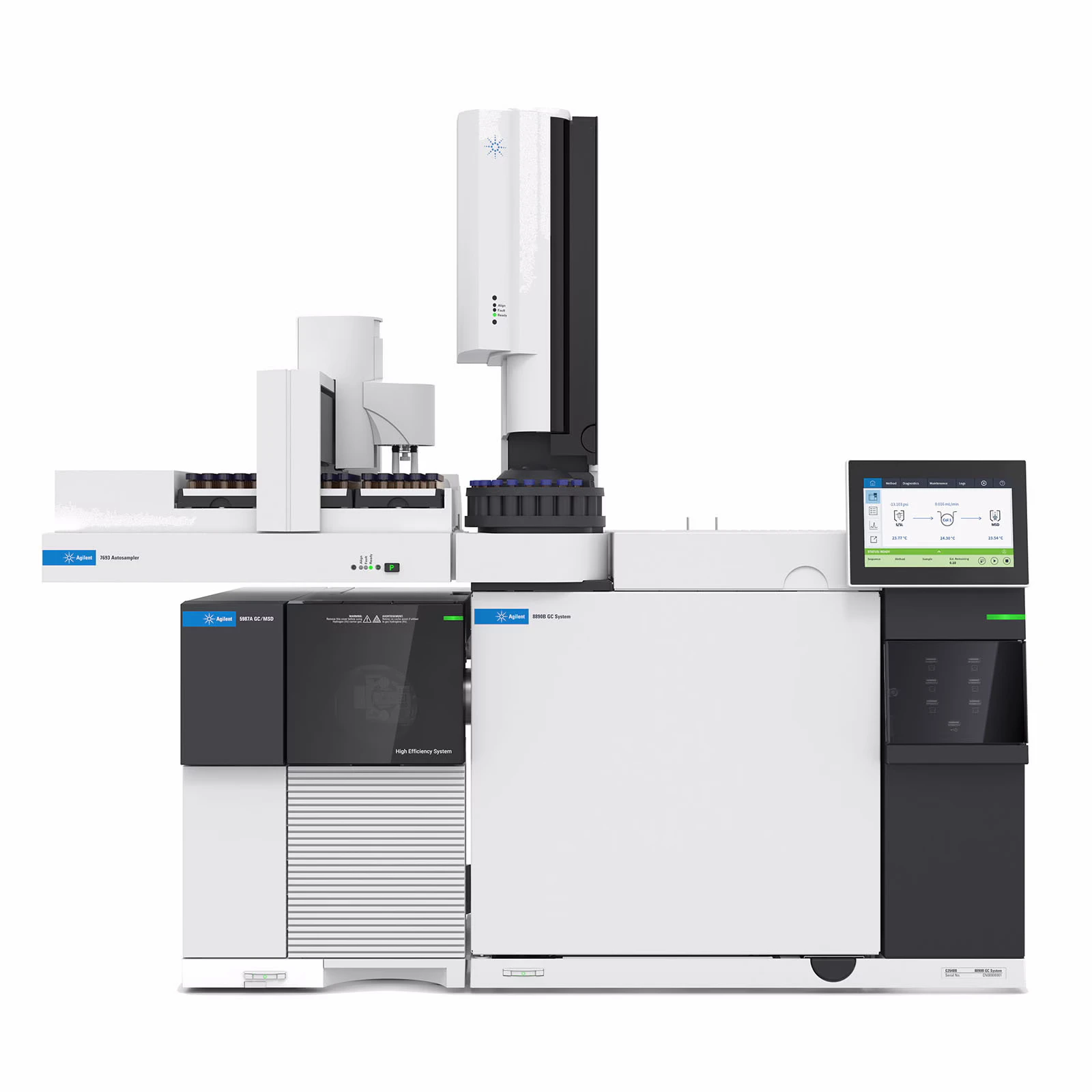
Agilent 5987A MSD: Should 5977-Series Labs Upgrade?
A spec-by-spec look at whether the 5987A’s 25% faster scanning, 10× dynamic range gain, and built-in GC Assist intelligence justify moving off the 5977 series — with LabX used-market context for current 5977A and 5977B owners.
Nov 02, 2026
Product News
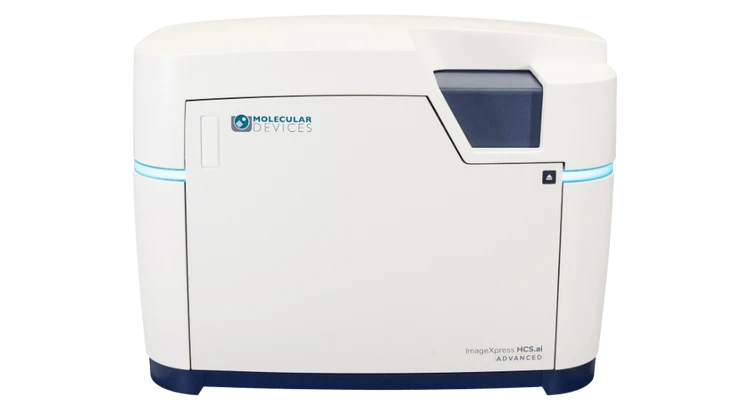
ImageXpress HCS.ai Advanced Duo: Dual-Camera HCS Upgrade for Drug Discovery Labs
Molecular Devices has launched the ImageXpress HCS.ai Advanced Duo, a dual-camera high-content screening system that adds simultaneous image acquisition and integrated screening analytics to the existing HCS.ai Advanced platform — this article breaks down what changes for buyers already operating in the category and whether the upgrade is warranted.
Oct 27, 2026
Product News
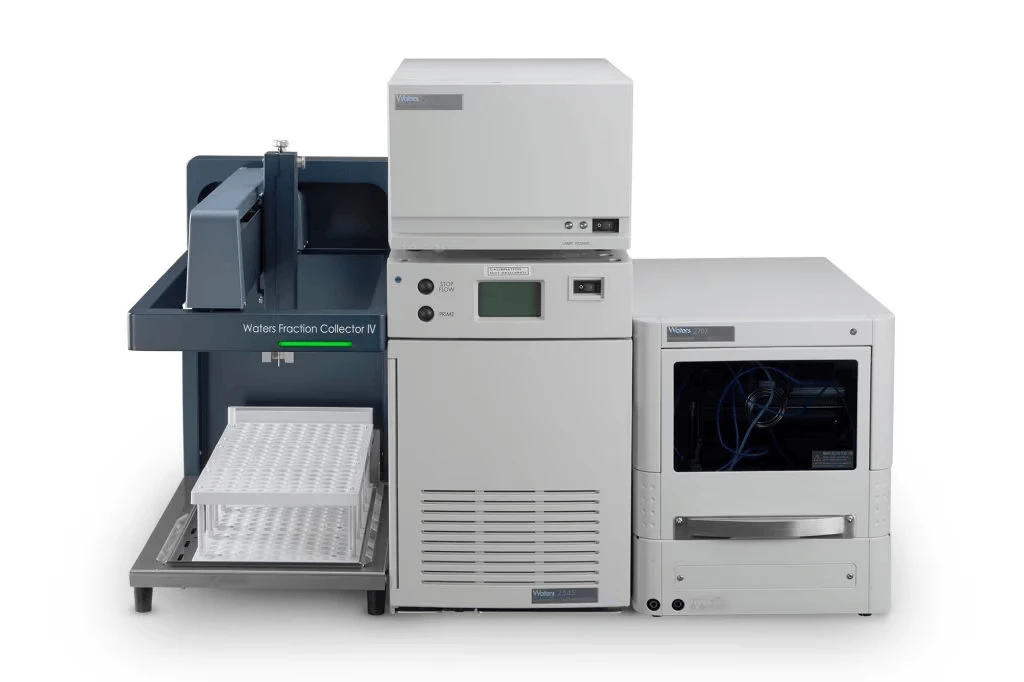
Waters Fraction Collector IV: More Capacity, More Formats for Prep LC Labs
Waters has launched the Fraction Collector IV, upgrading prep-scale purification with 50% more collection capacity, flow rates to 300 mL/min, and native control through Empower, MassLynx, and ChromScope software — here’s what buyers in pharma, biotech, and CRO labs need to evaluate before purchasing.
Oct 20, 2026
Product News
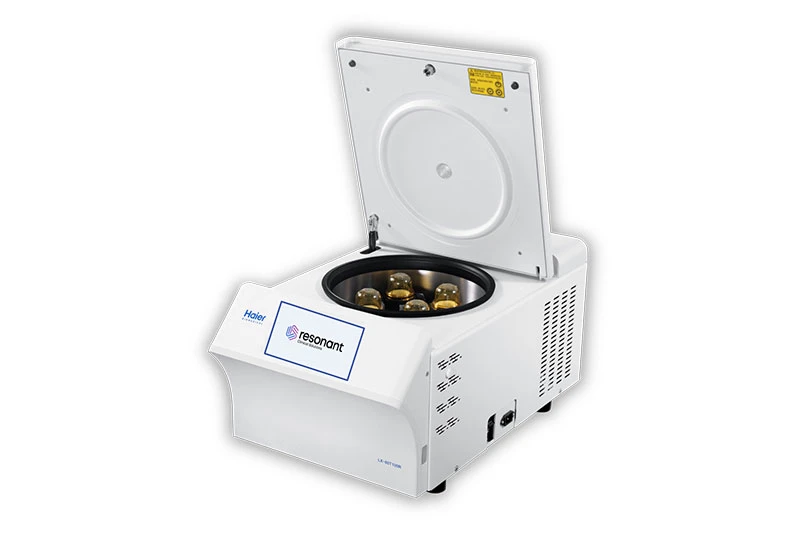
LX-60T100R Refrigerated Benchtop Centrifuge: F-Gas Compliance for Clinical Trials
A new hydrocarbon-cooled benchtop centrifuge purpose-built for clinical trial sample processing arrives with a GWP of ~3, 5-minute pre-cooling, and exclusive distribution through Resonant Clinical Solutions — giving procurement teams an F-gas-ready option well ahead of the 2028 EU regulatory deadline.
Oct 16, 2026
Product News
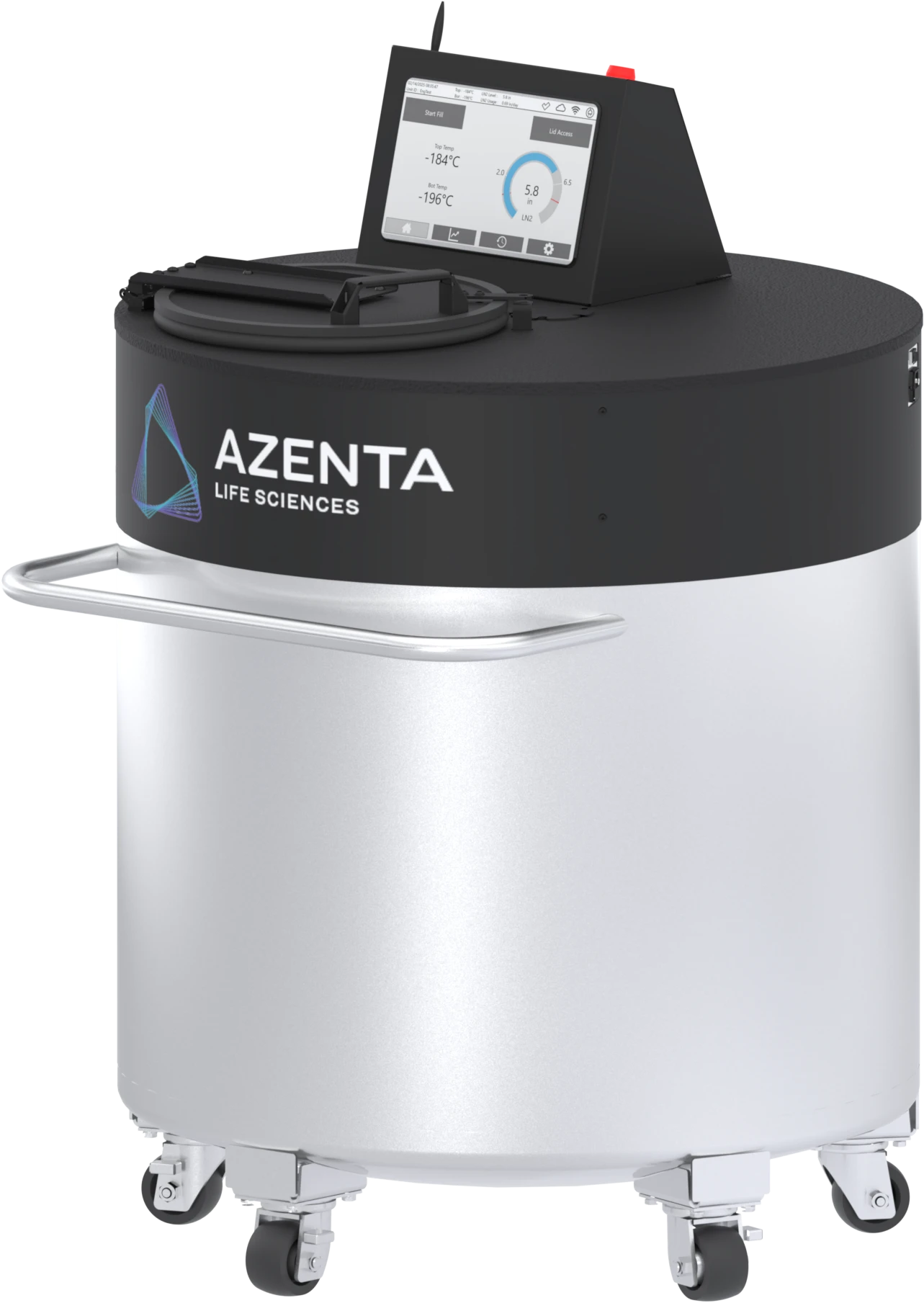
CryoArc Vita-76: Azenta’s High-Density Cryogenic Storage for IVF Clinics
Azenta Life Sciences has launched the CryoArc Vita-76, a cryogenic storage system that consolidates up to seven traditional dewars into a single footprint — this article covers specifications, how it compares in the clinical IVF storage market, and what fertility clinic buyers should evaluate before purchasing.
Sep 30, 2026
Product News
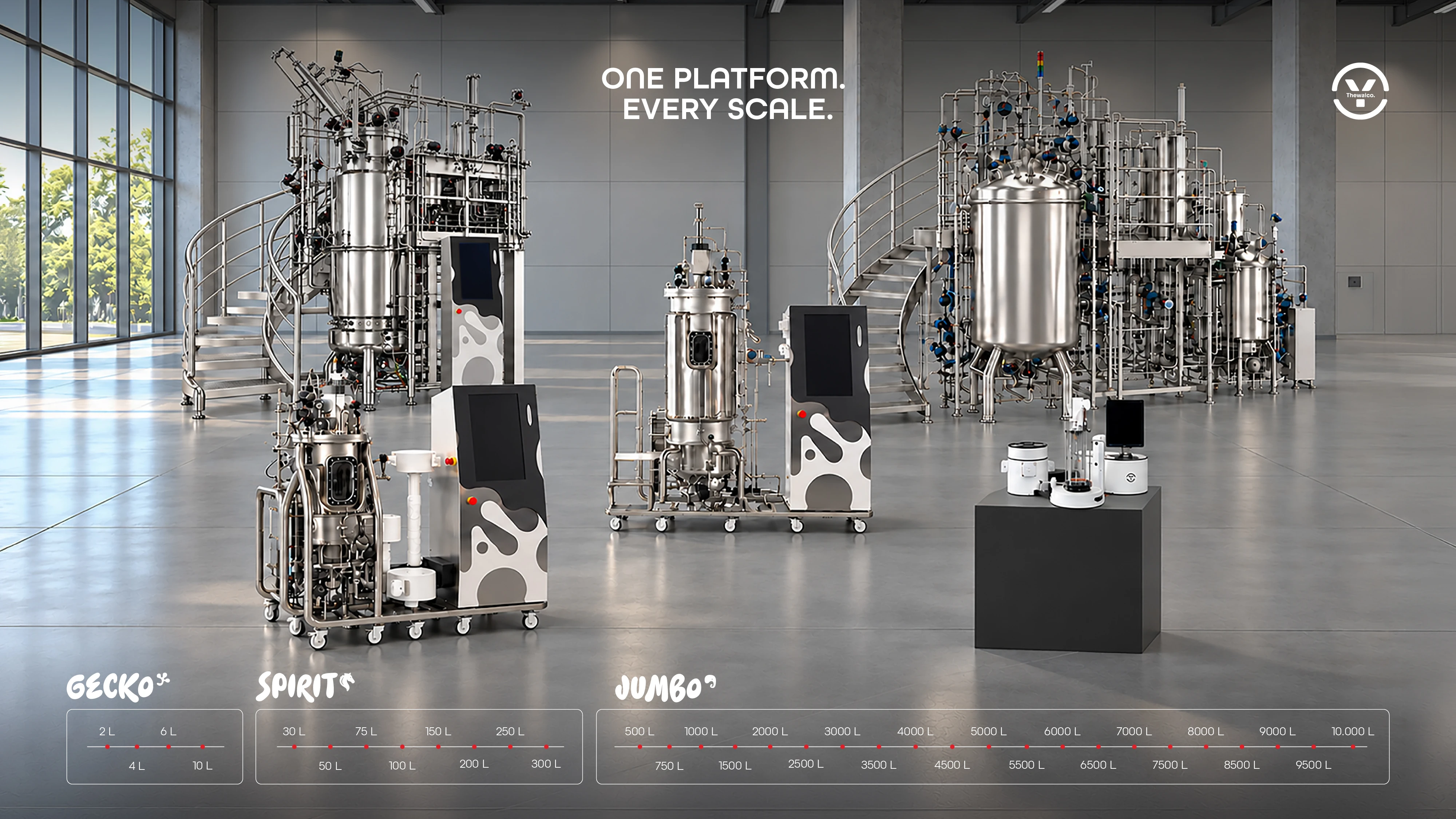
Thewaico Launches Integrated Bioreactor Platform to Solve Biomanufacturing Scale-Up
A new bioprocess company has emerged with three connected bioreactor platforms — spanning 2 L to 10,000+ L — and an AI-assisted control layer intended to eliminate the re-engineering step that derails most scale-up projects, alongside a direct-to-web pricing configurator.
Sep 28, 2026
Product News
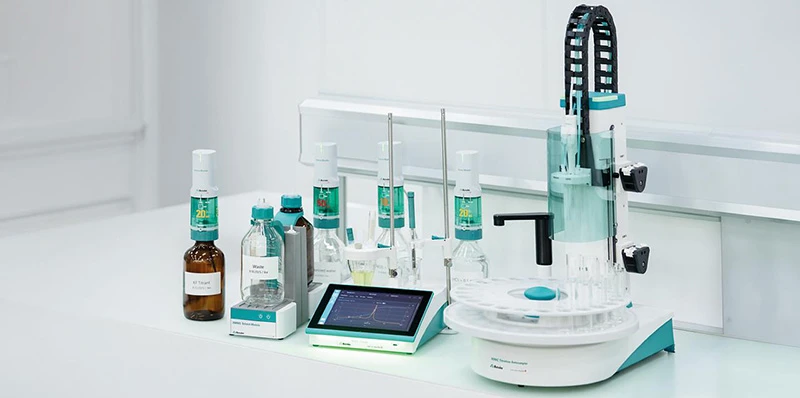
Metrohm USA Launches IONIC Titrator With Built-In Cloud Access
Metrohm USA's new IONIC Titrator pairs a 10-inch touchscreen with direct cloud connectivity, letting labs monitor and share titration data without a PC; here's how it's specced, priced, and positioned for buyers comparing standalone titrators.
Sep 23, 2026
Product News
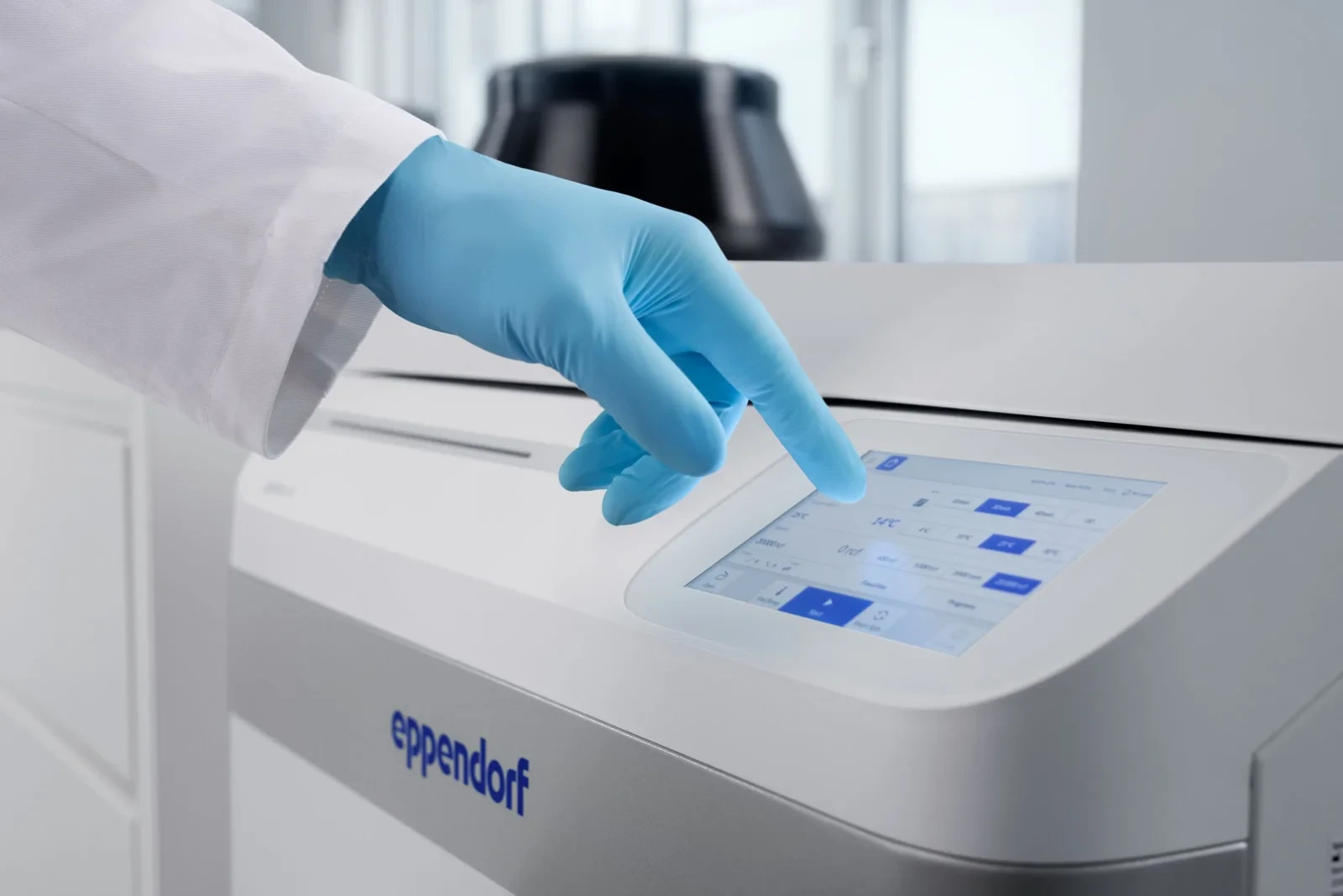
Eppendorf Introduces the SpinPro 8 R High-Speed Floor Centrifuge
Eppendorf's SpinPro 8 R floor-standing centrifuge launches with 6 L capacity, 35-rotor compatibility, CO₂-based refrigerant (GWP = 1), and AuditSafe documentation for pharma and biotech labs evaluating their next large-volume separation system.
Sep 22, 2026
Product News
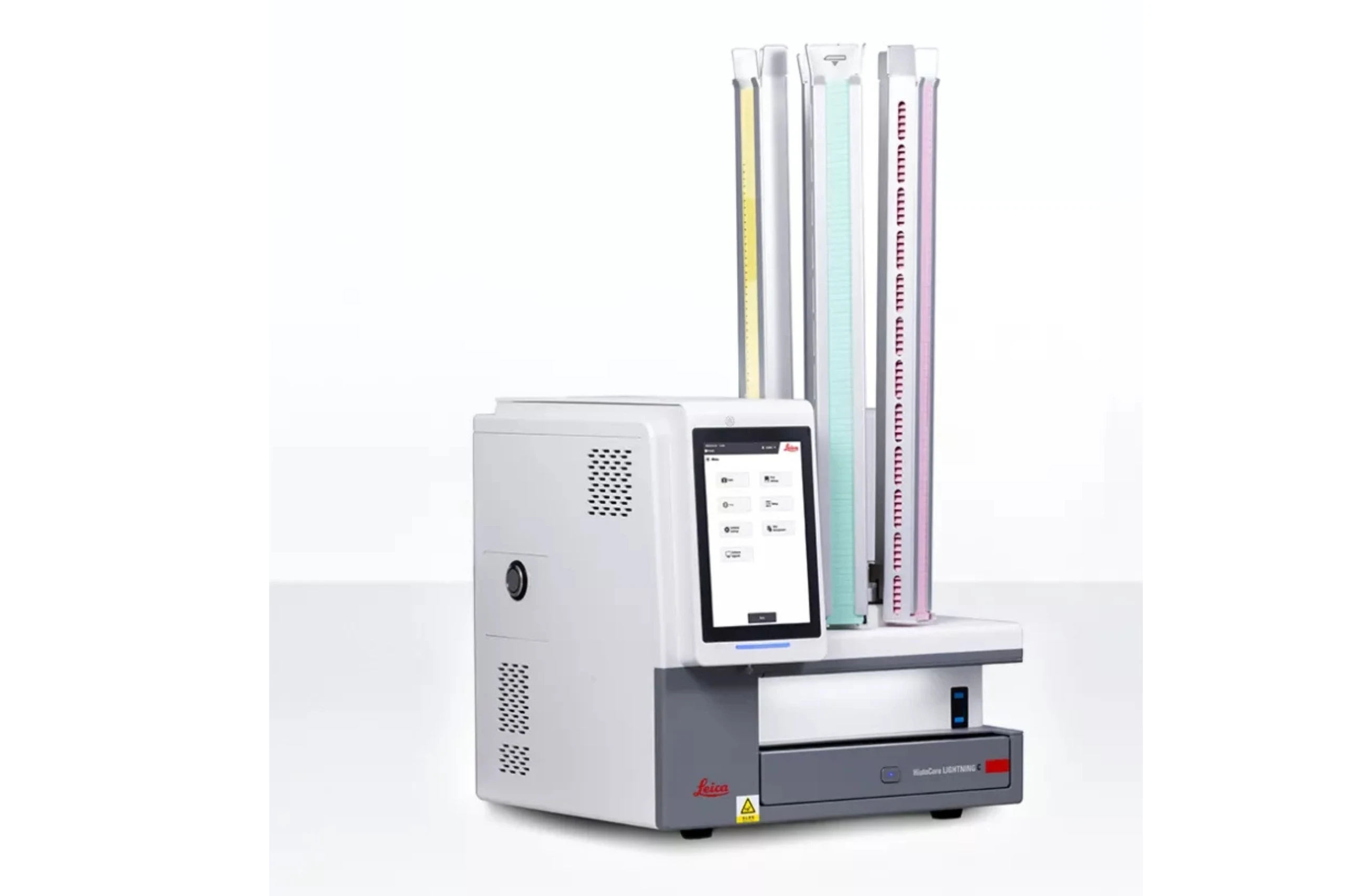
Leica Biosystems HistoCore LIGHTNING C Laser Cassette Printer: Speed and Traceability for High-Volume Histology Labs
Leica Biosystems' ink-free UV laser cassette printer delivers 2.5-second-per-cassette printing with 600-cassette capacity and LIS integration — what pathology lab buyers need to know before evaluating this system against their workflow needs and total cost of ownership.