
The Best Centrifuge Rotors of 2026: A Buyer's Guide to Price and Features

Written By: Craig Bradley
Aug 23, 2024
Selecting the right centrifuge rotors is critical for maximizing laboratory efficiency and ensuring the integrity of sensitive samples. These essential components determine the speed, capacity, and versatility of centrifugation protocols, directly impacting research outcomes in 2026. Laboratory professionals must navigate a market filled with advanced materials like carbon fiber and innovative universal designs. This article evaluates the top five models available this year, focusing on throughput, durability, and application suitability to help labs make informed procurement decisions. Quick Summary Best High-End Option: Thermo Scientific Fiberlite F9-6 x 1000 LEX — Exceptional capacity and lightweight carbon fiber durability. Most Versatile: Eppendorf S-4xUniversal — Innovative universal buckets accommodate tubes, plates, and flasks without changing rotors. Best For Automation: Hettich SBS 300 R Robotic Rotor — Designed for high-throughput screening and seamless integration with robotic arms. Best Overall Workhorse: Beckman Coulter JA-10.100 — A reliable industry standard for high-speed bioprocessing applications. Best On A Budget: Hettich 1624 Swing Out Rotor — A cost-effective, durable solution for standard clinical and low-speed applications. Price Range: $18,000 – $29,000 (varies by vendor/condition) Best For: High-End Option / High Throughput The Fiberlite F9-6 x 1000 LEX represents the pinnacle of modern rotor engineering, utilizing advanced carbon fiber construction to solve common weight and durability issues. Traditional metal rotors of this size are heavy and prone to corrosion, but the Fiberlite design reduces weight by up to 50%, significantly improving centrifuge acceleration and deceleration times. This model is specifically engineered for large-volume bioprocessing, capable of spinning up to 6 liters in a single run. Its "LEX" designation indicates a newer generation design that further optimizes ergonomics and energy efficiency. Key Specs Capacity: 6 x 1000 mL (6 Liters) Max Speed: 9,000 RPM Max RCF: 17,568 x g Material: Carbon Fiber Composite Compatibility: Sorvall LYNX 6000 Superspeed Centrifuges Performance & Applications
This rotor excels in bioprocessing environments where speed and volume are paramount. The carbon fiber material is naturally resistant to corrosion, making it ideal for laboratories handling saline solutions or mild detergents that typically degrade aluminum rotors over time. Scientific relevance is high for pelleting bacteria, yeast, and mammalian cells, as well as purifying large volumes of lysates. The lightweight design also reduces wear on the centrifuge drive, lowering long-term maintenance costs for high-traffic facilities. Price Range: $3,500 – $6,000 Best For: Most Versatile Released to accompany the modern 5910 Ri series, the Eppendorf S-4xUniversal redefines flexibility in the lab. Its standout feature is the universal bucket design, which allows technicians to spin conical tubes, plates, and bottles using the same buckets—often just by changing simple adapters rather than swapping the entire heavy rotor. This "universal" approach saves significant time and storage space, as labs no longer need to purchase and store multiple dedicated rotors for different vessel types. Key Specs Capacity: 4 x 1000 mL (Universal Buckets) Max Speed: 4,500 RPM Max RCF: 4,347 x g Feature: Aerosol-tight QuickLock caps available Compatibility: Eppendorf 5910 Ri / 5910 R Performance & Applications
The S-4xUniversal is perfect for core facilities and multi-user labs where application needs change hourly. One user can perform a high-capacity cell harvest in 1L bottles, and the next can immediately spin down 96-well plates for a PCR protocol without removing the rotor. This versatility minimizes downtime and equipment handling risks. It is particularly suitable for cell culture labs requiring sterility, as the aerosol-tight caps provide verified protection against hazardous samples. Price Range: System dependent (typically $5,000+ for rotor/assembly) Best For: Automation / Speed As laboratories increasingly move toward automation, the Hettich SBS 300 R system and its dedicated robotic rotor (introduced in the mid-2020s) address the need for hands-free operation. This rotor is specifically designed for front-loading or top-loading via robotic arms, making it a critical component for high-throughput screening (HTS) workflows. Unlike standard manual rotors, this model emphasizes precise positioning and compatibility with standard SBS microplates to ensure smooth hand-offs with laboratory robots. Key Specs Capacity: 2 x Microtiter Plates (Standard SBS) Max Speed: 6,300 RPM Max RCF: 4,593 x g Loading: Front/Top loading for robotic access Compatibility: Hettich SBS 300 R Robotic Centrifuge Performance & Applications
This model is indispensable for pharmaceutical research and large-scale diagnostic labs running 24/7 automated lines. Its primary operational strength is integration; it eliminates the bottleneck of manual loading and unloading. Scientific relevance lies in drug discovery and genomics, where thousands of samples must be processed rapidly and consistently. The rotor’s design ensures plates are held securely during high-speed spins but remain easily accessible for robotic grippers upon completion. Price Range: $3,500 – $5,000 Best For: Best Overall / Workhorse The Beckman Coulter JA-10.100 remains a dominant force in the high-speed fixed-angle category. Known for its rugged reliability, this rotor is the standard "workhorse" for mid-to-large volume separations. It offers a balance of capacity (600 mL) and high G-force that swinging bucket rotors cannot match. While not a new release, its continued dominance and manufacturing updates ensure it remains a top choice for 2026. Key Specs Capacity: 6 x 100 mL Max Speed: 10,200 RPM Max RCF: 11,420 x g Material: Aluminum (typically anodized) Compatibility: Beckman Coulter Avanti J-Series centrifuges (e.g., J-26 XP, J-XN) Performance & Applications
The JA-10.100 is optimized for rapid pelleting of subcellular organelles, nucleic acids, and viruses. Its fixed-angle geometry allows for shorter path lengths and faster separation times compared to swing-out alternatives. Lab professionals rely on this model for routine protein purification and clarifying lysates. It is robust enough to withstand daily, rigorous use in academic and industrial research settings, making it a safe, long-term investment. Price Range: $850 – $1,500 Best For: Best On A Budget For smaller clinics and labs with limited funds, the Hettich 1624 offers professional-grade performance without the premium price tag. It is a 4-place swing-out rotor designed for general-purpose applications. While it lacks the massive throughput or carbon fiber construction of high-end models, it delivers consistent, low-speed separation essential for blood and urine analysis. Its simplicity and durability make it a favorite for routine tasks. Key Specs Capacity: 4 x 100 mL Max Speed: 4,000 RPM Max RCF: 2,665 x g Angle: 90° Compatibility: Hettich ROTOFIX 32 A Performance & Applications
The 1624 is best suited for clinical chemistry and cytology applications. It gently separates blood components and sediments cells without the shear forces associated with high-speed fixed-angle rotors. Ideally used in medical practices, small research labs, or educational settings, this rotor handles standard tubes (like 15mL and 50mL conical tubes) efficiently when paired with the correct adapters. It proves that reliable centrifugation does not require a five-figure budget. Model Best For Key Features Typical Price Range Thermo Fiberlite F9-6x1000 LEX High-End / Throughput Carbon fiber, lightweight, 6L capacity, corrosion-resistant $18,000 – $29,000 Eppendorf S-4xUniversal Most Versatile Universal buckets (tubes/plates), aerosol-tight options $3,500 – $6,000 Hettich SBS 300 R Rotor Automation Robotic arm compatible, SBS plate design, high-throughput Contact Manufacturer Beckman JA-10.100 Overall Workhorse High speed fixed-angle, robust aluminum, rapid pelleting $3,500 – $5,000 Hettich 1624 Budget Reliable swing-out design, cost-effective, easy maintenance $850 – $1,500 The landscape of centrifuge rotors in 2026 is defined by a dichotomy between specialized high-tech solutions and reliable workhorses. Laboratories prioritizing throughput and ergonomics are moving toward carbon fiber options like the Fiberlite series, while facilities requiring adaptability prefer universal designs like Eppendorf’s S-4xUniversal. For automated environments, the Hettich SBS 300 R demonstrates the industry's shift toward robotic integration. By carefully assessing sample volume, speed requirements, and budget, laboratory managers can select the ideal rotor to enhance their operational efficiency for years to come. This article was created with the assistance of Generative AI and has undergone editorial review before publishing.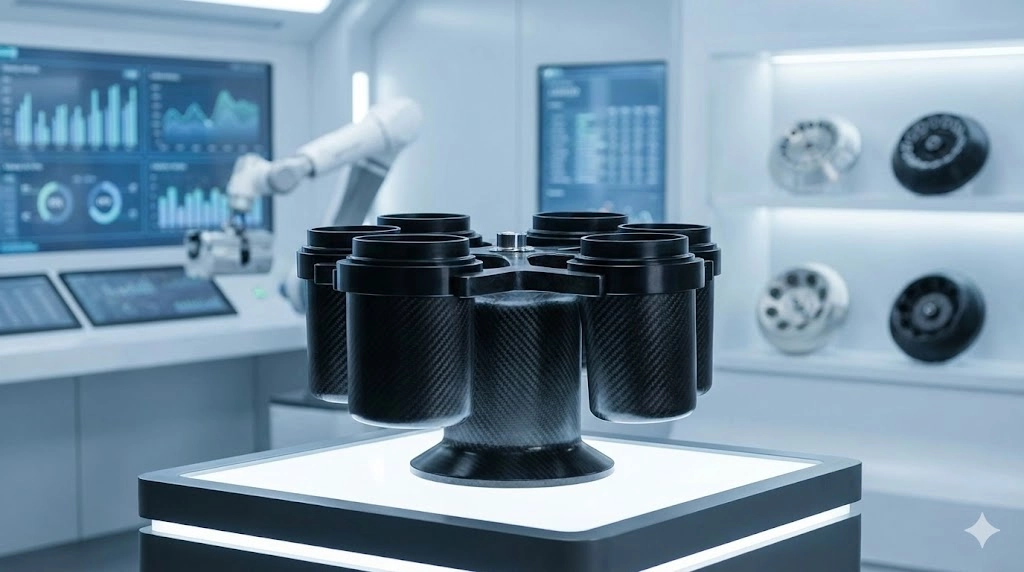
Thermo Scientific Fiberlite F9-6 x 1000 LEX
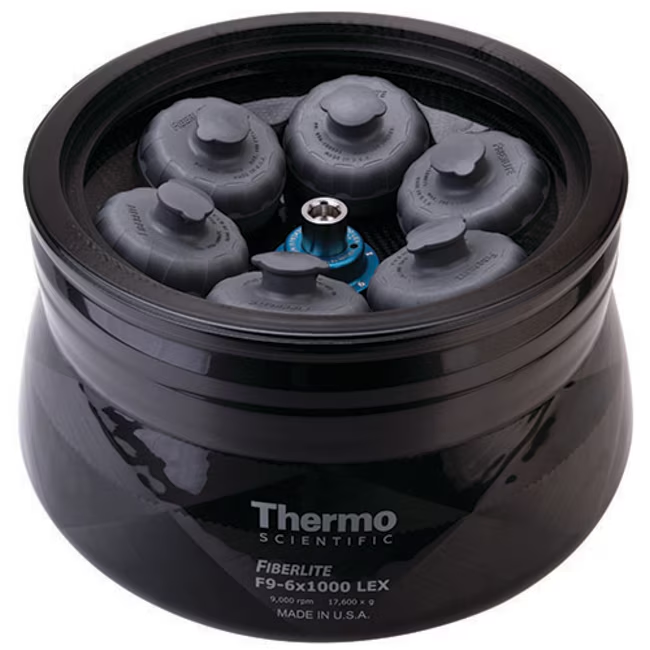
Eppendorf S-4xUniversal
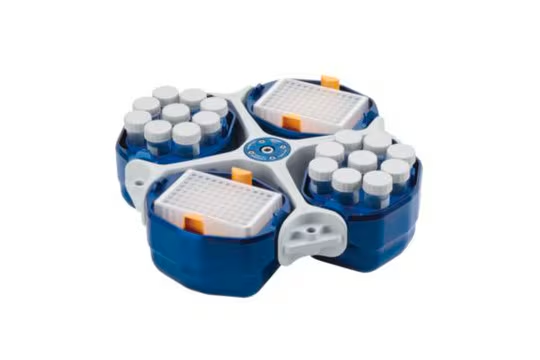
Hettich SBS 300 R Robotic Rotor
Beckman Coulter JA-10.100
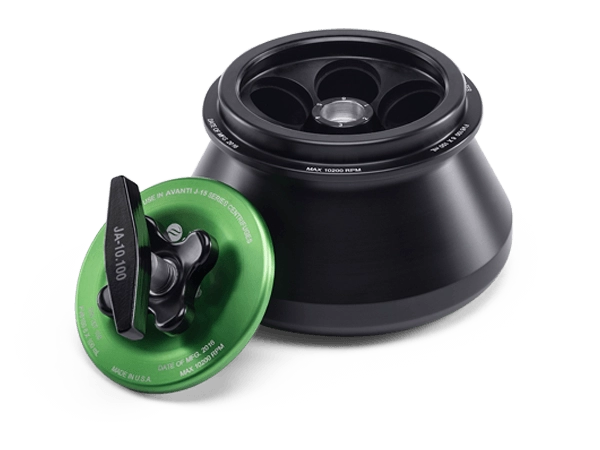
Hettich 1624 Swing Out Rotor
Comparison of Top Centrifuge Rotors
Conclusion: Selecting the Best Centrifuge Rotors in 2026
Mar 02, 2026
Product News
Thermo Fisher Launches Fluid Ease™ Pro ClipTip™ Electronic Pipette with High-Resolution Touchscreen and Advanced Workflow Controls
The system combines programmable control, intelligent power management, and a secure tip attachment mechanism to support consistent, reproducible liquid handling.
Feb 26, 2026
Product News
Waters Launches Microflow LC Columns with MaxPeak Premier Technology for Higher Sensitivity and Lower Resource Consumption
The product launch reflects continued investment in chromatographic chemistries that address real-world bottlenecks in method development and routine analysis

Feb 19, 2026
Technical Insight
Implementing Hydrogen Generators for Clean Lab Gas Supply: Safety and Benefits
Transitioning to on-site gas production streamlines analytical workflows, eliminates hazardous cylinder storage, and supports facility sustainability.
Feb 19, 2026
Technical Insight
Circular Economy in Laboratory Equipment: How to Adopt Repair, Reuse, and Refurbishment Strategies
Adopting a circular economy for laboratory equipment minimizes environmental impact while maximizing instrument lifespan and optimizing laboratory budgets.
Feb 12, 2026
Product News
$5M+ in GMP Biopharma Manufacturing & QC Equipment Heads to Online Auction
A Southern California GMP manufacturing and clinical-stage QC laboratory is liquidating new and late-model equipment and unused inventory in an online auction opening February 11, 2026

Feb 12, 2026
Product News
2026 SLAS: Inspiration Catalyzing Discovery
A LabX look at the annual conference and exhibition, a key forum for networking, collaboration, and advancement of new technologies
Feb 11, 2026
Product News
Angstrom Scientific Named U.S. Distributor for Radalytica’s RadalyX Robotic X-ray and CT System
Angstrom Scientific, known for representing microscopy and materials analysis technologies across North America, adds Radalytica’s robotic X-ray and CT platform to its portfolio of analytical and imaging solutions.

Feb 10, 2026
Technical Insight
Eco-Friendly Refrigeration: Evaluating Natural Refrigerants and Low-GWP Cooling Systems
This guide explains the operational and environmental benefits of adopting natural refrigerants and low-GWP cooling systems in laboratory settings

Feb 10, 2026
Technical Insight
The Ultimate Guide to Sustainability in Laboratory Equipment and Operations
A comprehensive analysis of sustainable laboratory practices, focusing on energy-efficient equipment, waste management, and digital workflows
Jan 12, 2026
Technical Insight
The Best Polarimeters of 2026
A comprehensive guide to the top-rated polarimeters of 2026, featuring high-speed, high-precision, and budget-friendly models for every laboratory application.