
The Best Densitometers of 2026

Written By: Craig Bradley
Published: Dec 08, 2025
Precise optical density measurement remains a cornerstone of modern life science and analytical research, making high-quality densitometers essential for laboratory professionals. Whether quantifying cell suspensions for microbiology or analyzing electrophoretic gels for protein research, selecting the right densitometers affects experimental reproducibility and workflow efficiency. This guide evaluates the equipment available in 2026, focusing on device accuracy, data connectivity, and operational versatility to help labs select instrumentation for their specific applications. Best Overall: Grant-bio DEN-600 — A versatile, portable solution offering flexible vessel compatibility and data logging. Best On A Budget: Biosan DEN-1B — A reliable, cost-effective benchtop unit ideal for routine McFarland turbidity measurements. Best For Speed / Throughput: Biosan RTS-1C — An automated real-time growth logger that eliminates manual sampling for kinetic studies. Best High-End Option: Bio-Rad ChemiDoc Go — A premium imaging system delivering industry-standard densitometric analysis for gels and blots. Best For Film QC: Tobias TBX-1500 — A robust transmission densitometer optimized for checking X-ray and industrial film quality. Price Range: $1,400 – $1,700
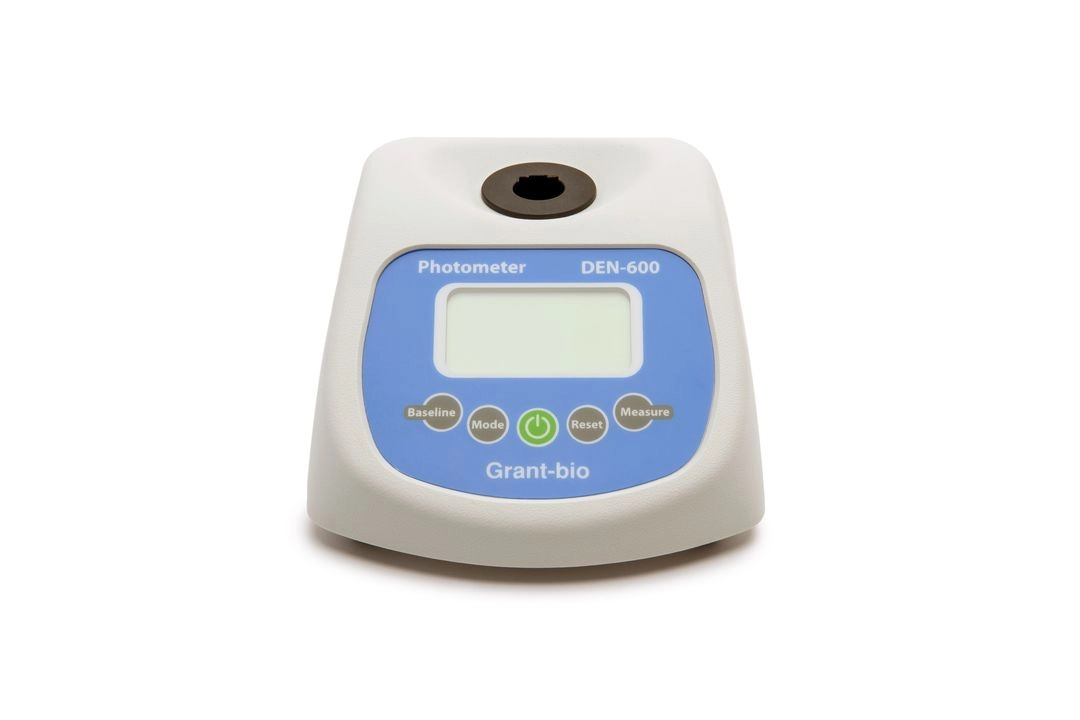
Best For: Most Versatile The Grant-bio DEN-600 Photometer is a compact densitometer designed for general laboratory use. Capable of operating as both a benchtop and portable unit, it features a rechargeable Li-ion battery and a small footprint, allowing it to be moved into biosafety cabinets or anaerobic chambers. A key feature is its optical flexibility; the device measures optical density at 600 nm (OD600), making it suitable for monitoring bacterial growth, while also providing McFarland unit readings for antibiotic susceptibility testing. Key Specs Wavelength: 600 nm ± 10 nm Measurement Range: 0.00–3.00 Abs / 0.00–16.00 McFarland Vessel Compatibility: 10mm cuvettes, 12–16mm tubes, Falcon tubes Power: External supply or Li-ion battery Connectivity: USB for data transfer Performance & Applications
The DEN-600 is used in microbiology and cell culture applications where flexibility is required. Its ability to hold various tube sizes without complex adapters allows researchers to measure samples directly in culture vessels, reducing contamination risks. The device creates and stores calibration data for custom vessel types, ensuring accuracy across different experimental setups. It is relevant for labs performing rapid cell density checks during fermentation or protein expression protocols. Shop Grant Instruments on LabX Price Range: $1,100 – $1,500
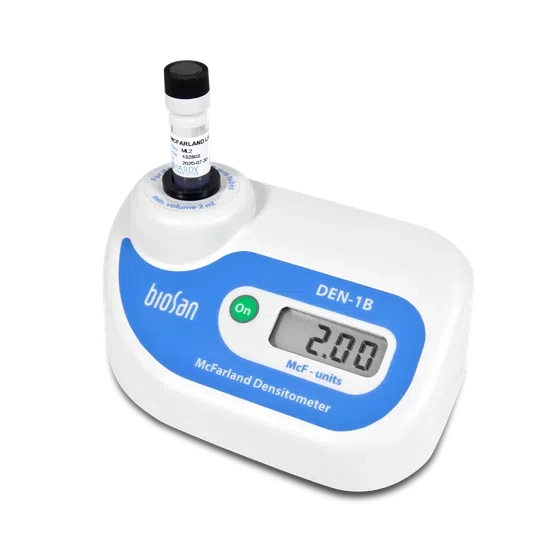
Best For: Best On A Budget For laboratories requiring a dedicated tool for suspension turbidity, the Biosan DEN-1B is a cost-effective option. This compact benchtop densitometer is engineered specifically for measuring solution turbidity in the range of 0.0–6.0 McFarland units (with capability up to 15.0). It is designed for simplicity and durability, utilizing a 565 nm wavelength LED light source that provides consistent readings for routine microbiological workflows. Key Specs Wavelength: 565 nm ± 15 nm Measurement Range: 0.00–15.00 McFarland (High precision 0–6.0) Accuracy: ±3% Measurement Time: 1 second Power: External supply or 3x AA batteries Performance & Applications
The DEN-1B is commonly used in clinical and academic labs focused on inoculum preparation. Its operation is user-friendly, requiring only a simple calibration step before delivering readings. While it does not feature the advanced data logging of more expensive models, its reliability makes it suitable for teaching laboratories or facilities managing high volumes of routine bacterial suspension standardization. The AA battery power option ensures functionality during field use or power interruptions. Price Range: $2,800 – $3,500
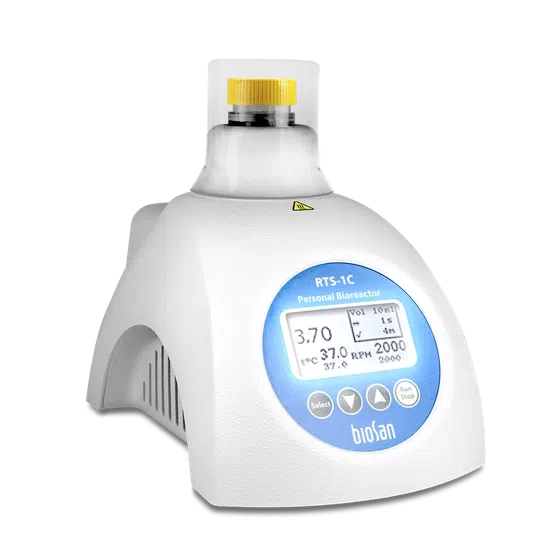
Best For: Best For Speed / Throughput With updated capabilities featured in 2024/2025 catalogs, the Biosan RTS-1C combines optical density measurement with active incubation. It functions as a personal bioreactor that provides real-time, non-invasive logging of cell growth kinetics. Unlike traditional densitometers that require manual sampling—which interrupts growth and risks contamination—the RTS-1C spins the sample tube to maintain suspension and measures OD automatically at set intervals. Key Specs Measurement Wavelength: 850 nm (NIR) Temperature Control: +4°C to +70°C (with active cooling) Speed Range: 50–2,000 RPM Data Logging: Real-time software integration Throughput: Single channel (expandable via software) Performance & Applications
The RTS-1C is suitable for synthetic biology and metabolic engineering applications requiring precise growth curves. By utilizing near-infrared light (850 nm), the device measures biomass without significant interference from color changes in the media. It increases throughput for kinetic studies, allowing researchers to automate data collection, providing a granular view of lag, log, and stationary phases that manual densitometry does not provide. Price Range: $18,000 – $24,000
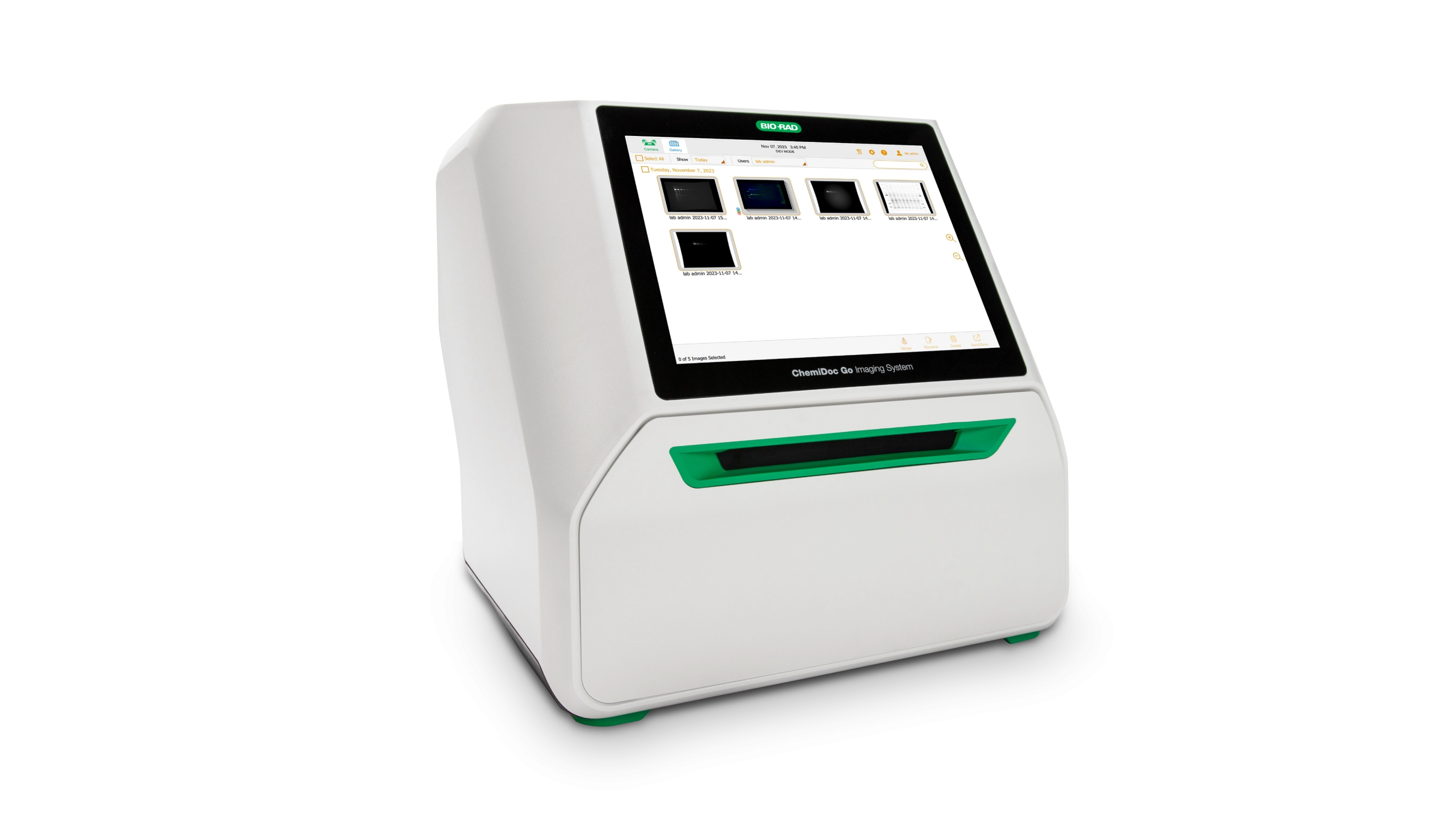
Best For: Best High-End Option Released in 2024, the Bio-Rad ChemiDoc Go Imaging System is a current high-end laboratory imaging system. While technically a gel documentation system, it serves as a standard tool for the densitometric analysis of DNA gels, protein gels, and western blots. This compact, benchtop system replaces older scanning densitometers with advanced CMOS digital imaging, offering high dynamic range and sensitivity for quantitative analysis. Key Specs Detector: 6.3 MP CMOS sensor Dynamic Range: > 4 orders of magnitude Lighting: Trans-UV, Trans-White, Trans-Blue, Epi-White Control: Integrated touchscreen with Image Lab Touch software Connectivity: Cloud-enabled (BR.io) Performance & Applications
The ChemiDoc Go is designed for molecular biology and proteomics labs requiring high-quality data. Its "Stain-Free" technology allows for the visualization and quantitation of proteins without staining and destaining steps, accelerating workflow speed. The system's densitometry software automatically detects bands, subtracts background, and calculates relative quantities, making it an effective tool for researchers analyzing differential protein expression or nucleic acid purity. Shop Bio-Rad Laboratories on LabX Price Range: $4,200 – $4,800
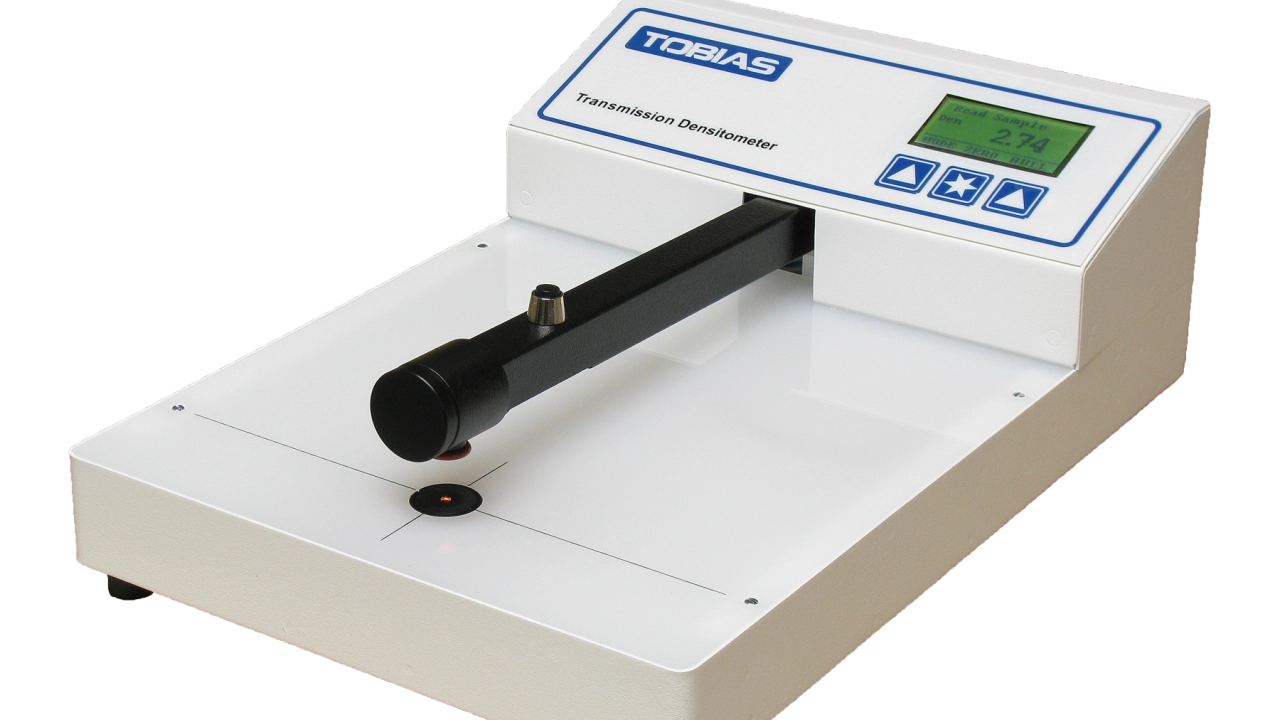
Best For: Best For Film QC The Tobias TBX-1500 is a widely established model for transmission densitometry in quality control environments. While digital sensors are common, many industrial and scientific applications rely on film—such as industrial radiography, X-ray diffraction, or microfilm—requiring a dedicated transmission densitometer. The TBX-1500 is a robust, table-top unit designed to measure the diffuse optical density of black-and-white films with high precision. Key Specs Measurement Range: 0.00–6.60 D Accuracy: ±0.02 D Aperture: 1mm, 2mm, or 3mm options Warm-up Time: None (Instant on) Output: RS-232 serial port Performance & Applications
This model is suitable for labs managing non-destructive testing (NDT) or medical physics quality assurance. The TBX-1500 calculates positive and negative dot areas in addition to standard density, providing data for film processor control. Its capability to measure high densities (up to 6.60 D) exceeds many standard optical scanners, ensuring accurate reading of the darkest areas of radiographic films used in material science and structural analysis. Model Best For Key Features Typical Price Range Grant-bio DEN-600 Most Versatile Portable, Battery/USB, OD600 & McFarland $1,400 – $1,700 Biosan DEN-1B Budget Option 565nm LED, Simple operation, 3xAA Battery $1,100 – $1,500 Biosan RTS-1C Speed / Throughput Real-time logging, Temp control, Automation $2,800 – $3,500 Bio-Rad ChemiDoc Go High-End Option Advanced Gel/Blot Imaging, Cloud connectivity $18,000 – $24,000 Tobias TBX-1500 Film QC Transmission density, High range (6.60D) $4,200 – $4,800 Selecting the ideal laboratory equipment requires balancing analytical needs with budget and workflow constraints. For general cell culture monitoring, the Grant-bio DEN-600 offers a combination of portability and data connectivity, while the Bio-Rad ChemiDoc Go provides high-resolution macromolecule quantification. Laboratories focusing on growth kinetics will find the automated Biosan RTS-1C efficient, whereas those maintaining rigorous film standards may consider the specialized Tobias TBX-1500. By investing in one of these densitometers, laboratory professionals can ensure precise, reproducible data collection well into 2026. This article was created with the assistance of Generative AI and has undergone editorial review before publishing.
Quick Summary
Grant-bio DEN-600 – Grant Instruments
Biosan DEN-1B – Biosan
Biosan RTS-1C – Biosan
Bio-Rad ChemiDoc Go – Bio-Rad Laboratories
Tobias TBX-1500 – Tobias Associates
Comparison of Top Densitometers
Conclusion: Choosing the Right Densitometer
Nov 04, 2026
Product News
Agilent 5987A MSD: Should 5977-Series Labs Upgrade?
A spec-by-spec look at whether the 5987A’s 25% faster scanning, 10× dynamic range gain, and built-in GC Assist intelligence justify moving off the 5977 series — with LabX used-market context for current 5977A and 5977B owners.
Nov 02, 2026
Product News
ImageXpress HCS.ai Advanced Duo: Dual-Camera HCS Upgrade for Drug Discovery Labs
Molecular Devices has launched the ImageXpress HCS.ai Advanced Duo, a dual-camera high-content screening system that adds simultaneous image acquisition and integrated screening analytics to the existing HCS.ai Advanced platform — this article breaks down what changes for buyers already operating in the category and whether the upgrade is warranted.
Oct 27, 2026
Product News
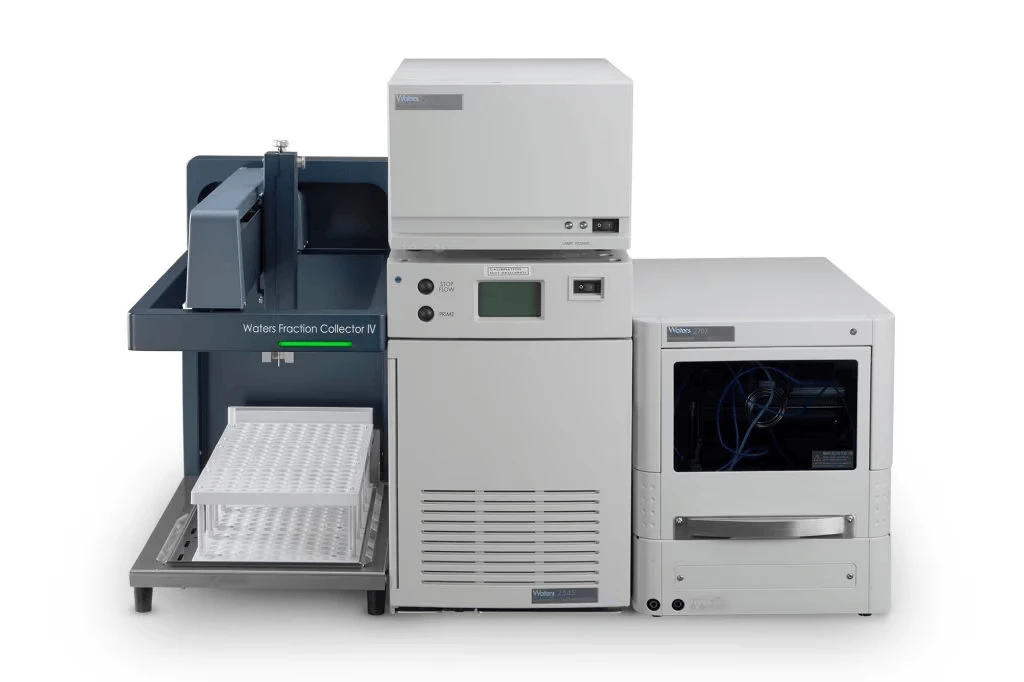
Waters Fraction Collector IV: More Capacity, More Formats for Prep LC Labs
Waters has launched the Fraction Collector IV, upgrading prep-scale purification with 50% more collection capacity, flow rates to 300 mL/min, and native control through Empower, MassLynx, and ChromScope software — here’s what buyers in pharma, biotech, and CRO labs need to evaluate before purchasing.
Oct 20, 2026
Product News
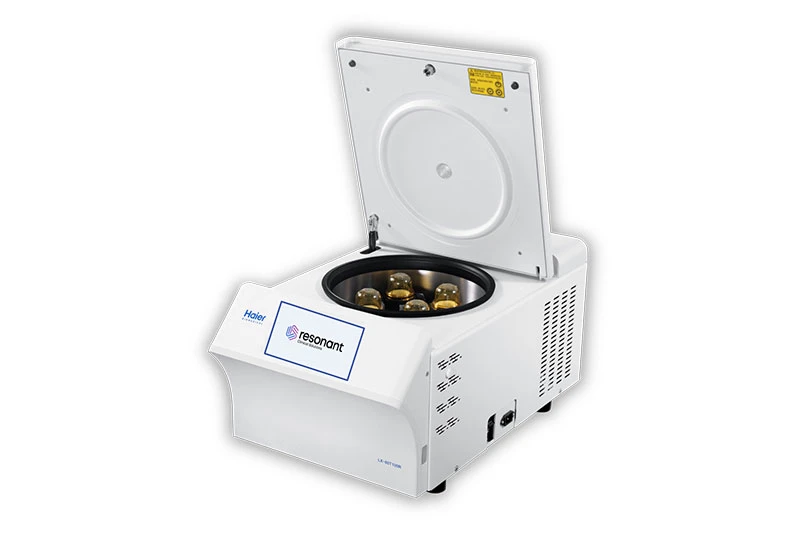
LX-60T100R Refrigerated Benchtop Centrifuge: F-Gas Compliance for Clinical Trials
A new hydrocarbon-cooled benchtop centrifuge purpose-built for clinical trial sample processing arrives with a GWP of ~3, 5-minute pre-cooling, and exclusive distribution through Resonant Clinical Solutions — giving procurement teams an F-gas-ready option well ahead of the 2028 EU regulatory deadline.
Oct 16, 2026
Product News
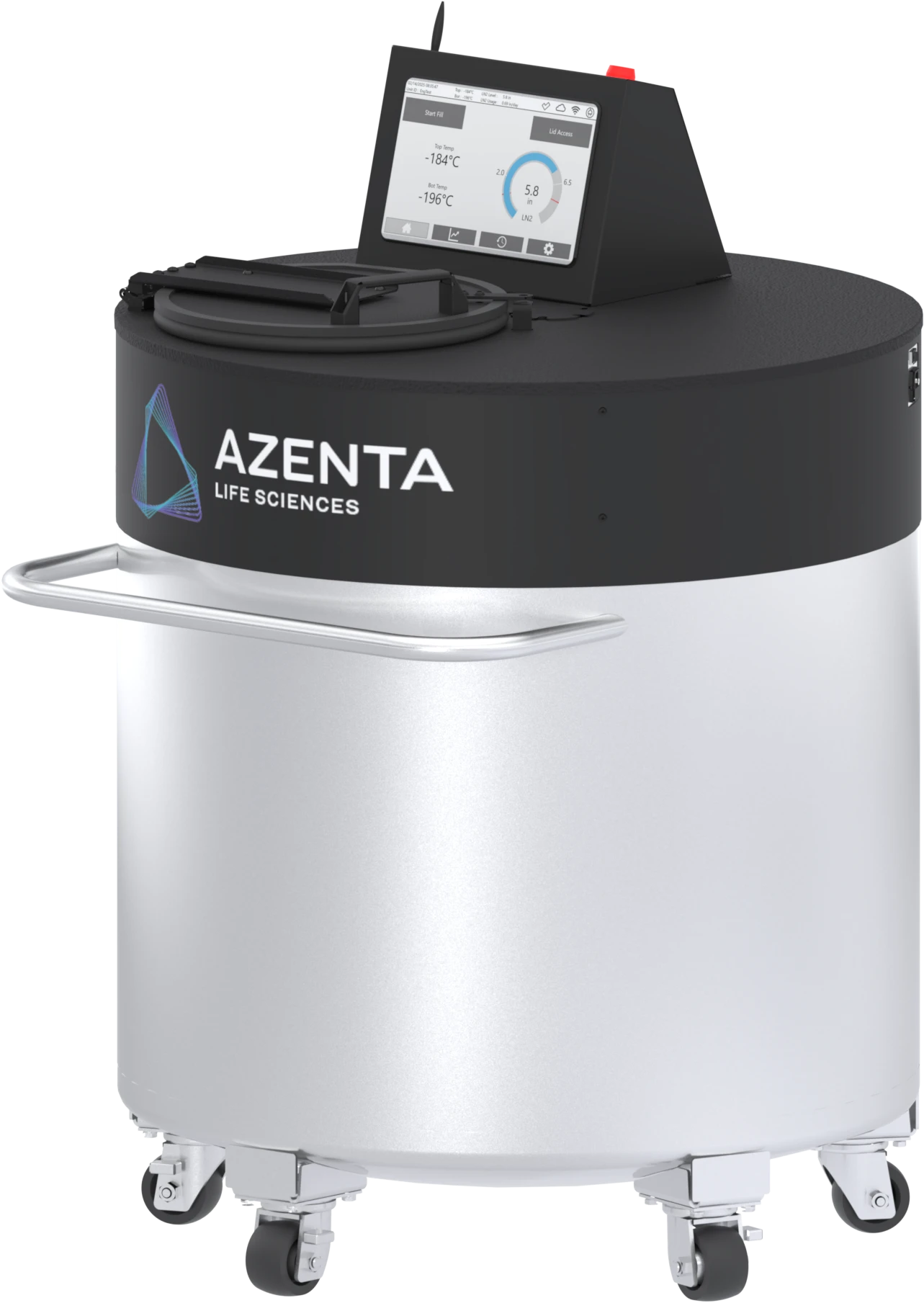
CryoArc Vita-76: Azenta’s High-Density Cryogenic Storage for IVF Clinics
Azenta Life Sciences has launched the CryoArc Vita-76, a cryogenic storage system that consolidates up to seven traditional dewars into a single footprint — this article covers specifications, how it compares in the clinical IVF storage market, and what fertility clinic buyers should evaluate before purchasing.
Sep 30, 2026
Product News
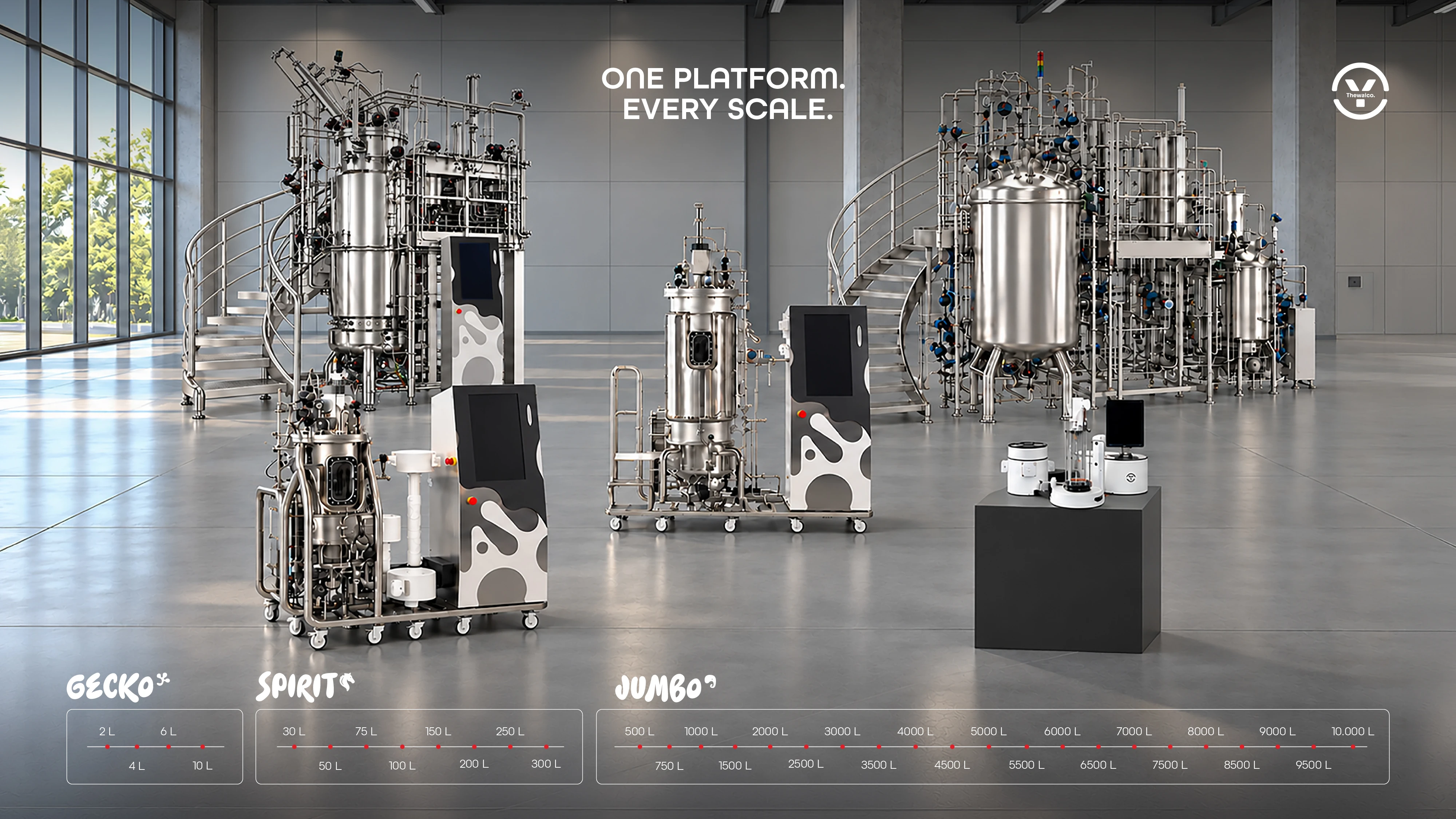
Thewaico Launches Integrated Bioreactor Platform to Solve Biomanufacturing Scale-Up
A new bioprocess company has emerged with three connected bioreactor platforms — spanning 2 L to 10,000+ L — and an AI-assisted control layer intended to eliminate the re-engineering step that derails most scale-up projects, alongside a direct-to-web pricing configurator.
Sep 28, 2026
Product News
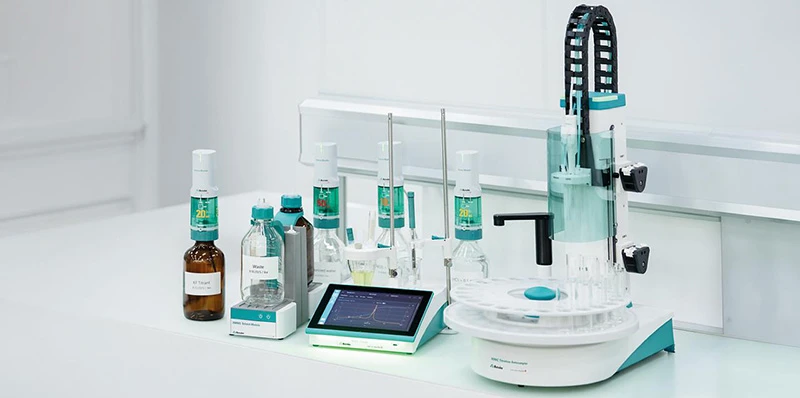
Metrohm USA Launches IONIC Titrator With Built-In Cloud Access
Metrohm USA's new IONIC Titrator pairs a 10-inch touchscreen with direct cloud connectivity, letting labs monitor and share titration data without a PC; here's how it's specced, priced, and positioned for buyers comparing standalone titrators.
Sep 23, 2026
Product News
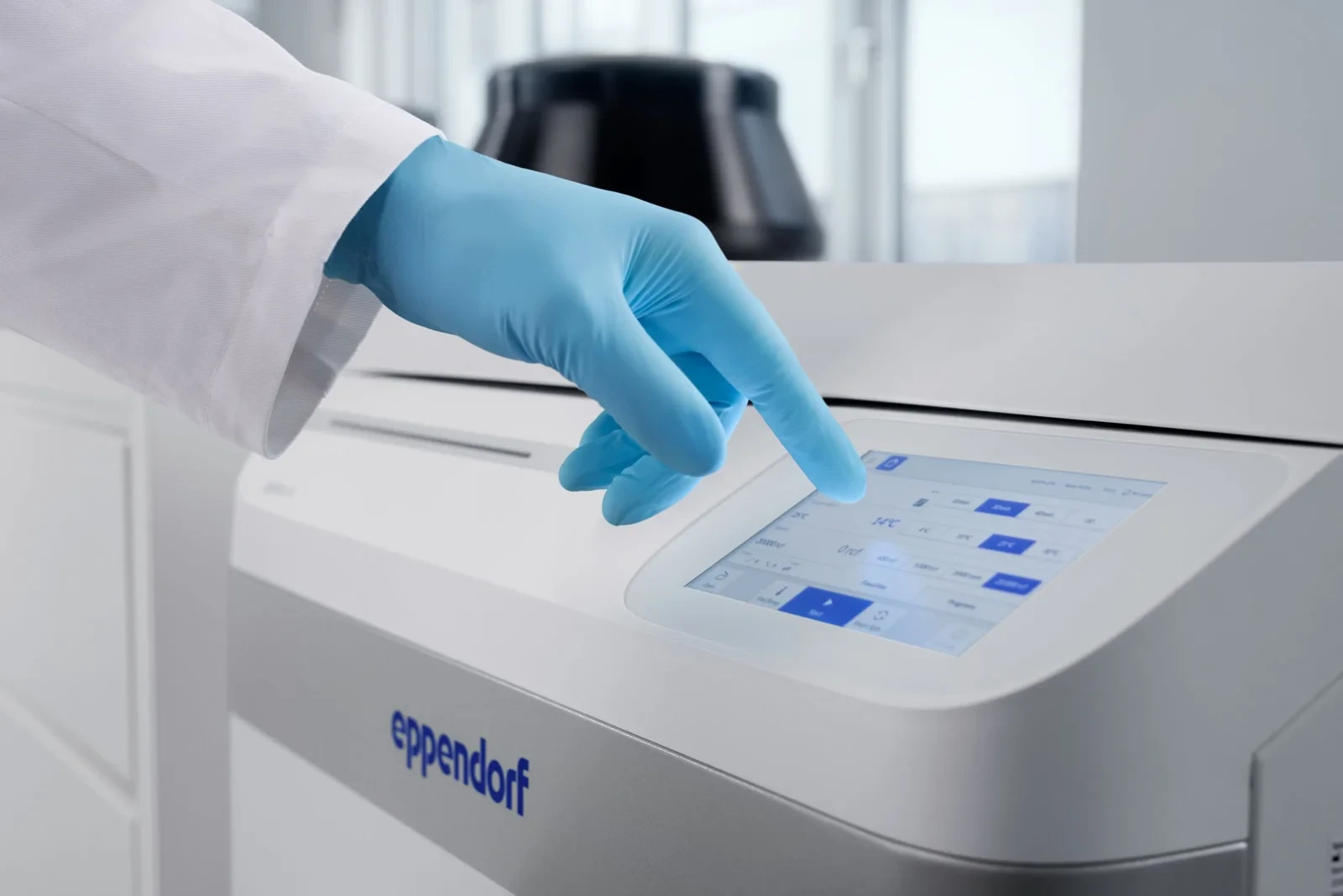
Eppendorf Introduces the SpinPro 8 R High-Speed Floor Centrifuge
Eppendorf's SpinPro 8 R floor-standing centrifuge launches with 6 L capacity, 35-rotor compatibility, CO₂-based refrigerant (GWP = 1), and AuditSafe documentation for pharma and biotech labs evaluating their next large-volume separation system.
Sep 22, 2026
Product News
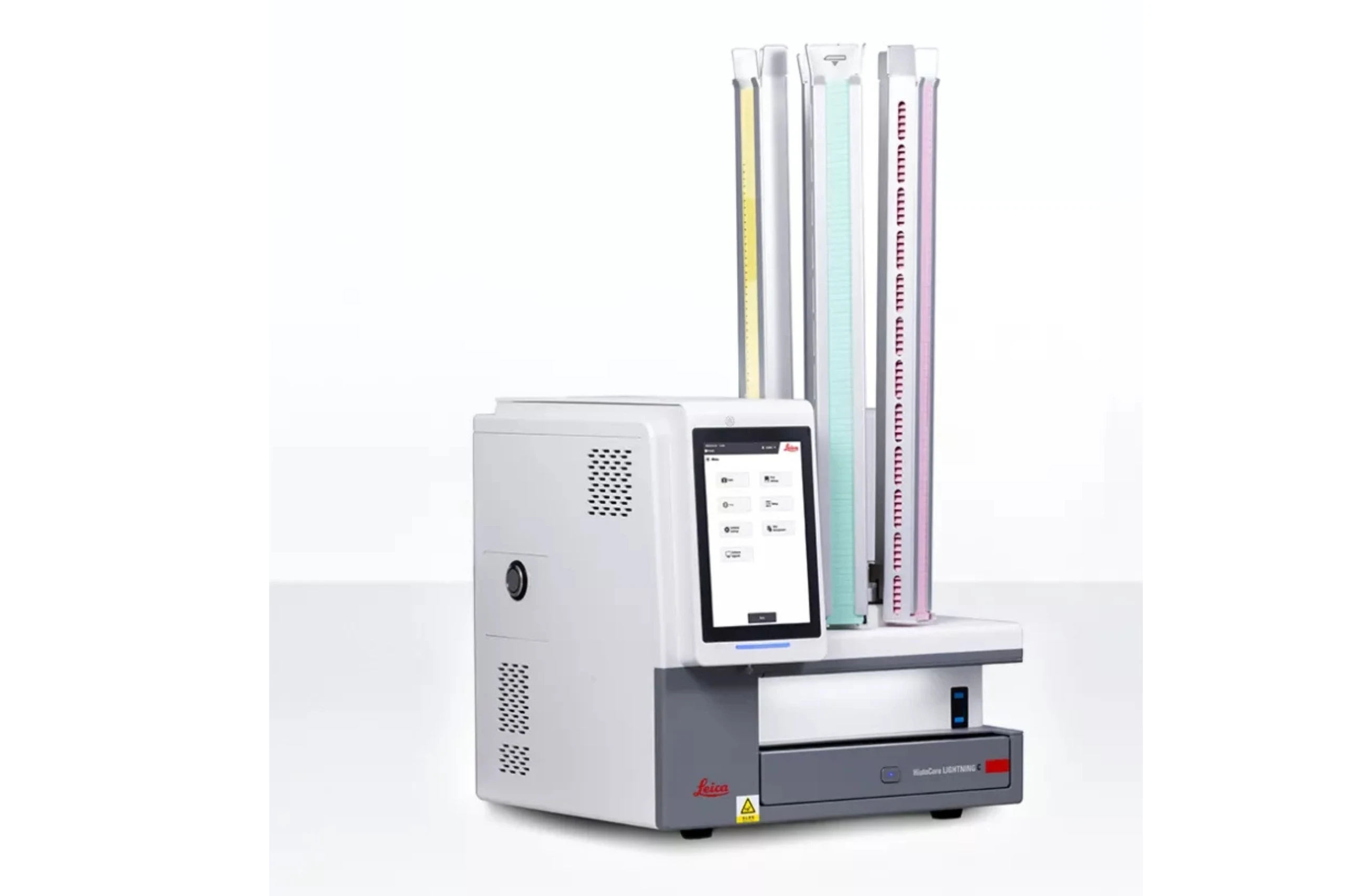
Leica Biosystems HistoCore LIGHTNING C Laser Cassette Printer: Speed and Traceability for High-Volume Histology Labs
Leica Biosystems' ink-free UV laser cassette printer delivers 2.5-second-per-cassette printing with 600-cassette capacity and LIS integration — what pathology lab buyers need to know before evaluating this system against their workflow needs and total cost of ownership.

Sep 17, 2026
Product News
Yamato Scientific America moves into life sciences with multi-technology partnership portfolio
Yamato Scientific America is entering the life sciences market through technology partnerships covering live-cell imaging, circulating tumor cell enrichment, and single-cell isolation — here is what buyers should evaluate before engaging.