
The Best Elemental Analyzers: A Buyer's Review of Price and Features

Written By: Craig Bradley
May 29, 2024
Precise chemical characterization is the backbone of modern industrial and research laboratories, making the selection of high-performance elemental analyzers a critical operational decision. These instruments determine the elemental composition of organic and inorganic samples, ensuring compliance with strict quality control standards in pharmaceuticals, environmental monitoring, and materials science. This guide examines the leading equipment available in 2026, focusing on recent technological advancements in throughput, sensitivity, and automation. Best for Rapid Screening: Shimadzu ALTRACE — High-sensitivity EDXRF with throughput-enhancing features. Best for Organic Macro Analysis: LECO 828 Series — Industry-leading throughput for carbon, nitrogen, and protein in food and feeds. Most Versatile: Analytik Jena multi EA 5100 — All-in-one solution for C, N, S, and X in solids, liquids, and gases. Best High-End Option: Malvern Panalytical Revontium — Delivers floor-standing WDXRF-level performance in a compact EDXRF footprint. Best Overall / Modular: Thermo Scientific FlashSmart — Proven reliability with a highly configurable modular architecture. Price Range: $50,000 – $90,000 (Estimate; varies by configuration)
Best For: Rapid environmental screening and food safety analysis.
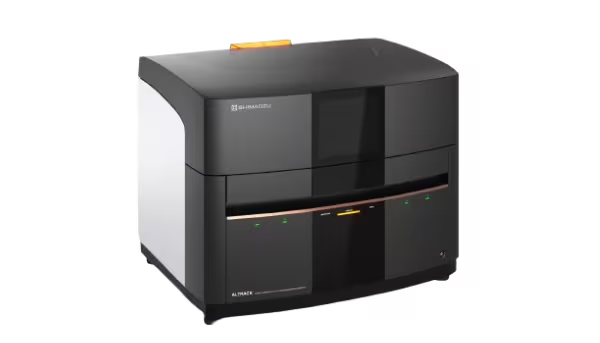
Primary Category: Speed / Throughput Key Specs Detection Method: Energy Dispersive X-ray Fluorescence (EDXRF) Element Range: Sodium (Na) to Uranium (U) Sample Turret: 48-position automatic changer Detector: High-performance Silicon Drift Detector (SDD) Release: 2025 Flagship Model Performance & Applications
Released in 2025, the ALTRACE system represents a significant leap in EDXRF sensitivity and processing speed. Shimadzu has engineered this model to address the bottlenecks of high-volume testing labs by integrating proprietary high-speed signal processing that drastically reduces measurement times without compromising limit-of-detection standards. The inclusion of a 48-sample turret allows for overnight unattended operation, making it highly relevant for environmental laboratories screening for hazardous heavy metals in soils or wastewater. Its enhanced sensitivity to light elements also makes it a robust tool for the food industry, where rapid detection of mineral contaminants or nutritional elements is required before products hit the market. Price Range: $60,000 – $90,000 (Estimate)
Best For: Macro-level analysis of food, feed, and soil.
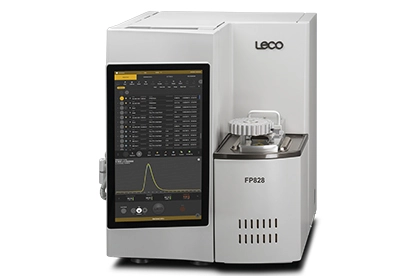
Primary Category: High-End Option Key Specs Analytes: Carbon, Hydrogen, Nitrogen, Protein (varies by sub-model) Sample Mass: Macro capabilities (up to 3.0 g for Nitrogen) Cycle Time: Rapid analysis (as fast as 2.8 minutes) Furnace: Resistance furnace design for improved longevity Loader: 30-position autoloader with optional expansion to 120 Performance & Applications
The LECO 828 Series remains a dominant force in 2026, widely regarded as the industry standard for organic macro analysis. Engineered specifically for the agricultural and food sectors, it excels at handling heterogeneous samples like grains, feeds, and soils that require larger sample masses for representative results. The vertical quartz furnace design ensures complete combustion, while the rapid 2.8-minute cycle times maximize throughput for busy contract laboratories. With the capability to integrate the S832 add-on for independent Sulfur determination, the 828 Series offers a scalable solution that handles large sample weights without demanding extensive sample preparation. Price Range: $55,000 – $85,000 (Estimate)
Best For: Complex matrices requiring multi-element analysis (C, N, S, X).
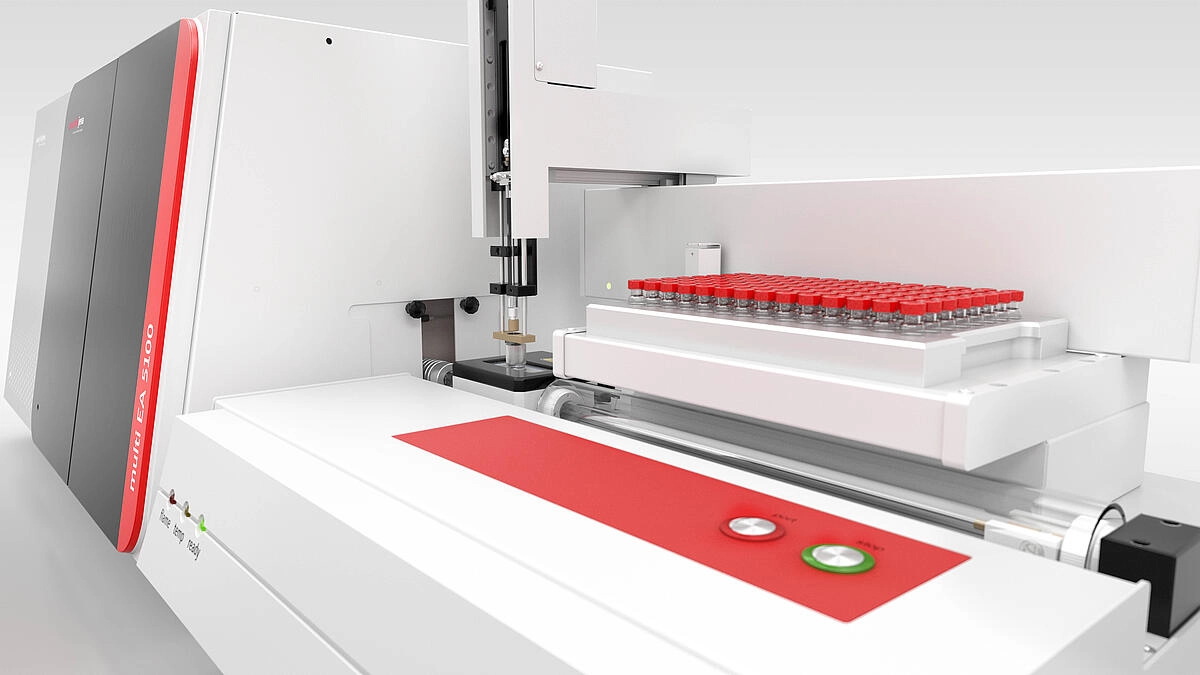
Primary Category: Most Versatile Key Specs Analytes: Carbon, Nitrogen, Sulfur, Chlorine Detection Technology: HiPerSens (broad linear measuring range) Sample Types: Solids, liquids, gases, and LPG Furnace Mode: Double Furnace technology (vertical and horizontal) Compliance: ASTM, DIN, ISO compliant methods Performance & Applications
The multi EA 5100 distinguishes itself through exceptional versatility, effectively functioning as a "micro" elemental analyzer that can handle difficult matrices ranging from petrochemicals to waste materials. Its proprietary Double Furnace technology allows users to switch between vertical and horizontal combustion modes, ensuring optimal digestion regardless of the sample state. This flexibility is crucial for petrochemical labs that analyze everything from volatile gases to heavy residues. The HiPerSens detection system provides a vast dynamic range, allowing researchers to measure trace-level impurities and high-percentage components in a single run, significantly reducing the need for time-consuming dilutions or recalibrations. Price Range: $70,000 – $110,000 (Estimate)
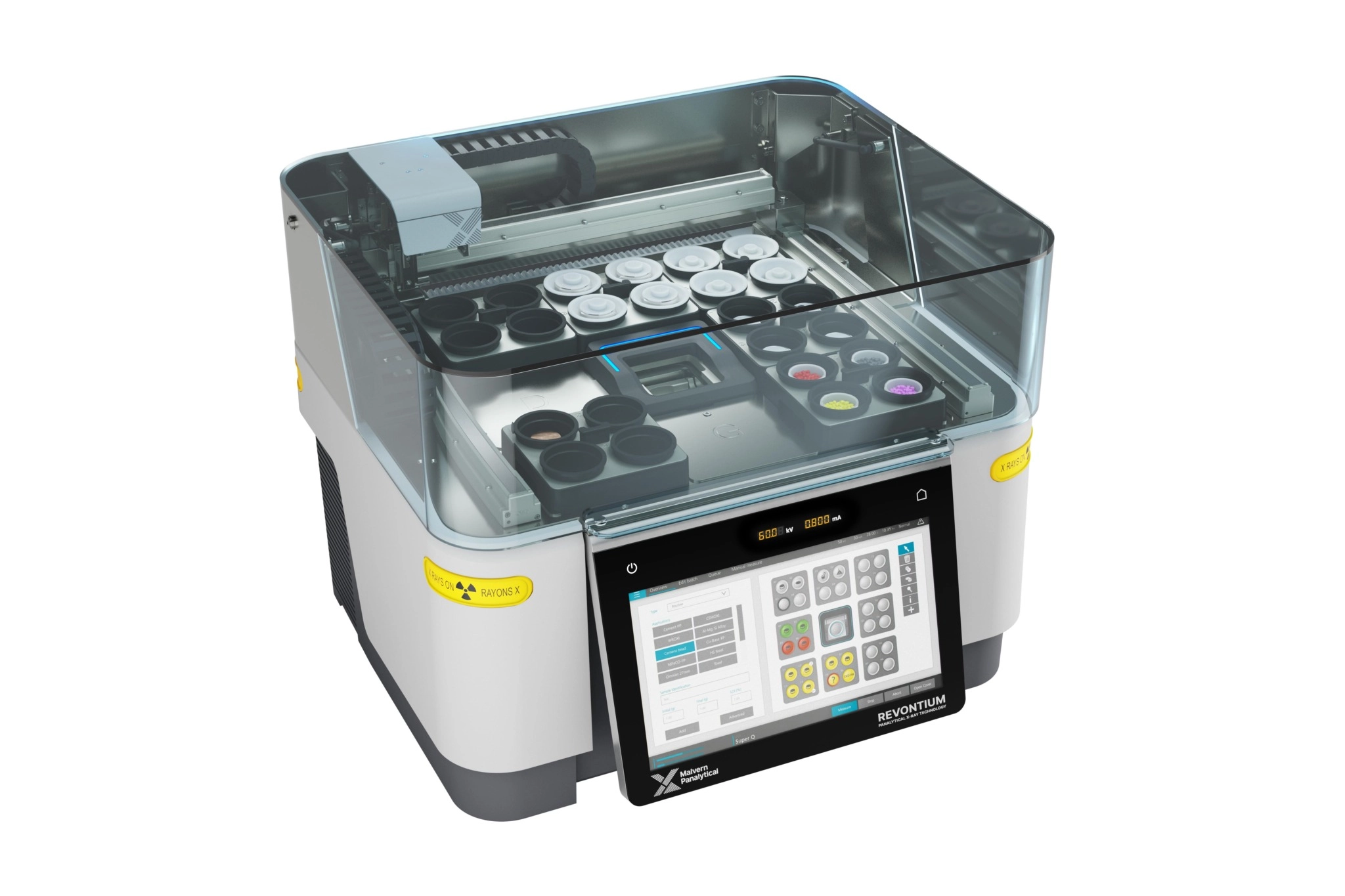
Best For: High-precision analysis in limited spaces.
Primary Category: Best High-End Compact Key Specs Technology: Compact EDXRF (rivals WDXRF performance) Power: 400 W consumption (comparable to 1 kW floor-standing systems) Cooling: Internal cooling (no external water chiller required) Sample Handling: Non-destructive analysis; up to 32 samples Environment: Dust-tight housing for harsh industrial settings Performance & Applications
A standout release in late 2025, the Revontium bridges the gap between floor-standing Wavelength Dispersive (WDXRF) units and standard benchtop models. By utilizing advanced X-ray tube technology and detection algorithms, it delivers analytical precision previously reserved for larger, more expensive systems while consuming only 400 W of power. This model is particularly relevant for the cement, mining, and polymer industries where space is at a premium but data integrity cannot be compromised. Its non-destructive nature allows for the repetitive testing of valuable or scarce samples, such as pharmaceutical formulations or advanced alloy prototypes. The absence of external water cooling requirements further lowers the total cost of ownership and simplifies installation in remote or mobile laboratory containers. Shop Malvern Panalytical on LabX Price Range: $40,000 – $70,000 (Estimate)
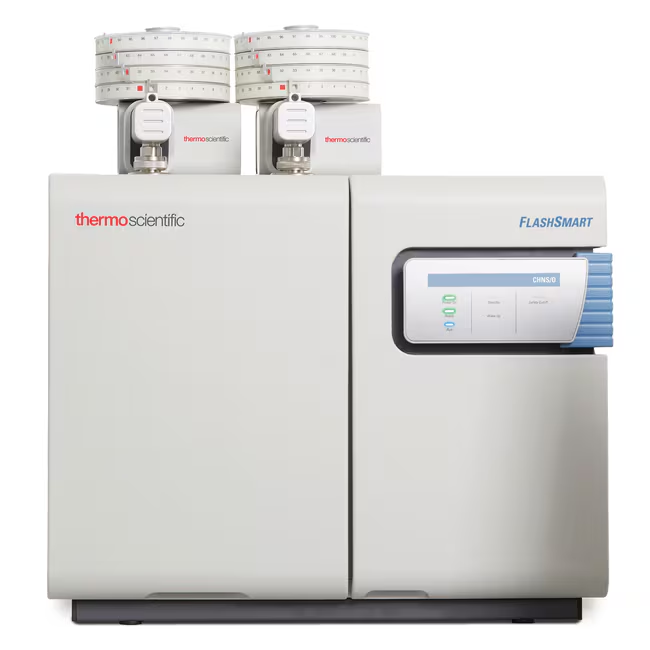
Best For: Laboratories needing a configurable, all-in-one OEA solution.
Primary Category: Best Overall / Best Modular Key Specs Configuration: Modular design (CHNS, CHN, Oxygen, NC, N/Protein) Autosampler: Multi-valve system (MAS Plus) Detector: Thermal Conductivity Detector (TCD) Gas Flow: Electronic Flow Control (EFC) Warranty: 15-year warranty on the combustion furnace and TCD Performance & Applications
While a staple in the industry for several years, the FlashSmart remains a top contender in 2026 due to its unmatched modularity and proven robustness. It serves as a comprehensive Organic Elemental Analyzer (OEA), capable of being reconfigured to detect Nitrogen, Carbon, Hydrogen, Sulfur, and Oxygen in various combinations. Ideally suited for research institutions and contract labs, the FlashSmart handles a diverse array of applications from characterization of new synthetic compounds to determining the calorific value of biofuels. Its automated "wake-up" and "stand-by" functions help laboratories manage gas consumption and operational costs, cementing its status as a reliable workhorse for continuous operation. Model Best For Key Features Typical Price Range Shimadzu ALTRACE Rapid Screening High-speed EDXRF, 48-sample turret, 2025 Release $50k – $90k LECO 828 Series Organic Macro Analysis High throughput, large sample mass, 2.8 min cycle $60k – $90k Analytik Jena multi EA 5100 Versatility (C/N/S/X) Double Furnace, solids/liquids/gas handling $55k – $85k Malvern Panalytical Revontium Compact High-End XRF Internal cooling, WDXRF-level performance $70k – $110k Thermo FlashSmart Modular Scalability 15-year furnace warranty, configurable OEA $40k – $70k Selecting the right elemental analyzer in 2026 requires balancing analytical speed with matrix versatility. Recent releases like the Shimadzu ALTRACE and Malvern Panalytical Revontium demonstrate the industry's shift toward higher throughput and automated sample handling to meet increasing regulatory demands. Whether the laboratory prioritizes the non-destructive precision of XRF technology or the complete combustion capabilities of organic elemental analyzers, the market currently offers robust solutions tailored to every scale of operation. Careful assessment of sample volume and element range will ensure the chosen instrument delivers long-term value and data reliability. This article was created with the assistance of Generative AI and has undergone editorial review before publishing.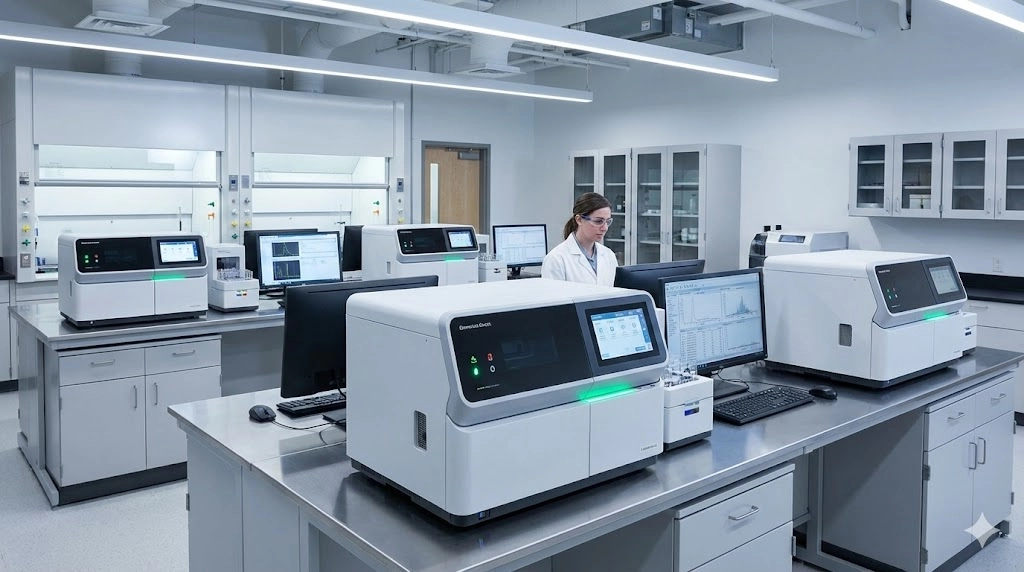
Quick Summary Box
Shimadzu ALTRACE – Shimadzu
LECO 828 Series – LECO Corporation
Analytik Jena multi EA 5100 – Analytik Jena
Malvern Panalytical Revontium – Malvern Panalytical
Thermo Scientific FlashSmart – Thermo Fisher Scientific
Model Comparison
Conclusion: Choosing the Right Elemental Analyzer

Feb 10, 2026
Technical Insight
Eco-Friendly Refrigeration: Evaluating Natural Refrigerants and Low-GWP Cooling Systems
This guide explains the operational and environmental benefits of adopting natural refrigerants and low-GWP cooling systems in laboratory settings

Feb 10, 2026
Technical Insight
The Ultimate Guide to Sustainability in Laboratory Equipment and Operations
A comprehensive analysis of sustainable laboratory practices, focusing on energy-efficient equipment, waste management, and digital workflows
Jan 09, 2026
Product News
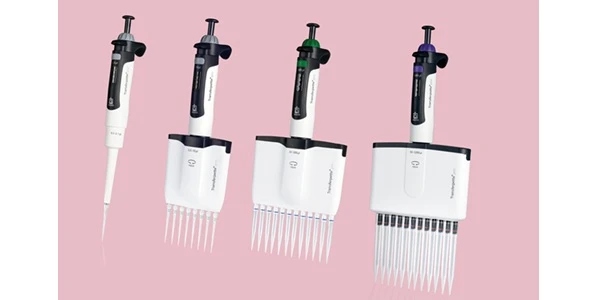
BRANDTECH Scientific Introduces the Transferpette® pro Micropipette: A New Twist on Comfort and Control
The latest addition to its trusted line of precision liquid handling instruments, engineered for comfort, control, and repeatable accuracy.

Jan 06, 2026
Featured, Technical Insight
New Research Frontiers Unlocked by Next-Generation Flow Cytometry
Next-generation flow cytometry systems using acoustic focusing are opening entirely new areas of research that were previously impractical or inaccessible with conventional flow cytometers.
Jan 05, 2026
Buying Guides
The Bottom Line: How Smart Microcentrifuge Tube Choices Impact Lab Efficiency and Cost
Innovative microcentrifuge tube solutions are more than just lab consumables—they’re strategic tools that can reduce costs, improve outcomes, and support long-term sustainability goals.
Jan 05, 2026
Buying Guides
Future-Proofing Your Lab with Innovative Microcentrifuge Tube Solutions
As laboratories evolve to meet the growing demands of modern science, even the most basic tools—like microcentrifuge tubes—are being reimagined.
Jan 05, 2026
Buying Guides
Microcentrifuge Tube Innovations: Driving Sustainable Change
Integrating next-generation consumables into standard workflows can lead to a more sustainable and responsible research environment.
Jan 05, 2026
Buying Guides
Single Use Plastics: How to Manage these Major Contributors to Lab Waste
Reducing lab waste isn’t just a sustainability issue—it’s a financial and operational one, too.
Jan 05, 2026
Buying Guides
Common Microcentrifuge Tube Challenges in Sensitive Molecular Workflows
Key factors that can impact the performance of microcentrifuge tubes for PCR, qPCR, and NGS and other sensitive applications
Jan 05, 2026
Buying Guides
How to Research the Right Microcentrifuge Tubes for Your Application
Selecting the right microcentrifuge tubes starts with understanding the specific demands of your application.