
The Best Glove Boxes of 2026

Written By: Craig Bradley
Published: Dec 18, 2025
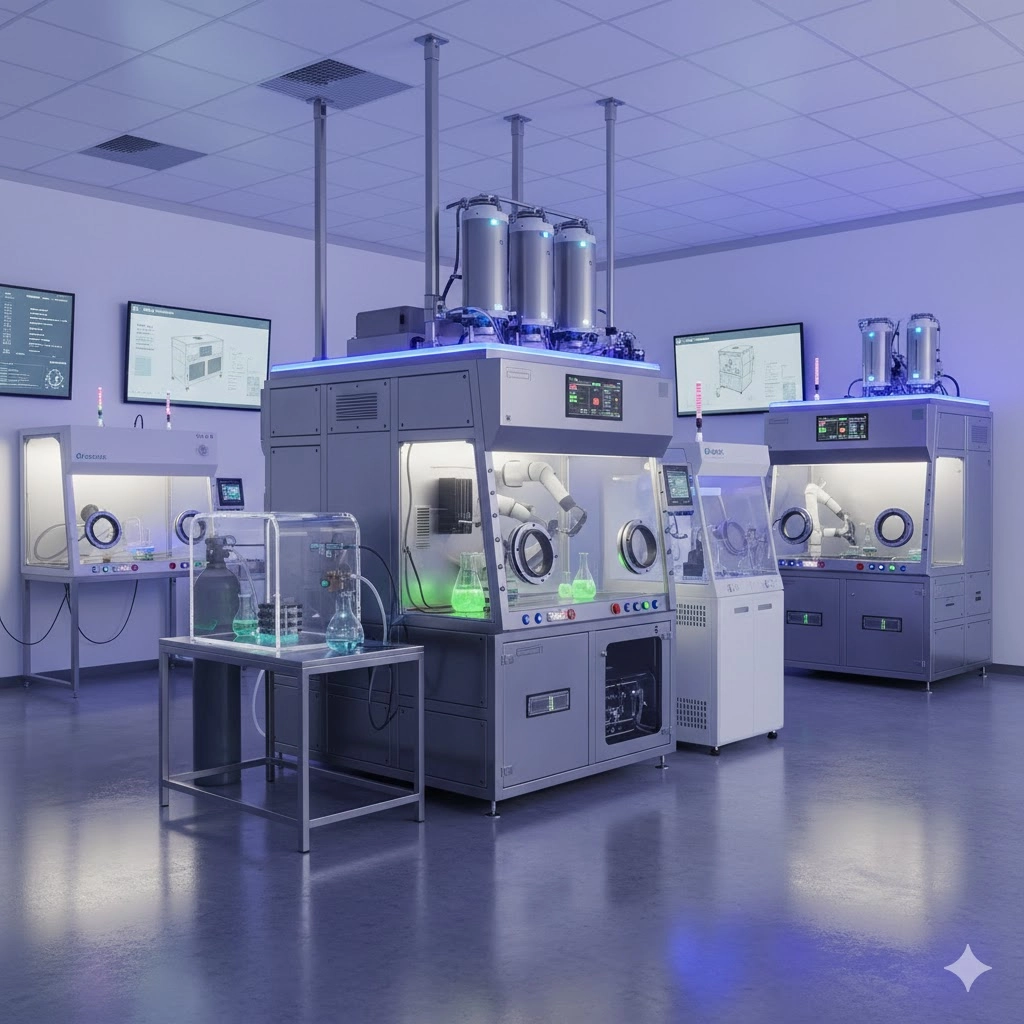
The procurement of high-performance glove boxes is a critical decision for laboratory professionals managing air-sensitive research, solid-state battery development, or pharmaceutical compounding. In 2026, the landscape of atmospheric control has shifted toward integrated automation and regenerative-free purification systems that maximize uptime while minimizing maintenance overhead. As scientific requirements for oxygen and moisture levels drop below the 1 ppm threshold, the demand for robust, leak-tight enclosures has never been higher. Selecting the optimal model involves balancing gas purification efficiency, modularity, and internal volume to ensure the integrity of sensitive materials during long-term experimentation. Emerging trends in 2026 emphasize the role of digital twins and real-time atmospheric logging, allowing facilities to maintain rigorous compliance data for audit-heavy industries such as aerospace and medical device manufacturing.
Quick Summary Box
Best Overall: LABmaster pro – MBRAUN — Exceptional modularity and <1 ppm purity for complex research clusters.
Best On A Budget: 2100 Series – Cleatech — Economical, portable solution for basic isolation and moisture-sensitive storage.
Best For Speed / Throughput: GENESIS – Vacuum Atmospheres Company — Innovative cartridge technology eliminates regeneration downtime for continuous operation.
Most Versatile: PureLab HE – Inert Technology — Precision gas management ideal for high-growth biotech and university settings.
Best High-End Option: Protector Stainless Steel – Labconco — Precision engineering with ULPA filtration and validated containment integrity.
LABmaster pro – MBRAUN

Price Range: $45,000 – $85,000
Best For: High-end modular research and manufacturing clusters.
Key Specs
Atmospheric Purity: Oxygen and H2O concentrations maintained at < 1 ppm.
Control System: Siemens PLC with high-resolution color touch panel and remote access capabilities.
Construction: High-grade stainless steel (US 304) with scratch-resistant polycarbonate window.
Leak Rate: Certified < 0.05 Vol%/h according to ISO 10648-2 standards.
Operation Modes: Negative and positive pressure with automated ECO Mode for power efficiency.
Performance & Applications The LABmaster pro remains the flagship workstation for laboratories requiring a scalable and highly customizable environment. This model, which received significant hardware and PLC software updates in late 2024, features a modular box design that allows for the seamless extension of the workspace as research needs grow from single-operator tasks to multi-stage production lines. The integration of high-vacuum feedthroughs and a stainless-steel encapsulated blower ensures that the internal atmosphere remains pristine even during intensive material processing. It is currently recognized as the industry standard for lithium-ion and solid-state battery research, organic electronics (OLED) development, and perovskite solar cell fabrication.
The technical versatility of the LABmaster pro is further enhanced by its compatibility with a wide array of process tools, including spin coaters, thermal evaporators, and robotic handling systems. The 24/7 purification option utilizes a dual-column purifier system, allowing one column to remain operational while the other undergoes regeneration. This ensures that the environment never deviates from established safety and purity parameters, making the unit indispensable for high-stakes industrial R&D where even a momentary atmospheric spike could compromise months of experimental data. Furthermore, the 2026 software suite includes advanced data trending, which simplifies the documentation of atmospheric stability for regulatory submissions.
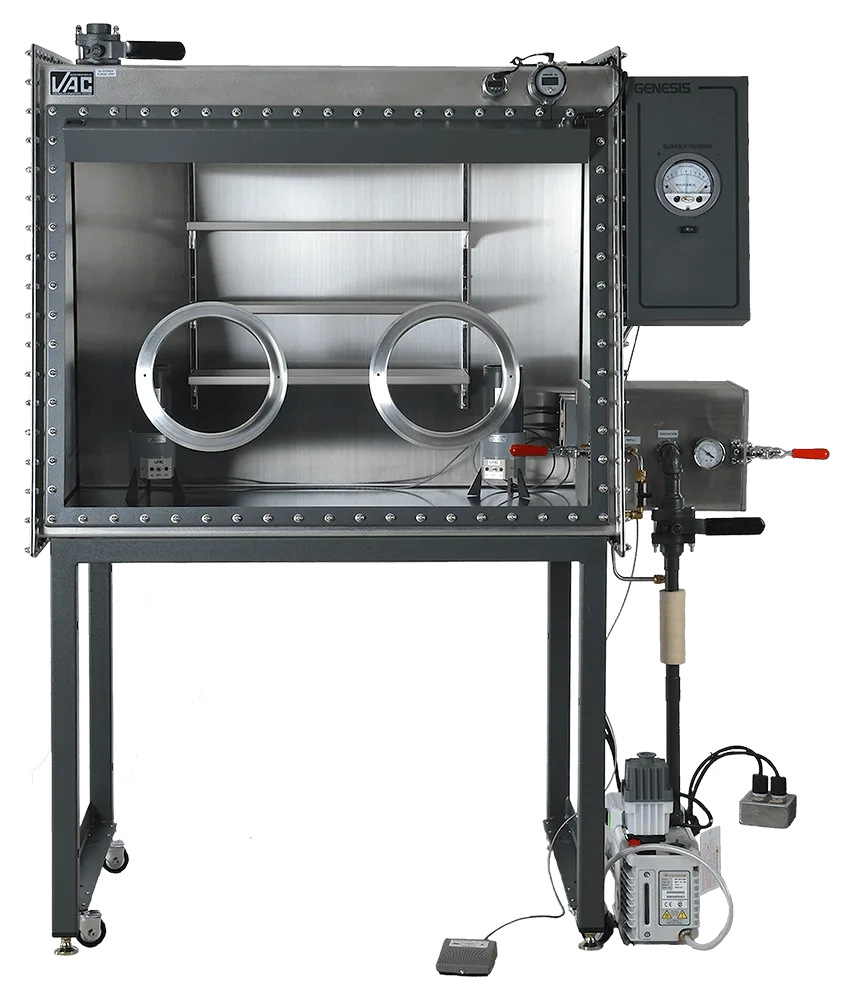
GENESIS – Vacuum Atmospheres Company (VAC)
Price Range: $35,000 – $60,000
Best For: High throughput and continuous operation without regeneration cycles.
Key Specs
Purification Method: Patented Inert Gas Cartridge technology eliminates the need for hydrogen-based regeneration.
Sensors: Integrated oxygen and moisture analyzers with real-time digital logging and alarm triggers.
Atmospheric Levels: Maintains ultra-pure environments with < 1 ppm O2 and H2O.
Cooling: Integrated heat exchanger designed for temperature-sensitive exothermic processes.
Safety: Automatic pressure control with manual foot-pedal overrides for operator precision.
Performance & Applications The GENESIS system represents a paradigm shift in glove box maintenance by utilizing disposable cartridge purification technology. Unlike traditional systems that require periodic regeneration cycles—often lasting 12 to 24 hours—the GENESIS eliminates this downtime entirely. By swapping pre-activated cartridges, laboratory professionals can maintain a continuous inert atmosphere indefinitely. This operational strength is particularly relevant for pilot-scale manufacturing and 24-hour research facilities where downtime directly impacts project timelines and overhead costs. The removal of the regeneration requirement also eliminates the need for flammable regeneration gases (typically 5-10% hydrogen), significantly improving lab safety and simplifying facility gas plumbing requirements.
Beyond throughput benefits, the GENESIS excels in environments handling reactive organometallics and sensitive semiconductor components. The cartridge chemistry is specifically tuned for the rapid removal of oxygen and moisture, responding effectively to atmospheric disturbances during material transfers. The 2026 iteration includes enhanced digital interfaces that track cartridge saturation levels, providing predictive maintenance alerts to ensure cartridges are replaced before the atmosphere is compromised. This level of reliability is critical for electrochemical research and inorganic synthesis, where moisture levels must be strictly controlled to prevent the degradation of catalysts or sensitive electrolytes.
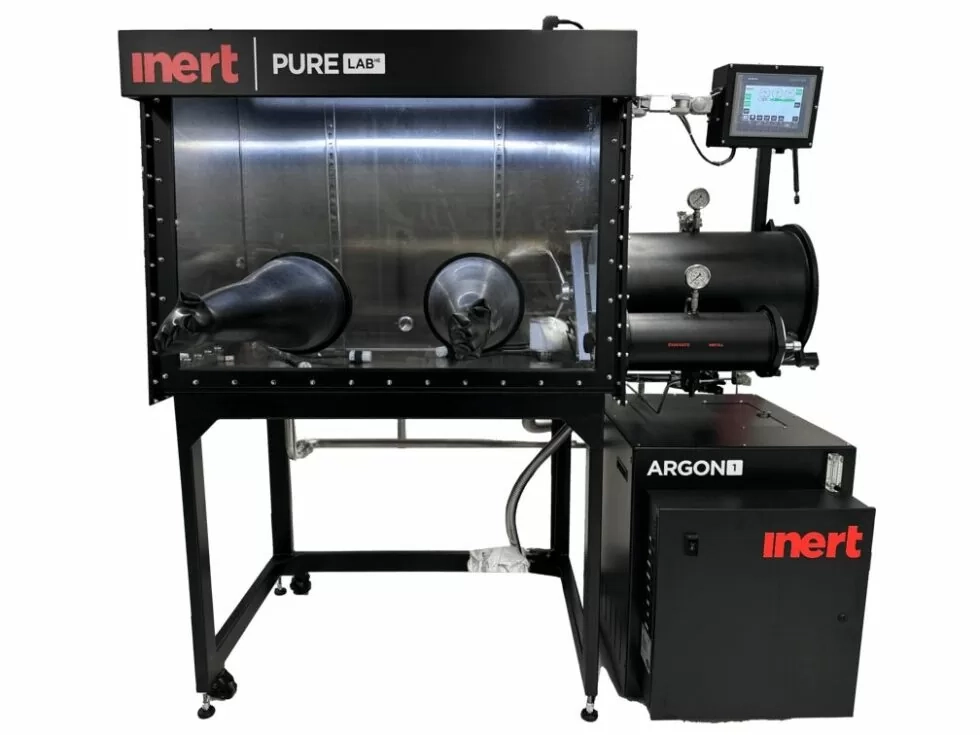
PureLab HE – Inert Technology
Price Range: $28,000 – $48,000
Best For: Versatile applications in university labs and biotech startups.
Key Specs
Gas Management: High-efficiency Gas Management System (GMS) with sub-1 ppm purification capability.
Purifier Capacity: High-capacity single or dual-column regenerable purifiers for long-term stability.
Ergonomics: Oval glove ports and a slanted front window for improved operator posture and visibility.
Footprint: Modular platform allowing for easy expansion and integration with existing lab cells.
Blower: Variable speed circulation blower with a maximum flow rate of 60 cfm for rapid stabilization.
Performance & Applications As a leading choice for the 2026 market, the PureLab HE targets the growing need for precision gas management combined with a modular architecture. This model features a fully automated regeneration sequence and integrated oxygen and moisture analyzers that log data for 24-hour trending. The system's strength lies in its high-efficiency (HE) purification loop, which achieves sub-1 ppm levels reliably across multi-user environments. The PureLab HE is frequently employed in synthetic chemistry and nanotechnology labs where technical specifications cannot be sacrificed for space. Its modular platform allows laboratories to start with a single-user station and expand into multi-module workstations as workflow requirements increase, providing a cost-effective path for growing biotech firms.
The 2026 model has been refined with advanced blower logic that adjusts circulation speeds based on real-time sensor data, reducing energy consumption and filter wear during periods of inactivity. This "smart" circulation is paired with high-capacity purifier columns that offer superior sulfur and solvent removal capabilities, extending the life of the internal catalysts. Furthermore, the PureLab HE is designed with serviceability in mind; most components are easily accessible from the front or side of the unit, reducing the time required for routine maintenance. This combination of high performance and low maintenance makes it a preferred option for academic core facilities where equipment must withstand constant use by various researchers with varying levels of expertise.
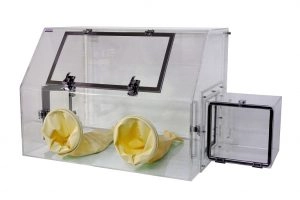
2100 Series – Cleatech
Price Range: $1,500 – $5,500
Best For: Budget-conscious isolation and basic moisture-sensitive storage.
Key Specs
Material Options: Choice of Clear Acrylic, Static-Dissipative PVC, or chemical-resistant Polypropylene.
Portability: Lightweight design suitable for benchtop placement or mounting on mobile cleanroom carts.
Access: Large tilt-up front window or side access doors for the loading of bulky equipment.
Atmosphere: Specifically designed for nitrogen or argon purging to maintain low-humidity environments.
Airlock: Optional transfer chambers (antechambers) available for contamination-free entry and exit.
Performance & Applications The Cleatech 2100 Series provides a critical entry point for laboratories that do not require ultra-low oxygen purification but must maintain a dry or dust-free environment. While it lacks the automated gas purification columns of higher-end models, its ability to be purged with inert gas makes it ideal for handling moisture-sensitive pharmaceuticals, microelectronics, and anaerobic samples. The availability of static-dissipative materials is a significant advantage for labs working with sensitive powders or electronics prone to electrostatic discharge (ESD) damage. This series is most suitable for general sample preparation, basic assembly, and short-term storage of chemicals that react slowly with ambient oxygen or moisture.
The 2026 version of the 2100 Series includes improved gasket materials that offer better chemical resistance and a longer operational lifespan than previous iterations. For labs requiring more ergonomic access, the series now offers iris port options, allowing operators to enter the chamber with bare hands (under specific conditions) or through thin liners, which is beneficial for tasks requiring high dexterity. Because these units are significantly lighter than their stainless steel counterparts, they are often used in laboratories that require flexible floor plans. The simplicity of the 2100 Series ensures that it remains a reliable workhorse for non-critical isolation tasks, providing a low-cost alternative to expensive vacuum-rated systems.
Protector Stainless Steel – Labconco
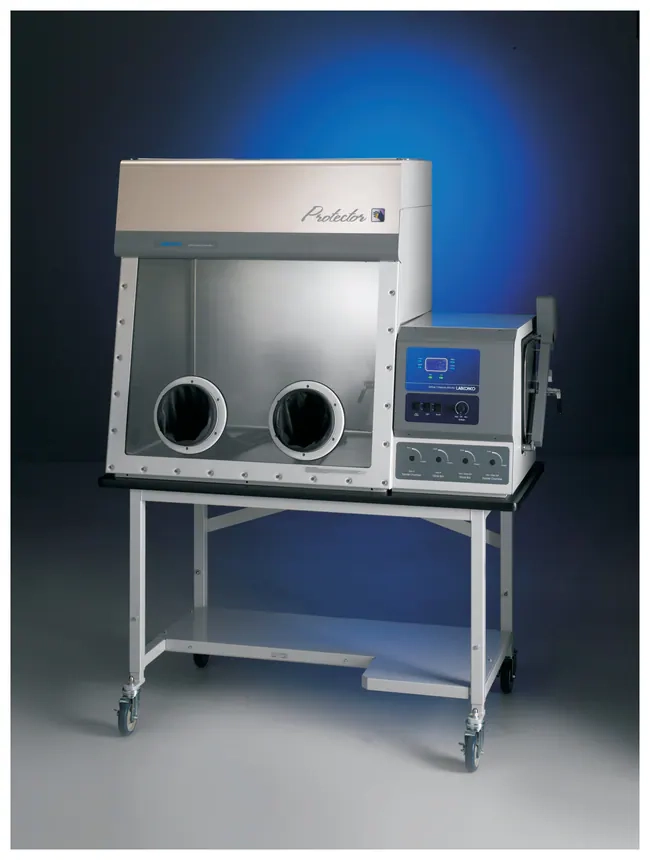
Price Range: $40,000 – $75,000
Best For: High-end hazardous material containment and sensitive material handling.
Key Specs
Shell: One-piece, leak-tight 304 stainless steel interior liner with large-radius coved corners for easy cleaning.
Filtration: Inlet and outlet ULPA filters achieving 99.999% efficiency on 0.12-micron particulates.
Display: Comprehensive LCD for monitoring pressure, humidity, and gas concentration.
Safety: Validated through perimeter scan testing protocols designed to meet containment principles comparable to ASHRAE 110.
Valves: Precision-engineered manual and automatic valves for exacting gas control and pressure stabilization.
Performance & Applications The Protector series by Labconco is renowned for its durability and rigorous focus on containment integrity. This model is engineered to satisfy the stringent safety requirements of facilities working with hazardous chemicals, toxic powders, and radiopharmaceuticals. The one-piece stainless steel interior is designed to eliminate seams where contaminants could hide, facilitating thorough decontamination. While the ASHRAE 110 standard is traditionally applied to fume hoods, Labconco utilizes comparable perimeter scan testing methods to ensure that the Protector maintains a zero-leak environment during operation. This level of validation provides laboratory professionals with the necessary assurance for high-hazard compounding and sterile diagnostic production.
When configured with the AtmosPure Re-Gen gas purifier, the Protector series achieves elite-level atmospheric control, maintaining oxygen and moisture levels well below 1 ppm. The 2026 configurations include high-accuracy zirconia oxygen sensors and capacitive moisture sensors that provide rapid response times, ensuring that the system can quickly compensate for any atmospheric ingress during material transfers via the antechamber. Its operational reliability and robust safety features make it a staple in government, forensic, and pharmaceutical laboratories where procedural consistency and environmental integrity are non-negotiable. The inclusion of energy-efficient LED lighting and quiet-running blowers also enhances the operator's environment during long-duration procedures.
Comparison Table
Model | Best For | Key Features | Typical Price Range |
|---|---|---|---|
LABmaster pro | Modular Clusters | <1 ppm purity, Siemens PLC, Modular extension | $45,000 – $85,000 |
GENESIS | Throughput | Cartridge purification, No downtime, No H2 gas | $35,000 – $60,000 |
PureLab HE | Versatility | High-efficiency GMS, 60 cfm blower, Modular | $28,000 – $48,000 |
2100 Series | Budget | Portable, ESD-safe options, Purge-capable | $1,500 – $5,500 |
Protector SS | High-End/Safety | ULPA filtered, Validated containment, Stainless | $40,000 – $75,000 |
Conclusion: Selecting the Best Glove Boxes for 2026
Modern laboratory demands require a nuanced approach to selecting the best glove boxes for 2026. The advancement of technologies such as cartridge-based purification and automated gas management systems has significantly reduced the operational burden on laboratory staff while enhancing the precision of atmospheric control. Whether a facility prioritizes the modularity of the MBRAUN LABmaster pro, the continuous uptime of the VAC GENESIS, or the cost-effective isolation provided by the Cleatech 2100 series, each model offers distinct advantages tailored to specific scientific workflows. By evaluating the necessary purity levels, throughput requirements, and budget constraints, laboratory professionals can ensure they invest in equipment that will support the next decade of scientific innovation and maintain the highest standards of containment integrity.
This article was created with the assistance of Generative AI and has undergone editorial review before publishing.
Nov 04, 2026
Product News
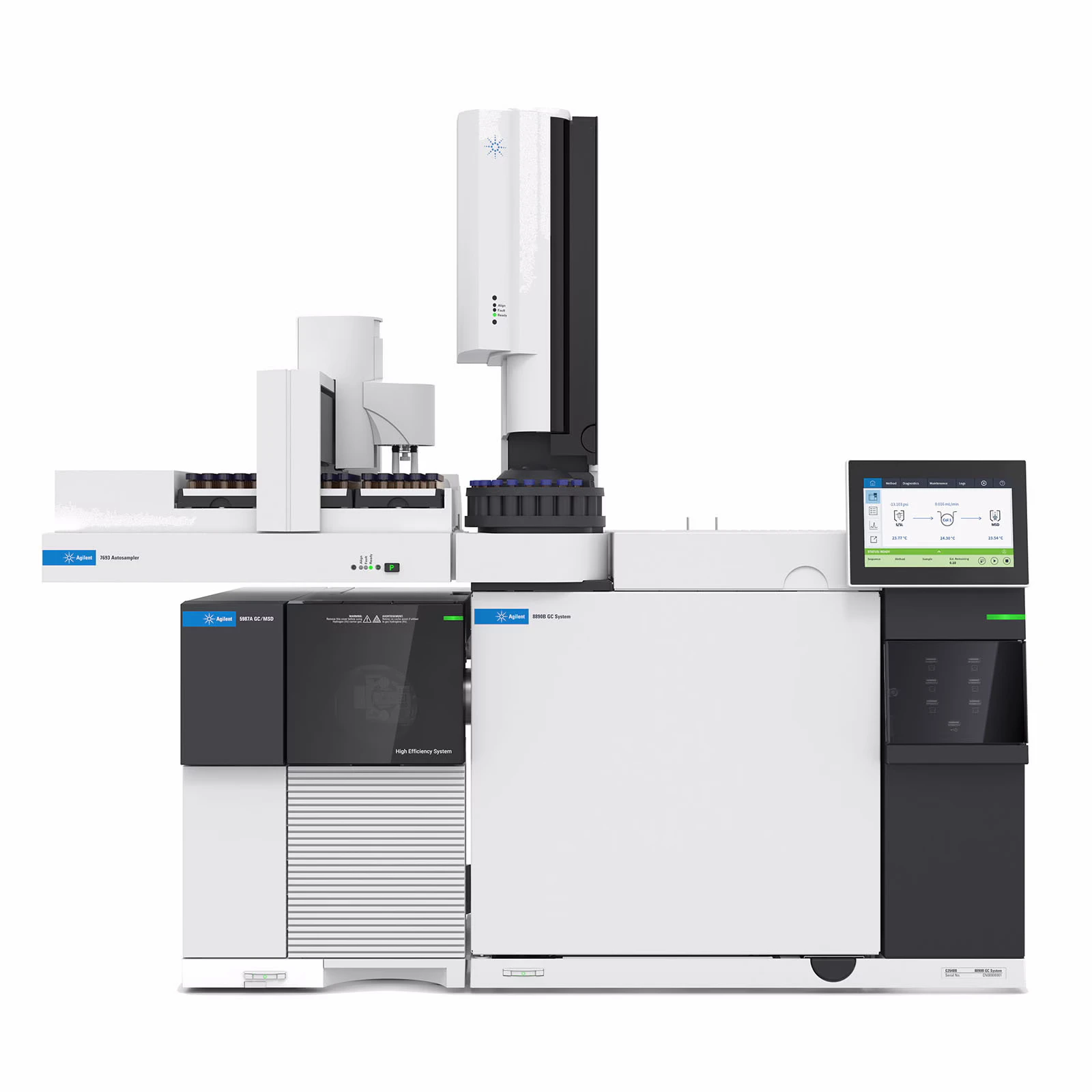
Agilent 5987A MSD: Should 5977-Series Labs Upgrade?
A spec-by-spec look at whether the 5987A’s 25% faster scanning, 10× dynamic range gain, and built-in GC Assist intelligence justify moving off the 5977 series — with LabX used-market context for current 5977A and 5977B owners.
Nov 02, 2026
Product News
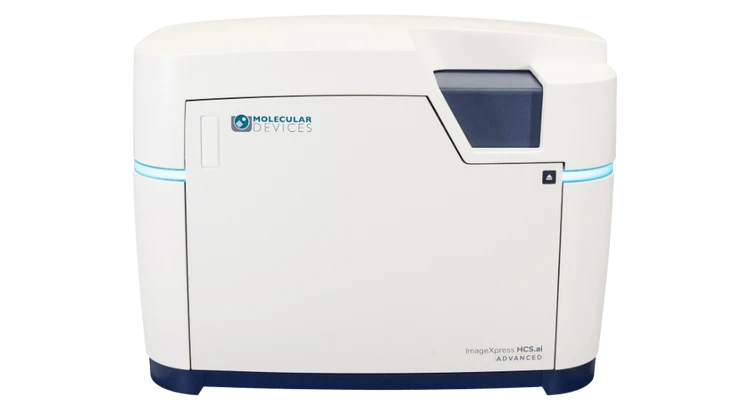
ImageXpress HCS.ai Advanced Duo: Dual-Camera HCS Upgrade for Drug Discovery Labs
Molecular Devices has launched the ImageXpress HCS.ai Advanced Duo, a dual-camera high-content screening system that adds simultaneous image acquisition and integrated screening analytics to the existing HCS.ai Advanced platform — this article breaks down what changes for buyers already operating in the category and whether the upgrade is warranted.
Oct 27, 2026
Product News
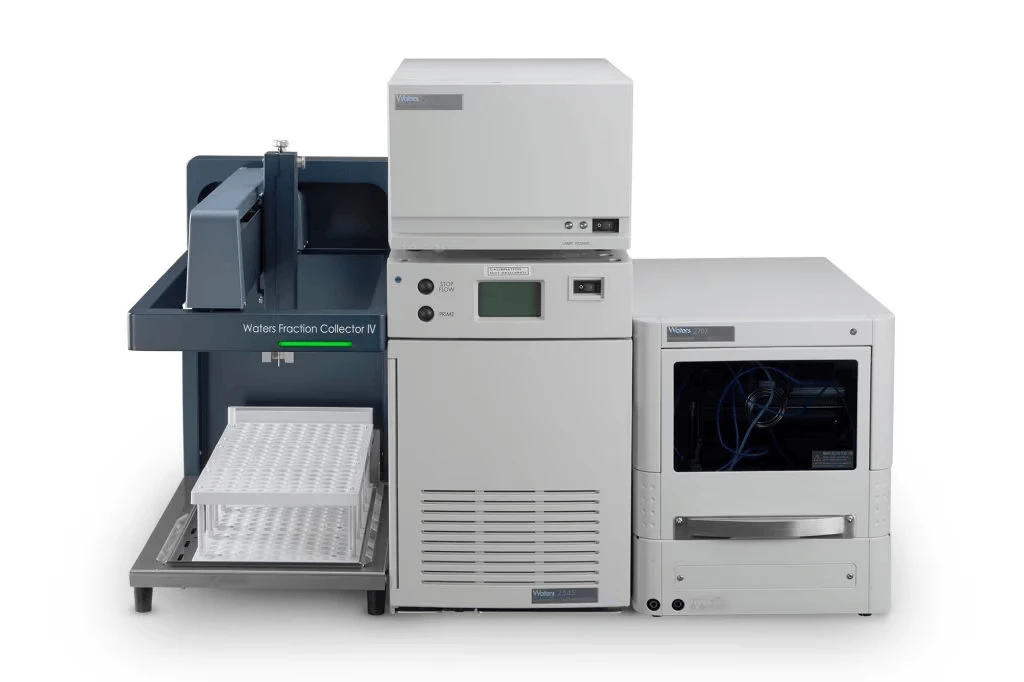
Waters Fraction Collector IV: More Capacity, More Formats for Prep LC Labs
Waters has launched the Fraction Collector IV, upgrading prep-scale purification with 50% more collection capacity, flow rates to 300 mL/min, and native control through Empower, MassLynx, and ChromScope software — here’s what buyers in pharma, biotech, and CRO labs need to evaluate before purchasing.
Oct 20, 2026
Product News
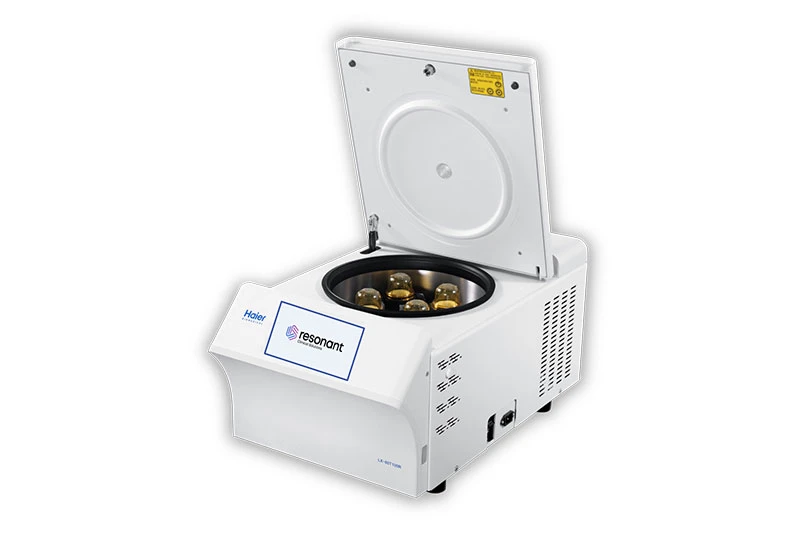
LX-60T100R Refrigerated Benchtop Centrifuge: F-Gas Compliance for Clinical Trials
A new hydrocarbon-cooled benchtop centrifuge purpose-built for clinical trial sample processing arrives with a GWP of ~3, 5-minute pre-cooling, and exclusive distribution through Resonant Clinical Solutions — giving procurement teams an F-gas-ready option well ahead of the 2028 EU regulatory deadline.
Oct 16, 2026
Product News
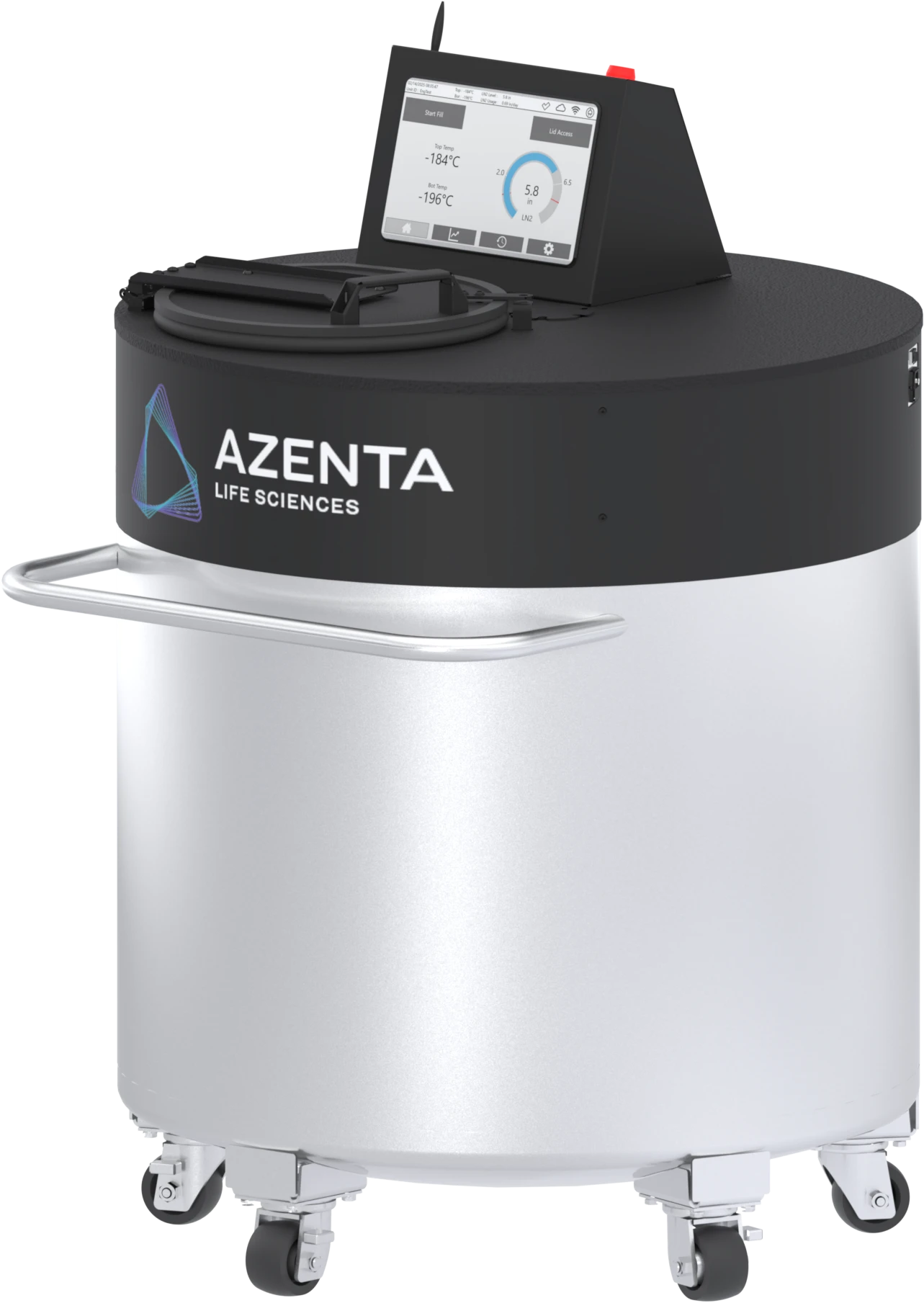
CryoArc Vita-76: Azenta’s High-Density Cryogenic Storage for IVF Clinics
Azenta Life Sciences has launched the CryoArc Vita-76, a cryogenic storage system that consolidates up to seven traditional dewars into a single footprint — this article covers specifications, how it compares in the clinical IVF storage market, and what fertility clinic buyers should evaluate before purchasing.
Sep 30, 2026
Product News
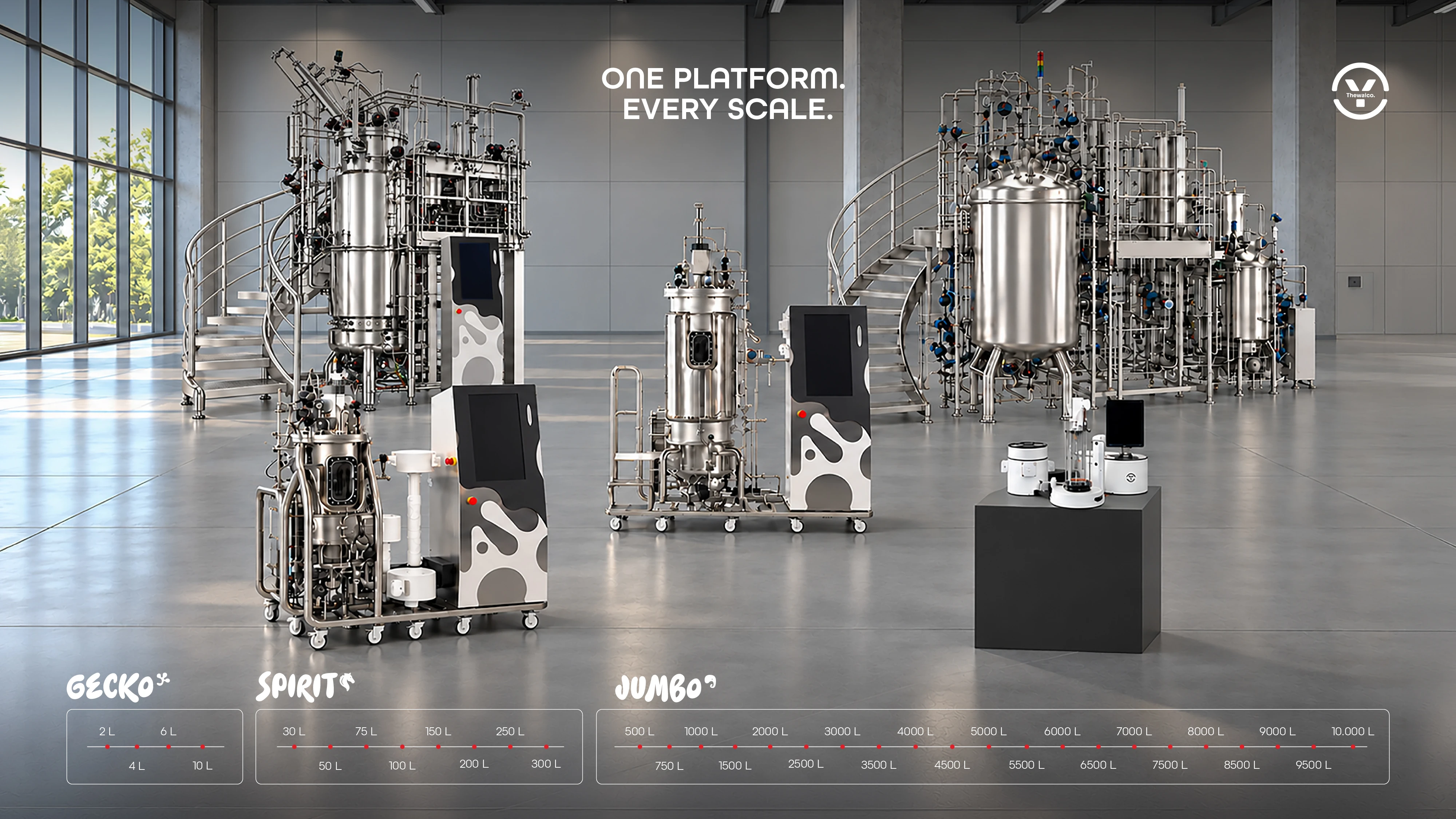
Thewaico Launches Integrated Bioreactor Platform to Solve Biomanufacturing Scale-Up
A new bioprocess company has emerged with three connected bioreactor platforms — spanning 2 L to 10,000+ L — and an AI-assisted control layer intended to eliminate the re-engineering step that derails most scale-up projects, alongside a direct-to-web pricing configurator.
Sep 28, 2026
Product News
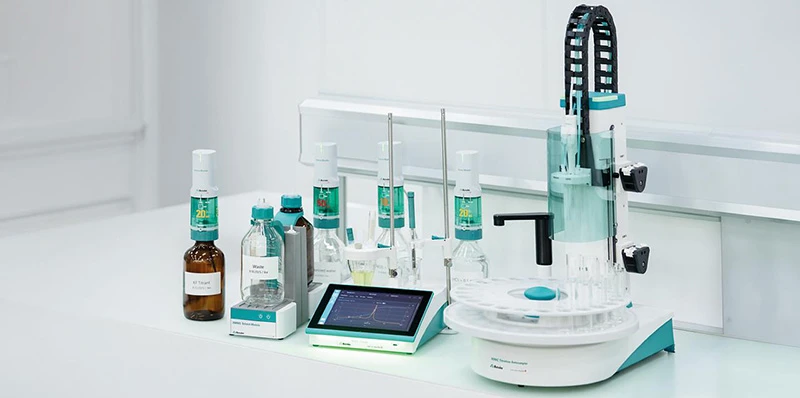
Metrohm USA Launches IONIC Titrator With Built-In Cloud Access
Metrohm USA's new IONIC Titrator pairs a 10-inch touchscreen with direct cloud connectivity, letting labs monitor and share titration data without a PC; here's how it's specced, priced, and positioned for buyers comparing standalone titrators.
Sep 23, 2026
Product News
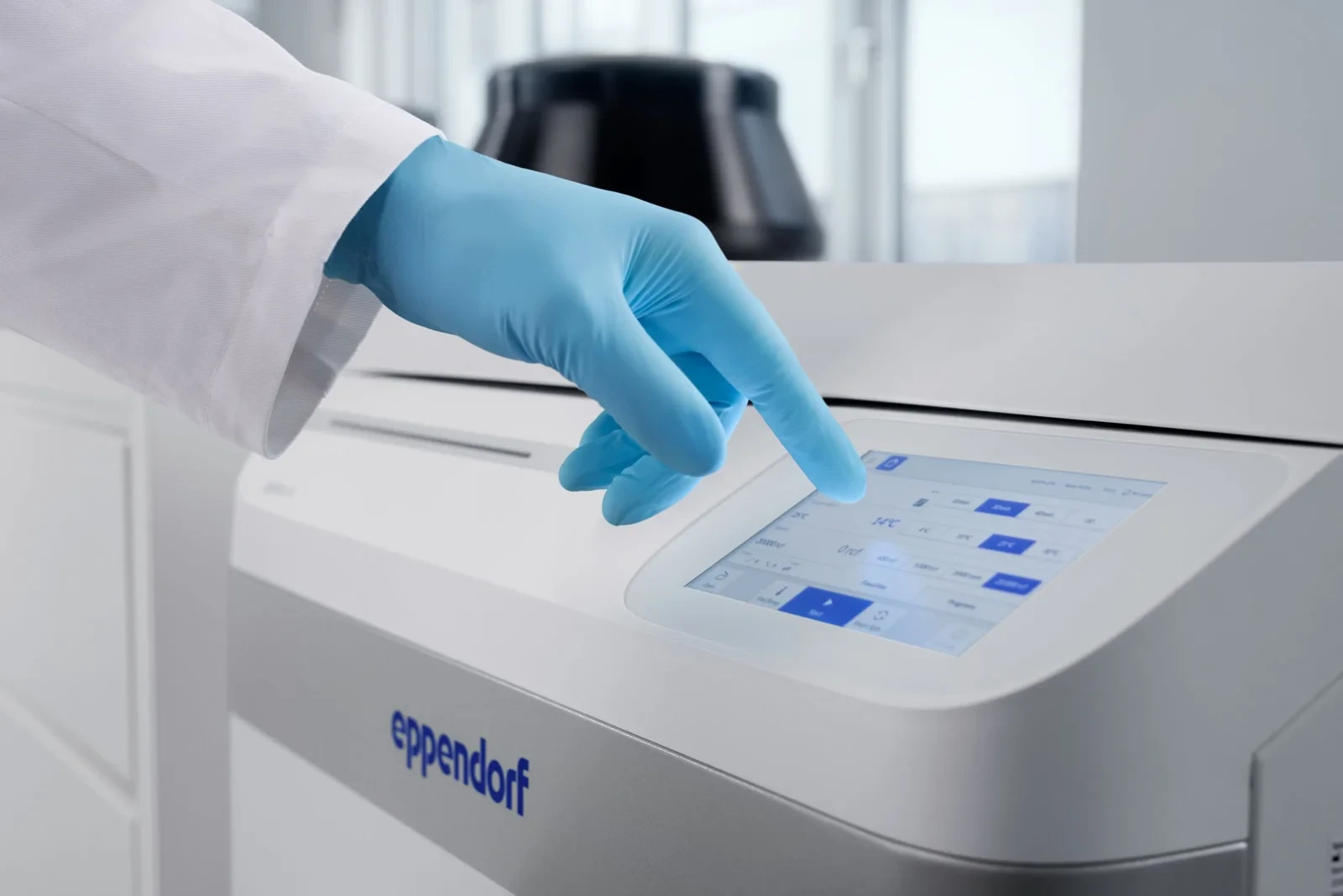
Eppendorf Introduces the SpinPro 8 R High-Speed Floor Centrifuge
Eppendorf's SpinPro 8 R floor-standing centrifuge launches with 6 L capacity, 35-rotor compatibility, CO₂-based refrigerant (GWP = 1), and AuditSafe documentation for pharma and biotech labs evaluating their next large-volume separation system.
Sep 22, 2026
Product News
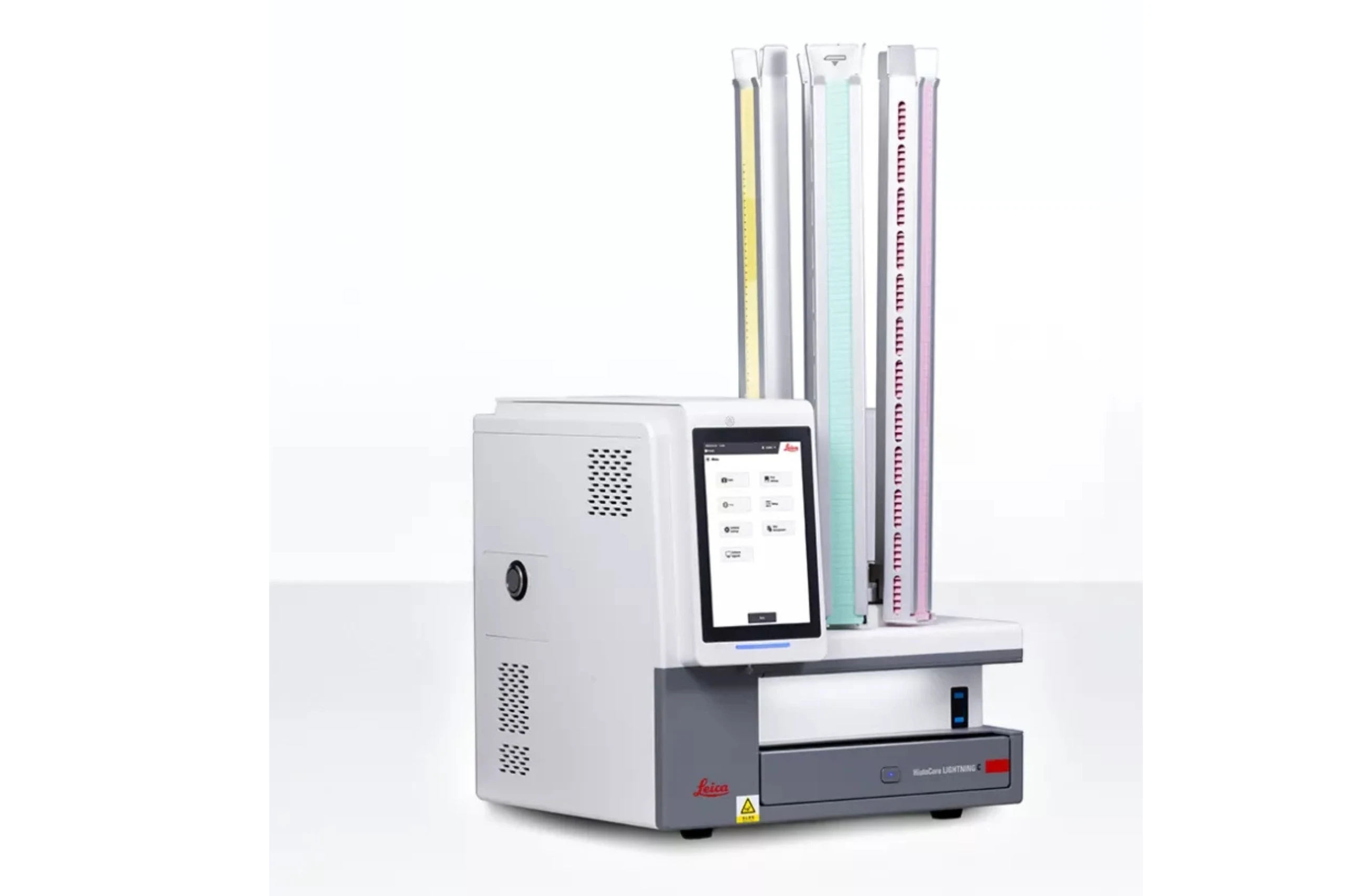
Leica Biosystems HistoCore LIGHTNING C Laser Cassette Printer: Speed and Traceability for High-Volume Histology Labs
Leica Biosystems' ink-free UV laser cassette printer delivers 2.5-second-per-cassette printing with 600-cassette capacity and LIS integration — what pathology lab buyers need to know before evaluating this system against their workflow needs and total cost of ownership.

Sep 17, 2026
Product News
Yamato Scientific America moves into life sciences with multi-technology partnership portfolio
Yamato Scientific America is entering the life sciences market through technology partnerships covering live-cell imaging, circulating tumor cell enrichment, and single-cell isolation — here is what buyers should evaluate before engaging.