
The Best Polarimeters of 2026

Written By: Craig Bradley
Jan 12, 2026
Precise analysis of optical rotation remains a cornerstone of quality control in pharmaceutical, chemical, and food industries. Laboratory professionals seeking the best polarimeters of 2026 must navigate a market filled with advanced options that prioritize data integrity, measurement speed, and regulatory compliance. Selecting the right instrument involves balancing capital expenditure with technical necessities such as Peltier temperature control, multiple wavelength capabilities, and 21 CFR Part 11 compliance. This guide evaluates five models representing the current landscape of polarimetry, ensuring facilities can identify the ideal equipment for their specific analytical throughput and accuracy requirements. Best Overall: MCP 5500 — Anton Paar — Combines modular design with comprehensive data integrity features. Best High-End Option: Autopol VI — Rudolph Research Analytical — Offers high accuracy and six wavelengths for demanding research. Best On A Budget: P3000 — A. Krüss Optronic — Delivers digital measurements for standard applications at an entry-level price point. Most Versatile: VariPol — Schmidt + Haensch — Features a modular design and tablet integration for adaptable workflows. Best For Speed / Throughput: ADP660 — Bellingham + Stanley — Provides rapid stabilization and flow-through capabilities for busy laboratories. Price Range: $24,000 – $34,000
Best For: Overall Performance & Regulated Industries
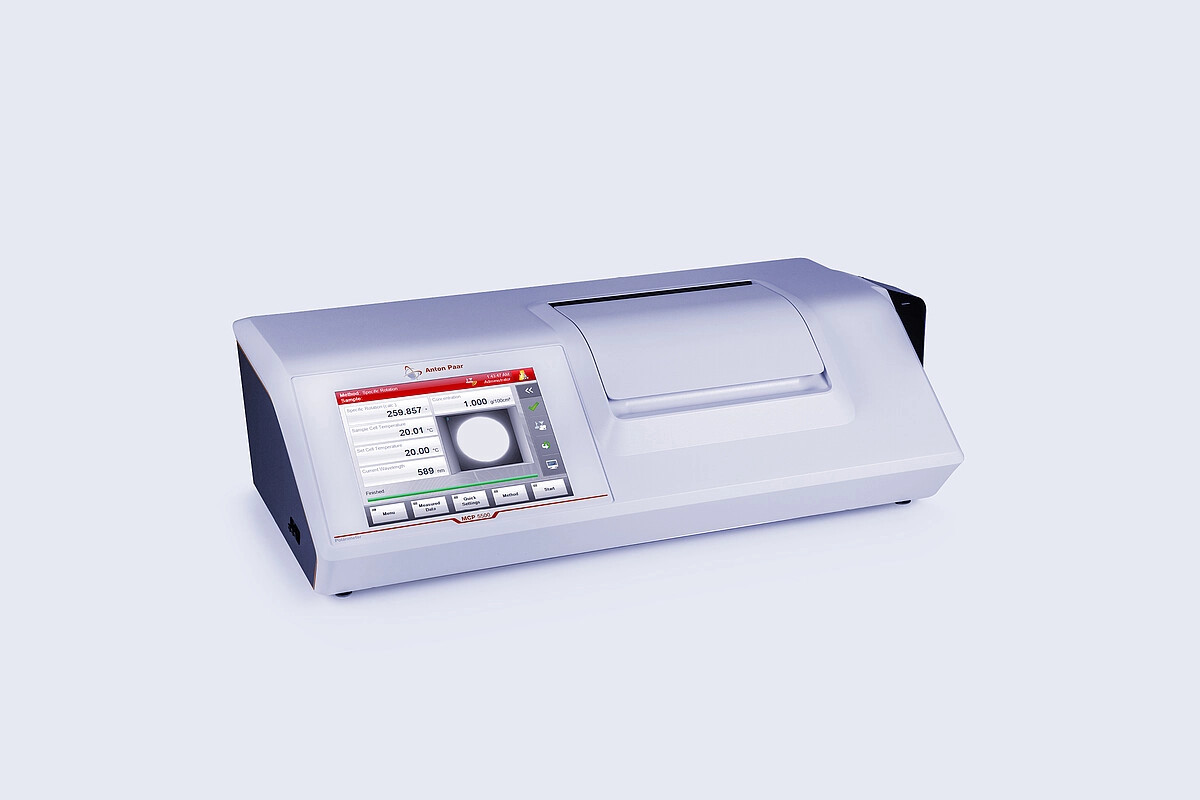
Primary Category: Best Overall Key Specs Accuracy: < 0.0020° OR Wavelengths: Up to 8 (modular) Temperature Control: Peltier (10 °C to 45 °C) Data Compliance: Full 21 CFR Part 11 Special Feature: FillingCheck™ camera technology Performance & Applications
The MCP 5500 is a high-specification polarimeter engineered to meet the requirements of the pharmaceutical sector. Its defining feature, the FillingCheck™ camera, reduces operator error by automatically detecting bubbles or streaks in the sample cell, a critical function for laboratories processing expensive or limited sample volumes. The instrument supports modular upgrades, allowing facilities to add wavelengths as analytical needs evolve without purchasing a new unit. Suited for QC in pharmaceutical manufacturing and complex chemical analysis, the MCP 5500 supports data integrity and audit readiness. Price Range: $25,000 – $38,000
Best For: Advanced Research & Pharmaceutical Compliance
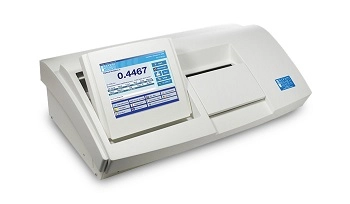
Primary Category: Best High-End Option Key Specs Accuracy: ±0.0003° Arc (Optical Rotation) Wavelengths: 6 Standard (365nm, 405nm, 436nm, 546nm, 589nm, 633nm) Temperature Control: TempTrol™ Electronic Heating & Cooling (15°-35°C) Acid Resistance: Silco Steel™ sample chamber Resolution: 0.0001° Arc Performance & Applications
The Autopol VI is designed for laboratories requiring high precision. With an accuracy of ±0.0003° Arc, this model is effective in analyzing racemic solutions and low-concentration samples where minor deviations can impact results. The patented TempTrol™ system allows the instrument to push-button control the temperature of the sample cell, removing the need for external water baths. This model is frequently used in university research and pharmaceutical development labs where multiple wavelengths and high precision are necessary. Shop Rudolph Research Analytical on LabX Price Range: $4,500 – $6,500
Best For: Routine Quality Control & Education
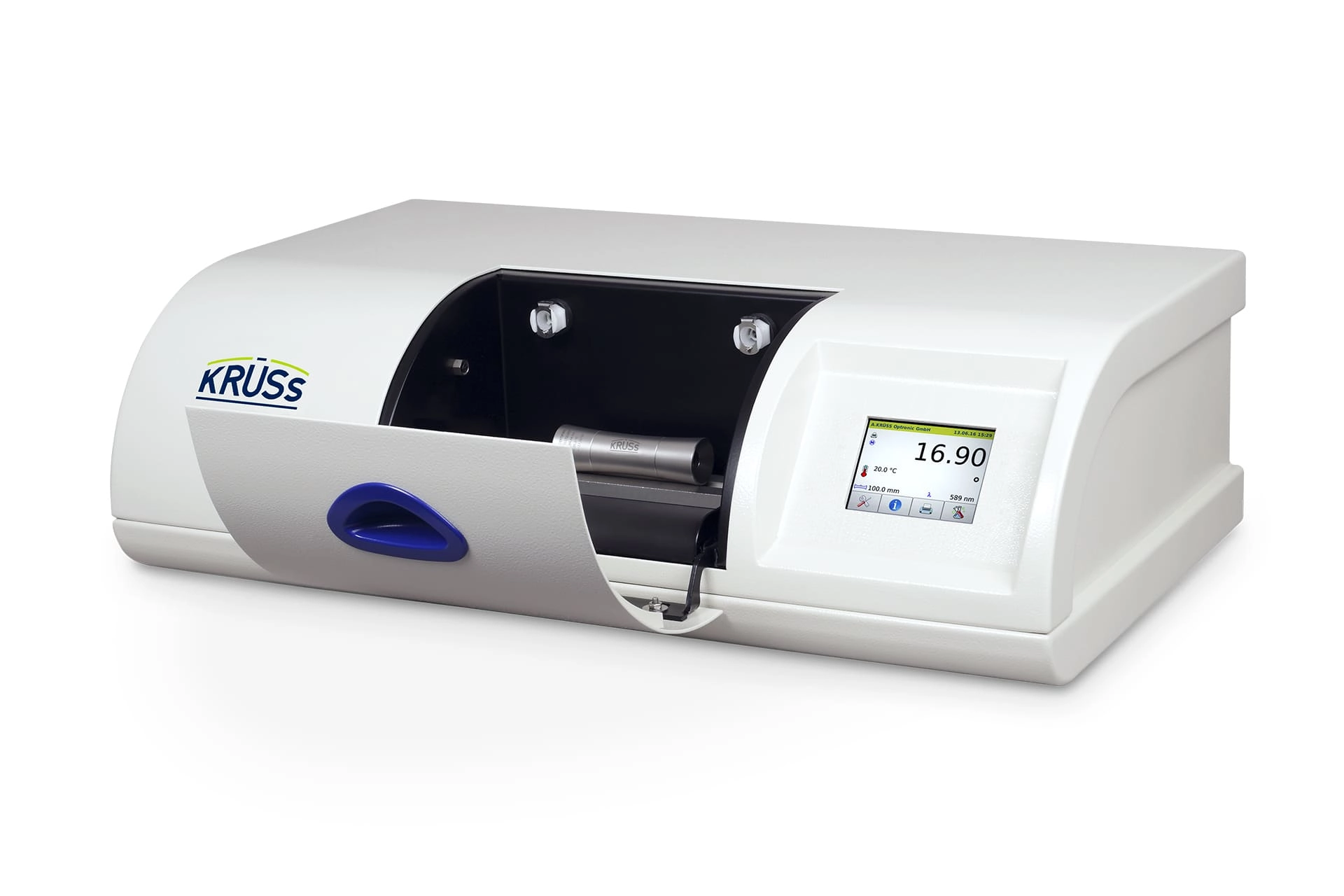
Primary Category: Best On A Budget Key Specs Measuring Range: ±90° Measurement Time: Approx. 1 second Accuracy: ±0.01° Control: Touchscreen interface Light Source: Long-life LED Performance & Applications
For laboratories that require digital measurements without the expense of ultra-high precision or thermal regulation, the P3000 serves as a functional instrument. This polarimeter provides digital objectivity, replacing manual visual polarimeters often found in educational or smaller industrial settings. It operates at a high speed, delivering results in approximately one second, which facilitates rapid batch testing in food and beverage production. While it lacks the Peltier cooling of premium models, its design is suitable for incoming goods inspection and standard sugar analysis. Price Range: $16,000 – $24,000
Best For: Adaptability & Modern Connectivity
Primary Category: Most Versatile Key Specs Wavelengths: Modular (Up to 4) Tube Length: 10 mm to 200 mm Interface: 7” Tablet / Touchscreen Temperature Control: Peltier (optional) Release Context: Continuously updated modular platform (2023–2025 enhancements) Performance & Applications
The VariPol series is characterized by a modular architecture designed to accommodate changing laboratory needs. Recent updates to the platform have enhanced its connectivity, allowing integration with LIMS and remote operation via tablet or smartphone. This versatility allows the unit to function effectively in diverse environments, from academic research labs requiring frequent configuration changes to industrial settings needing specific, lockable methods. Its ability to handle sample tubes of varying lengths and materials (glass, stainless steel) establishes it as an adaptable tool for chemical engineering and flavor analysis. Shop Schmidt + Haensch on LabX Price Range: $25,000 – $32,000
Best For: High Throughput Pharmaceutical Analysis
Primary Category: Best For Speed / Throughput Key Specs Wavelengths: 6 (UV/Vis including 325nm) Temperature Control: XPC Technology (Peltier) Resolution: 4 decimal places Sample Handling: Flow-through and low volume options Release Context: Updated XPC technology integration (2024–2025) Performance & Applications
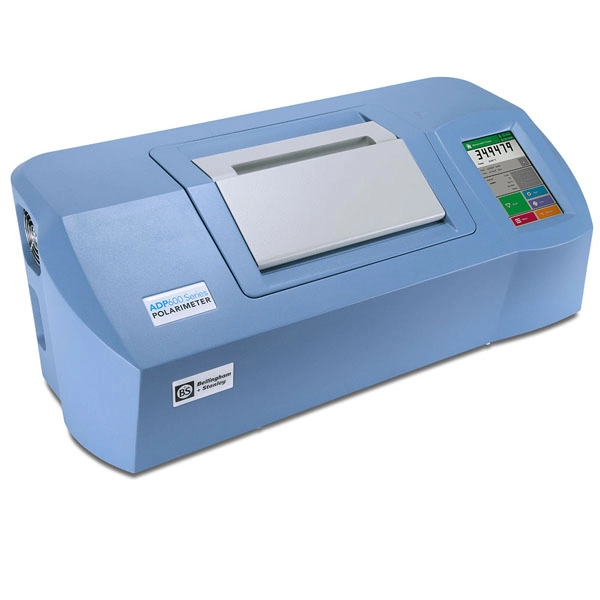
Bellingham + Stanley’s ADP660 targets high-throughput environments where speed and accuracy are both required. The instrument utilizes proprietary XPC technology, which stabilizes sample temperature faster than traditional air-cooled or water-bath systems, reducing the wait time before measurement. Capable of measuring in the UV spectrum (325nm), it is valuable for analyzing chiral compounds in the pharmaceutical industry that exhibit low specific rotation at visible wavelengths. Its compatibility with funnel flow-through tubes makes it a suitable option for quality assurance labs needing to process dozens of samples per hour. Shop Bellingham and Stanley on LabX Model Best For Key Features Typical Price Range Anton Paar MCP 5500 Overall Performance FillingCheck™ camera, Modular wavelengths, <0.002° accuracy $24,000 – $34,000 Rudolph Autopol VI High-End Research ±0.0003° accuracy, 6 standard wavelengths, TempTrol™ $25,000 – $38,000 A. Krüss P3000 Budget / Routine QC 1-second measurement, Simple touchscreen, Long-life LED $4,500 – $6,500 Schmidt + Haensch VariPol Versatility Modular design, Tablet control, customizable scales $16,000 – $24,000 Bellingham + Stanley ADP660 Speed / Throughput XPC Peltier technology, UV measurement, Flow-through ready $25,000 – $32,000 Selecting the right polarimeter in 2026 requires a clear understanding of the laboratory's specific compliance needs and sample throughput. While the Anton Paar MCP 5500 stands out as a strong choice for regulated industries due to its intelligent error-prevention features, the Rudolph Autopol VI remains a standard for research requiring maximum decimal precision. For facilities managing tighter budgets or simpler applications, the A. Krüss P3000 offers a reliable entry point into digital polarimetry. Ultimately, investing in one of these selected polarimeters ensures that laboratory operations remain efficient, compliant, and accurate in an increasingly demanding analytical environment. This article was created with the assistance of Generative AI and has undergone editorial review before publishing.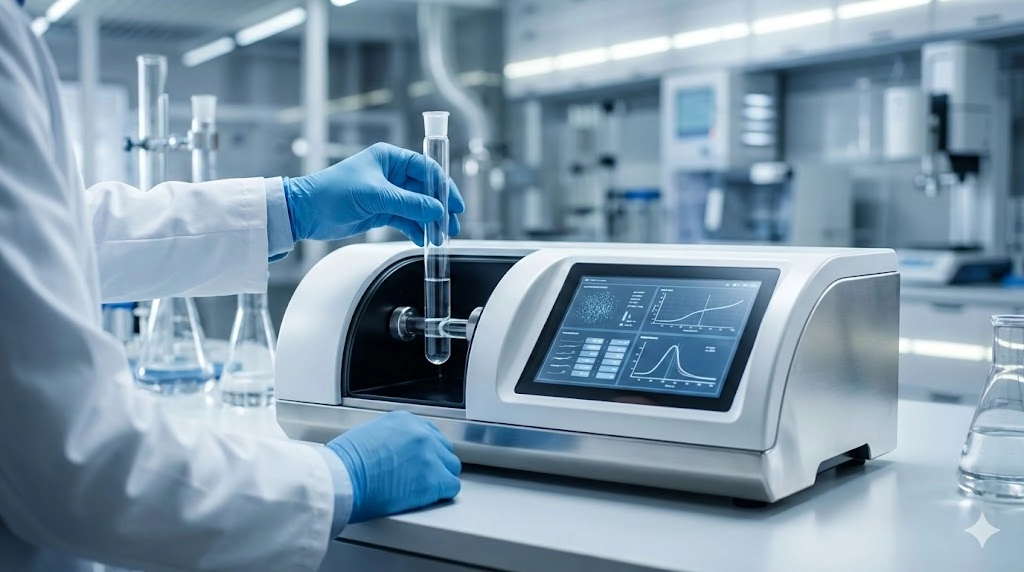
Quick Summary Box
MCP 5500 – Anton Paar
Autopol VI – Rudolph Research Analytical
P3000 – A. Krüss Optronic
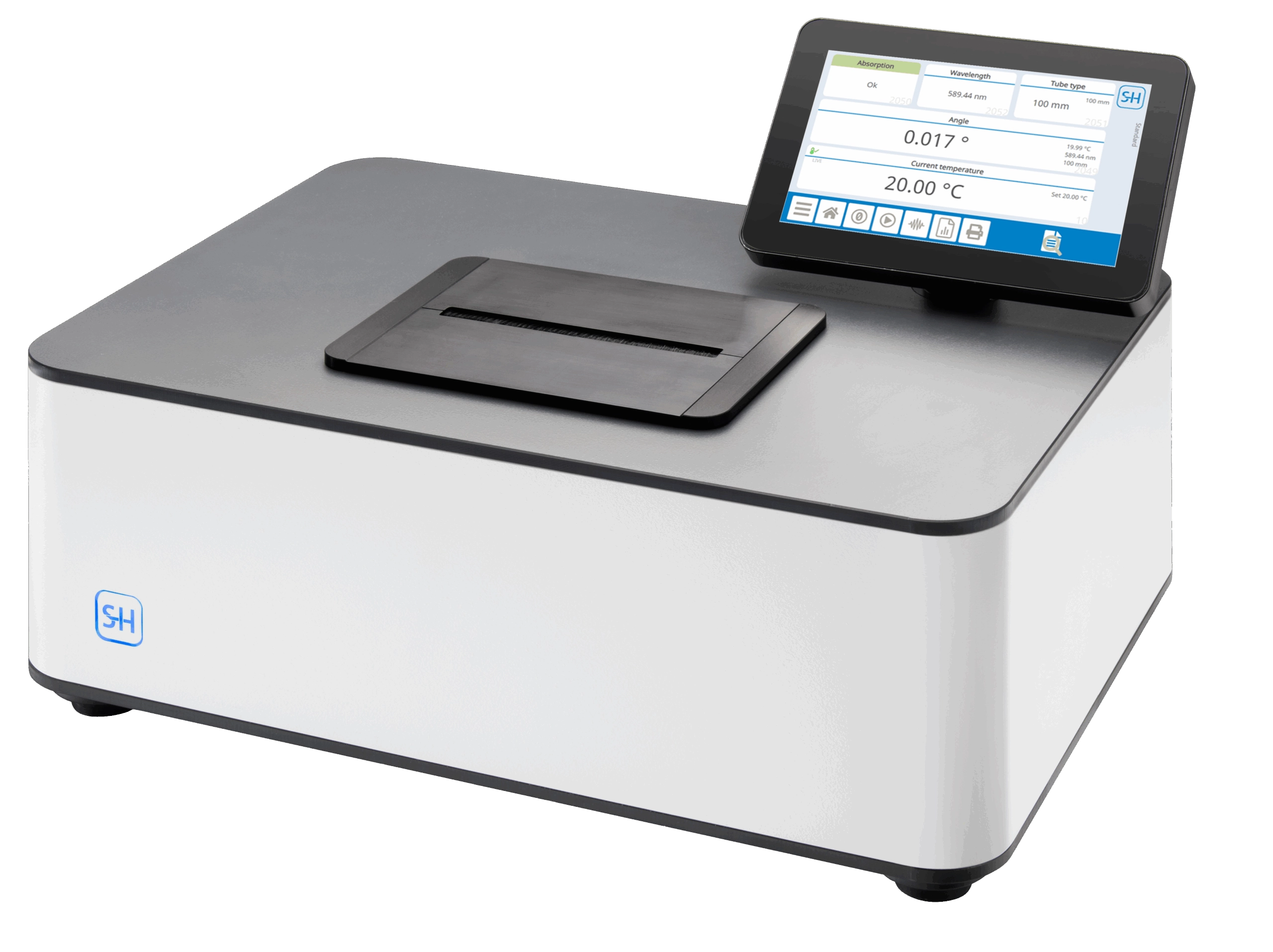
VariPol – Schmidt + Haensch
ADP660 – Bellingham + Stanley
Comparison of Top Polarimeter Models
Conclusion: Selecting the Best Polarimeter of 2026
Feb 26, 2026
Product News
Waters Launches Microflow LC Columns with MaxPeak Premier Technology for Higher Sensitivity and Lower Resource Consumption
The product launch reflects continued investment in chromatographic chemistries that address real-world bottlenecks in method development and routine analysis

Feb 19, 2026
Technical Insight
Implementing Hydrogen Generators for Clean Lab Gas Supply: Safety and Benefits
Transitioning to on-site gas production streamlines analytical workflows, eliminates hazardous cylinder storage, and supports facility sustainability.
Feb 19, 2026
Technical Insight
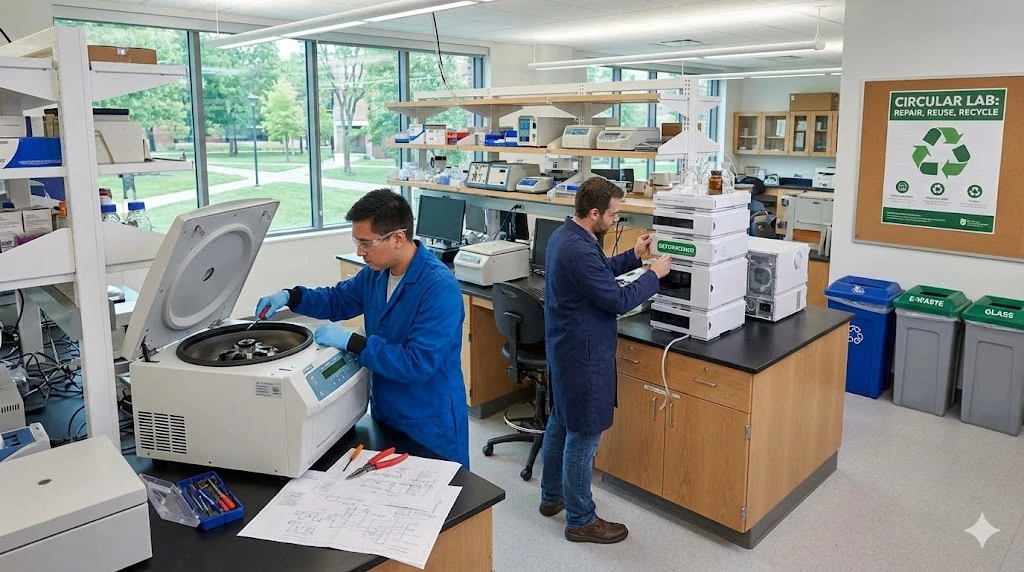
Circular Economy in Laboratory Equipment: How to Adopt Repair, Reuse, and Refurbishment Strategies
Adopting a circular economy for laboratory equipment minimizes environmental impact while maximizing instrument lifespan and optimizing laboratory budgets.
Feb 12, 2026
Product News
$5M+ in GMP Biopharma Manufacturing & QC Equipment Heads to Online Auction
A Southern California GMP manufacturing and clinical-stage QC laboratory is liquidating new and late-model equipment and unused inventory in an online auction opening February 11, 2026

Feb 12, 2026
Product News
2026 SLAS: Inspiration Catalyzing Discovery
A LabX look at the annual conference and exhibition, a key forum for networking, collaboration, and advancement of new technologies
Feb 11, 2026
Product News
Angstrom Scientific Named U.S. Distributor for Radalytica’s RadalyX Robotic X-ray and CT System
Angstrom Scientific, known for representing microscopy and materials analysis technologies across North America, adds Radalytica’s robotic X-ray and CT platform to its portfolio of analytical and imaging solutions.

Feb 10, 2026
Technical Insight
Eco-Friendly Refrigeration: Evaluating Natural Refrigerants and Low-GWP Cooling Systems
This guide explains the operational and environmental benefits of adopting natural refrigerants and low-GWP cooling systems in laboratory settings

Feb 10, 2026
Technical Insight
The Ultimate Guide to Sustainability in Laboratory Equipment and Operations
A comprehensive analysis of sustainable laboratory practices, focusing on energy-efficient equipment, waste management, and digital workflows
Jan 12, 2026
Technical Insight
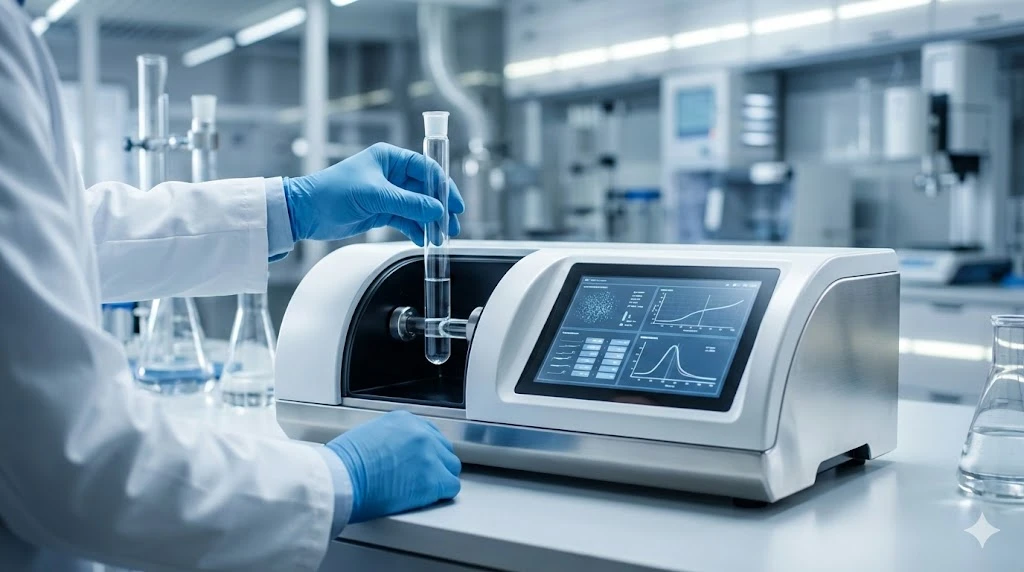
The Best Polarimeters of 2026
A comprehensive guide to the top-rated polarimeters of 2026, featuring high-speed, high-precision, and budget-friendly models for every laboratory application.
Jan 09, 2026
Product News
BRANDTECH Scientific Introduces the Transferpette® pro Micropipette: A New Twist on Comfort and Control
The latest addition to its trusted line of precision liquid handling instruments, engineered for comfort, control, and repeatable accuracy.