
The Top 5 Pain Points of Manual Pipetting and How to Solve Them

Written By: Damon Anderson, PhD
Published: Jun 19, 2026
Pipettes are workhorses in the lab, enabling liquid handling workflows for many types of applications. Despite its utility, manual pipetting can introduce challenges for the lab and unintended consequences for users. This is particularly valid for today’s applications which often include repetitive pipetting and the need for high levels of accuracy and precision during sensitive, multiplexed, high-throughput protocols.
Here are the top 5 pain points associated with manual pipetting in today’s lab workflows:
1. Ergonomic Strain and Injuries
- The Pain Point: Today’s workflows often include repetitive pipetting, whether for demanding cell culture or high-throughput screening. Manual pipetting can cause hand strain which can lead to repetitive strain injuries (RSIs) due to the physical force required by manual triggers and sustained hand positioning.
2. Manual Volume Variability
- The Pain Point: Complex workflows and multiplexing often requires a series of steps with multiple volume requirements. Manual pipettes require physical volume adjustments, which can introduce human variability and negatively impact the overall efficiency of these workflows.
3. Inconsistent Tip Sealing and Quality Control
- The Pain Point: High accuracy and precision are only as good as the integrity of the pipetting workflow. The quality control of manual pipetting is highly dependent on individual technique and the quality of the tips being used, which can jeopardize consistency.
4. Limited Protocol Storage and Organization
- The Pain Point: Whether standard operating procedures in a LIMS system or experimental protocols written down manually in a lab notebook, the pipetting performance needs are the same. Labs using manual pipettes are often restricted to tracking and executing basic protocols, with the limited ability to cover performance needs across the spectrum of lab protocols.
5. Limited Range and Channel Versatility
- The Pain Point: Manual pipettes are limited in their flexibility due to fixed or highly restricted volume range options and channel configurations. An example is the need for a suite of individual manual pipettes necessary to cover a given range, coupled with the demands of maintaining proper calibration and performance of each pipette.
The limitations of manual pipetting may place undue restrictions on the type of applications and the rate these can be performed, not to mention the peace of mind in trusting results are genuine and not simply the result of inaccurate pipetting.
Many of these pain points are being addressed with new technologies that blend digital accuracy with automated function. We explore these solutions, highlight their effectiveness, and point out their capabilities for advanced applications in our latest infographic.
Nov 04, 2026
Product News
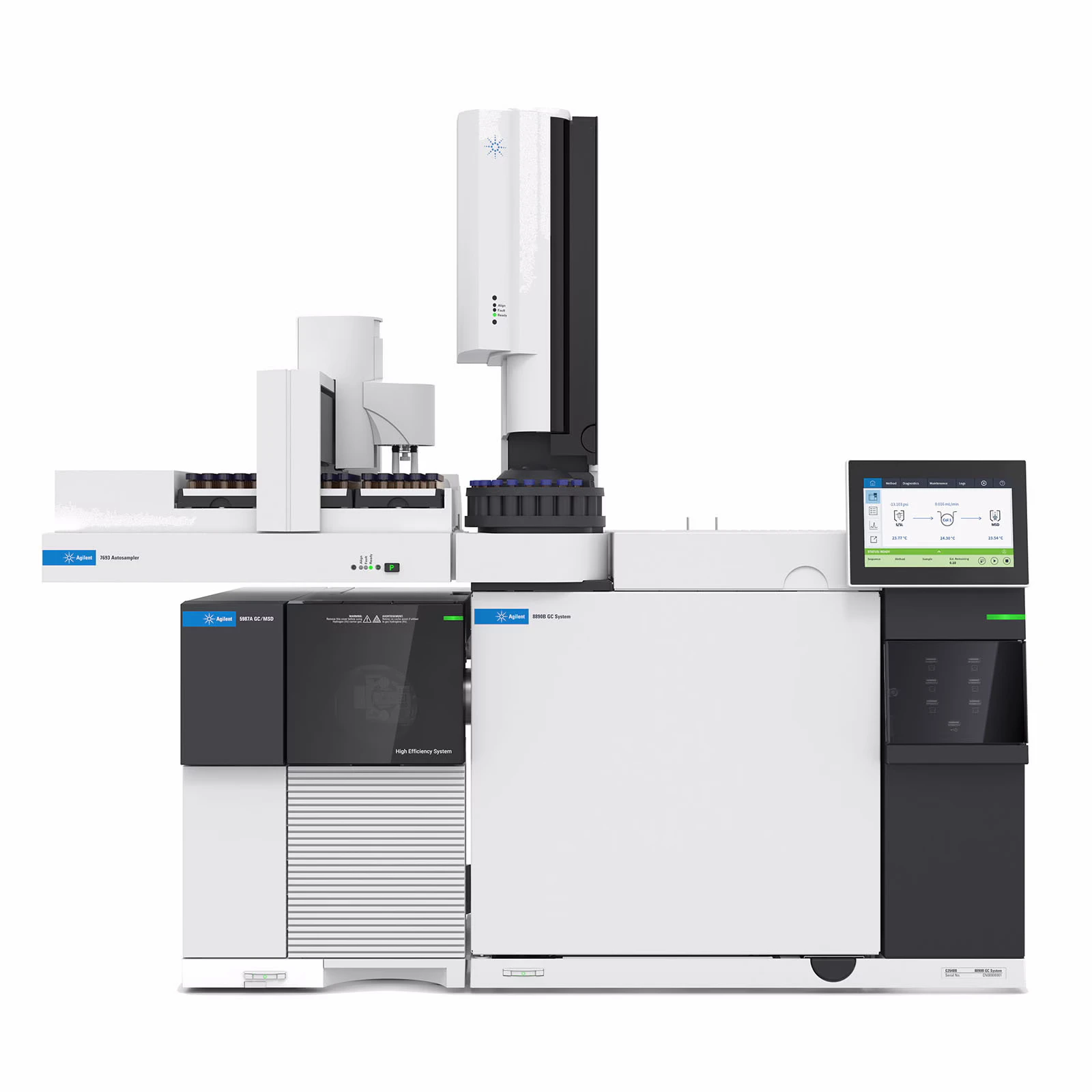
Agilent 5987A MSD: Should 5977-Series Labs Upgrade?
A spec-by-spec look at whether the 5987A’s 25% faster scanning, 10× dynamic range gain, and built-in GC Assist intelligence justify moving off the 5977 series — with LabX used-market context for current 5977A and 5977B owners.
Nov 02, 2026
Product News
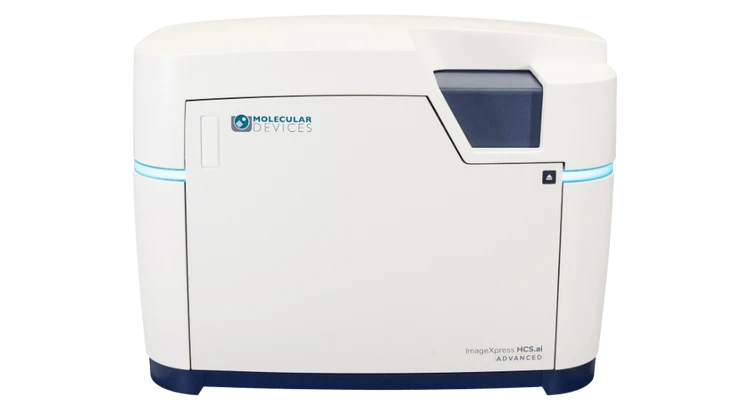
ImageXpress HCS.ai Advanced Duo: Dual-Camera HCS Upgrade for Drug Discovery Labs
Molecular Devices has launched the ImageXpress HCS.ai Advanced Duo, a dual-camera high-content screening system that adds simultaneous image acquisition and integrated screening analytics to the existing HCS.ai Advanced platform — this article breaks down what changes for buyers already operating in the category and whether the upgrade is warranted.
Oct 27, 2026
Product News
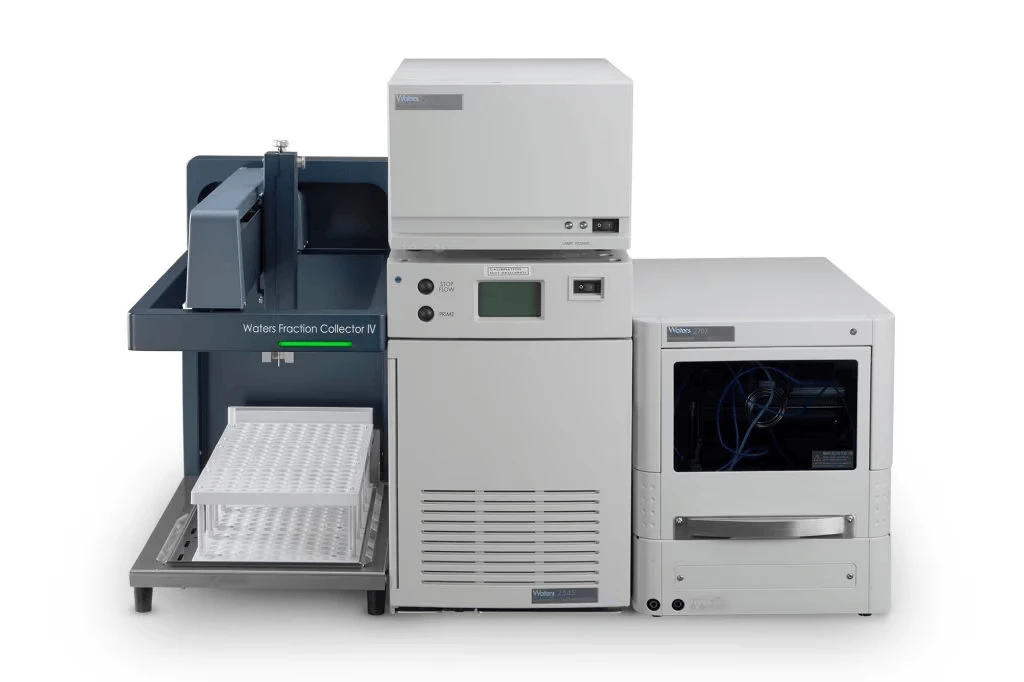
Waters Fraction Collector IV: More Capacity, More Formats for Prep LC Labs
Waters has launched the Fraction Collector IV, upgrading prep-scale purification with 50% more collection capacity, flow rates to 300 mL/min, and native control through Empower, MassLynx, and ChromScope software — here’s what buyers in pharma, biotech, and CRO labs need to evaluate before purchasing.
Oct 20, 2026
Product News
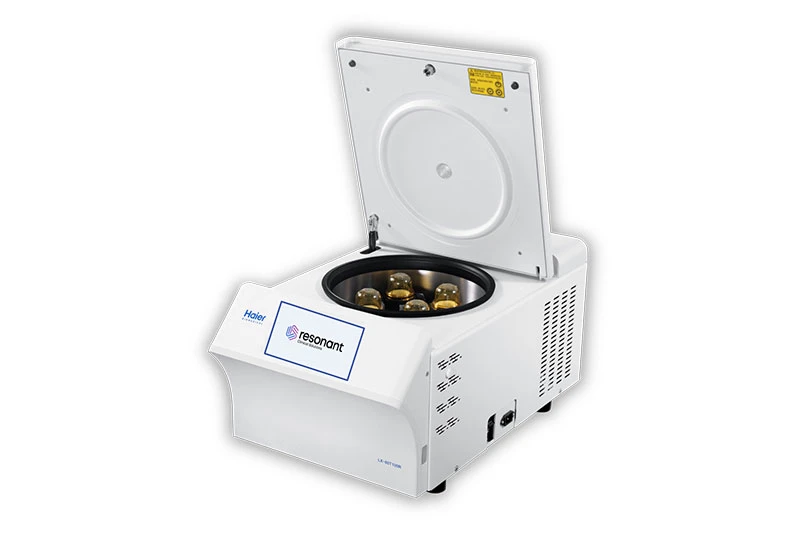
LX-60T100R Refrigerated Benchtop Centrifuge: F-Gas Compliance for Clinical Trials
A new hydrocarbon-cooled benchtop centrifuge purpose-built for clinical trial sample processing arrives with a GWP of ~3, 5-minute pre-cooling, and exclusive distribution through Resonant Clinical Solutions — giving procurement teams an F-gas-ready option well ahead of the 2028 EU regulatory deadline.
Oct 16, 2026
Product News
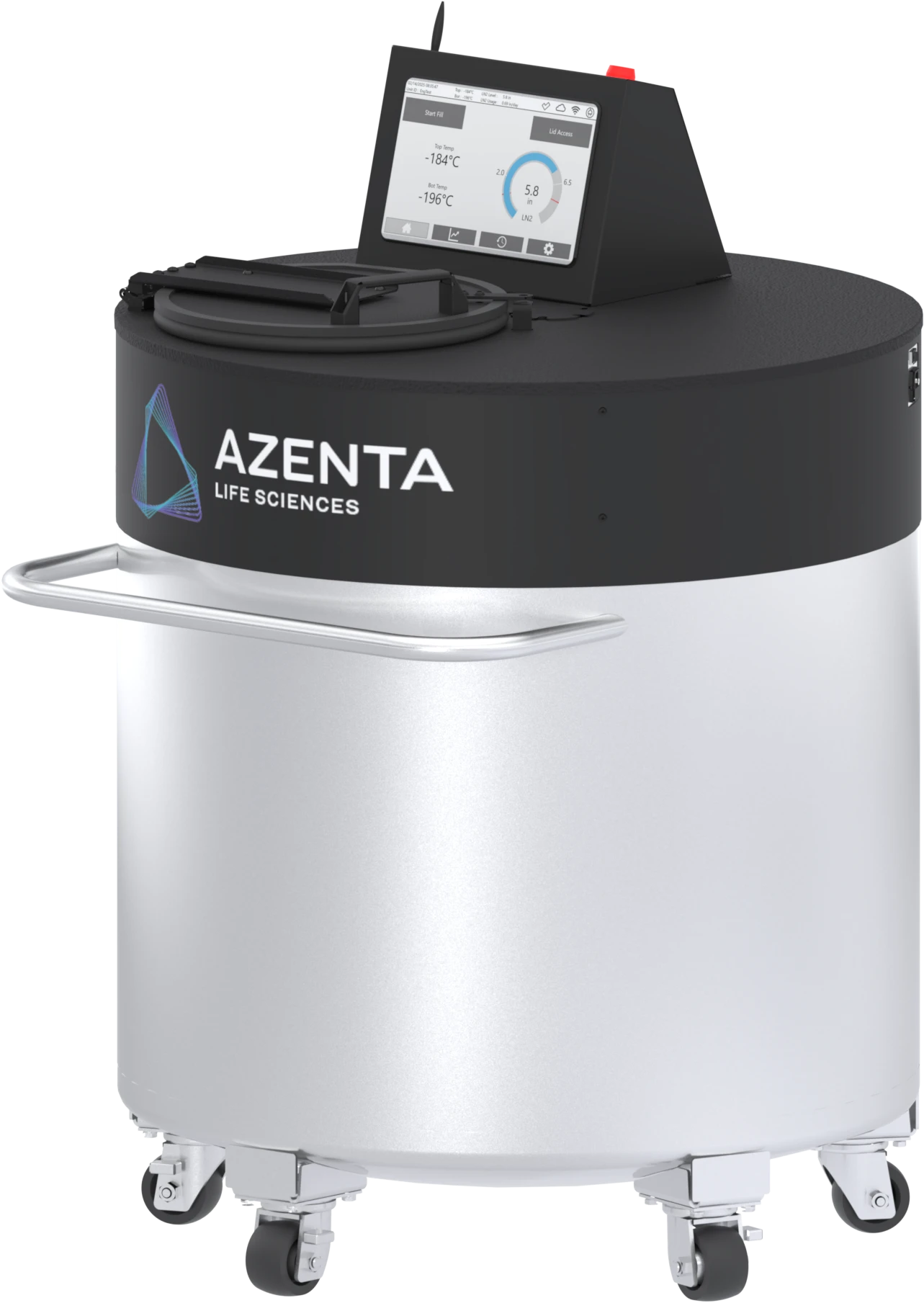
CryoArc Vita-76: Azenta’s High-Density Cryogenic Storage for IVF Clinics
Azenta Life Sciences has launched the CryoArc Vita-76, a cryogenic storage system that consolidates up to seven traditional dewars into a single footprint — this article covers specifications, how it compares in the clinical IVF storage market, and what fertility clinic buyers should evaluate before purchasing.
Sep 30, 2026
Product News
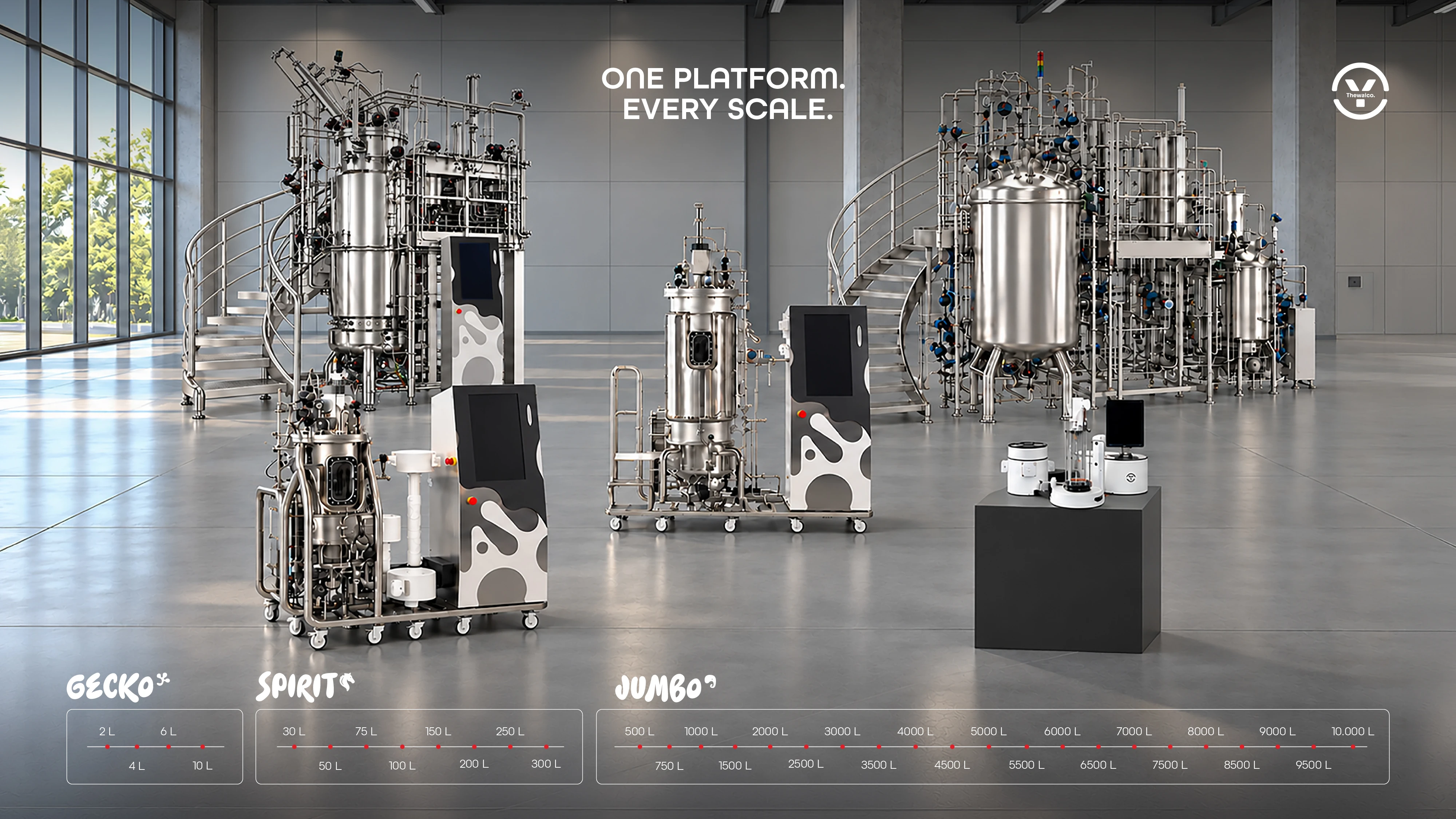
Thewaico Launches Integrated Bioreactor Platform to Solve Biomanufacturing Scale-Up
A new bioprocess company has emerged with three connected bioreactor platforms — spanning 2 L to 10,000+ L — and an AI-assisted control layer intended to eliminate the re-engineering step that derails most scale-up projects, alongside a direct-to-web pricing configurator.
Sep 28, 2026
Product News
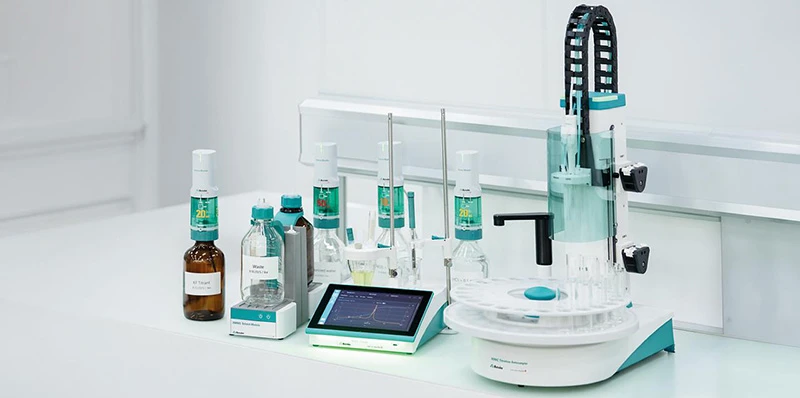
Metrohm USA Launches IONIC Titrator With Built-In Cloud Access
Metrohm USA's new IONIC Titrator pairs a 10-inch touchscreen with direct cloud connectivity, letting labs monitor and share titration data without a PC; here's how it's specced, priced, and positioned for buyers comparing standalone titrators.
Sep 23, 2026
Product News
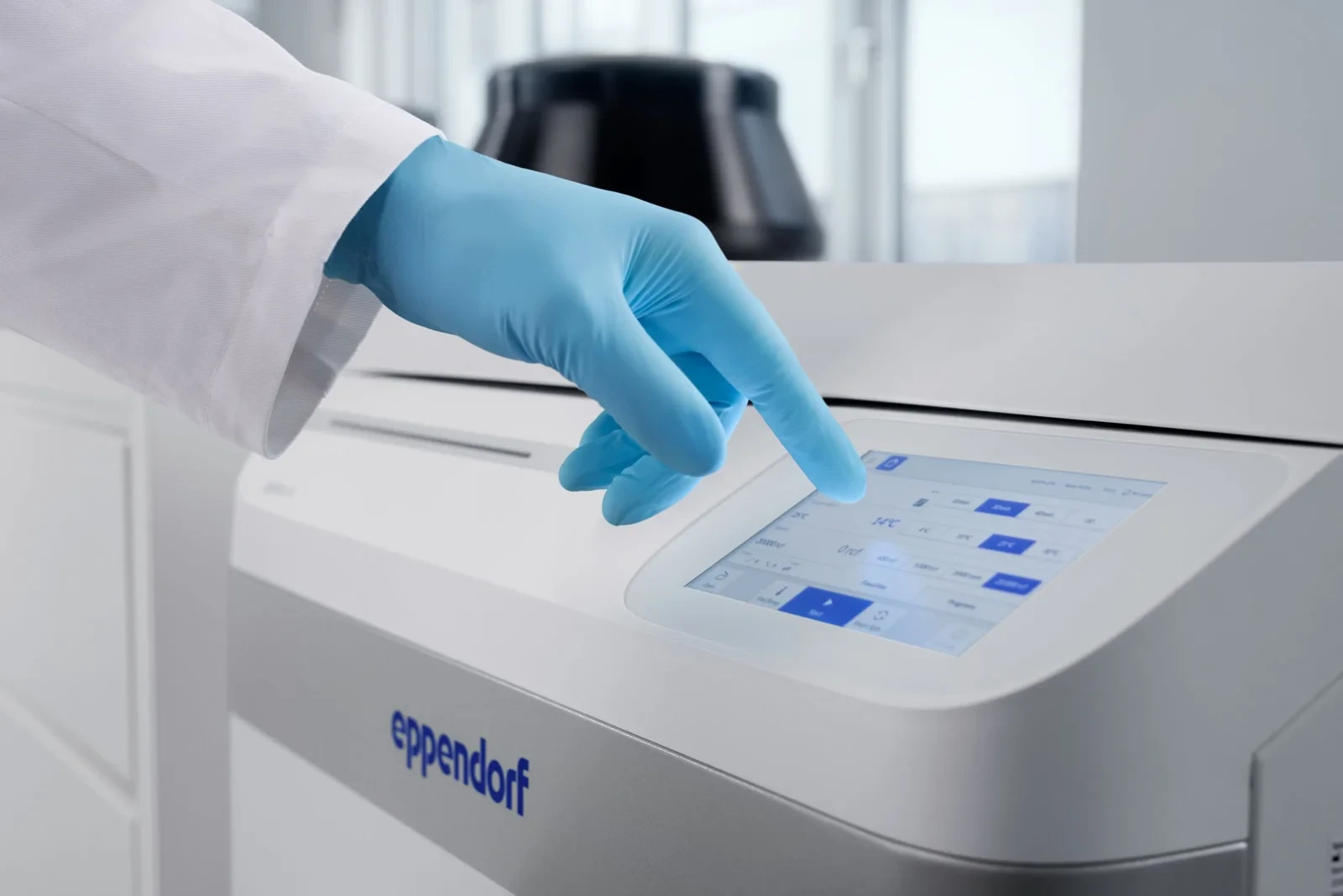
Eppendorf Introduces the SpinPro 8 R High-Speed Floor Centrifuge
Eppendorf's SpinPro 8 R floor-standing centrifuge launches with 6 L capacity, 35-rotor compatibility, CO₂-based refrigerant (GWP = 1), and AuditSafe documentation for pharma and biotech labs evaluating their next large-volume separation system.
Sep 22, 2026
Product News
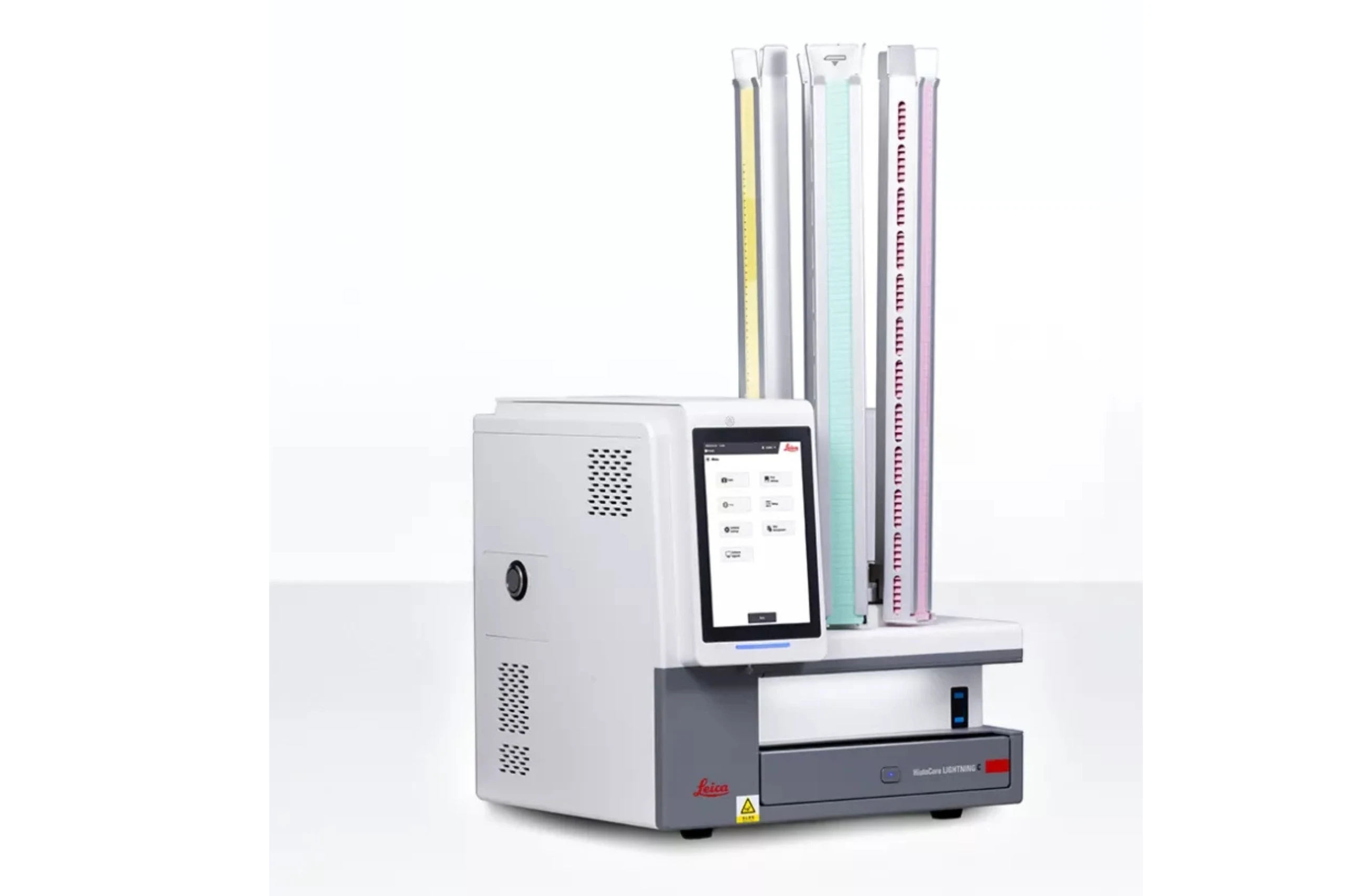
Leica Biosystems HistoCore LIGHTNING C Laser Cassette Printer: Speed and Traceability for High-Volume Histology Labs
Leica Biosystems' ink-free UV laser cassette printer delivers 2.5-second-per-cassette printing with 600-cassette capacity and LIS integration — what pathology lab buyers need to know before evaluating this system against their workflow needs and total cost of ownership.

Sep 17, 2026
Product News
Yamato Scientific America moves into life sciences with multi-technology partnership portfolio
Yamato Scientific America is entering the life sciences market through technology partnerships covering live-cell imaging, circulating tumor cell enrichment, and single-cell isolation — here is what buyers should evaluate before engaging.