
USP<41> and <1251> Updates 2026: What Lab Professionals Need to Know

Written By: Damon Anderson, PhD
Published: Apr 30, 2026
The latest revisions to USP General Chapters <41> Balances and <1251> Weighing on an Analytical Balance mark one of the most significant shifts in laboratory weighing compliance in years.
Published in
July 2025 and officially effective February 1, 2026, these updates move
weighing practices from basic calibration checks to risk-based,
uncertainty-driven measurement systems. For lab professionals, and procurement teams, this isn’t
just a regulatory update. It directly impacts instrument selection, SOP
design, calibration strategy, and audit readiness.
The Impact of these Updates
Weighing is foundational across workflows—from sample prep to formulation. Even minor inaccuracies can cascade into failed assays or compliance risks. The revised chapters reinforce a simple truth: If your weighing process isn’t scientifically validated, your data isn’t defensible.
USP <41> defines what your balance must do, while USP <1251> outlines how to use it correctly in practice.
Key Changes to USP <41> (Balances)
USP <41> remains a mandatory, enforceable chapter, but the 2026 revision significantly raises expectations. Updates include:
- Measurement Uncertainty Is Now Required
- Scientifically Defined Minimum Weight
- Stricter Accuracy & Repeatability Testing
- Calibration Must Be Traceable & Event-Driven
Key Updates to USP <1251> (Weighing on an Analytical Balance)
USP <1251> remains informational (non-mandatory), but its importance has increased significantly. It now acts as the operational playbook for achieving <41> compliance. Updates include:
- Introduction of the “Safety Factor”
- Emphasis on Risk-Based Performance Checks
- Environmental & Operator Controls
- Expanded Guidance on Balance Selection & Use
What This Means for Lab Professionals
Measurement uncertainty specs Repeatability performance in real conditions Compatibility with SOP-driven workflows
ISO/IEC 17025 traceable calibration Measurement uncertainty reporting Clear conformity and decision rules
Missing uncertainty data Undefined minimum weight Inadequate risk-based testing justification
Summary: A Shift Toward “Defensible Data"
Nov 04, 2026
Product News
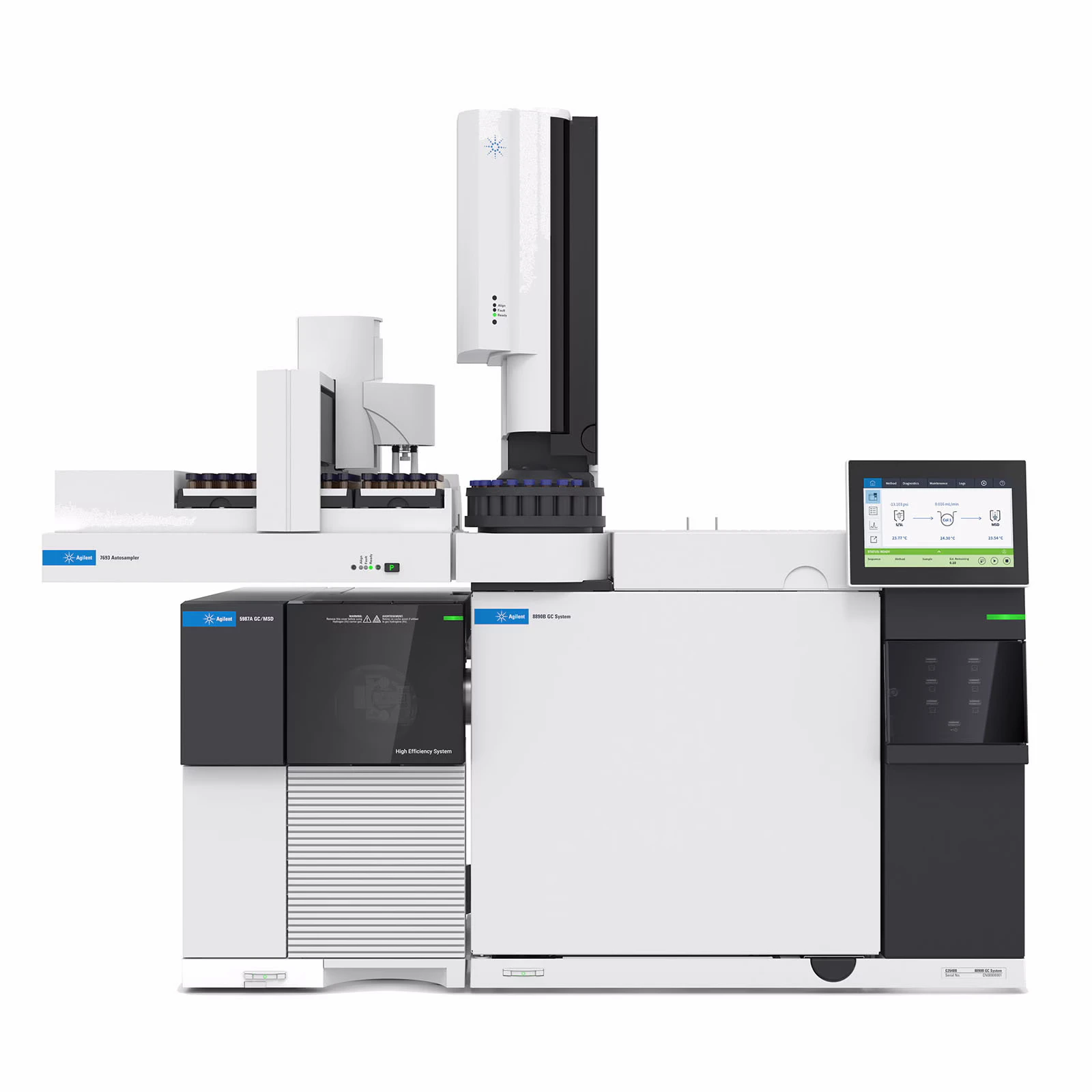
Agilent 5987A MSD: Should 5977-Series Labs Upgrade?
A spec-by-spec look at whether the 5987A’s 25% faster scanning, 10× dynamic range gain, and built-in GC Assist intelligence justify moving off the 5977 series — with LabX used-market context for current 5977A and 5977B owners.
Nov 02, 2026
Product News
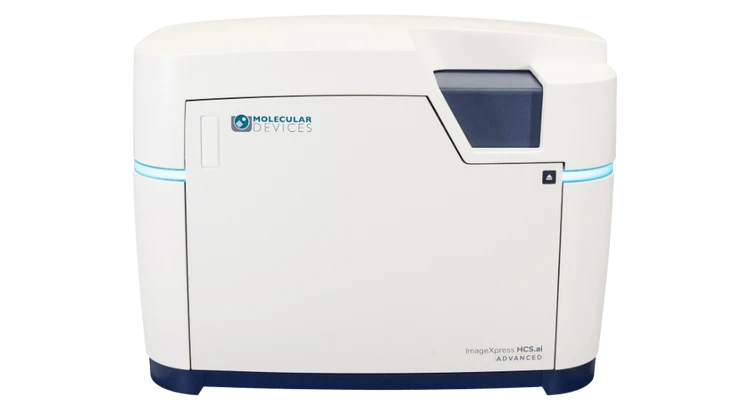
ImageXpress HCS.ai Advanced Duo: Dual-Camera HCS Upgrade for Drug Discovery Labs
Molecular Devices has launched the ImageXpress HCS.ai Advanced Duo, a dual-camera high-content screening system that adds simultaneous image acquisition and integrated screening analytics to the existing HCS.ai Advanced platform — this article breaks down what changes for buyers already operating in the category and whether the upgrade is warranted.
Oct 27, 2026
Product News
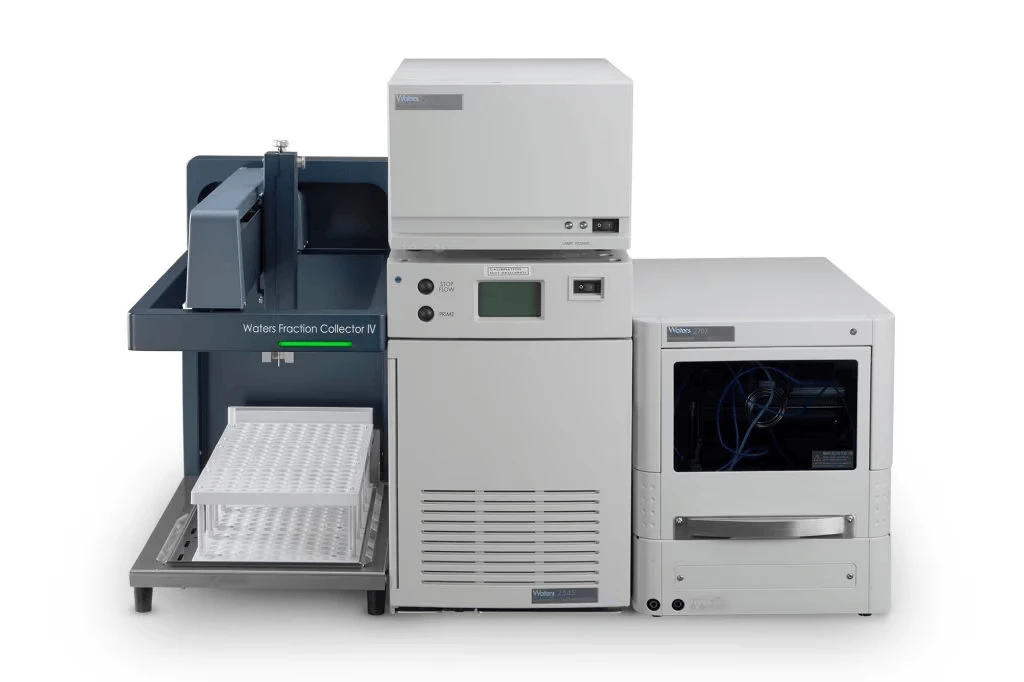
Waters Fraction Collector IV: More Capacity, More Formats for Prep LC Labs
Waters has launched the Fraction Collector IV, upgrading prep-scale purification with 50% more collection capacity, flow rates to 300 mL/min, and native control through Empower, MassLynx, and ChromScope software — here’s what buyers in pharma, biotech, and CRO labs need to evaluate before purchasing.
Oct 20, 2026
Product News
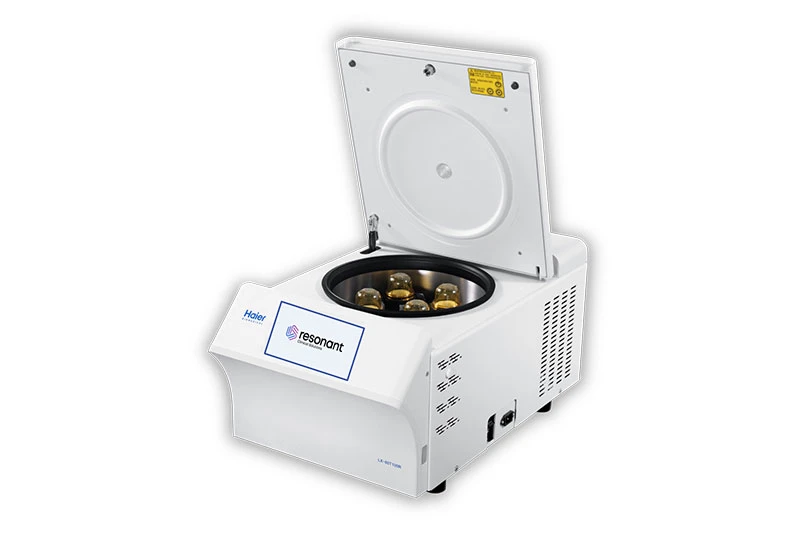
LX-60T100R Refrigerated Benchtop Centrifuge: F-Gas Compliance for Clinical Trials
A new hydrocarbon-cooled benchtop centrifuge purpose-built for clinical trial sample processing arrives with a GWP of ~3, 5-minute pre-cooling, and exclusive distribution through Resonant Clinical Solutions — giving procurement teams an F-gas-ready option well ahead of the 2028 EU regulatory deadline.
Oct 16, 2026
Product News
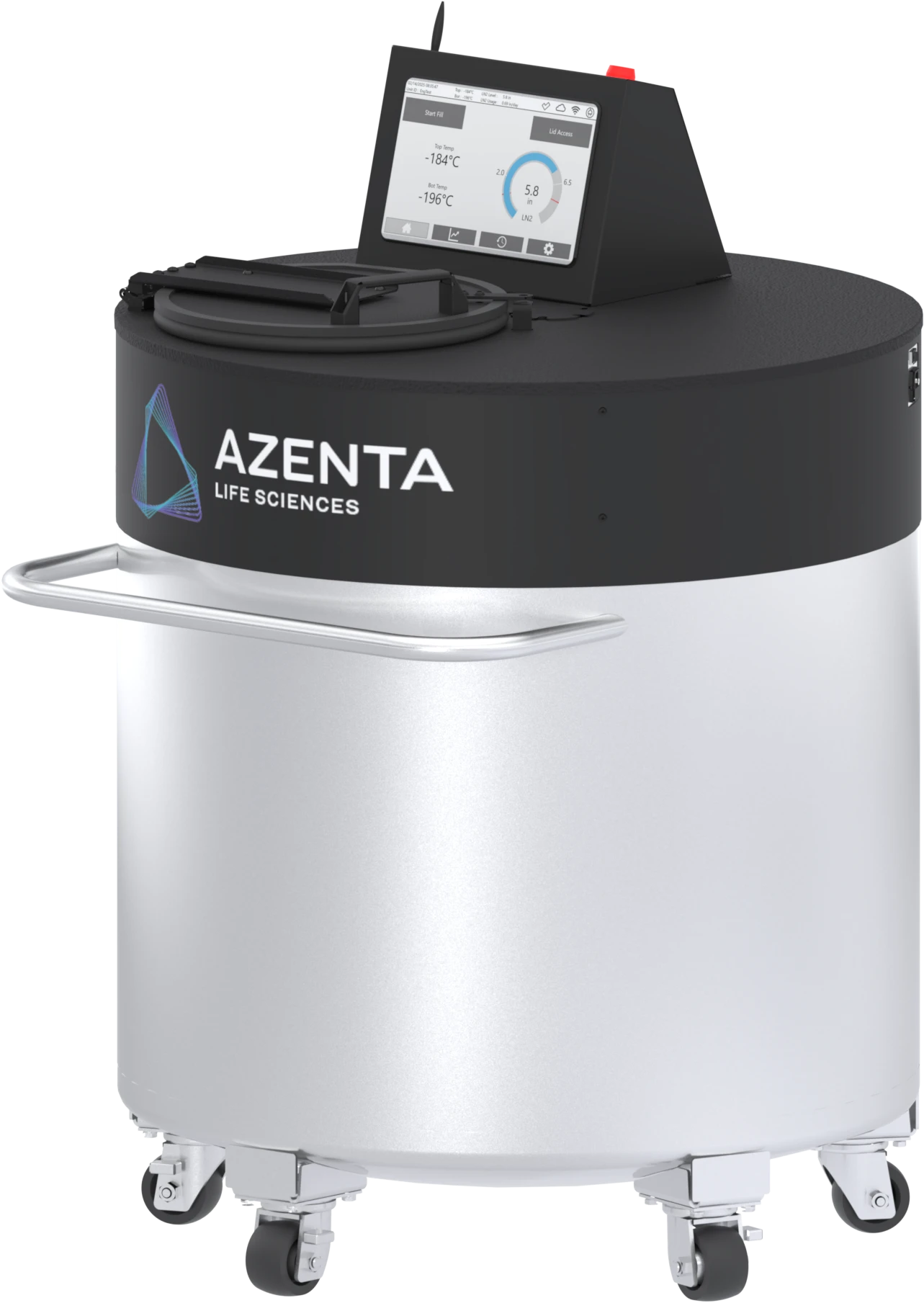
CryoArc Vita-76: Azenta’s High-Density Cryogenic Storage for IVF Clinics
Azenta Life Sciences has launched the CryoArc Vita-76, a cryogenic storage system that consolidates up to seven traditional dewars into a single footprint — this article covers specifications, how it compares in the clinical IVF storage market, and what fertility clinic buyers should evaluate before purchasing.
Sep 30, 2026
Product News
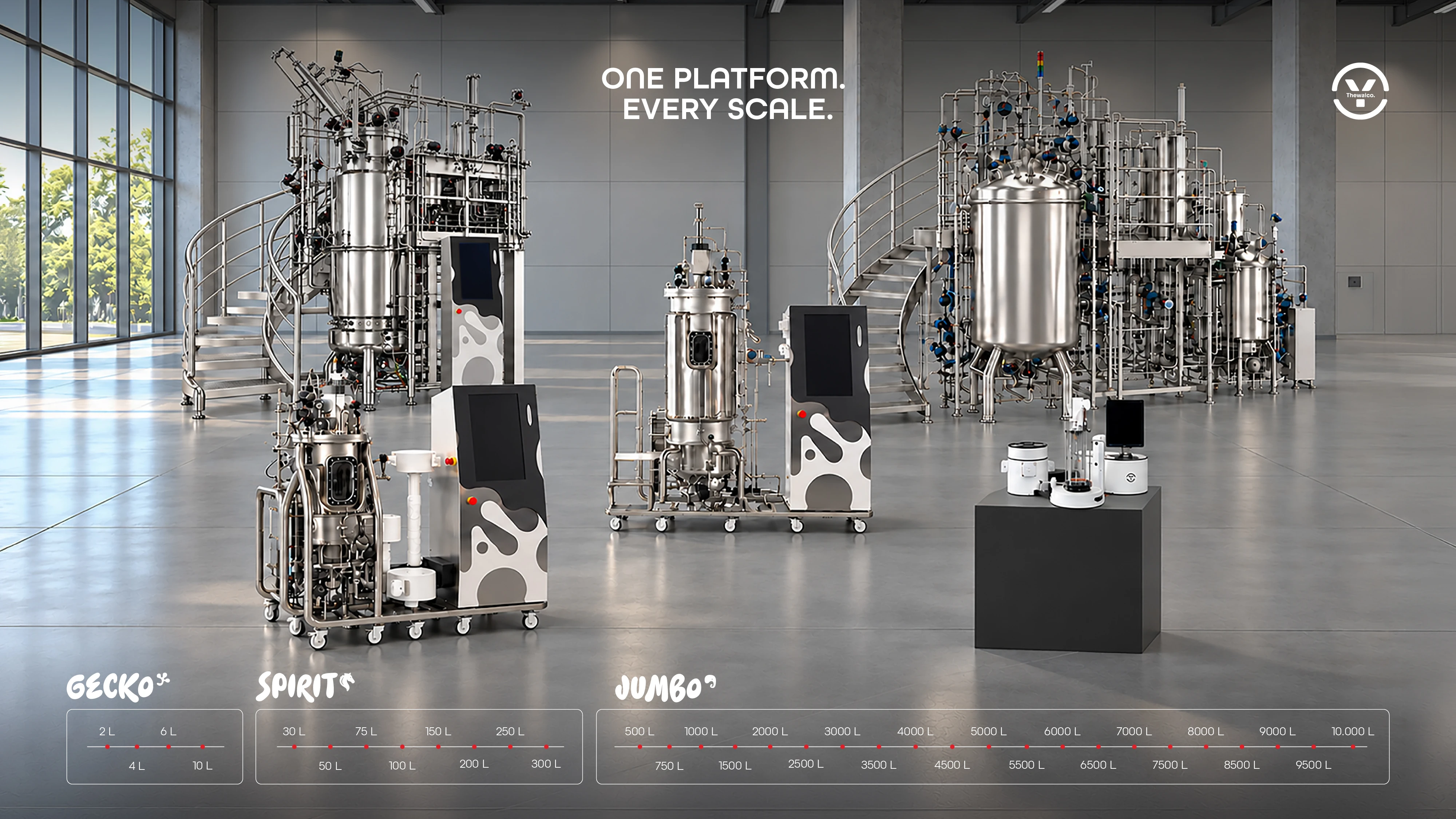
Thewaico Launches Integrated Bioreactor Platform to Solve Biomanufacturing Scale-Up
A new bioprocess company has emerged with three connected bioreactor platforms — spanning 2 L to 10,000+ L — and an AI-assisted control layer intended to eliminate the re-engineering step that derails most scale-up projects, alongside a direct-to-web pricing configurator.
Sep 28, 2026
Product News
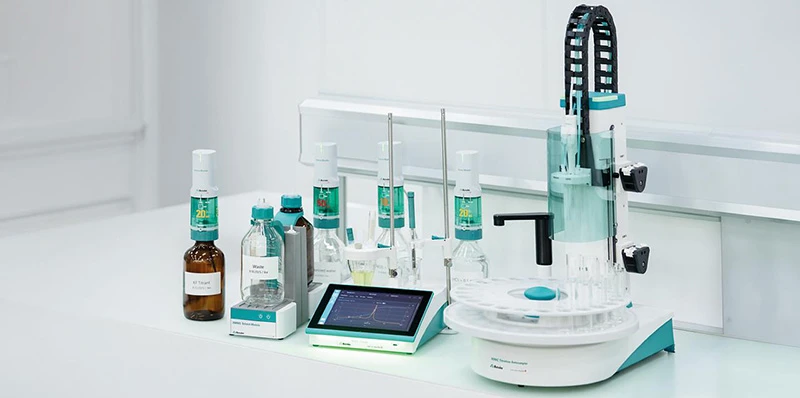
Metrohm USA Launches IONIC Titrator With Built-In Cloud Access
Metrohm USA's new IONIC Titrator pairs a 10-inch touchscreen with direct cloud connectivity, letting labs monitor and share titration data without a PC; here's how it's specced, priced, and positioned for buyers comparing standalone titrators.
Sep 23, 2026
Product News
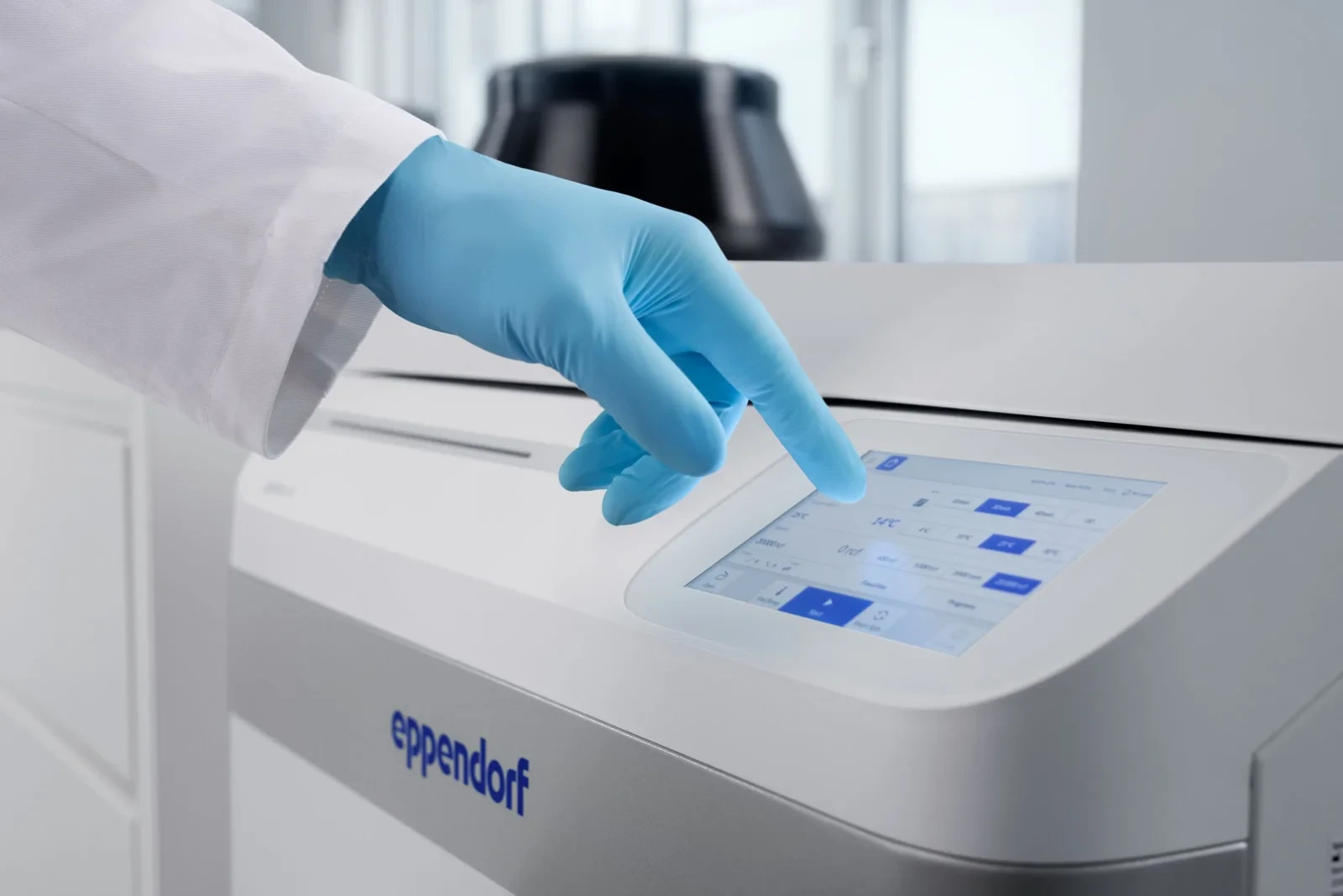
Eppendorf Introduces the SpinPro 8 R High-Speed Floor Centrifuge
Eppendorf's SpinPro 8 R floor-standing centrifuge launches with 6 L capacity, 35-rotor compatibility, CO₂-based refrigerant (GWP = 1), and AuditSafe documentation for pharma and biotech labs evaluating their next large-volume separation system.
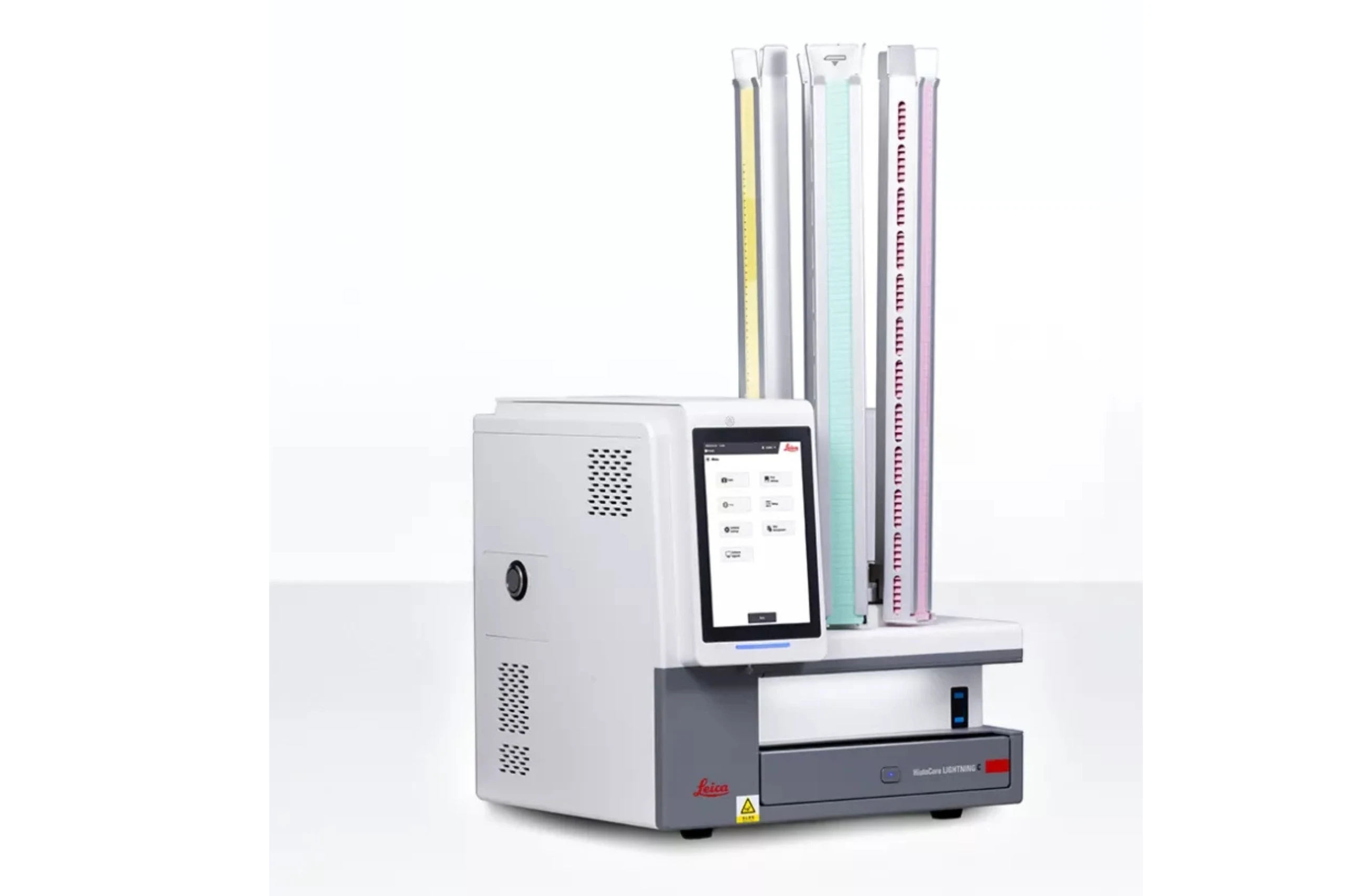
Sep 22, 2026
Product News
Leica Biosystems HistoCore LIGHTNING C Laser Cassette Printer: Speed and Traceability for High-Volume Histology Labs
Leica Biosystems' ink-free UV laser cassette printer delivers 2.5-second-per-cassette printing with 600-cassette capacity and LIS integration — what pathology lab buyers need to know before evaluating this system against their workflow needs and total cost of ownership.

Sep 17, 2026
Product News
Yamato Scientific America moves into life sciences with multi-technology partnership portfolio
Yamato Scientific America is entering the life sciences market through technology partnerships covering live-cell imaging, circulating tumor cell enrichment, and single-cell isolation — here is what buyers should evaluate before engaging.