
Vaisala Origo10 Transmitters for Cleanroom HVAC Applications

Written By: Sharon Dong
Published: Aug 28, 2026
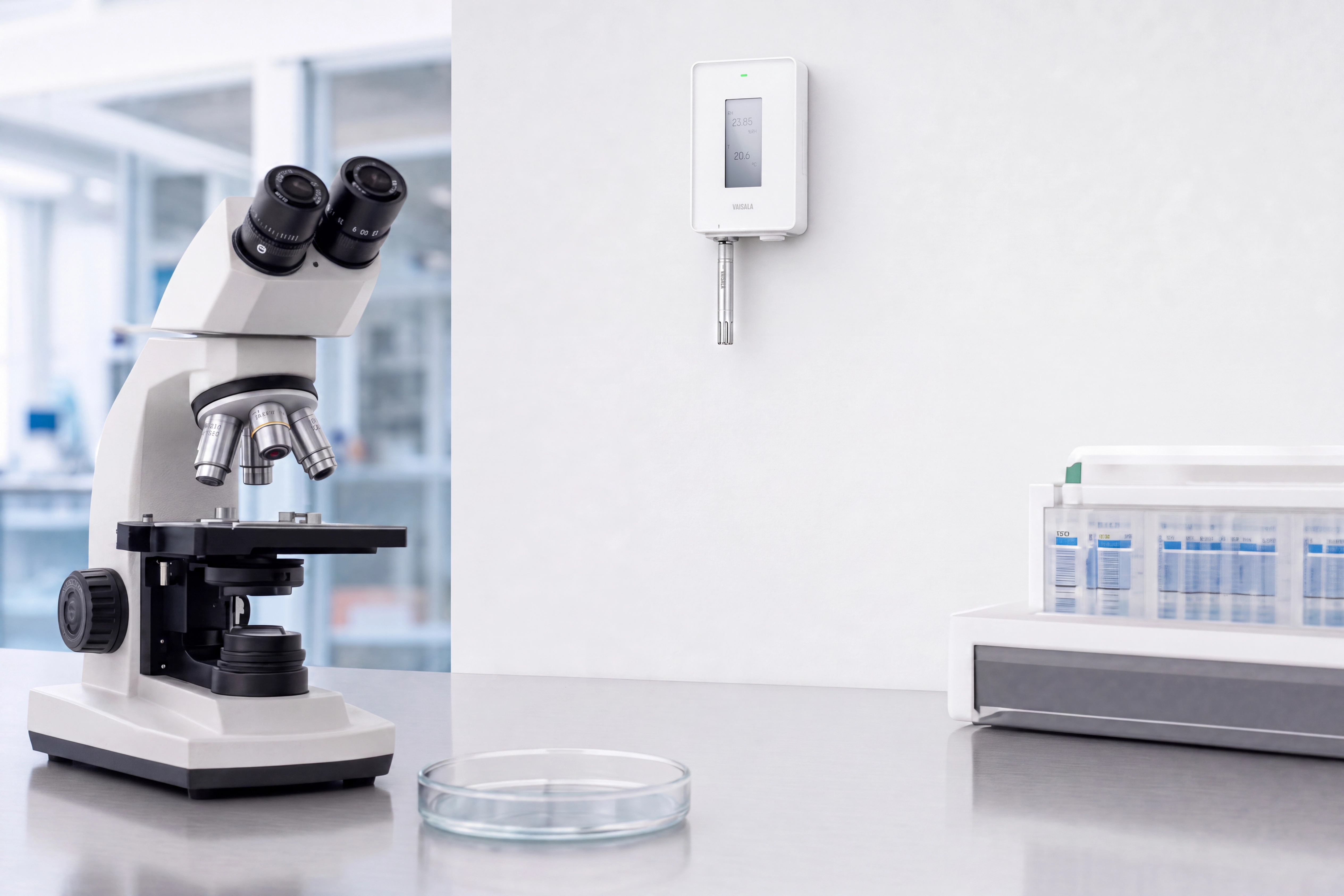
Vaisala has released the Origo10 Series Transmitters, a modular heating, ventilation, and air conditioning (HVAC) measurement platform for cleanrooms and controlled manufacturing spaces. The system supports up to four parameters in a single IP65-rated enclosure, with analog and digital BMS outputs and field-swappable probes designed to reduce calibration downtime. Whether the architecture justifies the premium over fixed-element alternatives from Siemens, Honeywell, and Rotronic depends on the calibration and integration demands of the specific facility.
Cleanroom HVAC accounts for a disproportionate share of facility energy use, and many sites run static air-change strategies that keep airflow constant regardless of occupancy or process conditions. ISO 14644-5:2025, published in May 2025, introduced formal Operations Control Programmes that push facilities toward risk-based, real-time environmental control. Point-of-control sensor accuracy is the technical foundation that makes variable air volume strategies viable, which is the operational gap the Origo10 targets.
Vaisala Origo10 specs and commercial terms: what the announcement confirms
The Origo10 supports temperature, relative humidity, carbon dioxide, and dew point through interchangeable probe combinations, with analog and digital BMS outputs. List pricing, probe-level accuracy specifications, and calibration intervals are not published and must be requested directly from Vaisala.
- Measurement parameters: Temperature, relative humidity, carbon dioxide, and dew point are supported through interchangeable probes. Two probes run simultaneously in a single transmitter body, reducing wall-mounted device count.
- Output and protocol options: The Origo10A offers three analog outputs (4–20 mA, 0–10 V) or a digital bus supporting Modbus RTU and BACnet MS/TP. The two-wire Origo10L provides two 4–20 mA loop-powered outputs and supports humidity and temperature only.
- Enclosure rating: The IP65 housing meets the dust-tight and low-pressure water ingress standard. Surfaces are smooth and specified by Vaisala as compatible with cleanroom wipe-down disinfection routines.
- Local display: An optional on-device display shows up to four parameters simultaneously. This is a configuration add-on, not a standard fitment on all variants.
- Mounting: Wall and duct configurations are both supported. Hygienic installation accessories are available; part numbers and accessory pricing require a direct quote.
- List pricing: Vaisala does not publish a manufacturer's suggested retail price (MSRP) for the Origo10. Distributor Kele lists configured units for sale, confirming commercial availability, but street pricing varies by specification and must be quoted.
Buyer's note: The announcement covers hardware configuration and protocol support, not performance. Accuracy class, long-term drift rates, and calibration intervals differ by probe variant and are absent from the launch materials; request the datasheet for your specific XMP10 probe configuration and confirm that factory certificates carry traceability to a national metrology standard. These figures are required by any installation qualification/operational qualification (IQ/OQ) protocol.
How does the Origo10 compare to other cleanroom humidity and temperature transmitters?
The Origo10 competes at the upper tier of the cleanroom environmental monitoring transmitter market alongside Siemens (QFM/QAM series), Honeywell (HIH and HTRC families), Rotronic (now part of Process Sensing Technologies), and E+E Elektronik. Mid-range alternatives from Dwyer, Setra, and OMEGA Engineering carry lower upfront costs at the expense of accuracy class and long-term measurement stability. Multiple market research reports place the cleanroom temperature-humidity transmitter segment at USD 1.4–1.5 billion globally in 2024 with projected annual growth of 7–8% through 2033, though these are aggregator estimates without primary-source verification.
- Probe modularity: Swapping only the probe, with the transmitter body staying wired in place, reduces calibration downtime compared with full-instrument removal. Most competing platforms from Siemens and Honeywell require the entire transmitter to be removed or use fixed-element designs sent to a service depot.
- Protocol coverage: Analog, Modbus RTU, and BACnet MS/TP match the protocol set offered by Siemens and Honeywell at this tier. Rotronic HygroFlex devices use RS-485 and Ethernet digital interfaces; neither the Origo10 nor the HygroFlex supports LonWorks or Ethernet-native Modbus TCP without a gateway.
- Multi-parameter in one body: The Origo10A runs two probes simultaneously, covering CO₂ and dew point alongside humidity-temperature in a single mounting footprint. Most competing single-unit transmitters handle temperature and humidity only, requiring a separate device for CO₂.
- List pricing: No MSRP is published for the Origo10; direct quotes are required. Mid-tier competitors from Dwyer and OMEGA publish list prices in the USD 200–500 range for single-parameter room transmitters, and Vaisala's upper-accuracy products have historically priced well above that range.
- Calibration software: Vaisala Insight PC Software supports on-site recalibration against a Vaisala handheld reference, avoiding depot return. Facilities that run staggered calibration schedules across multiple rooms benefit from keeping that process in-house.
- Cleanroom surface compatibility: The IP65 enclosure uses smooth surfaces specified for wipe-down disinfection. Siemens and Honeywell products carry IP ratings at this tier, but not all datasheets explicitly confirm smooth-surface cleanroom compatibility; verify this in writing if your qualification protocol requires it.
Which lab types benefit most from the Vaisala Origo10 cleanroom HVAC transmitter?
The Origo10 fits facilities where probe-swap calibration, multi-parameter monitoring in a single footprint, or BMS integration complexity are active operational problems. Pharmaceutical manufacturers under EU good manufacturing practice (GMP) or FDA oversight, semiconductor fabs with process-yield-driven humidity tolerances, contract research organizations (CROs) managing multi-room calibration schedules, and sites migrating from Vaisala HMT120 or HMT130 transmitters are the clearest matches. A facility with a single controlled room and a fixed single-parameter requirement is unlikely to recover the cost premium over a lower-tier fixed transmitter.
Pharmaceutical and biologic manufacturers under EU GMP or FDA oversight
Grade B, C, and D cleanrooms under EU GMP Annex 1 and ISO 14644 require ISO 9001-traceable calibration certificates for IQ/OQ documentation, which the Origo10's factory-calibrated XMP10 probes supply. Removing a sensor from a regulated production environment triggers a change-control event; replacing only the probe, with the transmitter body remaining wired, may reduce that documentation burden compared to a full instrument swap. Confirm with your quality team whether your site's change-control procedure distinguishes between probe exchange and full instrument replacement before treating this as a compliance advantage.
Regulated-workflow notice: The Origo10 is an HVAC measurement transmitter, not a validated environmental monitoring system. Facilities operating under EU GMP Annex 1, FDA 21 CFR Part 211, or ISO 14644-2 must validate the complete monitoring system, covering transmitter, probe, software, data acquisition, and alarm management, not the hardware component alone. Transmitter accuracy and stability require verification through your IQ/OQ/PQ (performance qualification) protocol using site calibration standards; Vaisala's factory certificates support documentation but do not substitute for that validation.
Semiconductor fabs and advanced electronics manufacturers
Semiconductor cleanrooms running ISO Class 3 to 6 require humidity and temperature control at tolerances driven by process yield, not regulatory thresholds, making sensor accuracy class a direct cost-of-production variable. The Origo10A's duct-mount option and BACnet MS/TP output integrate with Johnson Controls, Siemens Desigo, and Schneider EcoStruxure BMS platforms common in this sector. Probe accuracy tiers in the XMP10 range span ±1.0% to ±2.0% RH; the tightest tier carries a price premium, so request the accuracy-class breakdown alongside your quote.
Research institutions and CROs with multi-room cleanroom suites
Multi-room facilities pulling sensors for depot calibration at staggered intervals across different ISO grades face scheduling gaps and temporary monitoring voids that compound across an asset base. The temperature monitoring and humidity inventory at these sites is often a mix of legacy instruments from several vendors, which makes the Origo10's probe-swap and on-site Vaisala Insight recalibration path operationally useful without requiring full instrument replacement. Before a site-wide rollout, verify that existing cable runs and conduit layouts are compatible with the Origo10A (18–30 V DC or 24 V AC) or Origo10L (20–30 V DC) power requirements.
Facilities upgrading from Vaisala HMT120 or HMT130 transmitters
Vaisala markets the Origo10 as the direct successor to the HMT120 and HMT130, with overlapping mounting footprint, wiring, and probe ecosystem. Sites migrating from those models should note that software configuration moves to Vaisala Insight and that calibration intervals may differ from what existing validated procedures specify. Plan a re-validation step before deploying Origo10 in any regulated area where procedures reference the predecessor transmitter model number.
What to confirm before buying the Vaisala Origo10 Series transmitter
Request a written quote from Vaisala that itemizes the transmitter body, probe accuracy tier, mounting accessories, optional display, and any on-site calibration support. Confirm that your BMS protocol matches the Origo10 variant you intend to specify; the two-wire Origo10L and three-wire Origo10A are not electrically interchangeable, and the Origo10L does not support CO₂ or dew point probes.
The Origo10 suits facilities where probe-swap calibration, multi-parameter monitoring, and BMS integration are operational priorities, and where Vaisala's calibration ecosystem already exists on site. For a single-room installation with a fixed parameter requirement and no existing Vaisala infrastructure, a lower-tier fixed transmitter will typically deliver equivalent measurement at a lower cost. Evaluate the total cost of ownership across probe accuracy tier, calibration frequency, and service contract before committing.
Nov 04, 2026
Product News
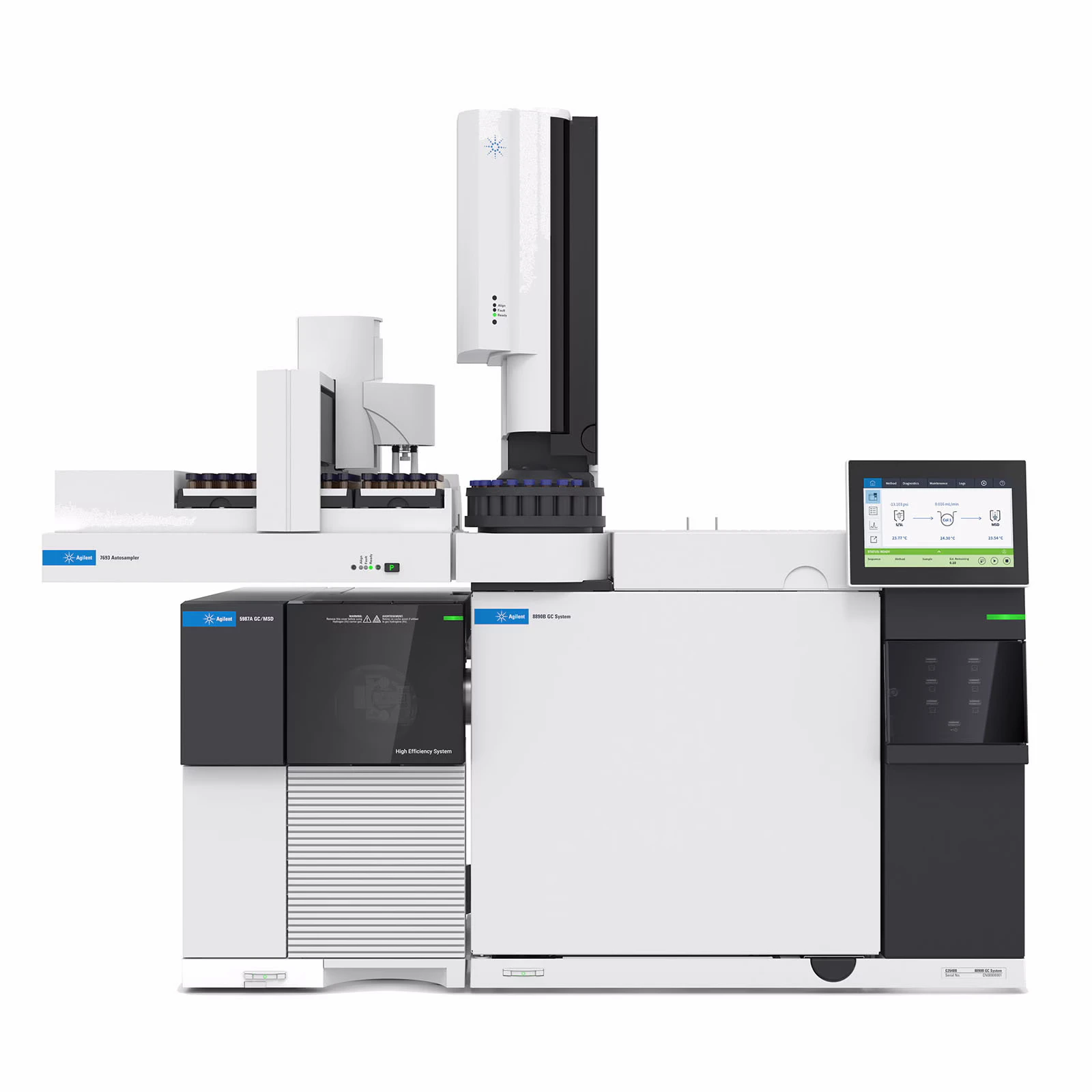
Agilent 5987A MSD: Should 5977-Series Labs Upgrade?
A spec-by-spec look at whether the 5987A’s 25% faster scanning, 10× dynamic range gain, and built-in GC Assist intelligence justify moving off the 5977 series — with LabX used-market context for current 5977A and 5977B owners.
Nov 02, 2026
Product News
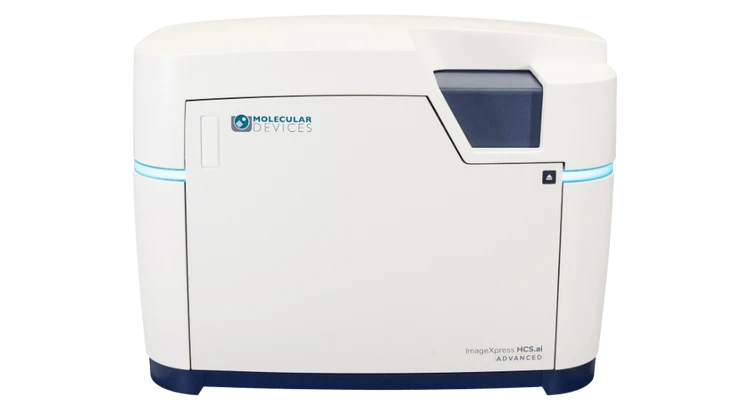
ImageXpress HCS.ai Advanced Duo: Dual-Camera HCS Upgrade for Drug Discovery Labs
Molecular Devices has launched the ImageXpress HCS.ai Advanced Duo, a dual-camera high-content screening system that adds simultaneous image acquisition and integrated screening analytics to the existing HCS.ai Advanced platform — this article breaks down what changes for buyers already operating in the category and whether the upgrade is warranted.
Oct 27, 2026
Product News
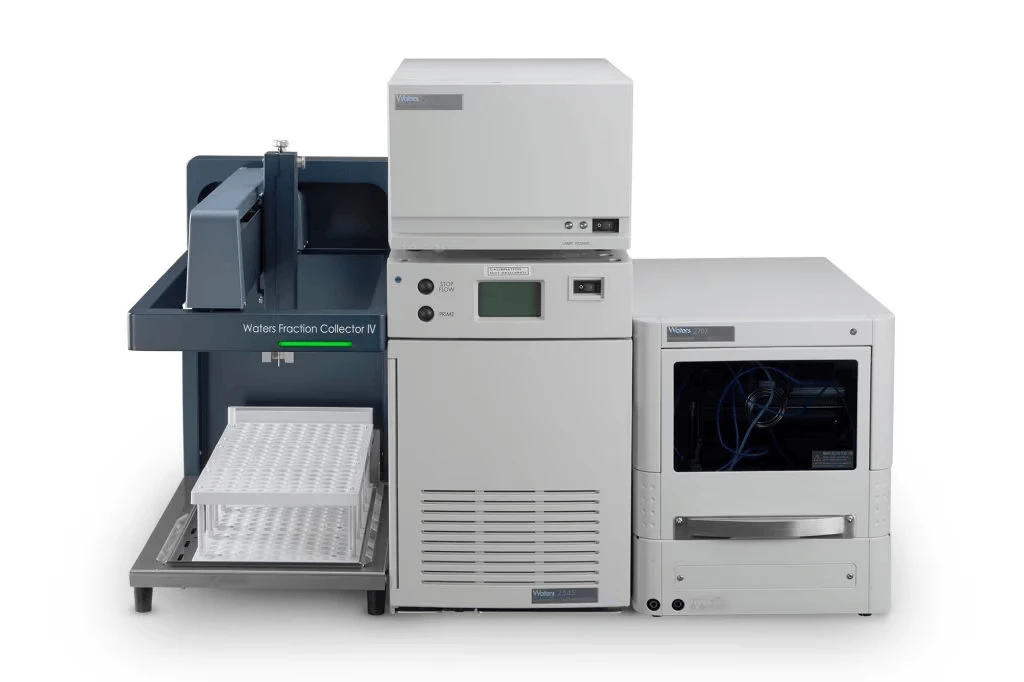
Waters Fraction Collector IV: More Capacity, More Formats for Prep LC Labs
Waters has launched the Fraction Collector IV, upgrading prep-scale purification with 50% more collection capacity, flow rates to 300 mL/min, and native control through Empower, MassLynx, and ChromScope software — here’s what buyers in pharma, biotech, and CRO labs need to evaluate before purchasing.
Oct 20, 2026
Product News
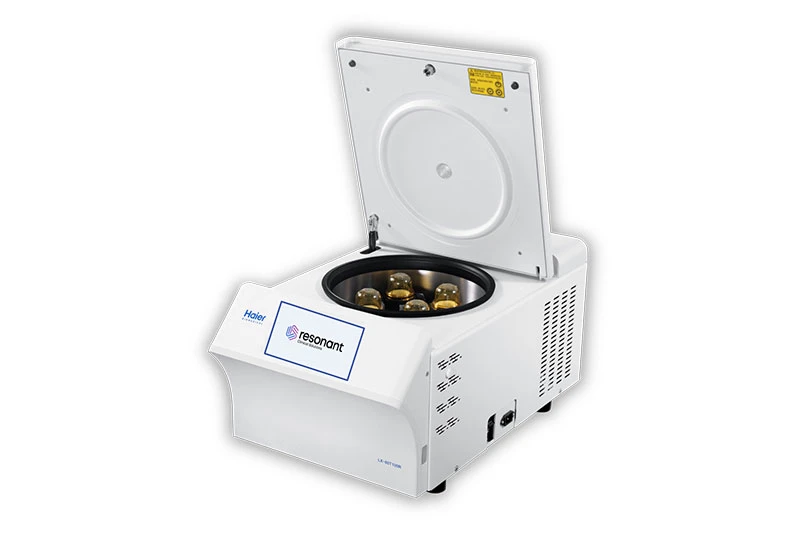
LX-60T100R Refrigerated Benchtop Centrifuge: F-Gas Compliance for Clinical Trials
A new hydrocarbon-cooled benchtop centrifuge purpose-built for clinical trial sample processing arrives with a GWP of ~3, 5-minute pre-cooling, and exclusive distribution through Resonant Clinical Solutions — giving procurement teams an F-gas-ready option well ahead of the 2028 EU regulatory deadline.
Oct 16, 2026
Product News
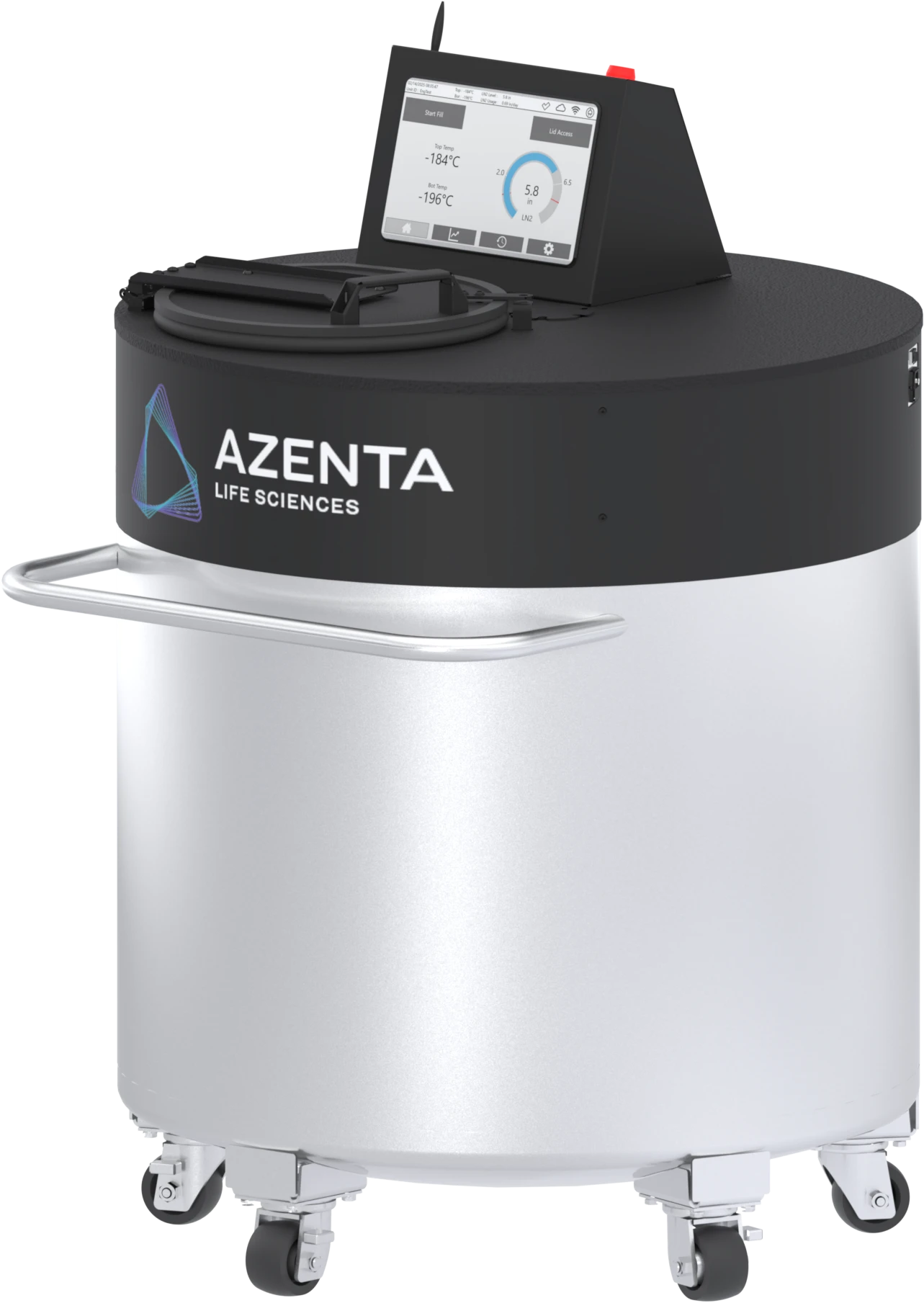
CryoArc Vita-76: Azenta’s High-Density Cryogenic Storage for IVF Clinics
Azenta Life Sciences has launched the CryoArc Vita-76, a cryogenic storage system that consolidates up to seven traditional dewars into a single footprint — this article covers specifications, how it compares in the clinical IVF storage market, and what fertility clinic buyers should evaluate before purchasing.
Sep 30, 2026
Product News
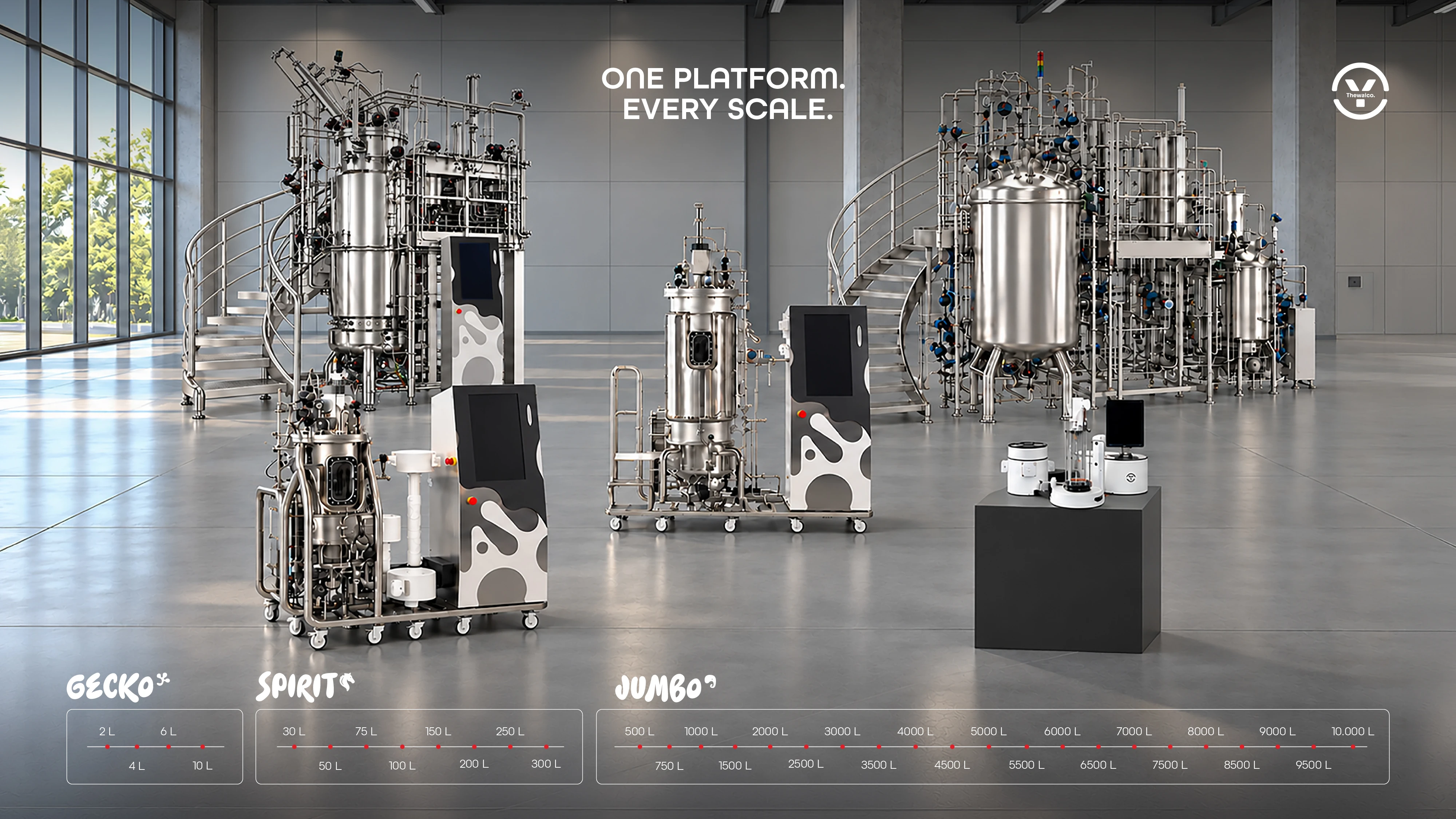
Thewaico Launches Integrated Bioreactor Platform to Solve Biomanufacturing Scale-Up
A new bioprocess company has emerged with three connected bioreactor platforms — spanning 2 L to 10,000+ L — and an AI-assisted control layer intended to eliminate the re-engineering step that derails most scale-up projects, alongside a direct-to-web pricing configurator.
Sep 28, 2026
Product News
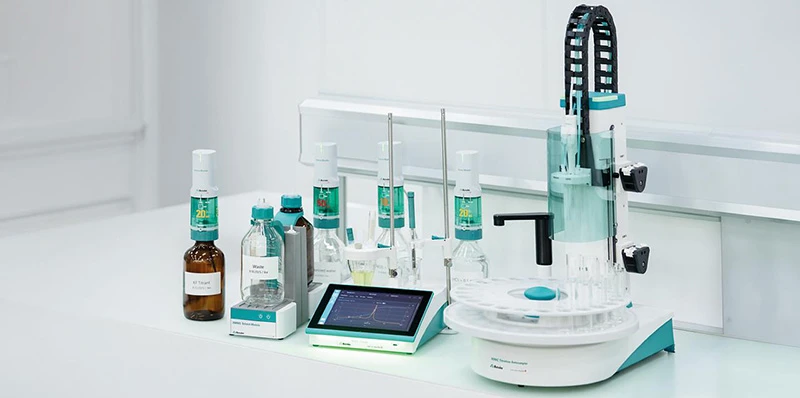
Metrohm USA Launches IONIC Titrator With Built-In Cloud Access
Metrohm USA's new IONIC Titrator pairs a 10-inch touchscreen with direct cloud connectivity, letting labs monitor and share titration data without a PC; here's how it's specced, priced, and positioned for buyers comparing standalone titrators.
Sep 23, 2026
Product News
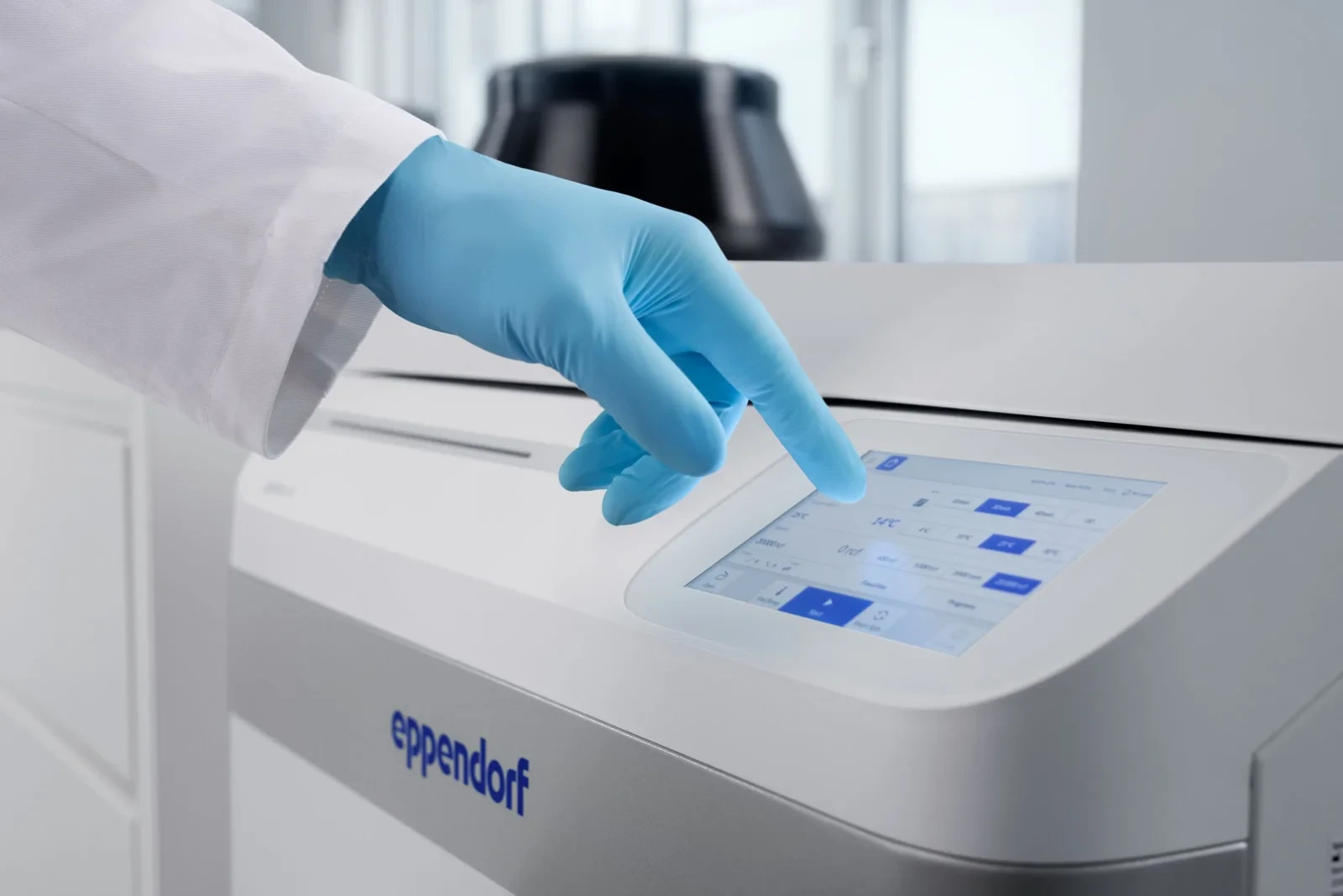
Eppendorf Introduces the SpinPro 8 R High-Speed Floor Centrifuge
Eppendorf's SpinPro 8 R floor-standing centrifuge launches with 6 L capacity, 35-rotor compatibility, CO₂-based refrigerant (GWP = 1), and AuditSafe documentation for pharma and biotech labs evaluating their next large-volume separation system.
Sep 22, 2026
Product News
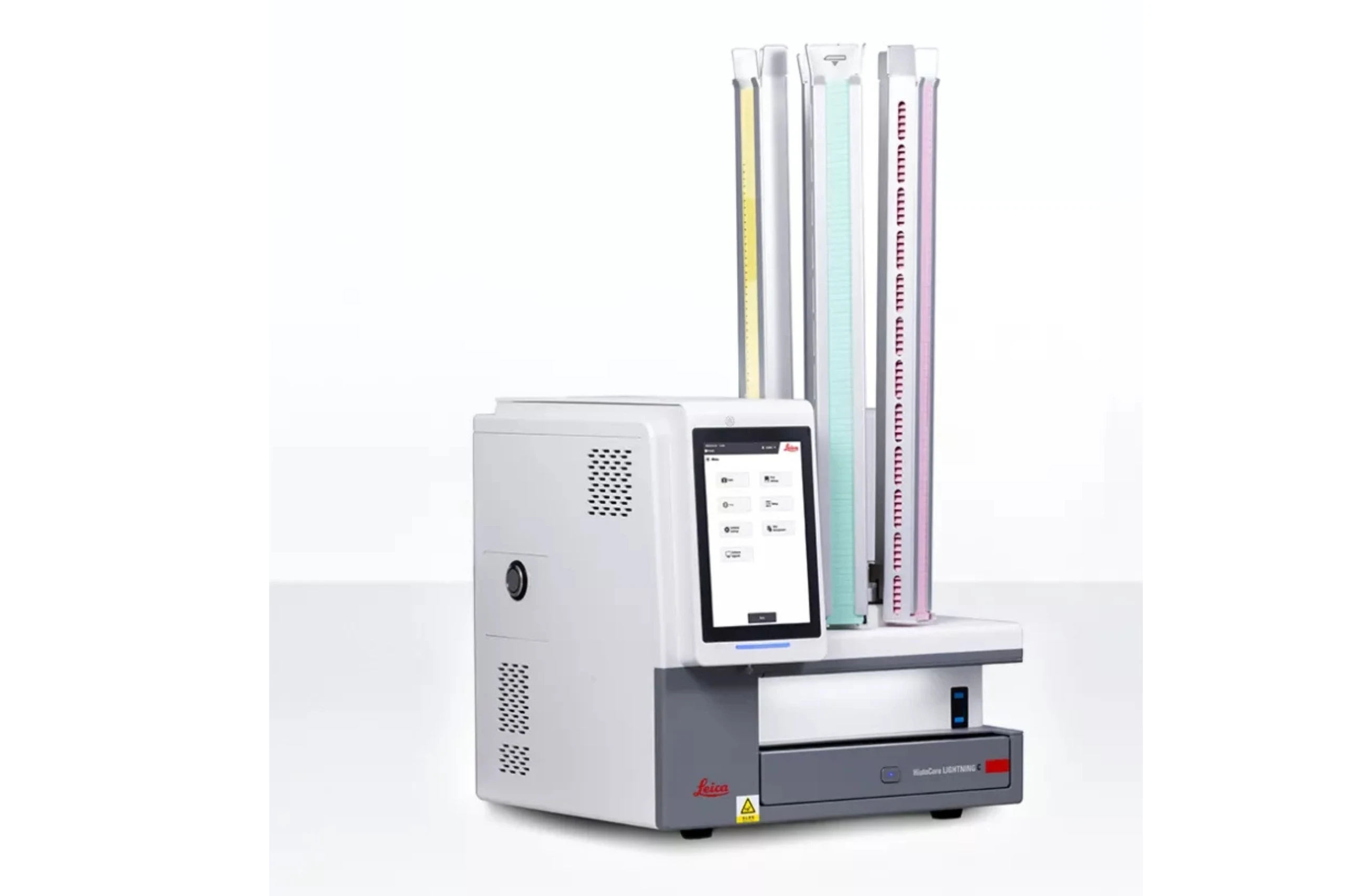
Leica Biosystems HistoCore LIGHTNING C Laser Cassette Printer: Speed and Traceability for High-Volume Histology Labs
Leica Biosystems' ink-free UV laser cassette printer delivers 2.5-second-per-cassette printing with 600-cassette capacity and LIS integration — what pathology lab buyers need to know before evaluating this system against their workflow needs and total cost of ownership.

Sep 17, 2026
Product News
Yamato Scientific America moves into life sciences with multi-technology partnership portfolio
Yamato Scientific America is entering the life sciences market through technology partnerships covering live-cell imaging, circulating tumor cell enrichment, and single-cell isolation — here is what buyers should evaluate before engaging.