
Common Microcentrifuge Tube Challenges in Sensitive Molecular Workflows

Written By: Damon Anderson, PhD
Jan 05, 2026
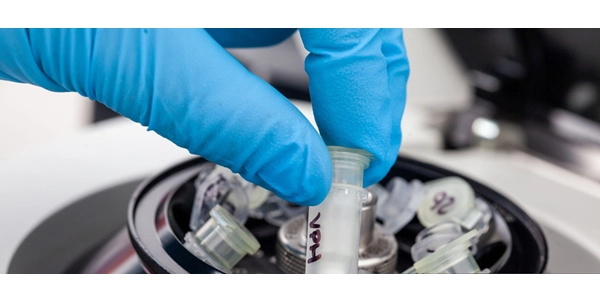
Sensitive techniques including PCR, qPCR, and NGS typically involve small sample volume and low concentrations of DNA or RNA. Consequently, small variations in sample concentrations can have significant influences on accuracy and precision. This in turn can lead to problems with reproducibility and data interpretation.
Below are key factors that can impact the performance of microcentrifuge tubes for sensitive applications.
1. Sample Loss Due to Tube Wall Binding
In low-concentration workflows, even minor adsorption of DNA or RNA to the inner tube surface can significantly affect results. This issue is especially problematic in NGS library prep or single-cell analysis, where total nucleic acid amounts are limited. Standard tubes may not offer sufficient protection against this kind of loss.
2. Contamination and Inhibition Risks
Sensitive workflows demand high-purity environments. Tubes not certified RNase-, DNase-, and PCR inhibitor-free can introduce contaminants that degrade samples or inhibit enzymatic reactions. Cross-contamination between samples is also a concern during repeated handling, especially with low-quality plastics.
3. Thermal Instability
Both PCR and qPCR involve rapid thermal cycling. Tubes must withstand temperature fluctuations without warping, popping open, or causing condensation that alters reaction volumes. Inconsistent wall thickness or poor sealing can lead to evaporation, reduced efficiency, or failed reactions.
4. Reproducibility and Yield Concerns
For workflows like qPCR or sequencing, consistent yields and reproducible data are critical. Variability introduced by poor-quality consumables—such as batch-to-batch inconsistencies in tube manufacturing—can skew Ct values or affect read depth and coverage in sequencing.
How Microcentrifuge Tube Solutions Address These Challenges Low DNA Binding Technology
Microcentrifuge tubes treated with low DNA binding surfaces reduce nucleic acid adsorption, helping to preserve sample integrity. This is vital for achieving accurate quantification, especially in workflows involving minute sample volumes.
Certified Cleanliness
Look for tubes that are certified free from RNases, DNases, endotoxins, and PCR inhibitors. These certifications reduce contamination risks and help ensure the integrity of each assay, particularly for clinical or regulatory-sensitive environments.
High-Performance Design
Premium microcentrifuge tubes are engineered with uniform wall thickness, tight sealing caps, and durable materials to tolerate extreme thermal and centrifugal forces. This reliability minimizes evaporation and leakage during cycling or high-speed spins.
Batch Consistency
Reputable manufacturers offer traceable production and rigorous quality control, ensuring lot-to-lot consistency that supports reproducible results across experiments and users.
Summary
In high-stakes molecular workflows, small details matter—and the choice of microcentrifuge tubes is no exception. Investing in high-quality, low-binding, certified tubes isn’t just a matter of convenience; it’s a critical factor in safeguarding data integrity, maximizing sample recovery, and achieving reproducible outcomes in PCR, qPCR, and NGS applications.
Mar 02, 2026
Product News
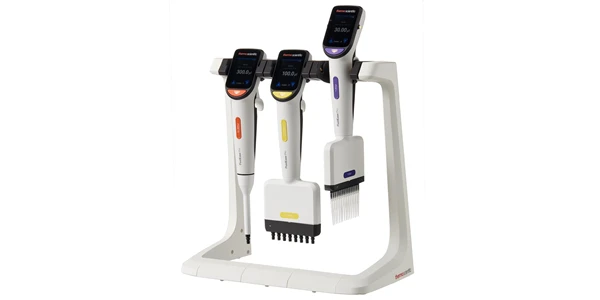
Thermo Fisher Launches Fluid Ease™ Pro ClipTip™ Electronic Pipette with High-Resolution Touchscreen and Advanced Workflow Controls
The system combines programmable control, intelligent power management, and a secure tip attachment mechanism to support consistent, reproducible liquid handling.
Feb 26, 2026
Product News
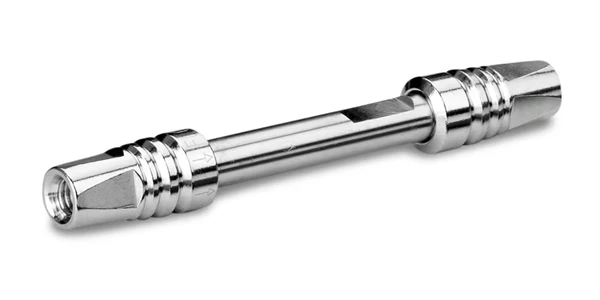
Waters Launches Microflow LC Columns with MaxPeak Premier Technology for Higher Sensitivity and Lower Resource Consumption
The product launch reflects continued investment in chromatographic chemistries that address real-world bottlenecks in method development and routine analysis

Feb 19, 2026
Technical Insight
Implementing Hydrogen Generators for Clean Lab Gas Supply: Safety and Benefits
Transitioning to on-site gas production streamlines analytical workflows, eliminates hazardous cylinder storage, and supports facility sustainability.
Feb 19, 2026
Technical Insight
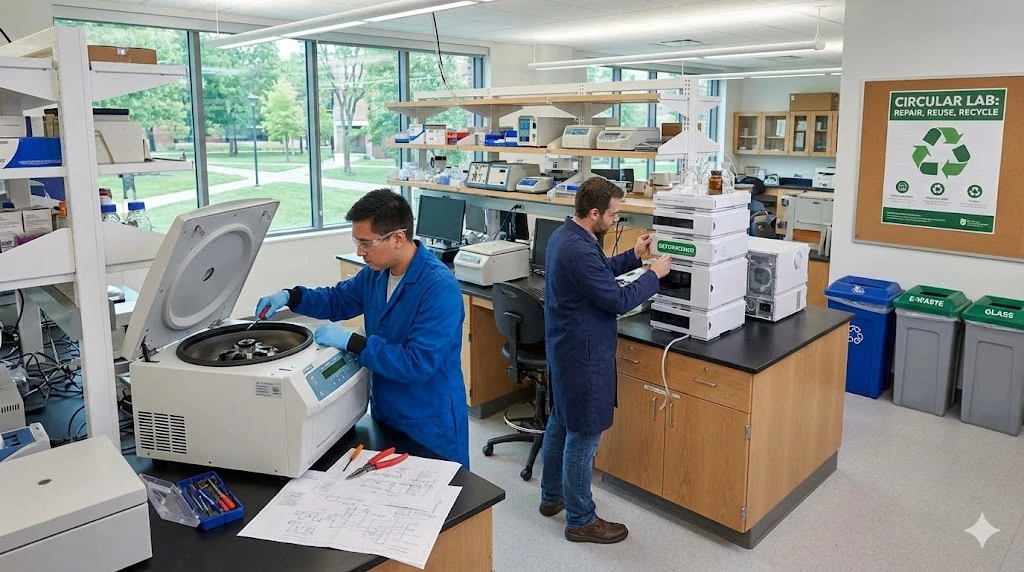
Circular Economy in Laboratory Equipment: How to Adopt Repair, Reuse, and Refurbishment Strategies
Adopting a circular economy for laboratory equipment minimizes environmental impact while maximizing instrument lifespan and optimizing laboratory budgets.
Feb 12, 2026
Product News
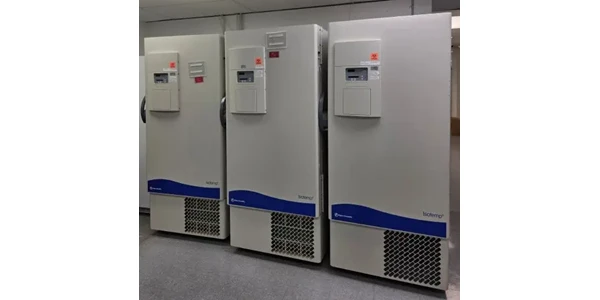
$5M+ in GMP Biopharma Manufacturing & QC Equipment Heads to Online Auction
A Southern California GMP manufacturing and clinical-stage QC laboratory is liquidating new and late-model equipment and unused inventory in an online auction opening February 11, 2026

Feb 12, 2026
Product News
2026 SLAS: Inspiration Catalyzing Discovery
A LabX look at the annual conference and exhibition, a key forum for networking, collaboration, and advancement of new technologies
Feb 11, 2026
Product News
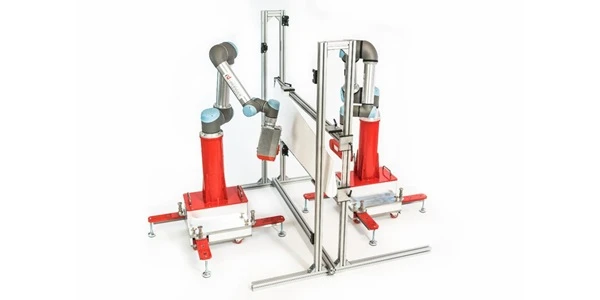
Angstrom Scientific Named U.S. Distributor for Radalytica’s RadalyX Robotic X-ray and CT System
Angstrom Scientific, known for representing microscopy and materials analysis technologies across North America, adds Radalytica’s robotic X-ray and CT platform to its portfolio of analytical and imaging solutions.
Feb 10, 2026
Technical Insight
Eco-Friendly Refrigeration: Evaluating Natural Refrigerants and Low-GWP Cooling Systems
This guide explains the operational and environmental benefits of adopting natural refrigerants and low-GWP cooling systems in laboratory settings

Feb 10, 2026
Technical Insight
The Ultimate Guide to Sustainability in Laboratory Equipment and Operations
A comprehensive analysis of sustainable laboratory practices, focusing on energy-efficient equipment, waste management, and digital workflows
Jan 12, 2026
Technical Insight
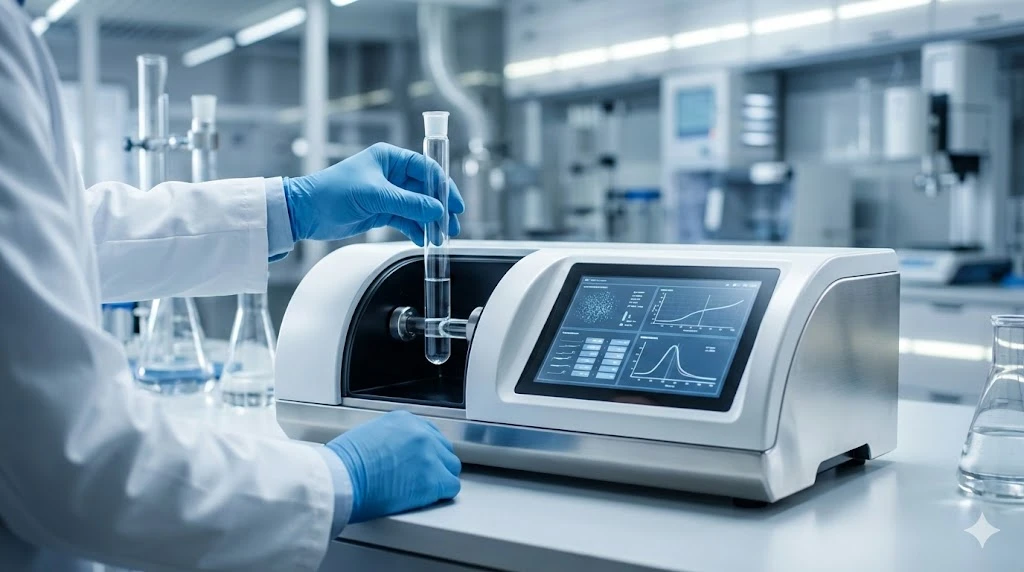
The Best Polarimeters of 2026
A comprehensive guide to the top-rated polarimeters of 2026, featuring high-speed, high-precision, and budget-friendly models for every laboratory application.