
The Ultimate Guide to Sustainability in Laboratory Equipment and Operations

Written By: Craig Bradley
Feb 10, 2026
Sustainable laboratory practices are becoming essential for modern research facilities aiming to reduce their environmental impact while maintaining scientific rigor. Integrating these practices into daily operations ensures that laboratory testing remains efficient and cost-effective without compromising data integrity or safety standards. Laboratories are traditionally resource-intensive environments, consuming significantly more energy and water than typical office spaces—often 5 to 10 times more per square foot, according to the U.S. Environmental Protection Agency (EPA) and I2SL benchmarks. However, the shift toward greener operations offers a pathway to operational excellence. By examining equipment lifecycles, optimizing sample storage, and adopting digital workflows, facilities can align scientific innovation with environmental stewardship. This guide explores the critical methodologies required to establish a high-functioning, eco-conscious laboratory environment.
Optimizing Energy Efficiency and Cold Storage Systems in the Laboratory
Energy consumption represents the largest environmental footprint for most research facilities, often driven by ventilation systems and temperature-controlled equipment. Implementing sustainable laboratory practices begins with a rigorous audit of energy-intensive assets. Ultra-low temperature (ULT) freezers, fume hoods, and incubators operate continuously, creating a substantial demand on facility grids.
Revolutionizing Cold Storage and Natural Refrigerants
Cold storage units are among the highest energy consumers in any life science facility. An older ULT freezer can consume as much energy annually as an average household. To mitigate this, manufacturers and facility managers are transitioning toward units utilizing natural refrigerants (hydrocarbons). Unlike hydrofluorocarbons (HFCs), which possess high global warming potential (GWP), natural refrigerants such as R290 (propane) and R170 (ethane) offer excellent thermodynamic properties with negligible environmental impact and are compliant with the U.S. EPA’s Significant New Alternatives Policy (SNAP).
Furthermore, sample storage management plays a pivotal role in energy conservation. High-density storage racks and rigorous inventory management prevent the "cold storage of air" and reduce the number of units required. Raising the setpoint of ULT freezers from -80°C to -70°C is another proven strategy championed by the Laboratory Freezer Challenge. Data from the Challenge indicates this adjustment can reduce energy consumption by 30% to 40% without compromising the viability of most sample types (excluding specific sensitive tissues or viral vectors).
Hydrogen and Alternative Energy Sources
Beyond electricity, the types of gases and fuels used in laboratory equipment contribute to the overall carbon footprint. Hydrogen is emerging as a critical component in the green lab ecosystem. In gas chromatography (GC), hydrogen serves as a sustainable, renewable alternative to helium, a finite resource facing chronic supply shortages. Modern hydrogen generators produce carrier gas on-demand from deionized water, eliminating the carbon emissions associated with the transport and delivery of pressurized gas cylinders while offering faster run times due to optimal linear velocity.
Ventilation and Airflow Management
Fume hoods are necessary safety devices but expel vast amounts of conditioned air. Variable Air Volume (VAV) systems, which reduce exhaust volume when the sash is closed, are standard in modern sustainable laboratory practices. However, behavioral reinforcement is equally critical; ensuring sashes remain closed when not in use is the single most effective behavior for cutting energy waste in the lab.
Navigating the Circular Economy and Waste Reduction Strategies
The linear "take-make-dispose" model is increasingly untenable in scientific research. Adopting a circular economy framework—where materials are kept in use for as long as possible—is vital for reducing the staggering amount of plastic and chemical waste generated by laboratory testing.
The Disposable vs Reusable Debate
The proliferation of single-use plastics has improved sterility and convenience but exacerbated waste challenges. A core component of sustainable laboratory practices involves conducting Life Cycle Assessments (LCA) to determine the environmental trade-offs between disposable vs reusable items. While autoclaving glass requires energy and water, it often presents a lower lifetime carbon footprint than the manufacturing, transport, and incineration of single-use plastics.
Laboratories are increasingly adopting a hybrid approach:
Glassware: Prioritized for general reagents and media preparation where sterility risks are manageable.
Bioplastics: Increasing use of consumables derived from renewable biomass rather than petroleum.
Recycling Programs: Partnerships with specialized waste handlers for difficult-to-recycle plastics (like pipette tip boxes and gloves) that municipal streams reject.
Managing Chemical Waste and Consumables
Green chemistry principles advocate for designing chemical processes that reduce or eliminate hazardous substances. This includes substituting hazardous solvents with safer alternatives (e.g., using ethanol instead of methanol where applicable) and utilizing microscale chemistry techniques to minimize reagent volume. Efficient inventory management prevents the expiration of consumables, reducing the volume of hazardous chemical waste requiring incineration.
Table 1: Strategies for Waste Minimization
Waste Stream | Conventional Practice | Sustainable Strategy |
|---|---|---|
Plastics | Single-use pipette tips and petri dishes sent to landfill. | Tip washing stations; purchasing pipette tip refills; specialized recycling programs. |
Solvents | Bulk disposal of organic solvents. | On-site solvent recovery and distillation systems (e.g., Xylene, Ethanol). |
Packaging | Polystyrene foam coolers and cardboard. | Vendor take-back programs; requesting bulk shipments to reduce packaging ratio. |
Equipment | Discarding older units. | Donation to educational institutions; refurbishment; purchasing ACT-labeled products. |
Integrating Digital Workflows and Smart Laboratory Technologies
The modernization of data management is a powerful, often overlooked driver of environmental performance. Digital workflows replace paper-based records, reducing physical waste and the storage space required for archiving.
Laboratory Information Management Systems (LIMS) and Electronic Lab Notebooks (ELN)
Transitioning to LIMS and ELNs streamlines data capture and improves the reproducibility of laboratory testing. By digitizing these processes, laboratories eliminate the consumption of paper, ink, and toner. More importantly, digital systems facilitate better resource planning. Predictive analytics can optimize inventory levels, preventing over-purchasing and the subsequent disposal of expired reagents.
Remote Monitoring and IoT
Internet of Things (IoT) sensors contribute to sustainable laboratory practices by providing real-time data on equipment performance. Remote monitoring systems can alert personnel to temperature fluctuations in freezers or open sashes in fume hoods, allowing for immediate corrective action. This prevents energy waste and protects valuable samples from loss, thereby avoiding the resource cost of repeating experiments.
Implementing ISO 14001 and Green Lab Certifications
To institutionalize sustainability, laboratories require structured management systems. Ad hoc initiatives often fail to produce long-term change without a governing framework.
The Role of ISO 14001
ISO 14001 is the internationally recognized standard for Environmental Management Systems (EMS). For a laboratory, implementing ISO 14001 involves identifying environmental aspects (energy use, waste generation, chemical usage) and establishing objective targets for improvement. This standard follows a Plan-Do-Check-Act (PDCA) cycle, ensuring that sustainable laboratory practices are not static but evolve through continuous improvement. Certification demonstrates a commitment to regulatory compliance and environmental excellence to stakeholders and clients.
Industry-Specific Certifications and Procurement
Organizations such as My Green Lab provide certification programs specifically tailored to the unique constraints of research environments. These programs assess a lab’s performance across energy, water, waste, and procurement. Procurement plays a decisive role; prioritizing equipment with the ACT Label (Accountability, Consistency, and Transparency) allows purchasers to compare the environmental impact of products, much like nutrition labels on food. This transparency drives the market toward more energy-efficient and responsibly manufactured laboratory equipment.
Advancing Scientific Excellence Through Sustainable Laboratory Practices
The integration of sustainable laboratory practices represents a fundamental shift in how science is conducted, moving from resource-intensive methods to efficient, circular, and data-driven operations. By optimizing cold storage with natural refrigerants, engaging in the circular economy to manage waste, and leveraging digital workflows, laboratories can significantly reduce their ecological footprint. Adherence to standards such as ISO 14001 further solidifies this commitment, ensuring that environmental stewardship is embedded in the organizational culture. Ultimately, a green lab is a smart lab, where resource efficiency supports the longevity and reliability of scientific discovery.
Register for the 2026 LabXpo Lab Sustainability & Environmental Monitoring digital event here!
References & Further Reading
My Green Lab. (2024). The ACT Label: The Environmental Impact Label. Retrieved from mygreenlab.org.
U.S. Environmental Protection Agency (EPA). (2023). Green Chemistry. Retrieved from epa.gov/greenchemistry.
International Institute for Sustainable Laboratories (I2SL). Best Practices for Laboratory Energy Efficiency. Retrieved from i2sl.org.
This article was created with the assistance of Generative AI and has undergone editorial review before publishing.
Feb 10, 2026
Technical Insight
The Ultimate Guide to Sustainability in Laboratory Equipment and Operations
A comprehensive analysis of sustainable laboratory practices, focusing on energy-efficient equipment, waste management, and digital workflows
Jan 09, 2026
Product News
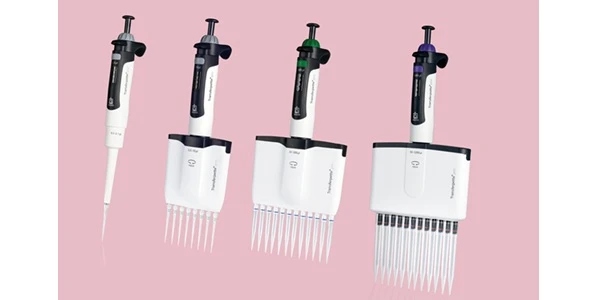
BRANDTECH Scientific Introduces the Transferpette® pro Micropipette: A New Twist on Comfort and Control
The latest addition to its trusted line of precision liquid handling instruments, engineered for comfort, control, and repeatable accuracy.
Jan 06, 2026
Featured, Technical Insight
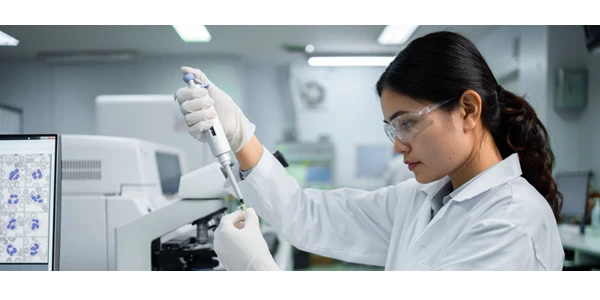
New Research Frontiers Unlocked by Next-Generation Flow Cytometry
Next-generation flow cytometry systems using acoustic focusing are opening entirely new areas of research that were previously impractical or inaccessible with conventional flow cytometers.
Jan 05, 2026
Buying Guides
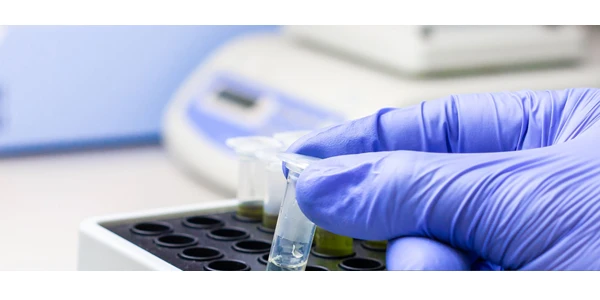
The Bottom Line: How Smart Microcentrifuge Tube Choices Impact Lab Efficiency and Cost
Innovative microcentrifuge tube solutions are more than just lab consumables—they’re strategic tools that can reduce costs, improve outcomes, and support long-term sustainability goals.
Jan 05, 2026
Buying Guides
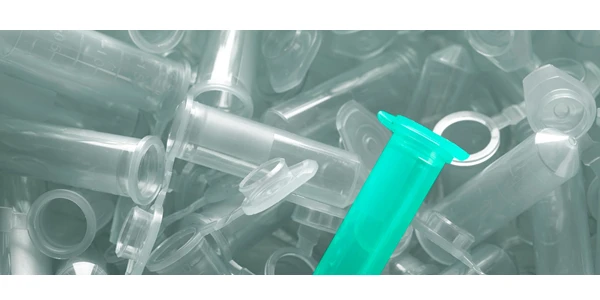
Future-Proofing Your Lab with Innovative Microcentrifuge Tube Solutions
As laboratories evolve to meet the growing demands of modern science, even the most basic tools—like microcentrifuge tubes—are being reimagined.
Jan 05, 2026
Buying Guides
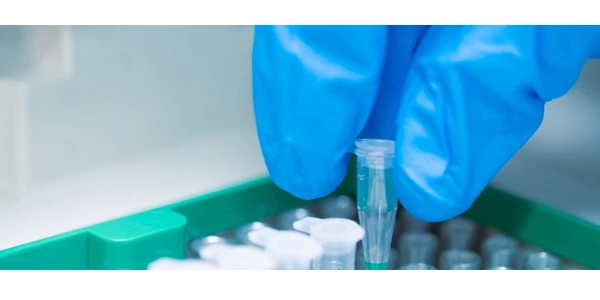
Microcentrifuge Tube Innovations: Driving Sustainable Change
Integrating next-generation consumables into standard workflows can lead to a more sustainable and responsible research environment.
Jan 05, 2026
Buying Guides
Single Use Plastics: How to Manage these Major Contributors to Lab Waste
Reducing lab waste isn’t just a sustainability issue—it’s a financial and operational one, too.
Jan 05, 2026
Buying Guides
Common Microcentrifuge Tube Challenges in Sensitive Molecular Workflows
Key factors that can impact the performance of microcentrifuge tubes for PCR, qPCR, and NGS and other sensitive applications
Jan 05, 2026
Buying Guides
How to Research the Right Microcentrifuge Tubes for Your Application
Selecting the right microcentrifuge tubes starts with understanding the specific demands of your application.
Jan 05, 2026
Technical Insight
The Best Confocal Microscopes of 2026
Discover the best confocal microscopes of 2026 for advanced imaging. Compare top models from Zeiss, Evident, and Nikon for speed, resolution, and budget.