
The Bottom Line: How Smart Microcentrifuge Tube Choices Impact Lab Efficiency and Cost

Written By: Damon Anderson, PhD
Jan 05, 2026
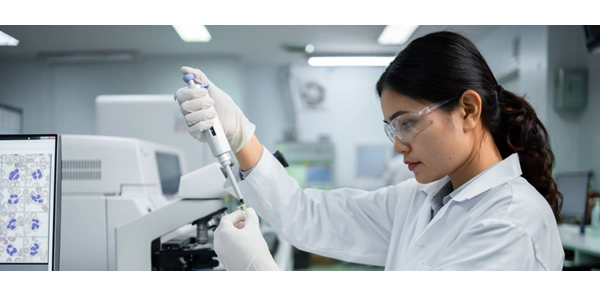
In laboratory operations, every detail counts. While high-cost equipment often gets the most scrutiny, smaller consumables like microcentrifuge tubes play an equally critical role in efficiency, accuracy, and long-term cost control. Forward-thinking labs are increasingly turning to advanced microcentrifuge tube solutions—such as low DNA binding and sustainable materials—not only for scientific performance but for their impact on the bottom line.
Here’s how smarter tube choices can contribute to a more profitable and efficient lab operation:
1. Higher Sample Recovery Means Less Waste
Low DNA binding microcentrifuge tubes minimize the loss of nucleic acids to tube surfaces. For high-value samples, such as those in next-generation sequencing (NGS) or clinical diagnostics, this translates into:
- Fewer repeat experiments due to sample loss
- Reduced reagent usage, as more of the original sample is retained
- Increased assay sensitivity, improving results on the first attempt
The improved efficiency directly lowers the cost per sample and enhances lab throughput—saving both time and materials.
2. Improved Data Quality Reduces Costly Errors
Poor-quality tubes can introduce contaminants, leachables, or variable wall thickness that lead to inconsistent results. This unreliability may result in:
- Delayed project timelines
- Additional QC steps
- Costly reruns or revalidation of data
Certified, high-performance tubes ensure consistent, reproducible results—critical for regulatory compliance and operational reliability.
3. Sustainable Tubes Lower Waste Management Costs
Sustainable microcentrifuge tubes—made from recycled or bio-based plastics, or designed with reduced material mass—help reduce lab-generated plastic waste. This contributes to:
- Lower disposal costs, especially for labs that pay by volume or weight
- Less frequent inventory restocking due to optimized designs
- Compliance with institutional or governmental sustainability mandates, potentially unlocking green funding or avoiding penalties
Implementing sustainable options not only supports environmental goals but also reduces the total cost of ownership.
4. Enhanced Lab Reputation = Increased Funding and Partnerships
Labs that demonstrate a commitment to high-quality, sustainable practices may benefit from:
- Improved appeal to grant agencies that prioritize reproducibility and ESG principles
- Stronger partnerships with biotech or pharma companies seeking reliable collaborators
- Attracting and retaining top talent who value sustainability and innovation
This reputational capital has real financial value, opening doors to larger-scale opportunities and long-term growth.
5. Standardization Simplifies Procurement and Reduces Waste
Selecting versatile microcentrifuge tubes that are compatible with multiple workflows and automation systems can:
- Streamline purchasing and reduce SKU complexity
- Simplify training and reduce user errors
- Cut down on obsolete or mismatched stock
These efficiencies translate to better inventory control and less budget tied up in underutilized products.
Summary
Innovative microcentrifuge tube solutions are more than just
lab consumables—they’re strategic tools that can reduce costs, improve
outcomes, and support long-term sustainability goals. By investing in
high-performance, low DNA binding, and eco-friendly tube options, labs can
drive better financial performance while aligning with the evolving expectations
of science and society.
Feb 19, 2026
Technical Insight
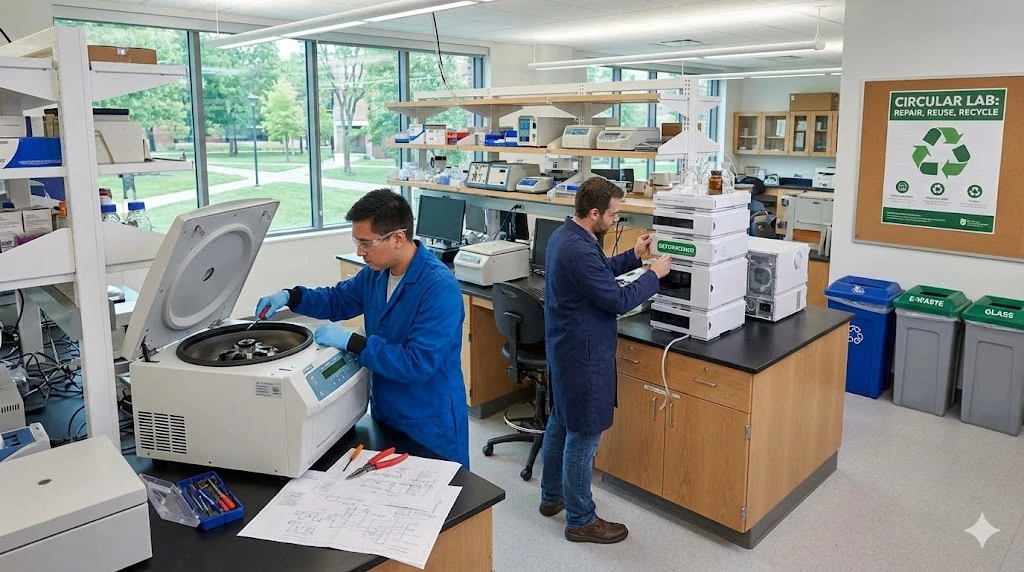
Circular Economy in Laboratory Equipment: How to Adopt Repair, Reuse, and Refurbishment Strategies
Adopting a circular economy for laboratory equipment minimizes environmental impact while maximizing instrument lifespan and optimizing laboratory budgets.
Feb 12, 2026
Product News
$5M+ in GMP Biopharma Manufacturing & QC Equipment Heads to Online Auction
A Southern California GMP manufacturing and clinical-stage QC laboratory is liquidating new and late-model equipment and unused inventory in an online auction opening February 11, 2026

Feb 12, 2026
Product News
2026 SLAS: Inspiration Catalyzing Discovery
A LabX look at the annual conference and exhibition, a key forum for networking, collaboration, and advancement of new technologies
Feb 11, 2026
Product News
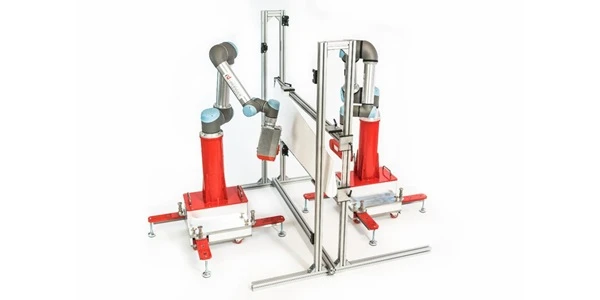
Angstrom Scientific Named U.S. Distributor for Radalytica’s RadalyX Robotic X-ray and CT System
Angstrom Scientific, known for representing microscopy and materials analysis technologies across North America, adds Radalytica’s robotic X-ray and CT platform to its portfolio of analytical and imaging solutions.

Feb 10, 2026
Technical Insight
Eco-Friendly Refrigeration: Evaluating Natural Refrigerants and Low-GWP Cooling Systems
This guide explains the operational and environmental benefits of adopting natural refrigerants and low-GWP cooling systems in laboratory settings

Feb 10, 2026
Technical Insight
The Ultimate Guide to Sustainability in Laboratory Equipment and Operations
A comprehensive analysis of sustainable laboratory practices, focusing on energy-efficient equipment, waste management, and digital workflows

Jan 09, 2026
Product News
BRANDTECH Scientific Introduces the Transferpette® pro Micropipette: A New Twist on Comfort and Control
The latest addition to its trusted line of precision liquid handling instruments, engineered for comfort, control, and repeatable accuracy.

Jan 06, 2026
Featured, Technical Insight
New Research Frontiers Unlocked by Next-Generation Flow Cytometry
Next-generation flow cytometry systems using acoustic focusing are opening entirely new areas of research that were previously impractical or inaccessible with conventional flow cytometers.
Jan 05, 2026
Buying Guides
The Bottom Line: How Smart Microcentrifuge Tube Choices Impact Lab Efficiency and Cost
Innovative microcentrifuge tube solutions are more than just lab consumables—they’re strategic tools that can reduce costs, improve outcomes, and support long-term sustainability goals.
Jan 05, 2026
Buying Guides
Future-Proofing Your Lab with Innovative Microcentrifuge Tube Solutions
As laboratories evolve to meet the growing demands of modern science, even the most basic tools—like microcentrifuge tubes—are being reimagined.