
Future-Proofing Your Lab with Innovative Microcentrifuge Tube Solutions

Written By: Damon Anderson, PhD
Jan 05, 2026

As laboratories evolve to meet the growing demands of precision science, regulatory scrutiny, and sustainability expectations, even the most basic tools—like microcentrifuge tubes—are being reimagined. Innovations such as low DNA binding technology and ecoconscious materials are no longer niche offerings; they are essential solutions for labs aiming to stay ahead of operational, scientific, and environmental challenges.
Here’s how these next-generation microcentrifuge tubes can help future-proof your lab:
Low DNA Binding Tubes: Supporting Sensitive, High-Impact Applications
Modern workflows—like next-generation sequencing (NGS), single-cell analysis, and qPCR—require exceptional sensitivity and consistency. In these applications, sample loss due to DNA or RNA binding to the tube walls can compromise data integrity and reproducibility.
Low DNA binding tubes solve this by incorporating specially treated surfaces or proprietary polymers that minimize nucleic acid adsorption. Benefits include:
- Greater sample recovery (often >99%), especially in low-concentration workflows
- Improved accuracy and reduced assay variability
- Reduced need for repeat assays, saving time and reagents
- Increased confidence in downstream applications, such as sequencing and molecular cloning
These performance advantages make low binding tubes indispensable in high-precision fields like molecular diagnostics, forensic analysis, and personalized medicine—areas expected to expand significantly in the coming years.
Sustainable Tubes: Meeting the Demand for Greener Labs
Laboratories are under increasing pressure to reduce their environmental footprint. Traditional microcentrifuge tubes contribute to the massive volume of single-use plastic waste generated globally each year.
Sustainable tube solutions now offer practical alternatives, such as:
- Recycled polypropylene (rPP) tubes made from post-consumer or postindustrial materials
- Bioplastic-based options derived from renewable sources
- Thin-wall designs that maintain performance while using less plastic
- Carbon-neutral and E-beam sterilized products to reduce environmental impact during production
Adopting these materials helps labs align with institutional Environmental, Social, and Governance (ESG) goals, reduce waste disposal costs, and meet future regulatory or funding requirements related to sustainability.
Why These Solutions Future-Proof Your Lab
- Regulatory Readiness: As agencies increasingly prioritize data integrity and traceability, high-performance consumables help ensure compliance.
- Sustainability Targets: Many organizations have set carbon neutrality or zero waste goals. Choosing sustainable consumables is a proactive step toward meeting those benchmarks.
- Budget Efficiency: Better performance and reduced waste translate into long-term cost savings, even if the initial price per tube is higher.
- Reputation and Competitiveness: Demonstrating a commitment to innovation and sustainability can strengthen your lab’s reputation with funders, partners, and clients.
Summary
Future-proofing your lab means thinking strategically—not just about instrumentation, but about every component that impacts data quality, operational efficiency, and environmental responsibility. Microcentrifuge tubes may be small, but innovations in their design and material composition have big implications. By choosing low DNA binding and sustainable solutions, your lab is better equipped to deliver reliable results, meet evolving standards, and support a more sustainable future for science.
Feb 19, 2026
Technical Insight
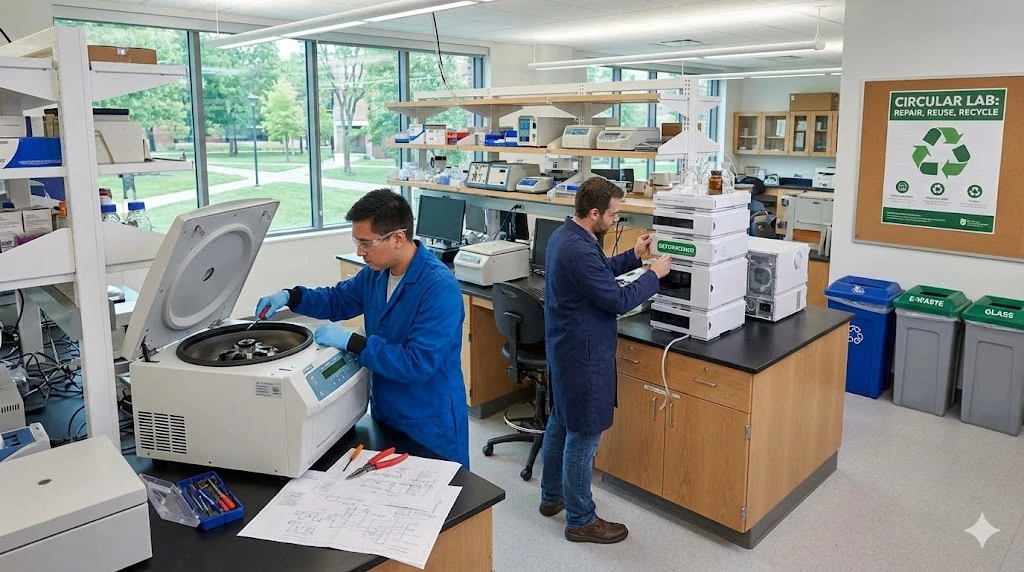
Circular Economy in Laboratory Equipment: How to Adopt Repair, Reuse, and Refurbishment Strategies
Adopting a circular economy for laboratory equipment minimizes environmental impact while maximizing instrument lifespan and optimizing laboratory budgets.
Feb 12, 2026
Product News
$5M+ in GMP Biopharma Manufacturing & QC Equipment Heads to Online Auction
A Southern California GMP manufacturing and clinical-stage QC laboratory is liquidating new and late-model equipment and unused inventory in an online auction opening February 11, 2026

Feb 12, 2026
Product News
2026 SLAS: Inspiration Catalyzing Discovery
A LabX look at the annual conference and exhibition, a key forum for networking, collaboration, and advancement of new technologies
Feb 11, 2026
Product News
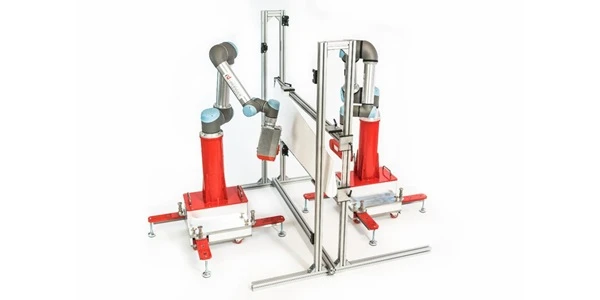
Angstrom Scientific Named U.S. Distributor for Radalytica’s RadalyX Robotic X-ray and CT System
Angstrom Scientific, known for representing microscopy and materials analysis technologies across North America, adds Radalytica’s robotic X-ray and CT platform to its portfolio of analytical and imaging solutions.
Feb 10, 2026
Technical Insight
Eco-Friendly Refrigeration: Evaluating Natural Refrigerants and Low-GWP Cooling Systems
This guide explains the operational and environmental benefits of adopting natural refrigerants and low-GWP cooling systems in laboratory settings

Feb 10, 2026
Technical Insight
The Ultimate Guide to Sustainability in Laboratory Equipment and Operations
A comprehensive analysis of sustainable laboratory practices, focusing on energy-efficient equipment, waste management, and digital workflows

Jan 09, 2026
Product News
BRANDTECH Scientific Introduces the Transferpette® pro Micropipette: A New Twist on Comfort and Control
The latest addition to its trusted line of precision liquid handling instruments, engineered for comfort, control, and repeatable accuracy.
Jan 06, 2026
Featured, Technical Insight
New Research Frontiers Unlocked by Next-Generation Flow Cytometry
Next-generation flow cytometry systems using acoustic focusing are opening entirely new areas of research that were previously impractical or inaccessible with conventional flow cytometers.
Jan 05, 2026
Buying Guides
The Bottom Line: How Smart Microcentrifuge Tube Choices Impact Lab Efficiency and Cost
Innovative microcentrifuge tube solutions are more than just lab consumables—they’re strategic tools that can reduce costs, improve outcomes, and support long-term sustainability goals.
Jan 05, 2026
Buying Guides
Future-Proofing Your Lab with Innovative Microcentrifuge Tube Solutions
As laboratories evolve to meet the growing demands of modern science, even the most basic tools—like microcentrifuge tubes—are being reimagined.