
New Research Frontiers Unlocked by Next-Generation Flow Cytometry

Written By: Damon Anderson, PhD
Jan 06, 2026
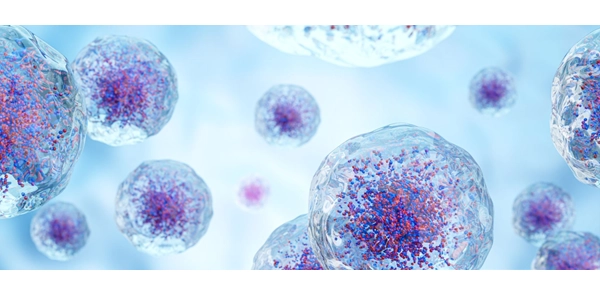
Flow cytometry has long been at the center of multiparametric single-cell analysis, enabling rapid quantification of cells based on light scattering and fluorescence. Traditional systems rely on hydrodynamic focusing, a sheath-based fluidic approach that aligns particles into a narrow stream for optical interrogation. While effective, this architecture imposes limits on throughput, volumetric accuracy, and the ability to handle fragile or heterogeneous samples.
Next-generation acoustic focusing flow cytometry has shifted these constraints. By using ultrasonic forces rather than hydrodynamic pressure to position particles in a sheath-less environment, acoustic focusing enables higher event rates, true volumetric quantitation, and gentler cell handling. These capabilities are not only improvements, they are opening entirely new areas of research that were previously impractical or inaccessible with conventional flow cytometers.High-Throughput Drug Discovery and Phenotypic Screening
Acoustic focusing has transformed flow cytometry into a scalable, high-throughput screening tool capable of interrogating millions of cells per experiment. Its compatibility with automation and microplate workflows makes the technique especially valuable in drug discovery environments where speed, consistency, and data density are critical.
Key research advances include:
- Automated compound screening, where seamless integration with robotic sample loaders and LIMS platforms supports continuous analysis in 96- and 384-well formats.
- Real-time kinetic assays, enabled by undiluted, volumetrically accurate sampling that captures rapid signaling events with high temporal resolution.
Together, these capabilities allow pharmaceutical and biotechnology teams to expand phenotypic screening while reducing consumable use and operational bottlenecks.
Cell Therapy and Regenerative Medicine
Cell therapy manufacturing places unique demands on analytical technologies, particularly around cell viability, accuracy, and process integration. Acoustic focusing can address these challenges by minimizing shear stress and enabling continuous, in-process analysis.
New research and manufacturing capabilities include:
- Preservation of fragile cells, with viability routinely exceeding 95% for sensitive stem and immune cell populations.
- Real-time process monitoring, allowing continuous sampling during bioreactor expansion or differentiation without disrupting production.
Acoustic focusing is increasingly adopted in closed, sterile monitoring loops for CAR-T and iPSC-derived therapies, providing near-real-time quality assurance throughout manufacturing.
Microbial and Environmental Applications
The speed and volumetric precision of next-generation flow cytometry have expanded its utility beyond mammalian systems into microbial, environmental, and industrial testing domains.
Emerging applications include:
- Rapid microbial enumeration, supporting high-speed quantitation of bacteria, yeast, and algae in drinking water, fermentation, and aquaculture.
- Biofilm and particulate analysis, where acoustic focusing preserves aggregates and morphology, enabling deeper insight into microbial community behavior.
These advances are particularly relevant for bioprocessing, environmental monitoring, and regulatory testing, where timely and reliable microbial data are essential.
Integration with Omics and AI-Driven Analytics
Next-generation flow cytometry is increasingly converging with multi-omics and machine learning workflows, extending its analytical reach well beyond traditional phenotyping.
Key research directions include:
- Multi-modal single-cell profiling, combining acoustic focusing with mass cytometry, Raman spectroscopy, or imaging flow cytometry to capture both phenotypic and molecular information.
- AI-based event classification, using high-throughput, high-dimensional datasets to train models that identify rare events or subtle phenotypes automatically.
These integrations are moving flow cytometry toward systems-level cellular characterization, bridging high-speed quantitation with molecular depth.
Summary
Selecting a next-generation flow cytometry platform is no longer just a hardware decision; it is a strategic investment in research scalability, data integrity, and future readiness. By reducing maintenance demands, improving reproducibility, and enabling gentle yet high-speed analysis, acoustic focusing systems are empowering laboratories to address today’s complex analytical challenges while positioning themselves for the next wave of scientific innovation.
Feb 19, 2026
Technical Insight
Circular Economy in Laboratory Equipment: How to Adopt Repair, Reuse, and Refurbishment Strategies
Adopting a circular economy for laboratory equipment minimizes environmental impact while maximizing instrument lifespan and optimizing laboratory budgets.
Feb 12, 2026
Product News
$5M+ in GMP Biopharma Manufacturing & QC Equipment Heads to Online Auction
A Southern California GMP manufacturing and clinical-stage QC laboratory is liquidating new and late-model equipment and unused inventory in an online auction opening February 11, 2026
Feb 12, 2026
Product News
2026 SLAS: Inspiration Catalyzing Discovery
A LabX look at the annual conference and exhibition, a key forum for networking, collaboration, and advancement of new technologies
Feb 11, 2026
Product News
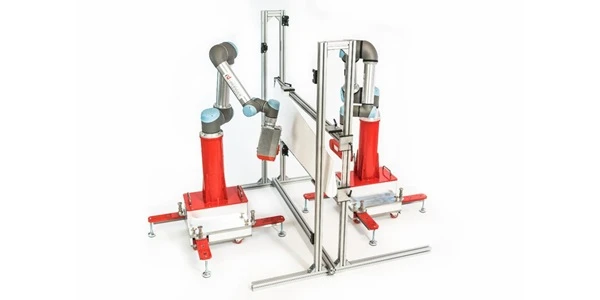
Angstrom Scientific Named U.S. Distributor for Radalytica’s RadalyX Robotic X-ray and CT System
Angstrom Scientific, known for representing microscopy and materials analysis technologies across North America, adds Radalytica’s robotic X-ray and CT platform to its portfolio of analytical and imaging solutions.
Feb 10, 2026
Technical Insight
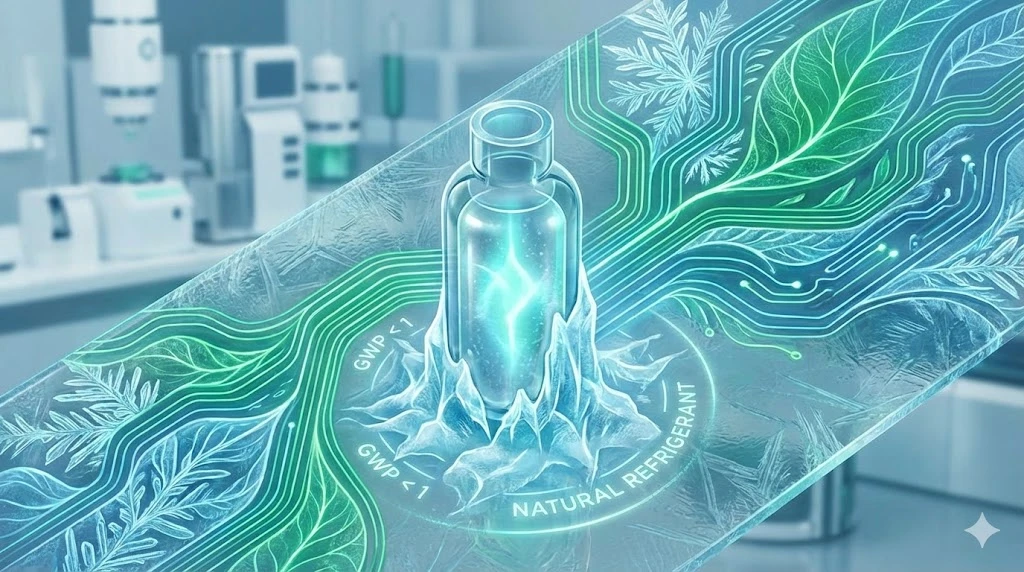
Eco-Friendly Refrigeration: Evaluating Natural Refrigerants and Low-GWP Cooling Systems
This guide explains the operational and environmental benefits of adopting natural refrigerants and low-GWP cooling systems in laboratory settings

Feb 10, 2026
Technical Insight
The Ultimate Guide to Sustainability in Laboratory Equipment and Operations
A comprehensive analysis of sustainable laboratory practices, focusing on energy-efficient equipment, waste management, and digital workflows
Jan 09, 2026
Product News
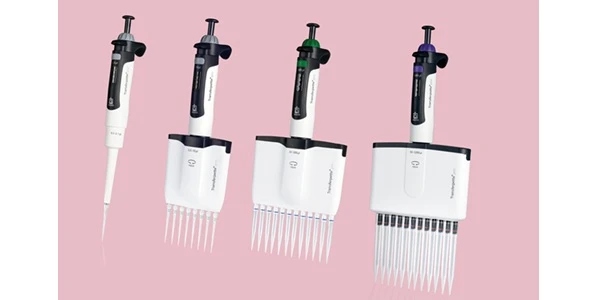
BRANDTECH Scientific Introduces the Transferpette® pro Micropipette: A New Twist on Comfort and Control
The latest addition to its trusted line of precision liquid handling instruments, engineered for comfort, control, and repeatable accuracy.
Jan 06, 2026
Featured, Technical Insight
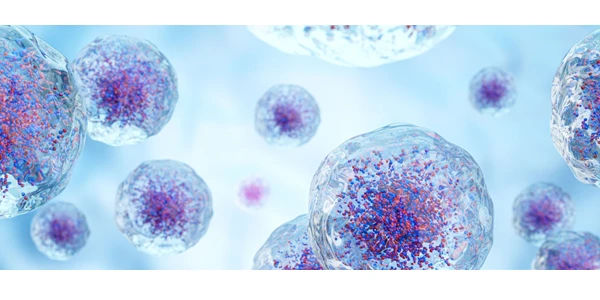
New Research Frontiers Unlocked by Next-Generation Flow Cytometry
Next-generation flow cytometry systems using acoustic focusing are opening entirely new areas of research that were previously impractical or inaccessible with conventional flow cytometers.
Jan 05, 2026
Buying Guides
The Bottom Line: How Smart Microcentrifuge Tube Choices Impact Lab Efficiency and Cost
Innovative microcentrifuge tube solutions are more than just lab consumables—they’re strategic tools that can reduce costs, improve outcomes, and support long-term sustainability goals.
Jan 05, 2026
Buying Guides
Future-Proofing Your Lab with Innovative Microcentrifuge Tube Solutions
As laboratories evolve to meet the growing demands of modern science, even the most basic tools—like microcentrifuge tubes—are being reimagined.