
Microcentrifuge Tube Innovations: Driving Sustainable Change

Written By: Damon Anderson, PhD
Jan 05, 2026

A major way to reduce the production of lab waste is the use of re-engineered single-use plastic consumables. This article explores innovative materials and designs that can serve as sustainable alternatives.
1. Bio-Based Plastics
Bio-based plastics derived from renewable sources like corn starch or sugarcane are being used to create lab consumables with a reduced carbon footprint. While performance still needs to match petroleum-based plastics in high-precision workflows, these materials are gaining traction for certain low-risk applications.
2. Recycled Polypropylene (rPP)
Some manufacturers are now producing tubes, tips, and containers from post-consumer or post-industrial recycled polypropylene. When properly validated, rPP products can meet the same performance and sterility standards as virgin materials, offering an effective way to close the loop on plastic waste.
3. Reduced-Plastic and Thin-Wall Designs
Consumables made with thinner walls or compact designs use significantly less plastic while maintaining structural integrity. These lightweight products also reduce shipping weight and storage space, further lowering the environmental burden.
4. Sterilization Innovations
Traditional gamma radiation sterilization can create harmful byproducts and requires extensive shielding infrastructure. Newer techniques like electron beam (E-beam) sterilization offer a cleaner alternative that consumes less energy and supports greener manufacturing.
5. Benefits Beyond the Environment
Adopting sustainable materials isn’t just about going green, it also offers strategic advantages, such as:
- Supporting institutional ESG goals
- Enhancing brand reputation and competitiveness
- Reducing disposal costs and regulatory burdens
- Future-proofing lab operations against evolving sustainability standards
Summary
Sustainability in science requires more than recycling bins and energy-efficient equipment. It demands a shift in how we source, use, and dispose of everyday lab items. Thanks to innovations in consumable materials—from bio-based plastics to recycled polymers—labs now have viable options to reduce their environmental impact while maintaining performance and compliance.
By integrating these next-generation consumables into standard workflows, labs can take meaningful steps toward a more sustainable and responsible research environment.
Feb 26, 2026
Product News
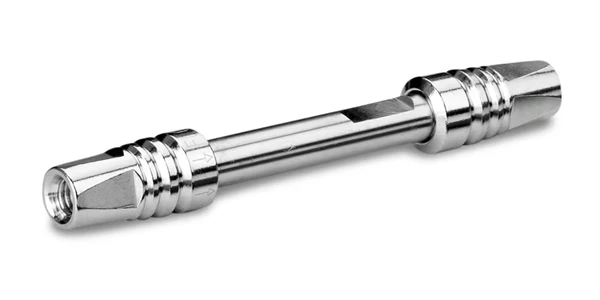
Waters Launches Microflow LC Columns with MaxPeak Premier Technology for Higher Sensitivity and Lower Resource Consumption
The product launch reflects continued investment in chromatographic chemistries that address real-world bottlenecks in method development and routine analysis
Feb 19, 2026
Technical Insight
Implementing Hydrogen Generators for Clean Lab Gas Supply: Safety and Benefits
Transitioning to on-site gas production streamlines analytical workflows, eliminates hazardous cylinder storage, and supports facility sustainability.
Feb 19, 2026
Technical Insight
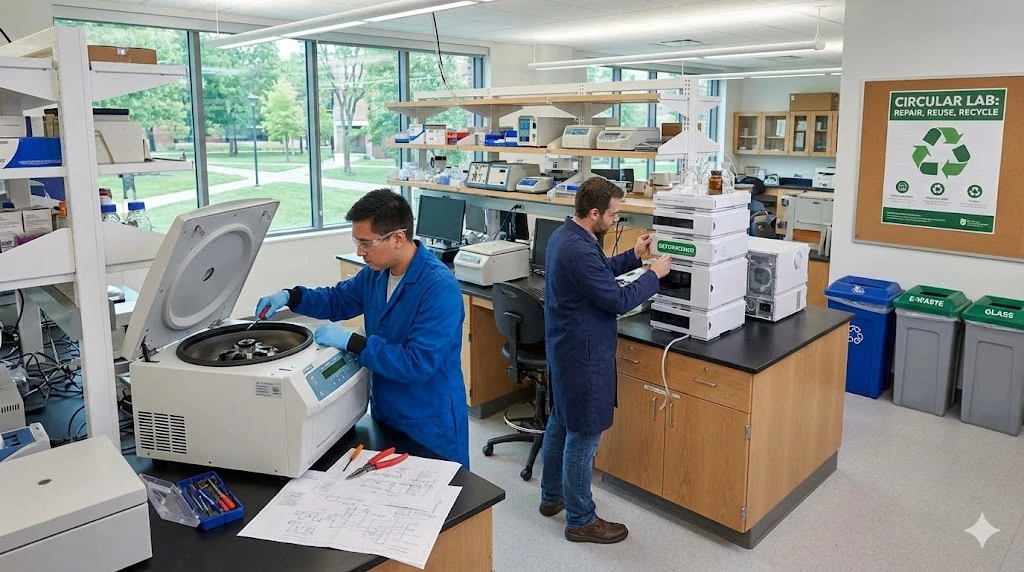
Circular Economy in Laboratory Equipment: How to Adopt Repair, Reuse, and Refurbishment Strategies
Adopting a circular economy for laboratory equipment minimizes environmental impact while maximizing instrument lifespan and optimizing laboratory budgets.
Feb 12, 2026
Product News
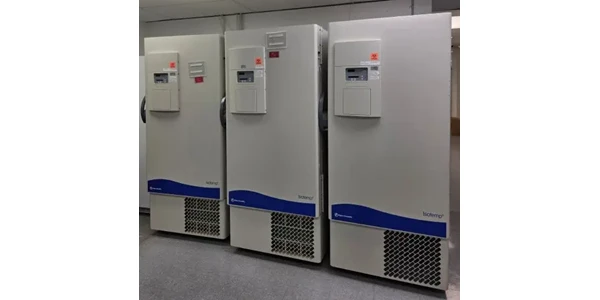
$5M+ in GMP Biopharma Manufacturing & QC Equipment Heads to Online Auction
A Southern California GMP manufacturing and clinical-stage QC laboratory is liquidating new and late-model equipment and unused inventory in an online auction opening February 11, 2026

Feb 12, 2026
Product News
2026 SLAS: Inspiration Catalyzing Discovery
A LabX look at the annual conference and exhibition, a key forum for networking, collaboration, and advancement of new technologies
Feb 11, 2026
Product News
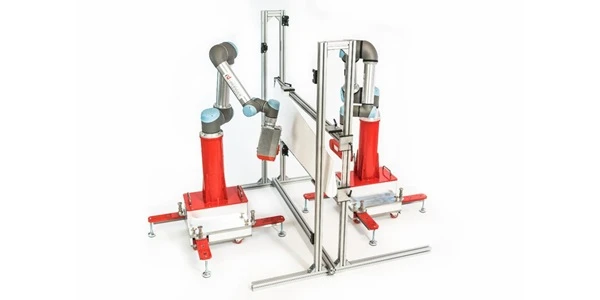
Angstrom Scientific Named U.S. Distributor for Radalytica’s RadalyX Robotic X-ray and CT System
Angstrom Scientific, known for representing microscopy and materials analysis technologies across North America, adds Radalytica’s robotic X-ray and CT platform to its portfolio of analytical and imaging solutions.
Feb 10, 2026
Technical Insight
Eco-Friendly Refrigeration: Evaluating Natural Refrigerants and Low-GWP Cooling Systems
This guide explains the operational and environmental benefits of adopting natural refrigerants and low-GWP cooling systems in laboratory settings
Feb 10, 2026
Technical Insight
The Ultimate Guide to Sustainability in Laboratory Equipment and Operations
A comprehensive analysis of sustainable laboratory practices, focusing on energy-efficient equipment, waste management, and digital workflows
Jan 12, 2026
Technical Insight
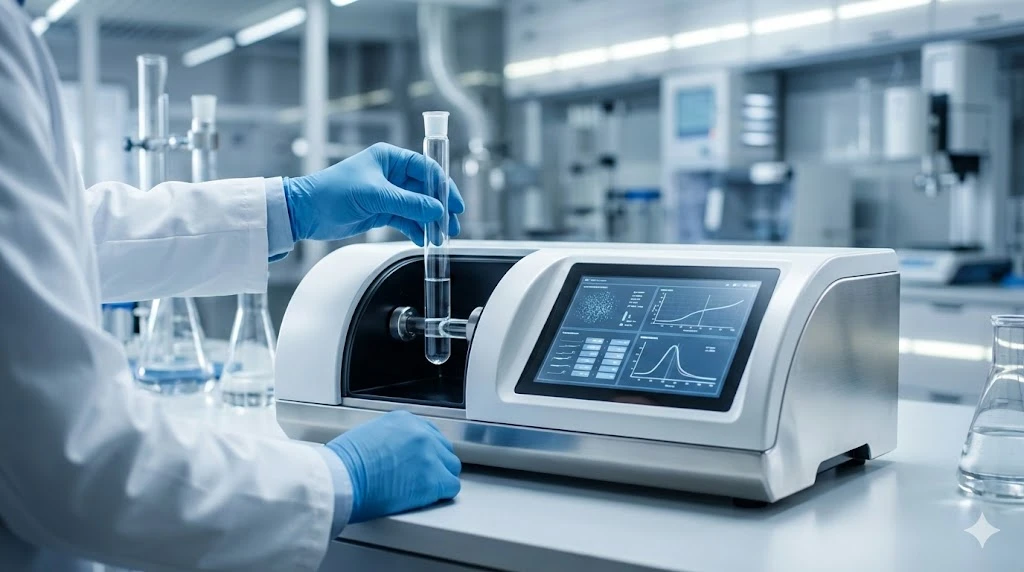
The Best Polarimeters of 2026
A comprehensive guide to the top-rated polarimeters of 2026, featuring high-speed, high-precision, and budget-friendly models for every laboratory application.

Jan 09, 2026
Product News
BRANDTECH Scientific Introduces the Transferpette® pro Micropipette: A New Twist on Comfort and Control
The latest addition to its trusted line of precision liquid handling instruments, engineered for comfort, control, and repeatable accuracy.