
Implementing Hydrogen Generators for Clean Lab Gas Supply: Safety and Benefits

Written By: Craig Bradley
Feb 19, 2026
Laboratory professionals constantly seek reliable methods to streamline analytical workflows and ensure continuous instrument operation. Integrating hydrogen generators provides a highly efficient solution for supplying carrier and fuel gases without the logistical burdens of traditional high-pressure cylinder management. These specialized systems produce ultra-high-purity gas on demand, directly supporting critical scientific applications like gas chromatography. By adopting on-site gas generation technology, research and clinical facilities enhance analytical precision. This approach simultaneously mitigates the severe safety risks associated with storing large volumes of compressed, highly flammable gases. Transitioning away from outdated gas delivery methods fundamentally modernizes the laboratory environment, removes supply chain bottlenecks, and establishes a foundation for safer, more predictable daily operations. On-site gas production replaces high-pressure cylinders by delivering continuous, high-purity gas directly to sensitive analytical instruments. Laboratory environments rely heavily on stable gas supplies to maintain baseline stability and accurate peak resolution during chromatographic analysis. Modern hydrogen generators utilize advanced proton exchange membrane (PEM) technology to extract hydrogen from deionized water. This highly efficient electrochemical process requires only electricity and water to function continuously. The internal electrolytic cell oxidizes water molecules at the anode, separating them into oxygen gas, electrons, and hydrogen ions. Subsequently, an electrical field pushes the hydrogen ions across the specialized polymer membrane to form ultra-high-purity gas on the cathode side. The system then safely vents the oxygen byproduct into the ambient atmosphere. Facilities primarily use this generated gas for gas chromatography. Hydrogen serves exceptionally well as a carrier gas due to its optimal linear velocity and low viscosity. According to the principles of the van Deemter equation, hydrogen provides a flatter performance curve at higher gas velocities compared to nitrogen or helium. This physical characteristic allows analysts to accelerate run times without sacrificing theoretical plates or peak resolution. Furthermore, hydrogen acts as a crucial fuel gas for flame ionization detectors and flame photometric detectors. Key functional advantages of utilizing hydrogen generators include: Consistent purity levels exceeding 99.9999%, which prevents stationary phase degradation within analytical columns. Continuous supply mechanisms, entirely eliminating analytical downtime caused by empty traditional cylinders. Adjustable delivery pressure and mass flow rates customized to specific analytical instrument requirements. Compact physical footprints that integrate seamlessly onto standard laboratory workbenches. Relying heavily on traditional cylinders often introduces inconsistencies into analytical data due to batch-to-batch trace gas variations. Generating gas continuously on demand ensures absolute chemical consistency across long analytical sequences. Transitioning away from mined or industrially distilled gases significantly lowers the overall environmental impact of analytical testing facilities. The global scientific community increasingly recognizes the urgent necessity of implementing sustainable laboratory practices. Helium extraction relies almost exclusively on natural gas mining operations, representing a highly carbon-intensive process with complex, fragile global supply chains. Similarly, isolating nitrogen requires cryogenic fractional distillation, an industrial procedure demanding massive amounts of electrical energy. Transporting heavy steel cylinders of helium or nitrogen across long distances via diesel trucks further increases the greenhouse gas emissions associated with routine laboratory operations. By adopting on-site hydrogen generators, facilities completely eliminate the recurring transportation logistics required for constant cylinder delivery and return. This operational transition immediately cuts the Scope 3 carbon emissions linked directly to vendor supply chains and transportation networks. Furthermore, producing hydrogen locally from deionized water offers a highly sustainable alternative to continuously depleting finite global helium reserves. Powering gas generation systems utilizing renewable facility electricity creates a nearly zero-emission gas supply chain. Many institutional sustainability programs actively target laboratory supply chains to meet corporate environmental goals. Eliminating heavy steel cylinders removes the industrial processes required for cylinder cleaning, hydrostatic testing, and high-pressure compression. These cumulative reductions in logistical and industrial overhead position on-site gas generation as a cornerstone technology for modern green laboratory initiatives. Modern on-demand gas systems incorporate multiple redundant fail-safes to prevent the accumulation of flammable gas within enclosed laboratory spaces. Safety remains the primary concern when handling flammable substances in analytical settings. Traditional steel cylinders typically store up to ~10,000 liters of gas at standard temperature and pressure (STP), depending on cylinder size and pressure. A catastrophic brass valve failure on a traditional cylinder can instantly release an explosive volume of gas into the laboratory atmosphere. Conversely, hydrogen generators store minimal volumes internally at any given time. The internal capacity rarely exceeds 50 milliliters, representing a fraction of the lower explosive limit for a standard laboratory room. Regulatory agencies strictly govern the storage and handling of compressed hazardous gases. The Occupational Safety and Health Administration mandates rigorous safety measures under standard 29 CFR 1910.103. Compliance with these federal regulations requires significant infrastructural investments. Facilities must install explosion-proof storage bunkers, intricate stainless-steel piping systems, and continuous atmospheric leak detection monitors. Transitioning to on-site hydrogen generators dramatically simplifies compliance with these stringent occupational regulations. Furthermore, guidelines from the National Fire Protection Association emphasize minimizing stored volumes to reduce inherent facility fire risks. Standard safety features integrated into modern generation systems include: Automatic pressure sensors that instantly detect downstream pipeline leaks and shut down electrochemical production. Internal water quality monitors that prevent thermal cell damage and potential short circuits. Active ventilation systems that safely expel minimal oxygen and moisture byproducts away from internal electronics. Mechanical pressure relief valves that prevent internal over-pressurization events during unexpected power failures. Peer-reviewed safety analyses from professional chemical societies emphasize that eliminating large-volume high-pressure storage represents the single most effective method for mitigating fire and explosion risks in chemical laboratories. Proper initial setup and scheduled preventative maintenance guarantee the long-term reliability and analytical consistency of on-site gas production equipment. Integrating new gas technology requires a careful evaluation of the surrounding laboratory environment. Installers must ensure adequate physical ventilation around the generation unit to allow for optimal thermal cooling. The equipment requires a dedicated, stable electrical supply circuit and a consistent source of high-quality deionized water. Facilities must supply water with a resistivity of at least 1 megohm-cm. However, many equipment manufacturers highly recommend 15 megohm-cm or higher to protect the delicate proton exchange membrane from microscopic mineral scaling. Engineers must utilize appropriate plumbing materials during the installation process. Stainless steel or cleaned medical-grade copper tubing prevents the outgassing and moisture permeation commonly associated with porous polymer tubing. Maintenance protocols for hydrogen generators remain straightforward and require minimal instrument downtime. Technicians must strictly perform several routine tasks: Replacing internal deionizer bags or purification cartridges every six months to maintain optimal water conductivity. Changing environmental air intake filters to prevent particulate dust accumulation on internal printed circuit boards. Replacing specialized water separation filters annually to ensure absolute gas dryness before instrument delivery. Conducting routine electronic leak checks on all external tubing connections and pressure regulators. Following these manufacturer-recommended maintenance schedules actively prevents costly emergency repairs. Ignoring baseline water quality requirements represents the most frequent cause of premature electrochemical cell failure. Facilities implementing strict preventative maintenance schedules routinely operate these generation systems successfully for up to a decade before requiring major internal component refurbishments. Eliminating recurring consumable costs and administrative overhead transforms on-site gas production into a highly profitable long-term technological investment. High-throughput scientific laboratories consume massive quantities of carrier and detector fuel gases daily. Purchasing, renting, and managing physical cylinders introduces complex administrative burdens and highly unpredictable recurring expenses. Ongoing global helium shortages frequently cause severe market price spikes and strict vendor supply allocations. These volatile market conditions constantly threaten the continuity of essential analytical testing services. Deploying hydrogen generators stabilizes operational facility budgets by fixing gas production costs exclusively to municipal water and facility electricity consumption. The initial capital return on investment typically occurs within twelve to eighteen months, heavily depending on the facility's overall baseline gas consumption rates. Beyond direct consumable gas costs, facilities realize significant hidden labor savings. Laboratory personnel no longer waste valuable analytical time moving heavy steel cylinders from receiving docks, installing heavy brass pressure regulators, or purging contaminated gas lines. This substantial reduction in manual labor translates directly into increased sample throughput and higher overall laboratory productivity. The World Health Organization publishes strict guidelines regarding laboratory quality management systems. On-site gas generation perfectly aligns with broader WHO LQMS principles emphasizing supply chain reliability by completely isolating the analytical laboratory from unpredictable external disruptions. Furthermore, consistent gas delivery directly supports compliance with stringent data integrity standards set by the Food and Drug Administration. Uninterrupted analytical sequences prevent voided sample runs and costly retesting procedures. Transitioning to on-site gas production fundamentally improves analytical laboratory operations and overall facility efficiency. Hydrogen generators deliver unparalleled gas purity, ensuring optimal chromatographic performance for highly sensitive analytical instruments. By eliminating the outdated necessity for high-pressure steel cylinders, facilities drastically reduce explosive workplace hazards and greatly simplify compliance with stringent occupational safety regulations. The generation technology completely eliminates reliance on fragile global supply chains, protecting sensitive operational budgets from volatile market pricing and unpredictable delivery shortages. Ultimately, integrating these advanced systems supports sustainable, highly efficient, and economically viable long-term laboratory practices. Yes. These systems store extremely small volumes of gas internally. They feature automatic leak detection and shutdown mechanisms, preventing atmospheric gas accumulation from ever reaching the lower explosive limit within a standard room. Routine preventative maintenance primarily involves monitoring internal water quality. Technicians must replace deionizer cartridges, moisture traps, and environmental air intake filters every six to twelve months to ensure continuous, reliable operation. Yes. Hydrogen provides excellent chromatographic resolution and faster linear analysis times compared to standard helium. Laboratories often achieve superior peak shapes and lower analytical limits of detection after adapting their official testing methods. With proper routine maintenance and strict adherence to input water quality requirements, a high-quality electrochemical cell generally operates effectively for five to ten years before requiring replacement or factory refurbishment. This article was created with the assistance of Generative AI and has undergone editorial review before publishing.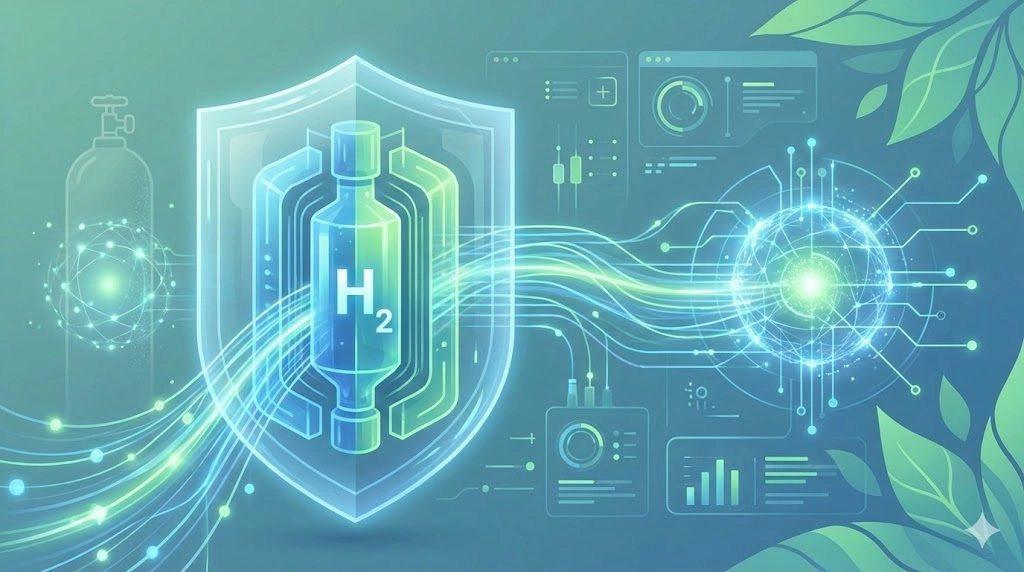
Overview of Hydrogen Generators for Gas Chromatography and Other Applications
Replacing Helium and Nitrogen Cylinders to Reduce Laboratory Carbon Footprints
Safety Protocols for Laboratory Hydrogen Supply Systems
Installation and Maintenance Considerations for Hydrogen Generators
Economic and Environmental Benefits of On-Site Hydrogen Generators for Analytical Labs
Conclusion: Maximizing Efficiency by Implementing Modern Hydrogen Generators
Frequently Asked Questions About Hydrogen Generators
Are Hydrogen Generators Safe for Standard Laboratory Environments?
What Maintenance Does a Typical Gas Generation Unit Require?
Can On-Demand Gas Replace Helium as a Carrier Gas in Gas Chromatography?
How Long Do Proton Exchange Membrane Cells Typically Last?
Feb 26, 2026
Product News
Waters Launches Microflow LC Columns with MaxPeak Premier Technology for Higher Sensitivity and Lower Resource Consumption
The product launch reflects continued investment in chromatographic chemistries that address real-world bottlenecks in method development and routine analysis
Feb 19, 2026
Technical Insight
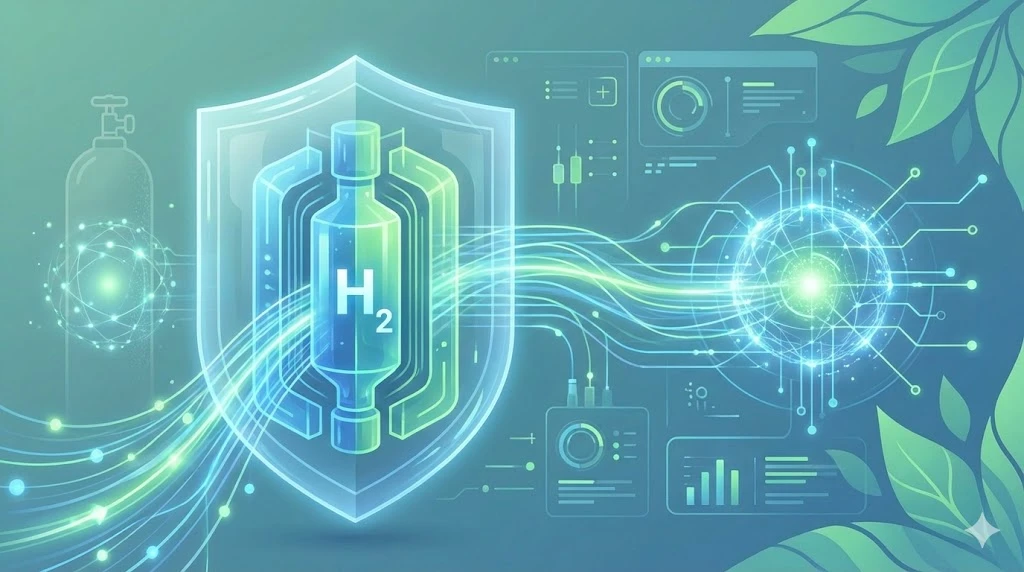
Implementing Hydrogen Generators for Clean Lab Gas Supply: Safety and Benefits
Transitioning to on-site gas production streamlines analytical workflows, eliminates hazardous cylinder storage, and supports facility sustainability.
Feb 19, 2026
Technical Insight
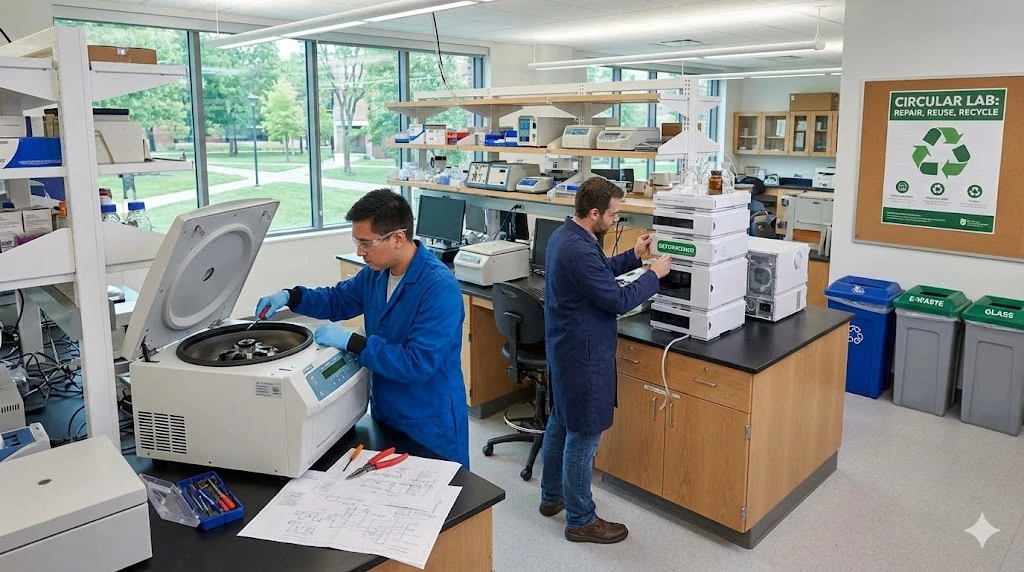
Circular Economy in Laboratory Equipment: How to Adopt Repair, Reuse, and Refurbishment Strategies
Adopting a circular economy for laboratory equipment minimizes environmental impact while maximizing instrument lifespan and optimizing laboratory budgets.
Feb 12, 2026
Product News
$5M+ in GMP Biopharma Manufacturing & QC Equipment Heads to Online Auction
A Southern California GMP manufacturing and clinical-stage QC laboratory is liquidating new and late-model equipment and unused inventory in an online auction opening February 11, 2026

Feb 12, 2026
Product News
2026 SLAS: Inspiration Catalyzing Discovery
A LabX look at the annual conference and exhibition, a key forum for networking, collaboration, and advancement of new technologies
Feb 11, 2026
Product News
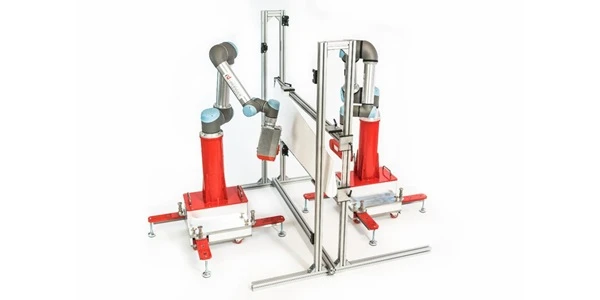
Angstrom Scientific Named U.S. Distributor for Radalytica’s RadalyX Robotic X-ray and CT System
Angstrom Scientific, known for representing microscopy and materials analysis technologies across North America, adds Radalytica’s robotic X-ray and CT platform to its portfolio of analytical and imaging solutions.
Feb 10, 2026
Technical Insight
Eco-Friendly Refrigeration: Evaluating Natural Refrigerants and Low-GWP Cooling Systems
This guide explains the operational and environmental benefits of adopting natural refrigerants and low-GWP cooling systems in laboratory settings

Feb 10, 2026
Technical Insight
The Ultimate Guide to Sustainability in Laboratory Equipment and Operations
A comprehensive analysis of sustainable laboratory practices, focusing on energy-efficient equipment, waste management, and digital workflows
Jan 12, 2026
Technical Insight
The Best Polarimeters of 2026
A comprehensive guide to the top-rated polarimeters of 2026, featuring high-speed, high-precision, and budget-friendly models for every laboratory application.

Jan 09, 2026
Product News
BRANDTECH Scientific Introduces the Transferpette® pro Micropipette: A New Twist on Comfort and Control
The latest addition to its trusted line of precision liquid handling instruments, engineered for comfort, control, and repeatable accuracy.