
How to Research the Right Microcentrifuge Tubes for Your Application

Written By: Damon Anderson, PhD
Jan 05, 2026
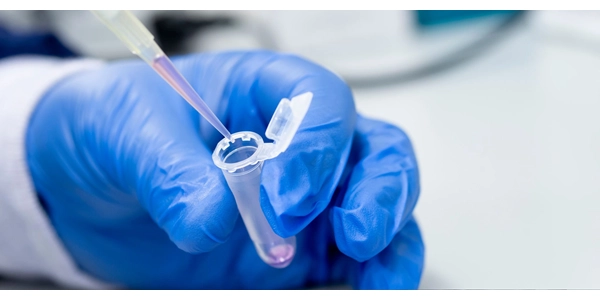
Microcentrifuge tubes are fundamental to laboratory workflows. The wrong choice, however, can lead to inconsistent results, compromised sample integrity, and unnecessary costs. Whether you’re running routine assays or high-sensitivity protocols, selecting the right microcentrifuge tubes starts with understanding the specific demands of your application.
Below are key factors to consider when researching microcentrifuge tubes.
1. Material Composition
Most microcentrifuge tubes are made from medical-grade polypropylene due to its chemical resistance and ability to withstand high centrifugal forces and temperature fluctuations. Ensure the material is inert, autoclavable, and certified free from additives that could interfere with downstream applications like PCR or sequencing.
2. RCF Rating (Centrifuge Tolerance)
Microcentrifuge tubes must withstand the relative centrifugal force (RCF) generated during spins. Choose tubes rated for your maximum centrifuge speed—typically up to 20,000 x g or higher. Using tubes below the required RCF rating risks deformation or rupture, potentially damaging equipment or losing samples.
3. Volume and Graduations
Tubes are available in various capacities, including 0.5 mL, 1.5 mL, and 2.0 mL. Accurate volume markings and transparent walls support precise measurements and easy sample inspection. Choose based on your workflow’s required sample volume and storage format.
4. Cap Style and Seal Integrity
Leak-proof sealing is essential for preventing evaporation, contamination, and spills. Snapcap and screw-cap designs offer different advantages. Snap caps provide convenience for routine workflows, while screw caps offer better sealing under extreme conditions. Some caps include O-rings for enhanced security.
5. Certifications and Purity Standards
For molecular biology applications, tubes should be certified RNase-, DNase-, and pyrogen-free. For cell biology or clinical diagnostics, endotoxin-free and non-cytotoxic certifications may also be necessary.
6. Special Features for Sensitive Applications
If you’re working with low DNA/RNA concentrations or performing next-generation sequencing (NGS), consider low binding microcentrifuge tubes. Some tubes reduce sample loss by using specialized surface treatments that prevent nucleic acid or protein adhesion, others use advanced polymer technology to minimize DNA binding.
7. Automation and Storage Compatibility
For high-throughput labs, compatibility with robotic systems, barcode labeling, and standardized racks can improve efficiency. Additionally, tubes should maintain integrity under long-term storage, especially if exposed to cryogenic or high-heat conditions.
Summary
When researching microcentrifuge tubes, think beyond price. The right choice depends on application-specific needs such as RCF tolerance, sample volume, purity, and workflow integration. Prioritizing performance, reliability, and compatibility will help ensure consistent results and minimize waste or rework.
Mar 02, 2026
Product News
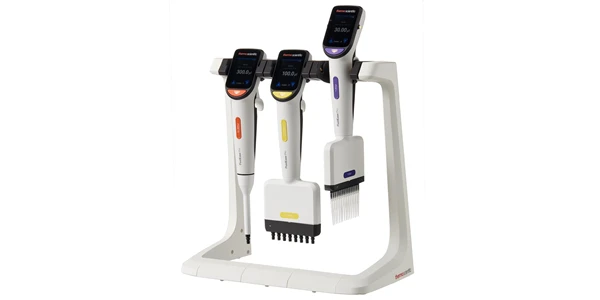
Thermo Fisher Launches Fluid Ease™ Pro ClipTip™ Electronic Pipette with High-Resolution Touchscreen and Advanced Workflow Controls
The system combines programmable control, intelligent power management, and a secure tip attachment mechanism to support consistent, reproducible liquid handling.
Feb 26, 2026
Product News
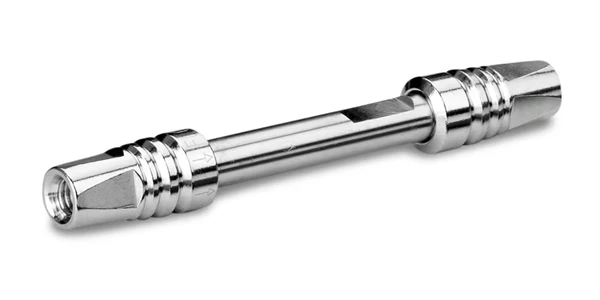
Waters Launches Microflow LC Columns with MaxPeak Premier Technology for Higher Sensitivity and Lower Resource Consumption
The product launch reflects continued investment in chromatographic chemistries that address real-world bottlenecks in method development and routine analysis

Feb 19, 2026
Technical Insight
Implementing Hydrogen Generators for Clean Lab Gas Supply: Safety and Benefits
Transitioning to on-site gas production streamlines analytical workflows, eliminates hazardous cylinder storage, and supports facility sustainability.
Feb 19, 2026
Technical Insight
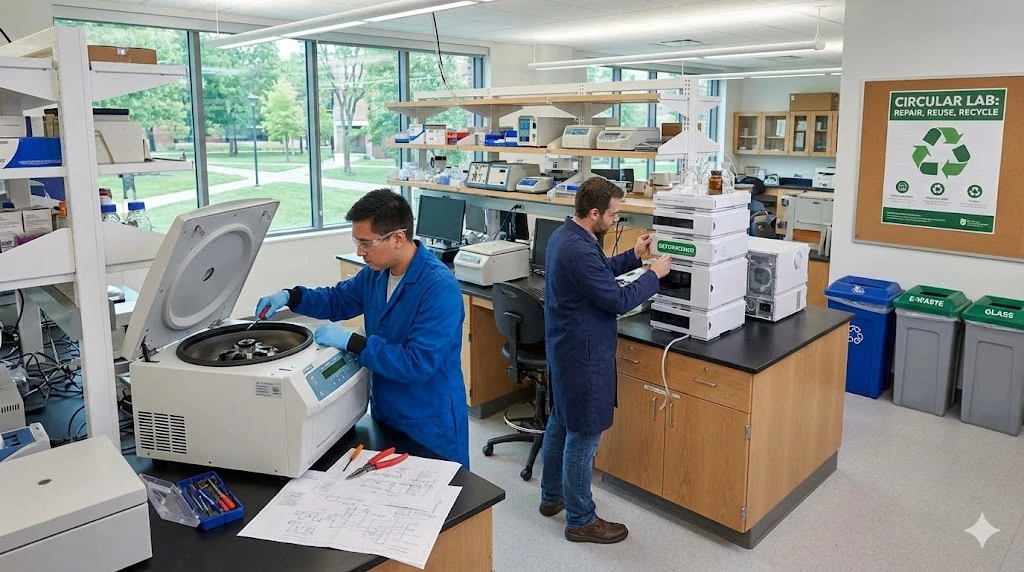
Circular Economy in Laboratory Equipment: How to Adopt Repair, Reuse, and Refurbishment Strategies
Adopting a circular economy for laboratory equipment minimizes environmental impact while maximizing instrument lifespan and optimizing laboratory budgets.
Feb 12, 2026
Product News
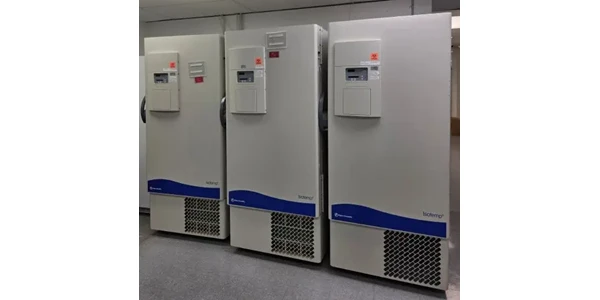
$5M+ in GMP Biopharma Manufacturing & QC Equipment Heads to Online Auction
A Southern California GMP manufacturing and clinical-stage QC laboratory is liquidating new and late-model equipment and unused inventory in an online auction opening February 11, 2026

Feb 12, 2026
Product News
2026 SLAS: Inspiration Catalyzing Discovery
A LabX look at the annual conference and exhibition, a key forum for networking, collaboration, and advancement of new technologies
Feb 11, 2026
Product News
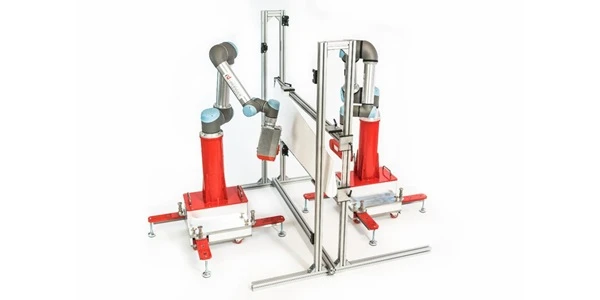
Angstrom Scientific Named U.S. Distributor for Radalytica’s RadalyX Robotic X-ray and CT System
Angstrom Scientific, known for representing microscopy and materials analysis technologies across North America, adds Radalytica’s robotic X-ray and CT platform to its portfolio of analytical and imaging solutions.

Feb 10, 2026
Technical Insight
Eco-Friendly Refrigeration: Evaluating Natural Refrigerants and Low-GWP Cooling Systems
This guide explains the operational and environmental benefits of adopting natural refrigerants and low-GWP cooling systems in laboratory settings

Feb 10, 2026
Technical Insight
The Ultimate Guide to Sustainability in Laboratory Equipment and Operations
A comprehensive analysis of sustainable laboratory practices, focusing on energy-efficient equipment, waste management, and digital workflows
Jan 12, 2026
Technical Insight
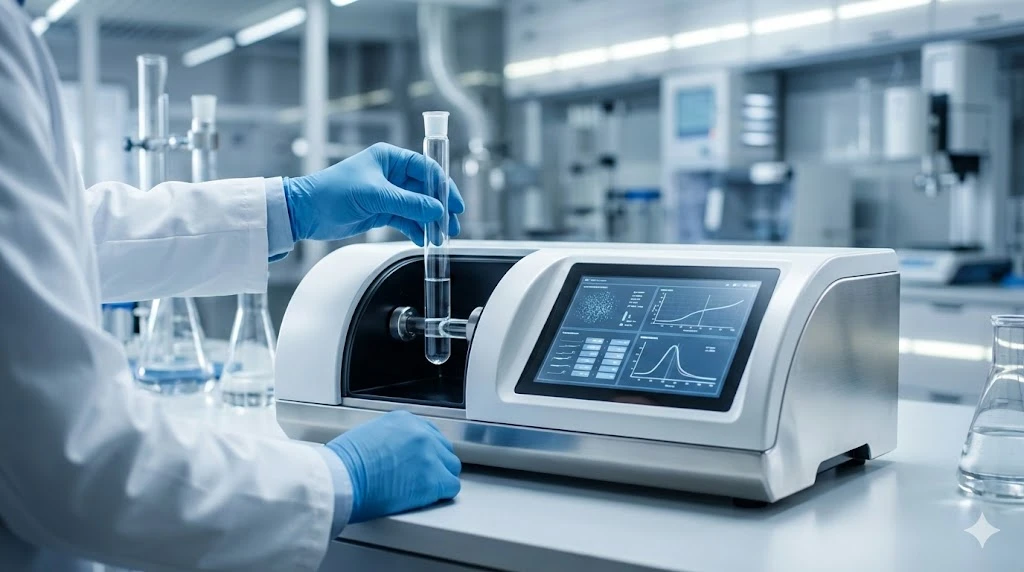
The Best Polarimeters of 2026
A comprehensive guide to the top-rated polarimeters of 2026, featuring high-speed, high-precision, and budget-friendly models for every laboratory application.