
Single Use Plastics: How to Manage these Major Contributors to Lab Waste

Written By: Damon Anderson, PhD
Jan 05, 2026

Labs can be significant sources of waste. The consumption of organic reagents, the use of disposable products, and the production of hazardous or infectious waste represent real challenges to lab sustainability.
This article investigates the nature of lab waste and strategies that can be implemented to reduce the dependence on these materials.
Single-Use Plastics
Items like pipette tips, tubes, and plates are used in high volumes and often discarded after a single use due to contamination risks. These plastics are usually made from polypropylene or polystyrene and are not easily recyclable through standard waste streams.
Packaging Waste
Laboratory supplies often arrive heavily packaged with foam inserts, plastic wrap, and multilayer boxes to ensure sterility and protection during transit. This protective packaging quickly adds up in volume.
Expired or Excess Inventory
Overordering, poor storage practices, and unclear inventory tracking can result in expired reagents or unused consumables, leading to unnecessary disposal.
Contaminated Materials
Once a plastic item comes into contact with biohazardous or chemical materials, it must be treated as hazardous waste, making it ineligible for recycling.
Strategies for Reducing Lab Consumables Waste
1. Audit and Track Waste
Conduct regular waste audits to identify the most common types of waste and where reductions can be made. Monitoring consumption patterns also helps inform smarter purchasing decisions.
2. Switch to Sustainable Alternatives
Look for eco-conscious products such as:
- Recyclable or bio-based plastics
- Low-plastic packaging
- Reusable labware for appropriate workflows
Some vendors now offer E-beam sterilized or carbon-neutral certified consumables, which support sustainability goals without sacrificing performance.
3. Implement Green Purchasing Policies
Prioritize suppliers that offer take-back programs, minimal packaging, and environmental certifications. Bulk ordering and consolidated shipments can also reduce packaging waste.
4. Educate and Engage Lab Staff
Build a culture of sustainability by training lab members on proper waste segregation, reuse protocols, and inventory management. Clear signage and recycling bins placed strategically around the lab can encourage better disposal habits.
5. Use Digital Tracking Systems
Inventory management software can help reduce overordering and expired stock by providing real-time visibility into reagent levels and usage history.
Summary
Reducing lab waste isn’t just a sustainability issue—it’s a financial and operational one, too. By minimizing the use of disposable plastics, switching to greener alternatives, and managing resources more efficiently, lab professionals can help reduce environmental impact while improving the bottom line. Small changes, implemented at scale, can lead to measurable improvements in sustainability and research efficiency.
Feb 19, 2026
Technical Insight
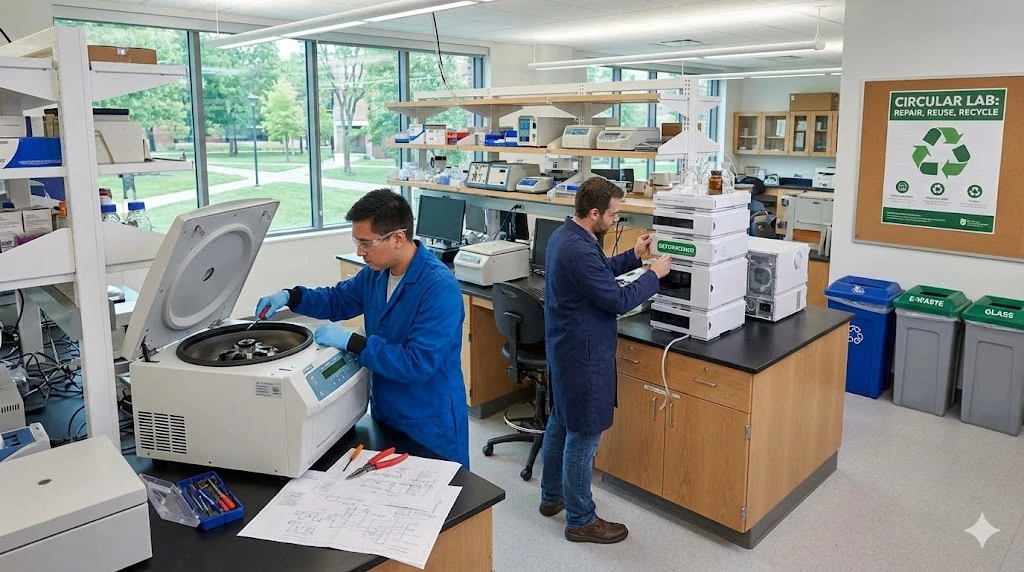
Circular Economy in Laboratory Equipment: How to Adopt Repair, Reuse, and Refurbishment Strategies
Adopting a circular economy for laboratory equipment minimizes environmental impact while maximizing instrument lifespan and optimizing laboratory budgets.
Feb 12, 2026
Product News
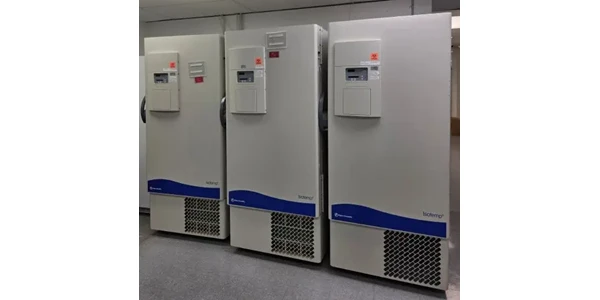
$5M+ in GMP Biopharma Manufacturing & QC Equipment Heads to Online Auction
A Southern California GMP manufacturing and clinical-stage QC laboratory is liquidating new and late-model equipment and unused inventory in an online auction opening February 11, 2026

Feb 12, 2026
Product News
2026 SLAS: Inspiration Catalyzing Discovery
A LabX look at the annual conference and exhibition, a key forum for networking, collaboration, and advancement of new technologies
Feb 11, 2026
Product News
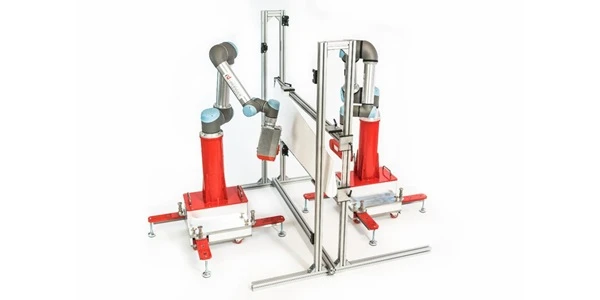
Angstrom Scientific Named U.S. Distributor for Radalytica’s RadalyX Robotic X-ray and CT System
Angstrom Scientific, known for representing microscopy and materials analysis technologies across North America, adds Radalytica’s robotic X-ray and CT platform to its portfolio of analytical and imaging solutions.
Feb 10, 2026
Technical Insight
Eco-Friendly Refrigeration: Evaluating Natural Refrigerants and Low-GWP Cooling Systems
This guide explains the operational and environmental benefits of adopting natural refrigerants and low-GWP cooling systems in laboratory settings
Feb 10, 2026
Technical Insight
The Ultimate Guide to Sustainability in Laboratory Equipment and Operations
A comprehensive analysis of sustainable laboratory practices, focusing on energy-efficient equipment, waste management, and digital workflows
Jan 09, 2026
Product News
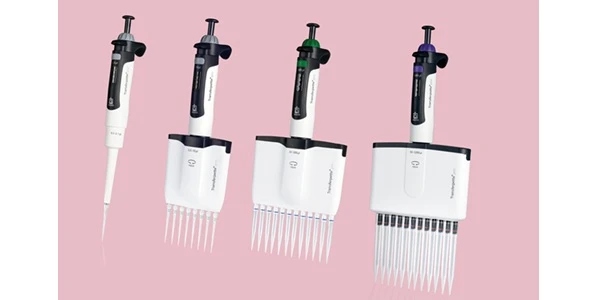
BRANDTECH Scientific Introduces the Transferpette® pro Micropipette: A New Twist on Comfort and Control
The latest addition to its trusted line of precision liquid handling instruments, engineered for comfort, control, and repeatable accuracy.
Jan 06, 2026
Featured, Technical Insight
New Research Frontiers Unlocked by Next-Generation Flow Cytometry
Next-generation flow cytometry systems using acoustic focusing are opening entirely new areas of research that were previously impractical or inaccessible with conventional flow cytometers.
Jan 05, 2026
Buying Guides
The Bottom Line: How Smart Microcentrifuge Tube Choices Impact Lab Efficiency and Cost
Innovative microcentrifuge tube solutions are more than just lab consumables—they’re strategic tools that can reduce costs, improve outcomes, and support long-term sustainability goals.
Jan 05, 2026
Buying Guides
Future-Proofing Your Lab with Innovative Microcentrifuge Tube Solutions
As laboratories evolve to meet the growing demands of modern science, even the most basic tools—like microcentrifuge tubes—are being reimagined.