
SCIEX Expands the ZenoTOF Line With Software and Integration Updates: What Omics Buyers Should Weigh

Written By: Craig Bradley
Published: Jun 12, 2026
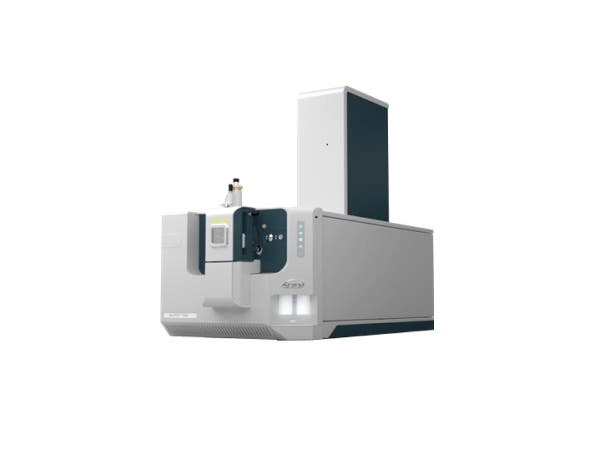
SCIEX, a Danaher operating company, used ASMS 2026 to expand its accurate-mass ZenoTOF line, but the headline is software and connectivity, not a new instrument. The platform itself, the ZenoTOF 8600, launched at last year's ASMS. What changed this year is a new software release, broader front-end compatibility, and a set of third-party integrations and collaborations aimed at omics researchers.
For buyers, that distinction matters. If you already run a ZenoTOF system, much of this arrives as software and method updates you may be entitled to, so the real question is what is included versus paid. If you are evaluating a purchase, the pitch is increasingly about the connected ecosystem around the instrument, where several pieces are still described as collaborations, agreements, or plans rather than shipping products.
Editor's Note: This is an ecosystem and software story layered onto an existing platform, not a new box to evaluate from scratch. Omics groups are under pressure to push proteome and metabolome depth higher while driving cost per sample down, which is exactly where data-independent acquisition refinements and high-throughput front ends are aimed. Buyers should separate what ships in SCIEX OS 5.0 today from the third-party collaborations, and confirm which integrations are generally available rather than early access for their specific configuration.
Four figures frame the announcement:
- Up to 1 sample per second: the sampling rate SCIEX cites for the Echo MS+ and ZenoTOF 8600 pairing, which it calls the industry's highest-throughput accurate-mass platform (vendor performance claim, for acoustic-ejection high-throughput screening rather than routine chromatographic runs)
- Roughly 10% to 40%: vendor-reported gains in both identification and quantitation with enhanced sensitivity mode on, specifically for low-input nanoflow proteomics (vendor figure under narrow conditions, not a blanket performance increase)
- Up to 500 samples per day: proteomics throughput shown for the ZT Scan DIA workflow, with supporting figures coming from SCIEX technical notes and a 2026 preprint that has not been peer reviewed (research benchmark, not a guaranteed result in your lab)
- Six third-party tie-ins named: spanning front-end hardware and data software, several described as collaborations, agreements, or plans rather than finished, shipping integrations (commercial and partnership status, maturity varies)
Buyer's note: The sensitivity and depth numbers are real but conditional. They depend on enhanced sensitivity mode, specific low-input nanoflow methods, particular columns and gradients, and favorable sample types, and the deepest proteome figures come from vendor technical notes and a not-yet-peer-reviewed preprint co-authored by the platform's developers. Treat them as what the system can do in optimized hands, then budget method-development time to approach them on your own samples.
What actually ships in SCIEX OS 5.0
The clearest near-term value sits in the software. SCIEX OS 5.0 adds fleet-oriented tools, including a Central Metrics Tracker and Central Monitoring for watching instrument and method performance, a Reporter Template Creator, and two AI-enabled additions, a "help me" function and Calculated Columns. For labs running several instruments, the monitoring and reporting tools are the kind of operational upgrade that pays off in uptime and review time.
On the acquisition side, ZT Scan DIA 3.0 is the headline method. It pairs>Against the broader high-end accurate-mass field, the trade-offs a buyer weighs look like this:
- Architecture: this is a Zeno trap-enabled quadrupole time-of-flight, which favors fast acquisition and broad MS/MS coverage; competing high-resolution approaches in this tier vary, and some prioritize raw resolving power over acquisition speed
- Fragmentation: electron activated dissociation is a differentiator for structural and modification work, where collision-based fragmentation alone can fall short; availability of comparable electron-based methods varies by platform
- Quantitation: the pitch is triple-quadrupole-like quantitation on an accurate-mass system, which is genuinely useful, though established triple quads still anchor routine regulated quantitation
- Ecosystem: the open software collaborations and front-end flexibility are a real strength; the counterweight is that the deepest performance claims often assume specific partner LC and column setups
Purchasing considerations by lab type
Current ZenoTOF owners
If you already run a ZenoTOF 8600 or 7600-series system, this is mostly about getting more from what you have. Confirm with SCIEX which OS 5.0 features and which ZT Scan DIA 3.0 methods apply to your exact configuration, and whether any require paid upgrades, new licenses, or hardware. The monitoring and reporting tools are worth turning on early if you operate a multi-instrument lab.
High-throughput discovery and screening labs
For large-cohort proteomics or high-throughput screening, throughput is the draw, whether through ZT Scan DIA at up to 500 samples per day or the acoustic-ejection Echo MS+ front end. Peak performance assumes specific front-end hardware, including Evosep separations and IonOpticks columns, so price the full stack rather than the mass spectrometer alone. The HDX-MS automation tie-in with Trajan Scientific and Medical is worth a look if protein structure and binding are in scope.
Proteomics and metabolomics groups tied to existing pipelines
The software collaborations matter most here. Compatibility with BSI PEAKS for proteomics, with MS-Dial for metabolomics and lipidomics, and the MZIO integration that brings SCIEX data into the open-source mzmine, all let you keep data inside tools you already trust. Confirm that the specific data compatibility you need is generally available rather than in development, and check version support against your current workflow before counting on it.
Regulated-workflow notice
The ZenoTOF line is positioned for research and discovery, and many of these features target omics rather than regulated quantitation. Labs using accurate-mass quantitation to support nonclinical or clinical submissions should validate methods against ICH M10 expectations for selectivity, accuracy, precision, and stability, since a high-resolution platform does not remove that burden. Any new software version or acquisition method introduced into a qualified workflow should go through documented change control before it touches regulated data.
Buyer's note: Phrases like industry's highest-throughput accurate-mass platform and step change are vendor framing, and rival platforms make their own leadership claims on different axes such as resolving power or established quantitation. The genuinely strong, verifiable parts of this release are the software and the breadth of open integrations. Weigh the marketing superlatives against independent benchmarks and your own data, not against competitors' marketing.
SCIEX framed the update as more than incremental. Jose Castro-Perez, the company's vice president of product management, put it this way:
"we are not just delivering incremental performance, but a step change in how researchers can move across the omics continuum"
Jose Castro-Perez, Vice President of Product Management, SCIEX
For broader context on where these capabilities sit, see LabX's overview of mass spectrometry technology trends
What to do now
Read this as an ecosystem upgrade to an established platform, not a reason to restart your evaluation. If you own a ZenoTOF system, ask SCIEX exactly which OS 5.0 and ZT Scan DIA 3.0 capabilities you get and at what cost, and turn on the monitoring tools early. If you are buying, demo the throughput and depth claims on your own samples, price the full LC, column, and software stack, and treat the open integrations as the most durable advantage on offer.
Nov 04, 2026
Product News
Agilent 5987A MSD: Should 5977-Series Labs Upgrade?
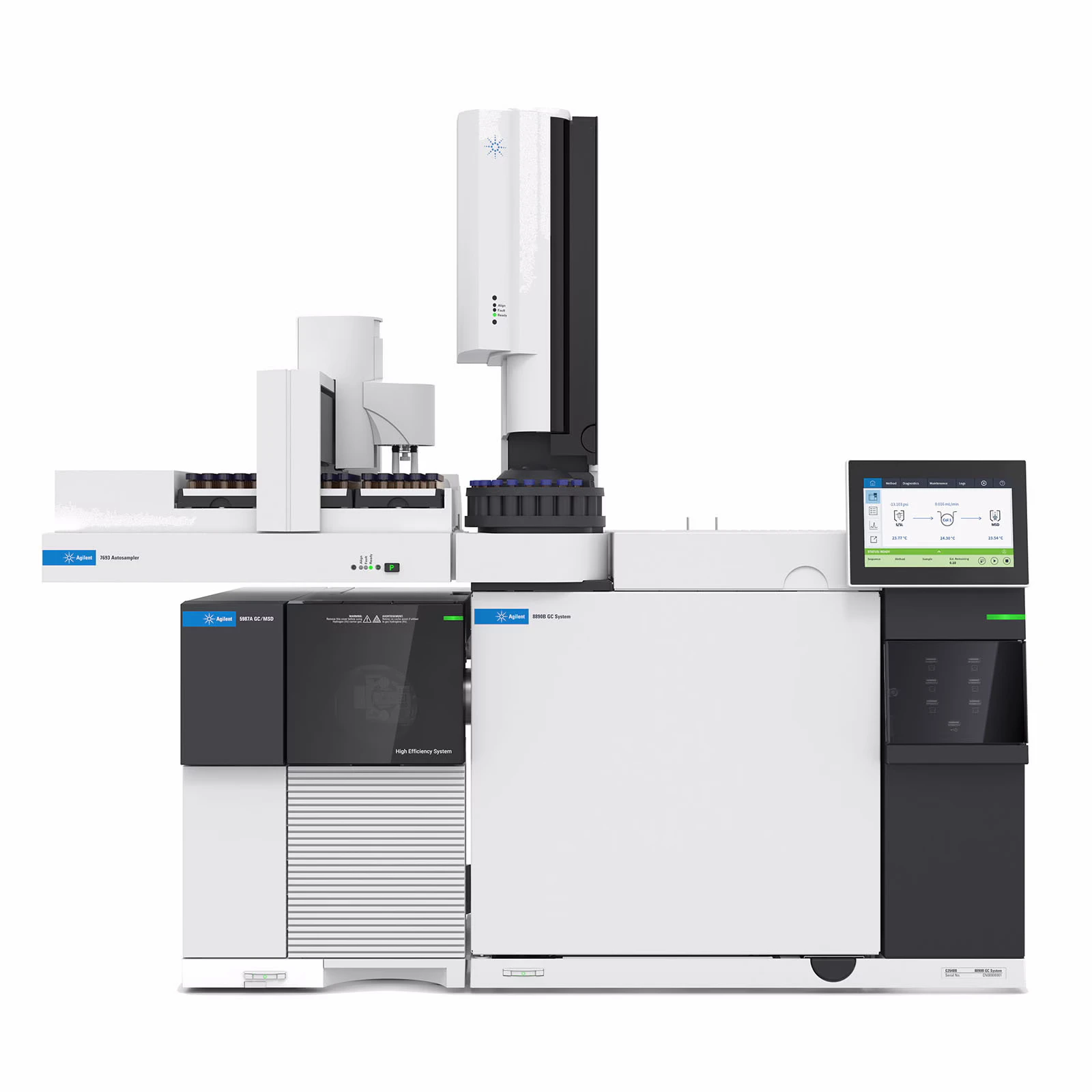
A spec-by-spec look at whether the 5987A’s 25% faster scanning, 10× dynamic range gain, and built-in GC Assist intelligence justify moving off the 5977 series — with LabX used-market context for current 5977A and 5977B owners.
Nov 02, 2026
Product News
ImageXpress HCS.ai Advanced Duo: Dual-Camera HCS Upgrade for Drug Discovery Labs
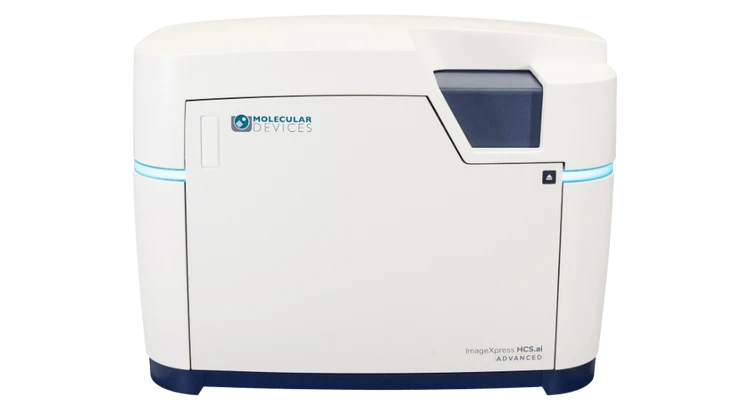
Molecular Devices has launched the ImageXpress HCS.ai Advanced Duo, a dual-camera high-content screening system that adds simultaneous image acquisition and integrated screening analytics to the existing HCS.ai Advanced platform — this article breaks down what changes for buyers already operating in the category and whether the upgrade is warranted.
Oct 27, 2026
Product News
Waters Fraction Collector IV: More Capacity, More Formats for Prep LC Labs
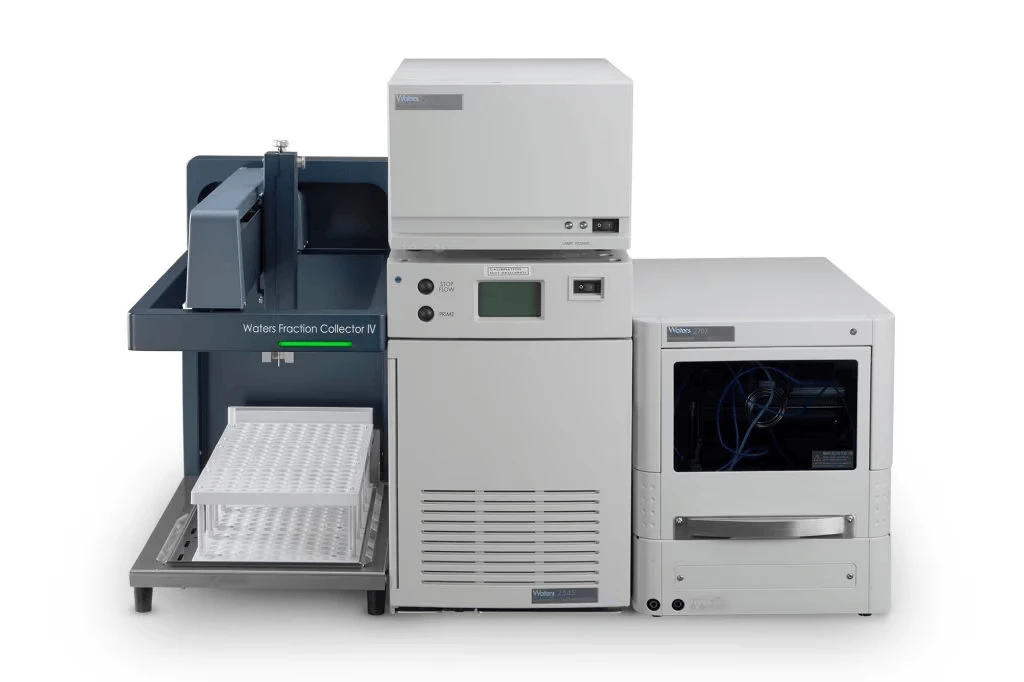
Waters has launched the Fraction Collector IV, upgrading prep-scale purification with 50% more collection capacity, flow rates to 300 mL/min, and native control through Empower, MassLynx, and ChromScope software — here’s what buyers in pharma, biotech, and CRO labs need to evaluate before purchasing.
Oct 20, 2026
Product News
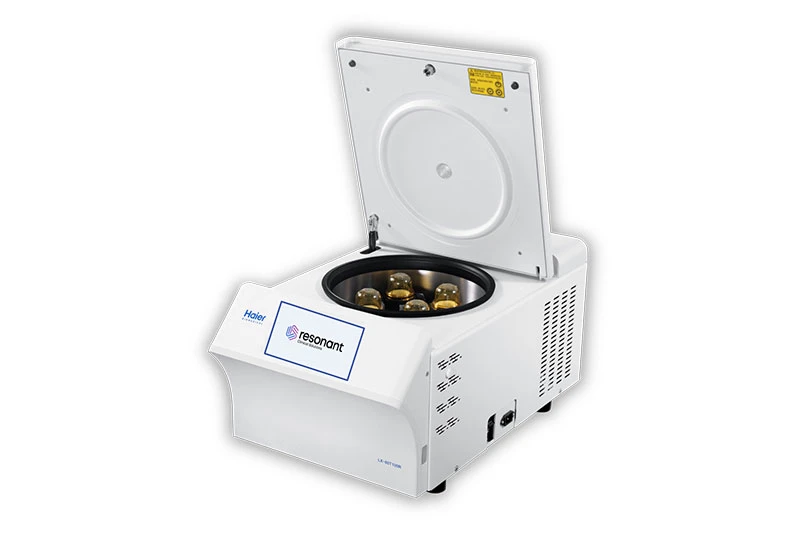
LX-60T100R Refrigerated Benchtop Centrifuge: F-Gas Compliance for Clinical Trials
A new hydrocarbon-cooled benchtop centrifuge purpose-built for clinical trial sample processing arrives with a GWP of ~3, 5-minute pre-cooling, and exclusive distribution through Resonant Clinical Solutions — giving procurement teams an F-gas-ready option well ahead of the 2028 EU regulatory deadline.
Oct 16, 2026
Product News
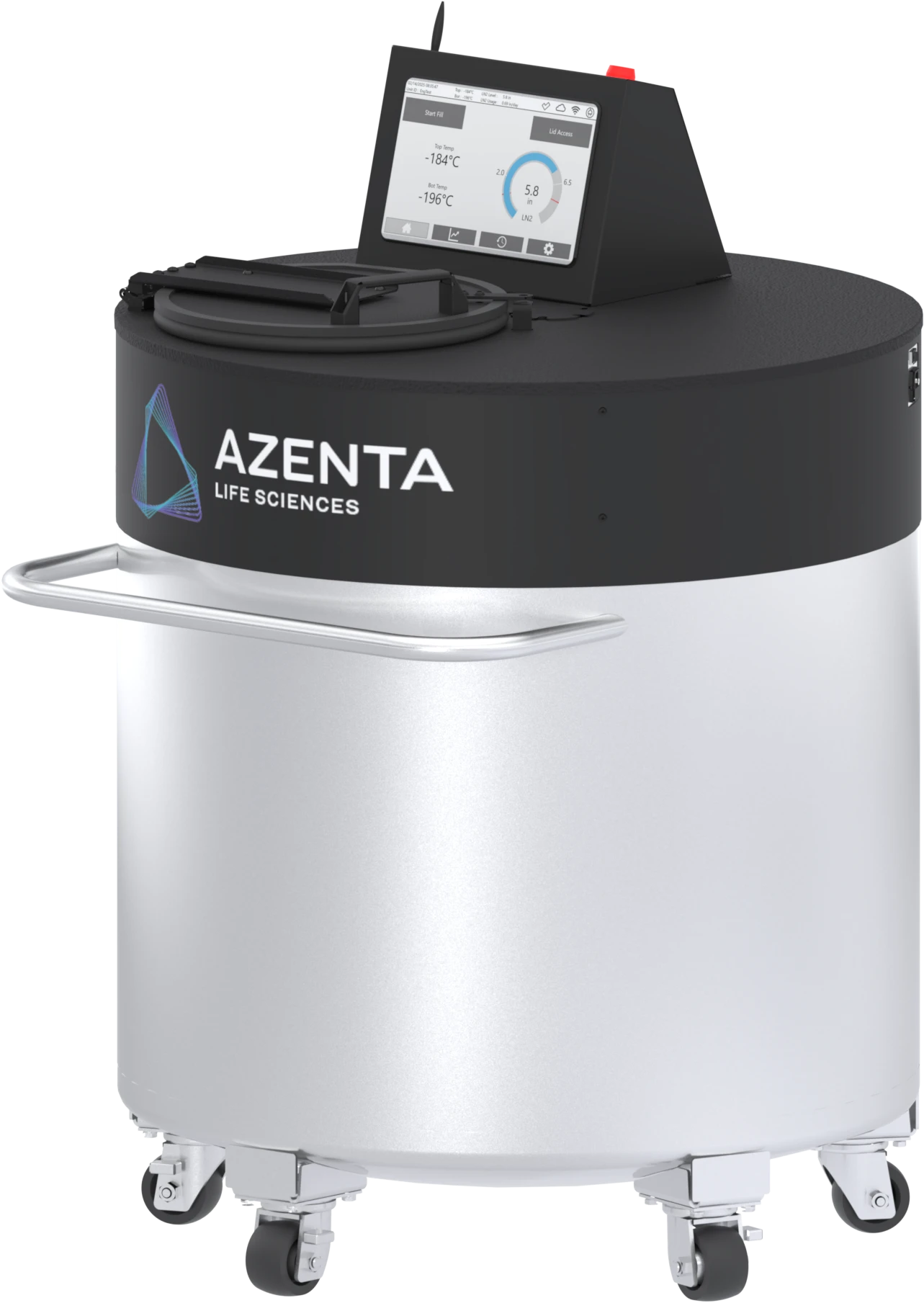
CryoArc Vita-76: Azenta’s High-Density Cryogenic Storage for IVF Clinics
Azenta Life Sciences has launched the CryoArc Vita-76, a cryogenic storage system that consolidates up to seven traditional dewars into a single footprint — this article covers specifications, how it compares in the clinical IVF storage market, and what fertility clinic buyers should evaluate before purchasing.
Sep 30, 2026
Product News
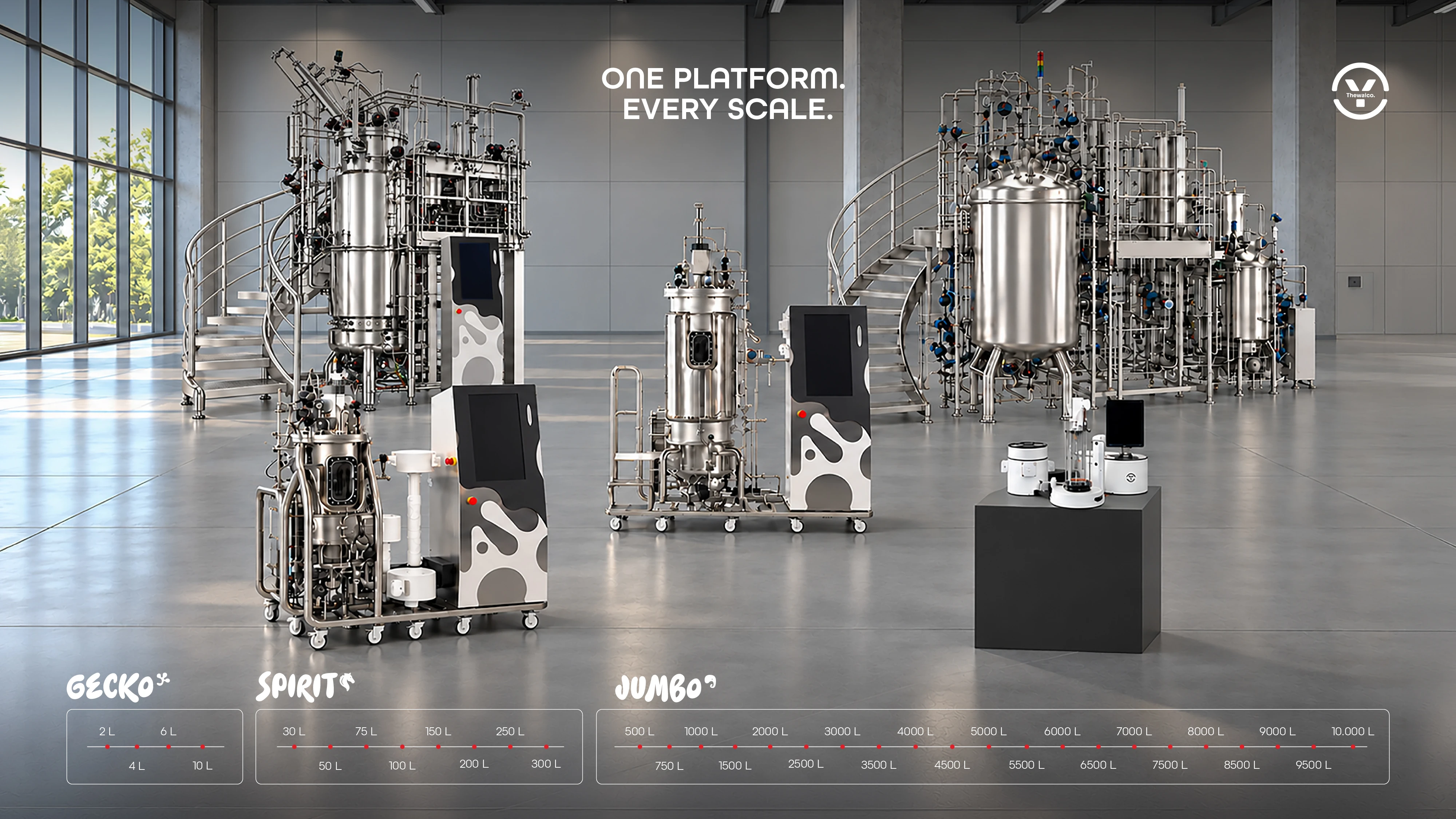
Thewaico Launches Integrated Bioreactor Platform to Solve Biomanufacturing Scale-Up
A new bioprocess company has emerged with three connected bioreactor platforms — spanning 2 L to 10,000+ L — and an AI-assisted control layer intended to eliminate the re-engineering step that derails most scale-up projects, alongside a direct-to-web pricing configurator.
Sep 28, 2026
Product News
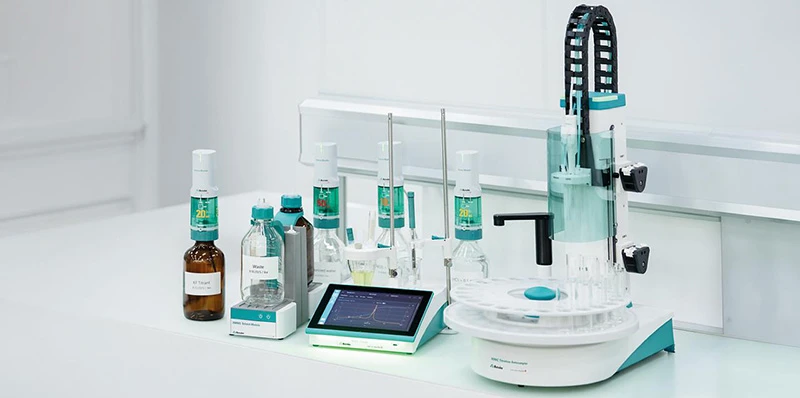
Metrohm USA Launches IONIC Titrator With Built-In Cloud Access
Metrohm USA's new IONIC Titrator pairs a 10-inch touchscreen with direct cloud connectivity, letting labs monitor and share titration data without a PC; here's how it's specced, priced, and positioned for buyers comparing standalone titrators.
Sep 23, 2026
Product News
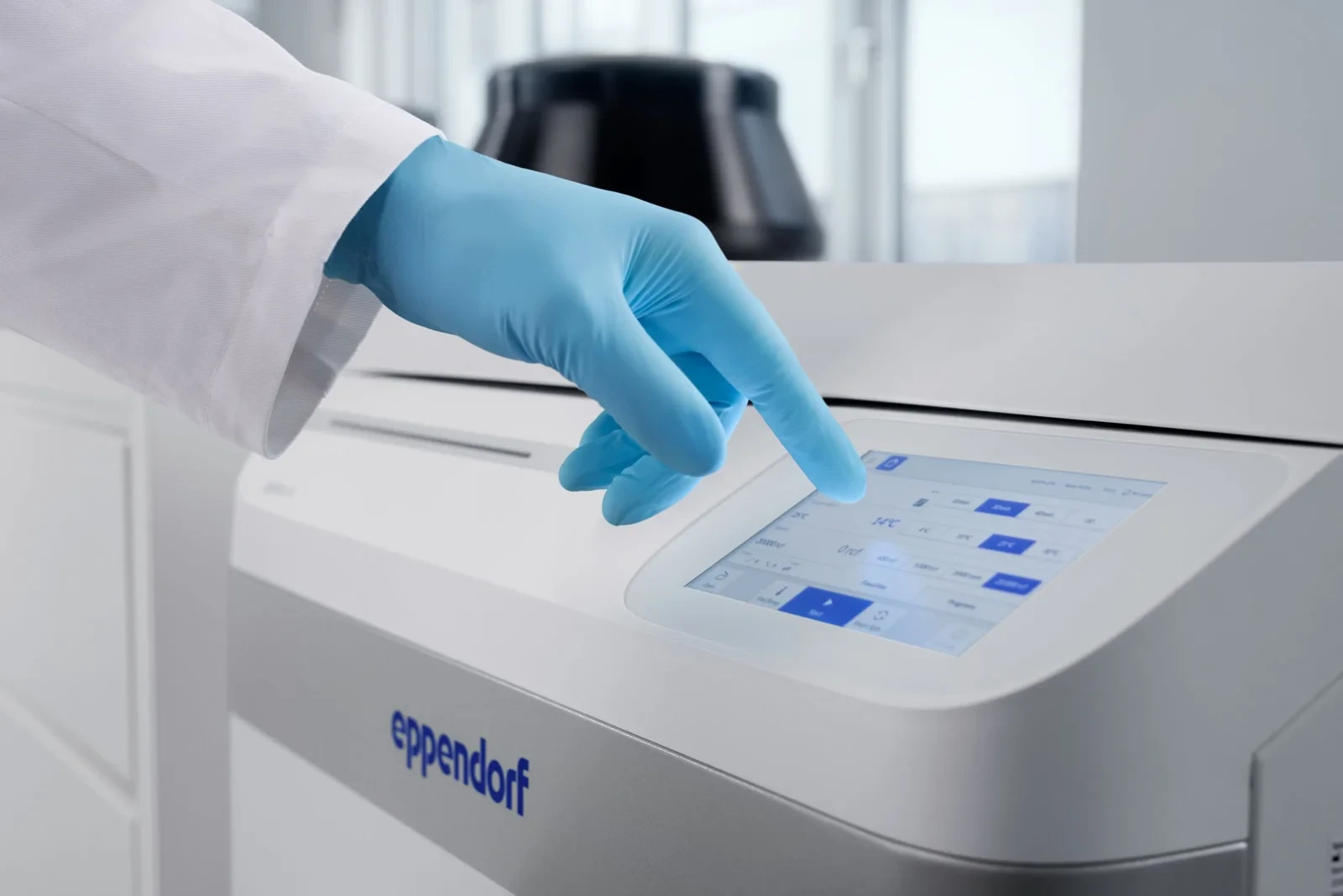
Eppendorf Introduces the SpinPro 8 R High-Speed Floor Centrifuge
Eppendorf's SpinPro 8 R floor-standing centrifuge launches with 6 L capacity, 35-rotor compatibility, CO₂-based refrigerant (GWP = 1), and AuditSafe documentation for pharma and biotech labs evaluating their next large-volume separation system.
Sep 22, 2026
Product News
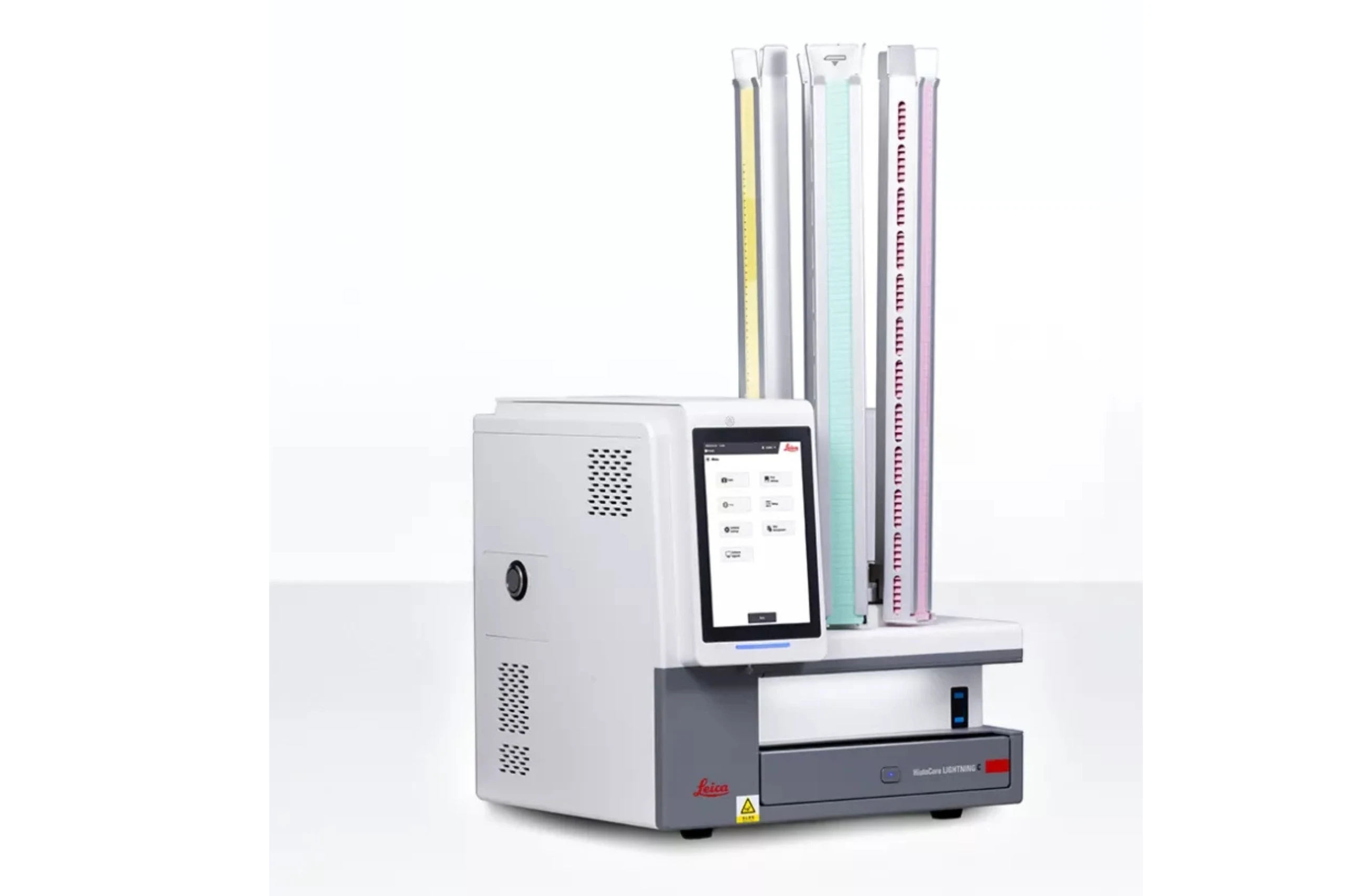
Leica Biosystems HistoCore LIGHTNING C Laser Cassette Printer: Speed and Traceability for High-Volume Histology Labs
Leica Biosystems' ink-free UV laser cassette printer delivers 2.5-second-per-cassette printing with 600-cassette capacity and LIS integration — what pathology lab buyers need to know before evaluating this system against their workflow needs and total cost of ownership.
Sep 17, 2026
Product News
Yamato Scientific America moves into life sciences with multi-technology partnership portfolio
Yamato Scientific America is entering the life sciences market through technology partnerships covering live-cell imaging, circulating tumor cell enrichment, and single-cell isolation — here is what buyers should evaluate before engaging.