
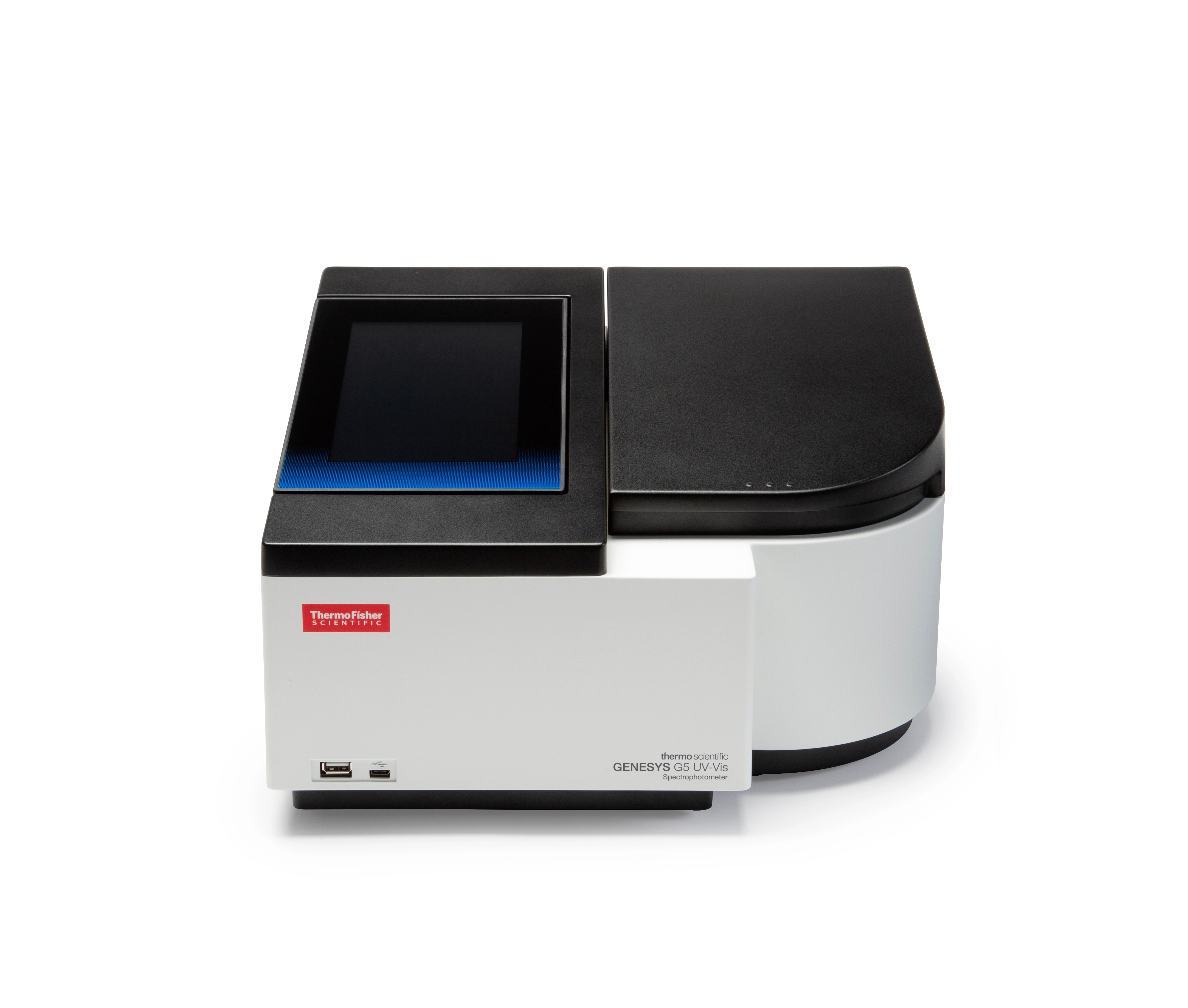
Thermo Fisher's GENESYS G5 Puts an Expandable Software Ecosystem on Proven UV-Vis Hardware

Written By: Craig Bradley
Updated: Aug 07, 2026
Editor's note: buying context
UV-Vis is one of the most commoditized instruments a lab will ever buy, so the decision rarely turns on the hardware alone. Thermo Fisher is positioning the GENESYS G5 around software modularity and accessory range, which matters most to labs that expect their method mix to change over a five to ten year service life. Two things to weigh before you source one: whether the optional application packages you need are worth their add-on cost, and, for regulated workflows, that Part 11 support depends on the separately licensed SciVault 2 software rather than the base instrument.
Thermo Fisher Scientific has launched the GENESYS G5 series of Visible and UV-Visible spectrophotometers, a three-model suite spanning the G5 Vis, G5 UV-Vis, and G5 UV-Vis Pro. The pitch is standardization: run more of your routine analyses on one platform and add capability through software and accessories as requirements shift. For labs replacing an aging bench unit, the practical question is whether that expandability earns a place over the many capable single-purpose instruments in this category.
The announcement leans on software rather than a headline optics breakthrough, which fits where UV-Vis has settled as a mature technique. That framing is honest, and it is also the right lens for a buyer: what you are really purchasing here is a configurable ecosystem, not a spec-sheet record.
The figures that matter for a UV-Vis buying decision
- Three configurations (commercial, not performance spec): G5 Vis, G5 UV-Vis, and G5 UV-Vis Pro, letting a lab match spend to whether UV coverage and advanced methods are needed.
- Four application software families (optional add-ons, vendor-stated): water analysis, food and beverage testing, life sciences, and color measurement, each with guided workflows and preconfigured methods.
- 21 CFR Part 11 support (conditional, requires separately licensed SciVault 2 software): user access controls, audit trails, and electronic signatures for regulated data integrity.
- Broad accessory compatibility (vendor-stated): cell changers, Peltier temperature control, sippers, and fiber optic probes for automation and application-specific setups.
Buyer's note: The four figures above describe scope, not measured performance, because Thermo Fisher's launch materials lead with capability breadth rather than published bandwidth or stray-light numbers. Expect the base instrument price to be only part of your outlay: the application packages, SciVault 2, and accessories are the line items that move the quote. If you already know your method set is fixed and unregulated, a simpler fixed-function instrument may deliver the same result for less.
How the GENESYS G5 compares in the UV-Vis category
Benchtop UV-Vis is a wide and well-populated market. New systems commonly list anywhere from roughly $3,000 to $60,000 depending on wavelength range, optical design, and features, with teaching and routine-QC instruments clustered near the lower end and research-grade double-monochromator systems at the top. Thermo Fisher has not published G5 pricing at launch, so treat any single number you hear as a quote, not a list price.
On the specs a buyer actually evaluates, the category sets the reference points rather than any one rival:
- Wavelength range: standard UV-Vis instruments typically cover about 190 to 1,100 nm; visible-only units start higher in the spectrum. A G5 Vis will not reach into the UV, which is the reason the tiered lineup exists.
- Spectral bandwidth: varies by platform, with roughly 0.5 to 2 nm favored for pharmaceutical and research work and wider bandwidths acceptable for general testing. Confirm the exact G5 figure per model against your method requirements.
- Optical design: single-beam versus dual-beam affects baseline stability; dual-beam corrects against a reference on each reading. Buyers should verify which optical geometry each G5 model uses.
- Standalone versus PC control: onboard method software lets technicians run without a tethered PC, which suits multi-user teaching and QC benches.
Where the G5 aims to differentiate is not a single spec but the combination of onboard guided methods, optional application packages, and a compliance path on one hardware family. For a lab weighing several category options, that consolidation is the claim to test against your own workload, ideally with a demo on your real samples. LabX maintains a current buyer's review of spectrophotometer price and features that is useful for setting those comparison points.
Purchasing considerations by lab type
Academic and teaching labs
This is the segment Thermo Fisher calls out first, and the fit is genuine: rugged, onboard operation and guided methods suit rotating student users and instructors who cannot babysit every measurement. If your curriculum only needs visible-range work, the G5 Vis keeps cost down; step up to UV-Vis only if coursework demands nucleic acid or protein reads. The upgrade path matters here because a department buying once wants headroom for later.
Water, environmental, and food and beverage QC
The application packages are aimed squarely at these routine, high-repetition workflows, where preconfigured methods reduce setup and operator variability. The value case rests on whether the guided packages cover the specific nutrient, contaminant, or quality parameters you run day to day. Price the packages you need into the comparison, because the guided workflows, not the base optics, are the reason to choose this platform over a plain fixed-wavelength unit.
Regulated and life science labs
The G5 UV-Vis Pro with Bio Methods targets nucleic acid and protein quantitation, and the SciVault 2 path adds the controls regulated environments require. Budget for that software separately, and confirm your specific assays are supported before committing. If microvolume sample-sparing measurement is central to your work, evaluate whether a cuvette-based platform fits or whether a dedicated microvolume instrument suits your throughput better.
Regulated-workflow notice: GENESYS G5 support for 21 CFR Part 11 data integrity requirements is conditional on running Thermo Scientific SciVault 2 software, which is licensed separately from the instrument. Labs operating under GxP should validate the full instrument-plus-software configuration, not the hardware in isolation, and plan for method verification when migrating from an existing platform. Thermo Fisher labels some GENESYS UV-Vis configurations for research use, so confirm the intended-use status of your exact model and software combination against your quality requirements.
"With GENESYS G5, we've built an expanded software ecosystem on top of proven UV-Vis performance, enabling laboratories to streamline routine testing and support more advanced workflows."
Lauren Ebersol, Product Manager for UV-Vis Spectroscopy at Thermo Fisher Scientific
Buyer's note: The "one platform for everything" message is real but conditional. Consolidation pays off when your method mix is broad or expected to grow, since you avoid buying and validating multiple instruments. If your work is narrow and stable, that same modularity can mean paying for flexibility you will not use, so scope the packages and accessories to what you will actually run in the next few years.
What to confirm before you buy
The GENESYS G5 is a sensible consolidation play in a mature category, and its strongest case is for labs that value one hardware family they can reconfigure over years. To turn the launch messaging into a decision, get a written quote that itemizes the base instrument, the specific application packages you need, SciVault 2 if you are regulated, and accessories, then weigh that total against the wider field of new and used UV-Vis spectrophotometers on the specs your methods require.
Ask Thermo Fisher for the per-model bandwidth, wavelength range, and optical geometry in writing, arrange a demo on your own samples, and confirm intended-use status for regulated work. Done that way, the G5's expandability is a real advantage rather than an unpriced promise.
Nov 04, 2026
Product News
Agilent 5987A MSD: Should 5977-Series Labs Upgrade?
A spec-by-spec look at whether the 5987A’s 25% faster scanning, 10× dynamic range gain, and built-in GC Assist intelligence justify moving off the 5977 series — with LabX used-market context for current 5977A and 5977B owners.
Nov 02, 2026
Product News
ImageXpress HCS.ai Advanced Duo: Dual-Camera HCS Upgrade for Drug Discovery Labs
Molecular Devices has launched the ImageXpress HCS.ai Advanced Duo, a dual-camera high-content screening system that adds simultaneous image acquisition and integrated screening analytics to the existing HCS.ai Advanced platform — this article breaks down what changes for buyers already operating in the category and whether the upgrade is warranted.
Oct 27, 2026
Product News
Waters Fraction Collector IV: More Capacity, More Formats for Prep LC Labs
Waters has launched the Fraction Collector IV, upgrading prep-scale purification with 50% more collection capacity, flow rates to 300 mL/min, and native control through Empower, MassLynx, and ChromScope software — here’s what buyers in pharma, biotech, and CRO labs need to evaluate before purchasing.
Oct 20, 2026
Product News
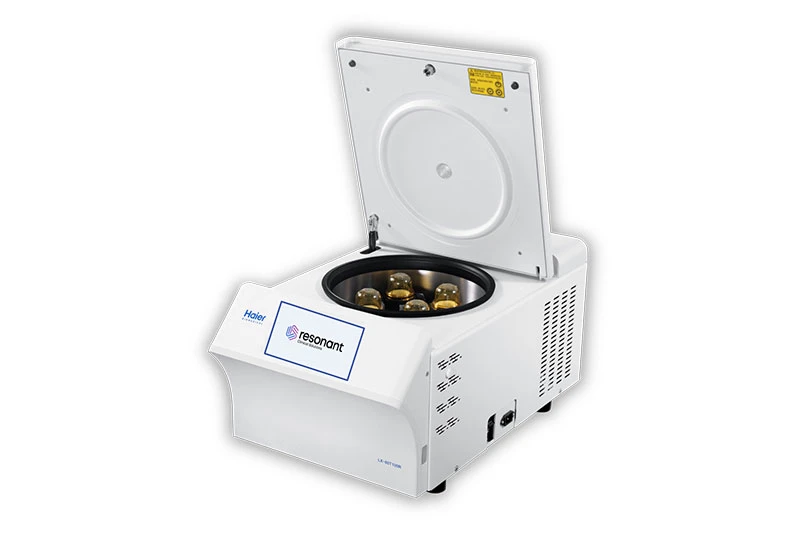
LX-60T100R Refrigerated Benchtop Centrifuge: F-Gas Compliance for Clinical Trials
A new hydrocarbon-cooled benchtop centrifuge purpose-built for clinical trial sample processing arrives with a GWP of ~3, 5-minute pre-cooling, and exclusive distribution through Resonant Clinical Solutions — giving procurement teams an F-gas-ready option well ahead of the 2028 EU regulatory deadline.
Oct 16, 2026
Product News
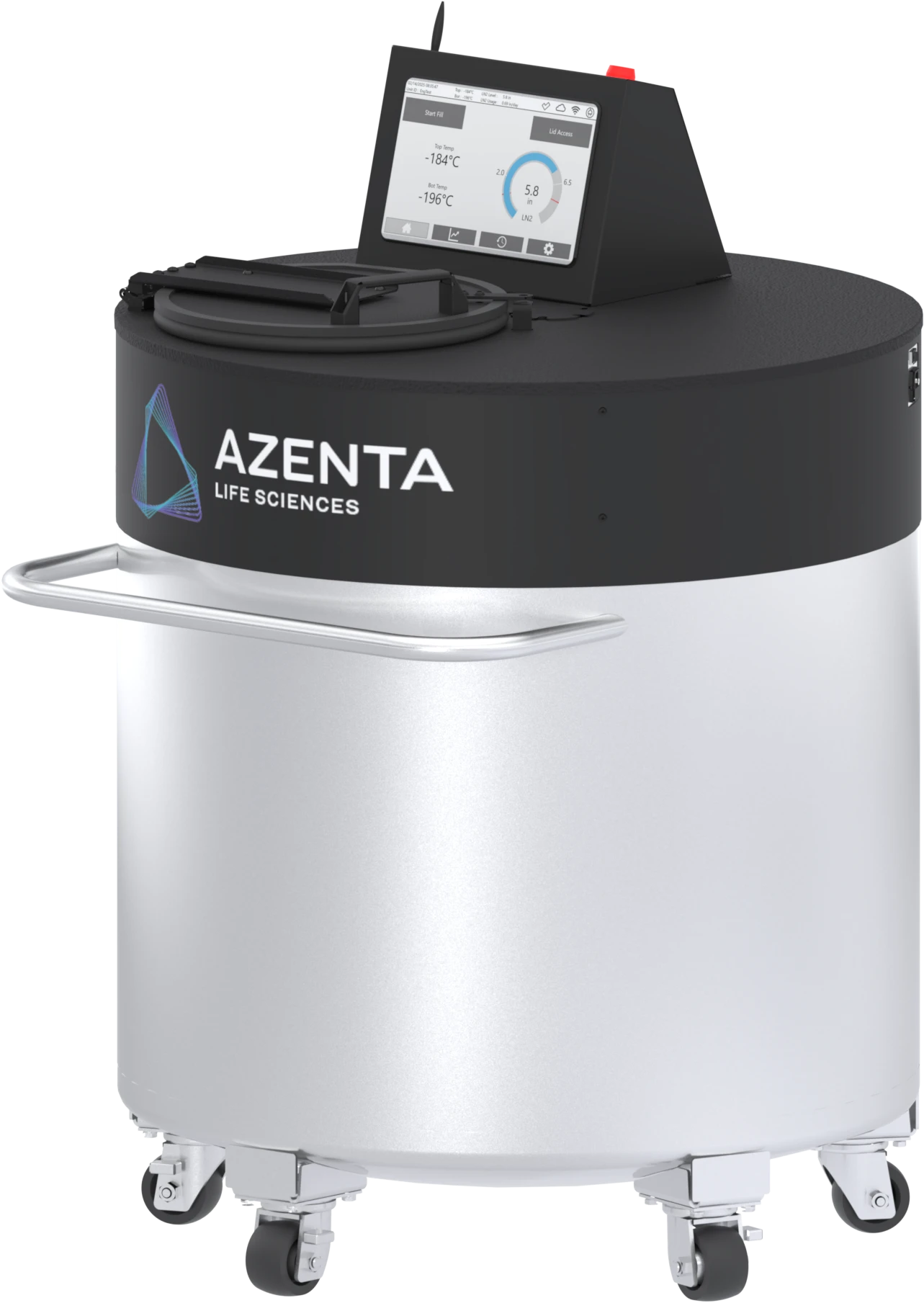
CryoArc Vita-76: Azenta’s High-Density Cryogenic Storage for IVF Clinics
Azenta Life Sciences has launched the CryoArc Vita-76, a cryogenic storage system that consolidates up to seven traditional dewars into a single footprint — this article covers specifications, how it compares in the clinical IVF storage market, and what fertility clinic buyers should evaluate before purchasing.
Sep 30, 2026
Product News
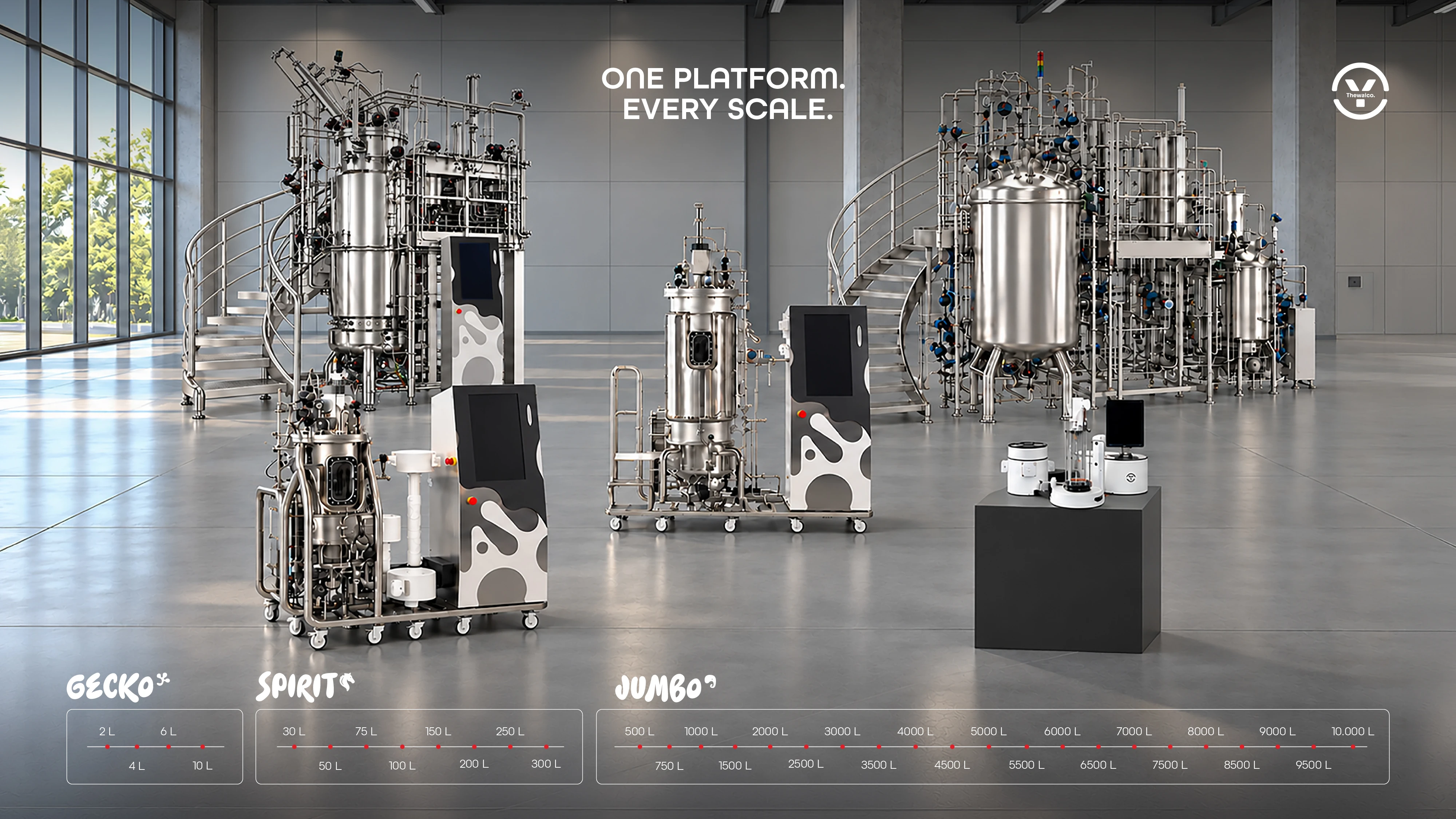
Thewaico Launches Integrated Bioreactor Platform to Solve Biomanufacturing Scale-Up
A new bioprocess company has emerged with three connected bioreactor platforms — spanning 2 L to 10,000+ L — and an AI-assisted control layer intended to eliminate the re-engineering step that derails most scale-up projects, alongside a direct-to-web pricing configurator.
Sep 28, 2026
Product News
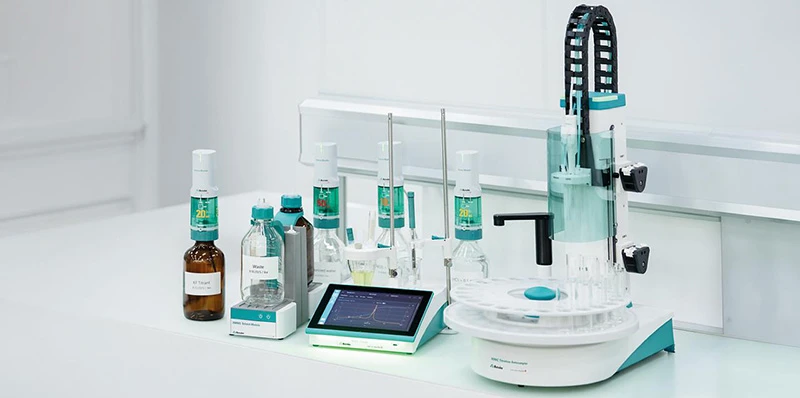
Metrohm USA Launches IONIC Titrator With Built-In Cloud Access
Metrohm USA's new IONIC Titrator pairs a 10-inch touchscreen with direct cloud connectivity, letting labs monitor and share titration data without a PC; here's how it's specced, priced, and positioned for buyers comparing standalone titrators.
Sep 23, 2026
Product News
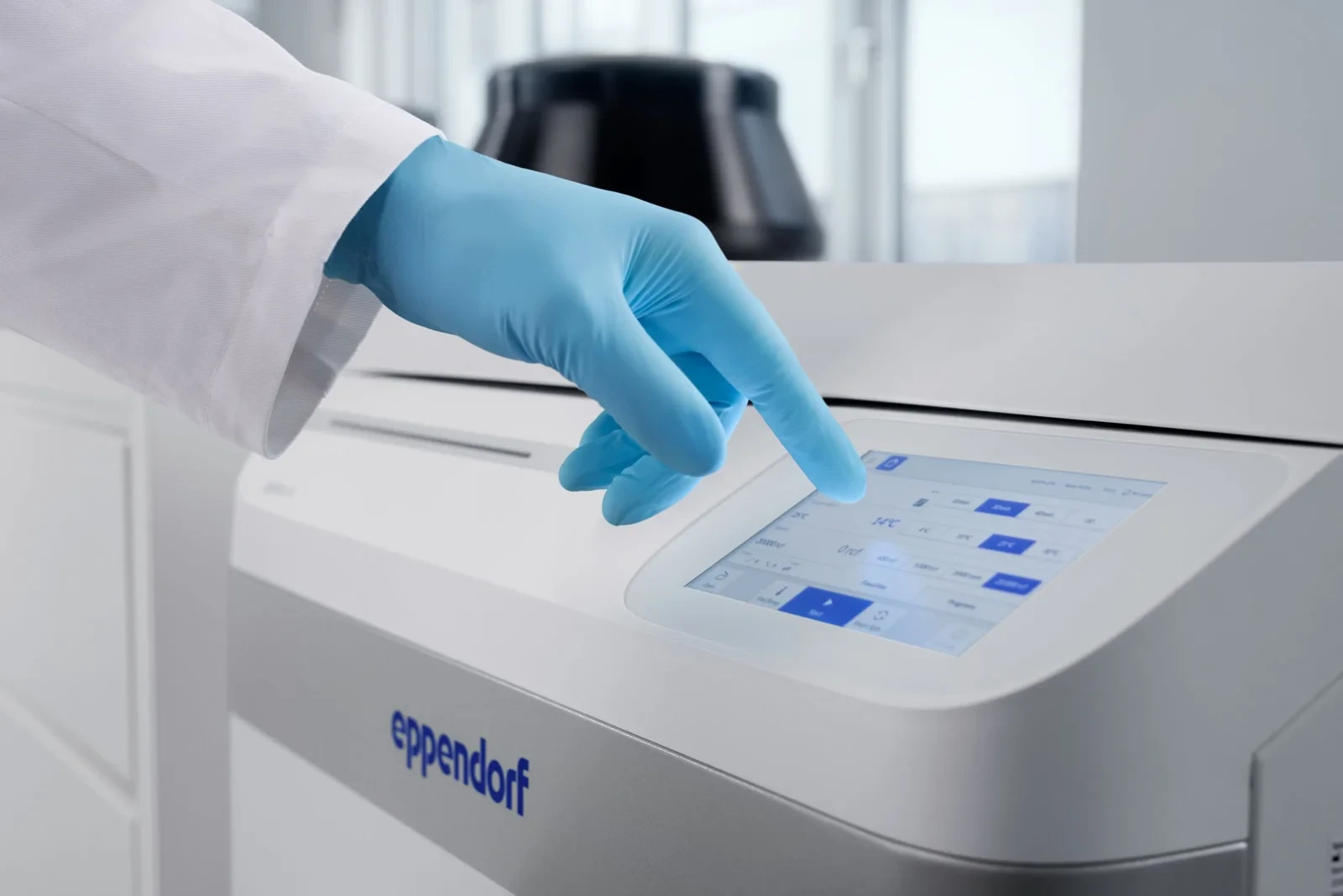
Eppendorf Introduces the SpinPro 8 R High-Speed Floor Centrifuge
Eppendorf's SpinPro 8 R floor-standing centrifuge launches with 6 L capacity, 35-rotor compatibility, CO₂-based refrigerant (GWP = 1), and AuditSafe documentation for pharma and biotech labs evaluating their next large-volume separation system.
Sep 22, 2026
Product News
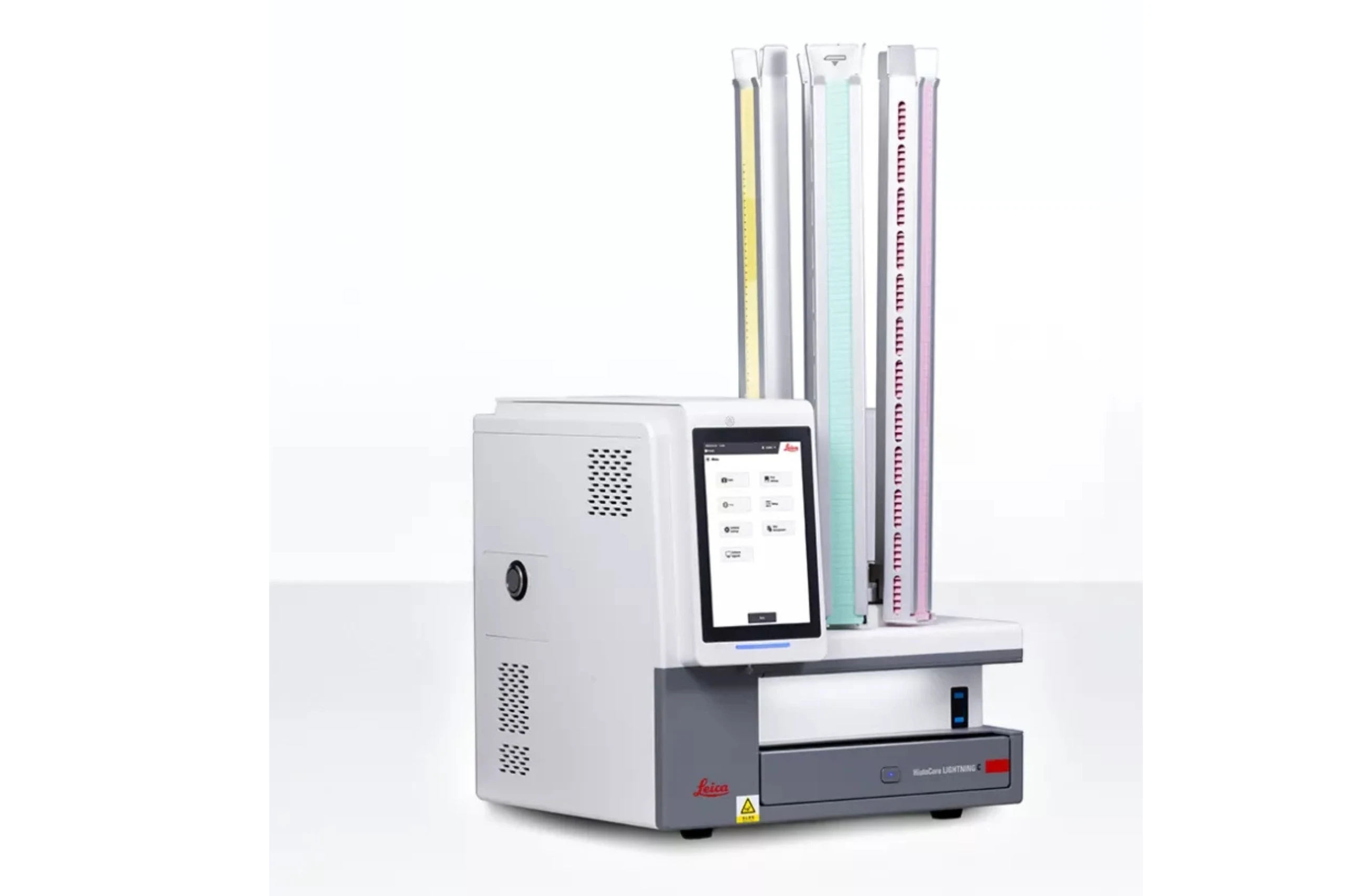
Leica Biosystems HistoCore LIGHTNING C Laser Cassette Printer: Speed and Traceability for High-Volume Histology Labs
Leica Biosystems' ink-free UV laser cassette printer delivers 2.5-second-per-cassette printing with 600-cassette capacity and LIS integration — what pathology lab buyers need to know before evaluating this system against their workflow needs and total cost of ownership.

Sep 17, 2026
Product News
Yamato Scientific America moves into life sciences with multi-technology partnership portfolio
Yamato Scientific America is entering the life sciences market through technology partnerships covering live-cell imaging, circulating tumor cell enrichment, and single-cell isolation — here is what buyers should evaluate before engaging.