
Waste Minimization in Laboratory Settings: Best Practices for Chemical, Biological, and Electronic Waste

Written By: Craig Bradley
Feb 19, 2026
Laboratory professionals face unique challenges in managing hazardous materials safely. Implementing comprehensive waste minimization strategies directly reduces the environmental footprint of research facilities. Proper management lowers disposal costs and limits occupational exposure risks. Modern laboratories generate complex streams of chemical, biological, and electronic refuse that require precise handling. Structured protocols ensure compliance with environmental regulations and promote operational efficiency. A systematic approach to resource management transforms standard procedures into sustainable practices. This protects public health and preserves local ecosystems. Rethinking traditional methodologies allows institutions to mitigate ecological damage while maintaining rigorous analytical standards. Waste minimization remains a critical pillar of responsible modern science. Accurate waste segregation at the point of generation forms the foundation of effective environmental management. Mixing incompatible chemicals poses severe explosion, fire, or toxic gas risks. Proper segregation prevents dangerous reactions and reduces the volume of hazardous material requiring expensive processing. Waste minimization relies on isolating distinct streams immediately after experimental procedures conclude. Combining a small amount of an acutely toxic solvent with a large non-hazardous container renders the entire volume strictly regulated. Regulatory and safety protocols mandate specific handling procedures: Chemical isolation: Laboratory personnel must separate strong oxidizers from flammable organics using clearly defined satellite accumulation areas. OSHA compliance: The Occupational Safety and Health Administration (OSHA) Hazard Communication Standard mandates globally harmonized system pictograms on all containers. EPA labeling: The Environmental Protection Agency (EPA) requires hazardous waste labels to display full, unabbreviated chemical names. Biological precision: Technicians must separate sharps, solid biohazards, and liquid pathological effluents into distinct containers. Electronic storage: Electronic waste requires isolated storage away from corrosive chemical fumes to prevent circuit board degradation. Waste Category Primary Components Segregation Protocol Halogenated solvents Chloroform, dichloromethane Store in dedicated glass or compatible plastic carboys. Non-halogenated solvents Ethanol, acetone, methanol Isolate from strong oxidizers and halogenated compounds. Biological sharps Needles, scalpels, broken glass Place in rigid, puncture-resistant, red biohazard containers. Solid biohazards Contaminated gloves, petri dishes Discard in autoclave bags designated for thermal inactivation. Adherence to strict regulatory frameworks dictates the safe collection and processing of hazardous laboratory effluents. Facilities must establish secure satellite accumulation areas near the primary point of generation. These designated zones require robust secondary containment systems to capture accidental spills. This prevents environmental contamination and ensures continuous waste minimization. Standard processing and disposal protocols include: Regulatory thresholds: The EPA Resource Conservation and Recovery Act (RCRA) defines strict accumulation time limits. Large quantity generators must transport chemical refuse off-site within ninety days. Biological treatment: Steam sterilization via autoclaving eliminates infectious agents, rendering the material safe for municipal disposal. The World Health Organization (WHO) outlines precise parameters for autoclave validation using biological indicators. Chemical neutralization: On-site neutralization of simple acids and bases reduces waste volume, provided the facility holds appropriate environmental permits. Highly toxic processing: Licensed commercial disposal contractors must process highly toxic or radioactive materials. These vendors employ high-temperature rotary kiln incineration to isolate dangerous compounds permanently. Tracking: Strict chain-of-custody documentation tracks every container to its final destruction site. Proactive purchasing decisions and strict inventory controls prevent the accumulation of expired or redundant laboratory chemicals. A centralized, cloud-based chemical inventory management system enables precise tracking of reagent locations, quantities, and expiration dates. This digital oversight facilitates chemical sharing among research groups, drastically reducing unnecessary duplicate purchases. Core inventory and procurement strategies include: First-in, first-out methodology: This inventory method ensures older reagents undergo consumption before newer stock arrives, minimizing expired chemical waste. Green purchasing policies: Purchasing managers must prioritize the acquisition of less hazardous chemical substitutes. For example, laboratories can replace highly toxic dichloromethane with ethanol in specific extraction procedures. EPA Green Chemistry alignment: The EPA Green Chemistry Program highlights methodologies designed to reduce or eliminate hazardous substances in laboratory workflows. Energy-efficient equipment: Facilities should mandate the purchase of equipment with high energy efficiency ratings. Microscale experimentation: Shifting toward smaller-scale experiments directly reduces initial reagent consumption and subsequent hazardous output. Just-in-time purchasing: This model eliminates degrading stockpiles by delivering materials exactly when required. Diverting specialized equipment and single-use plastics from landfills requires coordinated recycling partnerships and proactive vendor take-back initiatives. Scientific facilities consume vast quantities of single-use plastics, including pipette tips and microcentrifuge tubes. Decontaminating and recycling these materials presents a logistical challenge due to residual biological or chemical contamination risks. Sustainable equipment and plastic management strategies include: Plastic mail-back programs: Specialized waste management contractors offer comprehensive mail-back programs for non-hazardous laboratory plastics. This directly supports facility waste minimization targets. E-waste hazards: Electronic waste generation accelerates as analytical instruments become obsolete. Older laboratory equipment often contains lead, mercury, cadmium, and complex brominated flame retardants. Disposing of these items in standard municipal landfills risks severe groundwater contamination. Certified e-waste recycling: Laboratories must engage certified e-waste recyclers. These professionals securely dismantle devices and extract valuable precious metals for industrial reuse. Vendor take-back initiatives: Many scientific equipment manufacturers provide dedicated programs. Vendors accept old spectrometers, balances, and centrifuges for factory refurbishment or safe material deconstruction. Continuous education and standardized protocols empower laboratory personnel to integrate sustainable practices into daily scientific routines. Advanced infrastructure and digital inventory systems fail without the active compliance of the scientific staff. Effective training and culture-building components involve: Mandatory education: Facilities must mandate comprehensive environmental health and safety training during onboarding and require annual refresher courses. Training must outline specific waste minimization goals and detail procedures for chemical segregation, labeling, and disposal. Unannounced audits: Environmental Health and Safety officers conduct regular laboratory audits. These inspections identify improper accumulation practices, correct dangerous labeling deficiencies, and uncover novel opportunities for process optimization. Visual instruction: Displaying standardized signage near all waste accumulation areas provides immediate instructional support and reduces sorting errors. Operational feedback: Establishing a durable sustainability culture requires management to solicit operational feedback from bench scientists. Researchers possess deep technical understanding and can suggest highly effective workflow modifications. Performance metrics: Publishing metrics on disposal volumes helps maintain staff engagement by demonstrating the tangible environmental impact of their efforts. The strategic implementation of chemical substitution serves as a cornerstone of advanced laboratory waste minimization. Replacing highly toxic, carcinogenic, or reactive reagents with benign alternatives fundamentally alters the baseline hazard profile of laboratory effluents. This proactive operational measure eliminates the generation of regulated hazardous waste at the exact source of origin. For example, substituting hazardous mercury thermometers with digital alternatives eradicates the risk of complex toxic heavy metal spills. Similarly, replacing ethidium bromide with safer fluorescent dyes for nucleic acid staining removes a potent mutagen from the institutional biological waste stream. Chemical substitution requires rigorous analytical validation to ensure new reagents do not compromise the accuracy or reproducibility of experimental results. Successful integration of benign alternatives lowers personal protective equipment requirements and significantly cuts the financial burden associated with hazardous waste transport. Implementing robust waste minimization protocols ensures regulatory compliance, protects personnel, and preserves the environment. Strict segregation and precise container labeling prevent hazardous chemical reactions and streamline complex disposal logistics. Adherence to EPA and OSHA guidelines dictates the safe collection and specialized processing of all laboratory effluents. Digital inventory management and proactive green procurement strategies effectively reduce the influx of dangerous materials. Recycling programs and vendor take-back initiatives successfully divert valuable electronics and plastics from municipal landfills. Comprehensive training programs instill a durable culture of sustainability, empowering personnel to execute safe handling procedures daily. Integrating chemical substitution solidifies a proactive approach to environmental stewardship. Mastering these integrated strategies guarantees a safer, highly efficient, and consistently sustainable laboratory environment. Future advancements will continue to refine these processes, driving further reductions in ecological impact and operational expenditure. What Constitutes Effective Waste Minimization in Scientific Facilities?
Effective waste minimization involves source reduction, careful chemical substitution, and precise segregation. These actions decrease the total volume and toxicity of materials requiring specialized disposal. How Do Inventory Controls Reduce Hazardous Laboratory Waste?
Centralized tracking and first-in, first-out usage prevent reagents from expiring on the shelf. This prevents the generation of unusable chemical waste and eliminates duplicate purchasing. Why Is Strict Segregation Necessary for Biological and Chemical Disposal?
Mixing incompatible materials poses severe fire, explosion, or toxic gas risks. Proper segregation ensures compliance with safety regulations and lowers processing costs by preventing the contamination of non-hazardous streams. Can Laboratory Personnel Recycle Single-Use Experimental Plastics?
Yes, personnel can recycle specific non-contaminated plastics through specialized vendor mail-back programs. Materials exposed to biohazards require strict decontamination or standard hazardous disposal. This article was created with the assistance of Generative AI and has undergone editorial review before publishing.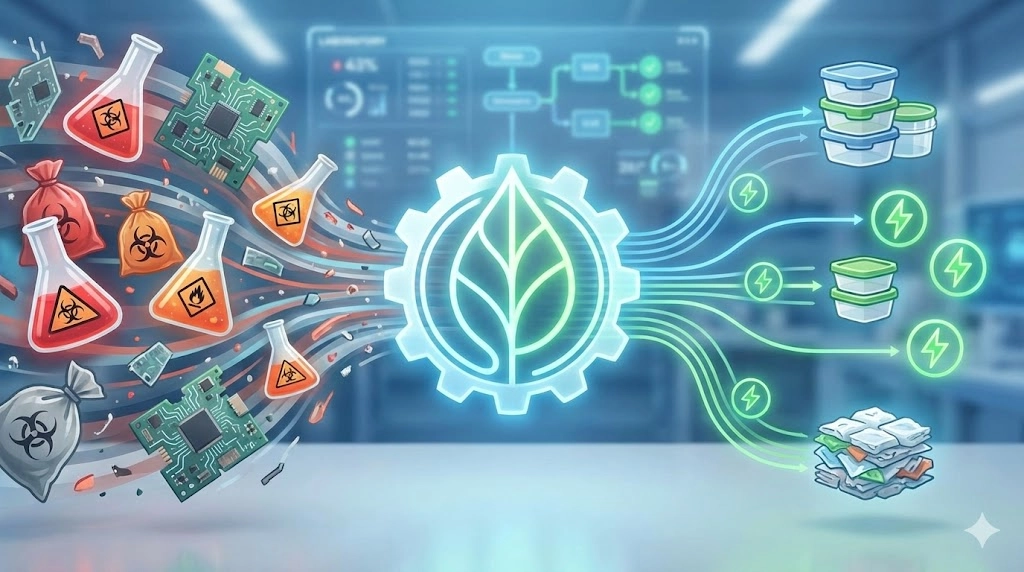
Laboratory Waste Segregation and Labeling Protocols
Safe Collection and Regulatory Disposal of Hazardous Laboratory Waste
Laboratory Waste Minimization via Inventory Management and Green Procurement
Laboratory Equipment Recycling and Electronic Waste Take-Back Programs
Training Strategies to Foster a Laboratory Waste Reduction Culture
Chemical Substitution Methods to Reduce Laboratory Waste Toxicity
Conclusion: Essential Laboratory Waste Minimization Practices
Frequently Asked Questions About Laboratory Waste Minimization

Mar 02, 2026
Product News
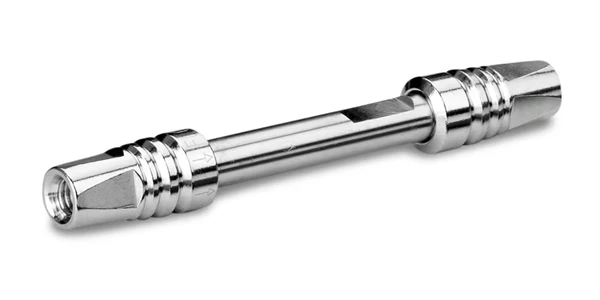
Thermo Fisher Launches Fluid Ease™ Pro ClipTip™ Electronic Pipette with High-Resolution Touchscreen and Advanced Workflow Controls
The system combines programmable control, intelligent power management, and a secure tip attachment mechanism to support consistent, reproducible liquid handling.
Feb 26, 2026
Product News
Waters Launches Microflow LC Columns with MaxPeak Premier Technology for Higher Sensitivity and Lower Resource Consumption
The product launch reflects continued investment in chromatographic chemistries that address real-world bottlenecks in method development and routine analysis
Feb 19, 2026
Technical Insight
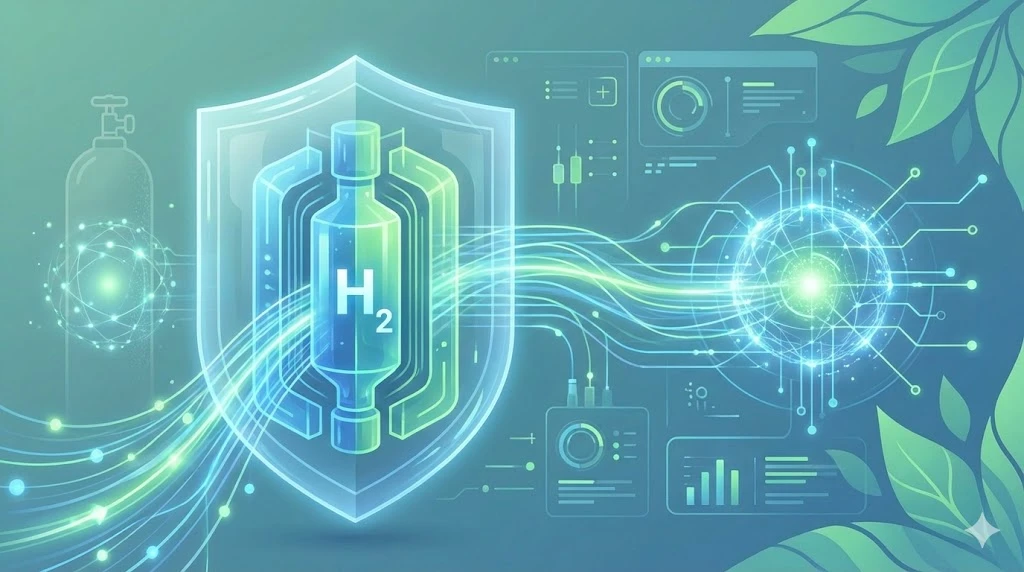
Implementing Hydrogen Generators for Clean Lab Gas Supply: Safety and Benefits
Transitioning to on-site gas production streamlines analytical workflows, eliminates hazardous cylinder storage, and supports facility sustainability.
Feb 19, 2026
Technical Insight
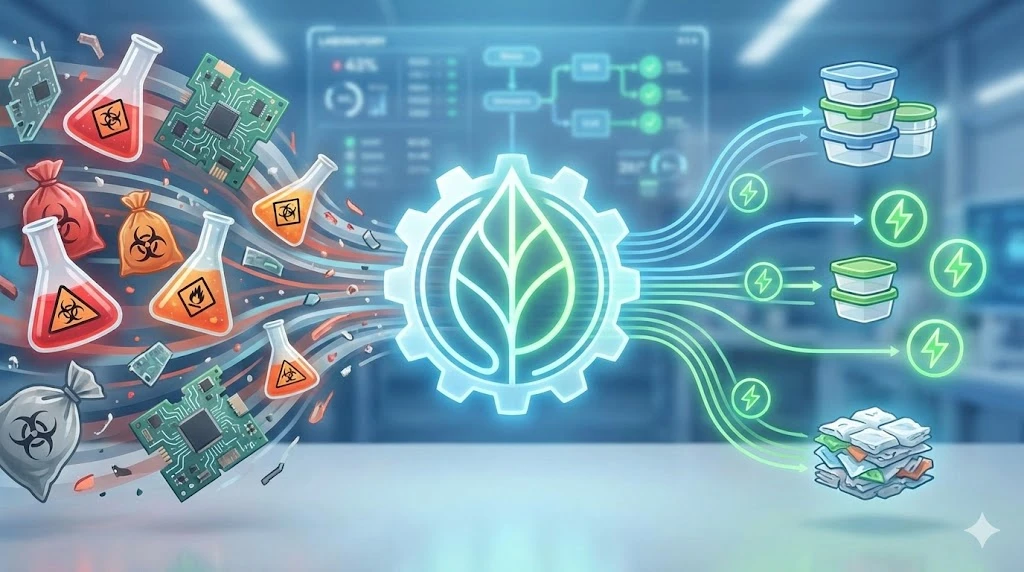
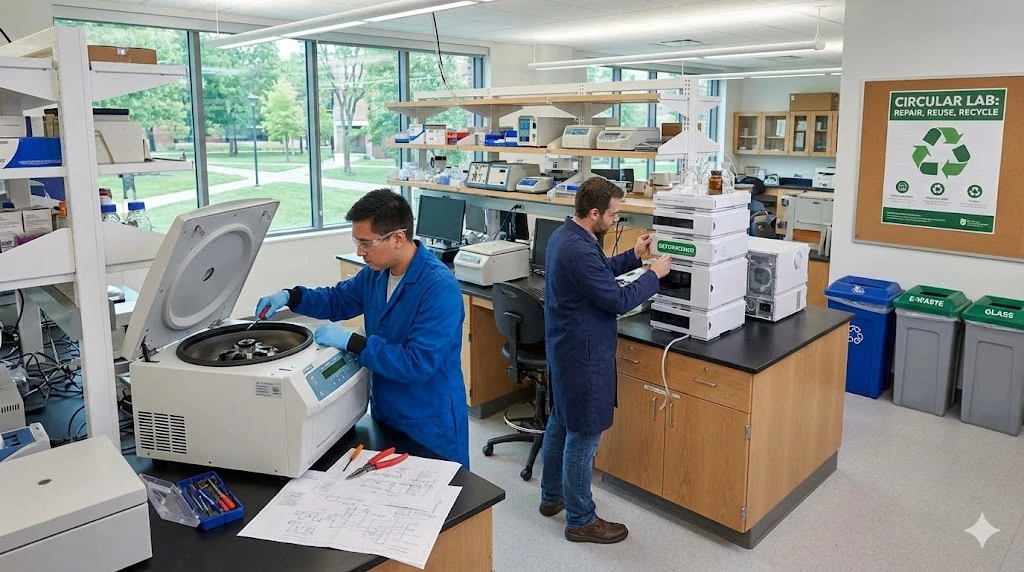
Waste Minimization in Laboratory Settings: Best Practices for Chemical, Biological, and Electronic Waste
Effective waste minimization in laboratories improves safety and sustainability. Explore methods for managing chemical, biological, and electronic waste.
Feb 19, 2026
Technical Insight
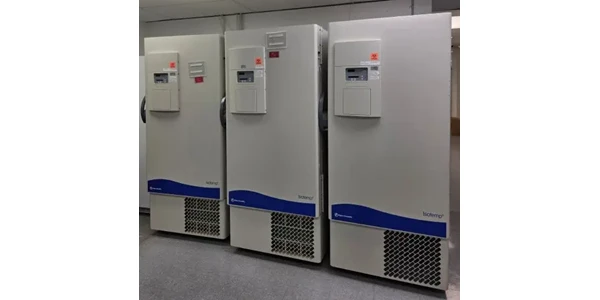
Circular Economy in Laboratory Equipment: How to Adopt Repair, Reuse, and Refurbishment Strategies
Adopting a circular economy for laboratory equipment minimizes environmental impact while maximizing instrument lifespan and optimizing laboratory budgets.
Feb 12, 2026
Product News
$5M+ in GMP Biopharma Manufacturing & QC Equipment Heads to Online Auction
A Southern California GMP manufacturing and clinical-stage QC laboratory is liquidating new and late-model equipment and unused inventory in an online auction opening February 11, 2026

Feb 12, 2026
Product News
2026 SLAS: Inspiration Catalyzing Discovery
A LabX look at the annual conference and exhibition, a key forum for networking, collaboration, and advancement of new technologies
Feb 11, 2026
Product News
Angstrom Scientific Named U.S. Distributor for Radalytica’s RadalyX Robotic X-ray and CT System
Angstrom Scientific, known for representing microscopy and materials analysis technologies across North America, adds Radalytica’s robotic X-ray and CT platform to its portfolio of analytical and imaging solutions.
Feb 10, 2026
Technical Insight
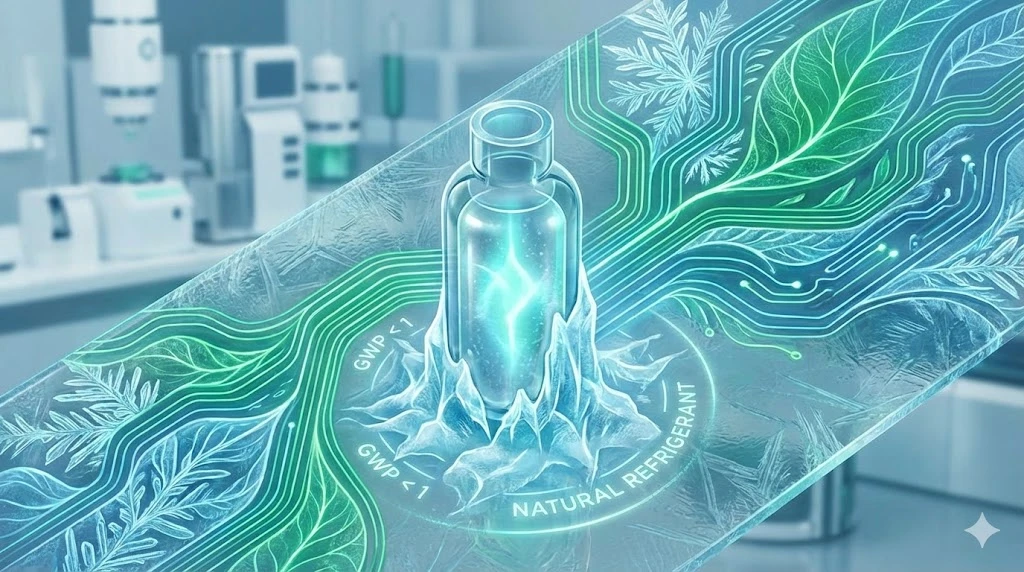
Eco-Friendly Refrigeration: Evaluating Natural Refrigerants and Low-GWP Cooling Systems
This guide explains the operational and environmental benefits of adopting natural refrigerants and low-GWP cooling systems in laboratory settings

Feb 10, 2026
Technical Insight
The Ultimate Guide to Sustainability in Laboratory Equipment and Operations
A comprehensive analysis of sustainable laboratory practices, focusing on energy-efficient equipment, waste management, and digital workflows