

Written By: Erika Russell
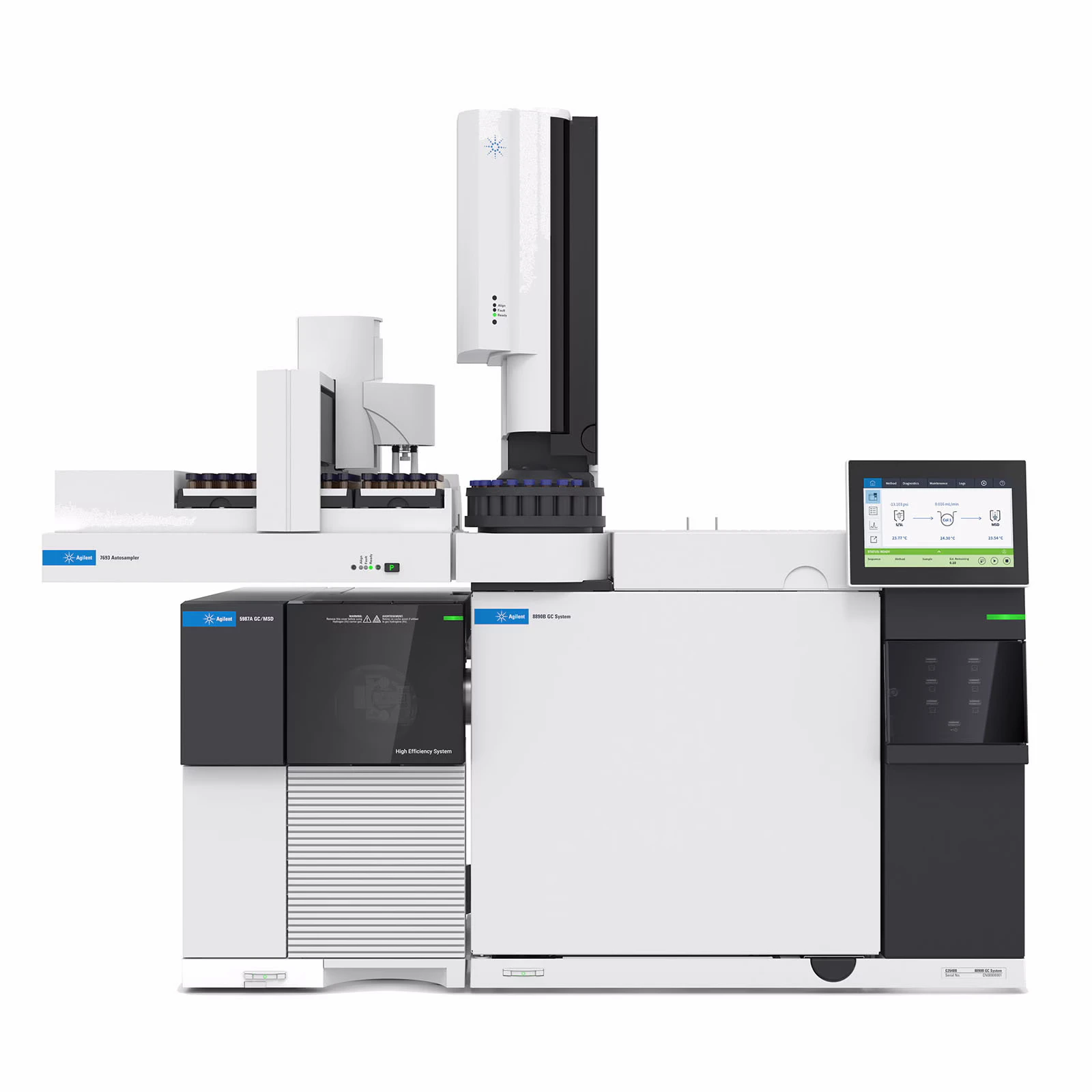
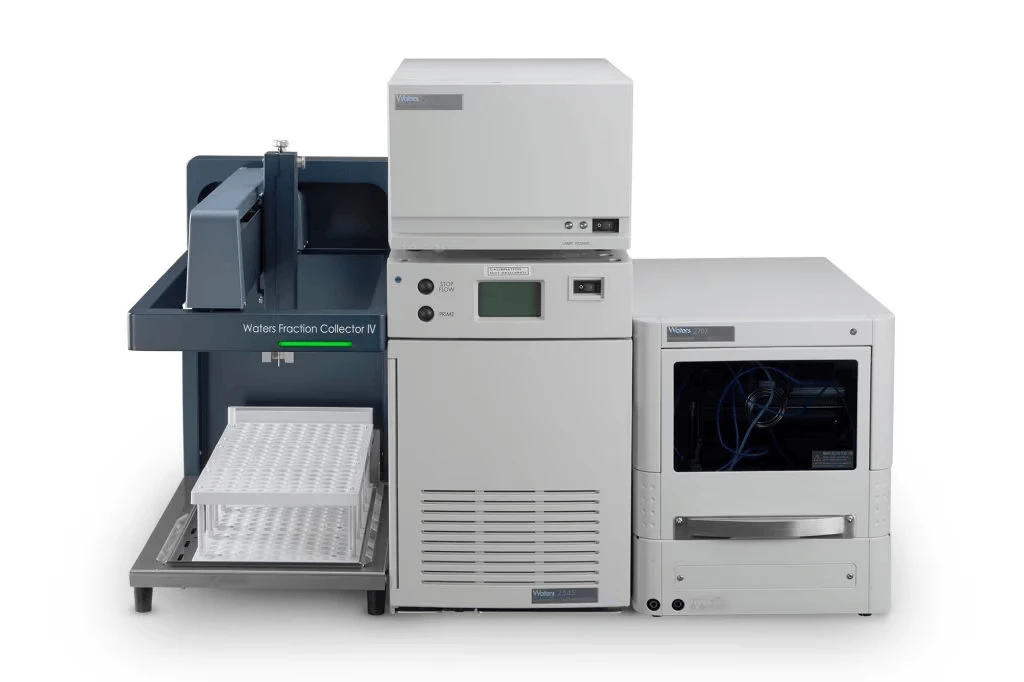
Milk, eggs, fish, crustacean shellfish, tree nuts, peanuts, wheat, soybeans, and sesame now make up the nine major food allergens recognized under U.S. federal law, a list that grew by one when sesame's labeling requirement took effect on January 1, 2023. For laboratories, the practical challenge is not simply confirming that an allergen is present in a raw ingredient, but reliably detecting and quantifying it after a product has been baked, fermented, or otherwise processed, conditions under which some analytical methods lose accuracy. Allergen testing is one piece of the broader food safety testing landscape, and it draws on three complementary technologies, enzyme-linked immunosorbent assay (ELISA), polymerase chain reaction (PCR), and liquid chromatography-tandem mass spectrometry (LC-MS/MS), each suited to a different stage of the supply chain and a different degree of processing.
The same allergenic protein behaves differently depending on how a food has been processed. Baking, hydrolysis, and fermentation can denature or fragment proteins, which changes how well a given method can detect them. That variability is why food allergen testing programs typically use more than one method rather than standardizing on a single platform across every product category.
The one significant exception is gluten. FDA's 2013 final rule under 21 CFR 101.91 requires that any food labeled "gluten-free" contain less than 20 parts per million of gluten, a level chosen because it was the lowest reliably detectable using validated analytical methods at the time. A 2020 companion rule extended compliance to fermented, hydrolyzed, and distilled foods, including yogurt, sauerkraut, cheese, beer, and hydrolyzed plant proteins, precisely because conventional ELISA testing cannot reliably quantify gluten once its proteins are broken into peptides during fermentation or hydrolysis. FDA specifically names two ELISA kits it relies on for enforcement in these matrices.
That gap between one codified threshold and none for the other eight major allergens is now under active review. In January 2023, a joint FAO/WHO Expert Consultation reached consensus on allergen reference doses using a benchmark-dose, probabilistic risk-assessment approach, work that underlies voluntary industry programs and is shaping how regulators think about future thresholds.
In February 2026, the FDA held a virtual public meeting and listening session on food allergen thresholds, drawing nearly 1,800 registrants to discuss whether the agency should move from the current unregulated advisory-statement system toward a mandatory, risk-based reference-dose framework. FDA has since published a summary of key themes from that meeting and opened a public docket for further comment, with discussion points including how a future reference-dose framework might compare with the existing 20 ppm gluten-free standard. No threshold has been adopted, but the follow-up docket signals that allergen testing programs built today should anticipate more prescriptive federal requirements ahead, not fewer.
Laboratories running food allergen testing programs should treat method selection as matrix-dependent rather than one-size-fits-all: ELISA for rapid raw-ingredient and surface screening, PCR where species or ingredient identity is the question, and LC-MS/MS wherever a product has been baked, fermented, or hydrolyzed and a false negative carries real consumer risk. With FDA actively reconsidering whether to formalize allergen reference doses, laboratories that already validate LC-MS/MS methods against specific matrices will be better positioned if quantitative thresholds become enforceable in the coming years.
Frequently Asked Questions
What are the Big 9 food allergens?
Milk, eggs, fish, crustacean shellfish, tree nuts, peanuts, wheat, soybeans, and sesame. Sesame became the ninth major allergen under the FASTER Act, effective January 1, 2023.
Why does ELISA sometimes fail to detect allergens in processed food?
Baking, fermentation, and hydrolysis can denature or fragment the proteins that ELISA's antibodies are designed to recognize, which can cause the method to return a false negative even when the allergen is present at meaningful levels.
Is there a legal limit for allergen cross-contact in the United States?
Not for the major allergens generally. The FDA has not established or endorsed enforceable threshold levels for allergen cross-contact; the one codified numeric limit is the 20 parts per million standard for gluten-free labeling.
When is LC-MS/MS preferred over ELISA or PCR for allergen testing?
LC-MS/MS is preferred for finished, processed, fermented, or hydrolyzed foods, where protein structure has changed enough that antibody-based or DNA-based methods may miss the allergen entirely.
Is the FDA planning to set official allergen thresholds?
The FDA has not adopted a threshold but held a public meeting in February 2026 to gather input on a possible risk-based reference-dose framework, suggesting the regulatory landscape may become more prescriptive.
How is gluten-free labeling different from other allergen labeling?
Gluten-free labeling carries a specific, codified 20 parts per million limit under FDA's 2013 final rule, unlike the other major allergens, which rely on disclosure rather than an enforceable quantitative threshold.