
GEMINI (2026)
Mold does not need to be visible to make a crop dangerous. Aflatoxins, ochratoxin A, fumonisins, deoxynivalenol, zearalenone, and patulin are all produced by fungi that colonize grain, nuts, and fruit under specific conditions of heat, moisture, and storage, and several are known or suspected human carcinogens. Mycotoxin testing has traditionally focused on a handful of high-risk commodities in a handful of regions, but shifting weather patterns are pushing contamination into crops and geographies that historically saw little risk. For laboratories, that means both the analytical methods and the regulatory limits governing food safety testing deserve a closer look.
- Aflatoxin B1 is classified by the International Agency for Research on Cancer (IARC) as a Group 1 human carcinogen, the agency's highest-certainty classification.
- The FDA's action level for total aflatoxins in human food is 20 parts per billion (ppb), a figure set in 1969 and still in effect as enforcement guidance.
- The European Union's limit for total aflatoxins in groundnuts intended for direct human consumption is 4 micrograms per kilogram, stricter than the U.S. action level.
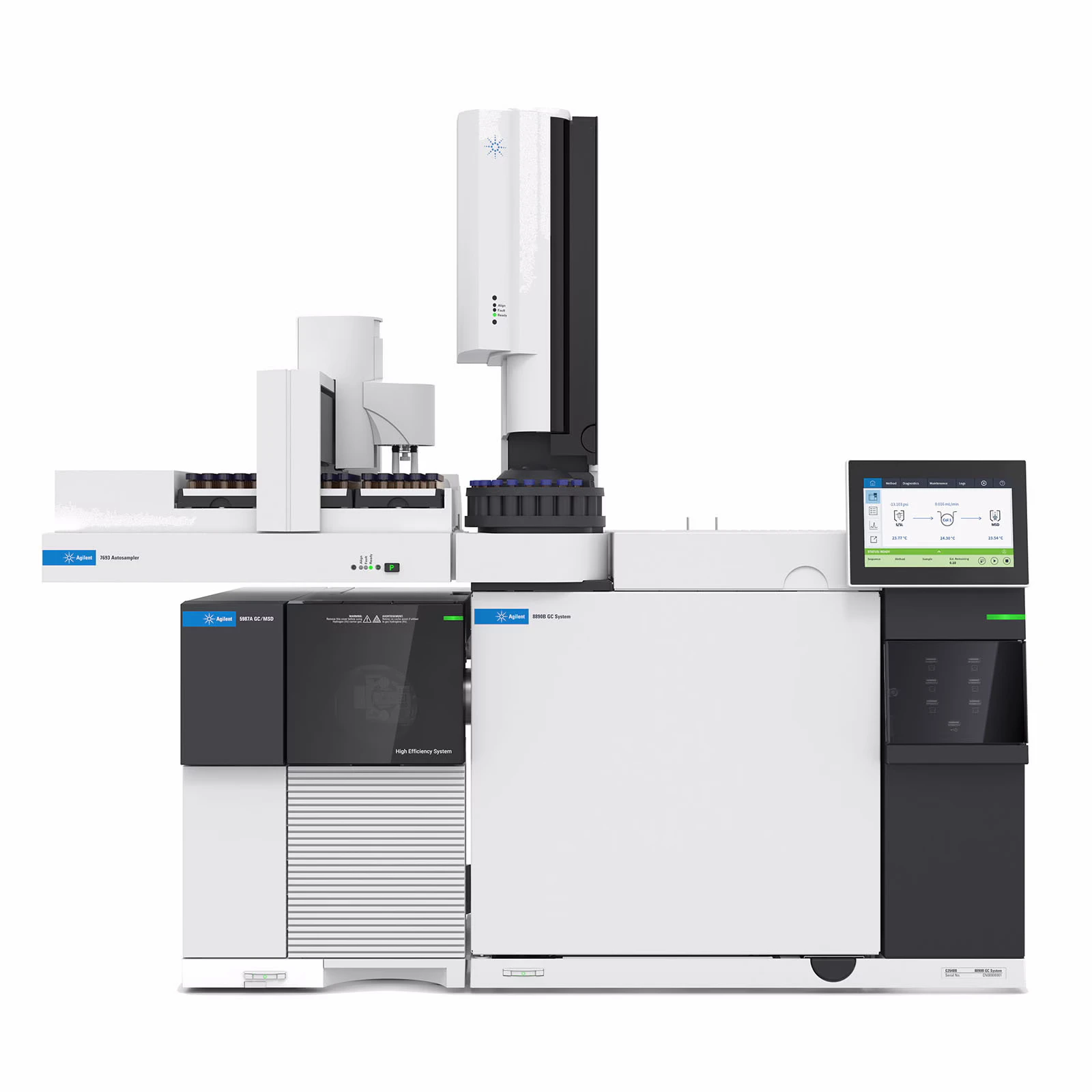
- Liquid chromatography-tandem mass spectrometry (LC-MS/MS) is the FDA's official confirmatory method for simultaneous multi-mycotoxin analysis.
- Climate modeling links rising temperatures to increasing aflatoxin risk in European-grown maize, a region historically considered low-risk for this contaminant.
Major Mycotoxins in Food and the Crops They Contaminate
Different mold species target different commodities, which is why mycotoxin testing programs are typically built around specific crop and contaminant pairs rather than a single blanket protocol:
- Aflatoxins (B1, B2, G1, G2, and M1): produced by Aspergillus molds, found in peanuts, corn, tree nuts, and rice, with aflatoxin M1 appearing in milk from cows fed contaminated feed.
- Ochratoxin A: produced by Aspergillus and Penicillium molds, found in wheat, rye, oats, barley, coffee, and wine, typically linked to improperly dried or stored grain.
- Fumonisins: produced by Fusarium molds, primarily affecting corn, favored by hot, dry weather followed by high humidity.
- Deoxynivalenol (DON, or vomitoxin): produced by Fusarium molds on wheat, corn, oats, and barley, especially under cool, wet growing conditions.
- Zearalenone: produced by Fusarium molds on corn, oats, wheat, sorghum, and rice.
- Patulin: produced by Penicillium, Aspergillus, and Byssochlamys molds, most associated with apple juice and cider made from moldy fruit; pasteurization does not destroy it, though fermentation does.
Of these, aflatoxin B1 carries the most serious classified health risk: the International Agency for Research on Cancer lists it as a Group 1 human carcinogen based on hepatocellular carcinoma evidence, meaning the evidence for causing cancer in humans is considered conclusive.
Mycotoxin Testing Methods: From Rapid Screening to Confirmatory Analysis
Mycotoxin testing generally follows a tiered approach, starting with rapid screening in the field or at intake and moving to confirmatory laboratory analysis for regulatory decisions, a workflow that mirrors the tiered structure used in rapid pathogen detection programs.
- Lateral flow rapid tests: used at grain elevators and intake points for fast, on-site screening before a shipment is accepted or rejected.
- ELISA: a rapid immunoassay screening method commonly used ahead of confirmatory testing, the same technology behind much of food allergen testing.
- Immunoaffinity column cleanup combined with HPLC: a standard sample-preparation and quantification approach referenced in FDA's official compliance testing methods.
- LC-MS/MS: the gold-standard confirmatory method for multi-mycotoxin analysis. The FDA's own compliance testing relies on a multi-laboratory-validated LC-MS/MS method capable of simultaneously quantifying twelve mycotoxins in corn, peanut butter, and wheat flour in a single run.
Peer-reviewed multi-mycotoxin methods using LC-MS/MS have demonstrated simultaneous determination of all eleven mycotoxins regulated under EU law, aflatoxins B1, B2, G1, and G2, DON, fumonisins B1 and B2, zearalenone, T-2 and HT-2 toxins, and ochratoxin A, across maize, wheat, and barley in a single analytical run, with recoveries consistently between 63 and 111 percent.
U.S. Mycotoxin Limits: FDA Action and Advisory Levels
The FDA's aflatoxin action level for human food, applying broadly to peanuts, peanut products, Brazil nuts, and pistachios, is 20 parts per billion for total aflatoxins (the combined B1, B2, G1, and G2 forms), a level set in 1969 that functions as enforcement guidance rather than a binding numeric standard.
For DON, the FDA's advisory level for finished wheat products intended for human consumption, including flour, bran, and germ, is 1 part per million. No advisory level applies to raw wheat itself, since milling substantially reduces DON concentrations before the grain reaches finished products.
EU Mycotoxin Limits: A Stricter Regulatory Benchmark
The European Union regulates mycotoxins under Commission Regulation (EU) 2023/915, which took effect May 25, 2023, and replaced the prior 2006 regulation. The consolidated regulation sets maximum levels for aflatoxins, ochratoxin A, patulin, DON, zearalenone, fumonisins, citrinin, and ergot alkaloids, with T-2 and HT-2 toxin limits added by a subsequent 2024 amendment.
For groundnuts intended for direct human consumption, the EU limit is 2 micrograms per kilogram for aflatoxin B1 alone and 4 micrograms per kilogram for total aflatoxins, roughly five times stricter than the FDA's 20 ppb action level for the same combined measure. The EU also sets tighter limits for products intended for infants and young children than for general consumption, reflecting a risk-based, life-stage approach to regulation that the U.S. framework does not currently mirror.
Climate Change Is Redrawing the Mycotoxin Risk Map
Mycotoxin contamination has historically clustered in specific climates, but that geography is shifting. Severe droughts in maize-growing regions of Serbia and Croatia between 2012 and 2015 were linked to sharp spikes in aflatoxin B1 contamination, and modeling projects aflatoxin B1 becoming a more significant food-safety issue in European maize under continued warming. The European Environment Agency has identified infants, toddlers, young children, and pregnant people as particularly at-risk groups as mycotoxin exposure patterns shift, calling for coordinated prevention across the food and agriculture sectors.
What This Means for Mycotoxin Testing Programs
Laboratories that have historically validated methods against a narrow set of commodities and geographies should expect that scope to widen. As climate-driven contamination spreads into new crops and regions, testing programs built primarily around legacy risk maps may miss emerging exposure points. Investment in LC-MS/MS capacity for simultaneous multi-mycotoxin analysis, paired with rapid screening at intake, gives laboratories the flexibility to respond as both the geography of contamination and the regulatory limits governing it continue to evolve.
Frequently Asked Questions
What is the FDA action level for aflatoxins in food?
The FDA's action level is 20 parts per billion for total aflatoxins (B1, B2, G1, and G2 combined) in human food, a level set in 1969 that serves as enforcement guidance.
How do EU mycotoxin limits compare with U.S. limits?
EU limits are generally stricter. For groundnuts intended for direct human consumption, the EU caps total aflatoxins at 4 micrograms per kilogram, compared with the FDA's 20 ppb action level for the same combined measure.
What is the gold-standard method for mycotoxin testing?
LC-MS/MS is considered the gold-standard confirmatory method, capable of simultaneously detecting and quantifying multiple mycotoxins in a single analytical run with high sensitivity and specificity.
Why is aflatoxin B1 considered especially dangerous?
The International Agency for Research on Cancer classifies aflatoxin B1 as a Group 1 human carcinogen, its highest-certainty classification, based on evidence linking it to liver cancer.
Is climate change affecting where mycotoxins appear in the food supply?
Yes. Rising temperatures and shifting drought patterns have been linked to increasing aflatoxin contamination in European-grown maize, a region historically considered lower-risk for this particular mycotoxin.
Does pasteurization destroy patulin in apple juice?
No. Patulin is heat-stable and survives pasteurization; fermentation, rather than heat treatment, is what breaks it down.