A single delayed test result can mean the difference between a routine batch release and a multistate recall. For decades, confirming the presence of Listeria monocytogenes, Salmonella, or Shiga toxin-producing Escherichia coli (STEC) in food required multiday culture-based enrichment, leaving product in limbo or, worse, on shelves before results returned. Rapid pathogen detection technologies, including real-time polymerase chain reaction (PCR) and whole genome sequencing (WGS), now let laboratories confirm contamination in hours rather than a week, while regulatory agencies continue to rely on culture confirmation for enforcement actions. Understanding where each method fits, and where regulatory limits still apply, is essential for any laboratory supporting food safety testing programs.
- Real-time PCR can confirm major foodborne pathogens in hours, compared with seven or more days for traditional culture-based methods.
- The U.S. Food and Drug Administration (FDA) still relies on culture-based confirmation, such as its Bacteriological Analytical Manual (BAM) protocol, as the regulatory reference method for Listeria monocytogenes.
- The U.S. Department of Agriculture's Food Safety and Inspection Service (FSIS) treats six non-O157 Shiga toxin-producing E. coli serogroups as adulterants alongside O157:H7.
- FSIS withdrew its proposed Salmonella framework for raw poultry in April 2025, leaving the agency's approach to enforceable Salmonella limits under active reassessment.
- Whole genome sequencing, through FDA's GenomeTrakr network, now supports outbreak source-tracking across dozens of countries in near real time.
Why Rapid Pathogen Detection Is Supplementing Culture-Based Testing
Culture-based detection remains the backbone of regulatory confirmation because it directly demonstrates that viable organisms are present. The FDA's BAM Chapter 10 method for detecting Listeria monocytogenes in foods and environmental samples, for example, calls for non-selective and selective enrichment broths followed by plating and biochemical or molecular confirmation, a process that can span several days from sample receipt to final result.
That turnaround works against food safety testing programs when perishable products are waiting on a release decision. Real-time PCR methods validated across major foodborne bacterial pathogens have demonstrated performance comparable to conventional culture while delivering same-day results. Rather than replacing culture confirmation outright, molecular and immunoassay-based methods now serve as a rapid first screen, with positive results routed to culture or sequencing for regulatory-grade confirmation.
Rapid Pathogen Detection Technologies in Use Today
Laboratories supporting food safety testing typically draw on several complementary rapid pathogen detection approaches:
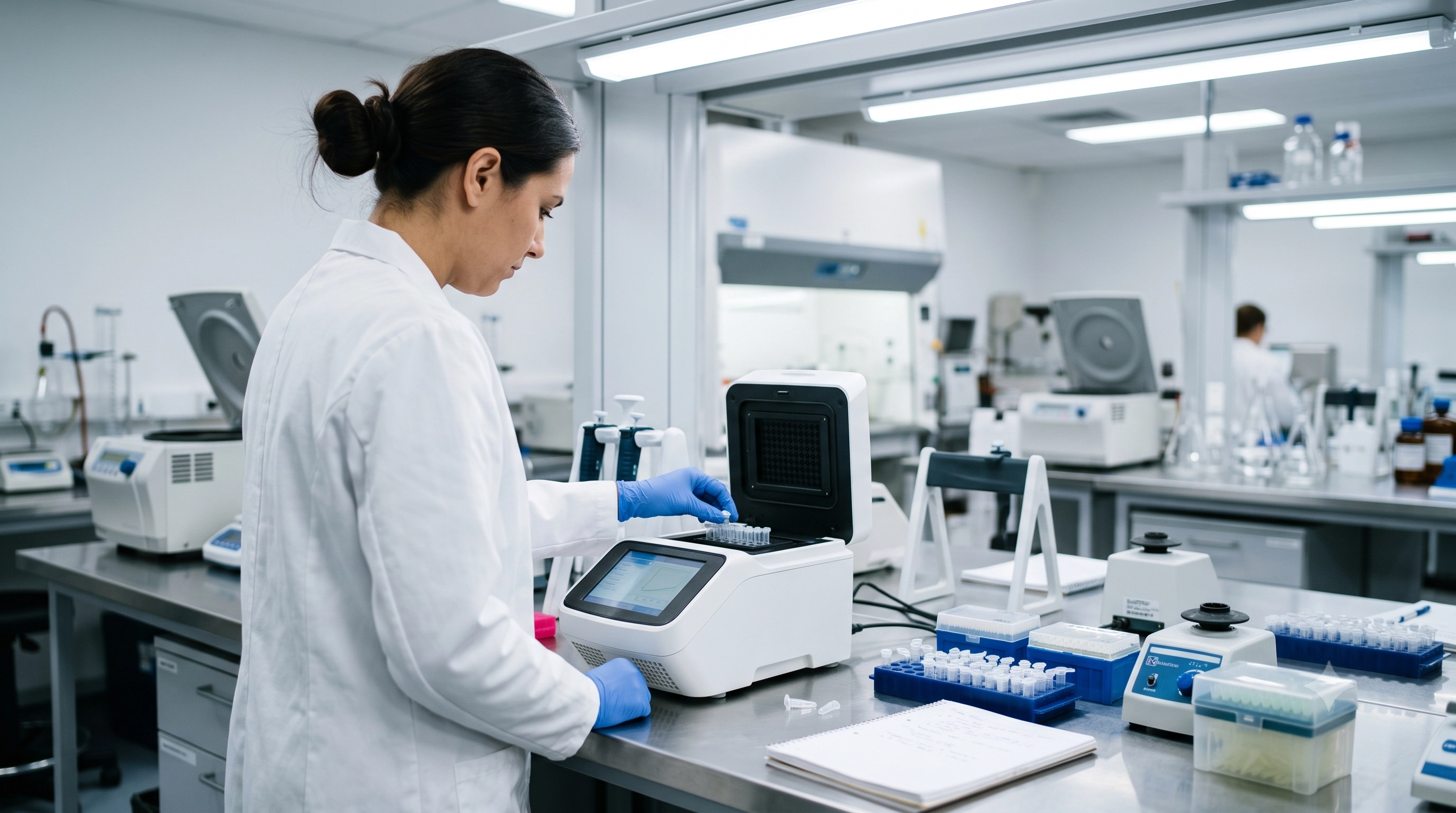
- Real-time PCR (qPCR): amplifies and detects pathogen-specific DNA sequences, returning presumptive results in hours rather than days.
- Immunoassay-based methods: enzyme-linked immunosorbent assay (ELISA) and lateral flow devices detect pathogen antigens directly, useful for rapid on-site or near-line screening.
- Biosensor platforms: emerging technologies that couple biological recognition elements with electronic or optical signal transduction for near-real-time detection.
- Whole genome sequencing (WGS): sequences an isolate's entire genome, allowing investigators to link a food sample to a specific outbreak strain with far greater resolution than traditional serotyping.
Regulatory Limits for Listeria, Salmonella, and E. coli
Regulatory tolerance for these three pathogens differs sharply, and food safety testing programs need to be built around each one's specific framework.
Listeria monocytogenes is subject to a longstanding FDA zero-tolerance enforcement policy in ready-to-eat foods, and is further addressed in the FDA's Listeria control guidance, which applies to manufacturers regulated under 21 CFR Part 117.
For E. coli, FSIS has tested raw ground beef for O157:H7 since October 1994 and expanded verification testing in June 2012 to cover six additional non-O157 Shiga toxin-producing serogroups, O26, O45, O103, O111, O121, and O145, all of which FSIS treats as adulterants in raw, non-intact beef products.
Salmonella regulation is currently in flux. FSIS proposed a framework in August 2024 that would have set specific product standards for chicken and turkey, including serotype-specific thresholds, but the agency formally withdrew the rule in April 2025 after receiving more than 7,000 public comments, and is reassessing its regulatory approach.
Whole Genome Sequencing for Foodborne Pathogen Outbreak Tracking
WGS has become central to modern outbreak investigations. FDA's GenomeTrakr network now comprises 62 U.S. laboratories across 35 states, plus more than 25 laboratories in other countries, and the associated NCBI Pathogen Detection portal has supported 1,643 public health actions since 2013. In 2025 alone, the network contributed to investigations spanning Listeria in frozen supplemental shakes and Salmonella Enteritidis in eggs, underscoring how quickly genomic data now moves from sample to actionable public health decision.
For laboratories, this means rapid detection and genomic sequencing capabilities increasingly work together rather than in competition: PCR and immunoassays flag a positive sample quickly, while sequencing resolves exactly which strain is involved and whether it matches an active outbreak cluster.
What Rapid Pathogen Detection Means for Food Safety Laboratories
The shift toward rapid pathogen detection does not eliminate the need for culture-based and genomic confirmation, but it does change how laboratories allocate testing resources. Facilities that pair fast molecular screening with a clear escalation path to culture confirmation and, where relevant, WGS submission are best positioned to meet both commercial turnaround expectations and regulatory requirements. With Salmonella policy currently unsettled at the federal level, laboratories should also expect continued change in how enforceable limits are defined for poultry in the coming months, and should build flexibility into validation and reporting workflows now rather than waiting for a final rule. Many facilities run these microbiological programs alongside chemical contaminant testing, such as mycotoxin testing, under the same broader food safety testing umbrella.
Frequently Asked Questions
How long does rapid pathogen detection take compared with traditional culture methods?
Real-time PCR and immunoassay-based screening can return presumptive results within hours, while traditional culture-based enrichment and confirmation for organisms like Listeria monocytogenes can take several days from sample receipt to final result.
Is PCR testing accepted as a regulatory confirmation method?
PCR and other rapid methods are widely used for screening, but regulatory agencies such as the FDA continue to rely on culture-based confirmation methods, like those described in the BAM, for official enforcement decisions.
What is the difference between O157:H7 and non-O157 STEC testing requirements?
FSIS has tested for E. coli O157:H7 since 1994 and expanded verification testing in 2012 to include six additional non-O157 Shiga toxin-producing serogroups, all of which are treated as adulterants in raw, non-intact beef products.
Is there currently an enforceable Salmonella limit for raw poultry?
Not at this time. FSIS proposed a Salmonella framework for raw poultry in August 2024 but formally withdrew it in April 2025, and the agency is reassessing its regulatory approach.
How does whole genome sequencing support pathogen detection programs?
WGS provides high-resolution genetic detail that allows investigators to link a food sample to a specific outbreak strain. FDA's GenomeTrakr network supports this work across dozens of domestic and international laboratories.
Do rapid methods replace the need for confirmatory testing?
No. Rapid methods are typically used as a first-line screen, with positive results routed to culture-based confirmation or genomic sequencing to meet regulatory and outbreak-investigation standards.