
Automated 3D Cell Culture Workflows: Reshaping Disease Research and Drug Development

Written By: Damon Anderson, PhD
Dec 15, 2025
As 3D cell systems move from exploratory research into routine use across drug development and translational science, automation is becoming essential.
For decades, two-dimensional (2D) cell culture has been the backbone of biological research and early-stage drug discovery. While these models enabled tremendous scientific progress, their limitations are increasingly clear.
Three-dimensional (3D) cell models—including spheroids, organoids, and tumoroids—are rapidly emerging as a more biologically relevant alternative. By allowing cells to self-organize into multicellular structures, 3D models better recapitulate tissue architecture, gradients of oxygen and nutrients, and physiologically relevant signaling pathways. These advances are driving a shift in how researchers study disease biology and evaluate therapeutic candidates.
Understanding 3D Cell Models
3D cell models encompass a range of culture systems that differ in complexity, origin, and application.
- Spheroids are typically formed from immortalized or primary cells that aggregate into compact, multicellular structures. They are widely used in cancer biology, toxicology, and high-throughput drug screening.
- Organoids are derived from stem cells or progenitor cells and can self-differentiate into structures that resemble specific organs, such as the intestine, liver, or brain. They capture key aspects of tissue-specific function and development.
- Tumoroids are patient-derived 3D tumor models that preserve genetic heterogeneity and microenvironmental features of individual cancers, making them especially valuable for translational research and precision medicine.
Advantages Over 2D Cell Models
The growing adoption of 3D cell culture is driven by many well-documented advantages over 2D systems.
- Improved physiological relevance: 3D models better reflect native tissue structure, enabling more realistic cell morphology, polarity, and differentiation.
- More predictive drug responses: Drug penetration, metabolism, and resistance mechanisms behave differently in 3D structures than in flat cultures.
- Enhanced modeling of disease complexity: Gradients of oxygen, nutrients, and signaling molecules naturally form within 3D cultures, enabling the study of hypoxia, necrotic cores, and heterogeneous cell populations.
Support for personalized medicine
Patient-derived organoids and tumoroids allow researchers to test therapeutic
strategies on models that retain patient-specific genetic and phenotypic
traits, supporting more individualized approaches to treatment selection.
Challenges and Limitations of Manual 3D Cell Culture
Despite their advantages, 3D cell models introduce significant technical and operational challenges—particularly when workflows rely heavily on manual handling.
- High variability and reproducibility issues: Manual steps such as cell seeding, matrix handling, media exchange, and aggregation timing can introduce substantial variability.
- Labor-intensive and time-consuming workflows: 3D cultures typically require more complex protocols than 2D systems, including specialized matrices, longer culture times, and careful monitoring.
- Limited scalability for screening applications: While 3D models are increasingly used in drug discovery, manual workflows struggle to support the sample volumes required for medium- to high-throughput screening.
- Technical sensitivity of 3D structures: Organoids and tumoroids are often fragile. Manual pipetting can disrupt structures, introduce shear stress, or cause loss of samples—especially during media changes or compound dosing.
- Data integration challenges: Variability in culture conditions complicates downstream analysis, making it difficult to correlate phenotypic readouts with molecular data or to integrate results across assays and platforms.
Automation as the Catalyst for the Next Generation of 3D Models
As 3D cell systems move from exploratory research into routine use across drug development and translational science, automation is becoming essential.
Automated 3D cell culture platforms offer standardized cell handling, precise liquid dispensing, and reproducible environmental control. By minimizing human intervention, these systems dramatically reduce variability while increasing throughput and consistency. Automation also enables parallel processing of hundreds or thousands of 3D cultures, making large-scale screening and longitudinal studies feasible.
Beyond efficiency, automation is accelerating innovation. Controlled, reproducible workflows make it possible to explore more complex tissue models, including multi-cell-type organoids, vascularized structures, and integrated organ-on-chip systems. As these models evolve, automation provides the stability and scalability needed to translate advanced tissue engineering concepts into practical research tools.
In disease research and drug development, the question is no longer whether 3D cell models will replace many 2D assays—but how quickly laboratories can adapt their infrastructure to support them. Automation stands at the center of this transition, enabling 3D cell culture to reshape progress in next-generation biomedical research.
Read on to learn more about 3D cell model development and the essential aspects to consider when transitioning from manual to automated cell culture techniques in the lab.
Jan 09, 2026
Product News
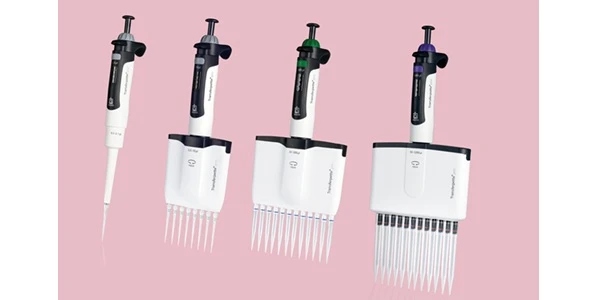
BRANDTECH Scientific Introduces the Transferpette® pro Micropipette: A New Twist on Comfort and Control
The latest addition to its trusted line of precision liquid handling instruments, engineered for comfort, control, and repeatable accuracy.
Jan 06, 2026
Featured, Technical Insight
New Research Frontiers Unlocked by Next-Generation Flow Cytometry
Next-generation flow cytometry systems using acoustic focusing are opening entirely new areas of research that were previously impractical or inaccessible with conventional flow cytometers.
Jan 05, 2026
Buying Guides
The Bottom Line: How Smart Microcentrifuge Tube Choices Impact Lab Efficiency and Cost
Innovative microcentrifuge tube solutions are more than just lab consumables—they’re strategic tools that can reduce costs, improve outcomes, and support long-term sustainability goals.
Jan 05, 2026
Buying Guides
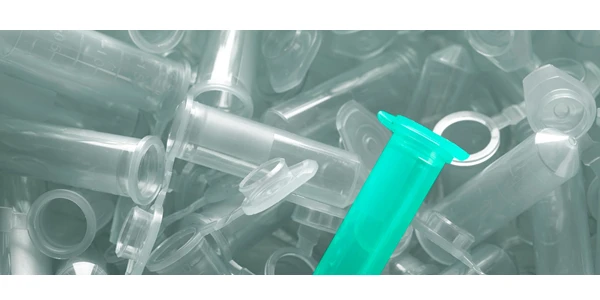
Future-Proofing Your Lab with Innovative Microcentrifuge Tube Solutions
As laboratories evolve to meet the growing demands of modern science, even the most basic tools—like microcentrifuge tubes—are being reimagined.
Jan 05, 2026
Buying Guides
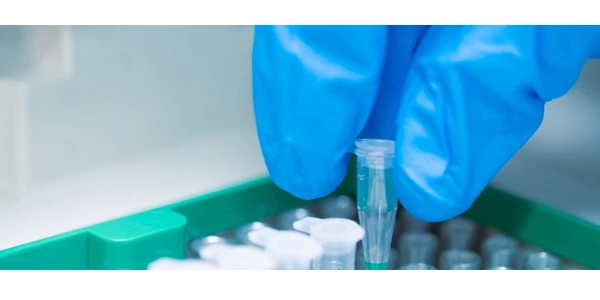
Microcentrifuge Tube Innovations: Driving Sustainable Change
Integrating next-generation consumables into standard workflows can lead to a more sustainable and responsible research environment.
Jan 05, 2026
Buying Guides
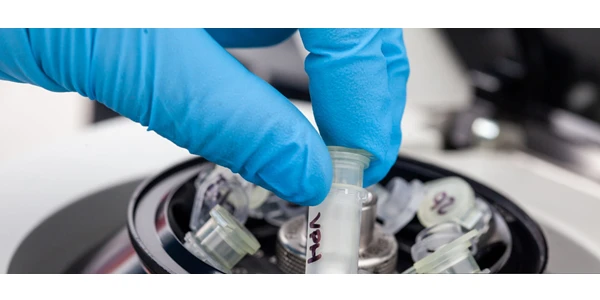
Single Use Plastics: How to Manage these Major Contributors to Lab Waste
Reducing lab waste isn’t just a sustainability issue—it’s a financial and operational one, too.
Jan 05, 2026
Buying Guides
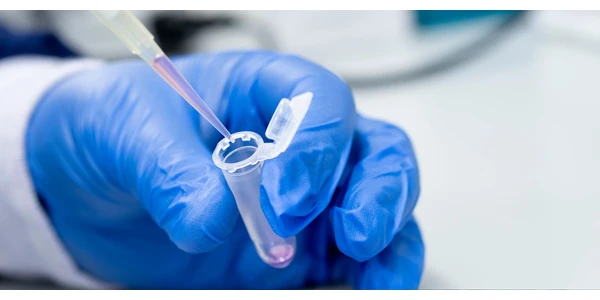
Common Microcentrifuge Tube Challenges in Sensitive Molecular Workflows
Key factors that can impact the performance of microcentrifuge tubes for PCR, qPCR, and NGS and other sensitive applications
Jan 05, 2026
Buying Guides
How to Research the Right Microcentrifuge Tubes for Your Application
Selecting the right microcentrifuge tubes starts with understanding the specific demands of your application.
Jan 05, 2026
Technical Insight
The Best Confocal Microscopes of 2026
Discover the best confocal microscopes of 2026 for advanced imaging. Compare top models from Zeiss, Evident, and Nikon for speed, resolution, and budget.
Dec 24, 2025
Featured, Popular Products, Technical Insight
Emerging Mass Spectrometry Technologies to Improve Intraoperative Diagnostics
Advances in mass spectrometry may soon reshape surgery, improving diagnostic accuracy and impacting post-operative outcomes