
Emerging Mass Spectrometry Technologies to Improve Intraoperative Diagnostics

Written By: Damon Anderson, PhD
Dec 24, 2025
Advances in mass spectrometry may soon reshape surgery, improving diagnostic accuracy and impacting post-operative outcomes
Background
Oncological surgery requires highly accurate diagnosis and resection to be sure all traces of the tumor are removed. Frozen section histopathology combined with imaging is the standard method for tumor diagnosis during surgery. Although important resection decisions are made based on the technique, the methods can produce suboptimal diagnostic accuracy of biopsied tissue.
These challenges may soon be upended by a new mass spec technology that leverages molecular feature analysis for improved diagnostic accuracy. Ambient ionization mass spectrometry (AIMS)1 may soon become a game changer in the operating room, helping to advance the speed and accuracy of tissue biopsy and resection. Such technology has the potential to reshape the surgical oncology landscape by streamlining procedures and positively impacting surgical results.
Challenges of intraoperative diagnostics
Cancer is personal and each case of the disease emerges with unique characteristics and challenges. Presentation, pathology, prognosis, and ultimately treatment strategies all take place amidst the backdrop of the patient’s personal health, genetics, and physiology. Although each disease scenario is different, universal tools are often used to identify and inform treatment. One such technique is central to identification and subsequent removal of tumor tissue during surgery. Frozen section histopathology coupled with imaging is the current standard for confirming cancerous tissue and informing resection in the operating room. Decades of use and refinement have made the method reliable, but there are important limitations that leave room for improvement.
Frozen section histopathology involves removal of tissue followed by cryosectioning and visual detection of morphological features of the tumor. Confirmation of malignancy, typically by an on-site pathologist, means surgeons must then probe deeper and remove additional tissue for subsequent biopsy. The process must be repeated until benign tissue is eventually confirmed thereby delineating the tumor margin. Tumor resection and boundary definition must be performed in three dimensions to ensure clean margins and removal of all signs of cancerous tissue. Depending on the tumor type, size, and location, the process can be tedious and time-consuming (20-30 min per biopsy), requiring numerous tissue biopsies (10-100 or more) throughout the surgery. Post-surgical pathology work-up and confirmation must be performed to stratify the initial diagnosis and to ensure no malignant tissue is left behind. If it is, follow up surgery and adjuvant therapy may be needed, placing significant addition burden on the patient and risking residual disease.
Molecular features analysis to assist diagnosis
A very active area of cancer research has focused on molecular feature analysis. Molecular analysis of morphological features and genetic markers is often more accurate in delineating tumorous tissue in the lab compared with standard histopathology and imaging techniques alone. Such analysis can provide detailed insight into the tumor type and can lead to a tailored approach towards treatment. The caveat is molecular analysis typically involves sequencing and biomarker identification, processes that require time and specialized instrument resources not compatible with surgery workflows.
Novel technologies have arisen to address the medical need for more accurate and sensitive diagnostic tools in the OR. One such technology – ambient ionization mass spectrometry (AIMS) – leverages simplified sample preparation and ion analysis capabilities that are well-suited for intraoperative applications. The technology offers the potential to discern benign from cancerous tissue based on distinct mass spectral profiles, and in practice, may prove useful as an improved approach for delineating tumor margins during surgery.
Ambient ionization mass spectrometry
Proteins, lipids, and metabolic products of cells can reveal details of cell function or disfunction. In the case of oncogenesis, the increased energetic needs and hypoxic conditions implicit in cancerous tissues create changes that can be detected by sensitive techniques such as mass spectrometry. Using conventional approaches, complex samples rich with molecular information must undergo extensive fractionation using liquid chromatography upstream of MS to derive definitive results. These challenges along with the need for complex instrumentation has limited the application of MS in clinical medicine and has been a barrier for the use of MS in intraoperative diagnostics.
AIMS is a technology that avoids the need for extensive sample prep. The approach allows the sample to be ionized directly from liquid or sold sample substrates and guided into the inlet of the MS instrument. Several ambient ionization methods and hardware setups have been described including DESI, DART, LAESI, APCI, APA, and others4.
Beyond removing the barrier of complicated and time-consuming sample fractionation, the AIMS ionization process avoids the requirement for low pressure vacuum. Additionally, the analysis can take place under atmospheric conditions, hence the name “ambient”. These attributes overcome the need for hardware, vacuum pumps, chromatography devices, and other front-end components typically required for MS. Moreover, the AIMS approach reduces the overall complexity such that sample interfaces such as surgical tools can be paired successfully with the instrument.
To this end, AIMS DESI-MS methods for rapid molecular characterization of resected tissue have been developed to test the validity of the approach for intraoperative tumor diagnostics2. Modifications of the technique, including liquid micro-junction surface sample probe (LN-SSP) MS, have subsequently been used in clinical trial analyses of breast cancer assessing the diagnostic capabilities for intraoperative procedures3.
Robotic surgery coupled with MS tissue analysis
As a logical progression, the coupling of ambient ionization technologies with robotic surgical applications has the potential for real-time intra-operative diagnostics and surgical decision making. Along these lines, recent investigations have explored modifications of the approach, termed rapid evaporative ionization MS (REIMS), used in concert with robotic surgical resection of head and neck cancers6. Robotic surgical platforms including the iKnife6, the SpiderMass7, the MassSpec Pen8, and the Picosecond InfraRed Laser (PIRL)9 have demonstrated compatibility with rapid MS analysis of in-situ samples. These surgical energy devices generate aerosolized tissue which can be captured and transferred into the inlet of DESI-MS or other AIMS instrument for analysis. The total time scale from capture to analysis is on the order or tens of seconds, offering proof in concept of near real-time feedback to guide surgical techniques without interrupting workflows.
A recent study titled “Human robotic surgery with intraoperative tissue identification using rapid evaporation ionization mass spectrometry” demonstrated the first human-based usage of the MS tissue identification system (REIMS) with an iKnife robotic surgery device5. In an initial set of experiments involving laser-assisted transoral robotic surgery (TORS), REIMS spectra were recorded over the mass to charge (m/z) range of 100-1500. Notable differences between tissue types were shown in the m/z 560-1000 area where lipid metabolites are easily identifiable. Spectra of the highest relative abundance ions in this mass range were associated with lipid species including glycerophospholipids, ceramides, and glycolipids.
In a second set of experiments focused on minimal access surgery, transaxillary parathyroidectomy was performed to access the parathyroid gland and the iKnife was used to direct surgical aerosol to the REIMS instrument. By sampling at six different tissues sites, collecting a total of 55 spectra, statistically distinct metabolic signatures were identified. The system was successful in identifying all tissue types with 100% diagnostic accuracy when comparing MS data with histological results5. These conclusions demonstrate that near real-time molecular feature analysis coupled with a robotic system can indeed help navigate through complex anatomical layers with high-resolution during surgery.
Outlook
The next step of this pioneering work will be to develop more complete ex vivo spectral databases, validated with histological analysis, to assist in diagnosing tissue and guiding robotic systems. Such refinements in intraoperative diagnostics, such as those enabled by ambient ionization MS technologies, may soon redefine surgical outcomes and prognoses for patients suffering from disease.
References
- Eberlin LS, Norton I, Orringer D, et al. Ambient mass spectrometry for the intraoperative molecular diagnosis of human brain tumors. Proc Natl Acad Sci U S A. 2013;110(5):1611-1616. https://doi.org/10.1073/pnas.1215687110
- Basu SS, Stopka SA, Abdelmoula WM, et al. Interim clinical trial analysis of intraoperative mass spectrometry for breast cancer surgery. NPJ Breast Cancer. 2021;7(1):116. Published 2021 Sep 9. https://doi.org/10.1038/s41523-021-00318-5
- Rankin-Turner S, Sears P, Heaney LM. Applications of ambient ionization mass spectrometry in 2022: An annual review. Analytical Science Advances. 2022; 4(5-6): 133-153. https://doi.org/10.1002/ansa.202300004
- Brown, Hannah Marie (2022). Ambient Ionization Mass Spectrometry for Intraoperative and High-Throughput Brain Cancer Diagnostics. Purdue University Graduate School. Thesis. https://doi.org/10.25394/PGS.19678956.v1
- Manoli, E., Higginson, J., Tolley, N. et al. Human robotic surgery with intraoperative tissue identification using rapid evaporation ionisation mass spectrometry. Sci Rep 14, 1027 (2024). https://doi.org/10.1038/s41598-023-50942-3
- Júlia Balog et al., Intraoperative Tissue Identification Using Rapid Evaporative Ionization Mass Spectrometry. Sci. Transl. Med.5,194ra93-194ra93(2013). http://doi.org/10.1126/scitranslmed.3005623
- Fatou, B., Saudemont, P., Leblanc, E. et al. In vivo Real-Time Mass Spectrometry for Guided Surgery Application. Sci Rep 6, 25919 (2016). https://doi.org/10.1038/srep25919
- Jialing Zhang et al, Nondestructive tissue analysis for ex vivo and in vivo cancer diagnosis using a handheld mass spectrometry system. Sci. Transl. Med.9,3968(2017). http://doi.org/10.1126/scitranslmed.aan3968
- Woolman M, Ferry I, Kuzan-Fischer CM, et al. Rapid determination of medulloblastoma subgroup affiliation with mass spectrometry using a handheld picosecond infrared laser desorption probe. Chem Sci. 2017;8(9):6508-6519. http://doi.org/10.1039/c7sc01974b
Jan 09, 2026
Product News
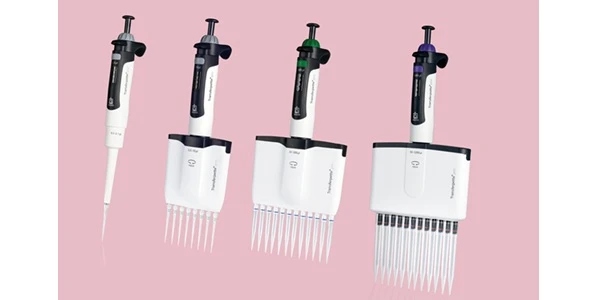
BRANDTECH Scientific Introduces the Transferpette® pro Micropipette: A New Twist on Comfort and Control
The latest addition to its trusted line of precision liquid handling instruments, engineered for comfort, control, and repeatable accuracy.
Jan 06, 2026
Featured, Technical Insight
New Research Frontiers Unlocked by Next-Generation Flow Cytometry
Next-generation flow cytometry systems using acoustic focusing are opening entirely new areas of research that were previously impractical or inaccessible with conventional flow cytometers.
Jan 05, 2026
Buying Guides
The Bottom Line: How Smart Microcentrifuge Tube Choices Impact Lab Efficiency and Cost
Innovative microcentrifuge tube solutions are more than just lab consumables—they’re strategic tools that can reduce costs, improve outcomes, and support long-term sustainability goals.
Jan 05, 2026
Buying Guides
Future-Proofing Your Lab with Innovative Microcentrifuge Tube Solutions
As laboratories evolve to meet the growing demands of modern science, even the most basic tools—like microcentrifuge tubes—are being reimagined.

Jan 05, 2026
Buying Guides
Microcentrifuge Tube Innovations: Driving Sustainable Change
Integrating next-generation consumables into standard workflows can lead to a more sustainable and responsible research environment.
Jan 05, 2026
Buying Guides
Single Use Plastics: How to Manage these Major Contributors to Lab Waste
Reducing lab waste isn’t just a sustainability issue—it’s a financial and operational one, too.
Jan 05, 2026
Buying Guides
Common Microcentrifuge Tube Challenges in Sensitive Molecular Workflows
Key factors that can impact the performance of microcentrifuge tubes for PCR, qPCR, and NGS and other sensitive applications
Jan 05, 2026
Buying Guides
How to Research the Right Microcentrifuge Tubes for Your Application
Selecting the right microcentrifuge tubes starts with understanding the specific demands of your application.
Jan 05, 2026
Technical Insight
The Best Confocal Microscopes of 2026
Discover the best confocal microscopes of 2026 for advanced imaging. Compare top models from Zeiss, Evident, and Nikon for speed, resolution, and budget.

Dec 24, 2025
Featured, Popular Products, Technical Insight
Emerging Mass Spectrometry Technologies to Improve Intraoperative Diagnostics
Advances in mass spectrometry may soon reshape surgery, improving diagnostic accuracy and impacting post-operative outcomes