
The Best DNA Sequencers of 2026

Written By: Craig Bradley
Dec 08, 2025
Selecting the right instrumentation is critical for laboratory professionals navigating the landscape of genomic research and clinical diagnostics. Modern DNA sequencers have shifted beyond simple base calling, now offering integrated multiomics, increased speed, and long-read capabilities that expand experimental possibilities. This guide examines five prominent models defining the market in 2026, evaluating their throughput, accuracy, and operational efficiency to assist facilities in optimizing their genomic workflows. Best Overall: Element Biosciences AVITI24 — Delivers Q40+ accuracy and simultaneous multiomics at a cost-effective price point. Best On A Budget: Oxford Nanopore PromethION 2 Solo — Provides access to high-output nanopore sequencing with a compact footprint. Best For Speed: Illumina MiSeq i100 — Offers rapid turnaround times with run completion in as little as 4 hours for urgent samples. Best For Throughput: Illumina NovaSeq X Plus — The industry standard for population-scale genomics and high-volume data generation. Best High-End Option: PacBio Revio — Combines high-fidelity long reads with high throughput for complete genome assembly. Price Range: ~$289,000 (Base system)
Best For: Most Versatile
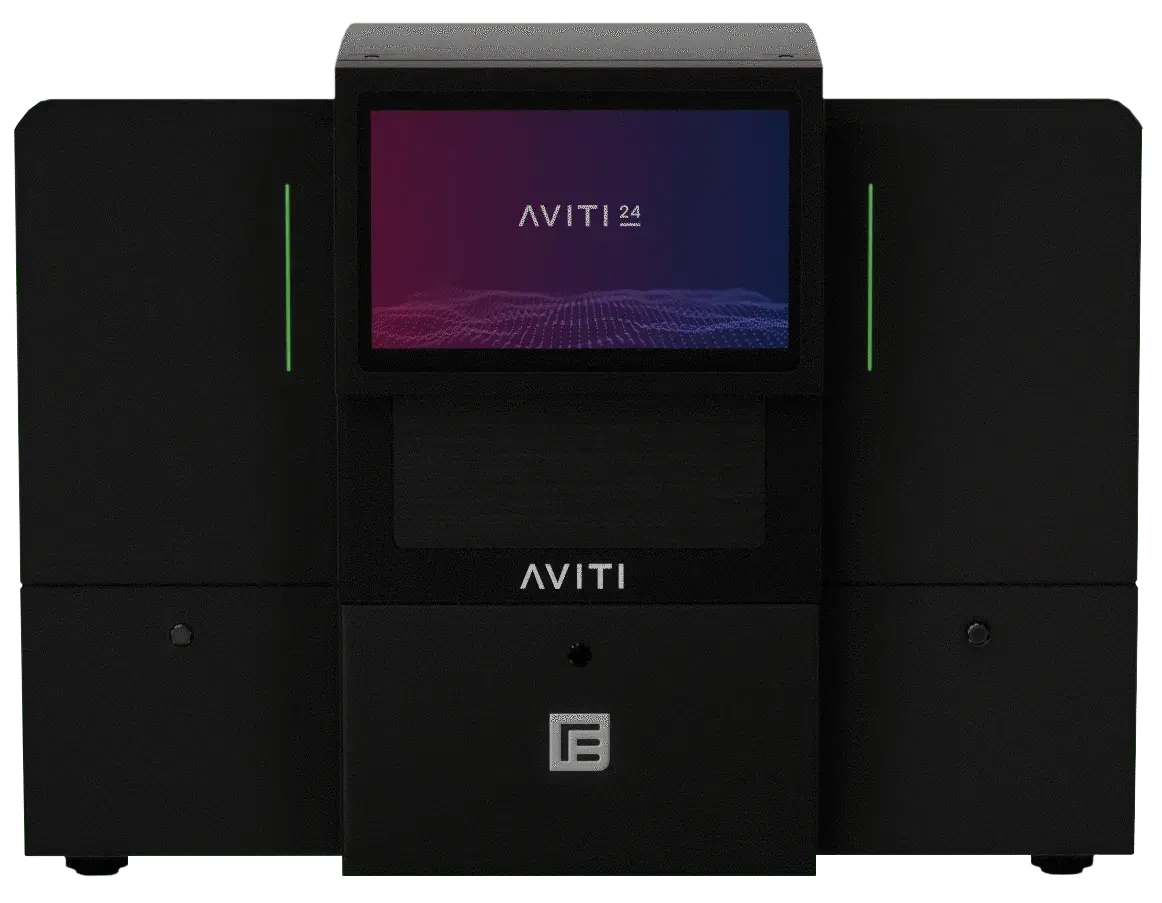
Category: A flexible benchtop system merging high-accuracy sequencing with cyto-profiling capabilities. Read Lengths: 2 x 75 bp, 2 x 150 bp, 2 x 300 bp Output: Up to 3 billion reads per run (High Output) Accuracy: >90% Q30; >80% Q40 (Cloudbreak chemistry) Multiomics: Integrated analysis of DNA, RNA, proteins, and cell morphology The AVITI24, fully rolled out in 2025, offers a distinct approach to benchtop utility by combining a genomic sequencer with a cell profiler in a single unit. Its proprietary Avidity sequencing chemistry minimizes reagent consumption, allowing laboratories to achieve costs below $1 per gigabase while maintaining data quality. Beyond standard NGS applications like whole-genome and exome sequencing, the system’s Teton CytoProfiling capability allows researchers to map RNA and protein expression directly to cell morphology, making it suited for oncology, immunology, and drug discovery workflows where spatial context is required. Price Range: ~$49,000
Best For: Best For Speed
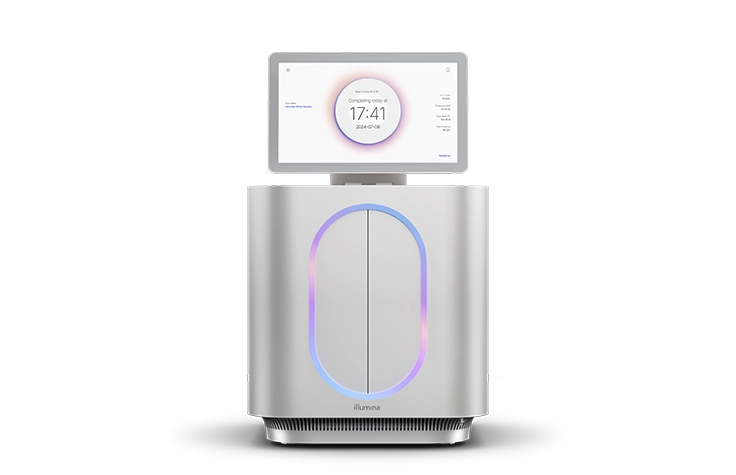
Category: An entry-level benchtop sequencer optimized for rapid turnaround and operational simplicity. Run Time: 4 to 16 hours (depending on output) Output: Up to 100 million reads (30 Gb) Storage: Room-temperature reagent shipping and storage Analysis: Onboard DRAGEN FPGA for real-time secondary analysis Released to address the need for immediate insights, the MiSeq i100 reduces the time between sample loading and final data generation. The inclusion of XLEAP-SBS chemistry enables runs to finish 4 times faster than previous MiSeq generations, a useful feature for clinical research settings requiring urgent pathogen identification or rapid quality control of libraries. Its room-temperature reagents eliminate thawing time and simplify logistics, while the streamlined one-touch workflow supports small labs or core facilities handling targeted gene panels, small genomes, and amplicon sequencing with minimal hands-on time. Price Range: ~$27,955 (Starter Pack)
Best For: Best On A Budget
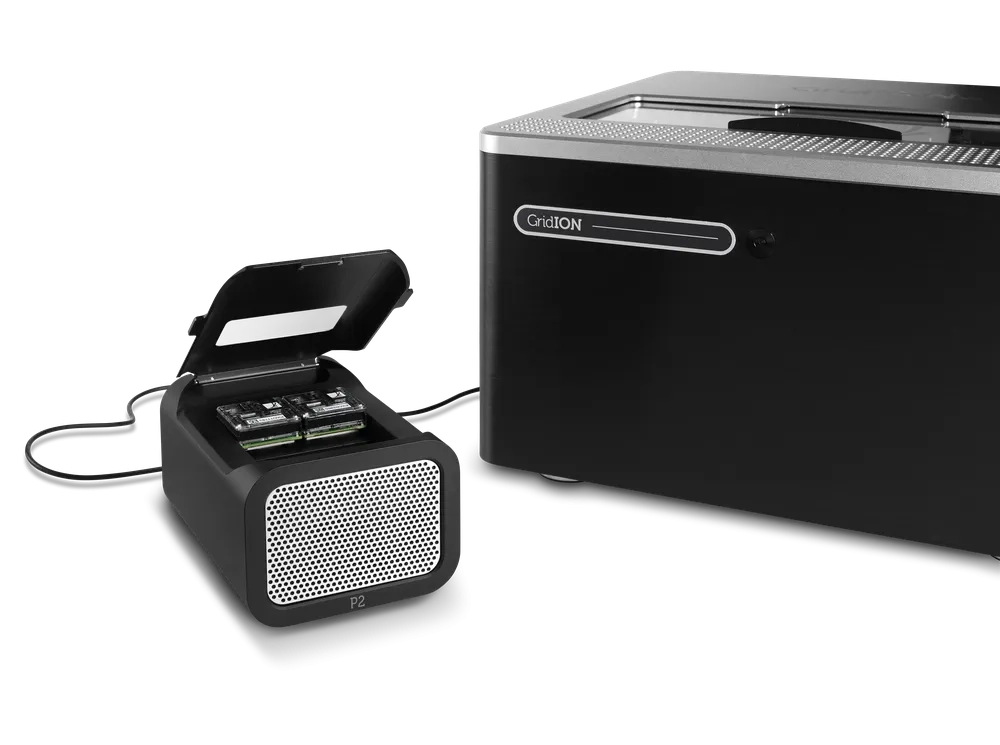
Category: A compact, modular sequencing unit bringing high-yield nanopore technology to individual labs. Flow Cells: Runs up to 2 PromethION flow cells independently Read Length: Short to ultra-long (>4 Mb) Real-Time Data: Immediate access to data streams during sequencing Direct Sensing: Direct DNA/RNA sequencing with methylation detection The PromethION 2 (P2) Solo changes the traditional cost structure of high-throughput sequencing by decoupling the fluidics hardware from compute modules, utilizing an existing powerful workstation instead. This architecture allows smaller laboratories to generate terabases of data previously associated with factory-scale centers. The device is effective for applications requiring long reads, such as de novo assembly, structural variant detection, and direct methylation calling without bisulfite conversion. Its ability to run flow cells individually provides flexibility for variable sample volumes, making it a viable choice for agile research groups focused on complex genomic regions. Shop Oxford Instruments on LabX Price Range: ~$1,250,000
Best For: Best For Throughput
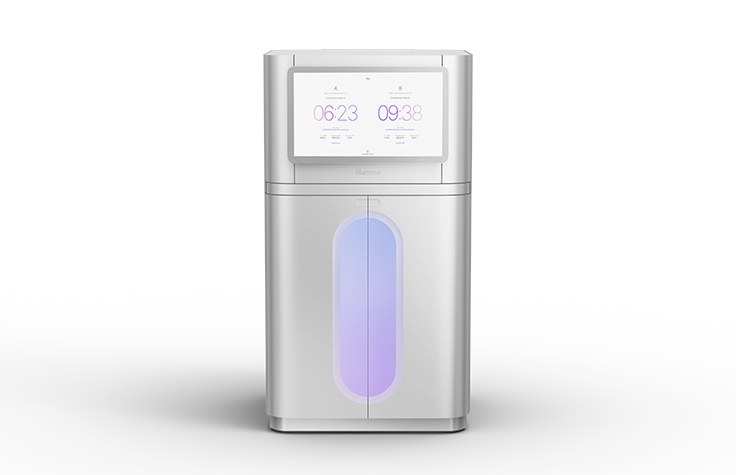
Category: The primary ultra-high-throughput production sequencer for population-scale studies. Output: Up to 16 Tb per run (Dual flow cell) Reads per Run: Up to 52 billion Throughput: Capable of sequencing ~20,000 genomes per year Logistics: Ambient-temperature shipping for most reagents Designed for national genome initiatives and large commercial service providers, the NovaSeq X Plus maximizes data density and operational scale. It features simplified high-density flow cells and optimized optics that lower the cost per genome, expanding access to large-scale whole-genome sequencing (WGS). The platform supports high data demands, such as deep sequencing for liquid biopsy development, single-cell experiments requiring high read counts, and extensive agricultural genomic surveys. Its onboard DRAGEN integration ensures that the large volume of raw data is processed efficiently, mitigating bioinformatic bottlenecks typical of this production level. Price Range: ~$779,000
Best For: Best High-End Option
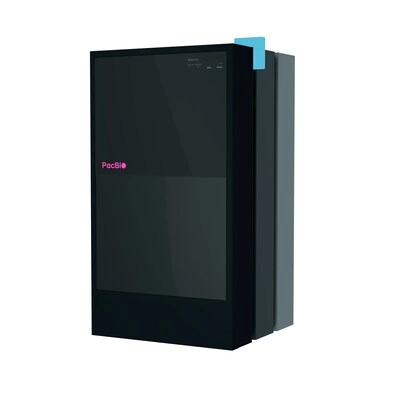
Category: A long-read sequencing system delivering high-fidelity (HiFi) reads at scale. Read Accuracy: 99.9% (HiFi reads) Output: Up to 360 Gb per 24-hour run Read Length: 15–20 kb average Native Calling: Simultaneous 5mC methylation detection The Revio system addresses the historical throughput limitations of long-read sequencing, offering a fifteen-fold increase over its predecessor, the Sequel IIe. By parallelizing reaction monitoring across 25 million zero-mode waveguides (ZMWs), it enables the routine sequencing of up to 1,300 human genomes annually with high completeness. This system is effective for resolving difficult-to-sequence regions, phasing haplotypes, and characterizing complex structural variants often missed by short-read technologies. While PacBio's newer Vega system brings HiFi to the benchtop, the Revio remains a primary platform for high-throughput production environments generating reference-quality genomes. Model Best For Key Features Typical Price Range Element AVITI24 Most Versatile Integrated cyto-profiling, Q40+ accuracy, low reagent cost ~$289,000 Oxford Nanopore P2 Solo Best On A Budget Ultra-long reads, low capital cost, real-time analysis ~$27,955 Illumina MiSeq i100 Best For Speed 4-hour run times, room-temp reagents, simplified workflow ~$49,000 Illumina NovaSeq X Plus Best For Throughput Massive 16 Tb output, population-scale capacity ~$1,250,000 PacBio Revio High-End Option High-fidelity long reads, native methylation, 24h turnaround ~$779,000 The landscape of DNA sequencers in 2026 reflects a divergence into specialized capabilities, moving away from a one-size-fits-all approach. Whether a laboratory prioritizes the speed of the MiSeq i100, the multiomic versatility of the AVITI24, or the high output of the NovaSeq X Plus, current options allow for alignment between instrumentation and experimental goals. Investing in the correct platform ensures that facilities can meet the increasing demands for accuracy, speed, and data complexity inherent in modern genomics. This article was created with the assistance of Generative AI and has undergone editorial review before publishing.
Quick Summary
AVITI24 – Element Biosciences
Key Specs
Performance & Applications
MiSeq i100 – Illumina
Key Specs
Performance & Applications
PromethION 2 Solo – Oxford Nanopore Technologies
Key Specs
Performance & Applications
NovaSeq X Plus – Illumina
Key Specs
Performance & Applications
Revio – PacBio
Key Specs
Performance & Applications
Comparison Table
Conclusion: Selecting the Best DNA Sequencer for 2026
Jan 09, 2026
Product News
BRANDTECH Scientific Introduces the Transferpette® pro Micropipette: A New Twist on Comfort and Control
The latest addition to its trusted line of precision liquid handling instruments, engineered for comfort, control, and repeatable accuracy.

Jan 06, 2026
Featured, Technical Insight
New Research Frontiers Unlocked by Next-Generation Flow Cytometry
Next-generation flow cytometry systems using acoustic focusing are opening entirely new areas of research that were previously impractical or inaccessible with conventional flow cytometers.
Jan 05, 2026
Buying Guides
The Bottom Line: How Smart Microcentrifuge Tube Choices Impact Lab Efficiency and Cost
Innovative microcentrifuge tube solutions are more than just lab consumables—they’re strategic tools that can reduce costs, improve outcomes, and support long-term sustainability goals.
Jan 05, 2026
Buying Guides
Future-Proofing Your Lab with Innovative Microcentrifuge Tube Solutions
As laboratories evolve to meet the growing demands of modern science, even the most basic tools—like microcentrifuge tubes—are being reimagined.
Jan 05, 2026
Buying Guides
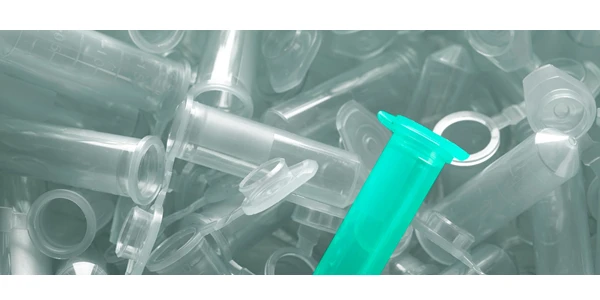
Microcentrifuge Tube Innovations: Driving Sustainable Change
Integrating next-generation consumables into standard workflows can lead to a more sustainable and responsible research environment.
Jan 05, 2026
Buying Guides
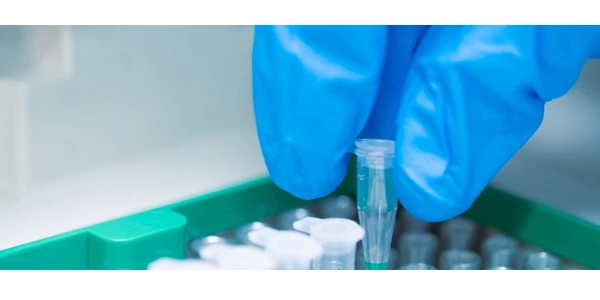
Single Use Plastics: How to Manage these Major Contributors to Lab Waste
Reducing lab waste isn’t just a sustainability issue—it’s a financial and operational one, too.
Jan 05, 2026
Buying Guides
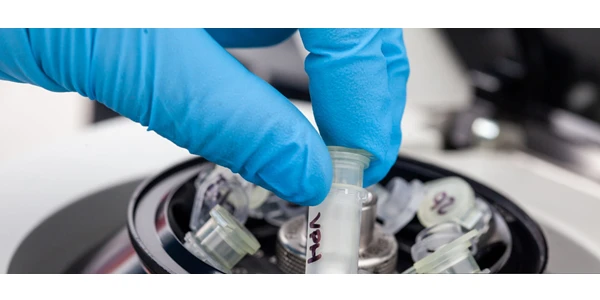
Common Microcentrifuge Tube Challenges in Sensitive Molecular Workflows
Key factors that can impact the performance of microcentrifuge tubes for PCR, qPCR, and NGS and other sensitive applications
Jan 05, 2026
Buying Guides
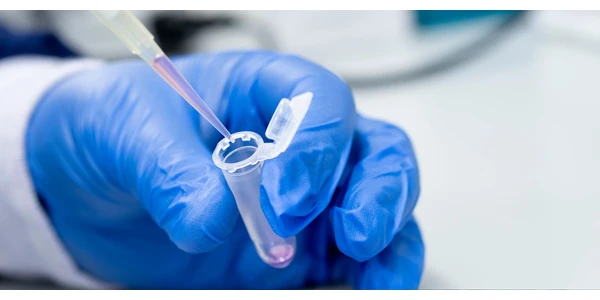
How to Research the Right Microcentrifuge Tubes for Your Application
Selecting the right microcentrifuge tubes starts with understanding the specific demands of your application.
Jan 05, 2026
Technical Insight
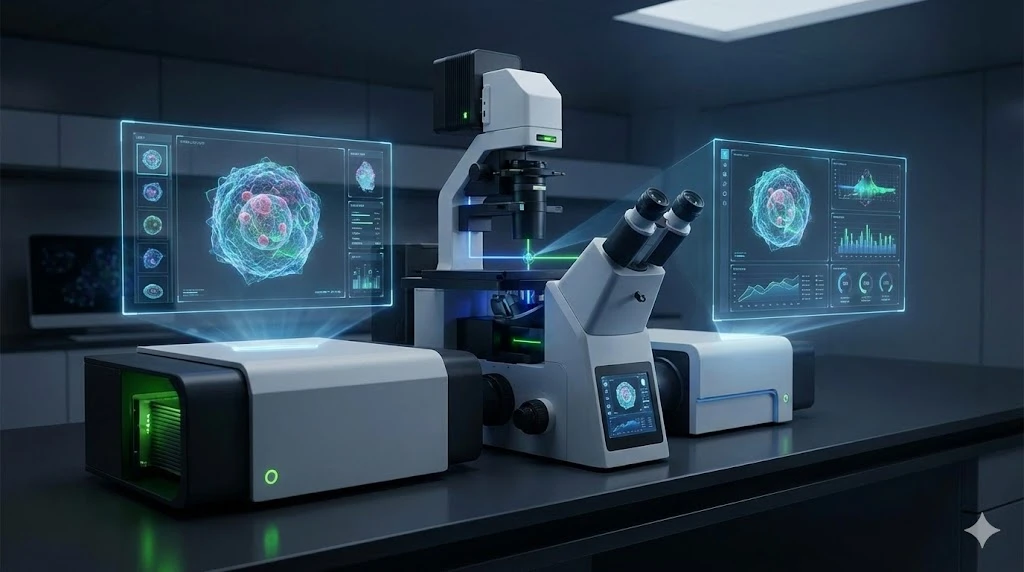
The Best Confocal Microscopes of 2026
Discover the best confocal microscopes of 2026 for advanced imaging. Compare top models from Zeiss, Evident, and Nikon for speed, resolution, and budget.

Dec 24, 2025
Featured, Popular Products, Technical Insight
Emerging Mass Spectrometry Technologies to Improve Intraoperative Diagnostics
Advances in mass spectrometry may soon reshape surgery, improving diagnostic accuracy and impacting post-operative outcomes