
The Best Gas Analyzers of 2026

Written By: Craig Bradley
Dec 15, 2025
Precise atmospheric monitoring and chemical composition analysis remain critical functions for modern laboratory professionals, driving the demand for advanced gas analyzers that deliver speed without compromising accuracy. The best gas analyzers of 2026 integrate smart diagnostics, compact footprints, and sustainable operation to meet the evolving regulatory and experimental needs of research facilities. Selection of the right instrument requires a careful balance of detection limits, response time, and integration capabilities, particularly as laboratories face increasing pressure to reduce energy consumption and optimize bench space. This article examines five standout models shaping the market this year, including cutting-edge releases from 2023 through 2025 that set new standards for analytical performance. Quick Summary Best Overall: Shimadzu Brevis GC-2050 — A compact, energy-efficient gas chromatograph updated in 2025 with visualized CO2 reduction for sustainable labs. Best For Speed / Throughput: Hiden Analytical QGA 2.0 — Delivers real-time, multi-species analysis with rapid response times for dynamic gas processes. Best For Compliance: Thermo Scientific 48iQ — Features predictive diagnostics and continuous health monitoring ideal for regulatory reporting. Most Versatile: Agilent 8850 (Gen 2) — A flexible, space-saving GC system updated in late 2025 to handle a wide range of detector configurations. Best High-End Option: LI-COR LI-7835 — A 2025 release providing exceptional precision for Hydrogen and Methane detection using OF-CEAS technology. Price Range: $25,000 – $45,000
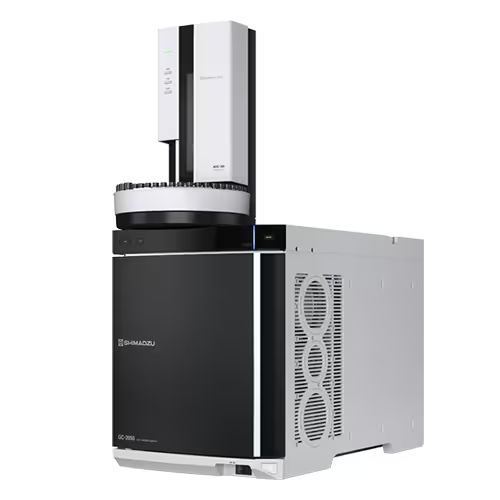
Best For: Overall Performance & Sustainability Following a major platform update in January 2025, the Shimadzu Brevis GC-2050 continues to redefine the standard for laboratory gas chromatographs by prioritizing energy efficiency alongside analytical power. This model is engineered for laboratories where bench space is at a premium, boasting a system width of only 350 mm. The 2025 overhaul introduced the new GI-30 automatic gas injector and a completely redesigned Thermal Conductivity Detector (TCD), enhancing its utility for the "Green Transformation" (GX) market. It includes a unique "Eco-idling" function that automatically reduces power and gas consumption when the instrument is in standby, addressing the growing operational cost concerns of modern facilities. Key Specs Dimensions: 350 mm width (approx. 30% narrower than standard GCs). Detectors: Redesigned TCD (2025); compatible with FID and dielectric barrier discharge ionization detectors (BID). Power Consumption: Reduces power by ~30% compared to previous models; features automated shutdown. Interface: Visualizes CO2 reduction and gas savings directly on the display. Carrier Gas: Optimized for Helium, Hydrogen, and Nitrogen. Performance & Applications
The Brevis GC-2050 excels in routine analysis where consistency and operational costs are paramount. Its updated TCD offers enhanced sensitivity, making it particularly suitable for analyzing evolved gases in battery research and new energy development. The system's ability to visualize CO2 reduction aligns perfectly with corporate sustainability goals, a feature unique among 2026 contenders. Laboratories focused on quality control in petrochemicals, as well as environmental testing centers requiring high throughput for standard gas mixtures, will find the Brevis GC-2050 delivers flagship-level results in a fraction of the footprint. Price Range: $30,000 – $55,000
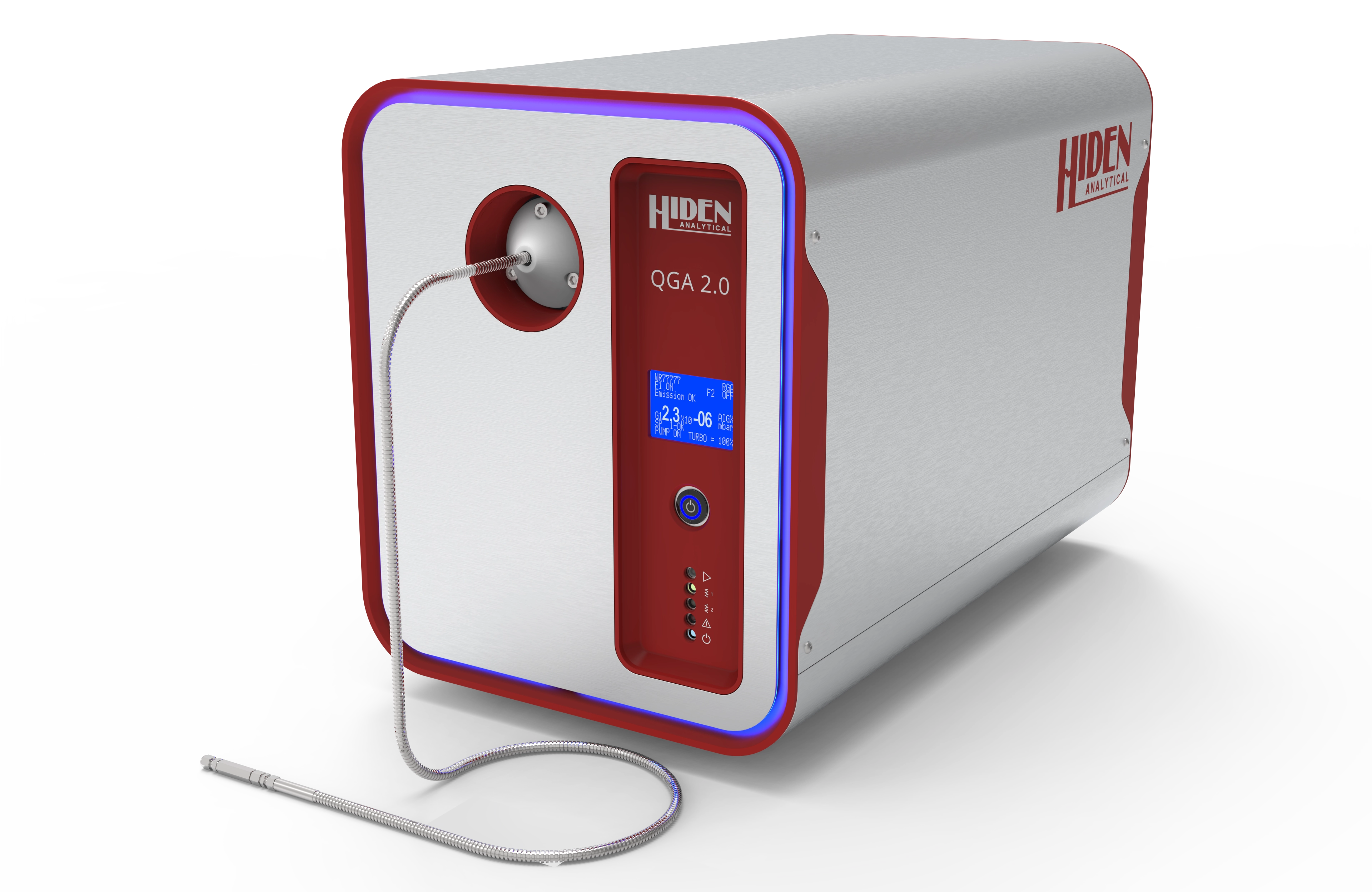
Best For: Speed / Throughput Launched in late 2023, the Hiden Analytical QGA 2.0 represents a significant leap forward in real-time gas analysis. Unlike separation-based techniques that require minutes per run, this quantitative gas analyzer utilizes mass spectrometry to provide continuous, sub-second monitoring of multiple gas species. The QGA 2.0 features a lighter, more ergonomic design than its predecessor (42% smaller footprint) and includes an upgraded pumping configuration that enhances sensitivity for light gases like hydrogen and helium. Key Specs Technology: Quadrupole Mass Spectrometer (QMS). Response Time: Less than 300 milliseconds for most common gases. Detection Range: 100 ppb to 100%. Inputs: Heated capillary inlet for continuous sampling at atmospheric pressure. Software: QGA Professional software for automated quantitative analysis. Performance & Applications
Speed is the defining characteristic of the QGA 2.0, making it the superior choice for dynamic reaction monitoring where transient events must be captured instantly. The instrument is particularly relevant for catalysis research, thermal analysis (TGA-MS), and fermentation off-gas analysis. Its ability to measure up to 16 gases simultaneously simplifies complex experimental setups, allowing researchers to track reactants and products in real-time. The QGA 2.0 finds its strongest application in process development labs and renewable energy research, specifically for hydrogen production and carbon capture studies where rapid data acquisition is critical for kinetic modeling. Price Range: $15,000 – $22,000
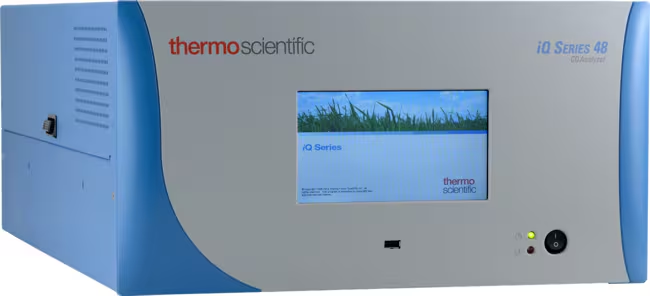
Best For: Regulatory Compliance The Thermo Scientific 48iQ Carbon Monoxide Analyzer remains the cornerstone of the "iQ Series" for 2026, designed specifically to maximize instrument uptime and simplify regulatory compliance. While based on established Gas Filter Correlation (GFC) technology, the iQ platform differentiates itself with "smart" connectivity and predictive diagnostics. The system continuously monitors its own health, alerting users to potential component failures before they cause data loss, which is essential for laboratories maintaining strict EPA or ISO accreditation. Key Specs Technology: Gas Filter Correlation (GFC) for CO detection. Measurement Range: 0–1 ppm to 0–10,000 ppm. Connectivity: Ethernet, USB, and remote mobile app access. Interface: Large color touchscreen with customizable menu layouts. Diagnostics: 24/7 predictive health monitoring of optical and electronic components. Performance & Applications
Operational reliability defines the 48iQ, making it the industry standard for environmental compliance and air quality monitoring. The analyzer's Gas Filter Correlation technology ensures high specificity for carbon monoxide, virtually eliminating interference from other gases like water vapor or carbon dioxide. This robustness is critical for municipal air quality labs and industrial hygiene applications where false positives can lead to costly shutdowns or regulatory fines. The unit's ability to integrate seamless remote data logging allows laboratory managers to oversee multiple deployment sites from a central location, ensuring data integrity for long-term environmental studies. Price Range: $50,000 – $70,000
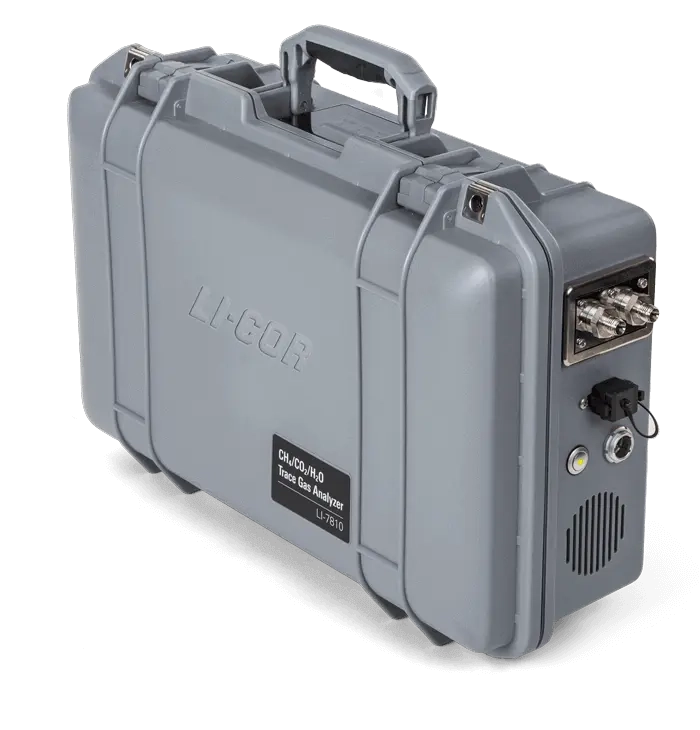
Best For: High-End Precision / Hydrogen Monitoring Released in mid-2025, the LI-COR LI-7835 Trace Gas Analyzer is a state-of-the-art addition to the company's precision lineup, specifically addressing the booming hydrogen economy. Utilizing Optical Feedback-Cavity Enhanced Absorption Spectroscopy (OF-CEAS), this instrument provides simultaneous, high-precision measurements of Hydrogen (H2), Methane (CH4), and Water Vapor (H2O). It builds upon the legacy of the LI-7810 but adds the critical capability to monitor hydrogen blends, a key requirement for next-generation energy research. Key Specs Technology: OF-CEAS (Optical Feedback-Cavity Enhanced Absorption Spectroscopy). Gases Measured: Hydrogen (H2), Methane (CH4), and Water Vapor (H2O). Precision: Sub-ppb level precision for CH4; high sensitivity for H2. Drift: Extremely low long-term drift, reducing calibration frequency. Portability: Backpack-capable form factor for field or lab use. Performance & Applications
The LI-7835 is scientifically relevant for the "Green Transformation," particularly in analyzing natural gas blends where hydrogen is injected to reduce carbon intensity. Its ability to measure water vapor simultaneously allows for automatic dry-mole fraction corrections, streamlining data processing for researchers. This analyzer is ideally suited for leakage detection in hydrogen infrastructure, soil flux measurements in transition zones, and ecology laboratories investigating the environmental impact of hydrogen fuel adoption. The high stability of the optical cavity ensures that data remains consistent over long measurement campaigns. Price Range: $35,000 – $55,000
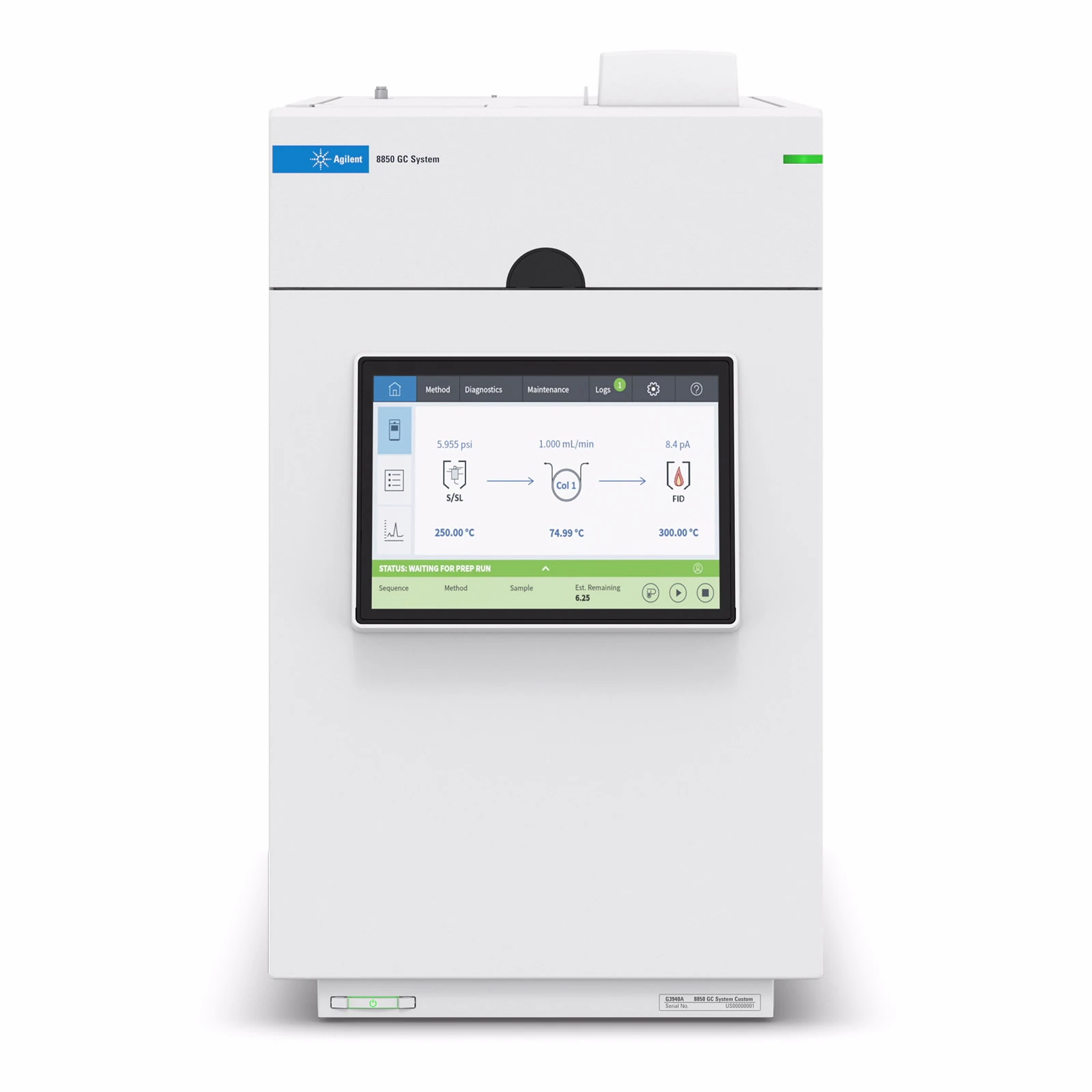
Best For: Most Versatile The Agilent 8850 Gas Chromatography System, with its Second Generation models shipping as of October 2025, is engineered to deliver the performance of a flagship research instrument in a compact, modular package. It serves as a versatile workhorse for laboratories that handle a diverse mix of sample types but lack the floor space for multiple large units. The updated 8850 features improved manufacturing tolerances for even greater retention time repeatability and supports a wide array of inlets and detectors, including the 5977C MSD. Key Specs Footprint: Approximately 50% smaller than the 8890 GC. Update: 2nd Generation hardware (Oct 2025) with enhanced stability. Heating: Small, high-efficiency oven with fast ramp rates (up to 300 °C/min). Configuration: Supports two inlets and three detectors (including a mass spec). Smart Features: Autonomous leak checks and column health monitoring. Performance & Applications
Versatility is the core strength of the Agilent 8850, allowing it to adapt to applications ranging from pharmaceutical solvent testing to petrochemical analysis. Its fast oven ramp rates significantly reduce cycle times, enabling higher throughput for routine QA/QC labs. The system is particularly valuable for contract research organizations (CROs) that must pivot quickly between different analytical methods. By accommodating standard Agilent consumables and software, it integrates effortlessly into existing lab ecosystems, providing a scalable solution that manages complex gas analysis workflows without demanding excessive bench space. Model Best For Key Features Typical Price Range Shimadzu Brevis GC-2050 Overall / Sustainability Updated Jan 2025, CO2 visualization, new TCD $25,000 – $45,000 Hiden Analytical QGA 2.0 Speed / Throughput Real-time QMS, <300ms response, multi-gas $30,000 – $55,000 Thermo Scientific 48iQ Regulatory Compliance Predictive diagnostics, remote health monitoring $15,000 – $22,000 LI-COR LI-7835 High-End / H2 Sensing New 2025 model, measures H2/CH4/H2O, OF-CEAS $50,000 – $70,000 Agilent 8850 (Gen 2) Versatility Gen 2 (Oct 2025), small footprint, fast ramp $35,000 – $55,000 Selecting the right gas analyzer in 2026 requires assessing the specific balance between speed, precision, and operational overhead. While the Shimadzu Brevis GC-2050 offers a compelling mix of compactness and sustainability for general chromatography, specialized tasks may demand the real-time speed of the Hiden QGA 2.0 or the new hydrogen-sensing capabilities of the LI-COR LI-7835. Ultimately, the best gas analyzers for modern laboratories are those that not only provide accurate data but also integrate seamlessly into digital workflows and support long-term energy goals. This article was created with the assistance of Generative AI and has undergone editorial review before publishing.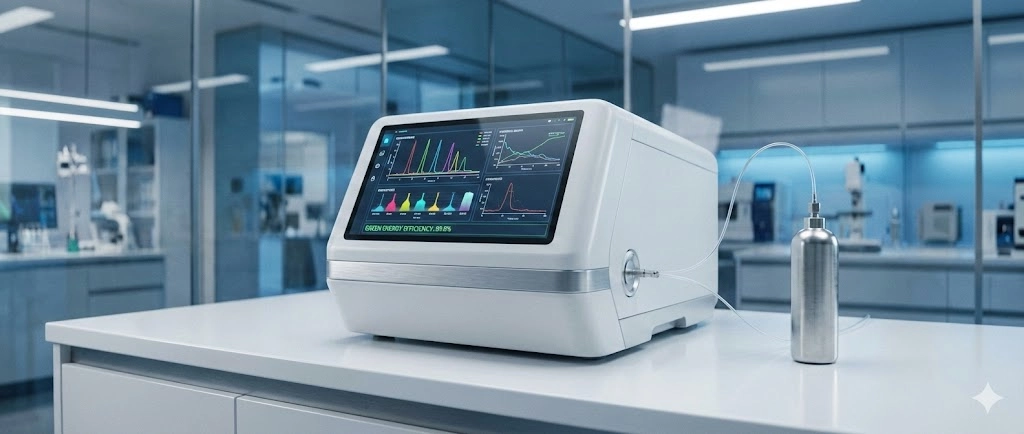
Shimadzu Brevis GC-2050 – Shimadzu
Hiden Analytical QGA 2.0 – Hiden Analytical
Thermo Scientific 48iQ – Thermo Fisher Scientific
LI-COR LI-7835 – LI-COR Environmental
Agilent 8850 (Gen 2) – Agilent Technologies
Comparison Table
Final Verdict: The Best Gas Analyzers of 2026
Jan 09, 2026
Product News
BRANDTECH Scientific Introduces the Transferpette® pro Micropipette: A New Twist on Comfort and Control
The latest addition to its trusted line of precision liquid handling instruments, engineered for comfort, control, and repeatable accuracy.
Jan 06, 2026
Featured, Technical Insight
New Research Frontiers Unlocked by Next-Generation Flow Cytometry
Next-generation flow cytometry systems using acoustic focusing are opening entirely new areas of research that were previously impractical or inaccessible with conventional flow cytometers.
Jan 05, 2026
Buying Guides
The Bottom Line: How Smart Microcentrifuge Tube Choices Impact Lab Efficiency and Cost
Innovative microcentrifuge tube solutions are more than just lab consumables—they’re strategic tools that can reduce costs, improve outcomes, and support long-term sustainability goals.
Jan 05, 2026
Buying Guides
Future-Proofing Your Lab with Innovative Microcentrifuge Tube Solutions
As laboratories evolve to meet the growing demands of modern science, even the most basic tools—like microcentrifuge tubes—are being reimagined.
Jan 05, 2026
Buying Guides
Microcentrifuge Tube Innovations: Driving Sustainable Change
Integrating next-generation consumables into standard workflows can lead to a more sustainable and responsible research environment.
Jan 05, 2026
Buying Guides
Single Use Plastics: How to Manage these Major Contributors to Lab Waste
Reducing lab waste isn’t just a sustainability issue—it’s a financial and operational one, too.
Jan 05, 2026
Buying Guides
Common Microcentrifuge Tube Challenges in Sensitive Molecular Workflows
Key factors that can impact the performance of microcentrifuge tubes for PCR, qPCR, and NGS and other sensitive applications
Jan 05, 2026
Buying Guides
How to Research the Right Microcentrifuge Tubes for Your Application
Selecting the right microcentrifuge tubes starts with understanding the specific demands of your application.
Jan 05, 2026
Technical Insight
The Best Confocal Microscopes of 2026
Discover the best confocal microscopes of 2026 for advanced imaging. Compare top models from Zeiss, Evident, and Nikon for speed, resolution, and budget.

Dec 24, 2025
Featured, Popular Products, Technical Insight
Emerging Mass Spectrometry Technologies to Improve Intraoperative Diagnostics
Advances in mass spectrometry may soon reshape surgery, improving diagnostic accuracy and impacting post-operative outcomes