
The Best Lab Mills and Lab Grinders of 2026: A Buyer's Guide to Price and Features

Written By: Craig Bradley
Aug 23, 2024
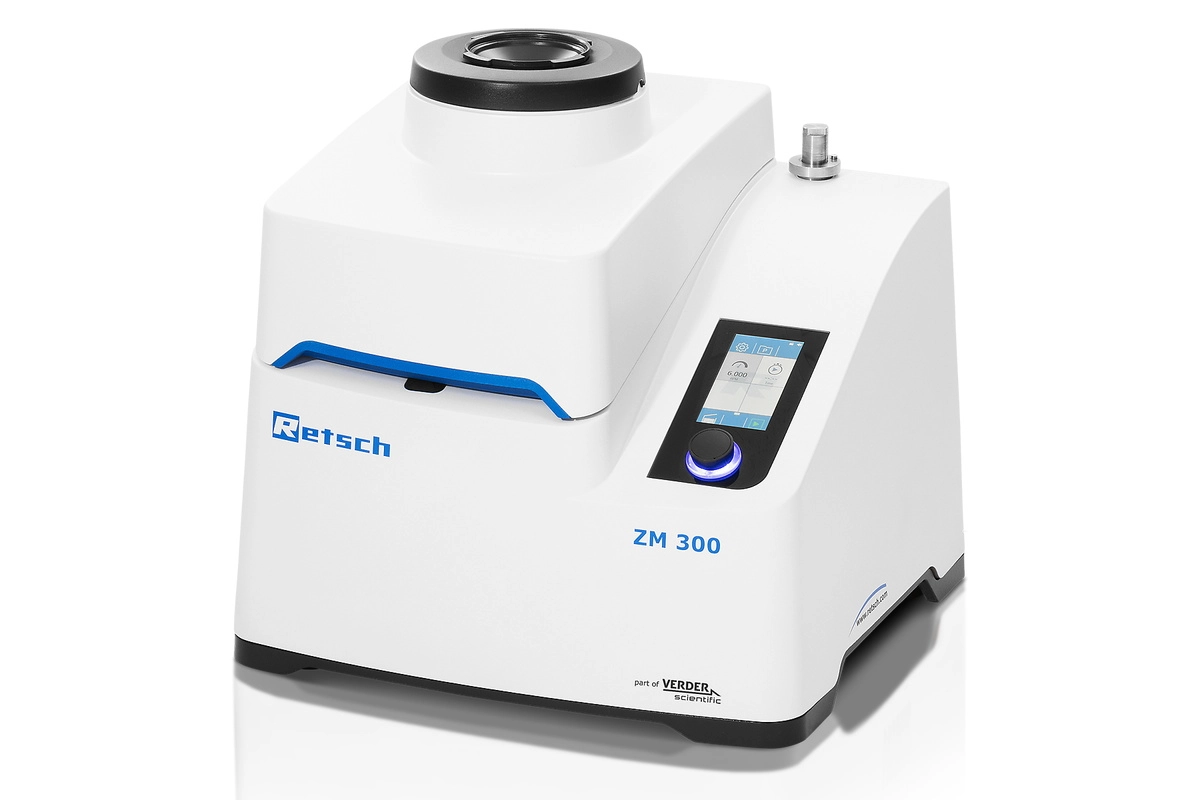
Precise particle size reduction is the foundation of reliable analysis in pharmaceutical, chemical, and biological research. Laboratory professionals require the best lab mills and grinders of 2026 to ensure reproducibility, prevent cross-contamination, and handle increasingly complex sample matrices. Whether preparing cryogenically frozen tissue or homogenizing hard minerals, selecting the right equipment significantly impacts throughput and analytical accuracy. This guide evaluates five standout models available on the market this year, focusing on recent innovations in safety, scalability, and digital integration. Best Overall: Retsch ZM 300 — The gold standard for rapid, fine grinding with temperature monitoring. Best On A Budget: IKA MultiDrive basic — reliable high-speed crushing without unnecessary extras. Best For Scalability: Quadro SLS (Scalable Lab System) — A 5-in-1 platform bridging the gap between R&D and production. Best For Controlled Environments: Fritsch Pulverisette 23 (Glove Box Ready) — Ideal for small, hazardous, or sensitive samples. Best High-End Option: Fritsch Pulverisette 5 premium line — Maximum energy input with fully automated clamping safety. Price Range: $12,000 – $16,000 (Dependent on rotor/sieve selection) Best For: Overall Performance and Speed The Retsch ZM 300 is the powerful successor to the ubiquitous ZM 200, cementing its place as the premier ultra-centrifugal mill for 2026. It is designed for neutral-to-analysis fine grinding of soft, medium-hard, brittle, and fibrous materials. This model distinguishes itself with an integrated temperature monitoring system for the cassette, ensuring that heat-sensitive samples remain stable during the grinding process. Key Specs Speed Range: 6,000 – 23,000 rpm (tunable). Feed Size: Up to 10 mm. Final Fineness: < 40 µm. Throughput: Up to 5,000 ml (maximum collector capacity). Interface: 4.3-inch touch display with preset storage. Performance & Applications
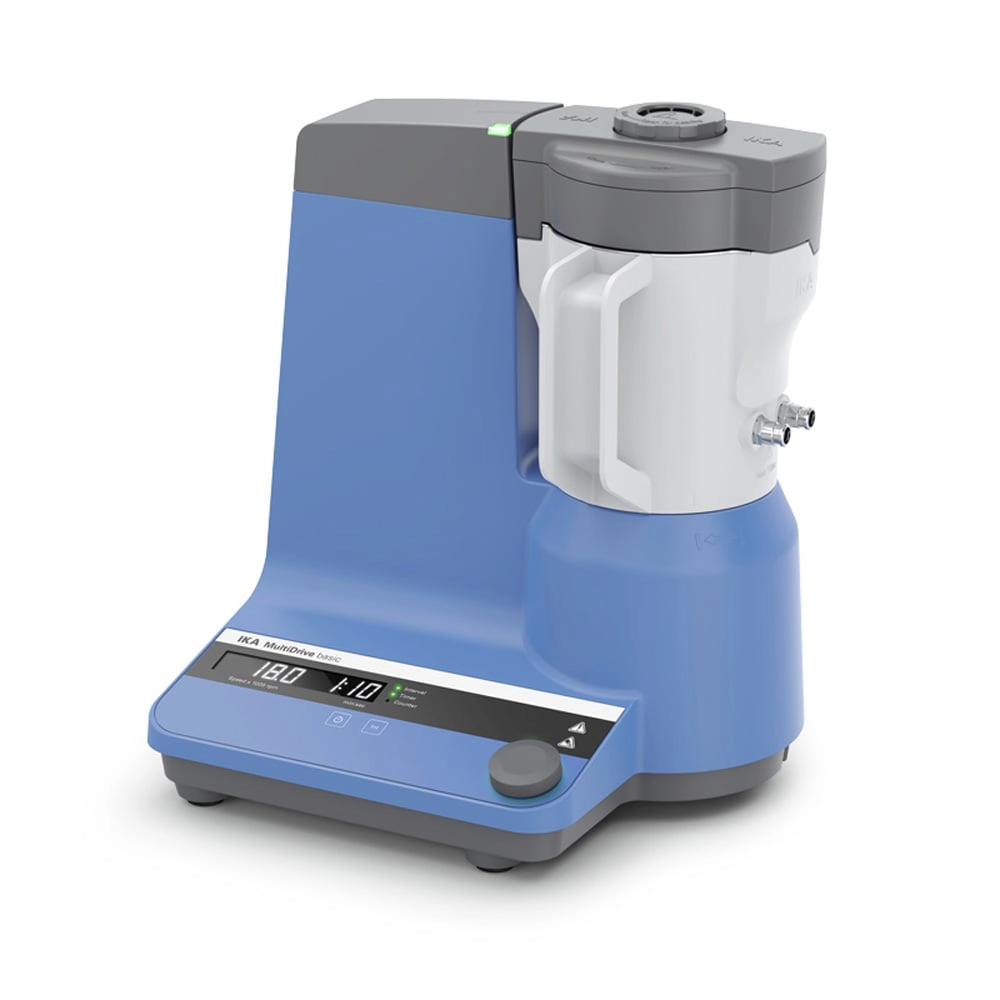
The ZM 300 excels in high-throughput laboratories where speed and ease of cleaning are paramount. Its push-fit rotor system allows for tool-free changes, significantly reducing downtime between samples. Scientifically, it is indispensable for preparation prior to XRF, NIR, and ICP analyses, where particle homogeneity directly dictates result precision. It handles applications ranging from grinding plastics and secondary fuels to preparing food and pharmaceutical ingredients without thermal degradation. Price Range: $3,500 – $5,000 Best For: Budget-Friendly Batch Processing The IKA MultiDrive basic offers a robust entry point for labs needing high-impact crushing without the advanced software features of the "control" version. Released as part of IKA’s versatile crushing line, it provides a cost-effective solution for coarse and fine crushing tasks. Its simplicity is its strength; it does not overcomplicate the workflow, making it perfect for labs with straightforward homogenization needs. Key Specs Motor Output: 1000 W (Input) / 800 W (Output). Speed Range: 3,000 – 20,000 rpm. Vessel Options: Interchangeable vessels for grinding and blending. Cooling: Integrated cooling gap in milling cups (indirect heat dissipation). Duty Cycle: Interval operation capability. Performance & Applications
This model is a workhorse for hard, soft, or fibrous samples. Despite its lower price point, it maintains a 1000-watt input rating, ensuring it does not stall under heavy loads like animal feed or hard pellets. The MultiDrive basic is particularly suitable for agricultural labs and food testing facilities requiring rapid batch processing. The interval operation mode effectively breaks down coarse material before fine grinding, preserving the lifespan of the cutting blades. Price Range: $25,000 – $35,000+ Best For: Versatility and Scalability The Quadro SLS is a unique platform that redefines versatility by combining five different processing technologies into a single drive unit. Unlike dedicated mills that only perform one function, the SLS allows operators to swap heads for conical milling, hammer milling, security screening, and more. This "Smart-Detect" capability automatically recognizes the installed head and adjusts RPM limits accordingly, ensuring seamless transitions between differing comminution methods. Key Specs Interchangeable Heads: 5 (including Comil, FitzMill, FlexSift). Scalability: Results directly correlate to production-scale equipment. Target Particle Size: 20 µm to > 2000 µm (depending on head). Capacity: Grams to kilograms per hour (continuous). Technology: SMARTdetect™ head recognition. Performance & Applications
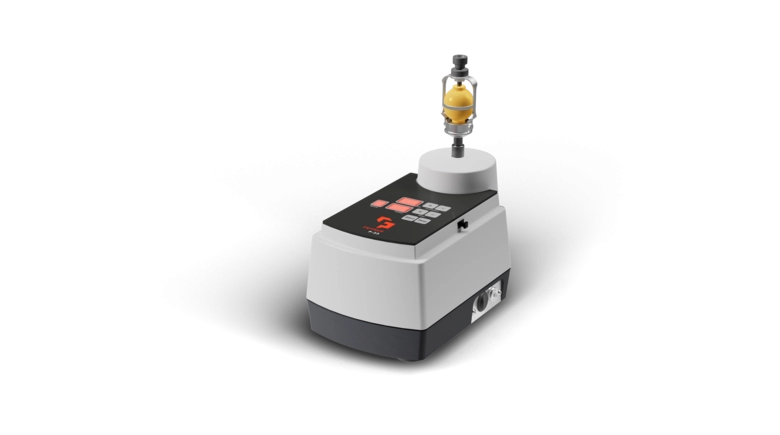
For pharmaceutical and nutraceutical R&D labs, the Quadro SLS is unmatched. It allows formulation scientists to simulate production-scale milling on a benchtop, eliminating the risk of validation failures during scale-up. Its primary scientific relevance lies in its ability to produce tight particle size distributions (PSD) for OSD (Oral Solid Dosage) forms. The system effectively handles wet and dry granulation, making it a critical asset for drug development pipelines. Price Range: $4,500 – $7,500 Best For: Small Samples and Hazardous Isolation Updated recently to include a specialized "Glove Box Ready" edition, the Pulverisette 23 is a mini-mill designed for the nano-scale comminution of critical samples. This update addresses a growing need in material science and bio-pharma for processing toxic, radioactive, or oxygen-sensitive materials in controlled atmospheres. Its compact footprint and spherical grinding bowl design maximize energy efficiency in a small space. Key Specs Sample Quantity: 0.1 ml – 5 ml. Oscillations: 900 – 3,000 oscillations/min. Grinding Bowl: Spherical interior for optimized impact. Footprint: Very small (approx. 20 x 30 cm). Connectivity: USB-C for control inside isolation units. Performance & Applications
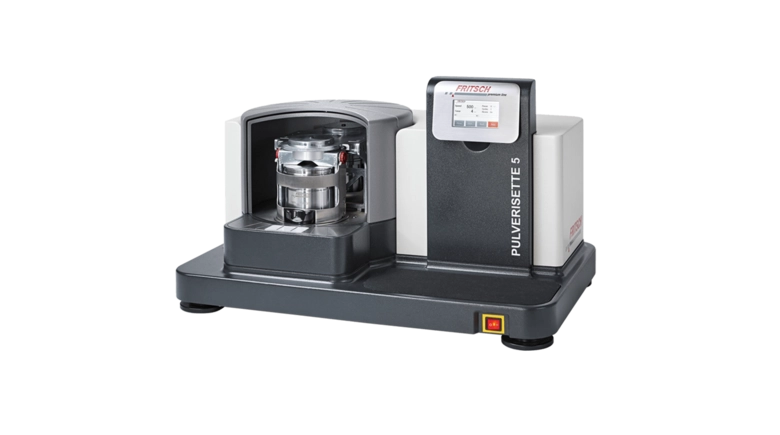
The P-23 utilizes vertical oscillations to generate high-impact forces, ideal for disruption of biological cells (DNA/RNA extraction) or mechanical alloying of small metal samples. The spherical bowl design prevents sample accumulation in corners, ensuring 100% sample recovery—critical when working with expensive or forensic evidence. This model is specifically tailored for forensic labs, biotechnology research, and chemical synthesis requiring inert gas environments. Price Range: $18,000 – $24,000 Best For: High-End High-Energy Milling The Pulverisette 5 premium line represents the pinnacle of planetary ball milling. It is designed for wet and dry grinding, mechanical alloying, and mixing at speeds previously unattainable in conventional planetary mills. Features like the ServoLOCK system, which automatically clamps the grinding bowls, eliminate one of the biggest safety hazards and labor points in high-energy milling operation. Key Specs Stations: 2 working stations. Max Speed: 800 rpm (Sun disk speed). G-Force: Up to 64 g. Fineness: Down to < 0.1 µm (nano-scale). Safety: ServoLOCK automatic bowl clamping. Interface: High-resolution touchscreen. Performance & Applications
This mill provides the kinetic energy necessary for mechano-chemistry and the creation of amorphous metals. It is the preferred choice for materials science laboratories developing advanced ceramics or lithium-ion battery components. The dual-station design balances high throughput with extreme energy input, reducing grinding times from hours to minutes. Its automated clamping system ensures reproducibility and safety, making it suitable for high-demand, multi-user core facilities. Model Best For Key Features Typical Price Range Retsch ZM 300 Overall Performance 23,000 rpm, cassette temp monitor, tool-free rotor change $12,000 – $16,000 IKA MultiDrive basic Budget Batch Prep 1000W Input / 800W Output, simple interface $3,500 – $5,000 Quadro SLS Versatility/Scale-up 5-in-1 interchangeable heads, production scalable $25,000 – $35,000+ Fritsch Pulverisette 23 Hazardous/Small Samples Glove box ready, spherical bowls, minimal footprint $4,500 – $7,500 Fritsch Pulverisette 5 High-End/Nano ServoLOCK auto-clamping, 64 g acceleration, 800 rpm $18,000 – $24,000 Selecting the best lab mills and lab grinders of 2026 requires balancing sample volume, required fineness, and operational environment. While the Retsch ZM 300 dominates as a general-purpose solution for analytical fineness, specialized units like the Fritsch Pulverisette 23 and Quadro SLS offer critical advantages for containment and scalability respectively. Investing in modern equipment with active temperature monitoring and automated safety features ensures that your laboratory maintains the highest standards of data integrity and personnel safety. This article was created with the assistance of Generative AI and has undergone editorial review before publishing.
Quick Summary Box
Retsch ZM 300 – Retsch
IKA MultiDrive basic – IKA
Quadro SLS (Scalable Lab System) – Quadro Engineering
Fritsch Pulverisette 23 (Glove Box Ready) – Fritsch
Fritsch Pulverisette 5 premium line – Fritsch
Comparison of Top Lab Mills 2026
Final Verdict: The Best Lab Mills of 2026
Jan 09, 2026
Product News
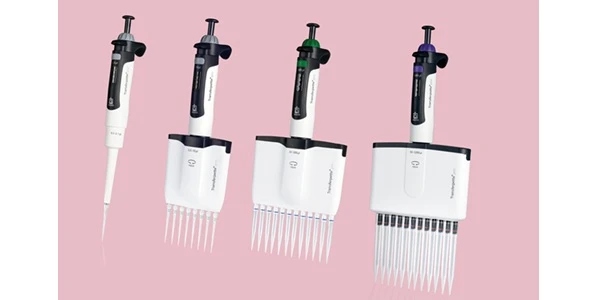
BRANDTECH Scientific Introduces the Transferpette® pro Micropipette: A New Twist on Comfort and Control
The latest addition to its trusted line of precision liquid handling instruments, engineered for comfort, control, and repeatable accuracy.
Jan 06, 2026
Featured, Technical Insight
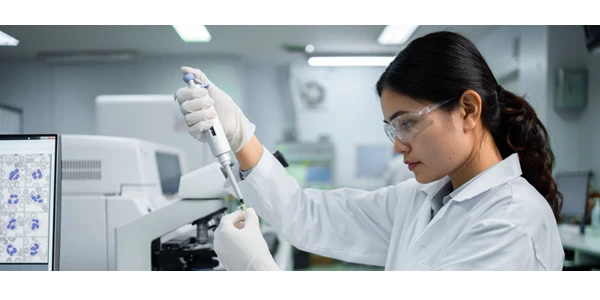
New Research Frontiers Unlocked by Next-Generation Flow Cytometry
Next-generation flow cytometry systems using acoustic focusing are opening entirely new areas of research that were previously impractical or inaccessible with conventional flow cytometers.
Jan 05, 2026
Buying Guides
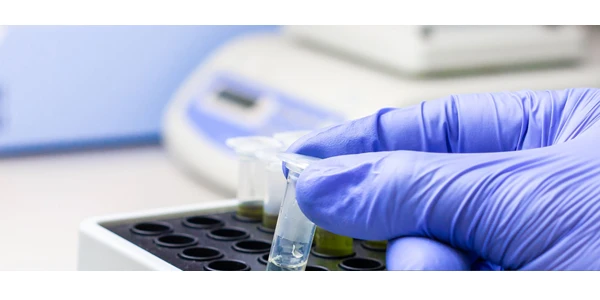
The Bottom Line: How Smart Microcentrifuge Tube Choices Impact Lab Efficiency and Cost
Innovative microcentrifuge tube solutions are more than just lab consumables—they’re strategic tools that can reduce costs, improve outcomes, and support long-term sustainability goals.
Jan 05, 2026
Buying Guides
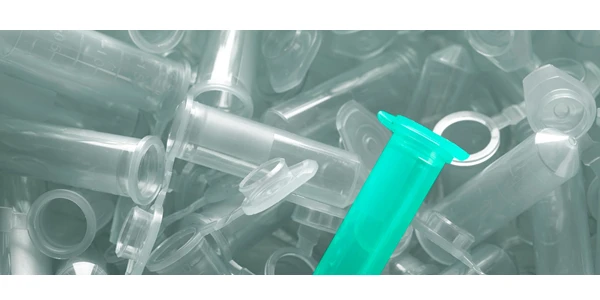
Future-Proofing Your Lab with Innovative Microcentrifuge Tube Solutions
As laboratories evolve to meet the growing demands of modern science, even the most basic tools—like microcentrifuge tubes—are being reimagined.
Jan 05, 2026
Buying Guides
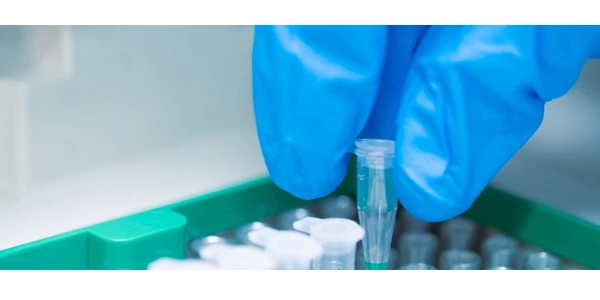
Microcentrifuge Tube Innovations: Driving Sustainable Change
Integrating next-generation consumables into standard workflows can lead to a more sustainable and responsible research environment.
Jan 05, 2026
Buying Guides
Single Use Plastics: How to Manage these Major Contributors to Lab Waste
Reducing lab waste isn’t just a sustainability issue—it’s a financial and operational one, too.
Jan 05, 2026
Buying Guides
Common Microcentrifuge Tube Challenges in Sensitive Molecular Workflows
Key factors that can impact the performance of microcentrifuge tubes for PCR, qPCR, and NGS and other sensitive applications
Jan 05, 2026
Buying Guides
How to Research the Right Microcentrifuge Tubes for Your Application
Selecting the right microcentrifuge tubes starts with understanding the specific demands of your application.
Jan 05, 2026
Technical Insight
The Best Confocal Microscopes of 2026
Discover the best confocal microscopes of 2026 for advanced imaging. Compare top models from Zeiss, Evident, and Nikon for speed, resolution, and budget.

Dec 24, 2025
Featured, Popular Products, Technical Insight
Emerging Mass Spectrometry Technologies to Improve Intraoperative Diagnostics
Advances in mass spectrometry may soon reshape surgery, improving diagnostic accuracy and impacting post-operative outcomes