
The Best Laboratory Plasticware of 2026: A Buyer's Guide to Price and Features

Written By: Craig Bradley
Aug 23, 2024
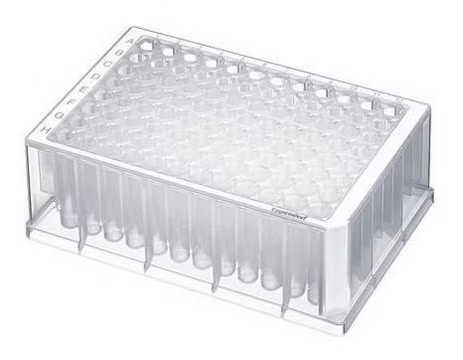
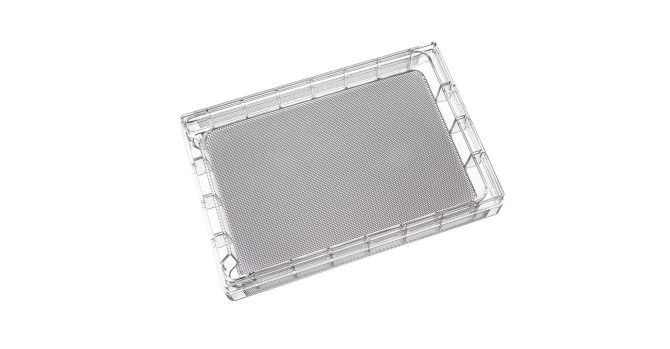
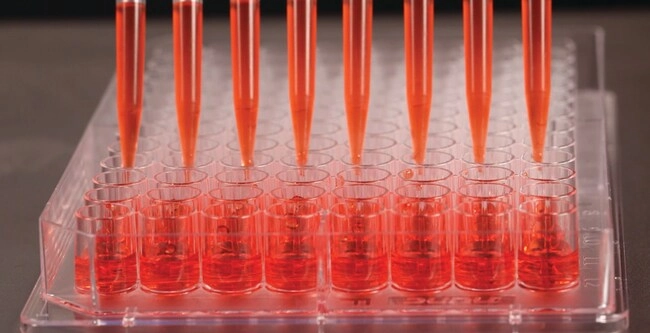
High-quality laboratory plasticware serves as the foundation of reproducible science, ensuring that sensitive biological samples remain uncontaminated and chemically stable. As 2026 approaches, the industry standard has shifted beyond simple containment; modern consumables now actively support cell viability, minimize reagent loss, and reduce environmental impact through bio-circular manufacturing. This guide analyzes the top-performing plasticware available today, ranging from advanced 3D cell culture vessels to budget-friendly storage solutions, helping laboratory professionals select the optimal tools for their specific experimental needs. Best Overall: Eppendorf BioBased Deepwell Plates — Combines industry-leading structural integrity with verified sustainability metrics. Best On A Budget: Globe Scientific Diamond® RealSeal™ Bottles — Reliable, leak-proof storage at a cost-effective price point. Best For 3D Cell Culture: Corning® Elplasia® 12K Open Well Plate — Generates thousands of uniform spheroids in a new, imaging-friendly format. Best High-End Option: Rainin BioClean Ultra™ Pipette Tips — The gold standard for purity, guaranteed free of detectable contaminants. Best For Cell Culture Consistency: Thermo Scientific™ Nunc™ Edge 2.0 Plates — Eliminates edge effects to maximize usable well volume. Recent innovations in polymer science have allowed manufacturers to move away from fossil-based resources without compromising mechanical performance. The Eppendorf BioBased Deepwell Plates, launched globally in late 2025, represent the pinnacle of this shift. These plates are manufactured from ISCC PLUS certified polypropylene derived from renewable feedstocks, such as waste oils and residues, offering a significant reduction in carbon footprint while maintaining the rigorous specifications required for high-throughput screening and automation. Price Range: $450 – $600 per case (50 plates) Best For: Sustainability-focused laboratories and automated workflows. Key Specs: Material: Bio-circular Polypropylene (ISCC PLUS certified). Centrifugation Stability: Up to 6,000 x g. Purity: Certified PCR clean, sterile, and free of slip agents. Volume: Available in standard 96-well and 384-well formats. The primary operational strength of the BioBased Deepwell Plates lies in their mechanical consistency; despite the sustainable origin of the polymer, these plates exhibit no difference in centrifugation stability or chemical resistance compared to traditional virgin polypropylene. This makes them immediately interchangeable in automated liquid handling decks and robotic stackers. Their high purity levels ensure they are suitable for sensitive molecular biology applications, including next-generation sequencing (NGS) library preparation and long-term sample storage at -80°C. The demand for physiologically relevant tissue models has driven the development of specialized plasticware capable of supporting 3D cell culture at scale. The Corning Elplasia 12K Open Well Plate is the newest addition to the Elplasia line, with wider availability starting in early 2026. Unlike the earlier flask format, this open-well design features a removable lid and a standard microplate footprint, allowing researchers to generate approximately 12,000 spheroids while maintaining direct access for liquid handling and high-content imaging. Price Range: $900 – $1,300 per case (varies by distributor) Best For: High-throughput 3D cell culture and cancer research. Key Specs: Surface: Ultra-Low Attachment (ULA) coating. Geometry: 152 microcavities per cm² for spheroid formation. Capacity: Generates ~12,000 spheroids per plate. Format: Standard ANSI/SLAS microplate footprint with removable lid. The Elplasia 12K Open Well Plate functions by using gravity to settle cells into thousands of microcavities, promoting self-assembly into spheroids without the need for complex scaffolding. This design is critical for oncology research and drug screening, where 3D tumor models often provide better predictive data than 2D monolayers. The open format specifically addresses the need for easier media exchange and direct visualization, allowing researchers to perform complex compound screening and image analysis on thousands of spheroids simultaneously within a single automated workflow. Evaporation in the outer wells of microplates, known as the "edge effect," has long plagued cellular assays, often forcing researchers to leave perimeter wells empty and wasting up to 37% of the plate's capacity. The Nunc Edge 2.0 Plate solves this physical limitation with a built-in surrounding reservoir that acts as an evaporation barrier. By filling this perimeter moat with sterile buffer or water, the humidity around the experimental wells remains constant, ensuring uniform data across the entire plate. Price Range: $350 – $500 per case Best For: Cell viability assays and long-term incubation. Key Specs: Feature: Built-in evaporation barrier moat. Surface: Nunclon™ Delta cell culture treated. Optical: Clear bottom with superior optical clarity. Sterility: Gamma irradiated and certified non-pyrogenic. These plates are particularly relevant for assays requiring extended incubation periods, such as 7-day toxicity studies or viral infectivity assays, where evaporation significantly alters medium concentration and osmolality. The integrated moat effectively isolates the inner 96 wells from environmental fluctuations inside the incubator. Consequently, laboratories can utilize all 96 wells with confidence, increasing throughput and cost-efficiency. The Nunclon Delta surface treatment further ensures consistent cell attachment and growth, making it a staple for adherent cell culture workflows. Pipette tips are the most frequently used consumable in the lab, and their purity is paramount for reproducible results. Rainin BioClean Ultra Tips are engineered to eliminate a common but often overlooked source of experimental failure: leachables from the plastic additives. Unlike standard tips that may use processing aids like DiHEMDA or oleamide—which can interfere with enzymatic reactions and chromatography—these tips are manufactured using a pristine, additive-free polymer formulation. Price Range: $120 – $250 per pack (varies by format/racks) Best For: High-sensitivity proteomics and HPLC. Key Specs: Purity: Certified free of RNase, DNase, DNA, Pyrogens, ATP, DiHEMDA, and Oleamide. Design: FinePoint™ distal tip for complete dispensing. Material: Virgin polypropylene. Compatibility: LTS® and Universal fit options. The strict manufacturing environment and "BioClean" certification make these tips the preferred choice for analytical chemistry and mass spectrometry labs where background noise must be minimized. The hydrophobic surface ensures low retention of liquids, improving pipetting accuracy for viscous solutions like glycerol or protein buffers. They are extensively used in forensics, PCR diagnostics, and protein quantification assays where even trace amounts of plastic leachables could cause signal suppression or false positives. For general laboratory storage, buffer preparation, and sample transport, reliability and cost-effectiveness are key. The Globe Scientific Diamond RealSeal line offers a precision-molded alternative to more expensive brands without sacrificing seal integrity. These bottles are designed with a medical-grade resin and a semi-buttressed thread design that provides superior leak protection, making them a robust choice for handling non-critical reagents and biological waste. Price Range: $50 – $120 per pack Best For: General reagent storage and buffer preparation. Key Specs: Material: Medical grade USP Class VI resins (HDPE, PP, LDPE). Closure: Integrated seal ring (liner-less). Pressure: Tested to withstand significant internal pressure. Compliance: Meets FDA 21 CFR 177.1520 for food contact. The RealSeal bottles distinguish themselves through their integrated leak-proof system, which eliminates the need for a separate liner that can degrade or fall out over time. This design reduces contamination risks and maintenance. They are suitable for a wide range of tasks, from storing pH buffers and washing solutions to collecting field samples. The availability of wide-mouth options facilitates easy filling of powders and viscous liquids, while the heavy-duty walls prevent splitting during freezing or rough handling in busy academic or industrial labs. Model Best For Key Features Typical Price Range Eppendorf BioBased Deepwell Plates Sustainability & Automation ISCC PLUS certified, high-g stability, automation-ready $450 – $600 / case Corning® Elplasia® 12K Open Well 3D Cell Culture Microcavity geometry, ULA surface, massive spheroid yield $900 – $1,300 / case Thermo Scientific™ Nunc™ Edge 2.0 Cell Culture Consistency Evaporation barrier moat, full-plate usage, optical clarity $350 – $500 / case Rainin BioClean Ultra™ Tips High-Sensitivity Assays Free of DiHEMDA/Oleamide, low retention, high purity $120 – $250 / pack Globe Scientific Diamond® RealSeal™ General Storage Integrated leak-proof seal, medical grade resin, durable $50 – $120 / pack The landscape of laboratory plasticware in 2026 is defined by a dual focus on environmental stewardship and specialized application support. While staples like the Globe Scientific Diamond RealSeal bottles continue to provide essential utility, high-performance options like the Eppendorf BioBased plates and the new Corning Elplasia Open Well Plate demonstrate the industry's move toward sustainable materials and advanced physiological modeling. Selecting the right consumable now requires balancing these factors—purity, geometry, and material origin—to ensure that experimental data remains robust and reproducible in an increasingly demanding scientific environment. This article was created with the assistance of Generative AI and has undergone editorial review before publishing.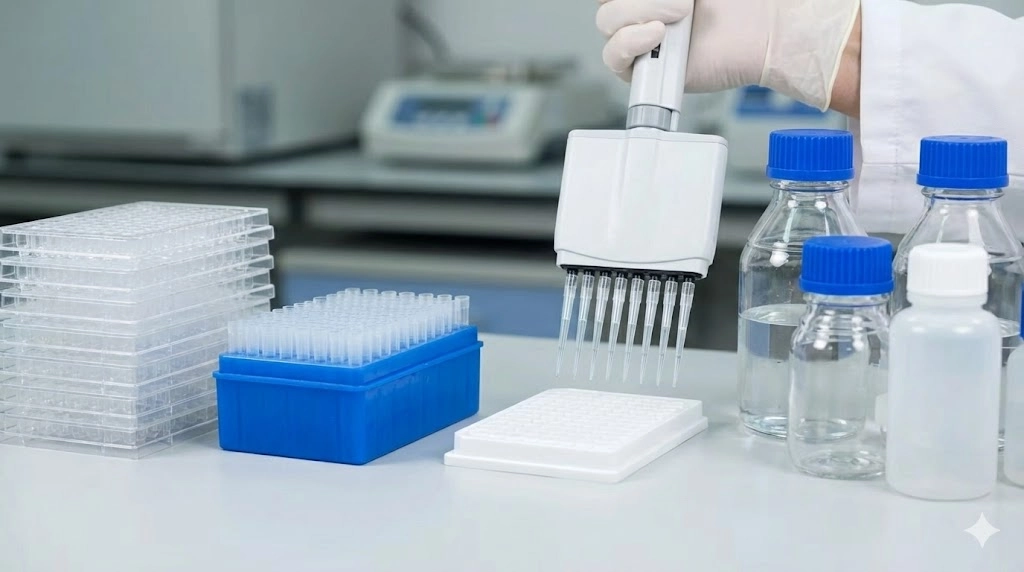
Quick Summary
Eppendorf BioBased Deepwell Plates – Eppendorf
Performance & Applications
Corning® Elplasia® 12K Open Well Plate – Corning
Performance & Applications
Thermo Scientific™ Nunc™ Edge 2.0 Plates – Thermo Fisher Scientific
Performance & Applications
Rainin BioClean Ultra™ Pipette Tips – Mettler Toledo
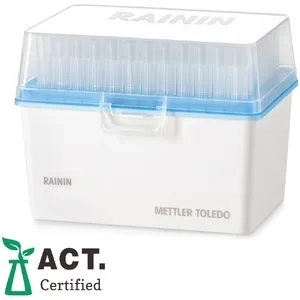
Performance & Applications
Diamond® RealSeal™ Plastic Laboratory Bottles – Globe Scientific
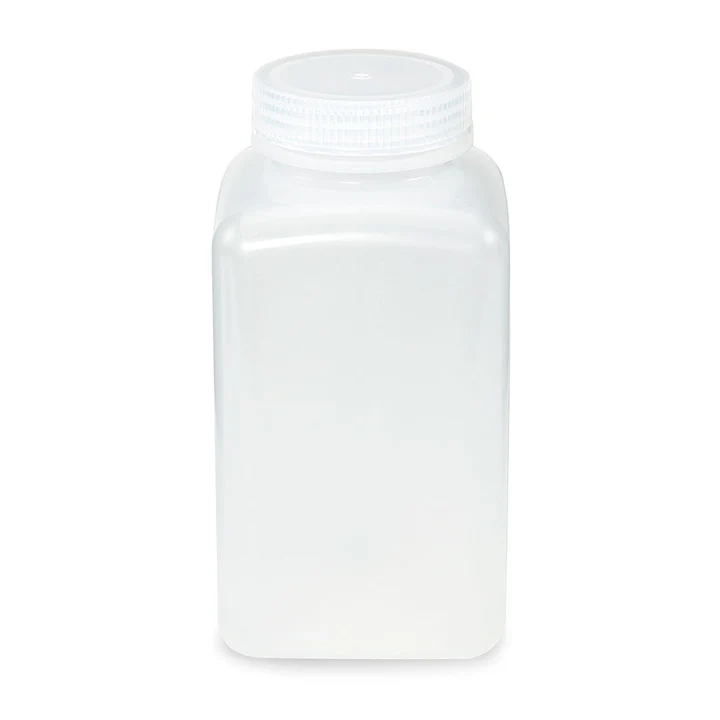
Performance & Applications
Comparison Table
Conclusion: Choosing the Best Laboratory Plasticware for 2026
Jan 09, 2026
Product News
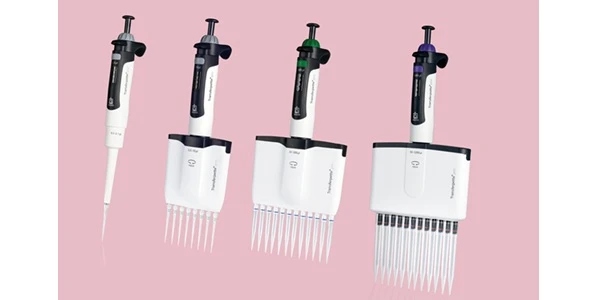
BRANDTECH Scientific Introduces the Transferpette® pro Micropipette: A New Twist on Comfort and Control
The latest addition to its trusted line of precision liquid handling instruments, engineered for comfort, control, and repeatable accuracy.
Jan 06, 2026
Featured, Technical Insight
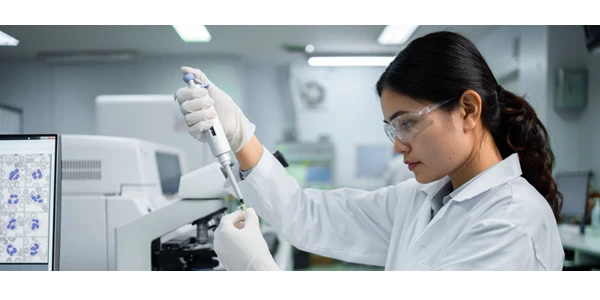
New Research Frontiers Unlocked by Next-Generation Flow Cytometry
Next-generation flow cytometry systems using acoustic focusing are opening entirely new areas of research that were previously impractical or inaccessible with conventional flow cytometers.
Jan 05, 2026
Buying Guides
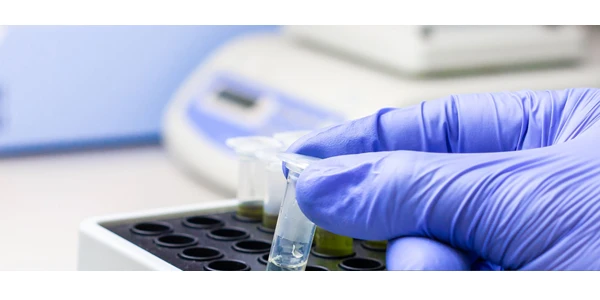
The Bottom Line: How Smart Microcentrifuge Tube Choices Impact Lab Efficiency and Cost
Innovative microcentrifuge tube solutions are more than just lab consumables—they’re strategic tools that can reduce costs, improve outcomes, and support long-term sustainability goals.
Jan 05, 2026
Buying Guides
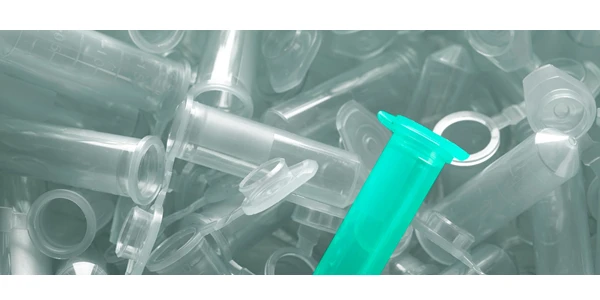
Future-Proofing Your Lab with Innovative Microcentrifuge Tube Solutions
As laboratories evolve to meet the growing demands of modern science, even the most basic tools—like microcentrifuge tubes—are being reimagined.
Jan 05, 2026
Buying Guides
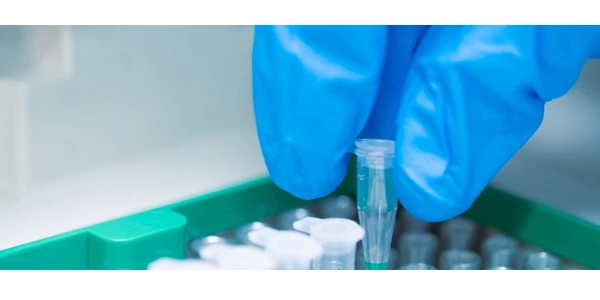
Microcentrifuge Tube Innovations: Driving Sustainable Change
Integrating next-generation consumables into standard workflows can lead to a more sustainable and responsible research environment.
Jan 05, 2026
Buying Guides
Single Use Plastics: How to Manage these Major Contributors to Lab Waste
Reducing lab waste isn’t just a sustainability issue—it’s a financial and operational one, too.
Jan 05, 2026
Buying Guides
Common Microcentrifuge Tube Challenges in Sensitive Molecular Workflows
Key factors that can impact the performance of microcentrifuge tubes for PCR, qPCR, and NGS and other sensitive applications
Jan 05, 2026
Buying Guides
How to Research the Right Microcentrifuge Tubes for Your Application
Selecting the right microcentrifuge tubes starts with understanding the specific demands of your application.
Jan 05, 2026
Technical Insight
The Best Confocal Microscopes of 2026
Discover the best confocal microscopes of 2026 for advanced imaging. Compare top models from Zeiss, Evident, and Nikon for speed, resolution, and budget.

Dec 24, 2025
Featured, Popular Products, Technical Insight
Emerging Mass Spectrometry Technologies to Improve Intraoperative Diagnostics
Advances in mass spectrometry may soon reshape surgery, improving diagnostic accuracy and impacting post-operative outcomes