
The Best NMR Spectrometers of 2026: A Buyer's Guide to Price and Features

Written By: Craig Bradley
Aug 23, 2024
Nuclear magnetic resonance (NMR) spectroscopy remains the definitive method for elucidating molecular structures in chemical and biological research. As laboratories face increasing pressure to maximize uptime and minimize footprint, the market for NMR spectrometers has shifted toward compact, cryogen-efficient designs and automated benchtop systems. This review evaluates the leading equipment available in 2026, focusing on advancements in magnetic field stability, probe sensitivity, and software integration that streamline workflows for pharmaceutical, academic, and industrial applications. Best Overall: JEOL ECZ Luminous G Series — Scalable architecture with advanced digital control for broad applications. Best On A Budget: Nanalysis 60PRO (Next Gen) — Cost-effective, portable performance suitable for teaching and routine QA. Best For Speed / Throughput: Magritek Spinsolve 90 MHz — High sensitivity and flow capabilities for rapid reaction monitoring. Most Versatile: Bruker Fourier 80 'Multi-Talent' — Extensive multi-nuclei selection on a benchtop platform. Best High-End Option: Bruker Ascend Evo 1.0 GHz — High field strength with a reduced operational footprint. Price Range: Request Quote (Typical High-Field Range: $300,000 – $1,000,000+)
Best For: Overall Performance
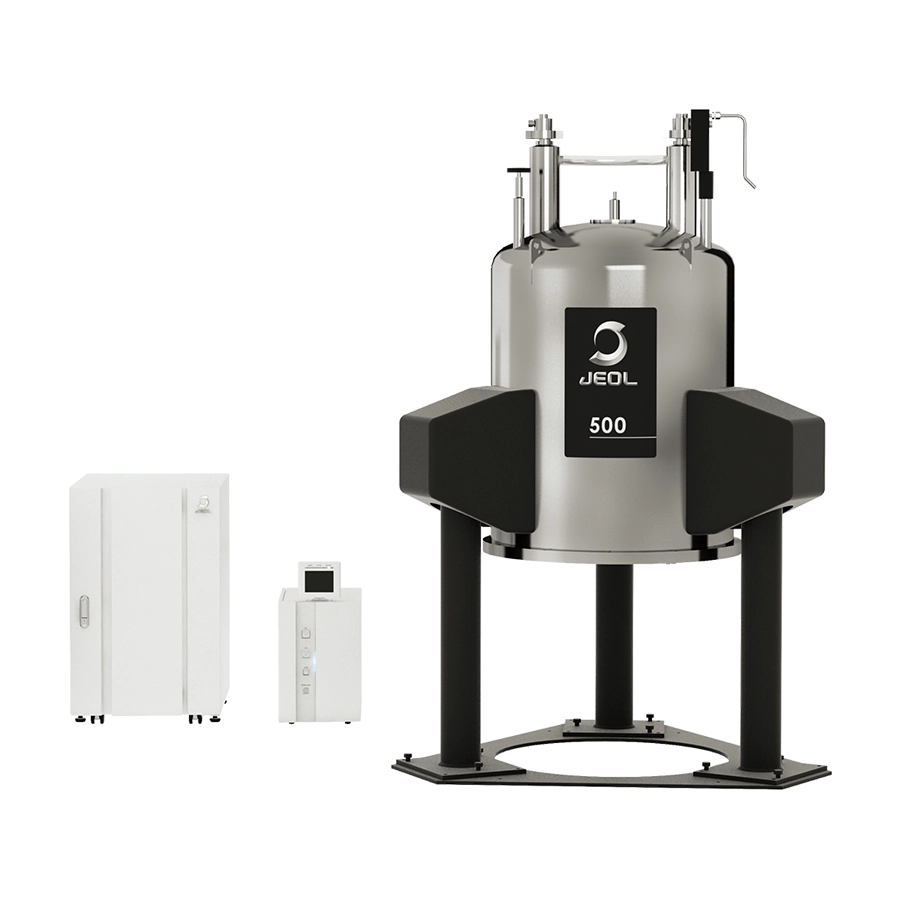
Primary Category: Versatility and Scalability Key Specs Field Strength: 400 MHz to 1.3 GHz Architecture: Smart Transceiver System (STS) with direct digital synthesis Space Requirements: Compact console design (approx. 50% smaller than previous generations) Multi-Frequency Drive: Capable of multiple resonance measurements on standard configurations Performance & Applications
The ECZ Luminous G Series offers a reduction in spectrometer size while maintaining the power required for structural elucidation. By integrating the sequencer, transmitter, and receiver onto a single board, JEOL has reduced the physical footprint of the console, addressing the spatial constraints in modern laboratories. The system’s Multi-Frequency Drive System (MFDS) allows researchers to perform triple-resonance experiments (such as HCN) on standard two-channel configurations, expanding access to advanced pulse sequences. This model serves as a functional option for core facilities handling diverse samples ranging from small organic molecules to large biological macromolecules. Price Range: $55,000 – $85,000
Best For: Budget
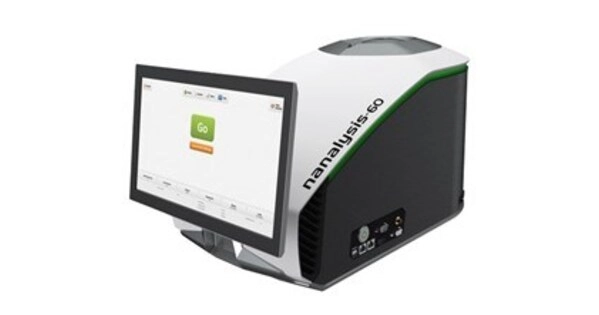
Primary Category: Routine Analysis and Education Key Specs Frequency: 60 MHz Magnet: Permanent rare-earth magnet (No Cryogens) Interface: Integrated touchscreen with One-Touch-NMR™ capability Connectivity: Ethernet, Wi-Fi, USB for direct LIMS integration Weight: Portable form factor (< 25 kg) Performance & Applications
Released in March 2025, the Next Generation 60PRO continues the platform's focus on accessibility, offering a solution for laboratories where liquid helium costs are a concern. This instrument operates without cryogens, utilizing a permanent magnet system that stabilizes quickly and requires minimal maintenance. It is suitable for routine quality control environments and undergraduate teaching labs where throughput of simple 1H and 19F spectra is necessary. The updated electronics platform provides improved lineshapes and signal-to-noise ratios compared to earlier iterations, making it capable of confirming synthetic products and monitoring basic reaction kinetics. Price Range: $120,000 – $150,000
Best For: Speed / Throughput
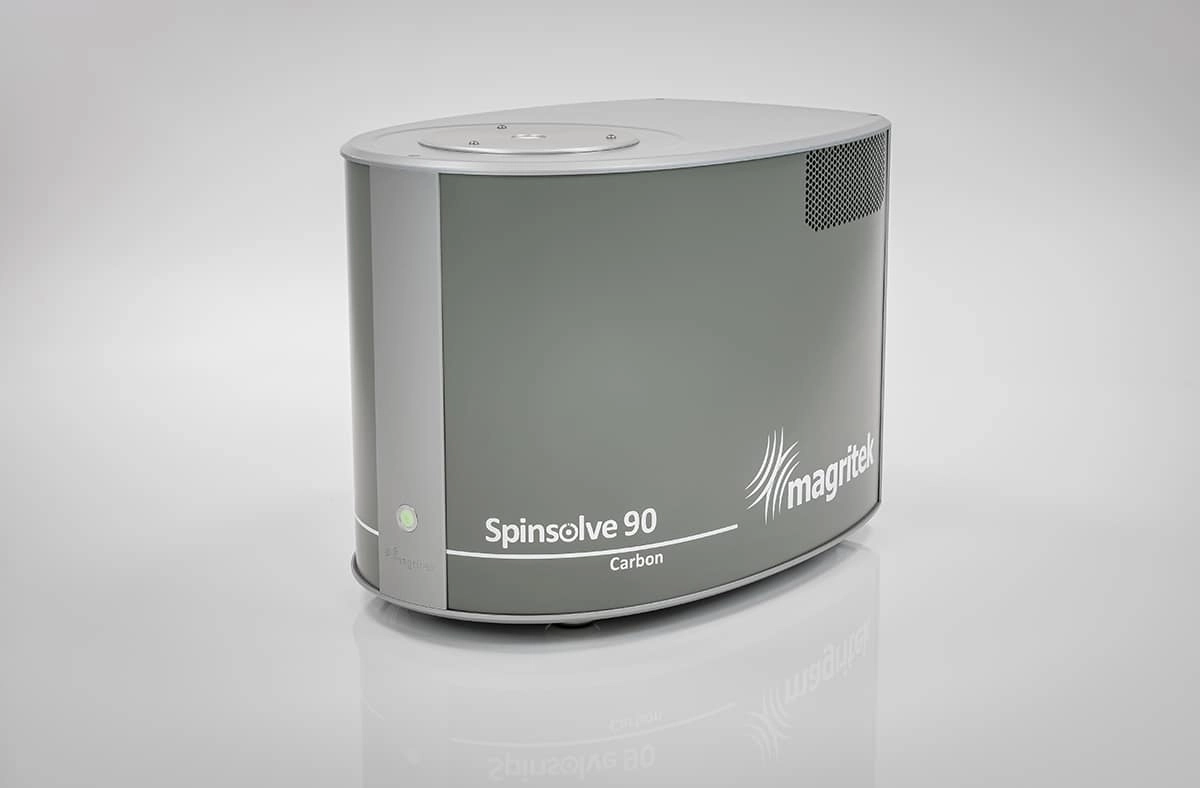
Primary Category: High-Sensitivity Benchtop Key Specs Frequency: 90 MHz Sensitivity: >240:1 (1% Ethylbenzene) Resolution: < 0.4 Hz (50%) Automation: Compatible with high-capacity autosamplers and flow cells Lock System: External hardware lock (no deuterated solvents required) Performance & Applications
The Spinsolve 90 MHz is a prominent instrument in the high-performance benchtop sector, offering sensitivity comparable to some superconducting magnets. Its operating frequency and magnetic field homogeneity allow for the acquisition of data in seconds, making it a viable choice for high-throughput screening. The system is relevant for reaction monitoring in chemical engineering and process development; the integration of flow cells enables continuous analysis of reaction streams without manual sampling. Laboratories focused on rapid purity checks and dynamic chemical processes utilize this model's ability to run advanced 2D experiments like HSQC and HMBC efficiently. Price Range: $100,000 – $140,000
Best For: Versatility
Primary Category: Multi-Nuclei Analysis Key Specs Frequency: 80 MHz Nuclei Selection: 1H plus choice of 15 X-nuclei (e.g., 7Li, 11B, 13C, 19F, 23Na, 31P) Probe: Automated tuning and matching Temperature Control: Optional variable temperature capabilities Software: TopSpin™ (same industry standard as high-field systems) Performance & Applications
Introduced as an update to the Fourier line in April 2025, the 'Multi-Talent' configuration expands the capabilities of benchtop instruments regarding nuclei diversity. While many benchtop systems are limited to protons and carbon or fluorine, this model supports an array of heteronuclei, including Lithium-7 and Boron-11. This capability is suited for the battery research sector and materials science applications where characterization of electrolytes and inorganic frameworks is required. The inclusion of pulsed field gradients (PFG) enables gradient spectroscopy, providing cleaner spectra and reliable assignment of mixtures in pharmaceutical research. Price Range: > $10,000,000 (Request Quote)
Best For: High-End Option
Primary Category: Ultra-High Field Research Key Specs Frequency: 1.0 GHz (23.5 Tesla) Magnet Tech: Hybrid High-Temperature Superconductor (HTS) Helium Consumption: < 80 ml/hour (liquid helium) Footprint: Single-story laboratory installation feasible Shielding: Active shielding for reduced stray field Performance & Applications
The Ascend Evo 1.0 GHz represents advanced commercial NMR technology, designed for research in structural biology and intrinsically disordered proteins. By utilizing high-temperature superconducting materials, manufacturers have created a gigahertz-class magnet that operates at 4.2 Kelvin yet fits within a standard single-story laboratory. This model lowers the siting costs and liquid helium consumption associated with ultra-high field NMR. It is utilized for research requiring atomic-level resolution of complex biological machinery, conducting solid-state experiments on membrane proteins, and advancing drug discovery through fragment-based screening. Model Best For Key Features Typical Price Range JEOL ECZ Luminous G Overall Smart Transceiver, 400-1.3GHz, Small footprint Request Quote (High) Nanalysis 60PRO Budget No cryogens, Touchscreen, Portable $55k – $85k Magritek Spinsolve 90 Speed 90 MHz, High sensitivity, Flow cell ready $120k – $150k Bruker Fourier 80 Versatility 15+ Nuclei options, TopSpin software $100k – $140k Bruker Ascend Evo 1.0 High-End 1.0 GHz Hybrid Magnet, Low He consumption > $10M Selecting the right instrumentation for 2026 requires balancing analytical needs with operational constraints such as space and cryogen availability. While the Bruker Ascend Evo 1.0 GHz offers high resolution for research institutions, the evolution of benchtop NMR spectrometers like the Nanalysis 60PRO and Magritek Spinsolve offers cost-effective alternatives for routine applications. Laboratory professionals must weigh the necessity of ultra-high field data against the efficiency and accessibility provided by these modern compact systems. This article was created with the assistance of Generative AI and has undergone editorial review before publishing.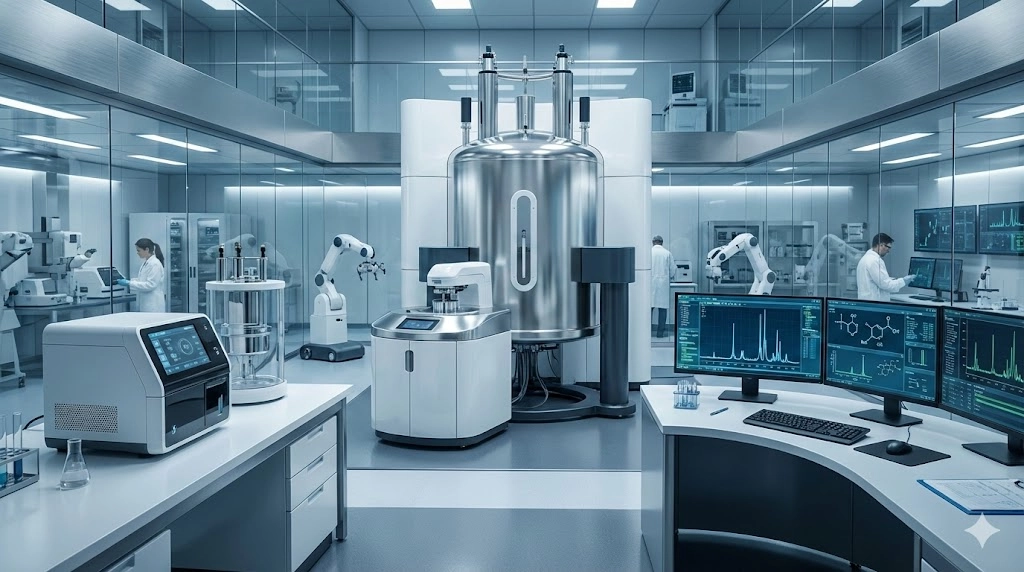
Quick Summary
JEOL ECZ Luminous G Series – JEOL
Nanalysis 60PRO (Next Gen) – Nanalysis
Spinsolve 90 MHz – Magritek
Fourier 80 'Multi-Talent' – Bruker
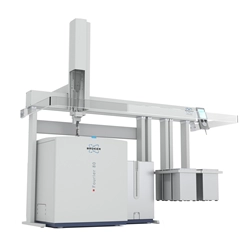
Ascend Evo 1.0 GHz – Bruker
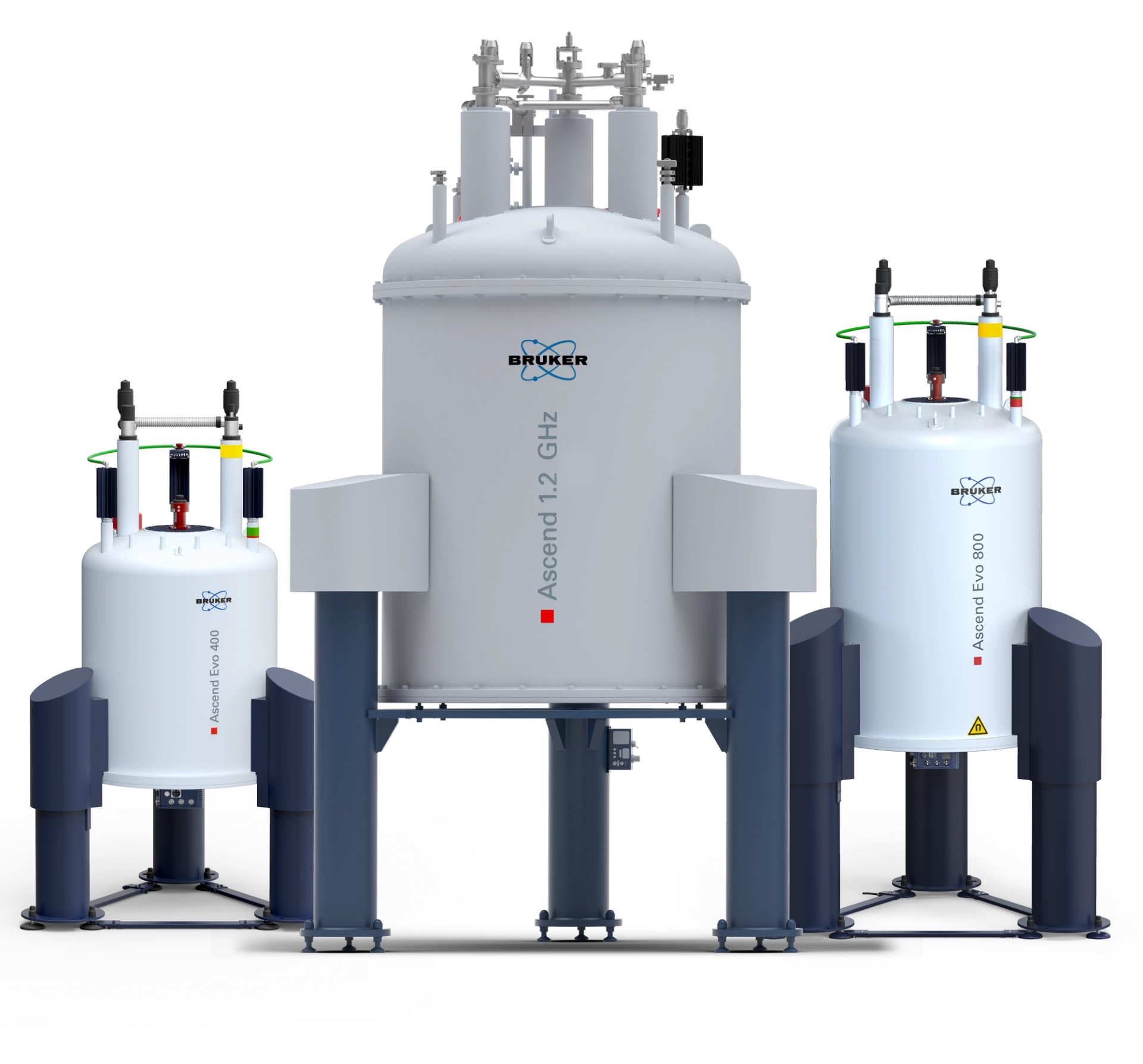
Comparison of Top NMR Spectrometers
Final Verdict on the Best NMR Spectrometers of 2026
Jan 09, 2026
Product News
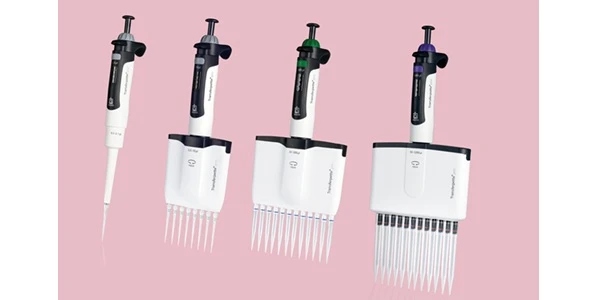
BRANDTECH Scientific Introduces the Transferpette® pro Micropipette: A New Twist on Comfort and Control
The latest addition to its trusted line of precision liquid handling instruments, engineered for comfort, control, and repeatable accuracy.

Jan 06, 2026
Featured, Technical Insight
New Research Frontiers Unlocked by Next-Generation Flow Cytometry
Next-generation flow cytometry systems using acoustic focusing are opening entirely new areas of research that were previously impractical or inaccessible with conventional flow cytometers.
Jan 05, 2026
Buying Guides
The Bottom Line: How Smart Microcentrifuge Tube Choices Impact Lab Efficiency and Cost
Innovative microcentrifuge tube solutions are more than just lab consumables—they’re strategic tools that can reduce costs, improve outcomes, and support long-term sustainability goals.
Jan 05, 2026
Buying Guides
Future-Proofing Your Lab with Innovative Microcentrifuge Tube Solutions
As laboratories evolve to meet the growing demands of modern science, even the most basic tools—like microcentrifuge tubes—are being reimagined.
Jan 05, 2026
Buying Guides
Microcentrifuge Tube Innovations: Driving Sustainable Change
Integrating next-generation consumables into standard workflows can lead to a more sustainable and responsible research environment.
Jan 05, 2026
Buying Guides
Single Use Plastics: How to Manage these Major Contributors to Lab Waste
Reducing lab waste isn’t just a sustainability issue—it’s a financial and operational one, too.
Jan 05, 2026
Buying Guides
Common Microcentrifuge Tube Challenges in Sensitive Molecular Workflows
Key factors that can impact the performance of microcentrifuge tubes for PCR, qPCR, and NGS and other sensitive applications
Jan 05, 2026
Buying Guides
How to Research the Right Microcentrifuge Tubes for Your Application
Selecting the right microcentrifuge tubes starts with understanding the specific demands of your application.
Jan 05, 2026
Technical Insight
The Best Confocal Microscopes of 2026
Discover the best confocal microscopes of 2026 for advanced imaging. Compare top models from Zeiss, Evident, and Nikon for speed, resolution, and budget.

Dec 24, 2025
Featured, Popular Products, Technical Insight
Emerging Mass Spectrometry Technologies to Improve Intraoperative Diagnostics
Advances in mass spectrometry may soon reshape surgery, improving diagnostic accuracy and impacting post-operative outcomes