
The Best Particle Size Analyzers of 2026: A Buyer's Guide to Price and Features

Written By: Craig Bradley
Aug 23, 2024
Precise material characterization remains a cornerstone of quality control in pharmaceutical, mining, and chemical industries, driving the continued demand for advanced particle size analyzers. Laboratory professionals require instruments that deliver reproducibility, wide dynamic ranges, and automated software capabilities to minimize operator error. The market in 2026 offers a blend of established laser diffraction systems and innovative, AI-driven platforms designed to streamline complex method development. This article evaluates five industry-leading models, examining their specifications, operational strengths, and suitability for high-throughput environments. Best Overall: Mastersizer 3000+ (Malvern Panalytical) — Combines AI-driven data quality with industry-standard reliability. Best For Automated Precision: Litesizer DIF 500 (Anton Paar) — Features a 2025 release architecture with rapid-switch dispersion units. Best High-End Throughput: Partica LA-960V2 (Horiba) — Delivers 60-second measurement cycles and a massive dynamic range. Best For Shape Insights: SYNC (Microtrac) — Integrates laser diffraction with dynamic image analysis for simultaneous shape data. Best For Nanoparticles: BeNano 90 Zeta (Bettersize) — Specialized DLS system for low-volume, high-sensitivity nano-characterization. Price Range: $55,000 – $95,000 (Estimated New)
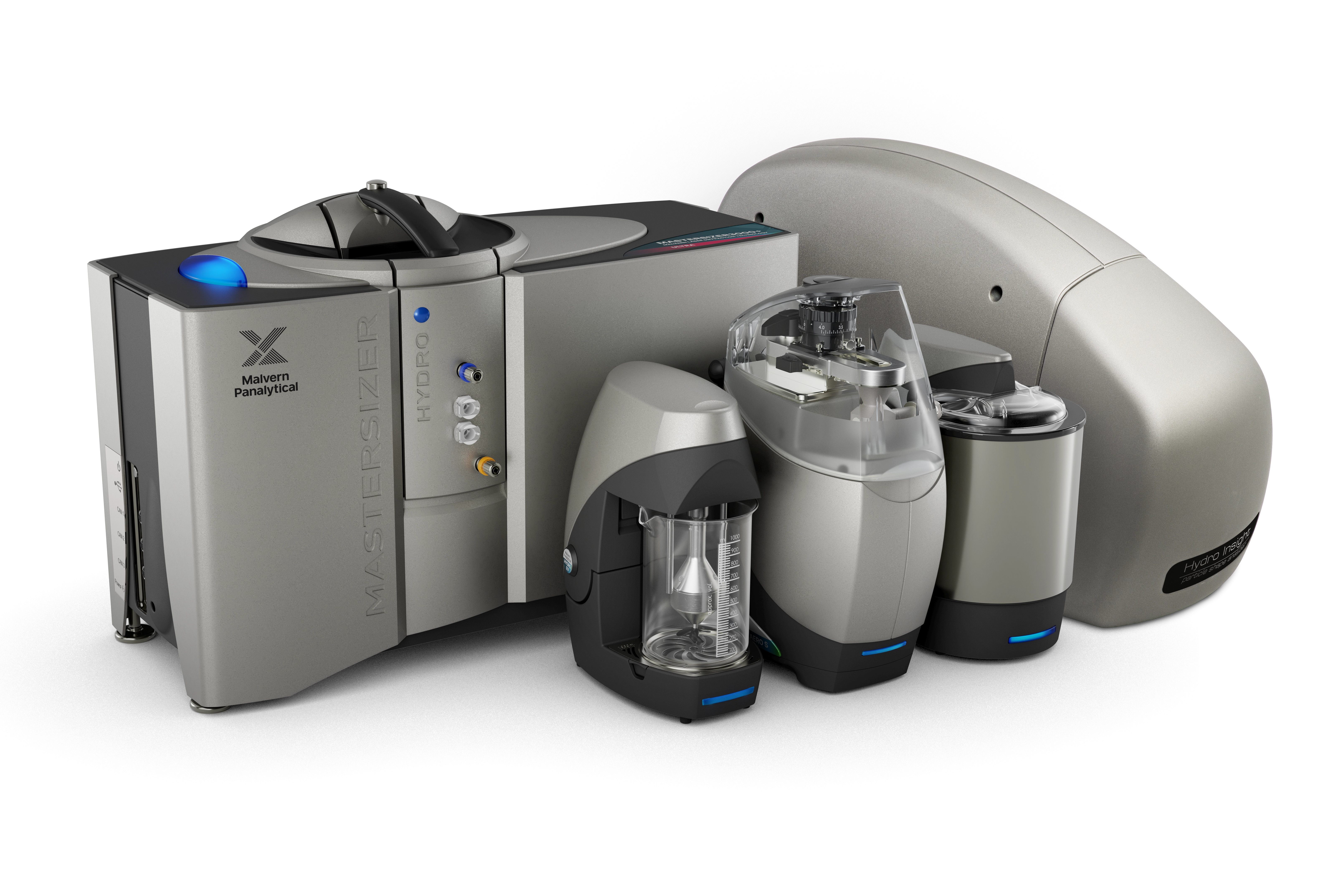
Best For: Overall Performance & Versatility The Mastersizer 3000+ represents the latest evolution in Malvern Panalytical’s flagship line, released in early 2024. It builds upon the ubiquity of the original 3000 series but integrates advanced software intelligence to address common pain points in method development. This model is designed for laboratories that require strict adherence to SOPs while managing a diverse range of sample types, from dry powders to wet suspensions. Key Specs Measurement Range: 0.01 µm – 3500 µm Technology: Laser Diffraction (Red and Blue Light) Data Acquisition: 10 kHz New Feature: Size Sure (AI-powered transient state analysis) Footprint: Compact (690mm length) Performance & Applications
The Mastersizer 3000+ distinguishes itself through its "Size Sure" technology, an AI-driven feature that helps operators differentiate between steady-state particles and transient anomalies like bubbles or agglomerates. This capability significantly reduces the time required for troubleshooting data outliers, making it a premier choice for pharmaceutical R&D and additive manufacturing where purity is paramount. The system utilizes a folded optical design to maintain a small benchtop footprint without sacrificing the optical path length required for high resolution. It excels in applications requiring rapid switchover between wet and dry dispersion units, offering a seamless user experience for labs handling multiple material forms daily. Shop Malvern Panalytical on LabX Price Range: $50,000 – $80,000 (Estimated New)
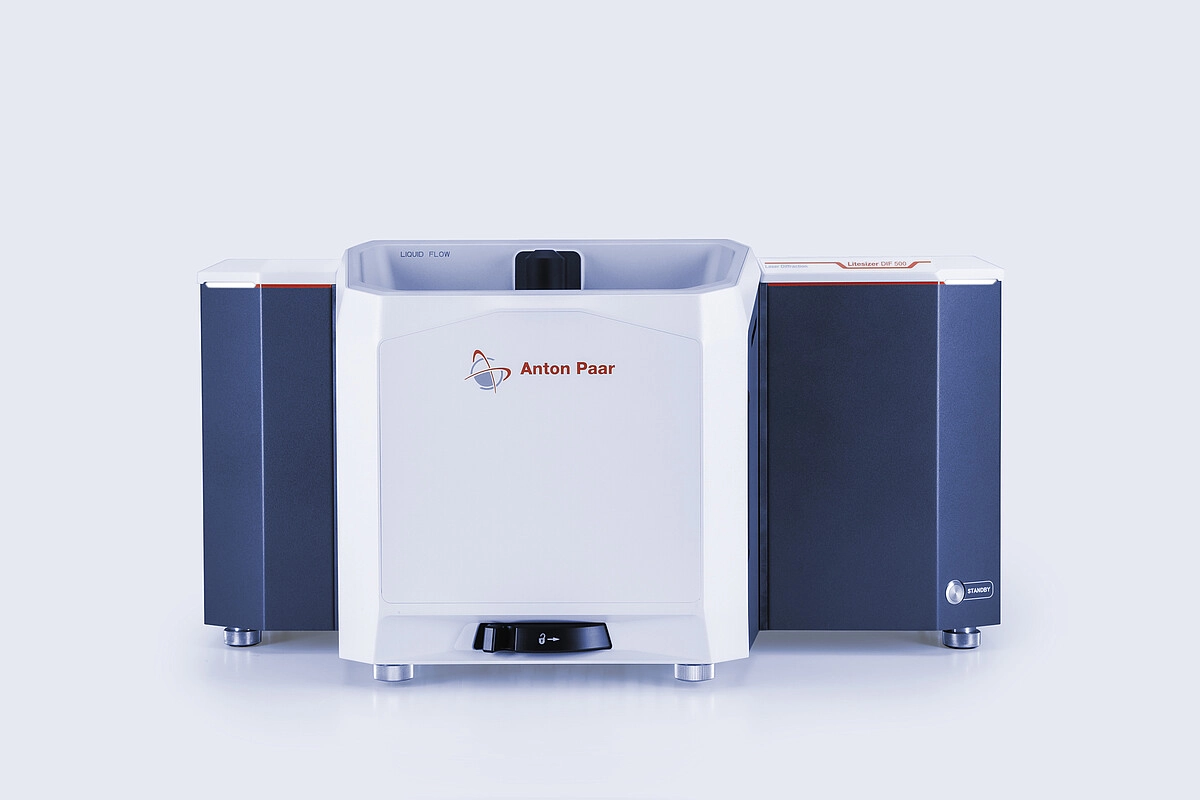
Best For: Automated Precision Released in early 2025, the Litesizer DIF 500 enters the market as a robust contender in laser diffraction, emphasizing automation and ease of use. Anton Paar has engineered this device to minimize the learning curve for new technicians while providing the granular data needed by senior scientists. The instrument focuses on reducing manual intervention, utilizing intelligent software to guide the user through measurement workflows. Key Specs Measurement Range: 0.01 µm – 3500 µm Dispersion: One-motion switchable liquid and dry units Software: Kalliope (3-click measurement interface) Angles: 0.01° to 170° detection range Compliance: 21 CFR Part 11 ready Performance & Applications
The Litesizer DIF 500 is engineered for environments where reproducibility across different operators is critical. The "Kalliope" software interface is the central highlight, allowing measurements to be initiated in as few as three clicks. This reduction in manual input variables ensures that data consistency is maintained regardless of who is operating the machine. The hardware features a unique mounting system that allows users to swap between wet and dry dispersion modules in seconds without tools, reducing downtime during shift changes. This model is particularly relevant for chemical processing and food science laboratories where frequent cleaning and sample changeovers are standard operating procedures. Price Range: $60,000 – $105,000 (Estimated New)
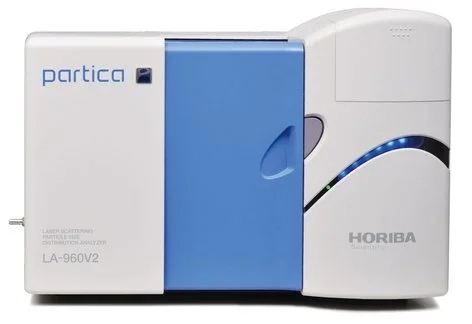
Best For: High-End Throughput The Horiba Partica LA-960V2 remains a dominant force in the high-end sector, known specifically for its ability to handle difficult, large-particle samples that other systems struggle to circulate. While an established platform, its continuous software updates and raw hardware power keep it at the forefront of the industry in 2026. It is built for speed and power, utilizing strong circulation pumps and a massive dynamic range to ensure no fraction of the sample is missed. Key Specs Measurement Range: 10 nm – 5000 µm (5 mm) Measurement Cycle: 60 seconds (fill, measure, rinse) Light Sources: 650 nm Laser Diode and 405 nm LED Circulation: High-power centrifugal pump Optics: Enclosed optical bench for stability Performance & Applications
Speed and aggregate handling define the LA-960V2. The instrument allows for a complete measurement cycle—from liquid filling to rinsing—in under one minute, making it the ideal candidate for QA/QC labs processing hundreds of samples per day. Its upper detection limit of 5 millimeters is superior to many competitors, allowing it to accurately characterize coarse aggregates found in the construction, mining, and ceramics industries. The powerful circulation system prevents the sedimentation of heavy particles, ensuring that the distribution data reflects the true sample composition rather than just the fines that stay in suspension. Price Range: $65,000 – $110,000 (Estimated New)
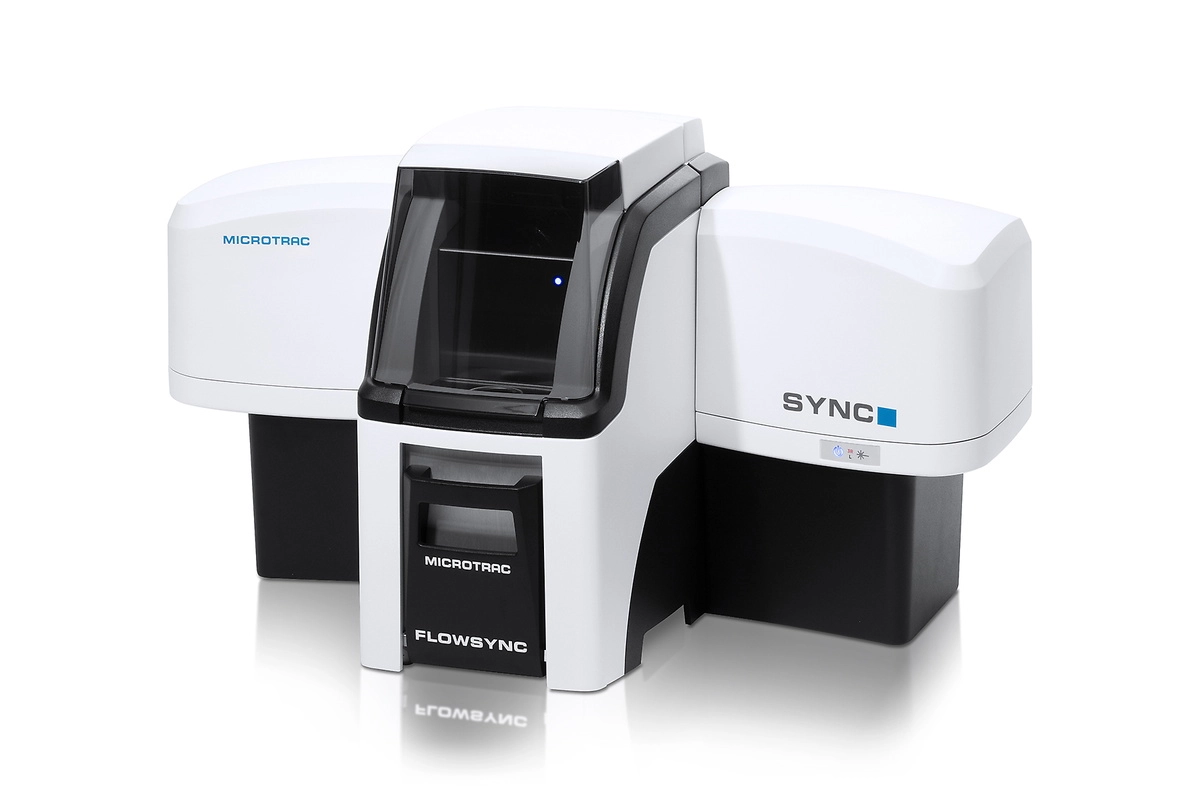
Best For: Shape Analysis Integration Microtrac’s SYNC analyzer addresses the limitation of pure laser diffraction by integrating Dynamic Image Analysis (DIA) directly into the same measurement stream. Laser diffraction assumes particles are spherical, which can lead to errors when measuring rods or flakes. The SYNC overcomes this by photographing the particles as they are diffracted, providing shape data alongside size distribution. Key Specs Measurement Range: 0.01 µm – 4000 µm Technology: Synchronous Laser Diffraction and Dynamic Image Analysis Detectors: Fixed detectors covering 0° to 165° Camera: Integrated strobe LED for high-speed image capture Module: FLOWSYNC for wet dispersion Performance & Applications
The SYNC is indispensable for material scientists who need to understand why a particle distribution looks the way it does. For example, if a diffraction result shows a "tail" of large particles, the integrated camera can confirm whether these are genuine large particles or agglomerates of smaller ones. This simultaneous insight is crucial in the abrasive and metal powder industries, where particle shape directly influences flowability and packing density. The system allows users to switch between wet and dry modes rapidly, and the fixed-detector design eliminates the need for scanning components, increasing mechanical reliability over time. Price Range: $30,000 – $50,000 (Estimated New)
Best For: Nanoparticles & Budget While the previous models focus on broad-range laser diffraction, the Bettersize BeNano 90 Zeta utilizes Dynamic Light Scattering (DLS), making it the specialist for the nano-range. It offers a cost-effective solution for labs focusing exclusively on proteins, polymers, and colloidal systems. Recent updates to its optical system have improved its sensitivity, allowing for the measurement of samples with weak scattering signals. Key Specs Measurement Range: 0.3 nm – 10 µm Technology: DLS, ELS (Electrophoretic Light Scattering), and SLS (Static Light Scattering) Laser: 50 mW solid-state laser Sample Volume: Micro-volume capable (low as 3 µL) Zeta Potential: PALS technology for stability analysis Performance & Applications
The BeNano 90 Zeta is optimized for molecular biology and formulation chemistry. It provides critical data on particle stability through Zeta potential measurements, predicting whether a formulation will coagulate or remain stable over time. Its ability to measure molecular weight via Static Light Scattering adds another layer of utility for polymer researchers. The instrument is significantly smaller and less expensive than full-range diffraction systems, making it an excellent dedicated instrument for academic labs or pharmaceutical production lines monitoring biologic drug stability. Shop Bettersize Instruments on LabX Model Best For Key Features Typical Price Range Mastersizer 3000+ Overall Versatility AI-driven "Size Sure" data analysis; 0.01–3500 µm range. $55,000 – $95,000 Litesizer DIF 500 Automated Precision 2025 Release; 3-click Kalliope software; Tool-free unit swap. $50,000 – $80,000 Partica LA-960V2 High-Throughput 5000 µm upper limit; 1-minute cycle time; Powerful pump. $60,000 – $105,000 Microtrac SYNC Shape Analysis Integrated Camera (DIA) + Laser Diffraction; Shape & Size in one run. $65,000 – $110,000 BeNano 90 Zeta Nanoparticles DLS technology; Zeta potential; Small sample volume (3 µL). $30,000 – $50,000 Selecting the right particle size analyzer in 2026 requires balancing the need for broad operational ranges with specific workflow requirements like automation and shape analysis. The Mastersizer 3000+ stands out as the premier all-rounder, leveraging AI to simplify method development, while the newly released Litesizer DIF 500 offers exceptional ease of use for streamlined operations. For laboratories managing heavy industrial aggregates, the Partica LA-960V2 remains the throughput leader. Investing in these advanced particle size analyzers ensures that modern laboratories can meet the rigorous demands of quality assurance and material research with confidence. This article was created with the assistance of Generative AI and has undergone editorial review before publishing.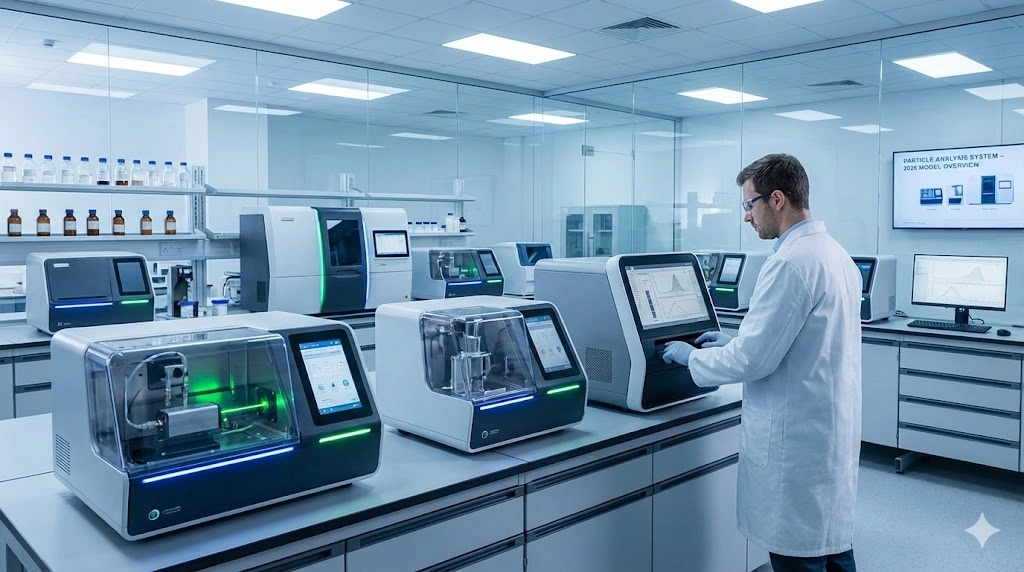
Quick Summary Box
Mastersizer 3000+ – Malvern Panalytical
Litesizer DIF 500 – Anton Paar
Partica LA-960V2 – Horiba
SYNC – Microtrac
BeNano 90 Zeta – Bettersize

Comparison of Top Models
Final Verdict: The Best Particle Size Analyzers of 2026
Jan 09, 2026
Product News
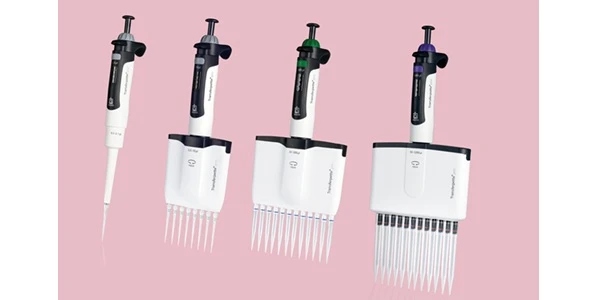
BRANDTECH Scientific Introduces the Transferpette® pro Micropipette: A New Twist on Comfort and Control
The latest addition to its trusted line of precision liquid handling instruments, engineered for comfort, control, and repeatable accuracy.
Jan 06, 2026
Featured, Technical Insight
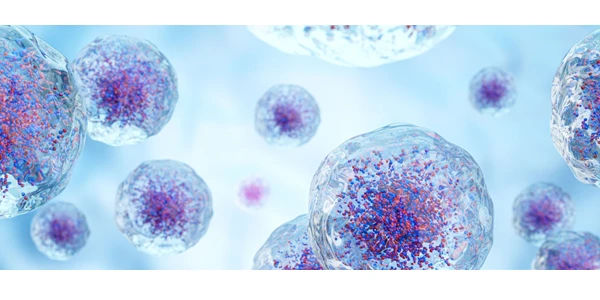
New Research Frontiers Unlocked by Next-Generation Flow Cytometry
Next-generation flow cytometry systems using acoustic focusing are opening entirely new areas of research that were previously impractical or inaccessible with conventional flow cytometers.
Jan 05, 2026
Buying Guides
The Bottom Line: How Smart Microcentrifuge Tube Choices Impact Lab Efficiency and Cost
Innovative microcentrifuge tube solutions are more than just lab consumables—they’re strategic tools that can reduce costs, improve outcomes, and support long-term sustainability goals.
Jan 05, 2026
Buying Guides
Future-Proofing Your Lab with Innovative Microcentrifuge Tube Solutions
As laboratories evolve to meet the growing demands of modern science, even the most basic tools—like microcentrifuge tubes—are being reimagined.
Jan 05, 2026
Buying Guides
Microcentrifuge Tube Innovations: Driving Sustainable Change
Integrating next-generation consumables into standard workflows can lead to a more sustainable and responsible research environment.
Jan 05, 2026
Buying Guides
Single Use Plastics: How to Manage these Major Contributors to Lab Waste
Reducing lab waste isn’t just a sustainability issue—it’s a financial and operational one, too.
Jan 05, 2026
Buying Guides
Common Microcentrifuge Tube Challenges in Sensitive Molecular Workflows
Key factors that can impact the performance of microcentrifuge tubes for PCR, qPCR, and NGS and other sensitive applications
Jan 05, 2026
Buying Guides
How to Research the Right Microcentrifuge Tubes for Your Application
Selecting the right microcentrifuge tubes starts with understanding the specific demands of your application.
Jan 05, 2026
Technical Insight
The Best Confocal Microscopes of 2026
Discover the best confocal microscopes of 2026 for advanced imaging. Compare top models from Zeiss, Evident, and Nikon for speed, resolution, and budget.

Dec 24, 2025
Featured, Popular Products, Technical Insight
Emerging Mass Spectrometry Technologies to Improve Intraoperative Diagnostics
Advances in mass spectrometry may soon reshape surgery, improving diagnostic accuracy and impacting post-operative outcomes