
The Best Thermal Analysis Instruments of 2026: A Buyer's Guide to Price and Features

Written By: Craig Bradley
Aug 23, 2024
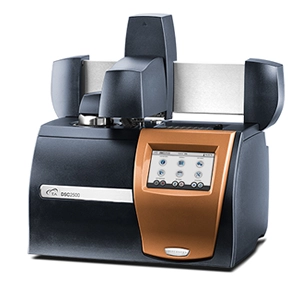
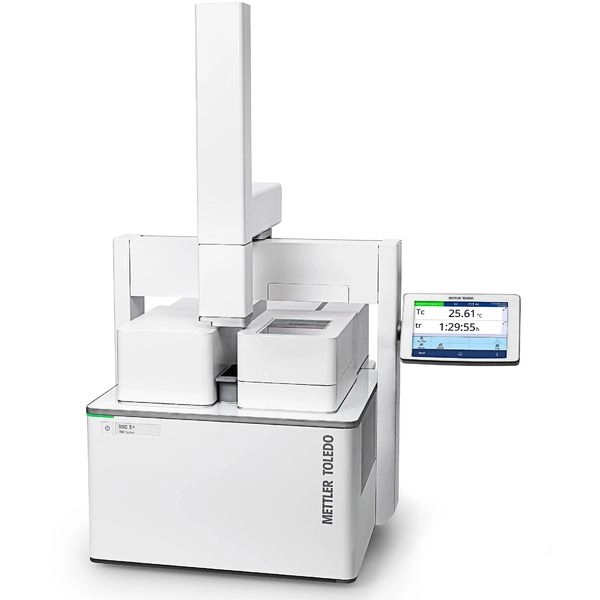
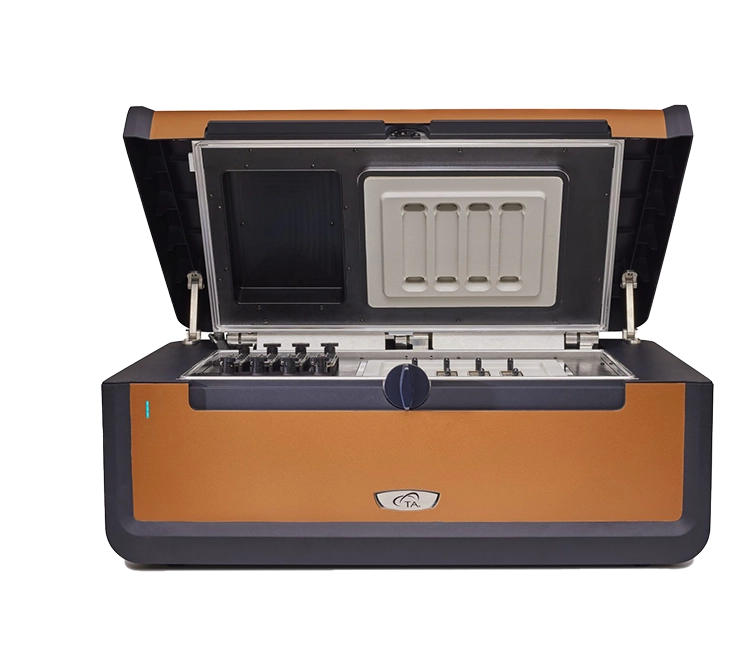
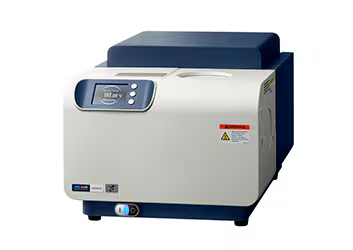
The demand for precise material characterization has driven significant innovation in thermal analysis instruments for 2026. Laboratories now prioritize equipment that combines high sensitivity with automation to streamline workflows in pharmaceutical, polymer, and industrial applications. This guide examines five leading models that define the current landscape, focusing on improvements in baseline stability, sample throughput, and modular versatility. Best Overall: Discovery DSC 2500 (TA Instruments) — Unmatched baseline flatness and Tzero technology for critical R&D. Best High-End Option: DSC 5+ (Mettler Toledo) — Features a 136-thermocouple sensor and robust automation for complex analysis. Best For Speed / Throughput: RS-DSC (TA Instruments) — Rapid screening capability designed specifically for high-volume biologic stability testing. Most Versatile: DSC 300 Caliris Supreme (NETZSCH) — Modular design allowing exchangeable sensor and furnace modules. Best On A Budget: NEXTA DSC200 (Hitachi High-Tech) — Reliable sensitivity and unique camera observation capabilities at an accessible price point. Price Range $60,000 – $100,000+ (Highly dependent on autosampler and cooling accessories) Best For: Overall Performance Category High-performance R&D and Industrial QA/QC Key Specs Sensor Technology: Tzero™ technology (proprietary dual-sensor heat-flow design) Temperature Range: -180°C to 725°C Enthalpy Precision: ±0.04% (typical, pan-dependent) Baseline Flatness: ≤5 µW Performance & Applications The Discovery DSC 2500 remains a benchmark in the field of differential scanning calorimetry due to its proprietary Tzero technology. This design fundamentally improves baseline flatness and resolution by measuring heat flow to both the sample and reference independently. It eliminates the need for post-test mathematical manipulation, which is critical for detecting weak transitions in dilute pharmaceutical solutions or complex polymer blends. The instrument suits research environments where data integrity is paramount, as well as high-volume labs requiring reliable automation through the linear autosampler. Price Range $50,000 – $90,000 (Variable based on robot and sensor configuration) Best For Best High-End Option Category Advanced Material Characterization Key Specs Sensor: MultiSTAR™ (up to 136 thermocouples) Automation: Robust sample robot with up to 96 positions Cooling: CombiCooler (Liquid N2 and Intracooler switching) Release Date: July 2023 Performance & Applications Released in late 2023, the DSC 5+ represents a significant leap in sensitivity and automation. Its MultiSTAR sensor technology amplifies signal quality, enabling the detection of minute thermal events that standard sensors might miss. The system excels in automated environments, featuring a sample robot capable of piercing lids immediately before measurement to prevent sample degradation. Ideally suited for pharmaceutical QC and advanced polymer research, the DSC 5+ handles complex cooling sequences and high-throughput demands without sacrificing thermal precision. Price Range Inquire (Specialized High-Throughput System) Best For Best For Speed / Throughput Category Biopharmaceutical Screening Key Specs Sample Capacity: Up to 24 samples simultaneously Sample Volume: Low volume requirements (<15 µL) Temperature Range: 20°C to 100°C (Optimized for biologics) Release Date: July 2024 Performance & Applications The RS-DSC (Rapid Screening Differential Scanning Calorimeter) was introduced in mid-2024 to address the bottleneck in biopharmaceutical stability testing. Unlike traditional single-sample instruments, this model analyzes up to 24 samples simultaneously using microfluidic chip technology. This architecture allows formulation scientists to screen vast libraries of antibody candidates or protein formulations in a fraction of the time typically required. It is strictly an application-specific tool, indispensable for labs focused on early-stage drug development where speed and low sample consumption are critical metrics. Price Range $45,000 – $75,000 (Modular configuration dependent) Best For Most Versatile Category Research & Education Key Specs Modularity: User-exchangeable sensor and furnace modules Temperature Range: -180°C to 750°C (Module dependent) Display: Integrated touch display with instrument status LED Software: Proteus® with SmartMode and ExpertMode Performance & Applications The NETZSCH DSC 300 Caliris Supreme distinguishes itself with a completely modular architecture. Users can swap between standard, polymer, and high-performance modules in minutes, effectively creating a new instrument for different thermal ranges or sensitivity needs. This flexibility makes it an excellent choice for contract laboratories or universities that handle diverse sample types ranging from foods and cosmetics to high-temperature ceramics. Recent updates include the Proteus 9.7 software release (July 2025), which enhanced data handling and added predictive maintenance features. Price Range $30,000 – $50,000 (Base model) Best For Best On A Budget Category Routine Analysis and QA Key Specs Observation: Real View® Camera System (Optional) Sensitivity: 0.2 µW Cooling: Electrical cooling capability (no liquid N2 required for some ranges) Design: Compact footprint Performance & Applications The Hitachi NEXTA DSC200 offers exceptional value for laboratories operating on a tighter budget. While it is cost-effective, it does not compromise on essential performance metrics, providing stable baselines and sufficient sensitivity for routine polymer analysis, such as melting point and glass transition determination. A standout feature is the optional "Real View" camera system, which allows operators to visually observe sample changes (like degradation or color change) in real-time alongside the thermal data. This capability is particularly useful for failure analysis and troubleshooting in manufacturing sectors. Model Best For Key Features Typical Price Range Discovery DSC 2500 Best Overall Tzero technology, linear autosampler, superior baseline flatness $60,000 – $100,000+ DSC 5+ High-End Option MultiSTAR sensor, 96-position robot, auto-lid piercing $50,000 – $90,000 RS-DSC Speed / Throughput 24 simultaneous samples, microfluidic technology, low sample volume Inquire DSC 300 Caliris Versatility Modular/swappable sensors, wide temp range, intuitive LED status $45,000 – $75,000 NEXTA DSC200 Budget / Value Real View camera, electrical cooling, compact design $30,000 – $50,000 Selecting the right equipment requires balancing sensitivity requirements with throughput needs. The best thermal analysis instruments highlighted for 2026 range from specialized high-speed scanners like the TA Instruments RS-DSC to versatile workhorses like the NETZSCH Caliris. For general R&D, the Discovery DSC 2500 and Mettler Toledo DSC 5+ offer the highest data fidelity, while the Hitachi NEXTA provides a cost-effective solution for routine quality control. Laboratories must assess their specific sample volumes and resolution targets to maximize their return on investment in these advanced analytical tools. This article was created with the assistance of Generative AI and has undergone editorial review before publishing.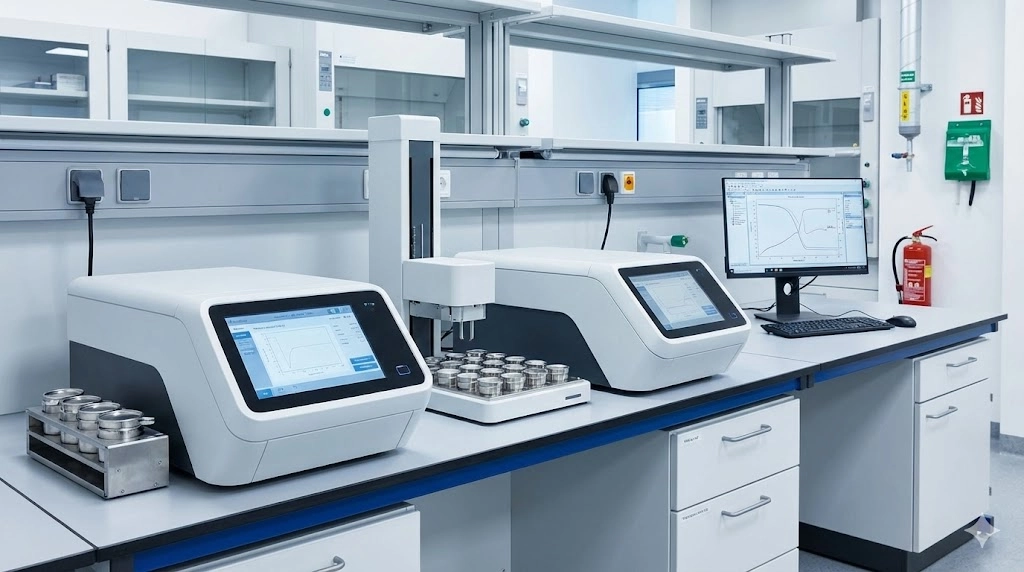
Quick Summary
Discovery DSC 2500 – TA Instruments
DSC 5+ – Mettler Toledo
RS-DSC – TA Instruments
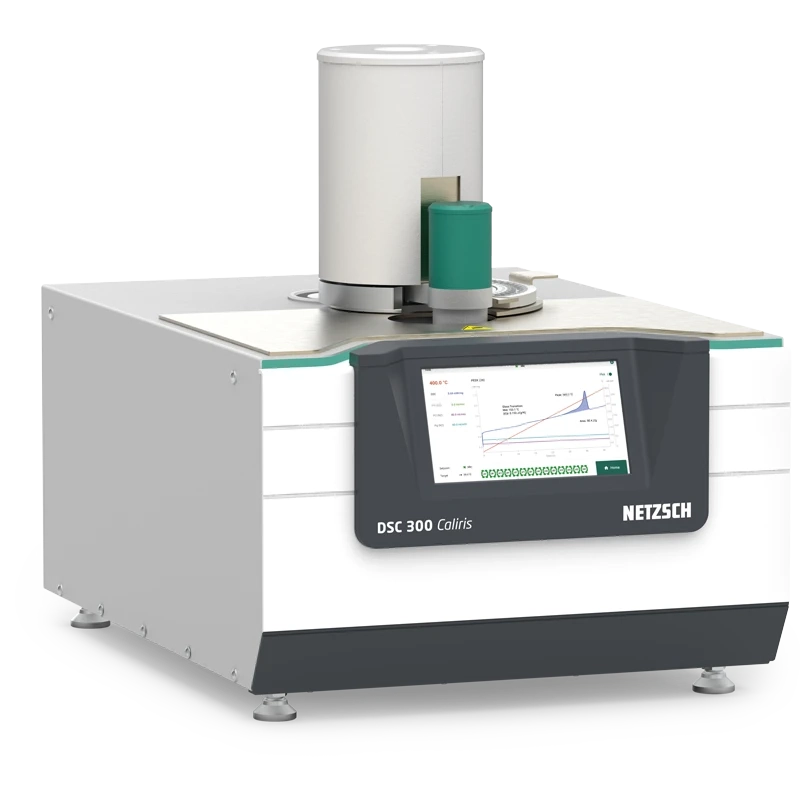
DSC 300 Caliris Supreme – NETZSCH
NEXTA DSC200 – Hitachi High-Tech
Comparison of Top Thermal Analysis Models
Conclusion: Selecting the Best Thermal Analysis Instrument
Jan 09, 2026
Product News
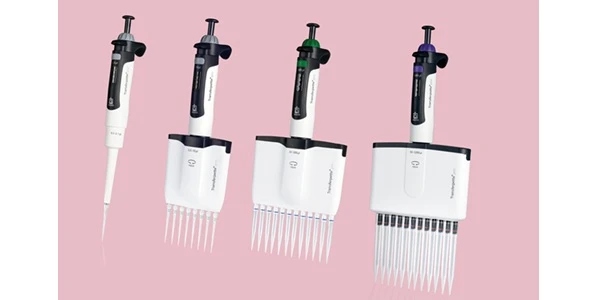
BRANDTECH Scientific Introduces the Transferpette® pro Micropipette: A New Twist on Comfort and Control
The latest addition to its trusted line of precision liquid handling instruments, engineered for comfort, control, and repeatable accuracy.

Jan 06, 2026
Featured, Technical Insight
New Research Frontiers Unlocked by Next-Generation Flow Cytometry
Next-generation flow cytometry systems using acoustic focusing are opening entirely new areas of research that were previously impractical or inaccessible with conventional flow cytometers.
Jan 05, 2026
Buying Guides
The Bottom Line: How Smart Microcentrifuge Tube Choices Impact Lab Efficiency and Cost
Innovative microcentrifuge tube solutions are more than just lab consumables—they’re strategic tools that can reduce costs, improve outcomes, and support long-term sustainability goals.
Jan 05, 2026
Buying Guides
Future-Proofing Your Lab with Innovative Microcentrifuge Tube Solutions
As laboratories evolve to meet the growing demands of modern science, even the most basic tools—like microcentrifuge tubes—are being reimagined.
Jan 05, 2026
Buying Guides
Microcentrifuge Tube Innovations: Driving Sustainable Change
Integrating next-generation consumables into standard workflows can lead to a more sustainable and responsible research environment.
Jan 05, 2026
Buying Guides
Single Use Plastics: How to Manage these Major Contributors to Lab Waste
Reducing lab waste isn’t just a sustainability issue—it’s a financial and operational one, too.
Jan 05, 2026
Buying Guides
Common Microcentrifuge Tube Challenges in Sensitive Molecular Workflows
Key factors that can impact the performance of microcentrifuge tubes for PCR, qPCR, and NGS and other sensitive applications
Jan 05, 2026
Buying Guides
How to Research the Right Microcentrifuge Tubes for Your Application
Selecting the right microcentrifuge tubes starts with understanding the specific demands of your application.
Jan 05, 2026
Technical Insight
The Best Confocal Microscopes of 2026
Discover the best confocal microscopes of 2026 for advanced imaging. Compare top models from Zeiss, Evident, and Nikon for speed, resolution, and budget.

Dec 24, 2025
Featured, Popular Products, Technical Insight
Emerging Mass Spectrometry Technologies to Improve Intraoperative Diagnostics
Advances in mass spectrometry may soon reshape surgery, improving diagnostic accuracy and impacting post-operative outcomes