
The Best X-Ray Analytical Equipment of 2026: A Buyer's Guide to Price and Features

Written By: Craig Bradley
Aug 23, 2024
Selecting the right x-ray analytical equipment is a critical decision for laboratory professionals tasked with precise material characterization and quality control. As demand for higher throughput and lower detection limits increases, manufacturers have introduced advanced x-ray diffraction (XRD) and x-ray fluorescence (XRF) instruments that occupy the segment between benchtop convenience and floor-standing power. This article reviews five prominent models for 2026, analyzing their specifications, operational capabilities, and suitability for applications ranging from pharmaceutical research to industrial metallurgy. Quick Summary: Top X-Ray Analytical Models Best Overall: Bruker D6 PHASER — Delivers floor-standing analytical performance in a compact benchtop form factor. Best On A Budget: Rigaku MiniFlex XpC — A cost-effective entry point for routine quality assurance and cement analysis. Best For Speed / Throughput: Evident Vanta Max (V2 Series) — Handheld portability with rapid signal processing for immediate field results. Most Versatile: Hitachi EA1400 — Features high-throughput detectors and vacuum capabilities for diverse element screening. Best High-End Option: Rigaku SmartLab — A research-grade platform featuring a 9 kW rotating anode for complex materials. Price Range: $90,000 – $130,000
Best For: Best Overall Performance
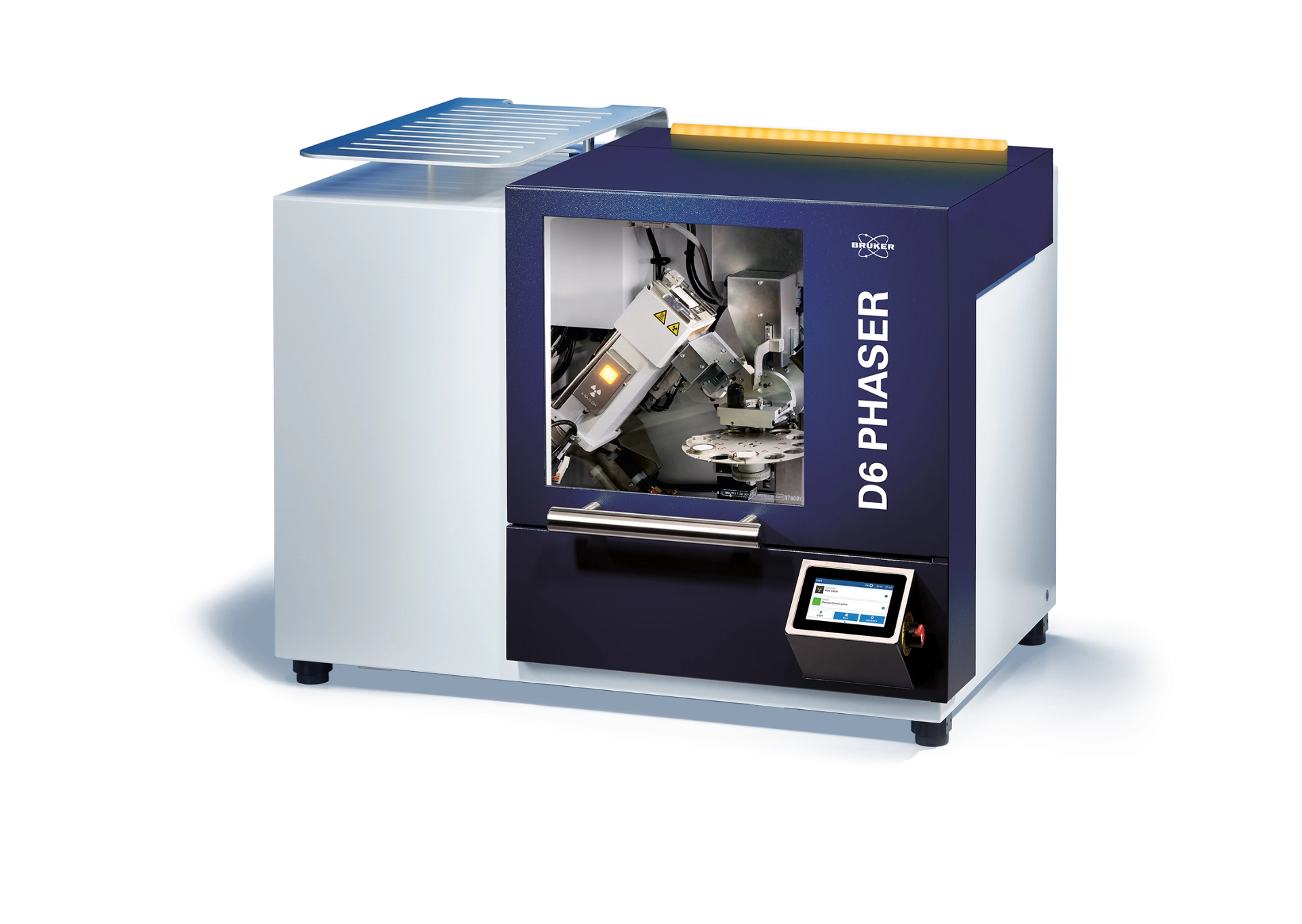
Category: High-performance benchtop XRD Key Specs Generator Power: 1.2 kW (High-power mode). Detector: LYNXEYE XE-T energy-dispersive detector. Goniometer Accuracy: ±0.01° 2θ throughout the angular range. Sample Stage: Integrated non-ambient options (heating/cooling). Dimensions: Compact benchtop footprint. Performance & Applications
Released in mid-2023, the D6 PHASER provides power specifications previously associated primarily with floor-standing diffractometers. Its 1.2 kW generator supports fast data collection and improved signal-to-noise ratios, which are useful for analyzing weakly scattering samples or trace phases. The instrument supports analytical methods beyond simple powder diffraction, including grazing incidence diffraction (GID) for thin films and X-ray reflectometry (XRR). Laboratories specializing in battery research can utilize its compatibility with non-ambient stages, allowing in-situ observation of phase changes during charge cycles. Price Range: $45,000 – $65,000
Best For: On A Budget
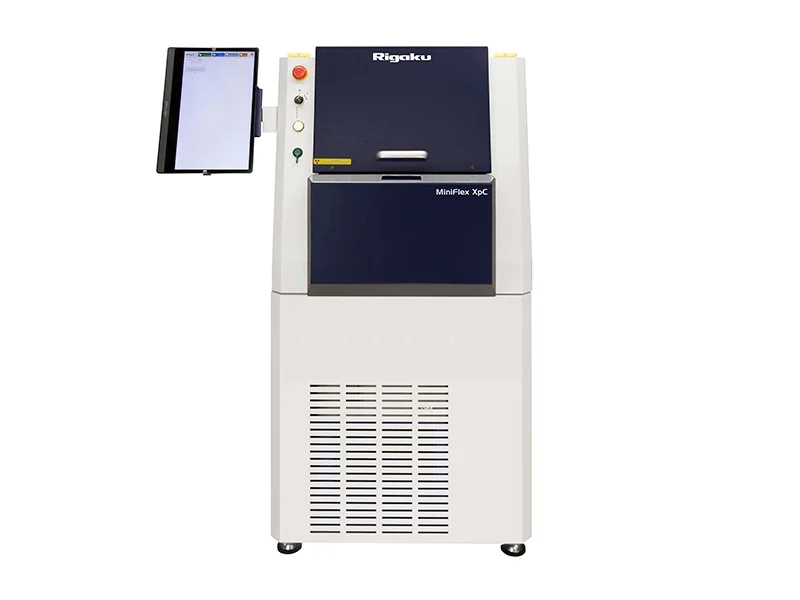
Category: Cost-effective quality control Key Specs Detector: High-speed 1D silicon strip detector (D/teX Ultra). Tube Output: 600 W (standard) with variable power options. Sample Changer: 8-position automatic changer (optional). Software: SmartLab Studio II optimized for QA/QC. Geometry: Vertical theta-theta goniometer. Performance & Applications
The MiniFlex XpC variant (optimized ca. 2022) is engineered for speed and durability in quality control environments. It is often used in cement plants and pharmaceutical production lines where rapid phase identification is prioritized over complex structural refinement. The integration of the D/teX Ultra detector reduces measurement times to minutes, facilitating high-volume batch testing. Its interface and lower price point make it a suitable choice for facilities needing reliable, 24/7 process control data. Price Range: $45,000 – $70,000
Best For: Speed / Throughput
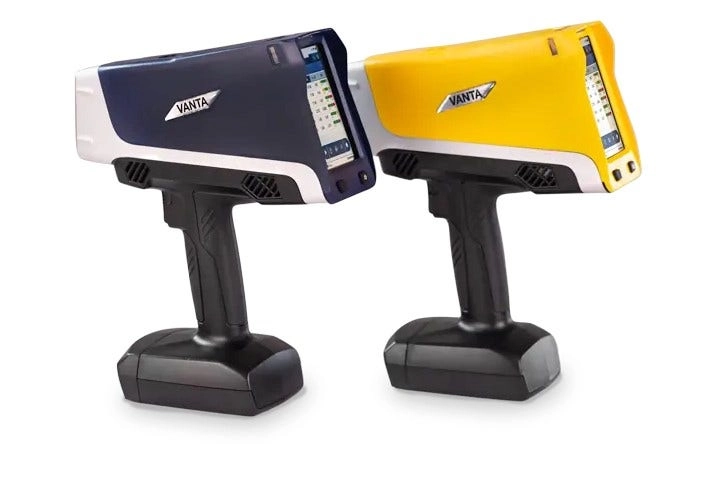
Category: Portable high-throughput XRF Key Specs Excitation Source: 4-Watt X-ray tube (Rh, Ag, or W anode). Processor: Axon Technology for ultra-low-noise signal processing. Durability: IP54/IP65 rated and drop-tested (MIL-STD-810G). Connectivity: Cloud-enabled fleet management and wireless data export. Detector: Large-area Silicon Drift Detector (SDD). Performance & Applications
Updated in early 2025 as part of the "Vanta 2" next-generation series, the Vanta Max offers updated capabilities for handheld XRF with improved ruggedness and data connectivity. The proprietary Axon Technology standardizes detector counts, aiming for consistent results regardless of temperature fluctuations or detector age. This model is utilized for mining exploration, scrap metal sorting, and positive material identification (PMI) in pipelines. Its ability to provide immediate pass/fail grade identification supports high-throughput sorting operations that might otherwise require laboratory testing workflows. Price Range: $55,000 – $80,000
Best For: Most Versatile
Category: Versatile hazardous substance screening Key Specs Detector: High-performance Silicon Drift Detector (SDD). Atmosphere: Air or Vacuum (for light element detection). Sample Observation: Coaxial color camera for precise positioning. Measurement Area: Switchable collimators (1mm, 3mm, 5mm). Throughput: Fast mapping and multi-point analysis capabilities. Performance & Applications
The EA1400 features high-speed processing capabilities designed for RoHS (Restriction of Hazardous Substances) compliance and industrial quality assurance. Its coaxial camera system allows operators to pinpoint specific measurement areas on irregular samples, such as printed circuit boards or welded components, ensuring that the X-ray beam hits the target. The optional vacuum system enhances light element sensitivity (from Sodium upwards), making it a system suitable for analyzing slags, minerals, and polymers where detecting low-atomic-number elements is required alongside heavy metals. Price Range: $200,000 – $350,000+
Best For: Best High-End Option
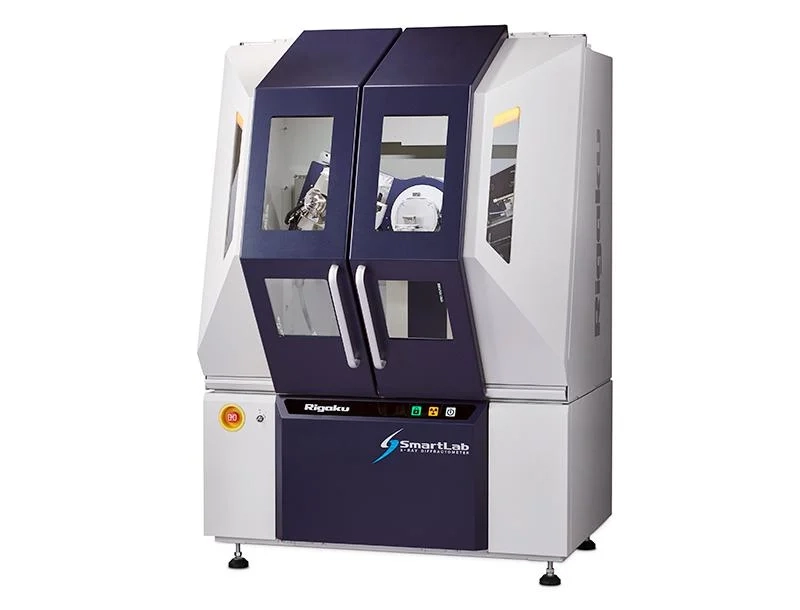
Category: Research-grade advanced materials analysis Key Specs Source: 9 kW rotating anode generator (PhotonMax). Optics: Fully automated Cross-Beam Optics (CBO). Detector: HyPix-3000 high-energy-resolution 2D detector. Alignment: Automated self-alignment with user guidance software. Modes: Supports 0D, 1D, and 2D measurement modes seamlessly. Performance & Applications
The SmartLab provides high flux and resolution for laboratory settings where high performance is required. Its defining feature is the 9 kW rotating anode source, which delivers intensities higher than standard sealed-tube systems, enabling the detection of trace phases in nanomaterials and thin films. The system's automated optical switching allows researchers to transition between Bragg-Brentano powder diffraction and parallel beam geometries for thin films without manual hardware intervention. This instrument is often used for semiconductor metrology, advanced crystallography, and materials science research requiring pole figure analysis or reciprocal space mapping. Model Best For Key Features Typical Price Range Bruker D6 PHASER Overall Performance 1.2 kW power, LYNXEYE XE-T detector, compact footprint $90,000 – $130,000 Rigaku MiniFlex XpC Budget / QC High-speed 1D detector, 600W output, compact size $45,000 – $65,000 Evident Vanta Max (V2) Speed / Field Handheld, IP54 rated, Axon signal processing $45,000 – $70,000 Hitachi EA1400 Versatility / RoHS Coaxial camera, vacuum option, light element sensitivity $55,000 – $80,000 Rigaku SmartLab High-End Research 9 kW rotating anode, CBO automated optics, 2D detector $200,000 – $350,000+ The landscape of x-ray analytical equipment in 2026 offers distinct solutions tailored to specific laboratory needs, ranging from rugged field analyzers to high-flux research platforms. Choosing the correct model requires balancing the necessity for high power and resolution against constraints on budget and floor space. Instruments like the Bruker D6 PHASER and Evident Vanta Max demonstrate that modern engineering can deliver performance in smaller form factors, while the Rigaku SmartLab remains a key option for advanced characterization. Ultimately, investing in the right x-ray analytical equipment ensures regulatory compliance, enhances quality control throughput, and drives innovation in material science. This article was created with the assistance of Generative AI and has undergone editorial review before publishing.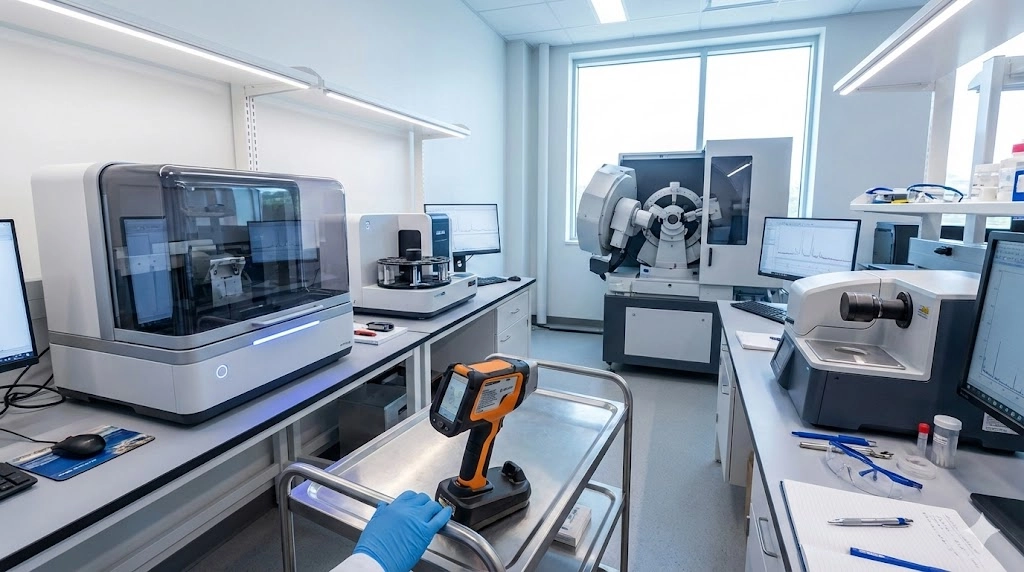
Bruker D6 PHASER – Bruker
Rigaku MiniFlex XpC – Rigaku
Evident Vanta Max (V2 Series) – Evident
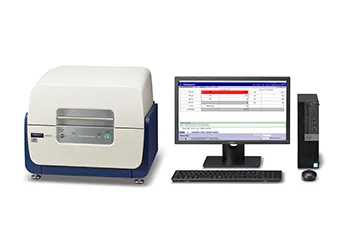
Hitachi EA1400 – Hitachi High-Tech
Rigaku SmartLab – Rigaku
Comparison of Top X-Ray Equipment
Conclusion: Selecting the Right X-Ray Analytical Equipment
Jan 09, 2026
Product News
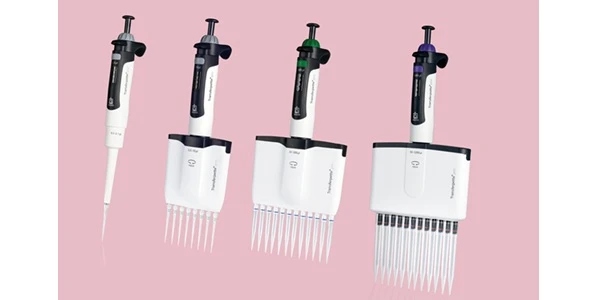
BRANDTECH Scientific Introduces the Transferpette® pro Micropipette: A New Twist on Comfort and Control
The latest addition to its trusted line of precision liquid handling instruments, engineered for comfort, control, and repeatable accuracy.

Jan 06, 2026
Featured, Technical Insight
New Research Frontiers Unlocked by Next-Generation Flow Cytometry
Next-generation flow cytometry systems using acoustic focusing are opening entirely new areas of research that were previously impractical or inaccessible with conventional flow cytometers.
Jan 05, 2026
Buying Guides
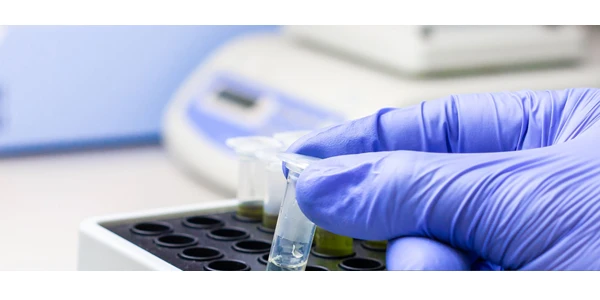
The Bottom Line: How Smart Microcentrifuge Tube Choices Impact Lab Efficiency and Cost
Innovative microcentrifuge tube solutions are more than just lab consumables—they’re strategic tools that can reduce costs, improve outcomes, and support long-term sustainability goals.
Jan 05, 2026
Buying Guides
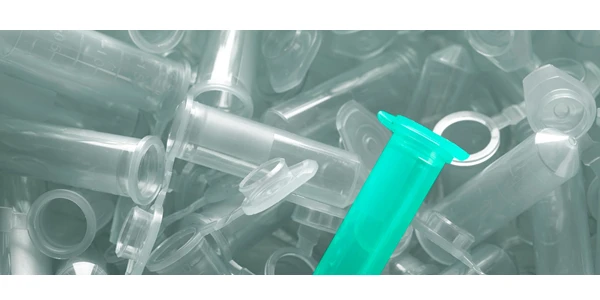
Future-Proofing Your Lab with Innovative Microcentrifuge Tube Solutions
As laboratories evolve to meet the growing demands of modern science, even the most basic tools—like microcentrifuge tubes—are being reimagined.
Jan 05, 2026
Buying Guides
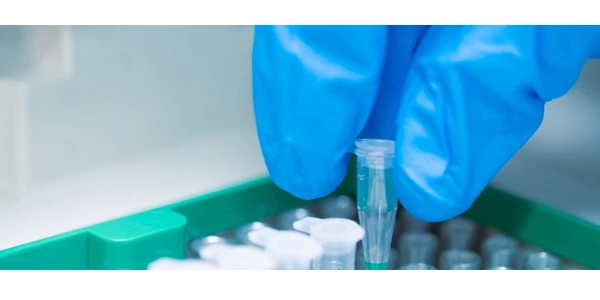
Microcentrifuge Tube Innovations: Driving Sustainable Change
Integrating next-generation consumables into standard workflows can lead to a more sustainable and responsible research environment.
Jan 05, 2026
Buying Guides
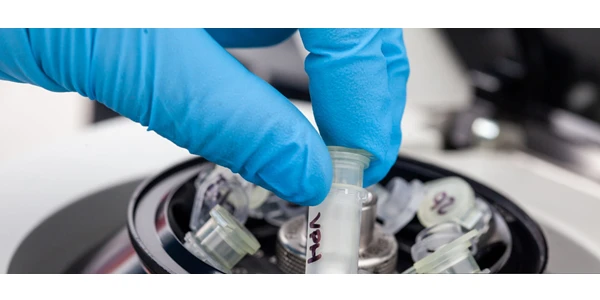
Single Use Plastics: How to Manage these Major Contributors to Lab Waste
Reducing lab waste isn’t just a sustainability issue—it’s a financial and operational one, too.
Jan 05, 2026
Buying Guides
Common Microcentrifuge Tube Challenges in Sensitive Molecular Workflows
Key factors that can impact the performance of microcentrifuge tubes for PCR, qPCR, and NGS and other sensitive applications
Jan 05, 2026
Buying Guides
How to Research the Right Microcentrifuge Tubes for Your Application
Selecting the right microcentrifuge tubes starts with understanding the specific demands of your application.
Jan 05, 2026
Technical Insight
The Best Confocal Microscopes of 2026
Discover the best confocal microscopes of 2026 for advanced imaging. Compare top models from Zeiss, Evident, and Nikon for speed, resolution, and budget.

Dec 24, 2025
Featured, Popular Products, Technical Insight
Emerging Mass Spectrometry Technologies to Improve Intraoperative Diagnostics
Advances in mass spectrometry may soon reshape surgery, improving diagnostic accuracy and impacting post-operative outcomes